Attractions and Places To See around Gijon - Top 20
Best attractions and places to see around Gijon, a coastal city in Asturias, Spain, offer a diverse range of experiences. The city features a mix of historical landmarks, cultural sites, and natural landscapes. Visitors can explore ancient Roman ruins, significant architectural works, and extensive urban beaches. Gijon provides opportunities to engage with its rich heritage and scenic coastal environment.
Best attractions and places to see around Gijon
- The most popular attractions is Plaza Mayor of Gijón, a historical site that serves as the heart of the old town. This 19th-century square features the City Hall, the statue of King Pelayo, and is surrounded by historic buildings and local establishments.
- Another must-see spot is Plaza de Marqués de San Esteban, a settlement located at the base of the Cimavilla neighborhood. This square is a crossing point between Poniente and San Lorenzo beaches, offering access to Gijón's port and featuring the Revillagigedo Palace.
- Visitors also love Church of San Salvador de Priesca, a pre-Romanesque religious building consecrated in 921. This church, located near Villaviciosa, is a Monumento Nacional and features early medieval frescoes.
- Gijon is known for its historical sites, natural features, and cultural attractions. The city offers a variety of experiences, from exploring ancient churches and palaces to enjoying urban beaches and scenic viewpoints.
- The attractions around Gijon are appreciated by the komoot community, with more than 130 upvotes and over 70 photos shared by visitors.
Last updated: October 10, 2026
Plaza Mayor of Gijón
Highlight • Historical Site
Translated by Google •
Tip by

Plaza de Marqués de San Esteban
Highlight • Settlement
Translated by Google •
Tip by

Sign up now to discover places like this
Get recommendations on the best single tracks, peaks, & plenty of other exciting outdoor places.
Cider tower and San Lorenzo beach
Highlight • Beach
Translated by Google •
Tip by

Church of San Salvador de Priesca
Highlight • Religious Site
San Salvador de Priesca
history
The church was consecrated in 921. This date was carved into a foundation stone that was lost during the restoration work at the beginning of the 20th century. The inscription has been handed down and indicates the eighth day of the calendars of October 959 of the Spanish era as the date of consecration, which corresponds to September 24, 921 of our era. In 1913 the building was declared a Monumento Nacional (Bien de Interés Cultural). In 1936, during the Spanish Civil War, a fire caused great damage and destroyed part of the early medieval frescoes. A renovation was carried out in the 1990s, in which the wooden ceilings were renewed and the frescoes were preserved.
Translated by Google •
Tip by

Church of Saint Peter
Highlight • Religious Site
Showing Translation
Tip by
Town Hall Square
Highlight • Monument
Translated by Google •
Tip by

Cabo Peñas Lighthouse
Highlight • Monument
In operation since 1852, it was electrified in 1946. In 1951 a siren was installed that emits the letter "P" in Morse, replaced in 1977. In 1956 a radio beacon was installed, a radio station that broadcasts in Morse PS, and in 2003 a Dgps station. Emits 3 white flashes every 15 sec. Reaching 21 miles.
Translated by Google •
Tip by

Monument to Octavian Augustus
Highlight • Monument
Translated by Google •
Tip by
Mirador del Fito
Highlight • Viewpoint
Showing Translation
Tip by

Church of St Thomas of Canterbury
Highlight • Religious Site
At the end of the nineteenth century the small Romanesque temple of Sabugo, the old fishing district of Avilés, had become too small to accommodate all its parishioners. The whole city mobilized to build a new temple that would be a symbol of the progress that Avilés was then experiencing: the City Council, the local bourgeoisie, even the Avilesian emigrants in Cuba did not hesitate to contribute their money and their effort to make the project a reality.
Symphonic organ: Thanks to the contribution of individuals, companies and foundations, the church has since 2010 a symphonic organ by the builder Federico Acitores, the second largest in Asturias, after the Basilica of Covadonga.
Lignum Crucis: Since in 1953 he received, through the intercession of Bishop Lauzurica, a fragment of the relic of Lignum Crucis that is preserved in the Monastery of Santo Toribio de Liébana (Cantabria), this has become the treasure and symbol of the Brotherhood of Our Lady of Solitude and of the Holy True Cross, who venerates the Virgin since ancient times in her invocation of Our Lady of Solitude. The wood splinter will be shown in a chestnut wood niche, the work of cabinetmaker Paco Cueva.
aviles.es/en/iglesia-de-santo-tom%C3%A1s-de-canterbury
Tip by

Sign up for free to discover even more attractions around Gijon.
Already have an account?
Start today with a free account
Your next adventure awaits.
Popular around Gijon
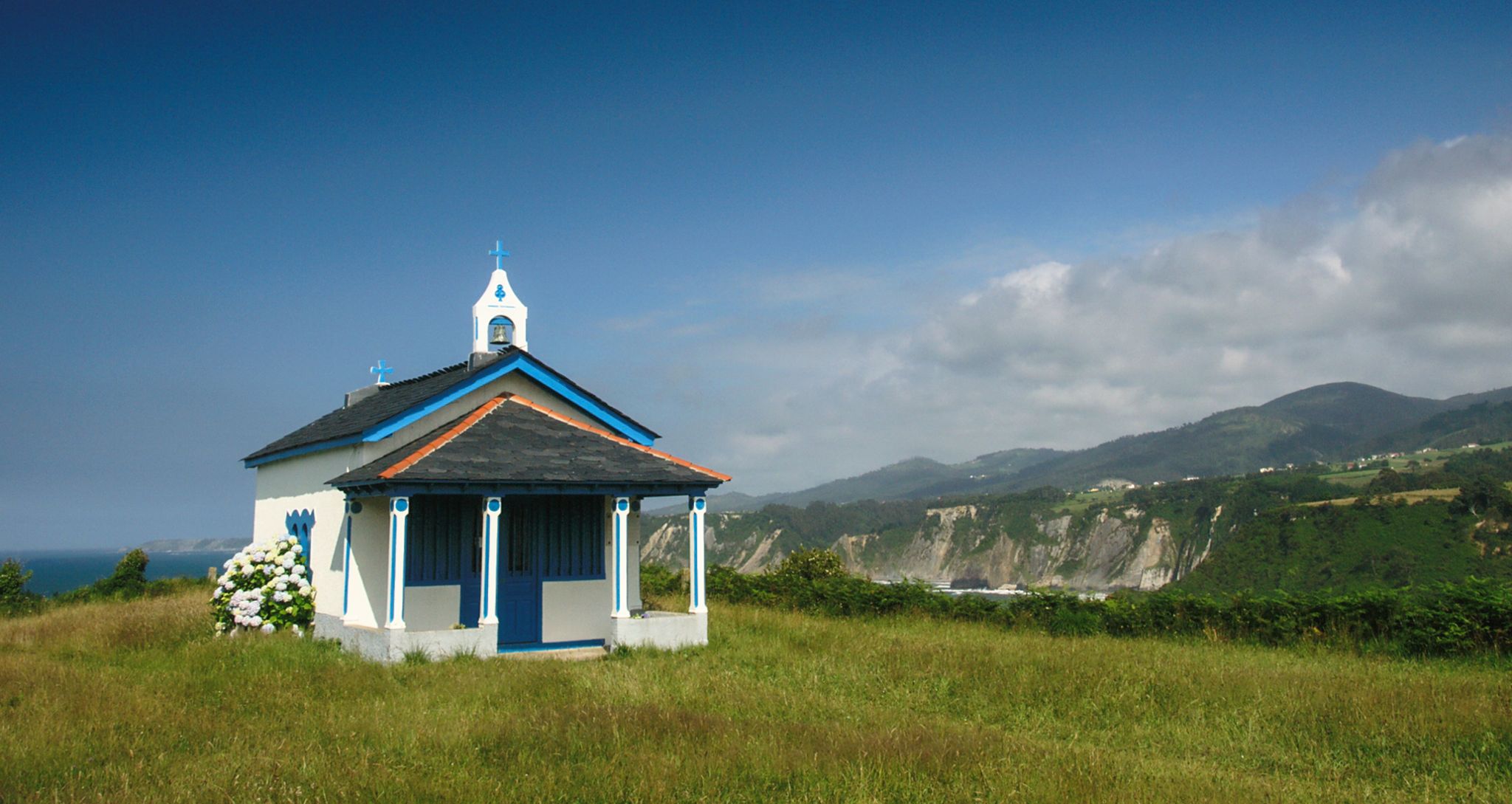
Camino del Norte – 15 stages
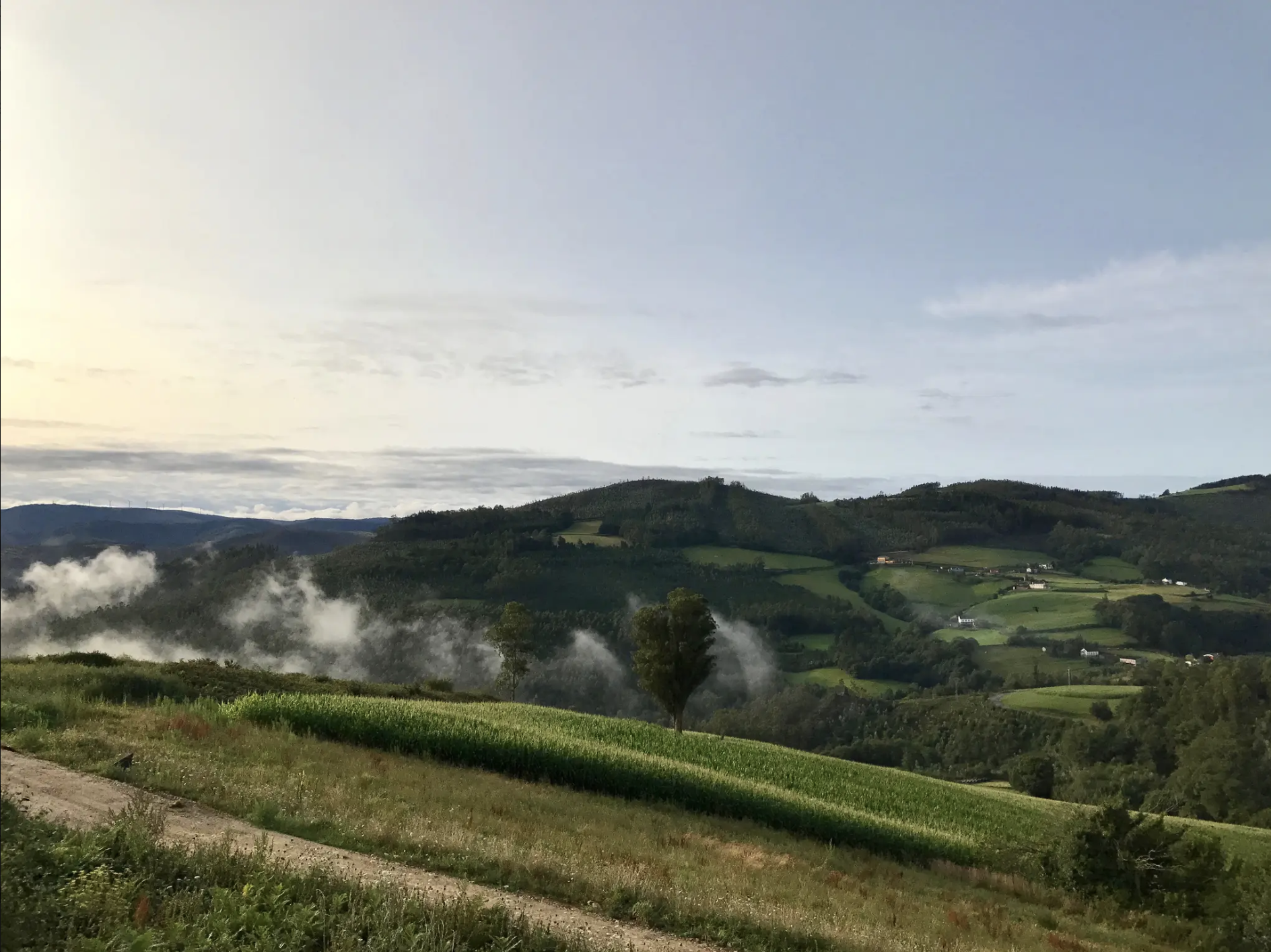
Camino del Norte (in reverse) – Discovering northern Spain's stunning coastline

Mythical Passes and Sections of La Vuelta
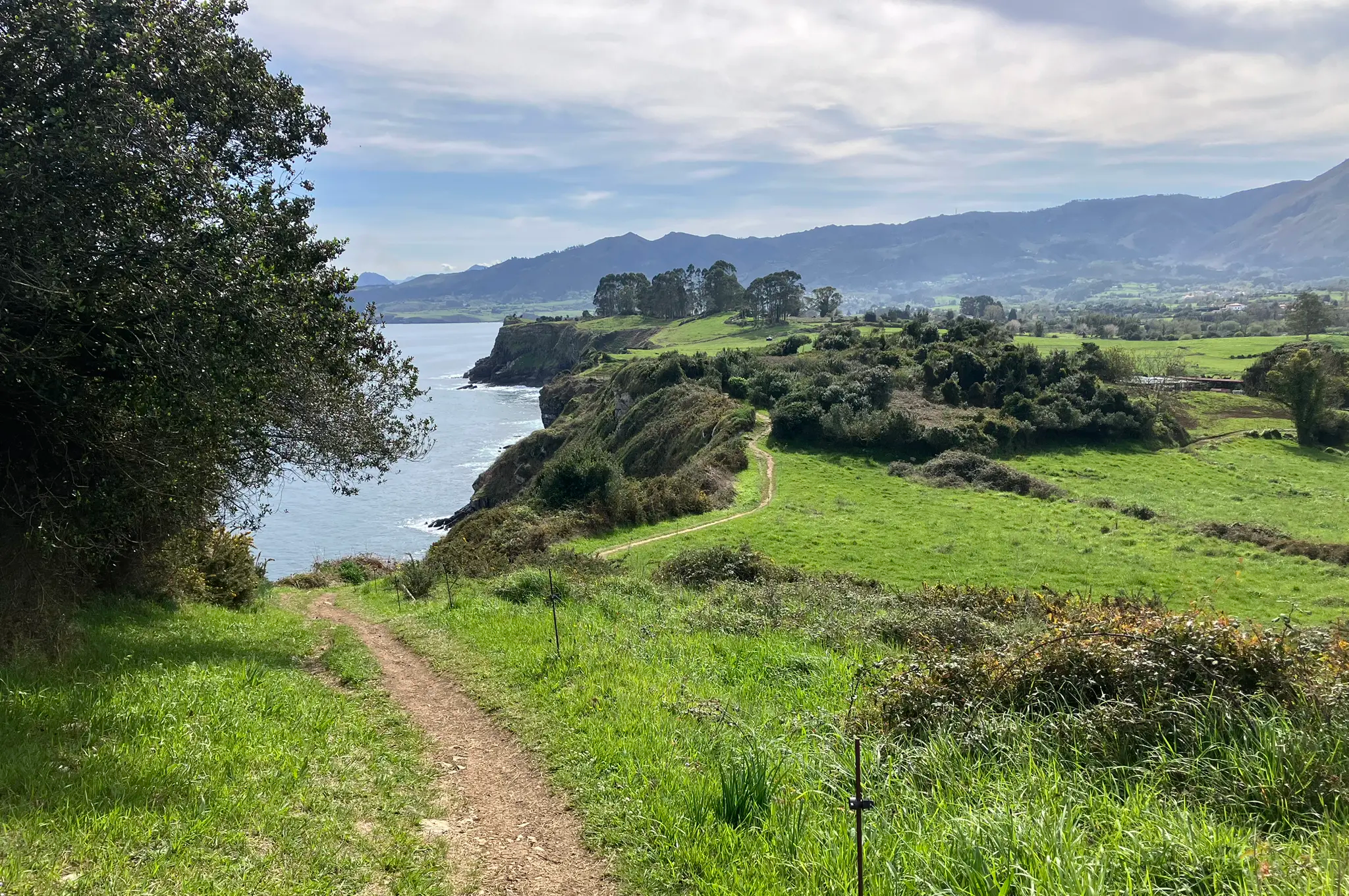
Green, Blue and Gold - Coastal Path through Asturias (GR 204)
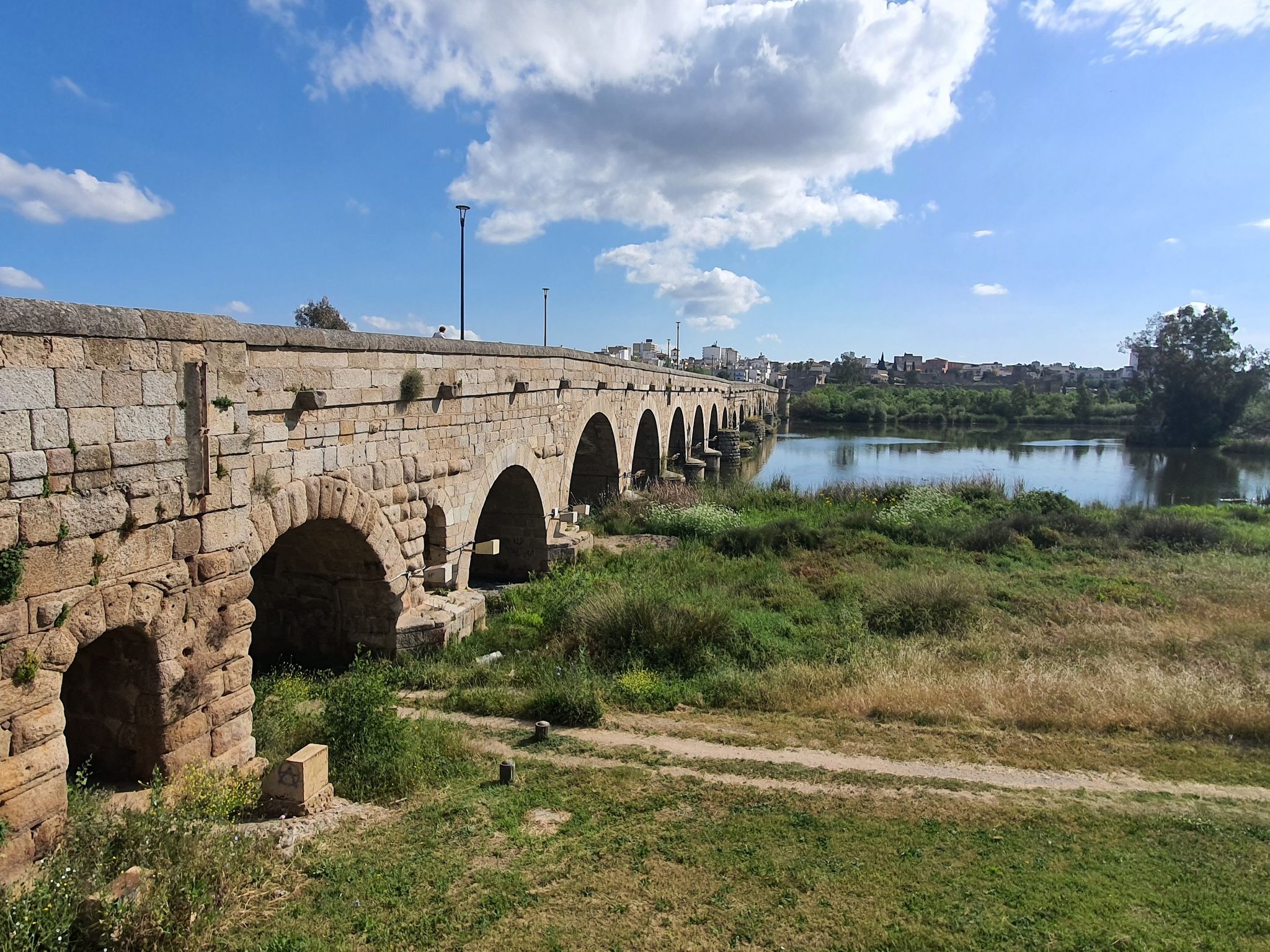
Gijón to Sevilla in Spain – Vía de la Plata (GR 100)
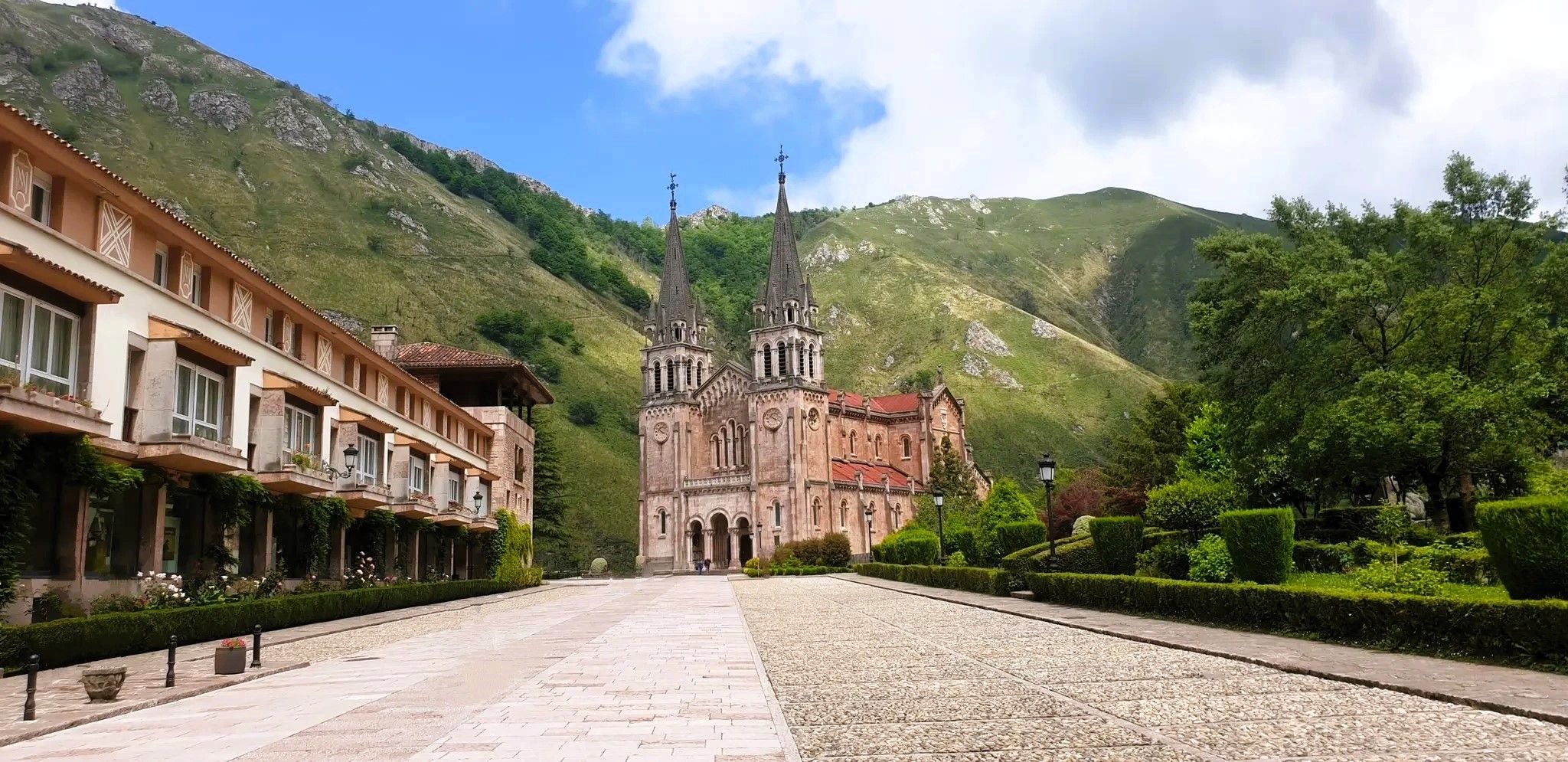
The other side of Asturias in Spain – Travesía Andariega (GR 108)
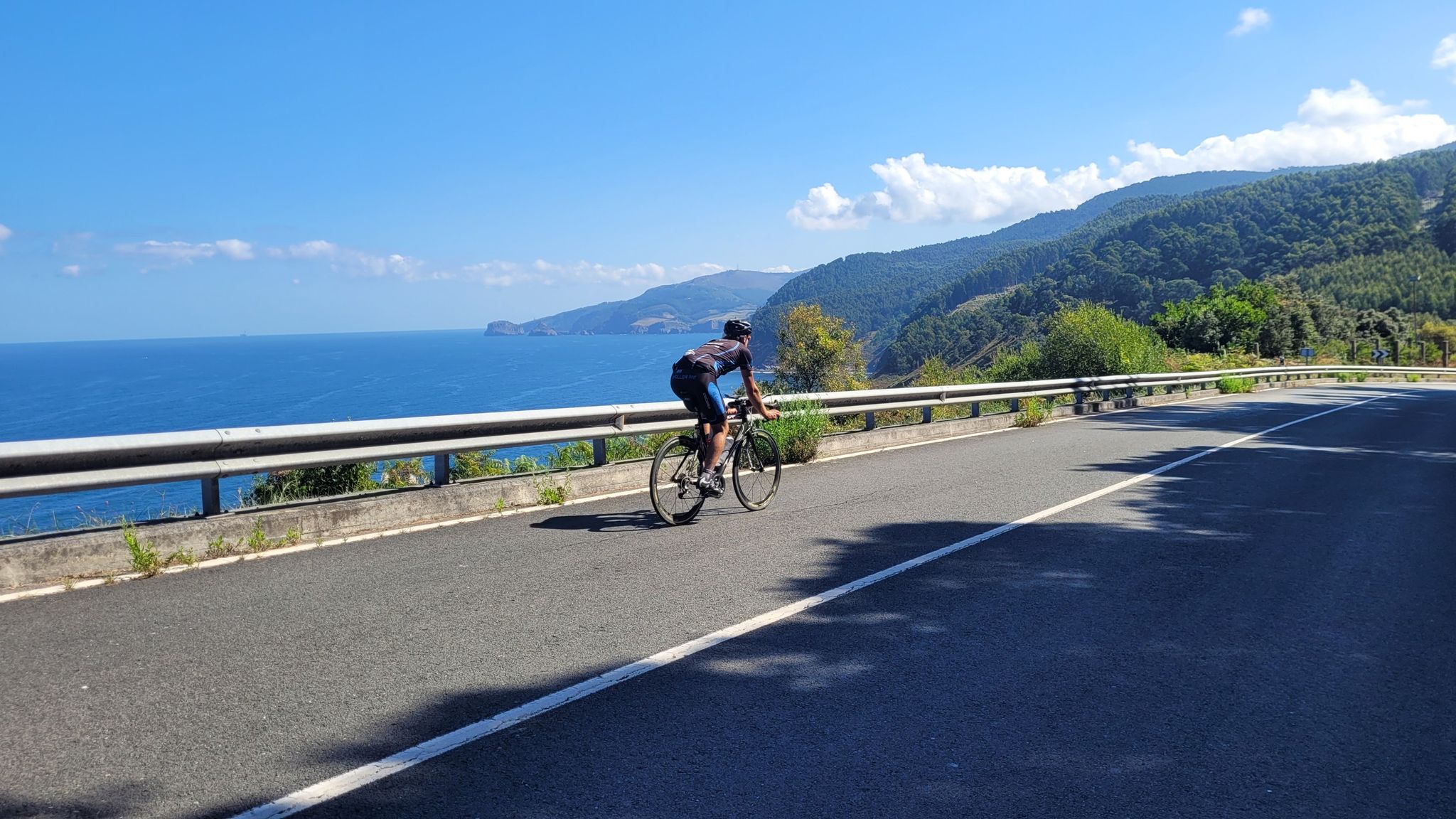
Cycling along the Cantabrian coast – the Northern Way
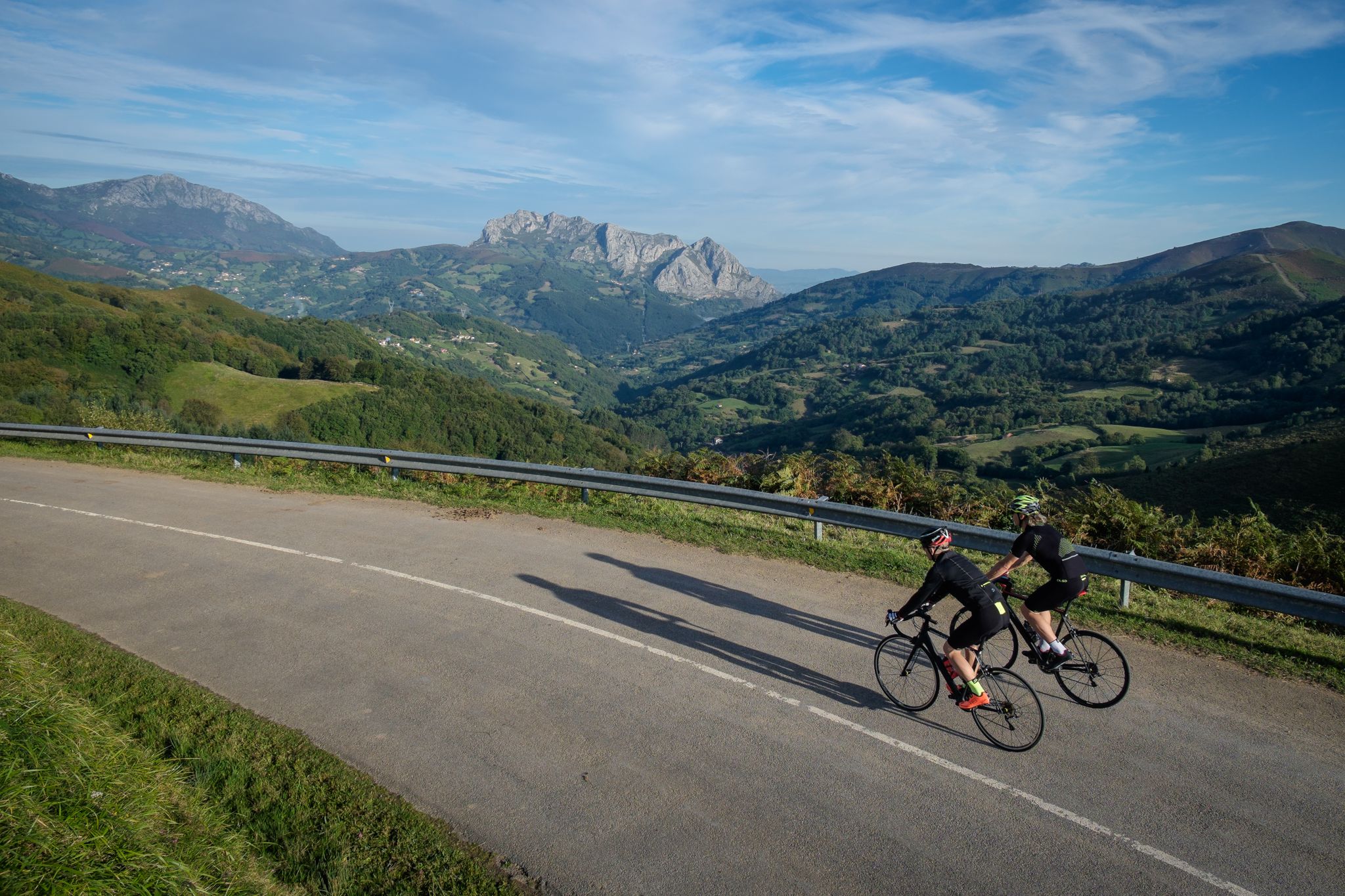
Explore Spain’s monuments and landscapes – cycle the Via de la Plata
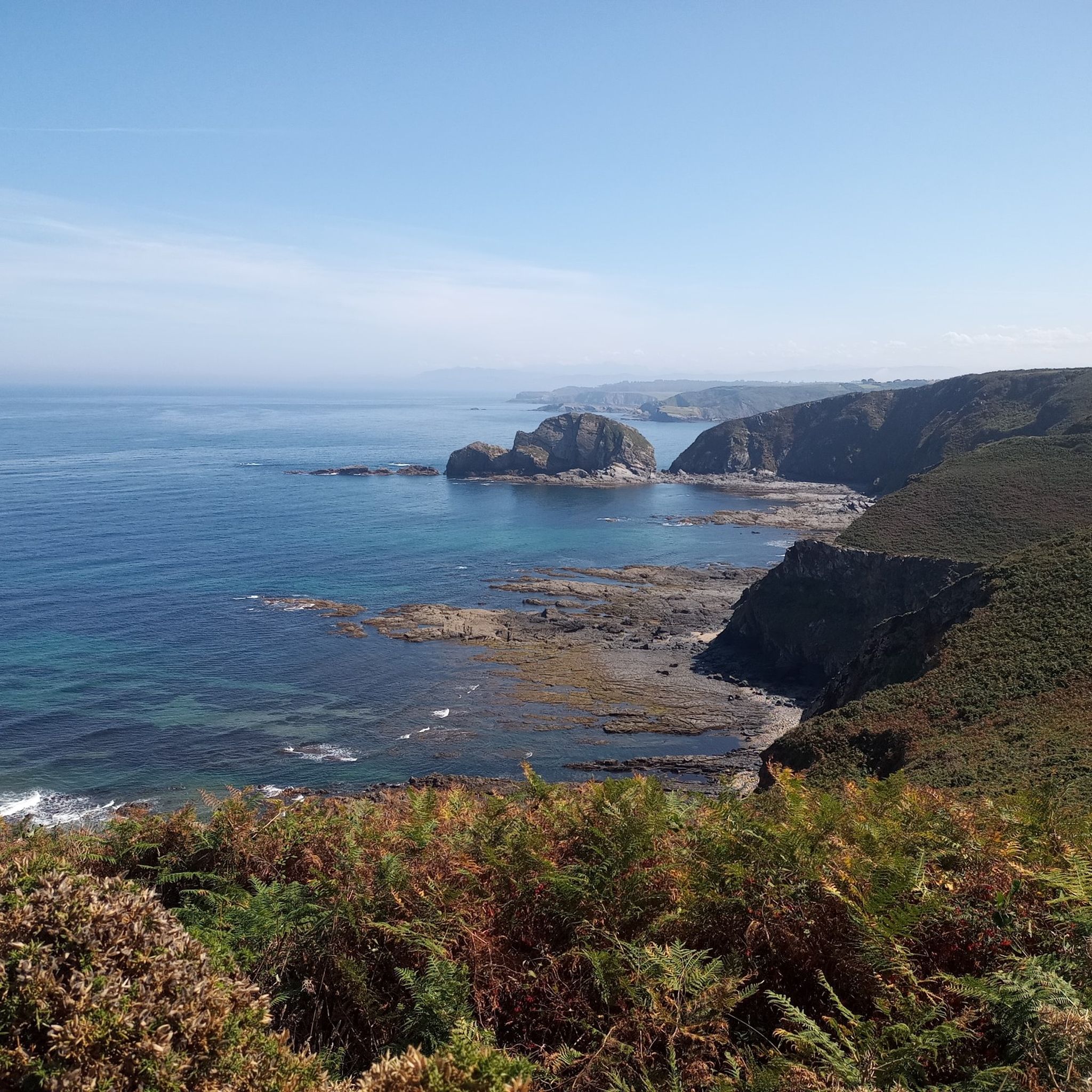
Hiking around Gijon
Running Trails around Gijon
Other adventures around Gijon


Tips from the Community

Built between 1945 and 1955, this church is inspired by Asturian pre-Romanesque temples. It's beautiful to see at night from San Lorenzo beach, with the entire promenade illuminated and the lights reflecting on the sea.
0
0

If we encounter the patronage of a Saint Thomas, then for most people outside Great Britain, their thoughts probably go back two thousand years to the time of Christ. This is because one of the twelve apostles whom Jesus called to follow him bears this name. In the accounts of the evangelists, he is given the epithet 'Didymus', which means 'twin' in German. However, in this case, the chosen patronage refers to Saint THOMAS BECKET (1118 to 1170), also known as THOMAS of CANTERBURY after the place of his bishopric and martyrdom. Incidentally, Canterbury Cathedral (County Kent, England) can be visited – at least virtually in the komoot system – via the following link: =>> https://www.komoot.com/de-de/highlight/231266
0
0

The Cabo Peñas Lighthouse is located on the most prominent plateau of Cabo Peñas, 100 meters above sea level and about 60 meters from the cliff. In operation since 1852, it was electrified in 1946. In 1951, a siren was installed that emits the letter "P" in Morse code, which was replaced in 1977. In 1956, a radio beacon was installed, transmitting in Morse code PS, and in 2003 a DGPS station was added. It emits three white flashes every 15 seconds, with a range of 21 nautical miles.
10
0


Breathtaking and closed. In front of it a large square. Right by the sea.
1
1

The Villaviciosa Town Hall building is a building steeped in history and remarkable features. Location: Town Hall Square, in the heart of Villaviciosa. Style: Eclectic architecture with elements reflecting different eras. History: The original building dates from the 17th century, although it has undergone several renovations and expansions over time, especially in the 19th and 20th centuries. Characteristics: It features a sober and elegant main façade, with balconies and ornamental elements characteristic of the period of its renovation. The Villaviciosa coat of arms stands out on its frontispiece. Functions: Houses the administrative and political offices of the Villaviciosa municipal government. Significance: It is a symbol of civil power and an important landmark for the residents of the municipality.
1
0

A modern and unique "monument." Cider is a very indigenous product, and this is a way to honor it.
0
0
An iconic site in Gijón. A must-see for first-time visitors.
0
0
Frequently Asked Questions
What outdoor activities can I enjoy around Gijon?
Gijon offers a variety of outdoor activities, from relaxing on its urban beaches like San Lorenzo Beach and Playa de Poniente, to exploring extensive parks and coastal trails. You can find numerous options for hiking, road cycling, and running. For example, popular hiking routes include the Eastern Coastal Trail of Gijón, while road cyclists might enjoy routes like 'Playa España, Tazones y Ría de Villaviciosa desde Gijón'. Runners can explore trails such as the Cervigón Coastal Trail. For more detailed routes, you can check the dedicated guides for hiking, road cycling, and running around Gijon.
Are there any historical sites or ancient ruins to explore in Gijon?
Yes, Gijon is rich in history. The oldest neighborhood, Cimadevilla, is built on the Santa Catalina headland and features Roman ruins, including the well-preserved Campo Valdés Roman Baths dating back to 100 AD. You can also visit the magnificent 18th-century Revillagigedo Palace, which now houses an international art center, and the impressive Church of San Pedro, rebuilt in Gothic style overlooking San Lorenzo Beach.
What are some family-friendly attractions in Gijon?
Gijon offers several family-friendly attractions. The Plaza Mayor of Gijón and Plaza de Marqués de San Esteban are vibrant squares perfect for a stroll. The San Lorenzo Beach is ideal for sunbathing and swimming. The Aquarium of Gijón, located at Playa de Poniente, houses 4,000 different species and is a great educational experience for all ages. Additionally, the Gijón Atlantic Botanical Gardens offer lush spaces to explore North Atlantic flora, and Parque Isabel La Católica is known for its diverse bird species.
Where can I find the best panoramic views of Gijon and the coast?
For breathtaking panoramic views, head to the Cerro de Santa Catalina Park on the Cimadevilla peninsula, which offers expansive vistas of the Atlantic Ocean and the city. The iconic 'Eulogy to the Horizon' sculpture by Eduardo Chillida, also on Santa Catalina headland, provides stunning sea views. Another excellent spot is the Mirador del Fito, which offers spectacular mountain and coastal scenery. The Cabo San Lorenzo Park also features a viewpoint shaped like a ship's bow, providing unique coastal perspectives.
Are there any accessible attractions for visitors with mobility needs?
Yes, Gijon strives for accessibility. The Town Hall Square (Plaza Mayor) and the Monument to Octavian Augustus are noted as wheelchair accessible. Many of the city's main squares and promenades, such as the one along San Lorenzo Beach, are generally flat and accessible. It's always recommended to check specific venue details for the most up-to-date accessibility information.
What cultural sites should I visit in Gijon?
Gijon boasts several significant cultural sites. The Universidad Laboral de Gijón, a UNESCO World Heritage Site, is Spain's largest building and a major cultural center. The Museum of the Asturian People provides insights into local heritage, while the Jovellanos' Birthplace Museum explores the life of a prominent Enlightenment figure. For art enthusiasts, the Evaristo Valle Foundation Museum showcases the works of the painter Evaristo Valle.
Can I find any unique architectural landmarks in Gijon?
Absolutely. Beyond the historical palaces and churches, Gijon is home to the monumental 'Eulogy to the Horizon' sculpture by Eduardo Chillida, a symbol of the city. The Universidad Laboral de Gijón is an architectural marvel, recognized as a UNESCO World Heritage Site for its scale and design. In the newer parts of the city, particularly from the 19th century, you can also admire ornate Art Nouveau buildings, reflecting a period of economic boom.
What is the best time of year to visit Gijon for outdoor activities?
The best time for outdoor activities in Gijon is generally during the warmer months, from late spring to early autumn (May to September). During this period, the weather is pleasant for exploring beaches, parks, and coastal trails. Summer offers ideal conditions for swimming and sunbathing, while spring and autumn provide comfortable temperatures for hiking and cycling, often with fewer crowds.
Are there any lighthouses or coastal viewpoints near Gijon?
Yes, the Cabo Peñas Lighthouse, located on the most prominent plateau of Cabo Peñas, offers stunning coastal views and has been in operation since 1852. It also houses a marine-themed museum. Within Gijon itself, the 'Eulogy to the Horizon' sculpture on the Santa Catalina headland provides excellent views of the Cantabrian Sea.
What are some lesser-known natural spots or 'hidden gems' around Gijon?
While popular spots are well-known, consider exploring the Monte Deva Recreational Area, a significant natural space a few kilometers from the city center, offering numerous trails and panoramic views. The Piles River Path is one of Gijon's largest parks, providing ample space for sport and leisure away from the main tourist hubs. For a unique natural monument, visit La Carbayeda de El Tragamón within the Gijón Atlantic Botanical Gardens, home to 400-year-old trees.
What do visitors enjoy most about Gijon's attractions?
Visitors frequently praise Gijon's blend of historical charm and natural beauty. They particularly enjoy the vibrant atmosphere of the Plaza Mayor of Gijón, the picturesque setting of Plaza de Marqués de San Esteban with its views of the marina and Revillagigedo Palace, and the impressive coastal scenery from viewpoints like the 'Eulogy to the Horizon'. The city's rich heritage, from Roman ruins to pre-Romanesque churches like San Salvador de Priesca, also receives high acclaim.
Most popular routes around Gijon
Most popular attractions around Gijon

Get inspired with the komoot mobile app


Didn’t find what you were looking for?
Are you keen on exploring more awesome places nearby? Browse our guides:
Explore more
Still not found the Highlight you’re looking for? See guides of the top attractions in other regions:
