Top 20 Mountain Passes around Pirineos
Best mountain passes around Pirineos offer diverse terrain and historical routes across the Pyrenean range. This region features passes known for their significant elevation changes and varied landscapes. The passes connect different valleys and countries, providing routes for exploration and travel. Many passes hold historical importance, including those associated with ancient trails and cycling events.
Best mountain passes around Pirineos
- The most popular mountain passes is Ibañeta Pass, a mountain pass that marks the end of a steep slope…
Last updated: October 13, 2026
Ibañeta Pass and the Roland Monument
Highlight • Mountain Pass
Translated by Google •
Tip by

Ibañeta Chapel
Highlight • Religious Site
Translated by Google •
Tip by

Sign up now to discover places like this
Get recommendations on the best single tracks, peaks, & plenty of other exciting outdoor places.
Ibañeta Pass
Highlight • Mountain Pass
Tip by

Larrau Pass
Highlight • Mountain Pass
Translated by Google •
Tip by

Pic d'Orhy
Highlight • Summit
Translated by Google •
Tip by

Erro Pass
Highlight • Mountain Pass
Translated by Google •
Tip by

Pierre Saint-Martin Pass
Highlight • Mountain Pass
Translated by Google •
Tip by

Laza Pass (1,129 m)
Highlight • Mountain Pass
Translated by Google •
Tip by
Tapla Pass
Highlight • Mountain Pass
Translated by Google •
Tip by

First climbs in the Camino Francés (Navarra)
Highlight (Segment) • Mountain Pass
Descending quickly and pleasantly down from the Ibañeta Pass towards Auritz-Burguete on the N-135 (beware of possible traffic), you have the illusion that …
Tip by
Sign up for free to discover even more mountain passes around Pirineos.
Already have an account?
Start today with a free account
Your next adventure awaits.
Popular around Pirineos
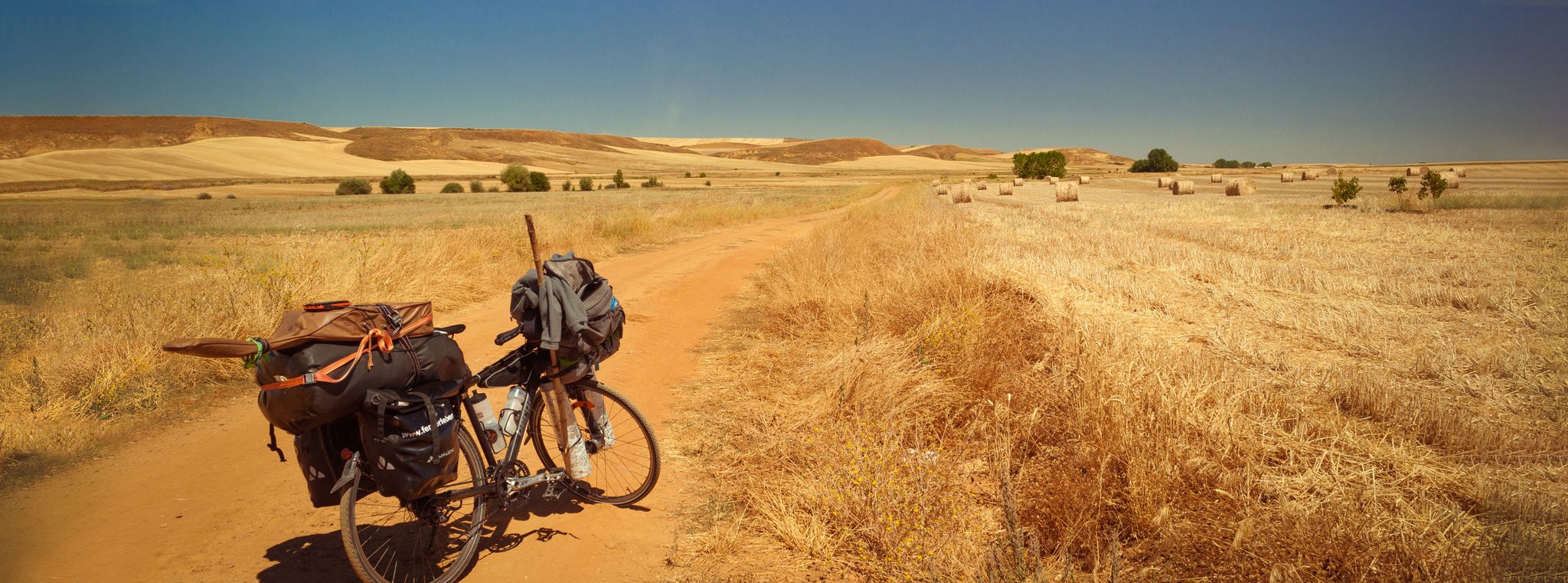
Camino Francés and Camino Finisterre – Cycling pilgrimages in Spain
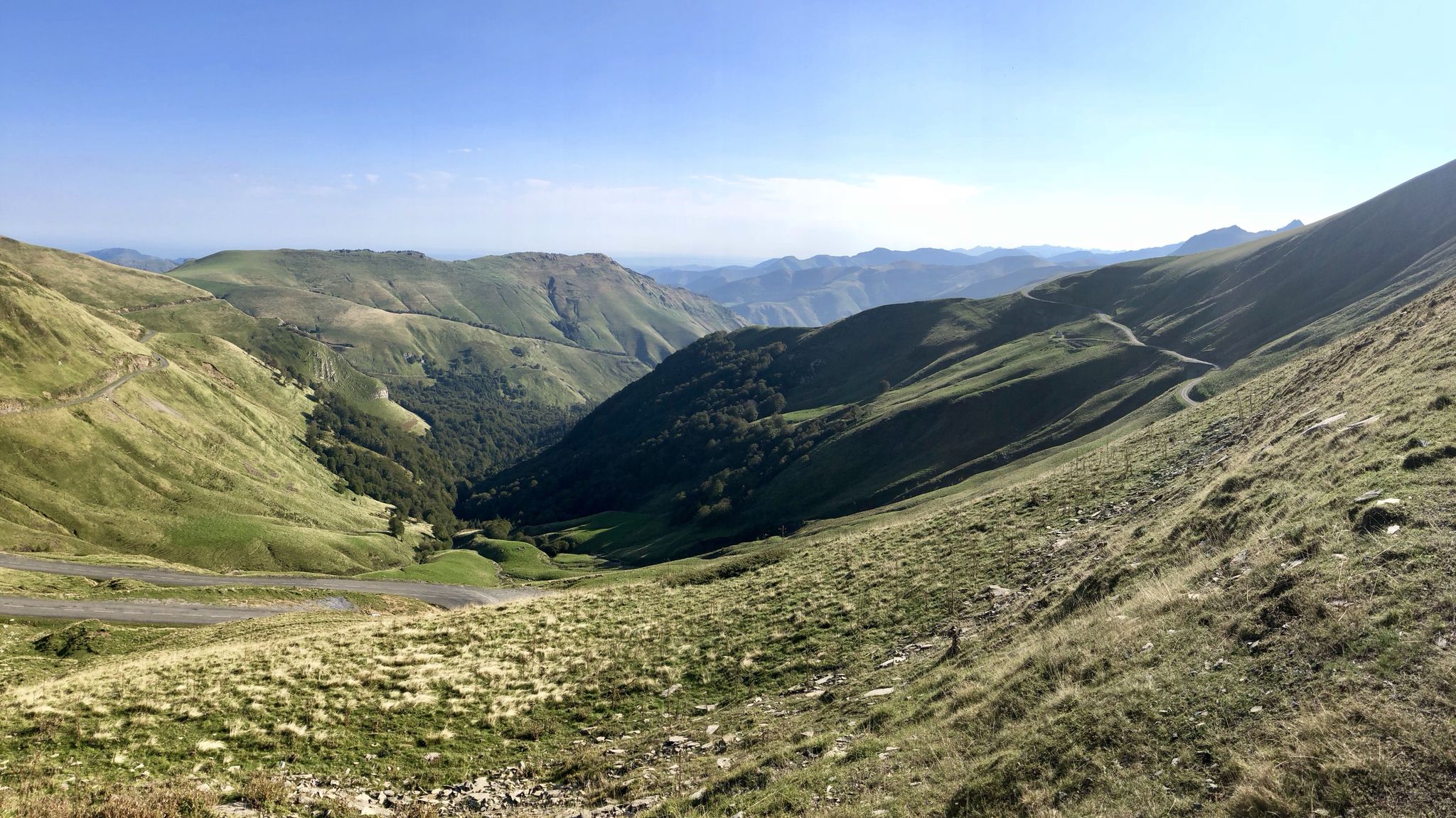
Euskal Herria footpath (GR 12) – The infinite mountain range
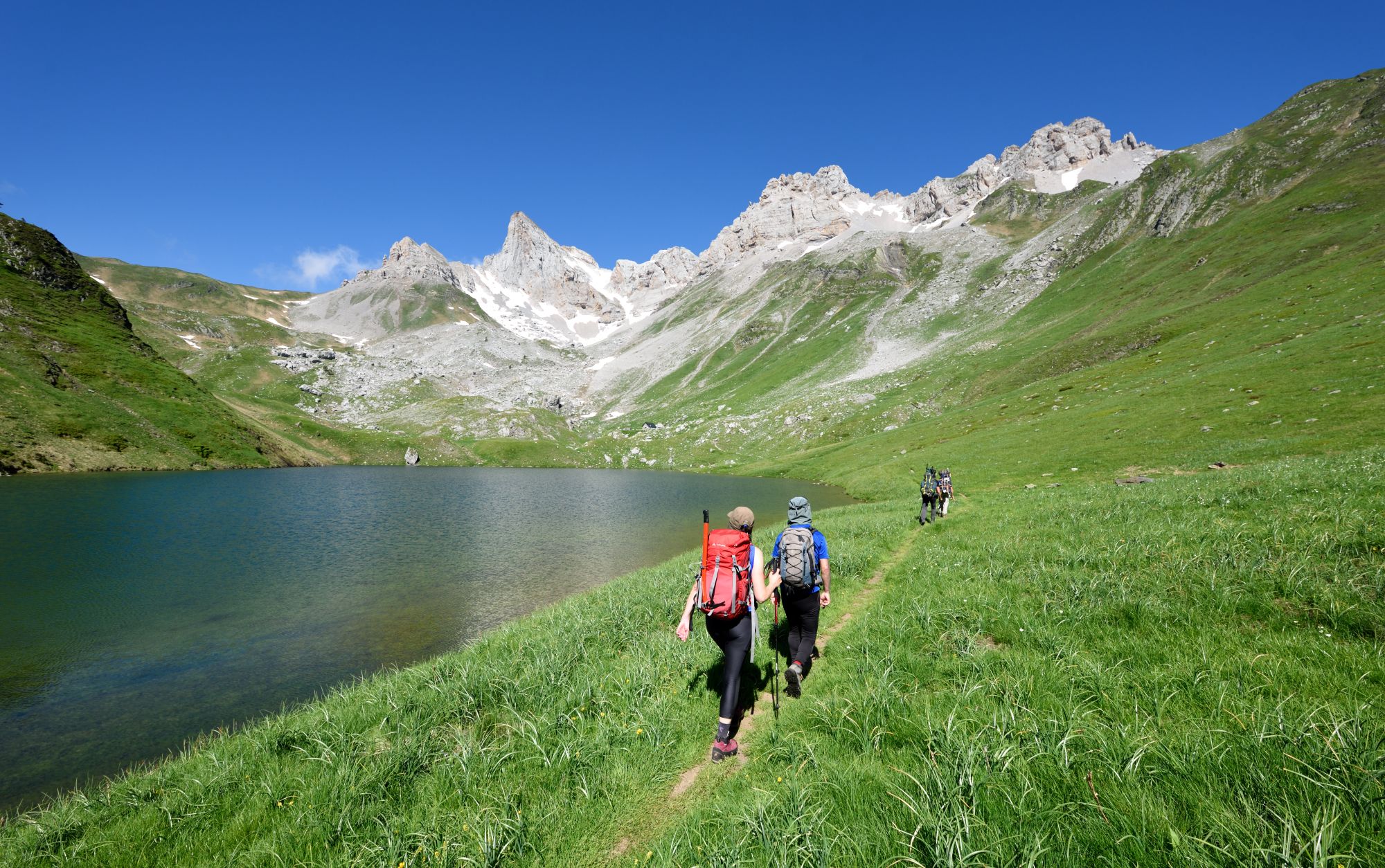
Classic Swallows Route in Spain – Mountains with history
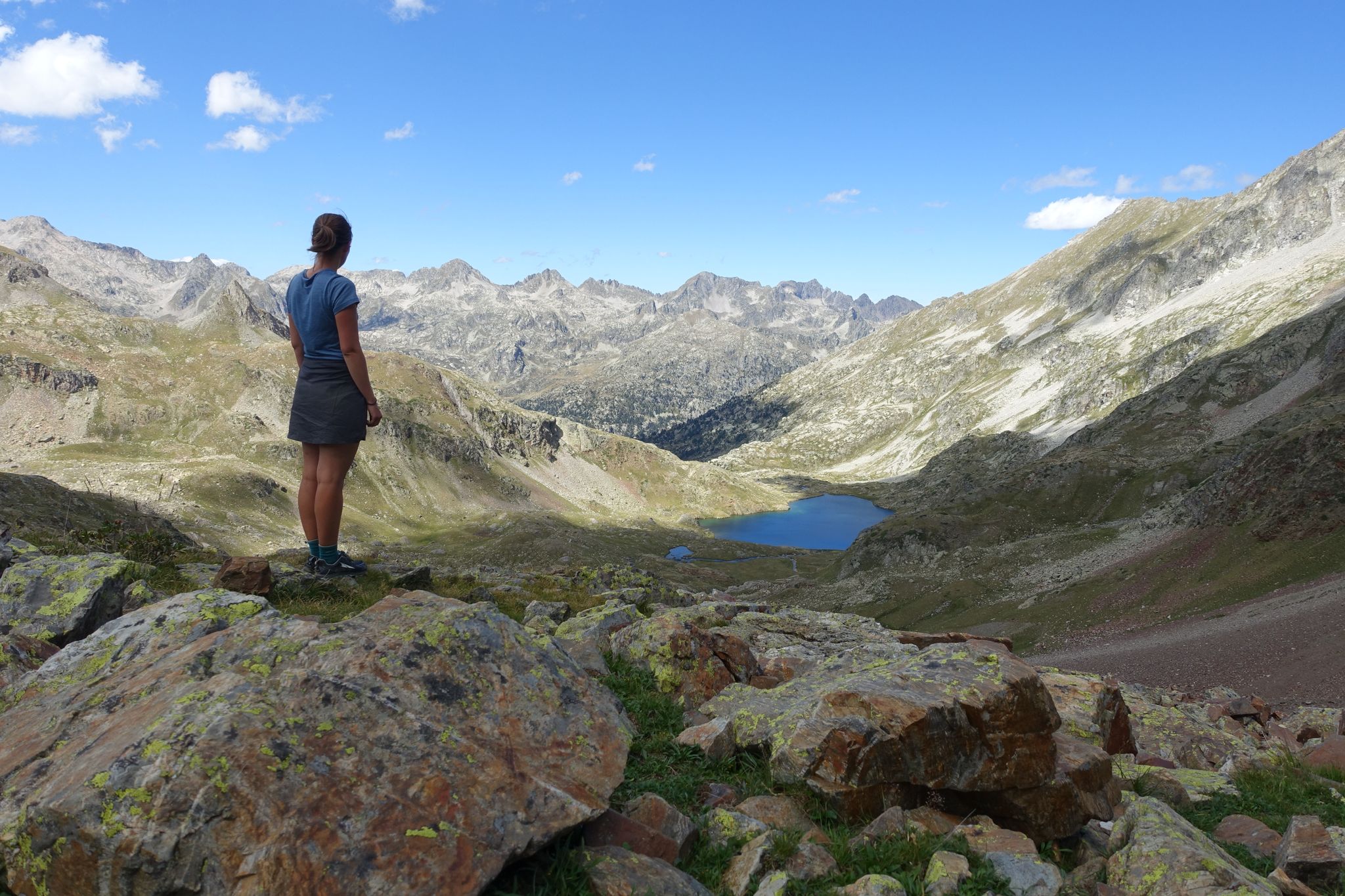
Haute Route Pyrénéenne – Pyrenees Crossing
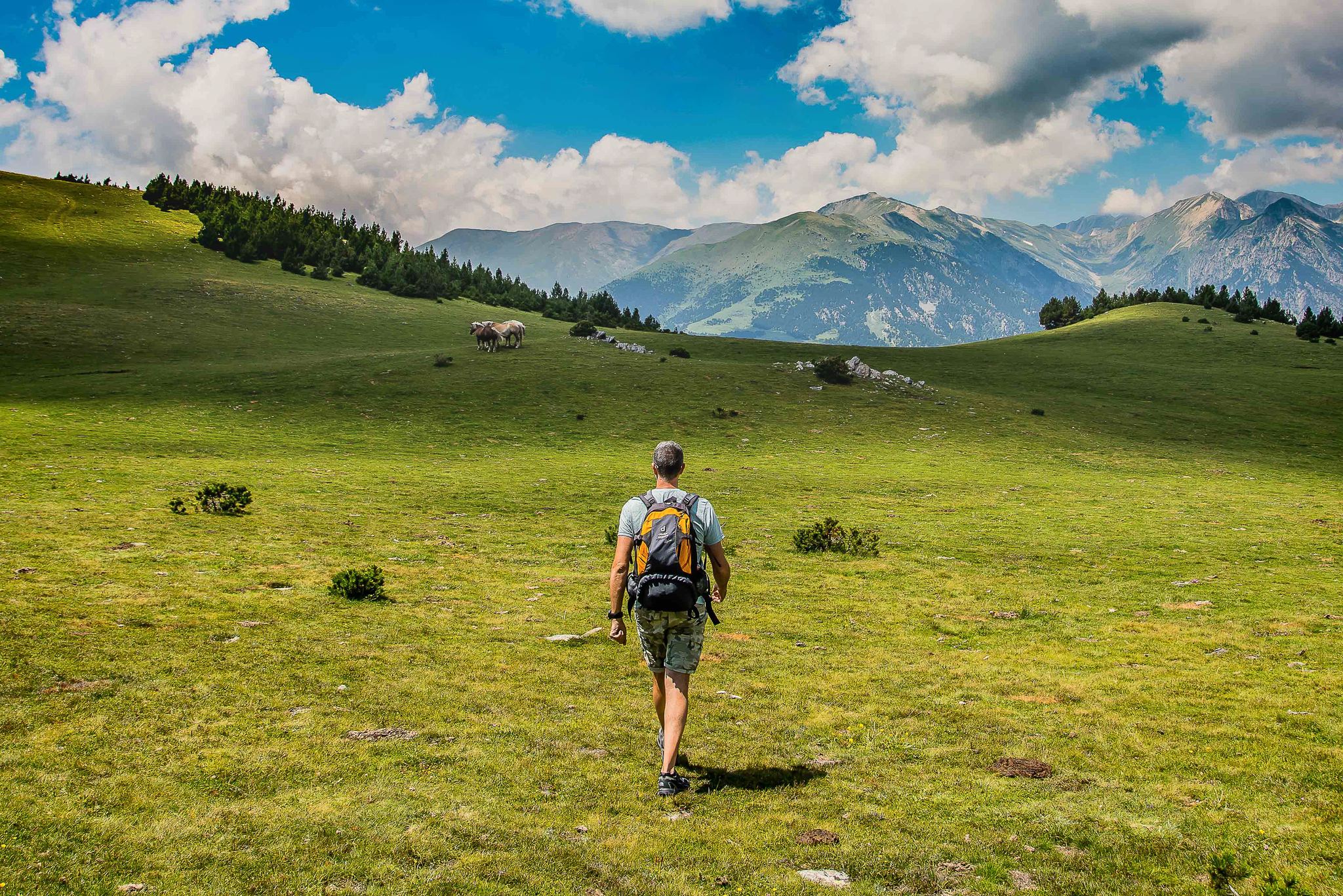
Epic journeys through the Pyrenees – 4 routes connecting 3 countries
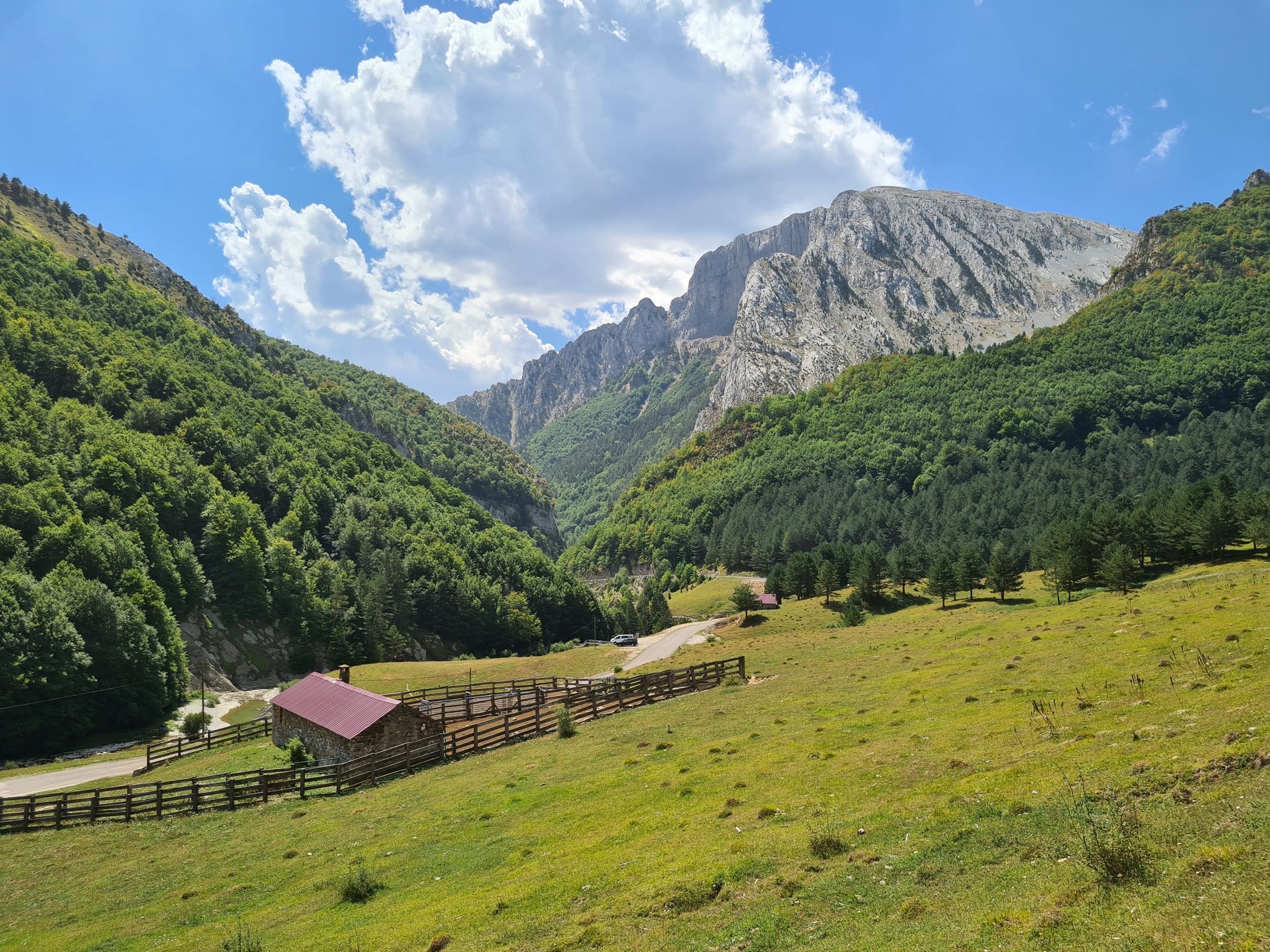
On the other side of the Pyrénées
Zazpiak Bat Packing – a cycling adventure in the Basque Country
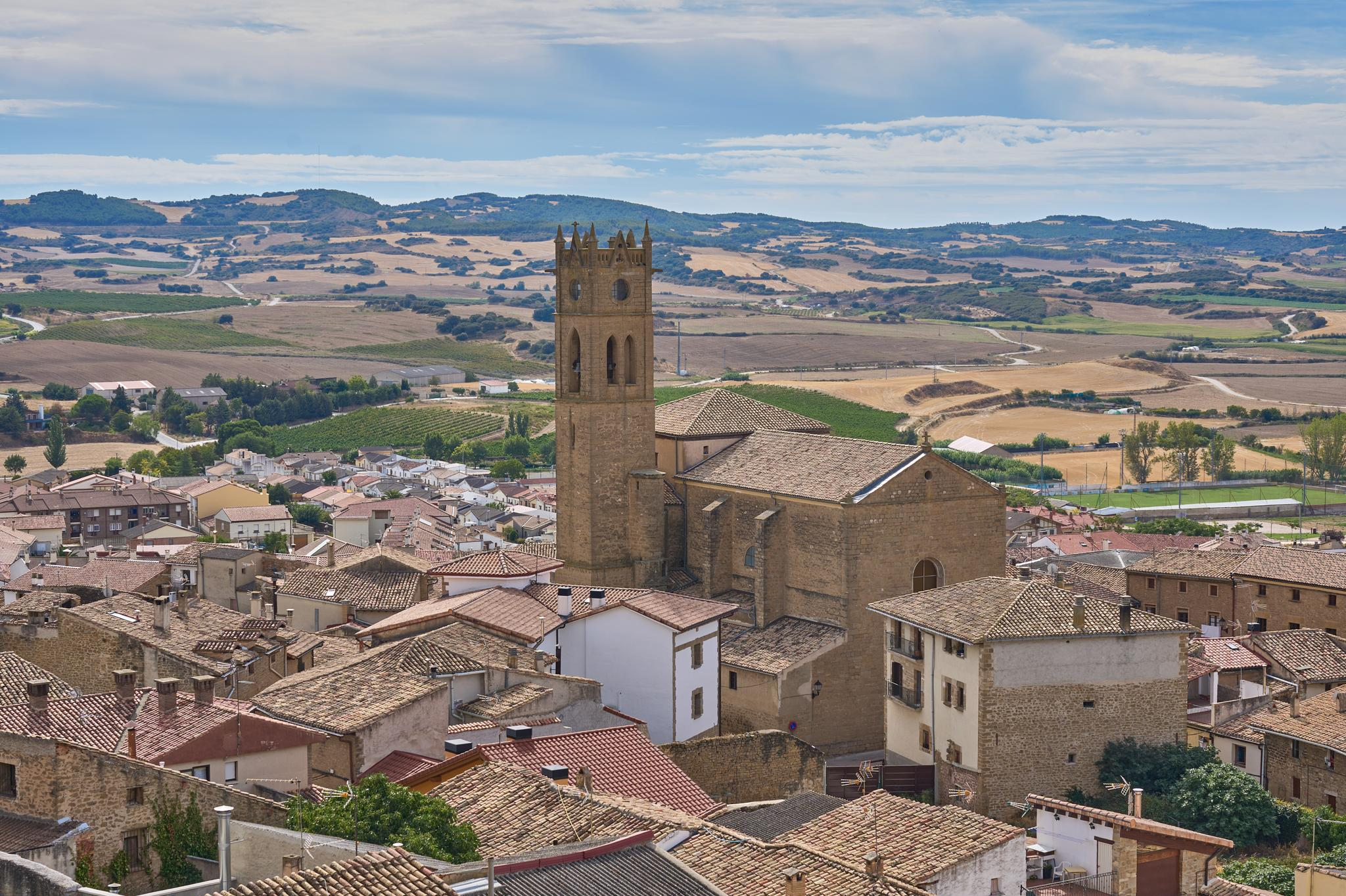
Path of the Templars — Path of the True Cross (GR 250)
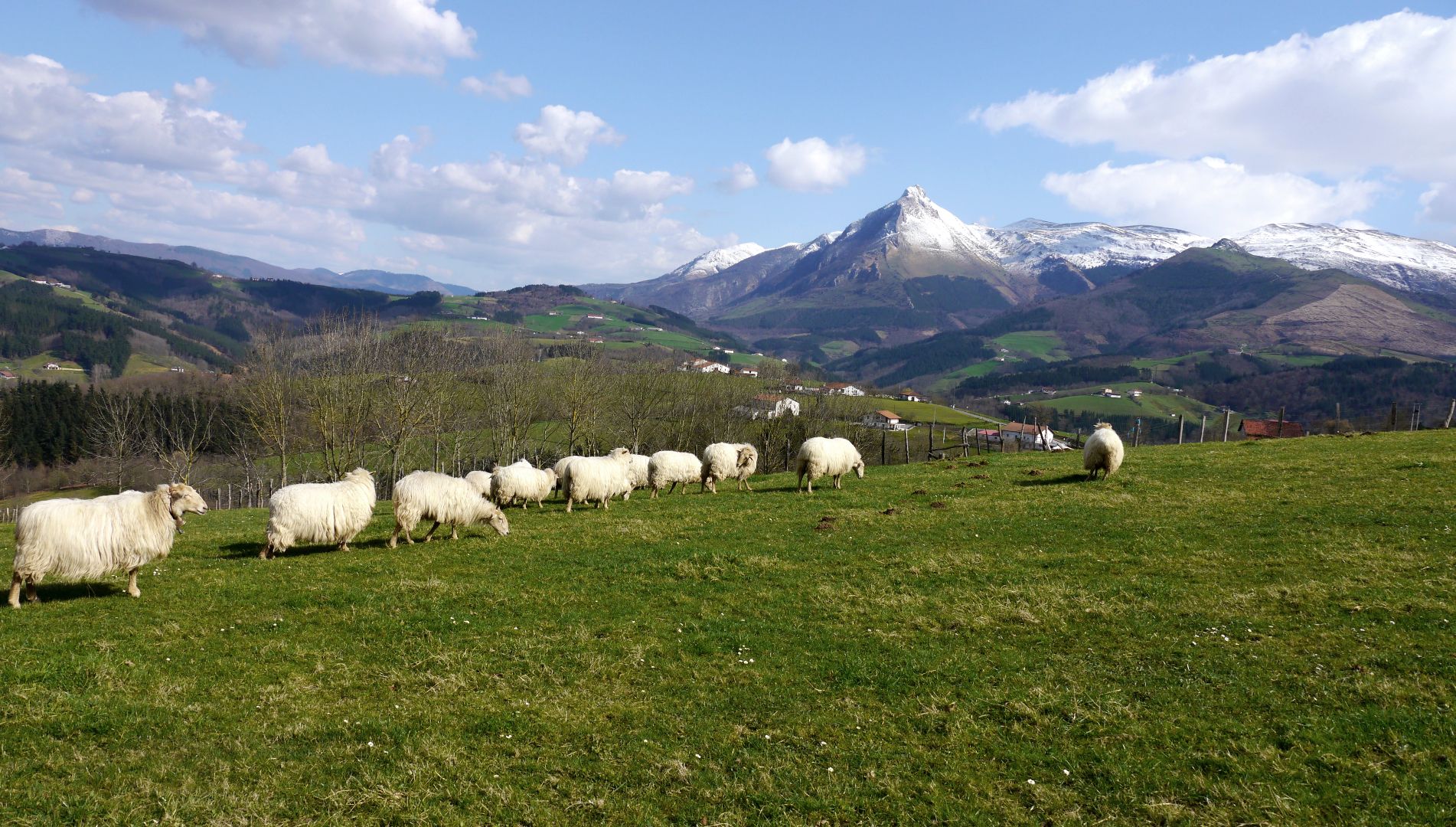
Mountains with tradition in Spain’s Basque Country – Shepherd's Path (GR 282)
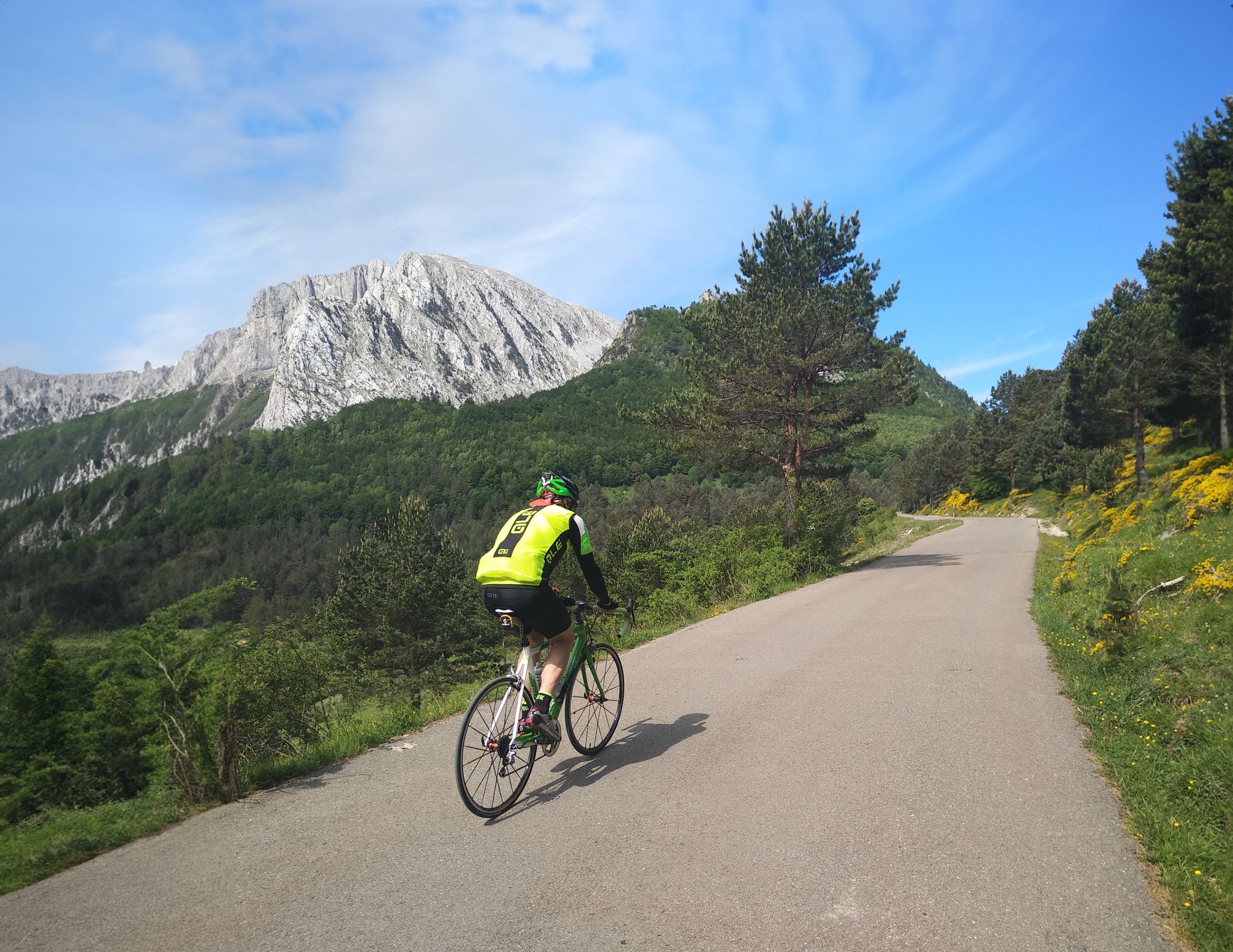
The Bay of Biscay to the Mediterranean — southern Pyrenees cycle tour
Other adventures around Pirineos


Tips from the Community

The Ibañeta Chapel is a moving and highly anticipated milestone for anyone walking the Camino de Santiago. After the grueling, steep ascent from the French side of the Pyrenees, crossing the border into Spain, and finally beginning your descent, this small chapel and the large stone cross beside it are a spectacular sight. The First Spanish Waypoint: It serves as the very first visible intermediate destination on the Spanish side of the mountains, signaling that the hardest part of the climb is officially behind you. Once you reach this point, you are almost done! Just a short walk further down the trail lies the day's final stage destination: the mighty and magnificent monastery complex of Roncesvalles.
1
0

Without a doubt, the Col de la Piedra de Saint Martin or Pierre Saint-Martin is one of the Top 10 in the whole of the Pyrenees. Without exceeding 2000 metres of altitude, it is a very long pass, with a lot of accumulated gradient (due to the innumerable French slopes, the gradient is 1,450 metres), with very hard slopes and several kilometres above 10%, with wonderful landscapes and panoramic views and with little traffic, except for the slopes crossed by the main road (D132 in France, the NA 137 in Spain). It is a pass with many slopes; in Europe there are few other passes that have as many slopes as this one (col de Turini, Passo delle Erbe, would be comparable in number of slopes approximately). I have only climbed it by 2 slopes: (i) my first time was from Lourdios Ichère, crossing the col de Labays and the col de Soudet. Simply spectacular; (ii) I have subsequently climbed the Spanish side on several occasions, which is unique, and which starts from Belagua and crosses the Belagua cross-country ski resort to reach the mountain pass. It is also very beautiful, with a landscape and views different from the north-east side. If I had to choose one of the two, I liked the north-west side better because it is more remote, harder and in my opinion more authentic. It is also a culturally special mountain pass because the Tribute of the 3 cows takes place on its summit every 13th of July, which is considered the oldest treaty in force in Europe. So... you know... you cannot miss the opportunity to come here and enjoy this wonderful jewel of the Pyrenees!!!!
1
0
It is a beautiful border pass between Spain and France, well known for being part of the most traditional route of the Camino de Santiago. Sportingly, the climb on both sides is easy, although on the French side it is much longer as it starts at a lower altitude. The Spanish side is just 6 km from Burguete, the last being the most difficult with an average gradient of 7%. On this side you pass the famous and well-known monastery of Roncesvalles. The French side is 18 km from Arnegui and an average gradient of 4%. The hardest part is 5 km from the summit, with one kilometre at 7%. The landscape on this side is of lush vegetation going up a very closed valley that hardly leaves room for views of the surrounding mountains. The road is very twisty. It is a port with very good asphalt and a lot of traffic in general... so, be careful!
1
0

After a long climb, you finally make it to the Ibeneta Pass and can enjoy the view as a reward. Up here, there is a small chapel and a memorial stone to the knight Roland, who is said to have fallen here.
2
0
The Puerto de Laza is a small and beautiful hill that joins the valleys of Roncal (starting from Isaba) and Salazar (starting from Ochagavía) in the Navarrese Pyrenees. Both sides are very similar: a very easy start on a winding road, in perfect condition but without a hard shoulder, passing through small towns and going up the course of the respective rivers Anduña (Salazar valley) and Urbi (Roncal valley); a final stretch of 2 - 3 kms that is harder without being too much so, although there are some slopes above 10%. The Salazar valley side becomes harder when leaving behind the detour to the Larrau port. From here to the port there are 3 km with an average gradient of 7%. On the other hand, the Roncal valley side becomes harder when overcoming a bridge over the river that has been with us since we left Isaba behind. From here it is barely 2 km with an average gradient of 7%. From a landscape perspective, it is a port that I love because you can enjoy the exuberance of the vegetation of the Pyrenees, crossing narrow valleys and only with panoramic views when you reach the top, where there is a viewing point that is worth looking out at. A port that I always recommend for enjoying cycle tourism. I leave you the profile of both sides produced by the website www.cyclingcols.com --> http://www.cyclingcols.com/col/Laza
0
1
A great climb up to the pass. Once you reach the top you get a great view. There is a small church at the top and also a monument. There has always been a hospital up here. However, only the foundations of it remain
3
0

An Alto that is not quite as tough on the legs, but you have to go over there first. In August I was looking forward to refreshments, but then the stand was not open... well, then the beautiful descent follows...
3
0
Roland, who is commemorated here, died in 778 as part of the rear guard of Charlemagne's Frankish army. He himself was Margrave of Brittany and was the victim of a Basque revenge campaign against the Frankish conquerors who were retreating from a failed Saracen campaign. Those were complicated times, but things were not to become any less complicated in the Basque Country in the centuries that followed. An epic/song was later sung about Roland, which is part of world literature. The monument itself is simple and rough, exposed up here in the wind of the weather, and can therefore have an immediate effect, without pomp and splendor. Great! https://de.wikipedia.org/wiki/Schlacht_von_Roncesvalles
3
0
Frequently Asked Questions
What are some highly-rated mountain passes in the Pirineos region?
Beyond the well-known Ibañeta Pass, komoot users also highly rate the Larrau Pass, known for its challenging climbs and views of Mount Orhi. Another notable pass is Pierre Saint-Martin Pass, which offers wonderful landscapes and panoramic views, often with less traffic.
Are there any historically significant mountain passes in the Pirineos?
Yes, the Ibañeta Pass and the Roland Monument is a prime example. This site is notable for its panoramic views and a monument commemorating the Battle of Roncesvalles in 778. The pass itself is also a significant point on the Camino Francés.
Which mountain passes offer the best panoramic views?
Many passes in the Pyrenees provide stunning vistas. The Ibañeta Pass and the Roland Monument offers breathtaking panoramic views. The Pierre Saint-Martin Pass is also celebrated for its wonderful landscapes and panoramic views. Additionally, the Col du Soulor, while not a highlight in our guide, is known for beautiful mountain panoramas and a viewpoint over the Litor cirque.
Are there challenging mountain passes for experienced cyclists in the Pirineos?
Absolutely. The Pyrenees are renowned for challenging cycling ascents. The Larrau Pass is considered one of the toughest French climbs, with sustained slopes and sections over 9.6% average gradient. Other legendary climbs include Col du Tourmalet and Col de Pailhères, which are frequently featured in the Tour de France.
What kind of hiking opportunities are available near the mountain passes?
The Pirineos region offers diverse hiking experiences. For example, near the passes, you can find routes like the 'Pic d'Orhy Trail from Port de Larrau' which is a difficult hike, or the 'Artikomendia Trail' which is moderate. You can explore more options in the Hiking around Pirineos guide.
Are there routes suitable for road cycling around the Pirineos mountain passes?
Yes, the Pirineos are a road cycling paradise. You can find challenging routes such as the 'Roncal Valley and Laza Pass Loop' or the 'Irati Forest and Tapla Pass Loop'. These routes often incorporate the mountain passes themselves. Discover more in the Road Cycling Routes around Pirineos guide.
What is the best time of year to visit the mountain passes in the Pyrenees?
The best time to visit the Pyrenean mountain passes is generally from late spring to early autumn (May to October). During these months, the weather is more stable, and passes are typically clear of snow, making them accessible for cycling, hiking, and scenic drives. Some higher passes might open later in spring and close earlier in autumn due to snow.
Are there any mountain passes that cross borders between countries?
Yes, several passes in the Pyrenees serve as natural borders. The Larrau Pass is a border pass between Spain and France. Another example is the Portillón (Col de Portillon), which links France with Spain's Val d'Aran, offering picturesque landscapes across the border region.
What do komoot users particularly appreciate about the mountain passes in the Pirineos?
Komoot users frequently highlight the challenging climbs, scenic viewpoints, and historical routes. For instance, the Ibañeta Pass and the Roland Monument is praised for its breathtaking panoramic views. The Larrau Pass is noted for its sustained slopes and sublime landscapes, while the Pierre Saint-Martin Pass is loved for its unique combination of high mountain green meadows and stony areas, offering a very photogenic 360-degree curve.
Can I find passes with diverse natural scenery?
Absolutely. The Pyrenees offer a wide range of natural beauty. Passes like the Larrau Pass wind through dense forests that gradually give way to rocky, bare slopes at higher altitudes, providing a dramatic change in scenery. The Pierre Saint-Martin Pass also combines high mountain green meadows with stony areas, creating a varied and visually appealing landscape.
Are there family-friendly options among the Pirineos mountain passes?
While many passes are known for their challenging ascents, some offer more accessible sections or nearby attractions suitable for families. For instance, the area around Ibañeta Pass, with its historical significance and relatively lower altitude, can be explored by families, perhaps focusing on shorter walks or scenic drives rather than strenuous climbs. Always check specific route details for difficulty.
What unique cultural traditions are associated with the Pyrenean passes?
The Pyrenees are rich in history and tradition. For example, the Pierre Saint-Martin Pass is culturally special because the 'Tribute of the 3 cows' takes place on its summit every July 13th, considered the oldest treaty in force in Europe. This highlights the deep-rooted customs and historical agreements tied to these mountain crossings.
Most popular routes around Pirineos
Most popular attractions around Pirineos

Get inspired with the komoot mobile app


Didn’t find what you were looking for?
Find even more amazing mountain passes around Pirineos organized by region:
Explore more
See even more epic mountain passes by checking out these guides around Pirineos:
