The best road cycling routes around Logrosan
4.8
(12)
684
riders
29
rides
Road cycling around Logrosán, located in Spain's Extremadura region, offers diverse landscapes within the UNESCO Global Geopark Villuercas-Ibores-Jara. The area features an Appalachian-esque terrain with granite batholiths, quartzites, and slate formations, providing varied challenges for road cyclists. Situated at the base of Las Villuercas within the Montes de Toledo mountain range, the region includes significant climbs and scenic views of the Guadarranque Valley. This topography presents a range of road bike trails suitable for different fitness levels.
Best road cycling…
Last updated: July 7, 2026
5.0
(1)
40
riders
61.2km
03:59
1,440m
1,440m
Hard road ride. Very good fitness required. Mostly well-paved surfaces and easy to ride.
40
riders
Hard road ride. Very good fitness required. Mostly well-paved surfaces and easy to ride.

Sign up for free
12
riders
Hard road ride. Very good fitness required. Mostly well-paved surfaces and easy to ride.
9
riders
40.8km
02:13
800m
800m
Moderate road ride. Good fitness required. Mostly well-paved surfaces and easy to ride.
4
riders
87.8km
04:19
1,210m
1,200m
Hard road ride. Very good fitness required. Some segments of this route may be unpaved and difficult to ride.
14.0km
00:50
350m
350m
Moderate road ride. Good fitness required. Mostly well-paved surfaces and easy to ride.
5.0
(1)
43
riders
51.1km
03:19
1,340m
1,340m
Hard road ride. Very good fitness required. Mostly well-paved surfaces and easy to ride.
31
riders
98.3km
06:03
2,250m
2,250m
Hard road ride. Very good fitness required. Mostly well-paved surfaces and easy to ride.
5.0
(1)
29
riders
85.0km
05:12
2,060m
2,060m
Hard road ride. Very good fitness required. Mostly well-paved surfaces and easy to ride.
3.0
(1)
13
riders
51.3km
02:49
990m
990m
Hard road ride. Very good fitness required. Mostly well-paved surfaces and easy to ride.
Get access to more routes and recommendations from other explorers.
Sign up for free
Already have an account?
Our route recommendations are based on thousands of hikes, rides, and runs completed by other people on komoot.
Start today with a free account
Your next adventure awaits.
Login or Signup
Popular around Logrosan
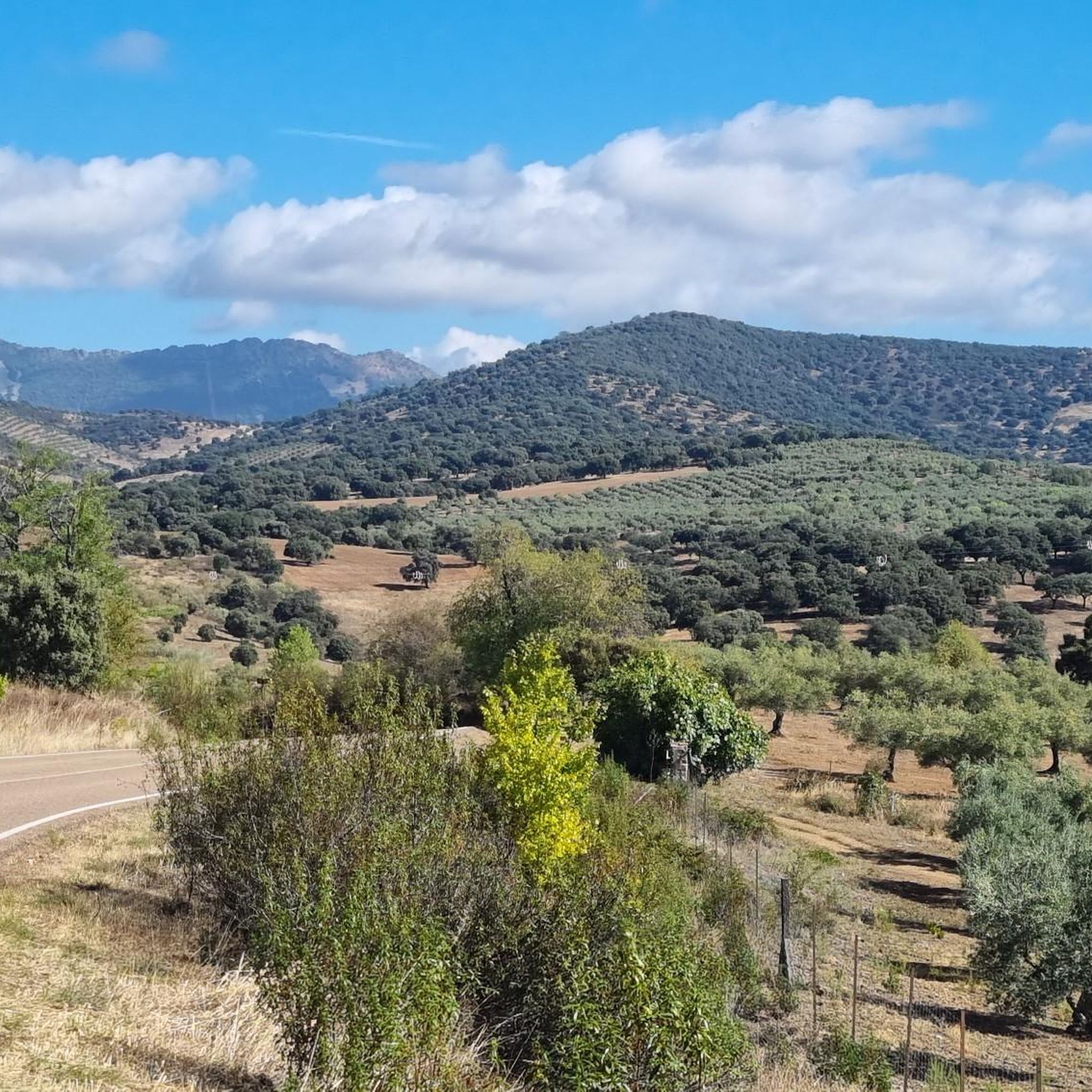
Road Cycling Routes around Alía
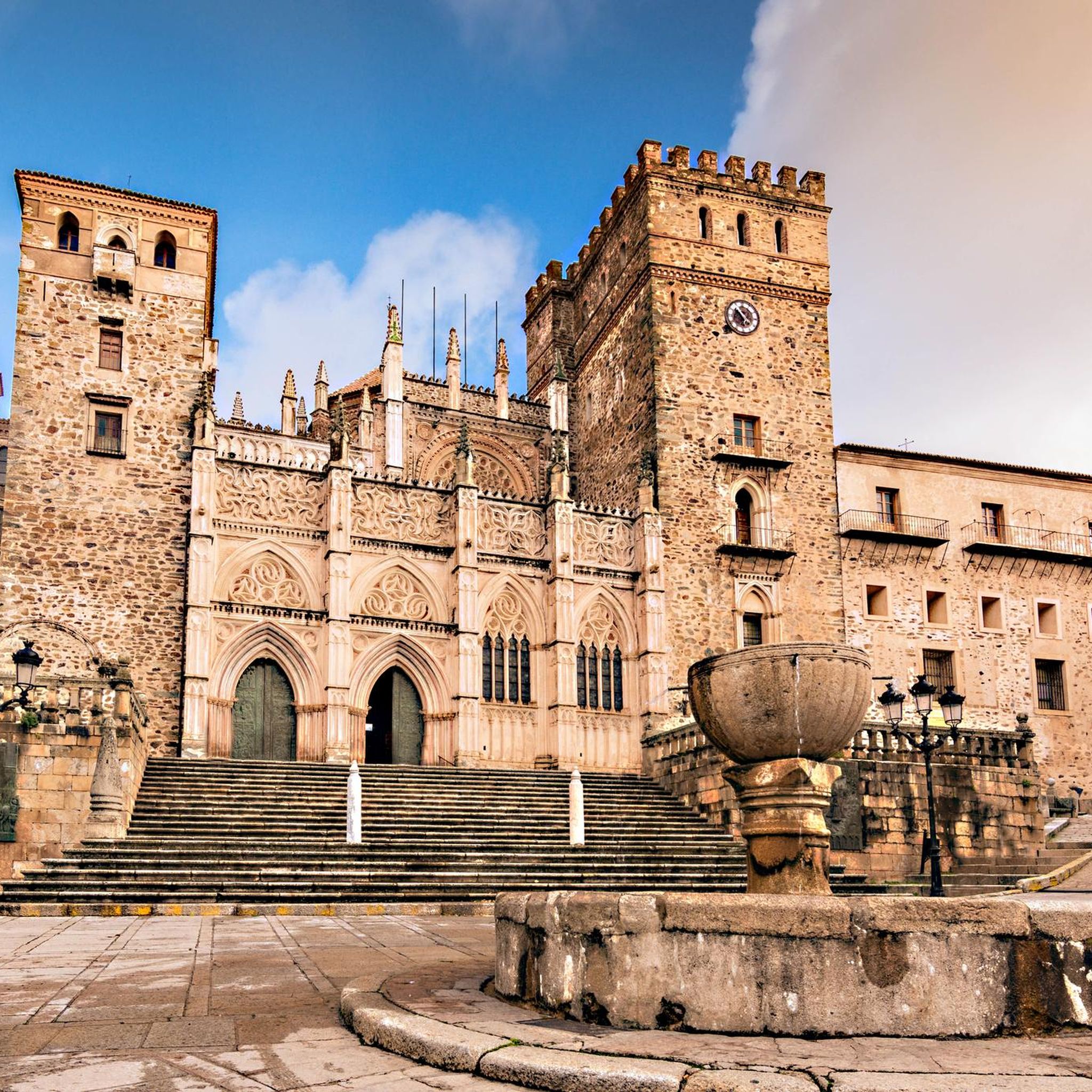
Road Cycling Routes around Guadalupe
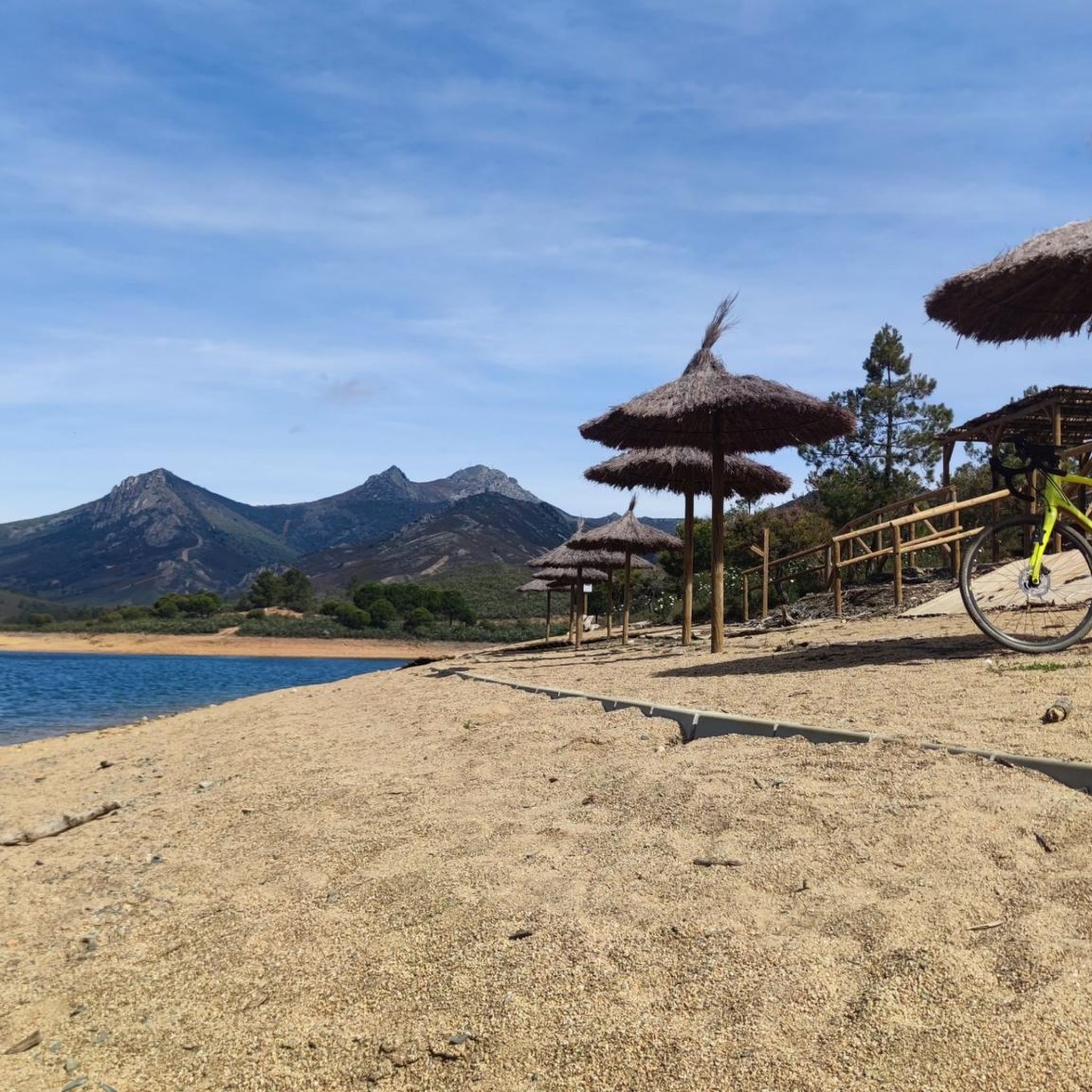
Road Cycling Routes around Cañamero
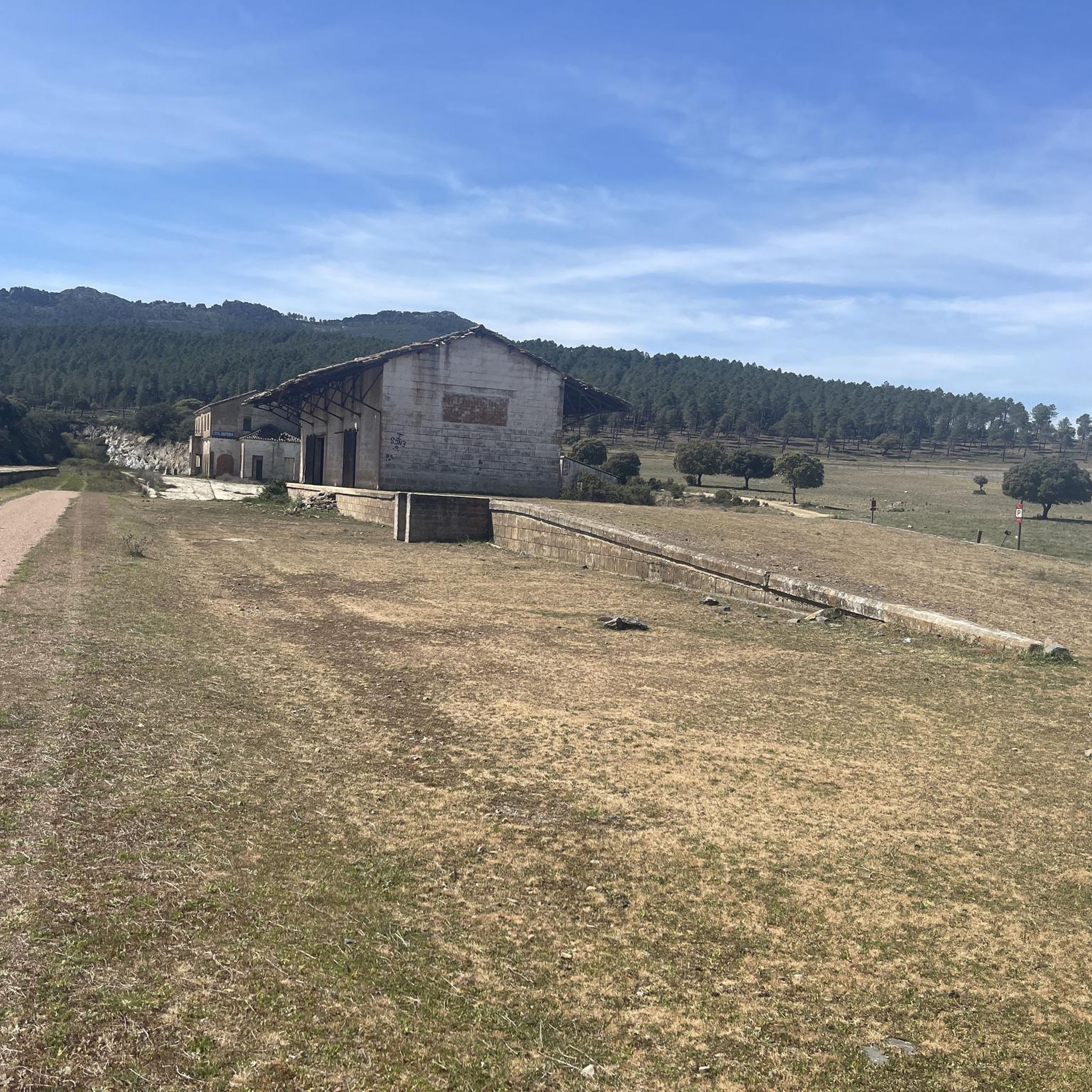
Road Cycling Routes around Navezuelas
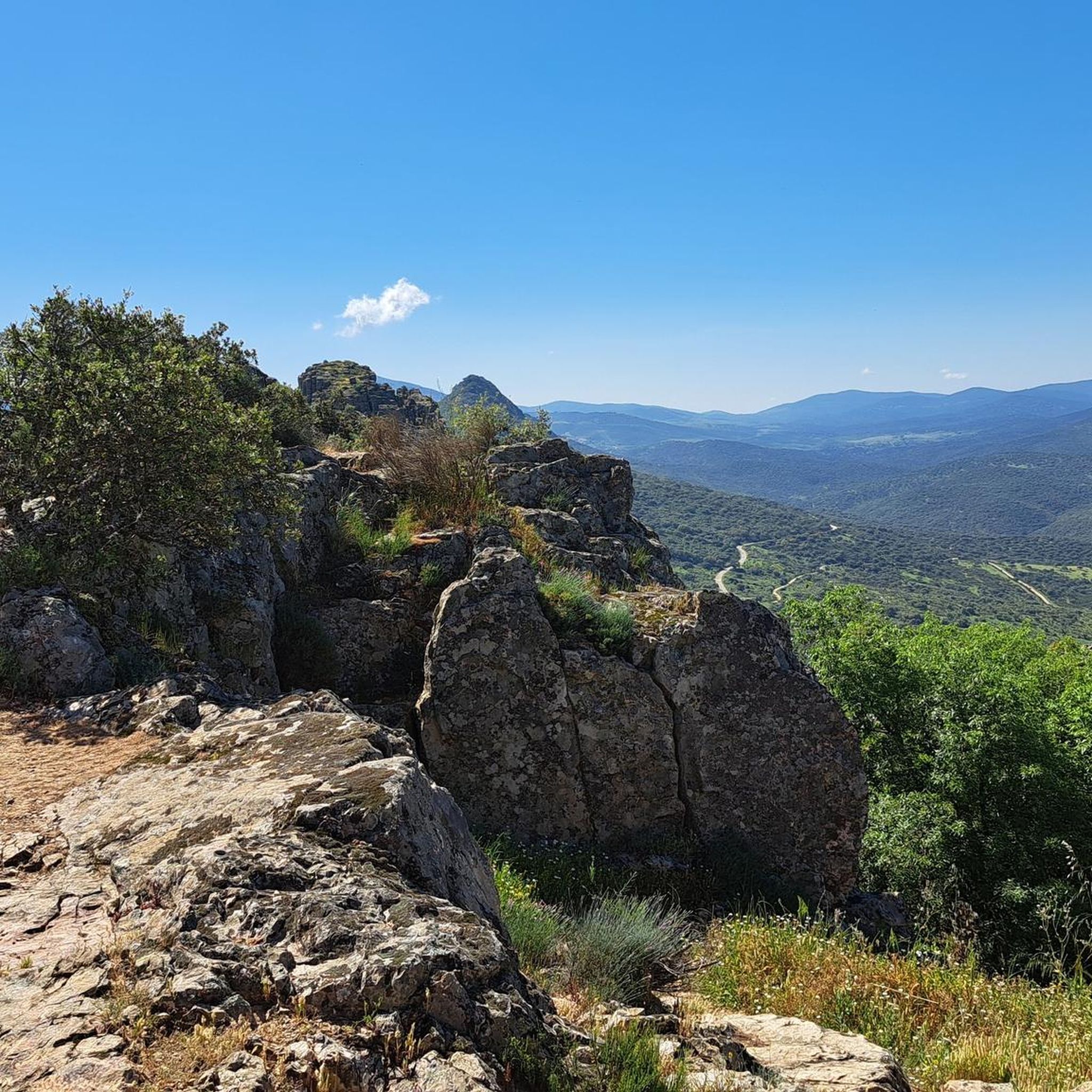
Road Cycling Routes around Cabañas Del Castillo
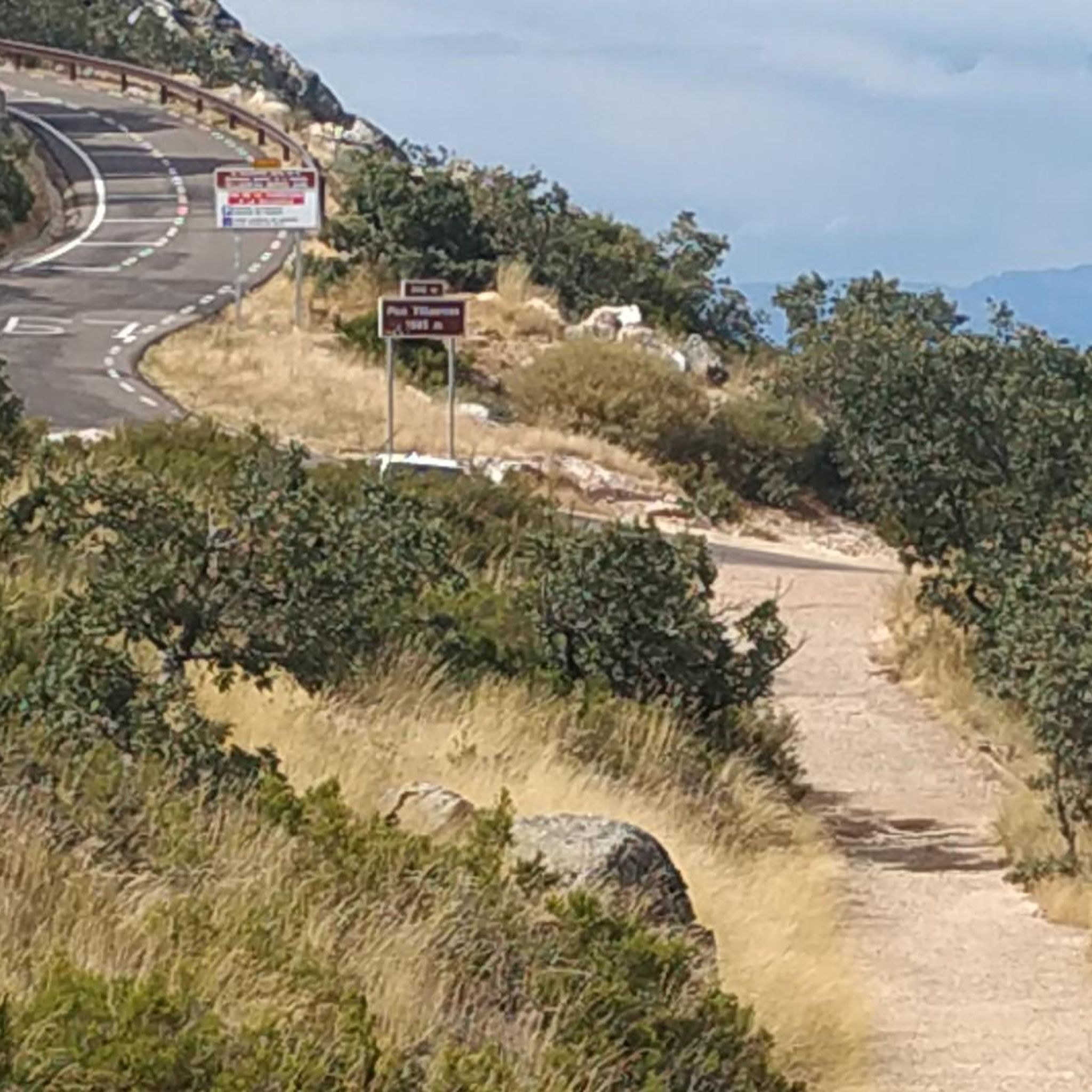
Road Cycling Routes around Berzocana
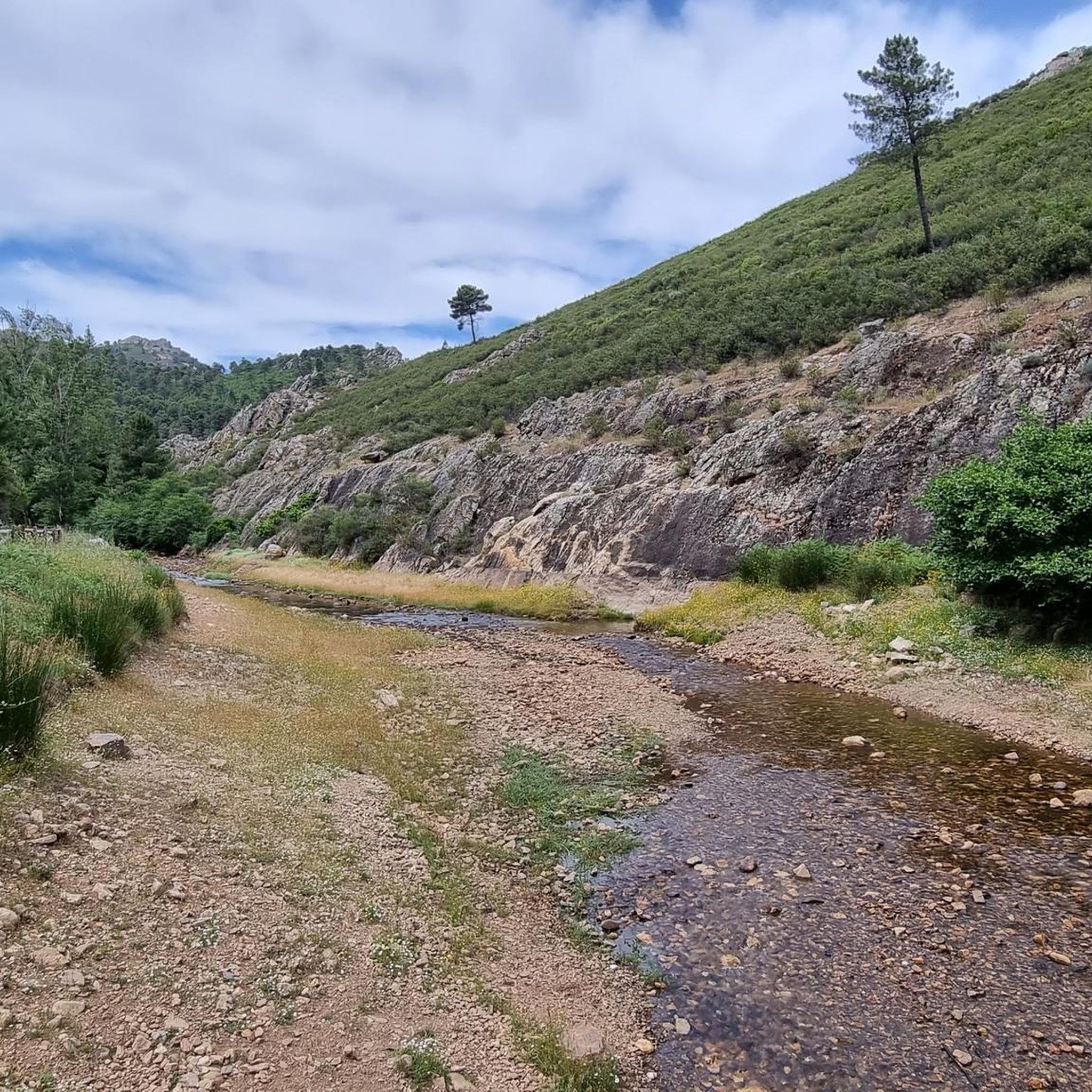
Road Cycling Routes around Logrosán
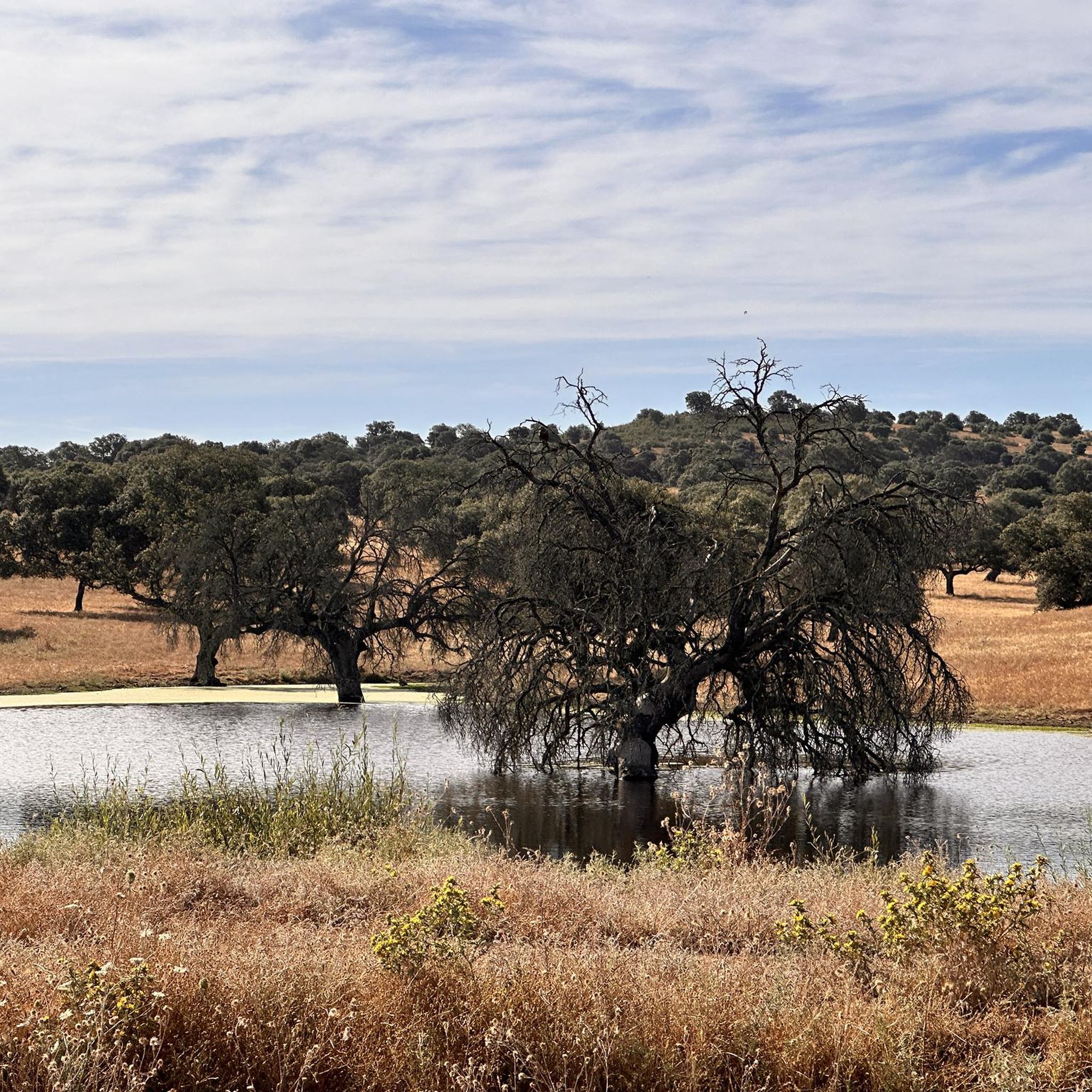
Road Cycling Routes around Campo Lugar

Road Cycling Routes around Alcollarín
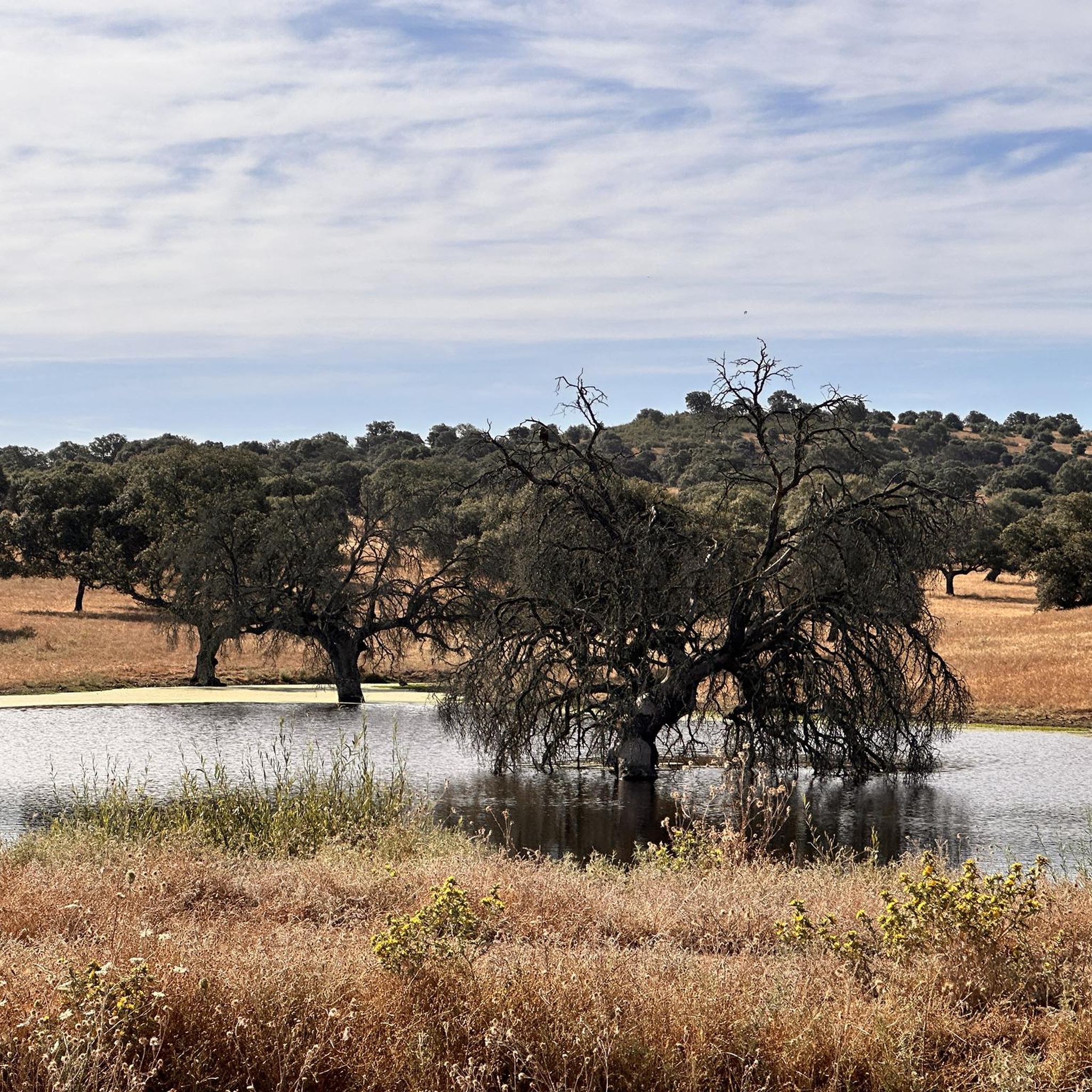
Road Cycling Routes around Madrigalejo
Other adventures around Logrosan

Tips from the Community

The Royal Monastery of Santa María de Guadalupe is an imposing 15th-century monastic complex located in Guadalupe, in the province of Cáceres, within the autonomous community of Extremadura, Spain. Declared a UNESCO World Heritage Site in 1993, the site combines four centuries of history and is a unique masterpiece of the Gothic-Mudéjar style.
0
0

El Alto del Humilladero and Pico Villuercas, near Guadalupe (Cáceres), form one of the most spectacular mountain routes in Extremadura, within the Villuercas‑Ibores‑Jara UNESCO Geopark. It is the highest summit in Extremadura accessible by road.
2
0

Gives the feeling of being on a film set or somewhere in Mexico. Perhaps not so strange, because the Virgin of Guadalupe is the patroness of Mexico. In the hills, the virgin is said to have been found seven centuries ago. Strictly forbidden to take photos inside the walls, monks walk with the group...
14
1
The Arco de las Eras (Dorsenboog) is built of natural stone and brick in the arches and the superstructure. The architecture still preserves remnants of the old battlements that protected the entrance. This arch was part of the second defensive ring, which surrounded the city and protected its southern edge. The arch was restored in the early 20th century and served as an entrance gate
12
1
De Arco de las Eras (Dorsenboog) is constructed of natural stone and brick in the arches and the superstructure. The architecture still preserves remnants of the old battlements that protected the entrance. This arch was part of the second defensive ring, which surrounded the city and protected the southern edge. The arch was restored in the early 20th century and served as an entrance gate for
11
1
The Royal Monastery of Santa María de Guadalupe is an imposing 14th-century monastic complex located in the municipality of Guadalupe, in the province of Cáceres, within the autonomous community of Extremadura, Spain. This extraordinary monument, declared a UNESCO World Heritage Site in 1993, represents an exceptional example of an architectural fusion between Gothic, Mudéjar, Renaissance, and Baroque styles. For four centuries, it was the most important monastery in the country, closely linked to the history of the Catholic Monarchs and the discovery of the Americas.
0
0
What to see in Alía (the village) Iglesia de Nuestra Señora de la Mesa: The main monument of the village. Of medieval origin, with later renovations. Its altarpiece and its elevated location, which offers good views of the surroundings, stand out. Old town: Narrow and quiet streets. Stone houses and traditional Extremaduran architecture. Ideal for leisurely strolls and enjoying the rural atmosphere.
2
0
Alía is a small and beautiful village in the province of Cáceres, in Extremadura, located in the heart of the Las Villuercas-Ibores-Jara region, an ideal destination if you are looking for nature, tranquility, rural heritage, and good hiking.
2
0
Frequently Asked Questions
How many road cycling routes are available around Logrosán?
There are over 25 road cycling routes available around Logrosán, catering to various skill levels. The komoot community has explored these diverse trails more than 400 times.
What kind of terrain can I expect on road cycling routes in Logrosán?
The Logrosán area, part of the UNESCO Global Geopark Villuercas-Ibores-Jara, features an "Appalachian-esque" landscape with granite batholiths, quartzites, and slate formations. You can expect varied topography, including significant climbs, rewarding descents, and some flatter sections, with mostly well-paved surfaces ideal for road bikes.
What natural features or landmarks can I see while road cycling in Logrosán?
Road cycling routes in Logrosán offer stunning views of the Guadarranque Valley and the Montes de Toledo mountain range. You can encounter natural highlights such as the Pico Villuercas Summit, the Viewpoint at the Estrecho de Peña Amarilla, and the Grandfather Chestnut of the Mirabel Hermitage. The region's unique geological formations are a constant backdrop.
Are there any historical or cultural points of interest along the cycling routes?
Yes, the Logrosán area is rich in history and culture. Cyclists can pass by the impressive Royal Monastery of Santa María de Guadalupe and the Guadalupe Viaduct. The town of Logrosán itself features historical elements like the Arco de Sevilla and traditional fountains. The Costanaza Mine, a historical tin and phosphate mine, is also open for visits nearby.
Are there road cycling routes suitable for beginners or those seeking an easier ride?
While many routes in Logrosán are challenging, there are options for moderate fitness levels. For instance, the City Tour through Guadalupe – circular walk through the city's viewpoints offers a shorter, more accessible ride. The Vía Verde de la Jara, though not directly listed as a road cycling route in this guide, is a well-known, generally flat cycling trail in the broader region that might appeal to those seeking an easier experience.
Are there challenging climbs for advanced road cyclists in the Logrosán area?
Absolutely. Logrosán is known for its significant climbs, offering rewarding challenges for advanced cyclists. Routes like the Pico Villuercas Loop from Guadalupe and the Carrascalejo from Guadalupe – circular through the Parque Natural Geoparque Villuercas-Ibores Jara feature substantial elevation gains, including ascents to the Pico Villuercas Summit and the Manzano pass, providing both physical tests and panoramic views.
Can I find circular road cycling routes around Logrosán?
Yes, many of the road cycling routes around Logrosán are designed as circular loops, allowing you to start and end in the same location. Examples include the Pico Villuercas Loop from Guadalupe and the Charco de la Nutria from Guadalupe – circular via Castillo de Cabañas and Castañar de Ibor.
What do other road cyclists enjoy most about the routes in Logrosán?
The road cycling routes in Logrosán are highly rated by the komoot community, with an average score of 5.0 stars from 6 reviews. Cyclists frequently praise the diverse and rugged landscapes, the challenging climbs, and the scenic views of the Guadarranque Valley and the Geopark. The quiet roads and varied terrain contribute to a comprehensive and engaging cycling experience.
What are the typical distances and durations for road cycling routes in Logrosán?
The routes vary significantly in length and duration. You can find shorter, moderate rides like the Guadalupe from Alía – circular by La Calera, which is about 25 miles (40 km) and takes around 2 hours. Longer, more difficult routes, such as the Charco de la Nutria from Guadalupe – circular via Castillo de Cabañas and Castañar de Ibor, can extend over 75 miles (120 km) and require more than 6 hours to complete.
What makes the Logrosán region unique for road cycling?
Logrosán's uniqueness for road cycling stems from its location within the UNESCO Global Geopark Villuercas-Ibores-Jara, offering an "Appalachian-esque" landscape of granite batholiths and quartzites. This geological diversity provides a wide range of terrain, from challenging mountain passes like San Vicente Pass to picturesque valleys, ensuring a visually stunning and physically engaging experience for cyclists of all levels.
Is there parking available near the starting points of road cycling routes in Logrosán?
While specific parking information for each route is best checked on individual komoot tour pages, Logrosán and nearby towns like Guadalupe generally offer public parking options. It's advisable to check local regulations or parking availability in the specific starting village for your chosen route.
What is the best time of year for road cycling in Logrosán?
The Extremadura region, where Logrosán is located, generally experiences hot summers. Spring (April-May) and Autumn (September-October) are often considered the most pleasant times for road cycling, offering milder temperatures and comfortable conditions for longer rides. Winter can also be suitable, though some higher elevation routes might be colder.
Most popular routes around Logrosan
Most popular attractions around Logrosan

Get inspired with the komoot mobile app


Didn’t find what you were looking for?
Check out more Road cycling routes throughout Logrosan below and find the perfect route in your destination.
Explore more
Browse the best Road cycling routes in other regions.
