The best mountain hikes around Garrotxa
13
hikers
4
hikes
Mountaineering routes Garrotxa traverse a unique volcanic landscape, characterized by more than 40 volcanic cones and over 20 basaltic lava flows. The region is home to the Natural Park of the Volcanic Zone of La Garrotxa, featuring distinctive terrain with varied hues. Extensive holm oak, oak, and beech forests cover significant portions of the natural park, providing diverse environments for mountaineering.
Best mountaineering routes around Garrotxa
- The most popular mountaineering route is Puig del Soi – Puigsacalm loop from la…
Last updated: October 15, 2026
5
hikers
13.2km
06:11
970m
970m
Hard mountaineering route. Very good fitness required. Sure-footedness, sturdy shoes and alpine experience required.
3
hikers
15.2km
05:03
710m
710m
Hard mountaineering route. Very good fitness required. Easily-accessible paths. Suitable for all skill levels.

3
hikers
8.57km
02:49
390m
390m
Moderate mountaineering route. Good fitness required. Easily-accessible paths. Suitable for all skill levels.
2
hikers
16.1km
05:23
780m
780m
Hard mountaineering route. Very good fitness required. Easily-accessible paths. Suitable for all skill levels.
Our route recommendations are based on thousands of hikes, rides, and runs completed by other people on komoot.
Start today with a free account
Your next adventure awaits.
Popular around Garrotxa

Mountain Hikes around Alta Garrotxa-Massís de les Salines

Mountain Hikes around La Vall De Bianya

Mountain Hikes around Montagut I Oix

Great multi-day treks near Barcelona
Ports and Roads — Catalonia on Wheels
Cycling in Catalonia with Pietro Franzese – four unmissable routes
In search of the sun – between the Pyrenees and the Mediterranean
Garrotxa, Olot and Cap de Creus – gravel paradise in Spain
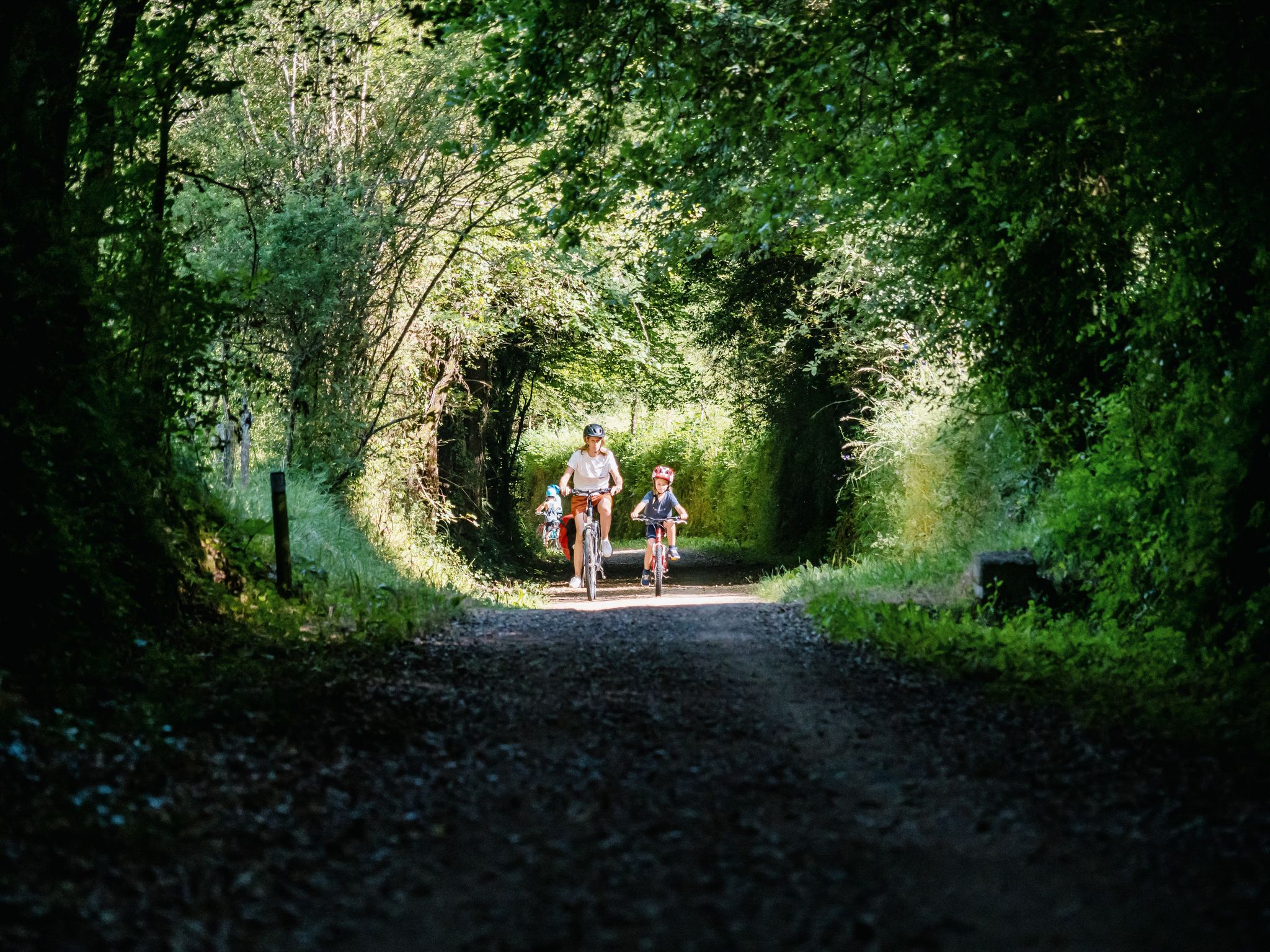
Vías verdes de Girona — an adventure for the whole family
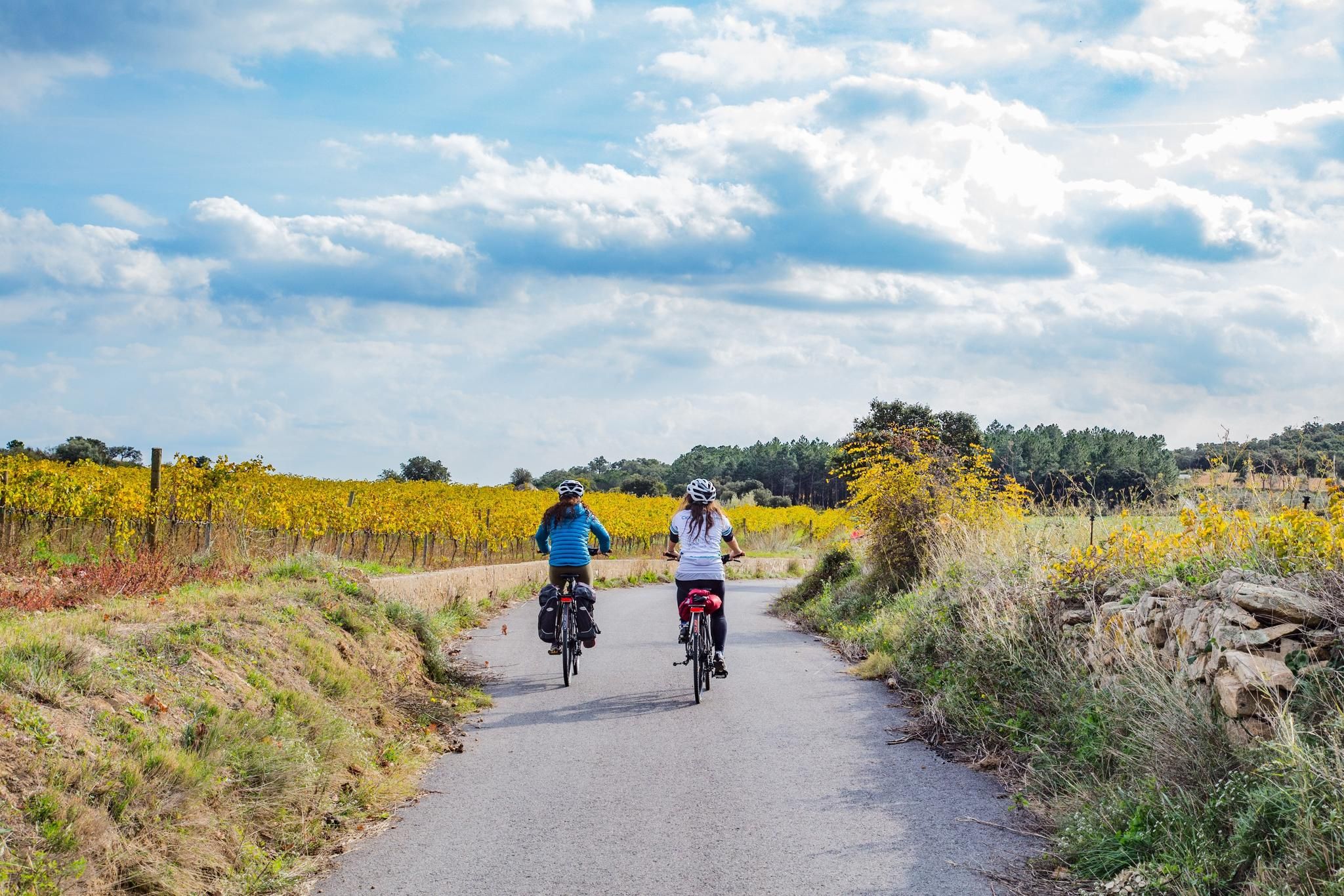
A journey from the Pyrenees to the Costa Brava – Pirinexus Route
Other adventures around Garrotxa


Tips from the Community

View of the impressive bridge.
0
0

Camprodon is a small town in the province of Girona with a long history behind it: it was taken and burned in several wars over the centuries. Today, it is a quiet place located in the valley where the Ter and Ritort rivers meet.
1
0


Camprodon is a charming little Catalan town located near the French border. There you will find the birthplace of the composer Isaac Albeniz (Spanish composer from the end of the 19th century), shops and a new old bridge.
2
0

Magnificent place to enjoy splendid views at the foot of Puigsacalm.
2
0

If you cross it you will have access to the old town and from its highest part you will be able to see the confluence of the Ter river with the Ritort.
1
0
It rises above the river Ter with a large arch and another small one that gives way to Carrer de Sant Roc. The construction dates back to the end of the 12th century, according to the Gothic design. It was declared a Historical and Artistic Monument in 1976. The silhouette of this bridge, located in the town centre, is one of the most characteristic prints of Camprodon. It rises above the river Ter with a large arch and another small one that gives way to Carrer de Sant Roc, through which you enter what is called Vila de Baix, formed in medieval times and surrounded by walls. In fact, the bridge, with a double slope, was a must-pass for all those going to Cerdanya, and that is why access to the walls was through the so-called Porta de Cerdanya. The construction, according to the documentation found, dates back to the end of the 12th century, following a Gothic design, although this statement is contradicted by the dates carved on the doors on both sides of the bridge, which refer to the 16th centuries and XVII. However, the upper portal, due to its characteristics, must be posterior. The name probably refers to the existence of another previous bridge. It was declared a Historical and Artistic Monument in 1976. https://www.youtube.com/watch?v=zYIP5zSMpwU
1
0
Frequently Asked Questions
How many mountaineering routes are available in Garrotxa?
There are 4 mountaineering routes detailed in this guide for the Garrotxa region. These routes offer a variety of experiences through the unique volcanic landscape.
Are there circular mountaineering routes in Garrotxa?
Yes, many of the mountaineering routes in Garrotxa are circular. For example, you can explore the challenging Puig del Soi – Puigsacalm loop from la Vall d'en Bas, or the moderate Puig de Bestracà loop from Oix which explores the Alta Garrotxa region. Another option is the Pont Nou of Camprodon – Hermitage of Sant Antoni loop from Camprodon.
What are some notable natural features or landmarks to see along the routes?
Garrotxa's mountaineering routes offer access to a wealth of natural and historical landmarks. You can encounter impressive summits like Puigsacalm and Puig de Bassegoda, or discover viewpoints such as the Osca de Cabrera Rocky Ridge. The region is also famous for its unique volcanic cones, basaltic lava flows, and diverse forests, including the stunning Fageda d'en Jordà beech forest.
Can I bring my dog on mountaineering routes in Garrotxa?
While many trails in Garrotxa are dog-friendly, specific regulations may apply, especially within the Natural Park of the Volcanic Zone of La Garrotxa. It's always best to keep your dog on a leash and ensure you clean up after them. Check local signage for any specific restrictions on individual routes or protected areas.
Are there family-friendly mountaineering options in Garrotxa?
While the routes in this guide are rated moderate to difficult, Garrotxa generally offers a range of trails suitable for various fitness levels. For families, it's recommended to look for shorter, less steep paths, particularly those exploring the volcanic cones like Santa Margarida or Montsacopa, which often have well-maintained, accessible trails. Always check the specific route details for elevation gain and distance to ensure it's appropriate for your family.
What is the best time of year for mountaineering in Garrotxa?
The Garrotxa region is beautiful year-round, but spring and autumn are particularly ideal for mountaineering. In spring, the landscape is lush and green, while autumn brings spectacular colors to the beech and oak forests, especially in areas like Fageda d'en Jordà. Summer can be hot, so early morning starts are recommended, and winter offers a different, often quieter, experience, though some higher routes might have snow or ice.
What are the difficulty levels of mountaineering routes in Garrotxa?
The mountaineering routes in Garrotxa covered in this guide range from moderate to difficult. You'll find 2 moderate routes and 2 difficult routes. For instance, the Puig del Soi – Puigsacalm loop from la Vall d'en Bas is considered difficult, while the Puig de Bestracà loop from Oix is a moderate option.
Do I need any permits for mountaineering in Garrotxa?
Generally, no specific permits are required for hiking or mountaineering on established trails within the Natural Park of the Volcanic Zone of La Garrotxa for the general public. However, it's always advisable to check the official park website for any updated regulations or specific requirements for certain activities or protected areas, especially in the Alta Garrotxa region.
Where can I park when starting a mountaineering route in Garrotxa?
Parking availability varies by trailhead. Many popular starting points for routes, especially those near villages like Oix, La Vall d'en Bas, or Camprodon, will have designated parking areas. It's recommended to check the specific route details on komoot for information on parking at the trailhead you plan to use.
Are there any routes that explore the unique volcanic landscape?
Absolutely. The Garrotxa region is defined by its volcanic landscape. Routes often traverse areas with more than 40 volcanic cones and over 20 basaltic lava flows. While not explicitly listed in this guide, many trails in the Natural Park of the Volcanic Zone of La Garrotxa, such as those around the Santa Margarida and Croscat volcanoes, offer direct engagement with this unique terrain.
What makes the Alta Garrotxa region unique for mountaineering?
The Alta Garrotxa region, explored by routes like the Puig de Bestracà loop from Oix, is known for its rugged, wilder terrain compared to the volcanic zone. It features dramatic limestone cliffs, deep gorges, and dense forests, offering a more challenging and remote mountaineering experience with stunning panoramic views of the surrounding peaks.
Are there any routes that pass by waterfalls or gorges?
While the mountaineering routes in this guide focus on higher elevations, the broader Garrotxa region is home to beautiful gorges and waterfalls. For example, you can find highlights like the Molí dels Murris Pool and La Plana Pool, which are often part of other hiking trails in the area. The La Vall del Bac is also a notable gorge in the region.
What kind of terrain can I expect on mountaineering routes in Garrotxa?
Mountaineering in Garrotxa offers diverse terrain. You'll encounter paths through extensive holm oak, oak, and beech forests, as well as sections traversing the distinctive volcanic landscape with its dark sands and varied rock hues. Expect sustained climbs and descents, particularly on the more difficult routes, with some paths leading through rugged, rocky areas, especially in the Alta Garrotxa.
Most popular routes around Garrotxa
Most popular attractions around Garrotxa

Get inspired with the komoot mobile app


Didn’t find what you were looking for?
Check out more Mountain Hikes & Routes throughout Garrotxa below and find the perfect route in your destination.
Explore more
Browse the best Mountain Hikes & Routes in other regions.
