Top 9 Castles around Valles Oriental
Best castles around Valles Oriental offer a glimpse into the region's rich history and diverse architectural heritage. This area of Catalonia, Spain, is home to several historical castles, many of which are in ruins. Their strategic locations and remaining structures provide a fascinating experience for visitors. The region features a variety of fortified structures, from medieval fortresses to historical ruins and transformed manor houses.
Best castles around Valles Oriental
- The most popular castles is Sant Miquel Castle, a castle…
Last updated: July 8, 2026
La Torrassa del Moro
Highlight • Monument
Open on Saturdays, Sundays and public holidays …
Translated by Google •
Tip by

El Clascar Castle
Highlight • Castle
Translated by Google •
Tip by

Sign up now to discover places like this
Get recommendations on the best single tracks, peaks, & plenty of other exciting outdoor places.
Sign up for free
Montbui Castle
Highlight • Castle
Translated by Google •
Tip by

Sant Miquel Castle
Highlight • Castle
Translated by Google •
Tip by

Mas d'Esplugues de Castellcir
Highlight • Historical Site
Translated by Google •
Tip by

Granera Castle
Highlight • Castle
Translated by Google •
Tip by

La Popa Castle (Castellcir)
Highlight • Castle
Translated by Google •
Tip by

Marfà Castle and Farmhouse
Highlight • Castle
Tip by

Sant Miquel de Castellterçol Castle
Highlight • Castle
Translated by Google •
Tip by
Start today with a free account
Your next adventure awaits.
Login or Signup
Popular around Valles Oriental
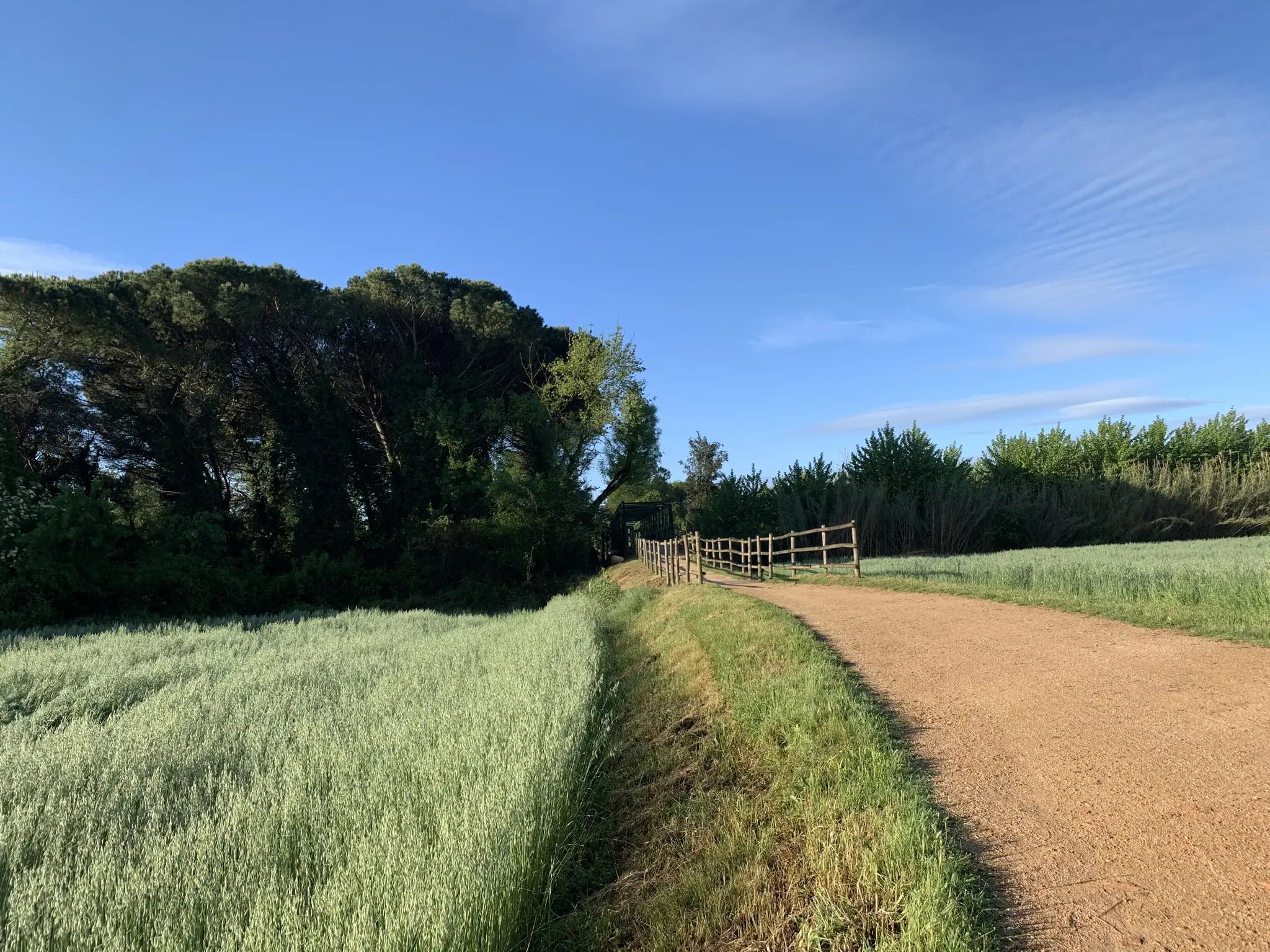
Barcelona to Girona – a road cycling mecca on your gravel bike
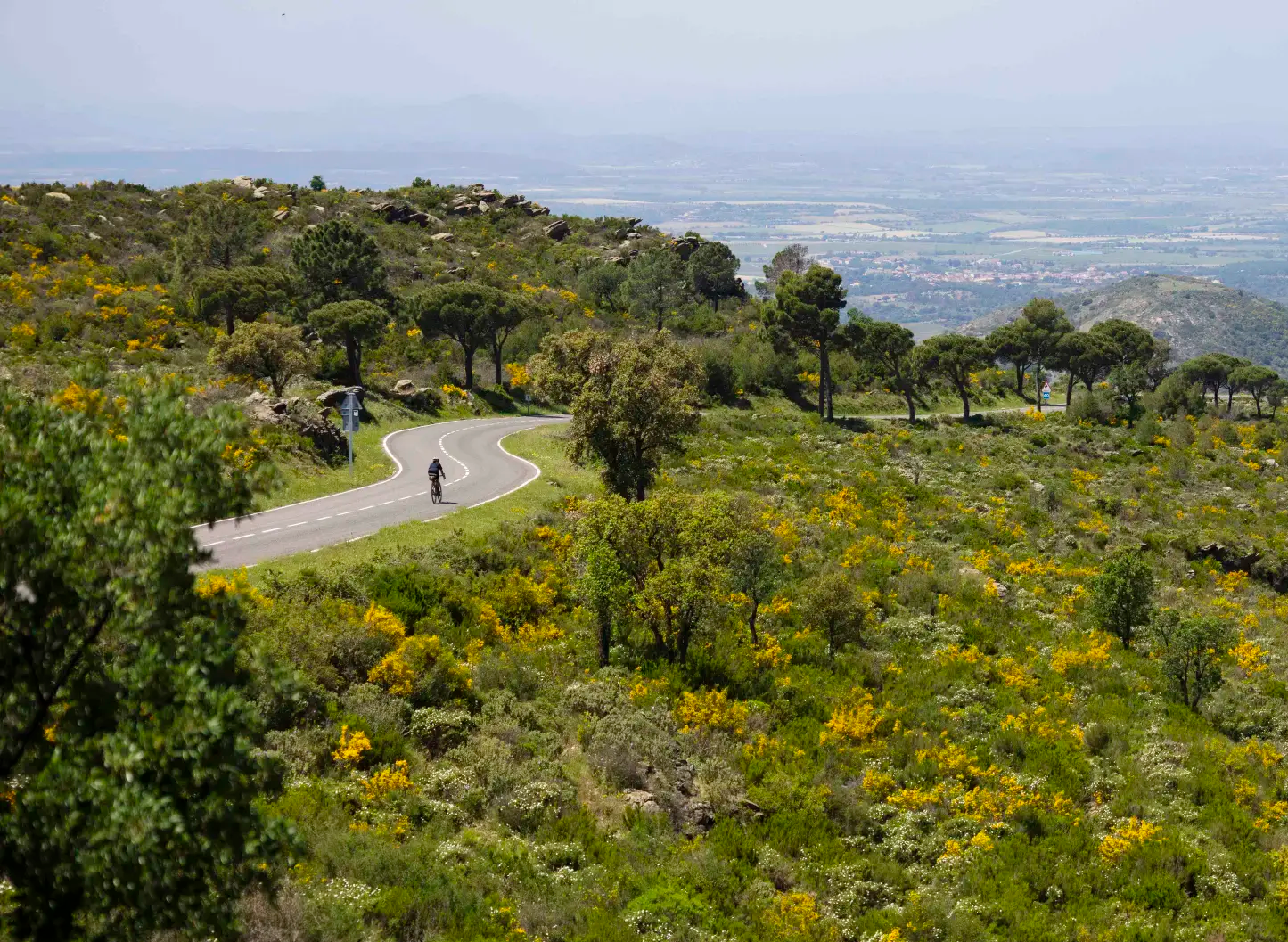
Ports and Roads — Catalonia on Wheels
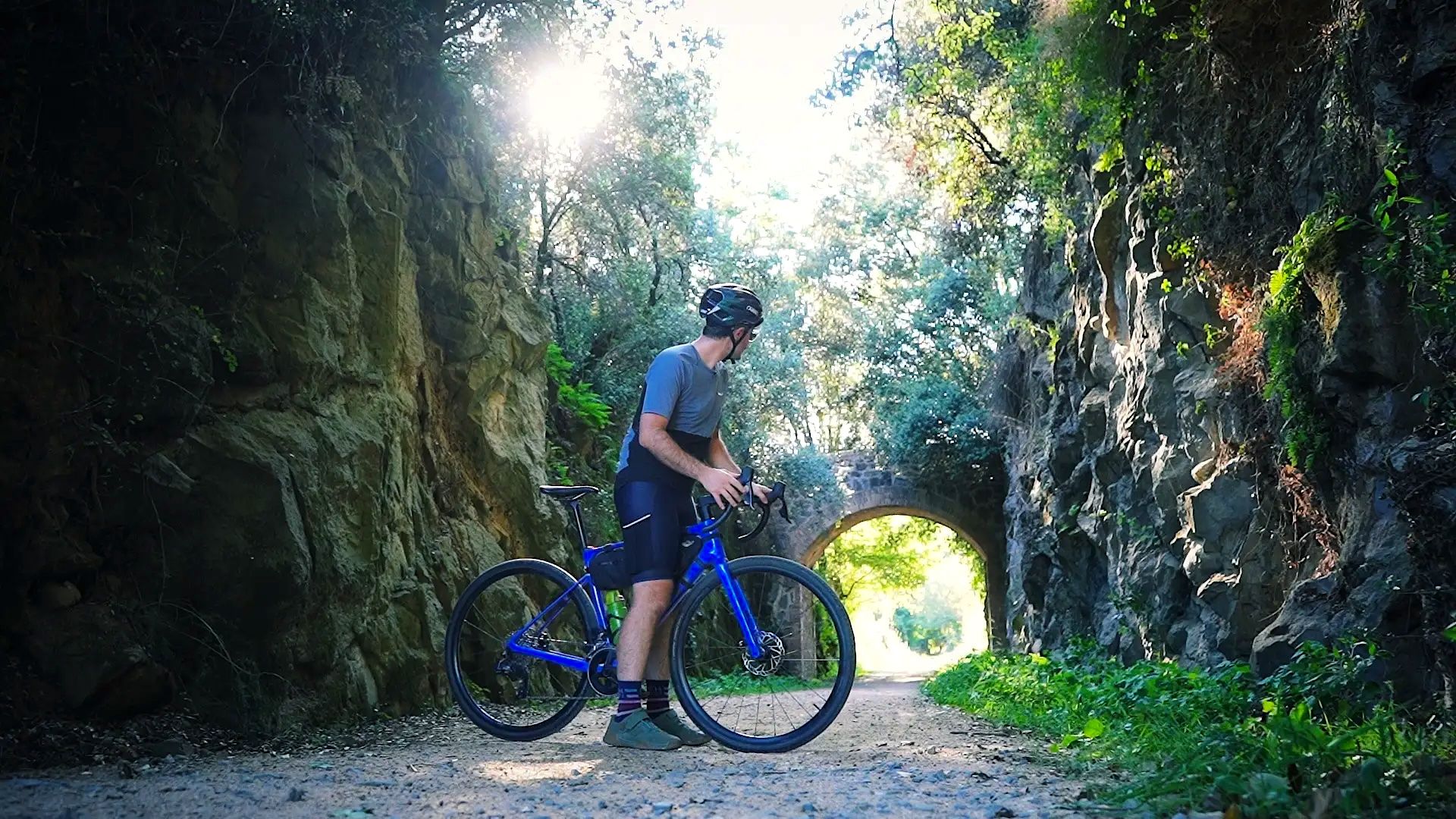
Cycling in Catalonia with Pietro Franzese – four unmissable routes
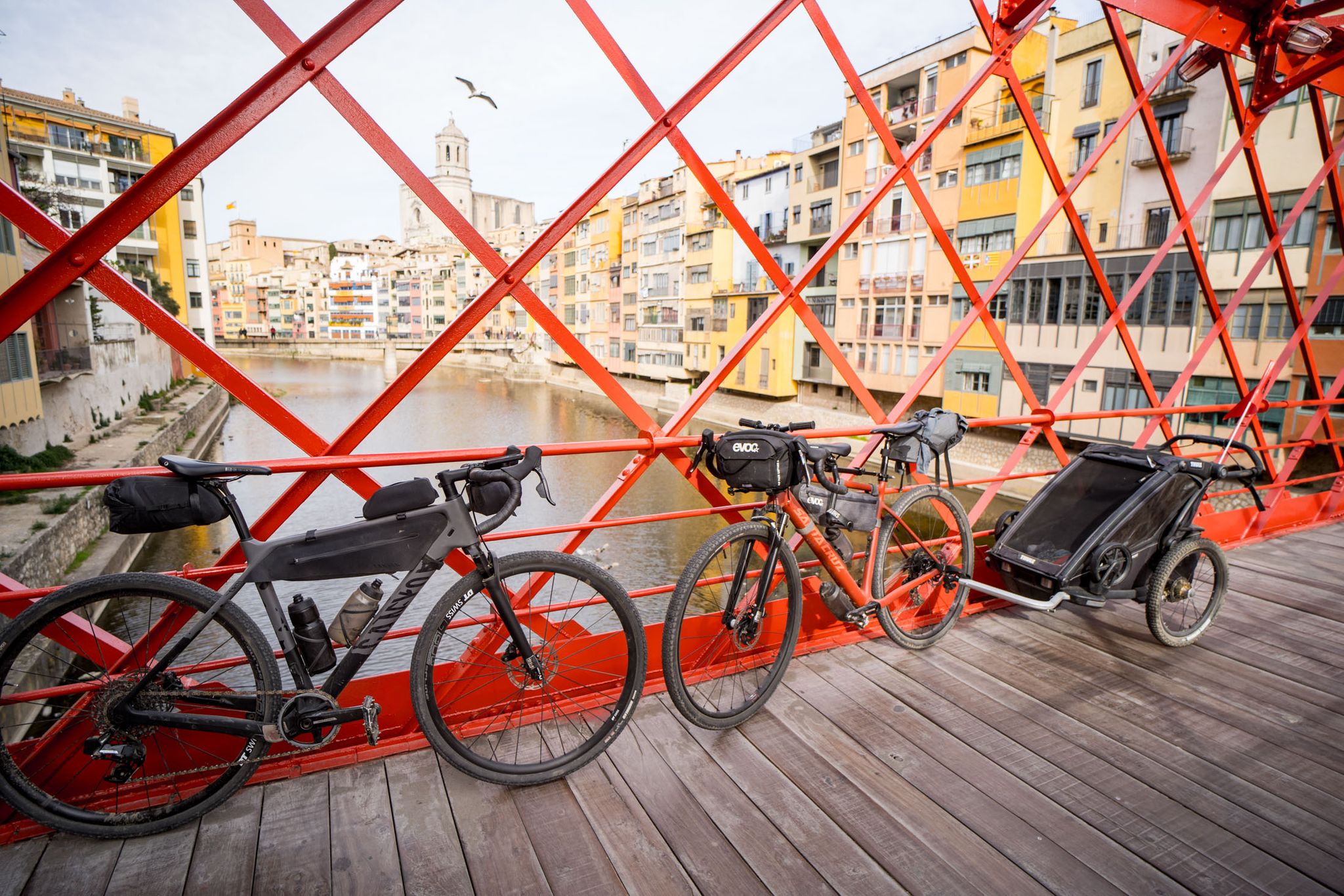
Family Bikepacking / Barcelona-Girona
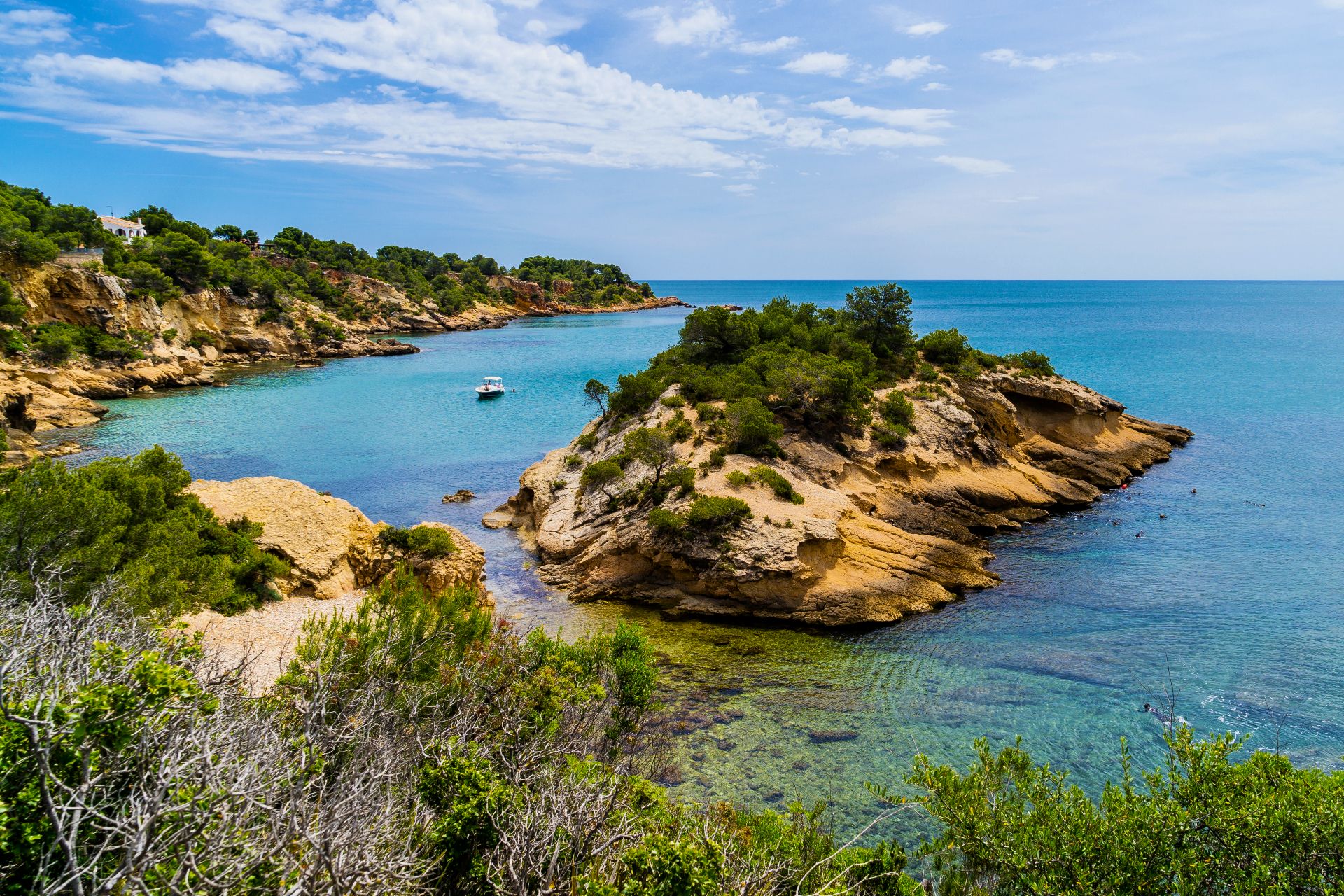
The Catalan coast on foot – Mediterranean Path (GR 92)
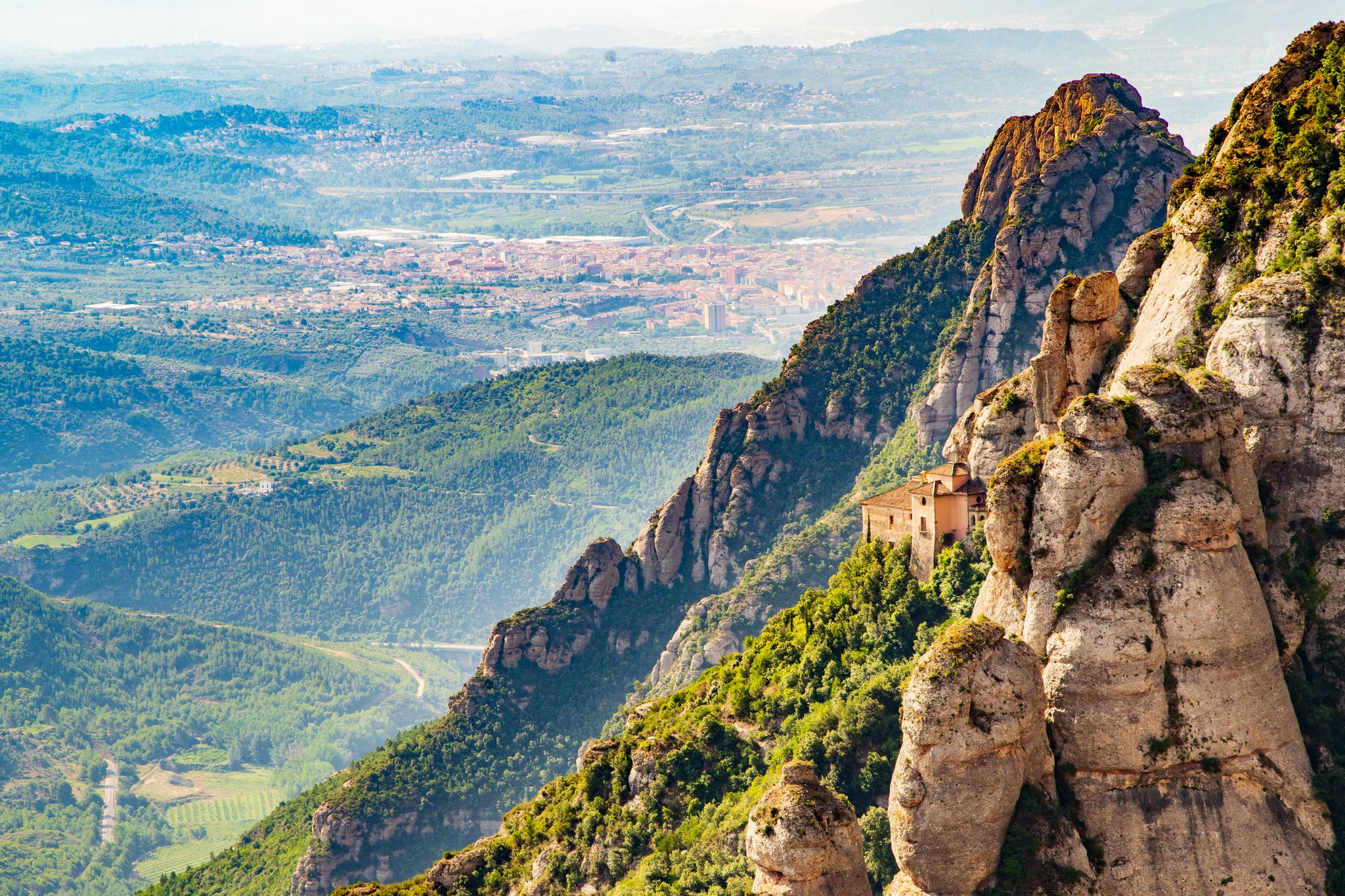
The Barcelona Arch – Natural Parks Trail (GR 5)
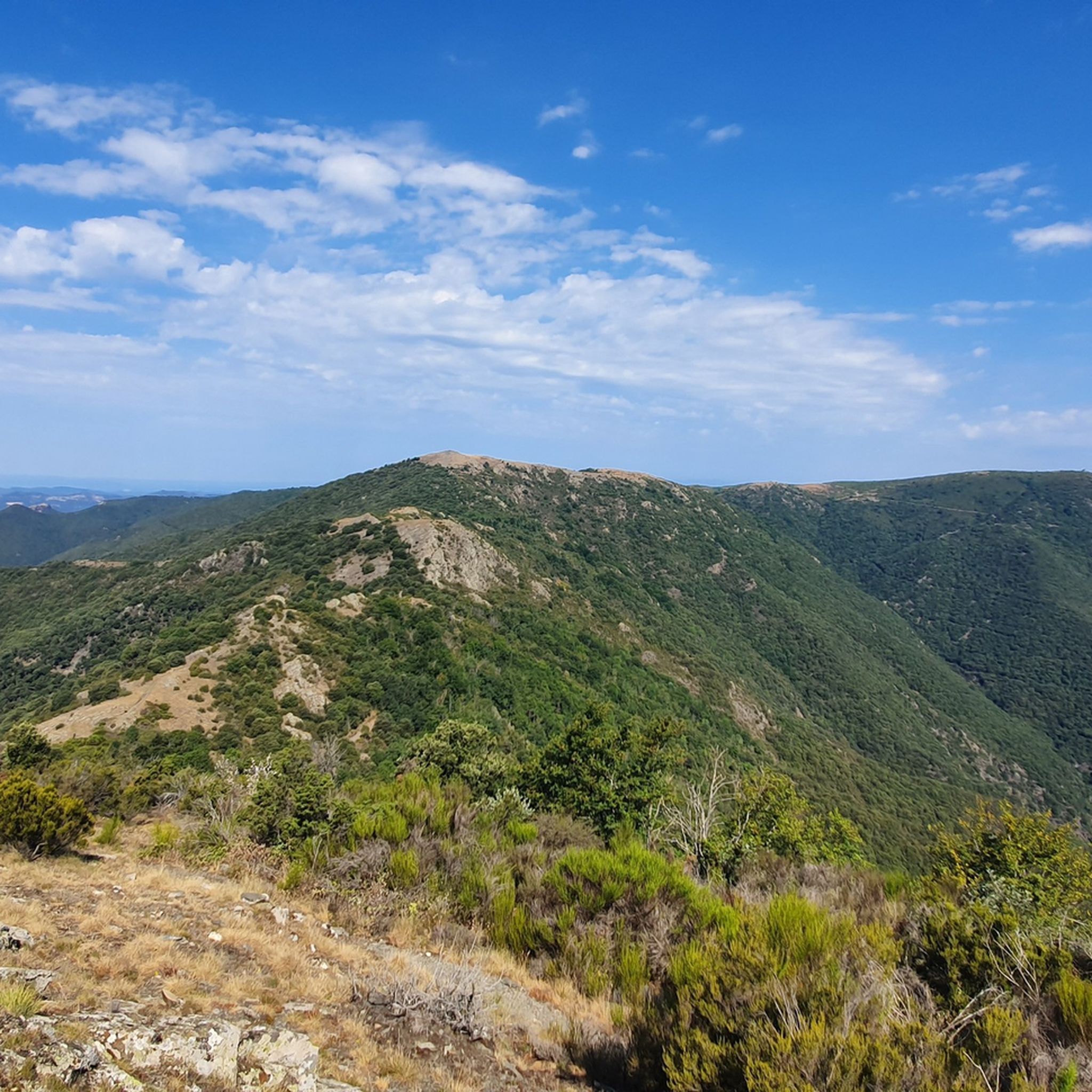
Hiking around Valles Oriental
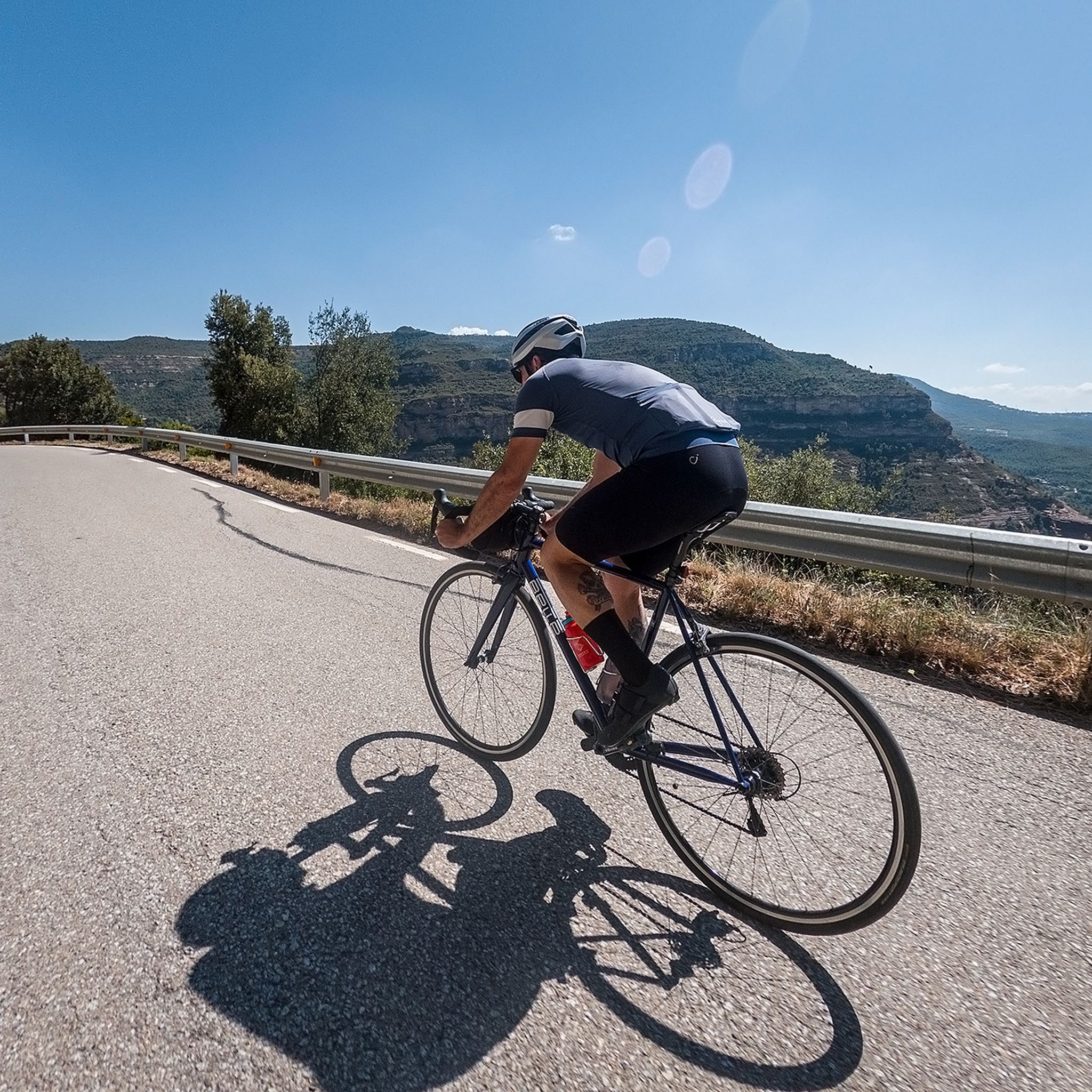
Road Cycling Routes around Valles Oriental
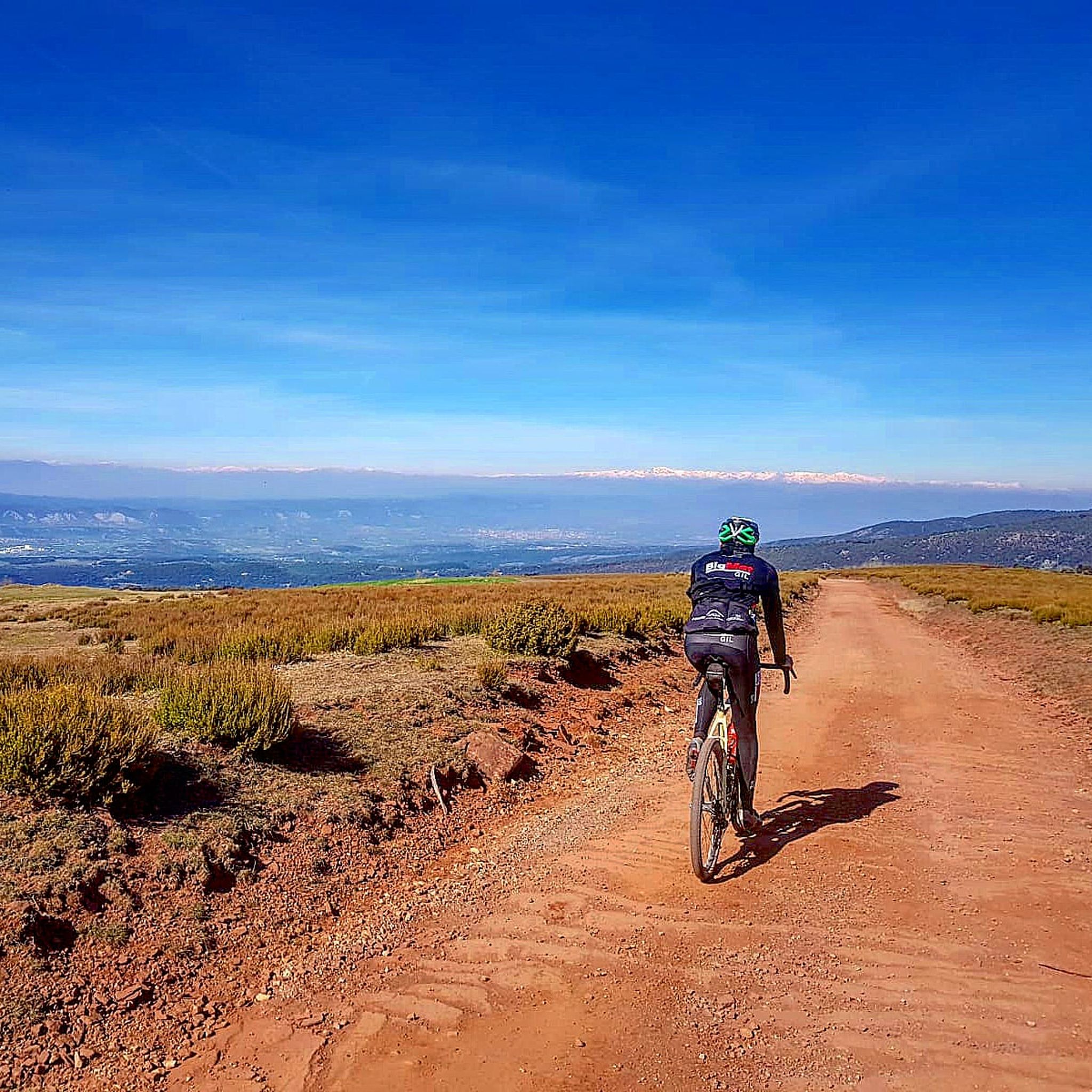
Cycling around Valles Oriental
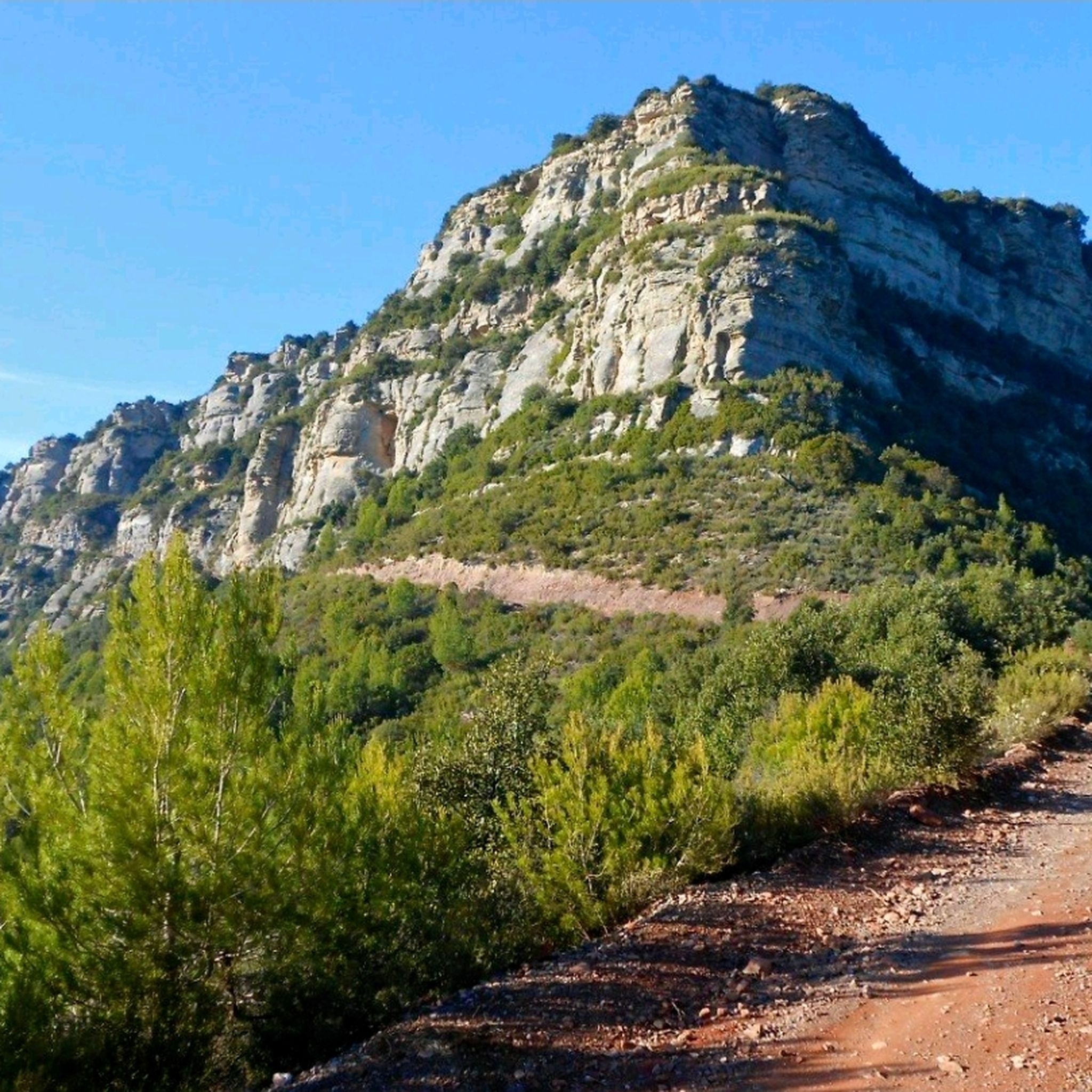
MTB Trails around Valles Oriental
Other adventures around Valles Oriental


Tips from the Community

Tough route, very steep ramps that make the rear wheel skid on the loose dirt of the trail. It also has considerable difficulty due to the state of the trail, eroded and with many ruts and stones.
0
0

This farmhouse is very special: it's built taking advantage of the natural shelter of a large rock and is located next to the Fontscalents stream. This spot has been home to different generations for over a thousand years, from medieval times until very recently, making it a place steeped in history. Although its name is already mentioned at the end of the 12th century, the building that stands today is the result of later renovations, especially from the 17th and 18th centuries. Some dates engraved in the stone still offer clues to these works. The façade, with its irregular and rustic appearance, blends elements of well-worked stone with simpler walls made of rubble and mortar.
1
0
The castle is about 750 meters from the old town of Castelltersol. It is already mentioned in documents from the year 898.
0
0

The arrival is via a trail, so if you're riding gravel it's a bit uncomfortable.
0
0

Entrance to the old town of Granera, paved and on top of a hill above 800 meters above sea level, crowned by a beautiful castle. At the entrance you will find a fountain.
0
0

Incredible places to take photos
0
0

Frequently Asked Questions
What types of castles can I expect to find in Valles Oriental?
Valles Oriental features a diverse range of fortified structures, from imposing medieval fortresses like Sant Miquel Castle and Castell de la Roca del Vallès, to historical ruins such as Castell de Montclús, and even transformed manor houses like Can Coll. Each site offers a unique glimpse into Catalonia's rich past.
Which castles offer the best panoramic views in Valles Oriental?
Several castles provide stunning panoramic views. Sant Miquel Castle is known for its impressive vistas from its elevated position. The ruins of Tagamanent Castle, located within the Montseny mountain range, offer sweeping views of the Vic plain and Montseny peaks. Castell de la Roca del Vallès also provides breathtaking views of the Mogent river valley, and Castell de Montclús offers expansive views from its strategic hill.
Are there any particularly historically significant castles in the region?
Absolutely. Castell de Montsoriu, though bordering Valles Oriental, is considered one of the most important medieval sites in Catalonia, described as 'one of the most beautiful and noble in the world' in the 13th century. Castell de la Roca del Vallès dates back to 932 AD and reflects medieval architecture. Castell de Fluvià is significant for its connection to the Reapers' War, an event evoked in the Catalan anthem.
Are there hiking opportunities near the castles in Valles Oriental?
Yes, many castles are situated in scenic areas perfect for hiking. For instance, the ascent to Sant Miquel Castle can be an ultra-vertical and technical path, ideal for trail running or adventurous hikers. Castell de Montclús is located within the Montseny massif, offering attractive routes for history buffs and hikers. You can find various running trails around the region, including routes like 'Font del Branco, Les Agudes, Turó de l'Home – Circular Route' or 'Santa Maria de Caldes de Montbui – Circular Route', by exploring the Running Trails around Valles Oriental guide.
Can I combine a castle visit with other outdoor activities like cycling?
Definitely. The Valles Oriental region offers numerous cycling routes that can be combined with castle visits. For example, you can explore the Montseny Natural Park with routes like 'Pantano de Vallforners y Pla de la Calma - circular gravel' or 'Panoramic route of Turó l'Home'. Check out the Cycling around Valles Oriental guide or the Road Cycling Routes around Valles Oriental guide for detailed routes.
Are there family-friendly castles to visit in Valles Oriental?
While many castles are historical ruins, some offer more engaging experiences for families. Can Coll, a 16th-century fortified house, is being prepared as a house-museum, which could be interesting. Castell de Fluvià, now a farm school, provides a unique setting. Exploring the grounds of Castell de la Roca del Vallès, with its impressive architecture and cultural events, can also be a rewarding family outing.
What is the best time of year to visit the castles in Valles Oriental?
The best time to visit is generally during spring (April to June) and autumn (September to October) when the weather is mild and pleasant for exploring. Summers can be hot, especially for outdoor activities, while winters are cooler but can still be suitable for visits, particularly if you prefer fewer crowds. Always check the specific opening hours and accessibility for each site, as some may have seasonal variations.
Are there any castle ruins worth visiting for their historical value?
Yes, the region has several significant ruins. Castell de Montclús, also known as Castell dels Moros, is an 11th-century territorial castle with visible remains of perimeter walls and a cylindrical corner tower. Castell de Castellvell del Far, though largely in ruins from an earthquake, preserves notable walls and moats, offering extraordinary views. These sites provide a tangible connection to the region's ancient past.
Are there any less crowded 'hidden gem' castles in Valles Oriental?
For a quieter experience, consider exploring the ruins of Castell de Castellvell del Far, which are freely accessible and offer panoramic landscapes without the crowds. The remnants of Castell de Bell-lloc, with its Romanesque origins and historical significance, also provide a more secluded historical visit. These sites offer a chance to connect with history in a more personal way.
What should I wear when visiting castles in Valles Oriental?
Comfortable walking shoes are essential, as many castles involve walking on uneven terrain, historical paths, or even hiking to reach them. Layered clothing is advisable, especially during spring and autumn, to adapt to changing temperatures. A hat and sunscreen are recommended for sunny days, and a light jacket might be useful for cooler evenings or higher elevations.
Are there cafes or restaurants near the castles for refreshments?
While some castles are in more remote locations, many are close to towns or villages where you can find dining options. For example, La Torrassa del Moro has a bar service and sandwiches available on weekends and public holidays. The town of Caldes de Montbui, near Castell de Montbui, is known for its thermal heritage and offers various cafes and restaurants. It's always a good idea to check local amenities before your visit.
What unique architectural features can be found in Valles Oriental castles?
The castles in Valles Oriental showcase a range of architectural styles. Castell de la Roca del Vallès features a prominent homage tower, a chapel, and a distinguished 'Tinell' hall with large Gothic arches. Can Coll is notable for its majestic square defensive tower, approximately 20 meters high, uniquely housing a chapel. Castell de Montsoriu, a formidable Gothic castle, boasts three concentric walled enclosures and a pre-Romanesque chapel.
Most popular routes around Valles Oriental
Most popular attractions around Valles Oriental

Get inspired with the komoot mobile app


Didn’t find what you were looking for?
Explore Valles Oriental’s best castles region by region:
Explore more
Looking for the best castles somewhere else? Discover other guides around Valles Oriental:
