The best walks and hikes around Pantà de Riba-roja
4.4
(43)
186
hikers
43
hikes
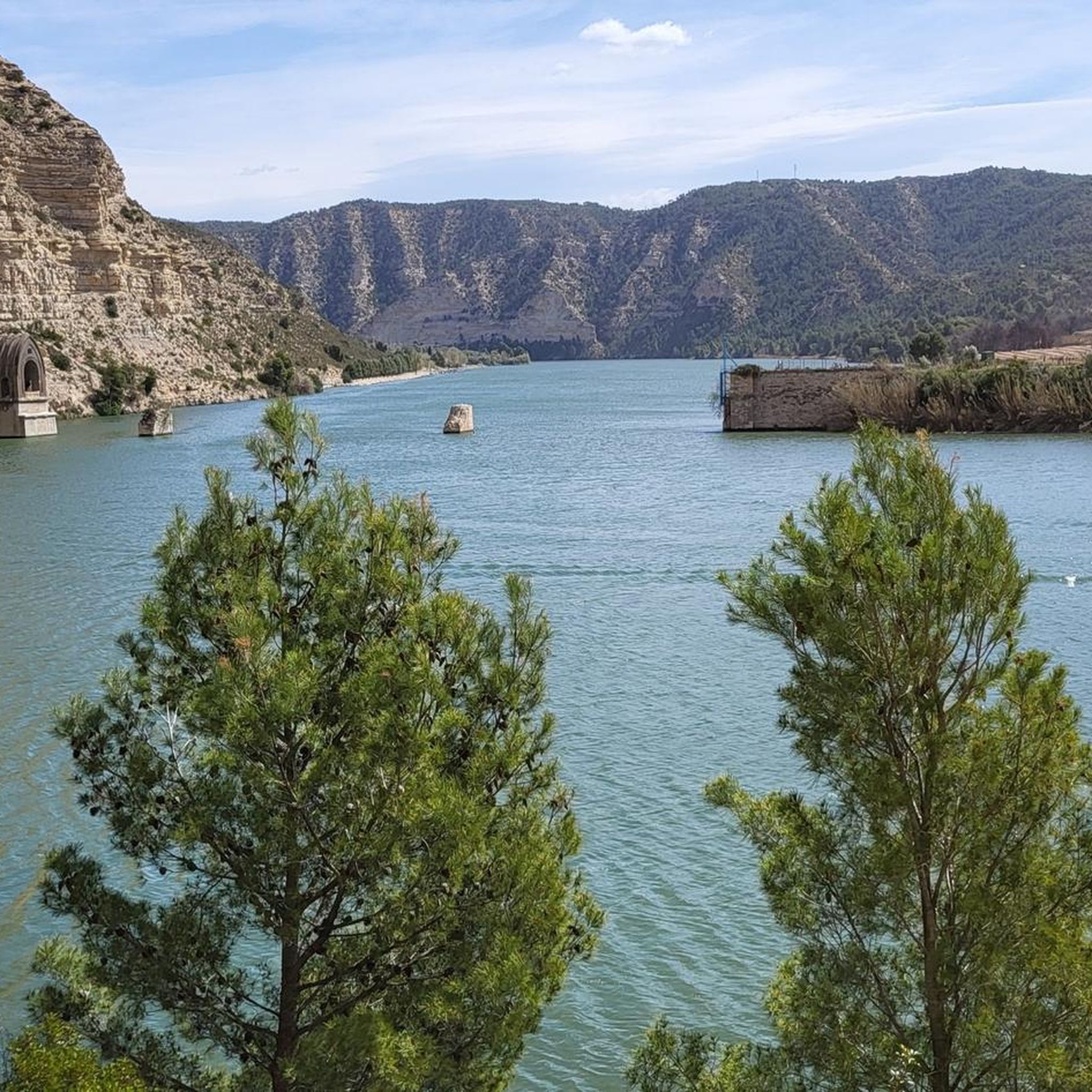
Hiking around Pantà de Riba-roja offers diverse landscapes along the Ebro River, characterized by dramatic gorges and the expansive reservoir. The terrain features calcareous-marl slopes of mountain ranges like Berrús and Fatarella, alongside extensive pine forests. The confluence of the Matarraña and Ebro rivers provides scenic vistas, with the Riba-roja Protected Natural Area showcasing varied habitats and abundant wildlife.
Best hiking trails around Pantà de Riba-roja
- The most popular hiking route is Views of the Reservoir from Montnegre — circular…
Last updated: July 8, 2026
4.5
(4)
11
hikers
14.1km
04:07
390m
390m
Moderate hike. Good fitness required. Easily-accessible paths. Suitable for all skill levels.
3.5
(2)
7
hikers
9.57km
02:41
180m
180m
Moderate hike. Good fitness required. Easily-accessible paths. Suitable for all skill levels.

Sign up for free
5.0
(2)
2
hikers
Moderate hike. Good fitness required. Easily-accessible paths. Suitable for all skill levels.
5.0
(2)
3
hikers
14.5km
04:10
330m
330m
Moderate hike. Good fitness required. Easily-accessible paths. Suitable for all skill levels.
3.0
(2)
10
hikers
Moderate hike. Good fitness required. Easily-accessible paths. Suitable for all skill levels.
Get access to more routes and recommendations from other explorers.
Sign up for free
Already have an account?
Our route recommendations are based on thousands of hikes, rides, and runs completed by other people on komoot.
Start today with a free account
Your next adventure awaits.
Login or Signup
Popular around Pantà de Riba-roja
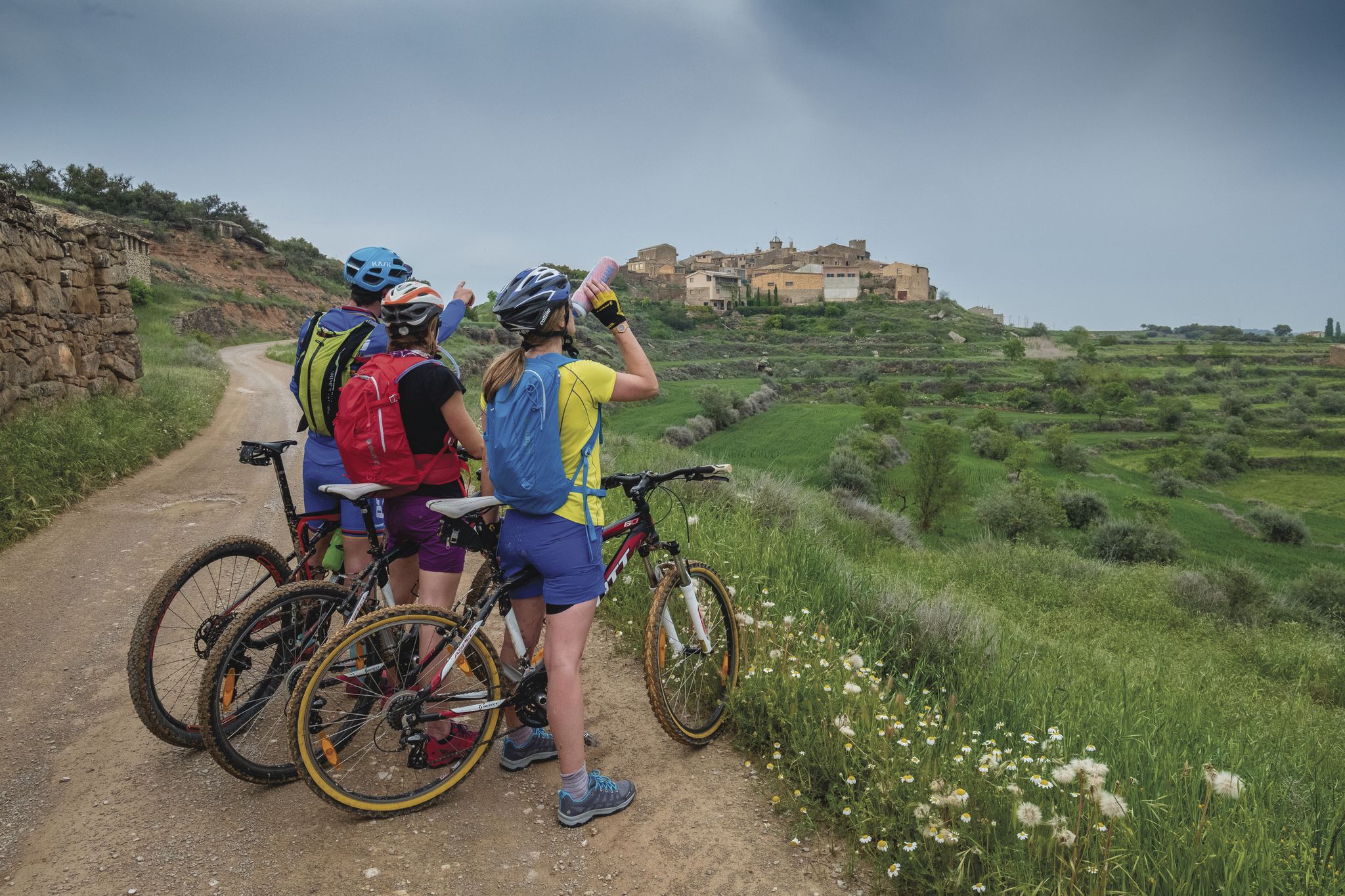
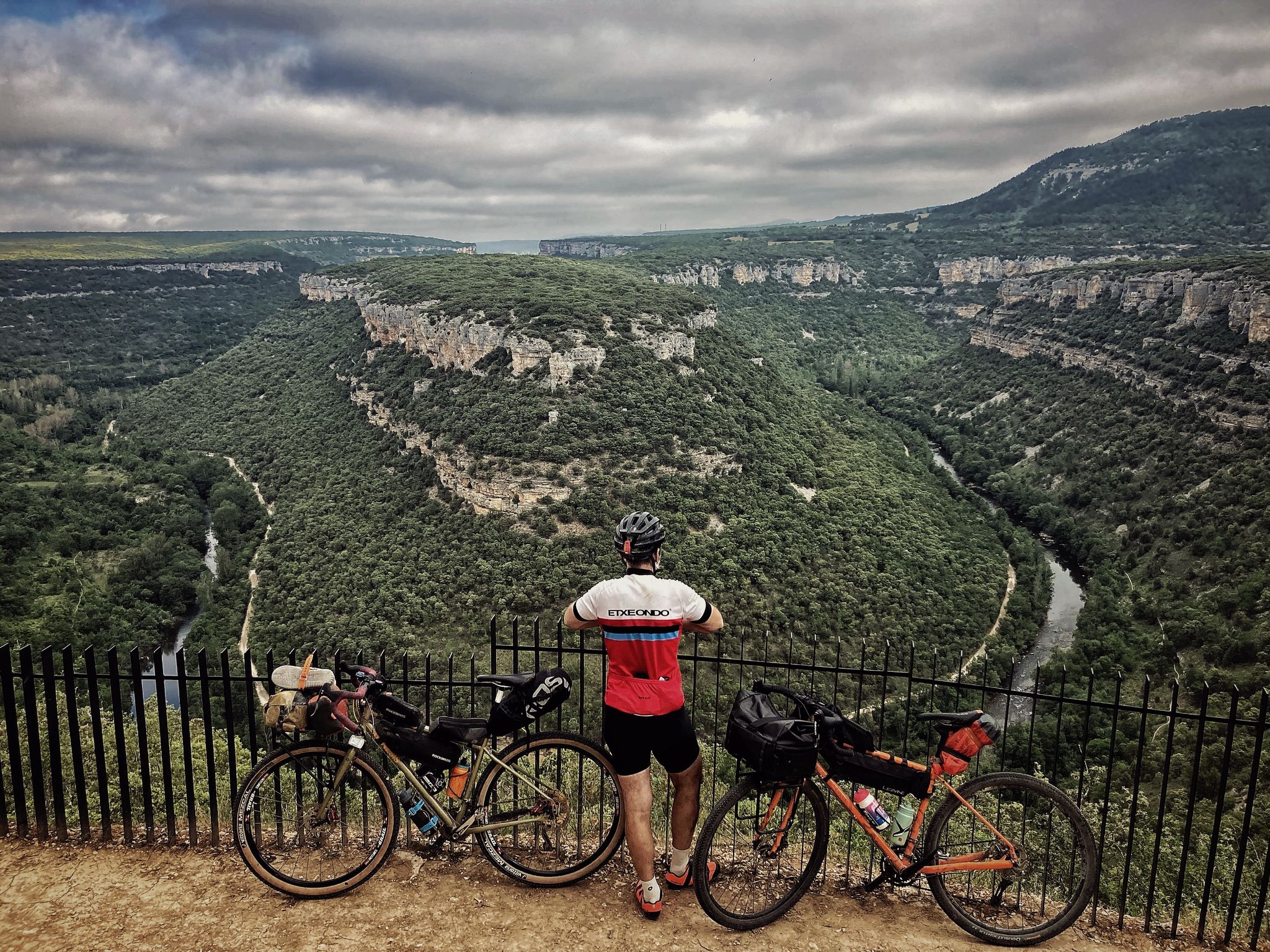
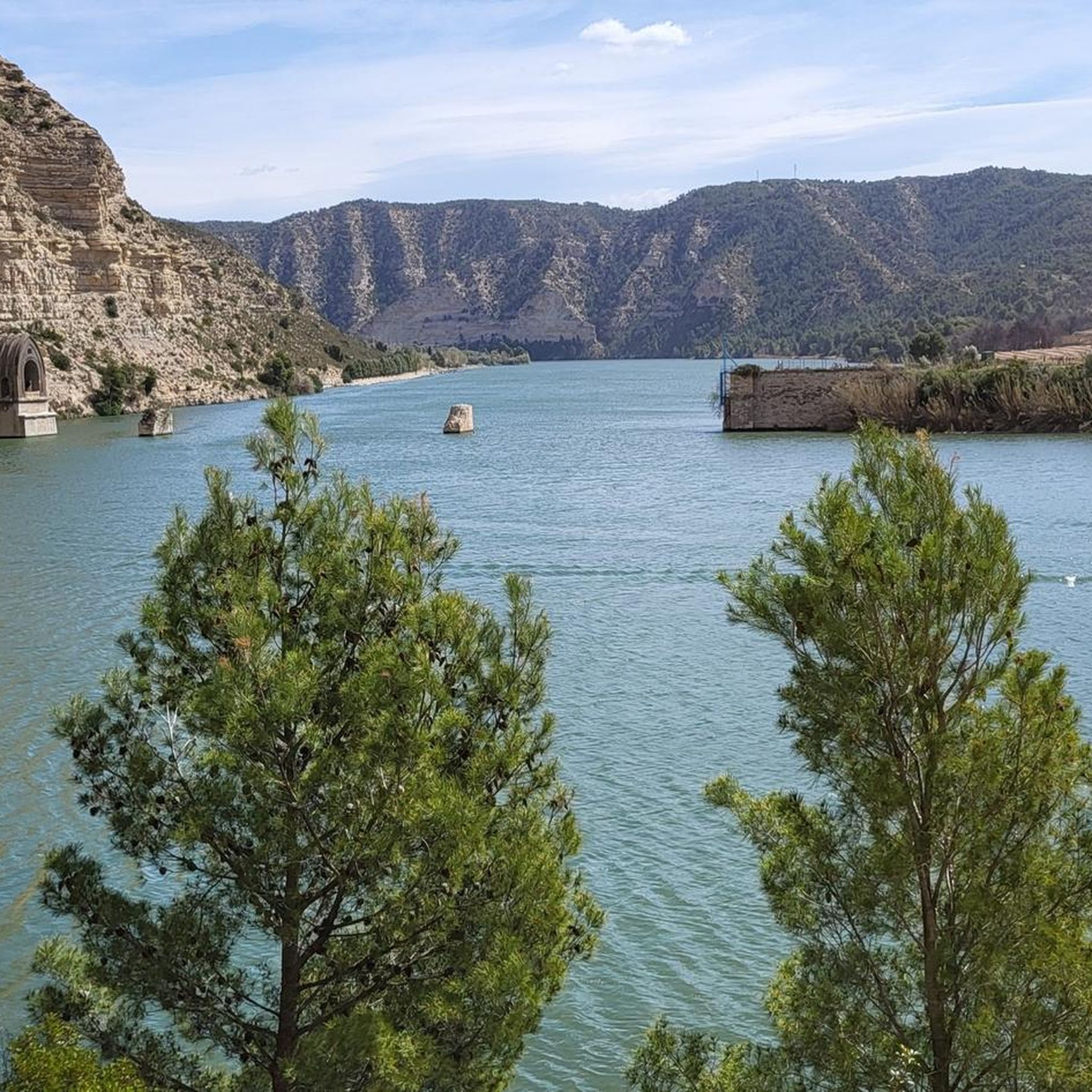
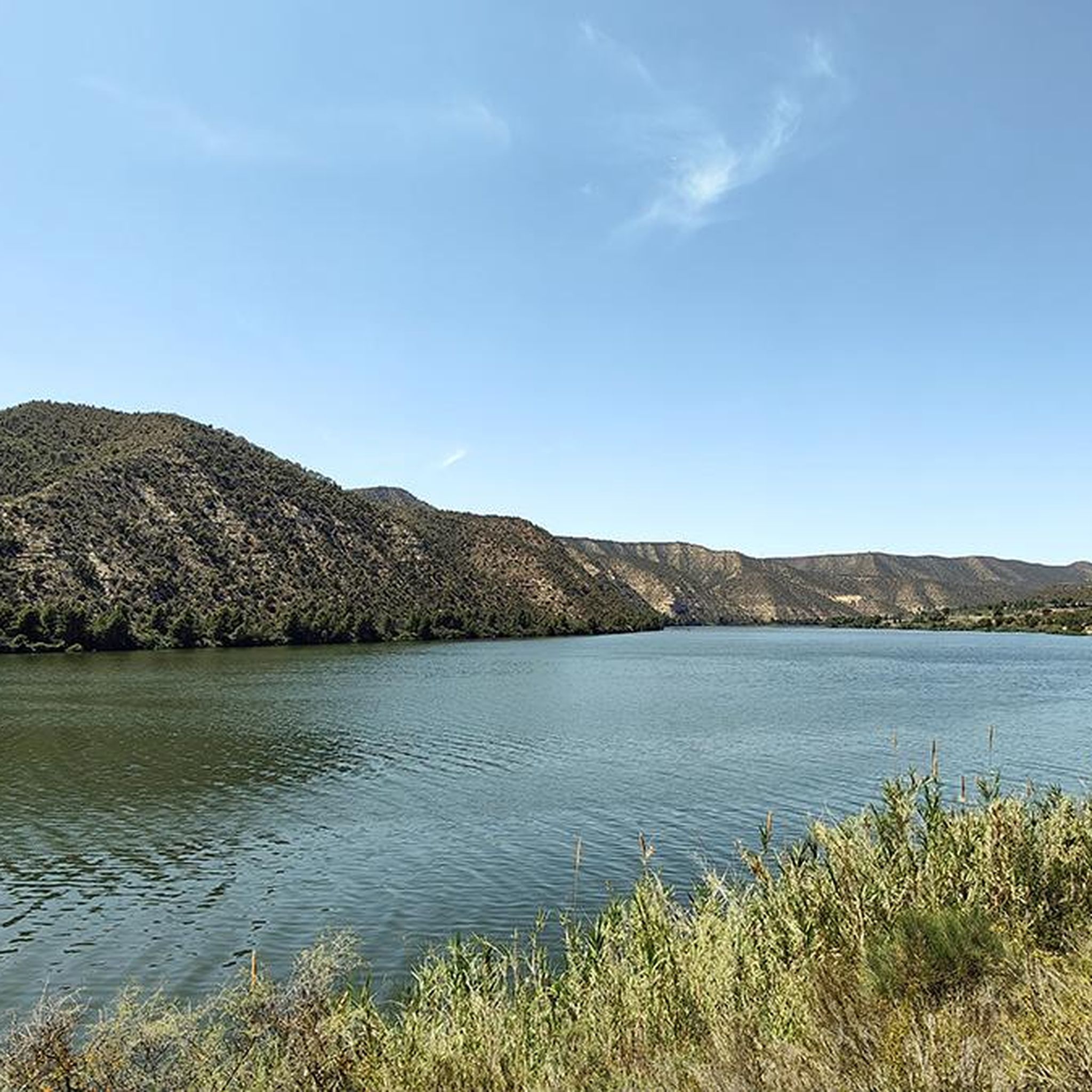

Other adventures around Pantà de Riba-roja


Tips from the Community

There is no doubt that Iberians and Romans inhabited these lands and must have occupied and fortified this strategic location. In the 8th century, the site was an Arab defensive tower, built by the Berber tribe of the Miknasa, who gave the city its name. The current toponym Mequinenza is probably evident from the name. Since then, the strategically located fortress has been the center of many battles and conquests. It is now owned by a foundation and can only be visited by appointment
0
0

The spire was restored in 2004 by the Fayón City Council with financial support from the Endesa Foundation. The only remnant is the church of San Juan Evangelista (16th century) from old Fayón, of which only the tower remains and has been declared a cultural asset by the government.
10
0
THE MINETA “La Mineta” entered the history of Fayón in the early years of the 20th century with the coal boom that led to the start of numerous mining projects in the municipality. The presence of an underground watercourse prevented exploitation of this mine and the site was abandoned.
10
0
The Plaça d'armes Life in the city of Mequinensa is unimaginable without visiting the Plaça d'Armes. This aspect, which has previously been used by soldiers to carry out military exercises, will continue to be used for many years to come. a shout of joy. The main festival and concerts of the Poble Band are scheduled to end in this central square, obligatory for all Mequinenses
10
0

It looked great from far below. Unfortunately, when we got to the top, we discovered that the gate was locked. We should have gotten a permit from the town hall. Nevertheless, we enjoyed a little bit of the surrounding area with fantastic views
1
0

Within the immense walls that the Matarranya River has formed in this area, there used to be this railway line that crossed the same line, joining a bridge and a tunnel. Now only the remains remain.
1
0
Going down from what is called the Penya Grossa to the bed of the Matarranya River there are views of the meander of the same river where, right next to it, the train tracks in the direction of Zaragoza pass.
1
0
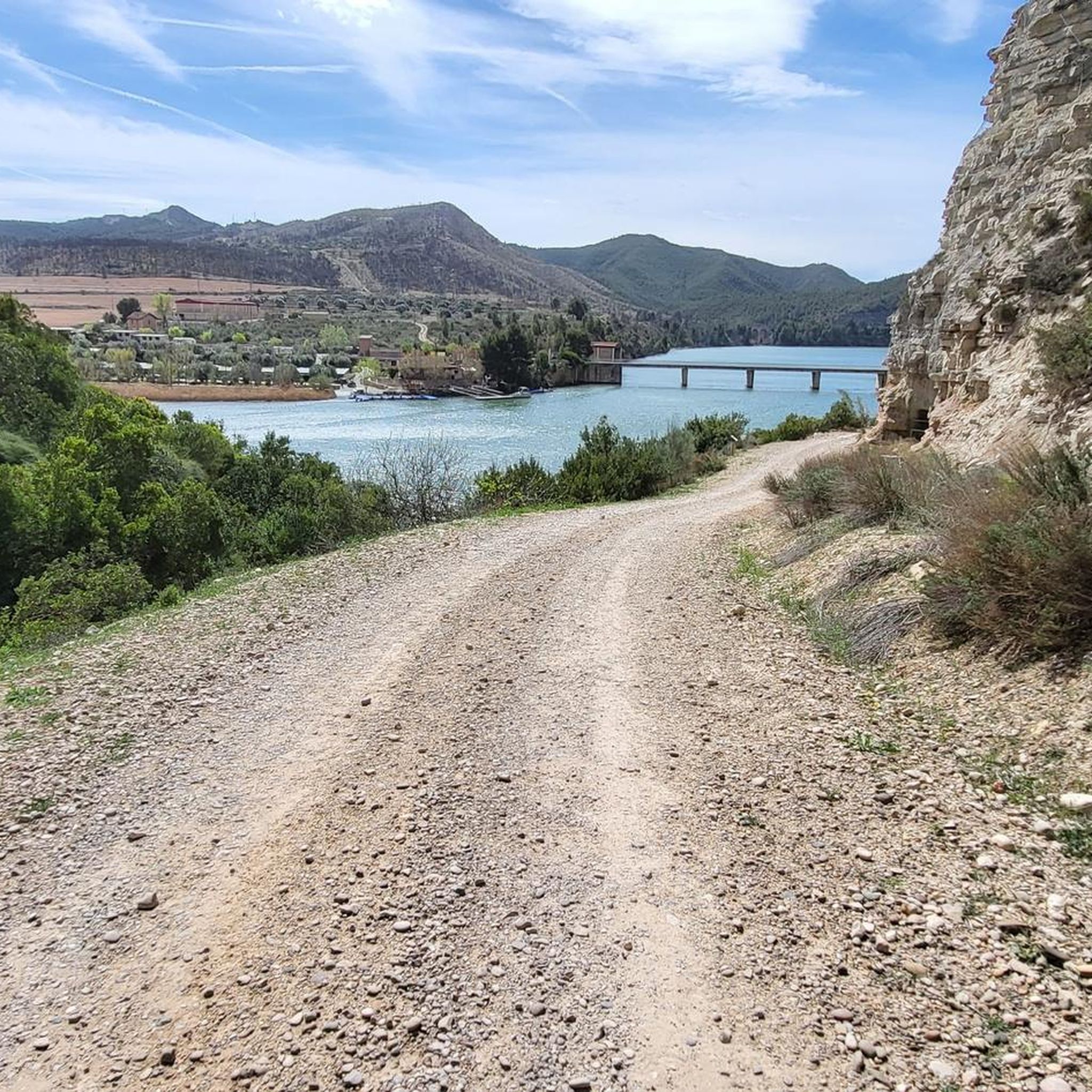
Below the Sierra de Campells is this road where you can see how the sediments over the years have been left on the mountain walls that are around the meanders.
1
0
Frequently Asked Questions
How many hiking trails are available around Pantà de Riba-roja?
There are over 30 hiking routes around Pantà de Riba-roja, offering a wide range of options for different preferences and fitness levels. These trails traverse diverse landscapes, from riverbanks to mountain slopes and pine forests.
What are the typical difficulty levels for hikes in Pantà de Riba-roja?
The trails around Pantà de Riba-roja cater to various abilities. You'll find 8 easy routes, 22 moderate routes, and 3 more challenging trails. This variety ensures options for casual walkers and experienced hikers alike.
Are there any circular hiking routes in the Pantà de Riba-roja area?
Yes, many routes in the region are circular. For example, the Sierra Campells — circular along the banks of the Río Ebro offers a moderate 14.5 km loop, providing scenic views and a return to your starting point.
What kind of natural features and landscapes will I encounter on the trails?
Hikers will experience impressive views of the Pantà de Riba-roja reservoir and the Ebro River flowing through dramatic gorges. The terrain includes calcareous-marl slopes of mountain ranges like Berrús and Fatarella, extensive pine forests, and the scenic confluence of the Matarraña and Ebro rivers. The Riba-roja Protected Natural Area also showcases diverse habitats.
Are there any historical sites or landmarks to see while hiking?
Yes, the area is rich in history. You can visit the poignant Old Church Tower of Fayón, a remnant of a submerged village, or explore historical sites related to the Spanish Civil War. The Aiguabarreig and Castillo de Mequinenza — circular route, for instance, passes by the historic Castillo de Mequinenza.
What is the best time of year to go hiking around Pantà de Riba-roja?
The mild climate of the region makes it suitable for hiking for much of the year. Spring and autumn generally offer the most comfortable temperatures for longer walks, with pleasant weather and vibrant natural colors. Summers can be hot, so early morning or late afternoon hikes are recommended during this season.
Are there any family-friendly hiking options?
Yes, the area offers several easy routes suitable for families. While specific 'family-friendly' labels aren't always present, the 8 easy trails provide gentler terrain and shorter distances, perfect for outings with children. Look for routes with minimal elevation gain.
Can I bring my dog on the hiking trails?
Many trails in the Pantà de Riba-roja area are suitable for dogs, especially those that traverse natural landscapes and riverbanks. However, it's always advisable to keep your dog on a leash, particularly in protected natural areas or near wildlife habitats, and to check local regulations for specific trails or nature reserves.
What kind of wildlife can I expect to see?
The Riba-roja Protected Natural Area and the nearby Sebes Nature Reserve are home to abundant wildlife. Birdwatchers might spot species such as short-toed snake eagles, storks, and other riparian flora and fauna. The diverse habitats support a variety of animal life.
Are there any challenging hikes for experienced trekkers?
Yes, for those seeking a greater challenge, there are 3 difficult routes available. These trails typically involve more significant elevation changes and longer distances, providing a rewarding experience for experienced hikers looking to push their limits.
What do other hikers enjoy most about the Pantà de Riba-roja trails?
The trails around Pantà de Riba-roja are highly rated by the komoot community, with an average score of 4.4 stars from over 30 reviews. Hikers often praise the diverse landscapes, the impressive reservoir views, and the well-maintained paths that cater to various skill levels.
Are there options for public transport to reach the hiking areas?
While specific public transport details for every trailhead are not always readily available, the region is generally accessible. It's recommended to research local bus services or train connections to nearby towns like Riba-roja d'Ebre or Fayón, and then consider local taxis or walking to reach specific starting points.
What other outdoor activities are popular in the Pantà de Riba-roja region?
Beyond hiking, the Pantà de Riba-roja is a hub for various outdoor pursuits. It's renowned for sport fishing, with species like black bass and wels catfish. The area is also excellent for cycling, including sections of the Ebro Nature Trail, and water sports such as canoeing, kayaking, and water skiing are popular on the reservoir.
Most popular routes around Pantà de Riba-roja
Most popular attractions around Pantà de Riba-roja

Get inspired with the komoot mobile app


Explore more
Browse the best Hikes in other regions.
