The best cycling routes around Delta de la Sauer
4.5
(2560)
15,534
riders
406
rides
Touring cycling routes around Delta de la Sauer traverse a protected wetland reserve where the Sauer River meets the Rhine. This region is characterized by a mosaic of Rhineland natural environments, including extensive floodplain forests, dense reed beds, and oxbow lakes. The landscape is largely flat, with minimal elevation gain, making it accessible for various fitness levels. Cycling infrastructure includes well-maintained, mostly paved bike paths along the rivers and through the reserve.
Best touring cycling routes around Delta de la…
Last updated: May 6, 2026
4.4
(7)
75
riders
10.5km
00:37
40m
40m
Easy bike ride. Great for any fitness level. Mostly paved surfaces. Suitable for all skill levels.
4.7
(9)
59
riders
27.7km
01:35
60m
60m
Easy bike ride. Great for any fitness level. Mostly paved surfaces. Suitable for all skill levels.

Sign up for free
4.0
(1)
24
riders
16.7km
00:57
40m
40m
Easy bike ride. Great for any fitness level. Mostly paved surfaces. Suitable for all skill levels.
5.0
(2)
15
riders
Easy bike ride. Great for any fitness level. Mostly paved surfaces. Suitable for all skill levels.
5.0
(1)
13
riders
Easy bike ride. Great for any fitness level. Mostly paved surfaces. Suitable for all skill levels.
Get access to more routes and recommendations from other explorers.
Sign up for free
Already have an account?
Our route recommendations are based on thousands of hikes, rides, and runs completed by other people on komoot.
Start today with a free account
Your next adventure awaits.
Login or Signup
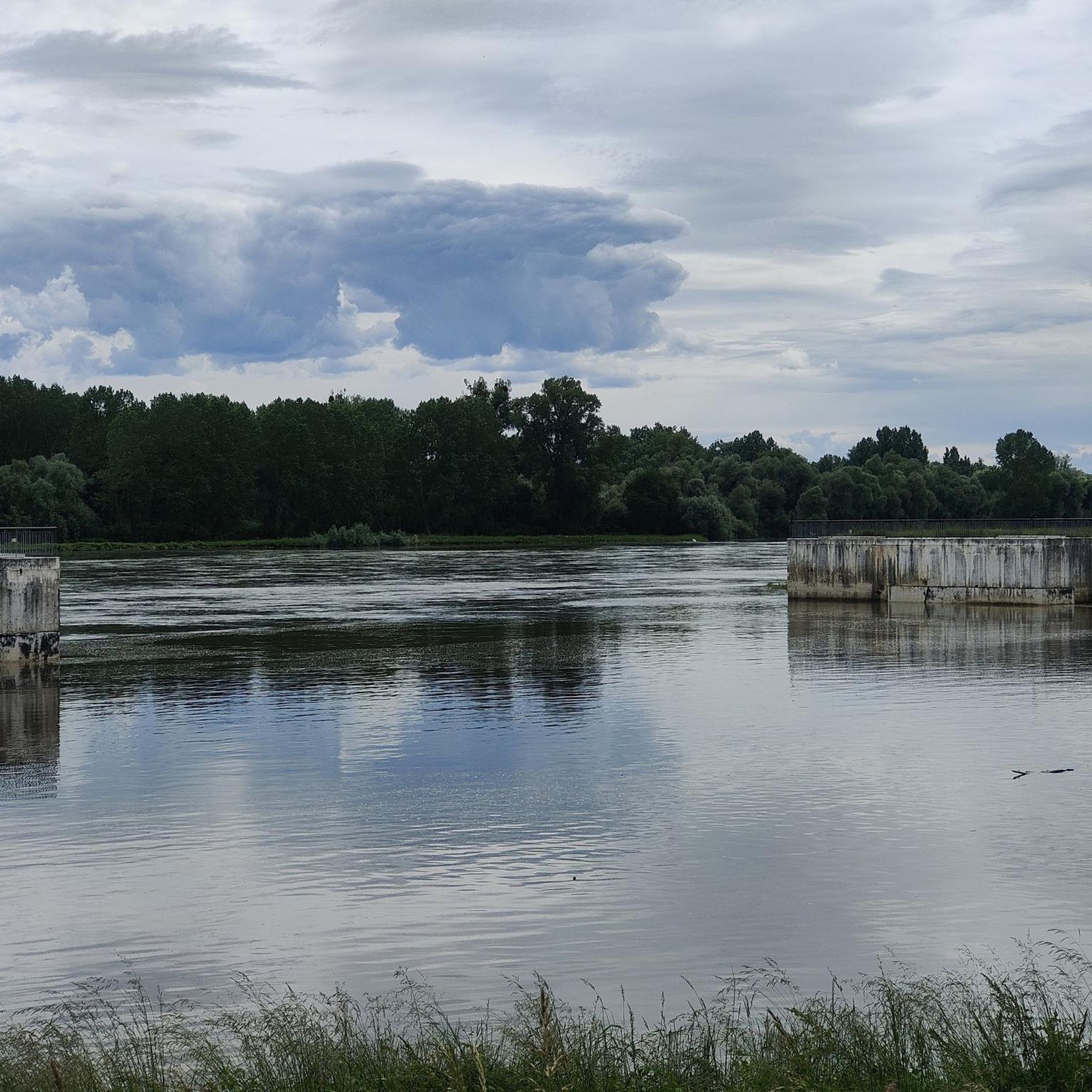
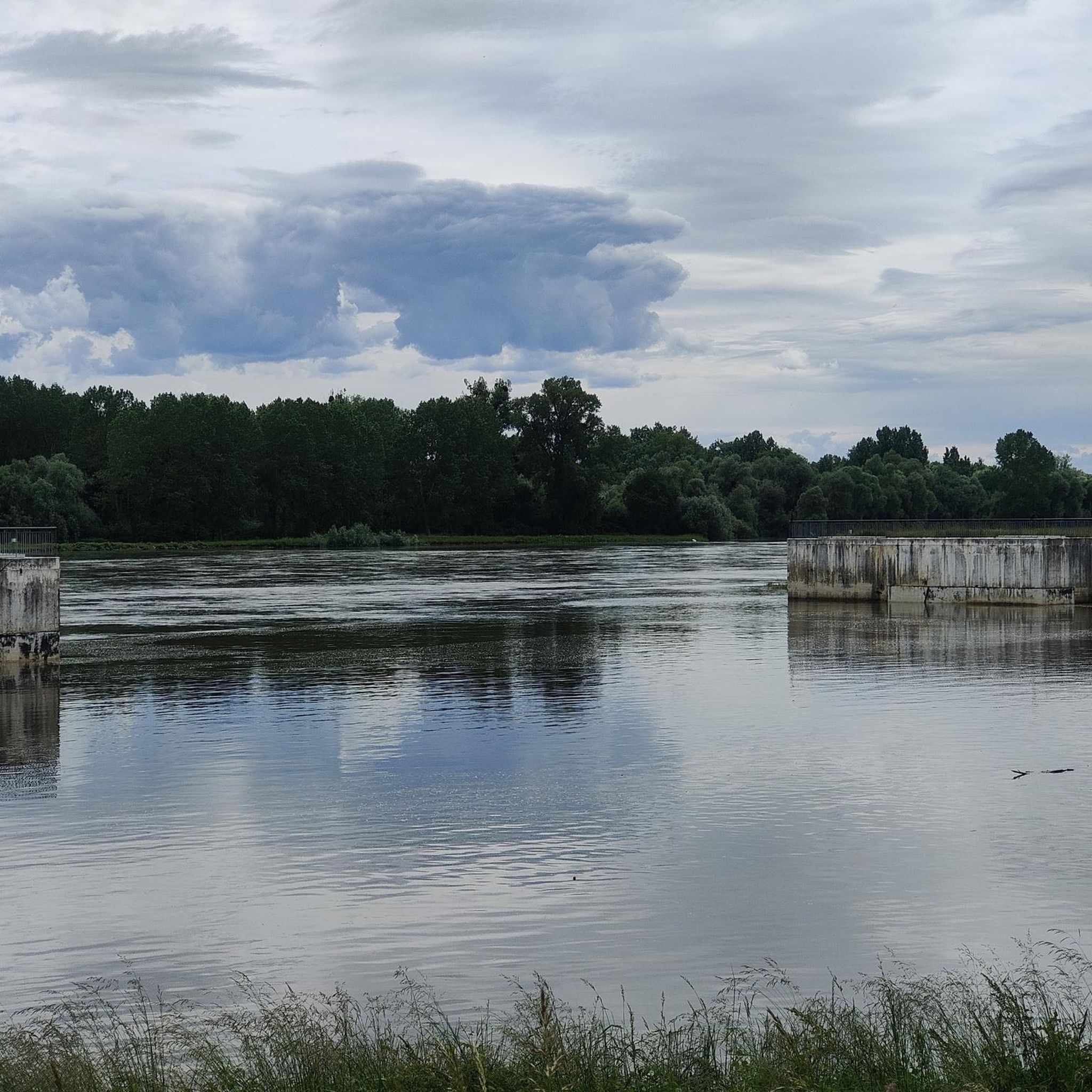
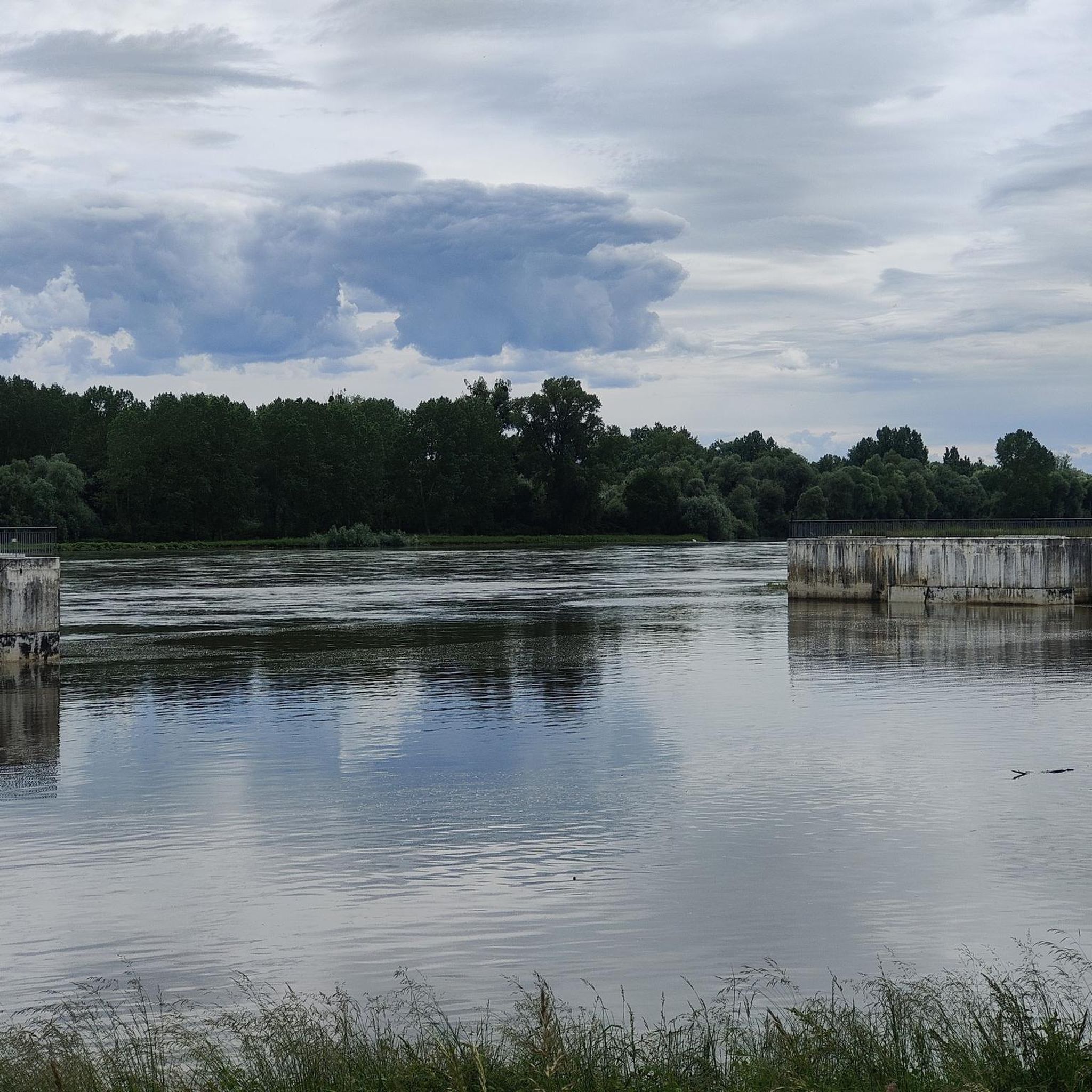
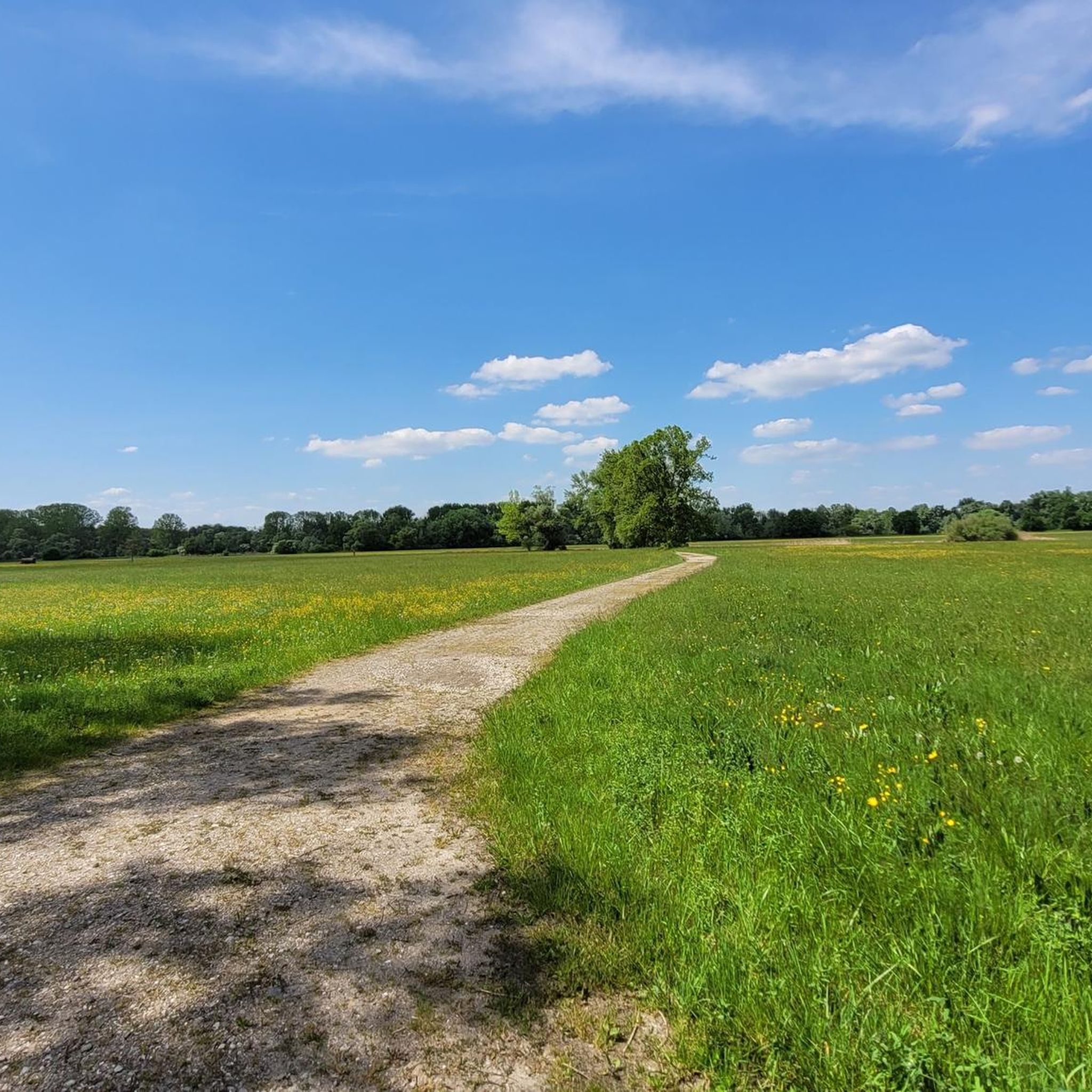
Tips from the Community

The Rhine is one of the most important rivers in Europe and has a length of approximately 1,233 km. Its source lies in the Swiss Alps, where it originates from several mountain streams. From there, it first flows through Switzerland and then partly forms the border between Germany and France, before continuing through Germany and finally the Netherlands. Near Rotterdam, the Rhine divides into several distributaries and finally reaches the North Sea. Its catchment area is very large (approx. 185,000 km²) and includes many tributaries such as the Moselle, Main, or Neckar. The Rhine is of great importance to Europe: Shipping: One of the most important waterways in the world for trade and transport Economy: Connection of many industrial and port cities Nature: Habitat for numerous animal and plant species Energy: Utilization through hydropower in the Alpine regions Due to its location and use, the Rhine is considered one of the most important lifelines of Central Europe.
0
0
The Rhine is one of Europe's most important rivers and has a length of approximately 1,233 km. Its source lies in the Swiss Alps, where it originates from several mountain streams. From there, it first flows through Switzerland and then partly forms the border between Germany and France, before continuing through Germany and finally the Netherlands. Near Rotterdam, the Rhine divides into several distributaries and finally reaches the North Sea. Its drainage basin is very large (approx. 185,000 km²) and includes many tributaries such as the Moselle, Main, or Neckar. The Rhine is of great importance to Europe: Shipping: One of the world's most important waterways for trade and transport Economy: Connection of many industrial and port cities Nature: Habitat for numerous animal and plant species Energy: Utilization through hydropower in the Alpine regions Due to its location and use, the Rhine is considered one of Central Europe's most vital lifelines.
0
0
The cable ferry "Saletio" is unique in its kind. A cable system whose principle consists in using the sole force of the current to move. It connects the two banks Seltz (FR) with Plittersdorf (DE). It can transport 70 passengers, 28 bicycles and 6 vehicles. Motorhomes and caravans are not allowed on the ferry. The ferry is free.
0
0

Magnificent view of the Rhine.
0
0
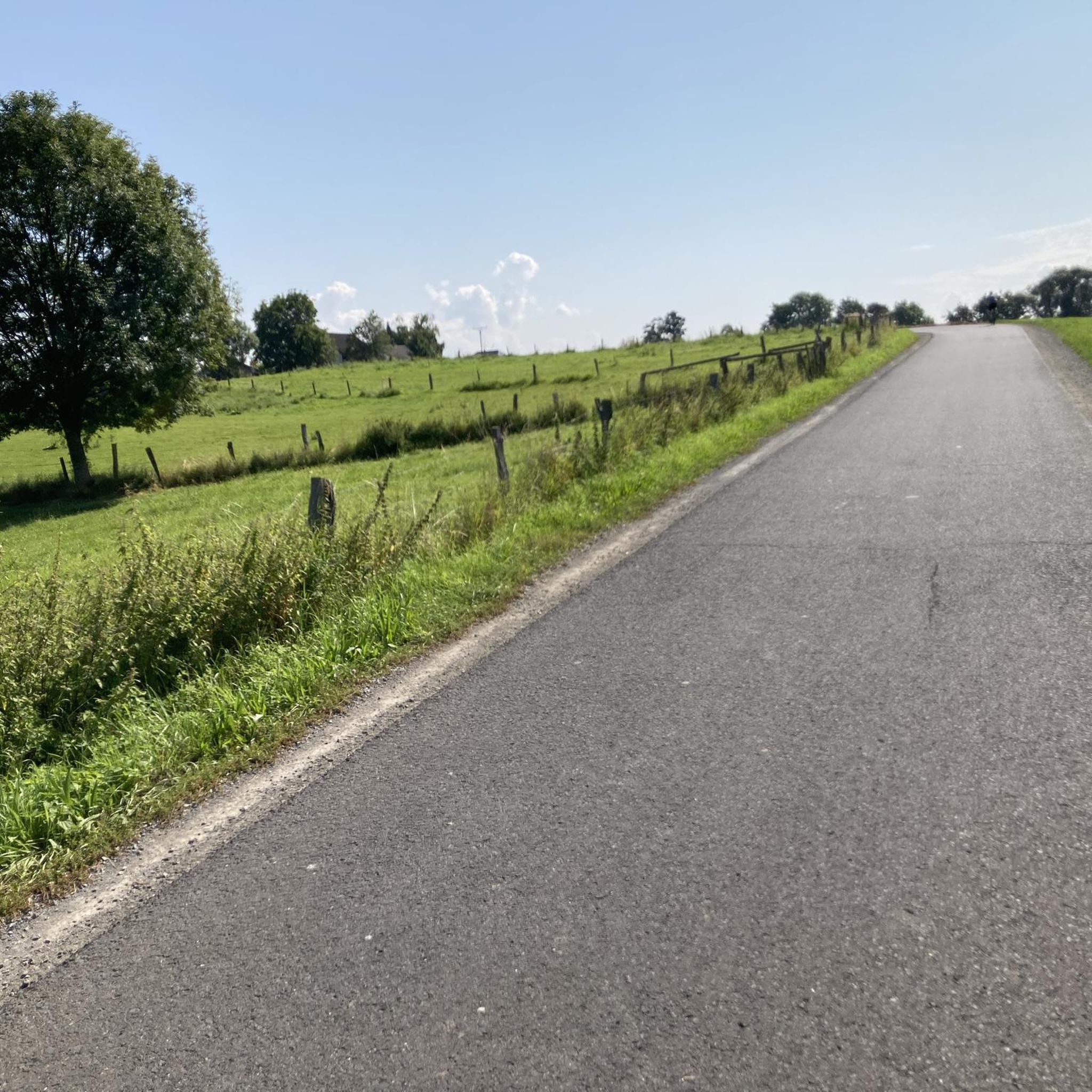
Beautiful path along the Rhine.
0
0

Invites you to ride your bike
2
0

Despite checking the schedule, unfortunately it did not run on September 6, 2025.
0
0
Frequently Asked Questions
How many touring cycling routes are available in Delta de la Sauer?
There are over 400 touring cycling routes available in the Delta de la Sauer region, catering to various skill levels. Approximately 250 of these are rated as easy, making the area very accessible for casual riders and families.
What is the best time of year to go touring cycling in Delta de la Sauer?
The best seasons for touring cycling in Delta de la Sauer are spring, summer, and fall. During these times, the weather is generally pleasant, allowing you to fully enjoy the natural beauty of the wetland reserve and its surroundings.
Are the touring cycling routes in Delta de la Sauer suitable for beginners or families?
Yes, the Delta de la Sauer is exceptionally well-suited for beginners and families. Many routes are described as easy, with minimal elevation gain, and feature well-maintained, mostly paved bike paths. For example, the The Selz in Seltzbach – Plittersdorf–Seltz Rhine Ferry loop from Seltz is an easy 12 km ride perfect for a relaxed outing.
What kind of terrain and surfaces can I expect on the cycling routes?
The terrain in Delta de la Sauer is largely flat, with minimal elevation gain, making for comfortable touring cycling. The cycling infrastructure primarily consists of well-maintained, mostly paved bike paths that follow the rivers and wind through the nature reserve.
What natural features or landmarks can I see while cycling in Delta de la Sauer?
While cycling, you can explore a rich mosaic of Rhineland natural environments, including extensive floodplain forests, dense reed beds, and picturesque oxbow lakes. Notable landmarks include the Sauer Delta Nature Reserve itself, the Bridge over the Sauer offering scenic views, and the Rhine and its flood plains. You might also spot traditional wooden fishing boats near Munchhausen.
Are there opportunities for wildlife spotting along the routes?
Absolutely. The Delta de la Sauer is a protected wetland reserve renowned for its rich biodiversity. It's an excellent spot for bird watching, with 183 bird species recorded. It's also a vital habitat for amphibians, including field frogs, brown pelobates, and green tree frogs, making it a great place for nature enthusiasts to observe wildlife.
Are there any circular touring cycling routes in the Delta de la Sauer region?
Yes, many of the touring cycling routes in the Delta de la Sauer are designed as loops, allowing you to start and end at the same point. For instance, the Plittersdorf–Seltz Rhine Ferry – Seltz–Plittersdorf Cable Ferry loop from Munchhausen is a popular circular option.
Where can I park my car when visiting the Delta de la Sauer for cycling?
While specific parking locations are not detailed, the villages of Munchhausen and Seltz, which serve as common starting points for many routes, typically offer parking facilities for visitors. It's advisable to check local signage upon arrival.
Can I access the cycling routes using public transport?
The region's cycling infrastructure is well-integrated, and while direct public transport links to every trailhead might vary, key towns like Seltz and Munchhausen are generally accessible. Some routes, like those along the Rhine, can also be reached via Rhine bridges or ferries, which may connect to public transport networks.
Are the touring cycling routes in Delta de la Sauer dog-friendly?
While the Delta de la Sauer is a nature reserve, many outdoor areas in France are dog-friendly, especially on leash. However, specific rules for dogs within the protected wetland areas may apply to protect local wildlife. It's always recommended to check local regulations or signage at the reserve entrances regarding pets.
What do other touring cyclists appreciate most about cycling in Delta de la Sauer?
The Delta de la Sauer is highly rated by the komoot community, with an average score of 4.5 stars from over 2,600 reviews. Touring cyclists often praise the region's flat, easy terrain, the well-maintained paths, and the unique natural beauty of the wetland reserve, especially the peaceful floodplain forests and river views.
Are there longer touring cycling routes that explore beyond the immediate Delta de la Sauer area?
Yes, for those seeking longer adventures, routes like the Sauer Valley Cycle Route extend for over 50 km, allowing you to explore historical sites and natural heritage between Lembach and Seltz. There's also a 'Borderless Cycling' route that stretches into Germany and Luxembourg, offering diverse landscapes, villages, and even vineyards.
Can I combine cycling with exploring local towns or villages?
Absolutely. The cycling routes often pass through or near charming villages such as Munchhausen and Seltz. These towns offer opportunities to experience local culture, find places for refreshments, and explore historical elements. The broader region also features villages known for wine tasting and cultural exploration.
Most popular routes around Delta de la Sauer
Most popular attractions around Delta de la Sauer

Get inspired with the komoot mobile app


Explore more
Browse the best Cycling routes in other regions.
