The 20 Most Amazing Peaks in South East England
Best mountain peaks in South East England are characterized by prominent hills and high points, rather than traditional mountains. This region offers diverse natural landscapes, rich history, and expansive views from its elevated areas. These locations provide opportunities for walking and experiencing panoramic vistas across the countryside and coastline. Many sites are also recognized for their ecological significance and archaeological interest.
Best mountain peaks in South East England
- The most popular mountain peaks is Box Hill Climb, a climb…
Last updated: October 10, 2026
Box Hill Climb
Highlight (Segment) • Climb
Tip by

Ditchling Beacon
Highlight • Natural Monument
Tip by

Sign up now to discover places like this
Get recommendations on the best single tracks, peaks, & plenty of other exciting outdoor places.
Leith Hill Tower and Viewpoint
Highlight • Viewpoint
Translated by Google •
Tip by

Tennyson Monument
Highlight • Monument
Tip by

Ivinghoe Beacon
Highlight • Summit
Tip by

Coombe Hill Viewpoint and Boer War Memorial
Highlight • Viewpoint
Tip by
Holmbury Hill Viewpoint
Highlight • Natural Monument
Tip by
Butser Hill
Highlight • Natural Monument
Tip by
Chanctonbury Ring hillfort
Highlight • Historical Site
Tip by
Pitstone Hill
Highlight • Natural
Tip by
Sign up for free to discover even more peaks in South East England.
Already have an account?
Start today with a free account
Your next adventure awaits.
Popular around South East England
Scenic hikes to stand-up paddleboarding locations in the UK
Multi-use magic in the Surrey Hills – Leith Hill Greenway

Bedtime Adventure Stories for Grown Ups
King Alfred's Way — History, chalk, grassland and forest
South Downs Way — A Southern off-road utopia
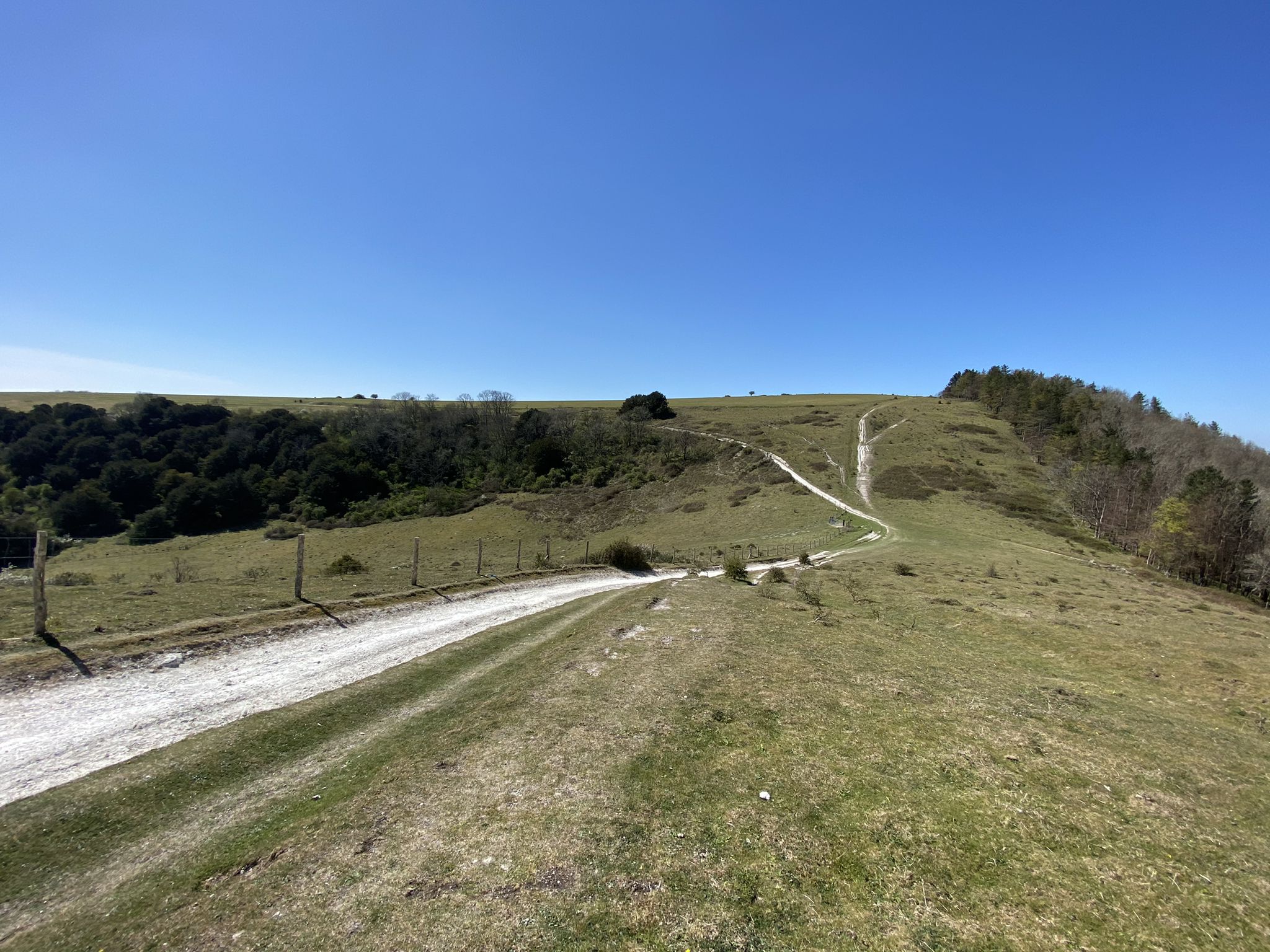
South Downs Way – a 100-mile run across the national park
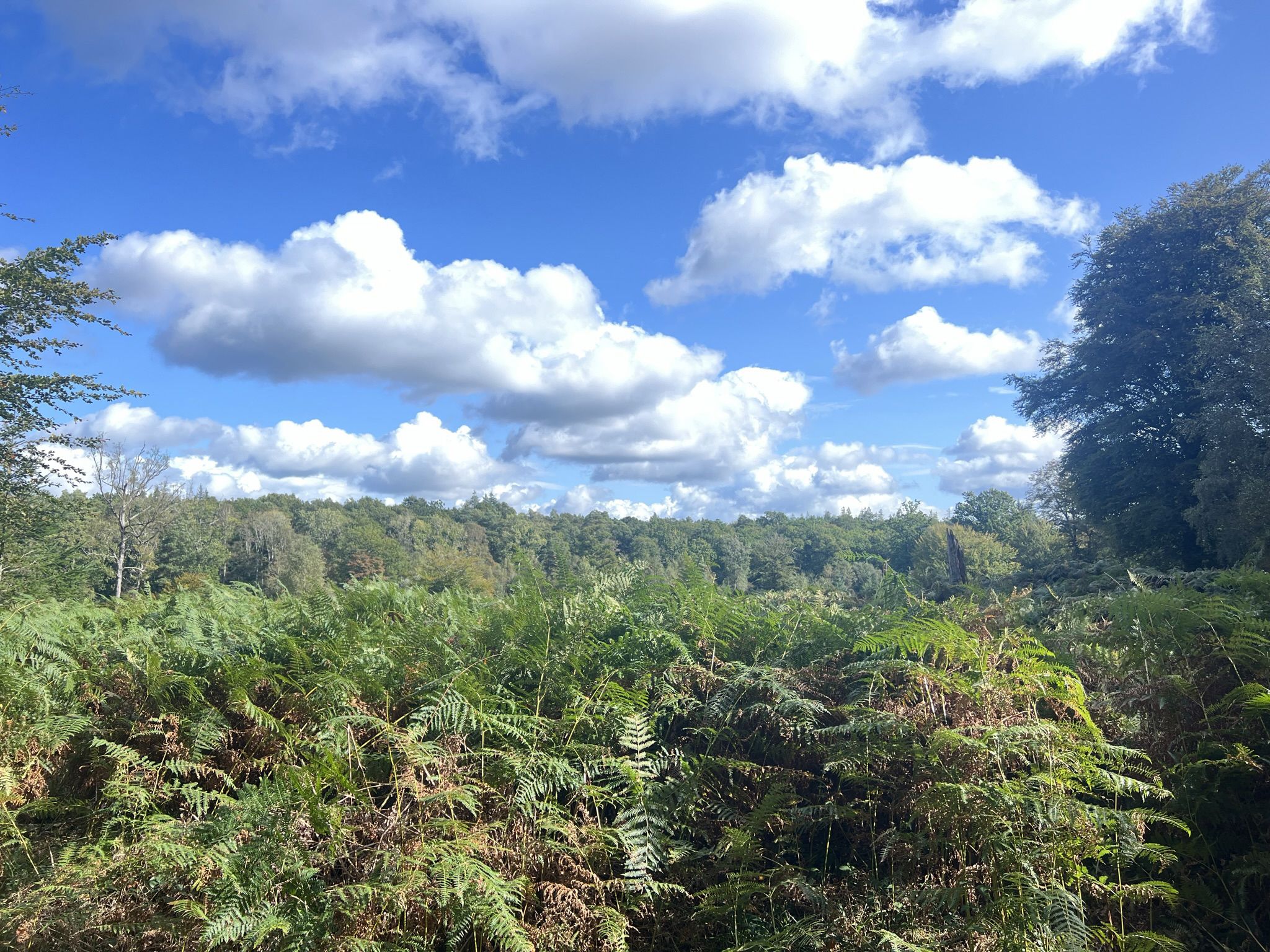
New Forest National Park – A Walk in the Parks
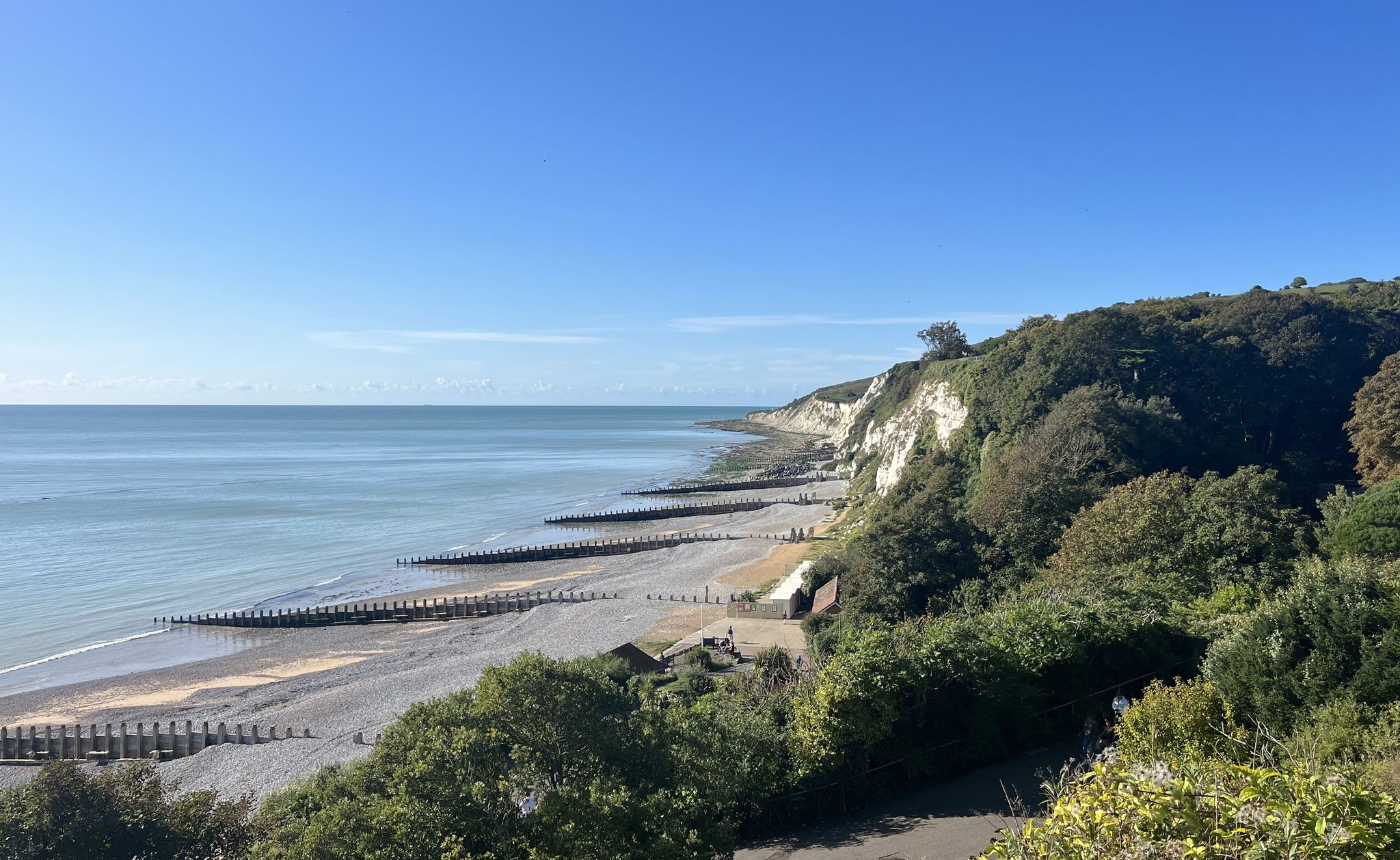
South Downs National Park – A Walk in the Parks
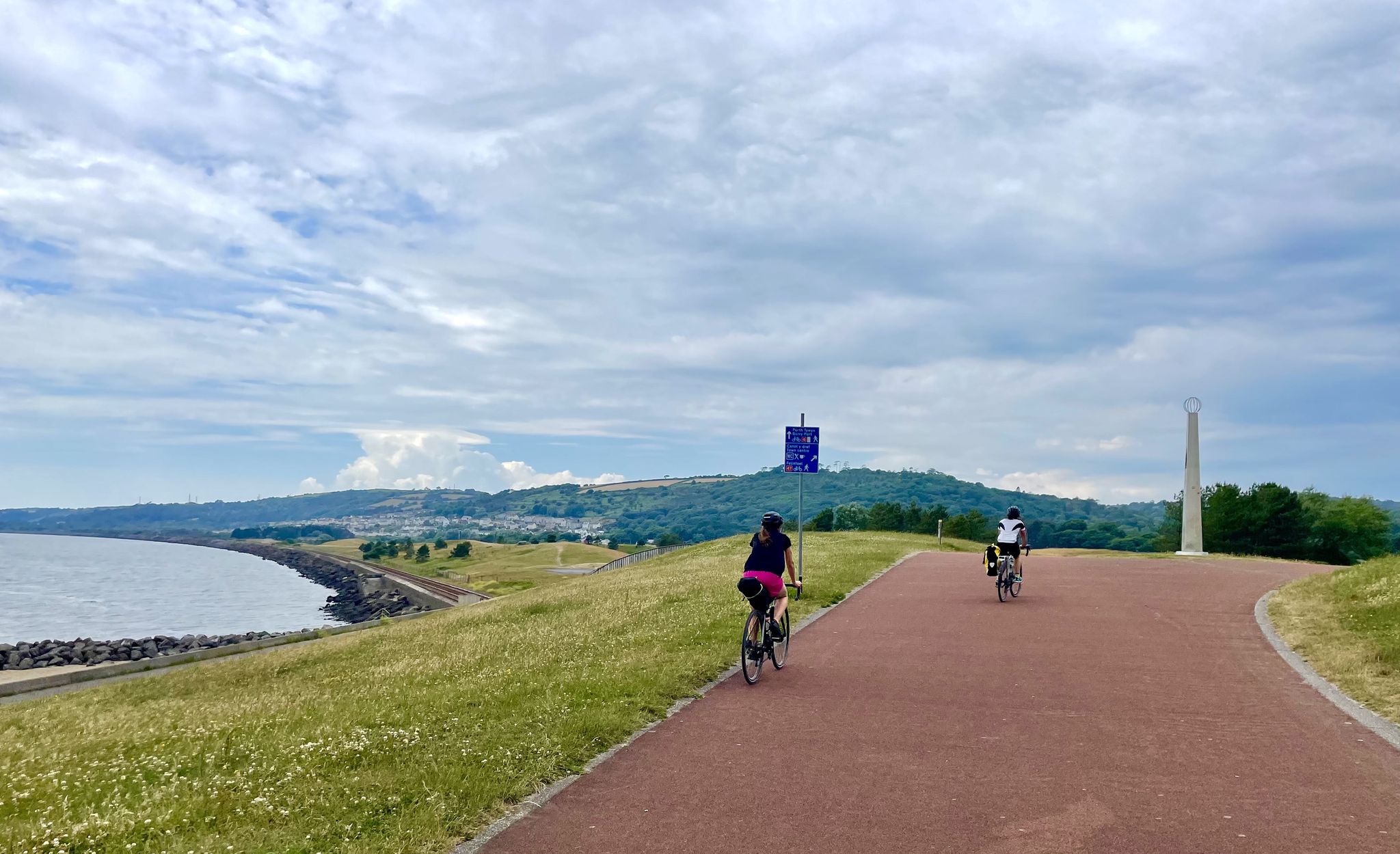
National Cycle Network Route 4 — Greenwich to Fishguard
Bikepacking Brighton to Bristol — Ridges, canals and rail paths
Other adventures in South East England


Tips from the Community

Super views. It tends to be windy here. In winter, mud that makes it difficult to ascend.
2
0
A nice spot with a spectacular view of the surroundings.
2
0

I was actually https://www.az-mvdnow.com reading your article and found some really interesting information. The thing is quite clear that I just want to thank for it.
0
0

Wonderful walk on the cliffs overlooking the sea, wonderful walk
1
0

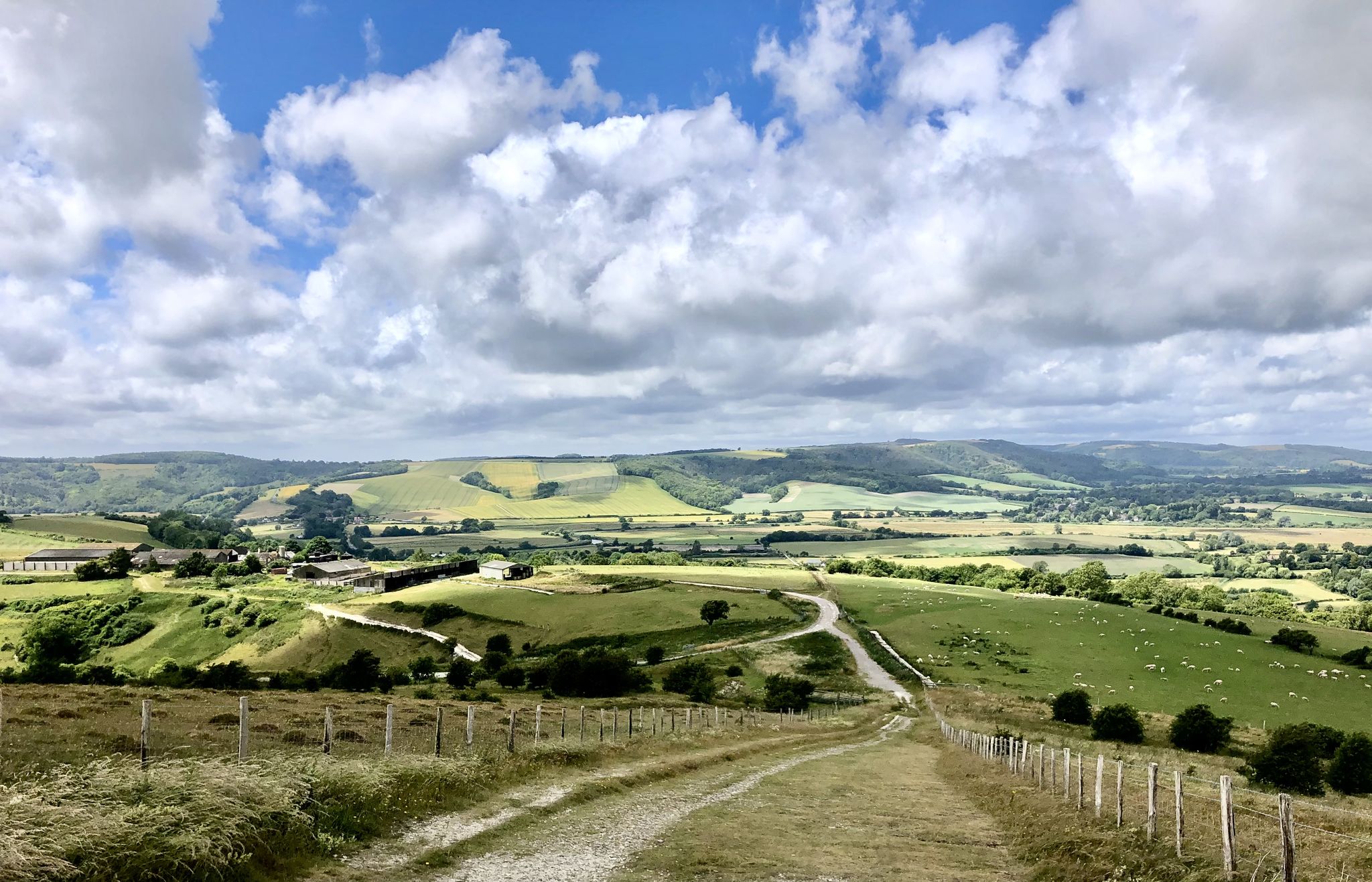
At over 650 feet (200 m), Ditchling Beacon gives you a good climb and a great vantage point to see out over the surrounding countryside. To the north you look back at the lush countryside of the Weald, to the south are views of Brighton, and to the east and west, the rolling undulating views out over the South Downs.
1
1


With Alfred Tennyson, 1st Baron Tennyson, (or Alfred Lord Tennyson), to whom this monument is dedicated, we go back in time to the middle of the 19th century, because the poet, who was already a prominent figure at that time, lived from 1809 to 1892. I had to research the term “Poet Laureate” mentioned by mi1994, and of course Wikipedia also knows something about it: “In the United Kingdom, Poet Laureate is the office of a court poet whose job it is to write poems for official occasions and national events.” Tennyson was awarded this honorary office by Queen Victoria in 1850 and raised to the peerage in the same year.
4
0

Ice cream van also serving Tea today (Easter Monday). view from the top on a nice clear day
0
0
Frequently Asked Questions
What is the highest point in South East England?
The highest natural point in South East England is Walbury Hill in Berkshire, reaching 297 meters (974 feet). It features an Iron Age hill fort and nationally important chalk wild grasslands. While the very summit is on private land, public access is available to the north via a byway. For a prominent viewpoint with a tower, Leith Hill Tower and Viewpoint is the second highest point at 294 meters, and its tower makes it the highest accessible point in the region.
Are there any family-friendly mountain peaks or viewpoints in South East England?
Yes, several locations are great for families. Leith Hill Tower and Viewpoint offers a cafe and an exhibition room, making it an engaging visit for all ages. Coombe Hill Viewpoint and Boer War Memorial provides easy paths and enchanting views, with a rich habitat of wildflowers and butterflies that children might enjoy. St Catherine's Hill near Winchester is another excellent choice for its stunning wildflowers and over 25 species of butterflies, offering easy walks and views of the ancient city.
What kind of historical or cultural sites can I find on these peaks?
Many peaks in South East England boast significant historical and cultural sites. Walbury Hill features an Iron Age hill fort known as Walbury Camp. Ditchling Beacon also has an Iron Age hillfort. Leith Hill Tower and Viewpoint is home to an 18th-century Gothic tower with an exhibition about its builder. Coombe Hill Viewpoint and Boer War Memorial features a memorial to soldiers from Buckinghamshire. Additionally, Devil's Dyke includes ramparts of an Iron Age hill fort and remnants of a Victorian funfair.
What natural features and views can I expect from the peaks in South East England?
The peaks offer diverse natural features and breathtaking views. You can find extensive chalk grasslands, such as those at Walbury Hill, Butser Hill, and Coombe Hill Viewpoint and Boer War Memorial, which are home to rare flora and fauna. Panoramic vistas are common, with views stretching across the Weald, the English Channel, and even to the Cotswolds on clear days from locations like Ditchling Beacon and Leith Hill Tower and Viewpoint. Blackdown offers a unique landscape of wavy hair grass, purple heather, and pine trees, providing a sense of wilderness. The iconic Seven Sisters cliffs present dramatic coastal views where ancient rivers cut valleys into the chalk.
Are there good spots for stargazing in the South East England peaks?
Yes, Butser Hill, the highest point on the South Downs at 271 meters, is an excellent spot for stargazing. It offers 360-degree views and a chance to see the Milky Way on clear nights, thanks to the South Downs' status as an International Dark Skies Reserve.
What outdoor activities can I do near these mountain peaks?
Beyond enjoying the views, you can engage in various outdoor activities. Hiking and walking are popular, with many trails offering different difficulty levels. For running enthusiasts, there are numerous options, including the challenging 'Box Hill, Mickleham Downs & Denbies Vineyard loop' or the 'Beachy Head Marathon'. You can find more details on these and other routes in the Running Trails in South East England guide. For easier walks, consider routes like 'Box Hill & the Stepping Stones loop' from the Easy hikes in South East England guide.
Which peaks are known for their challenging walks or climbs?
For those seeking a challenge, Box Hill Climb is a classic zig-zag ascent famous from cycling events, offering stunning views over the Surrey Hills. Leith Hill is also part of the 'Surrey Three Peaks Challenge', indicating its prominence for more strenuous hikes. The terrain around Devil's Dyke, with its mile-long chasm, can also provide a more demanding walking experience.
What do visitors enjoy most about the peaks in South East England?
Visitors frequently praise the breathtaking panoramic views, the sense of accomplishment from reaching a summit, and the diverse natural beauty. Many appreciate the historical significance of sites like Iron Age hill forts and monuments. The opportunity for peaceful walks through chalk grasslands and woodlands, often with the chance to spot rare wildlife, is also highly valued. The komoot community has shared over 270 photos and given more than 960 upvotes, highlighting the popularity and visual appeal of these locations.
Are there any peaks that offer unique geological features?
Yes, Devil's Dyke in West Sussex is renowned for its unique geology. It's described as the longest, deepest, and widest 'dry valley' in the UK, a mile-long chasm that offers dramatic views and a fascinating landscape shaped by natural processes.
Can I find any trails near these peaks that feature waterfalls?
While South East England is not known for large waterfalls, some routes near the peaks incorporate smaller cascades or water features. For example, the 'Leith Hill and Greensand Way Loop' is a moderate hike that can be found in the Waterfall hikes in South East England guide, offering a chance to experience varied terrain including some water elements.
Which peaks are best for experiencing chalk downland scenery?
Butser Hill is a National Nature Reserve and its chalk grassland is considered one of the best examples of chalk downland in the South Downs National Park. Ditchling Beacon and St Catherine's Hill are also prominent chalk grassland hills, offering stunning wildflowers and diverse butterfly species, characteristic of this unique habitat.
Where can I find a true sense of wilderness among the peaks?
Blackdown in West Sussex, the highest point within the South Downs National Park, offers a true sense of wilderness. Its landscape of wavy hair grass, purple heather, and pine trees provides a tranquil environment and has inspired many, including the poet Tennyson.
Most popular routes in South East England
Most popular attractions in South East England

Get inspired with the komoot mobile app


Didn’t find what you were looking for?
Discover South East England’s best peaks and summits by region:
Explore more
See even more amazing summits in South East England with these guides:
