The best walks and hikes around the Bug
4.7
(199)
2,645
hikers
152
hikes
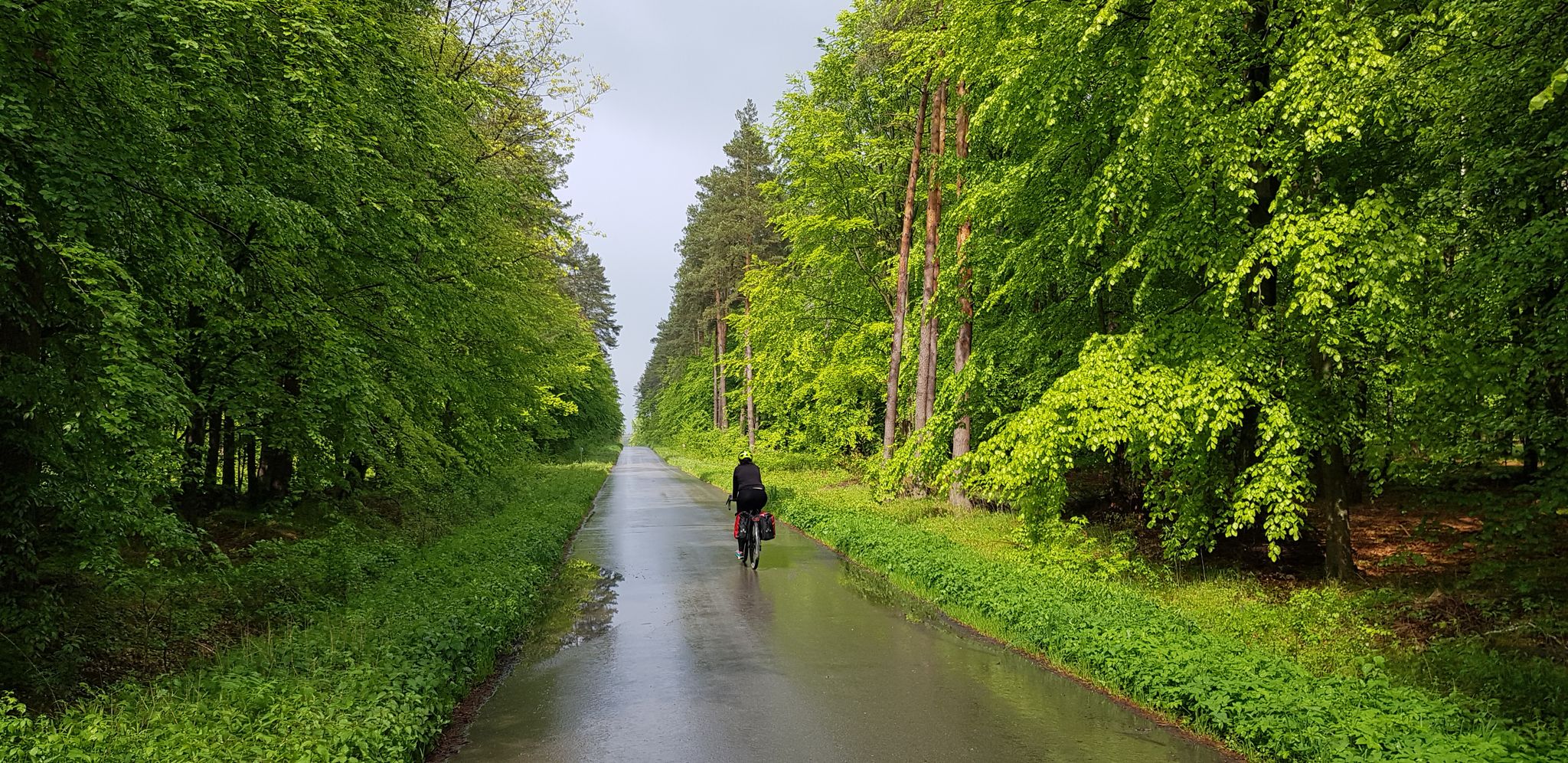
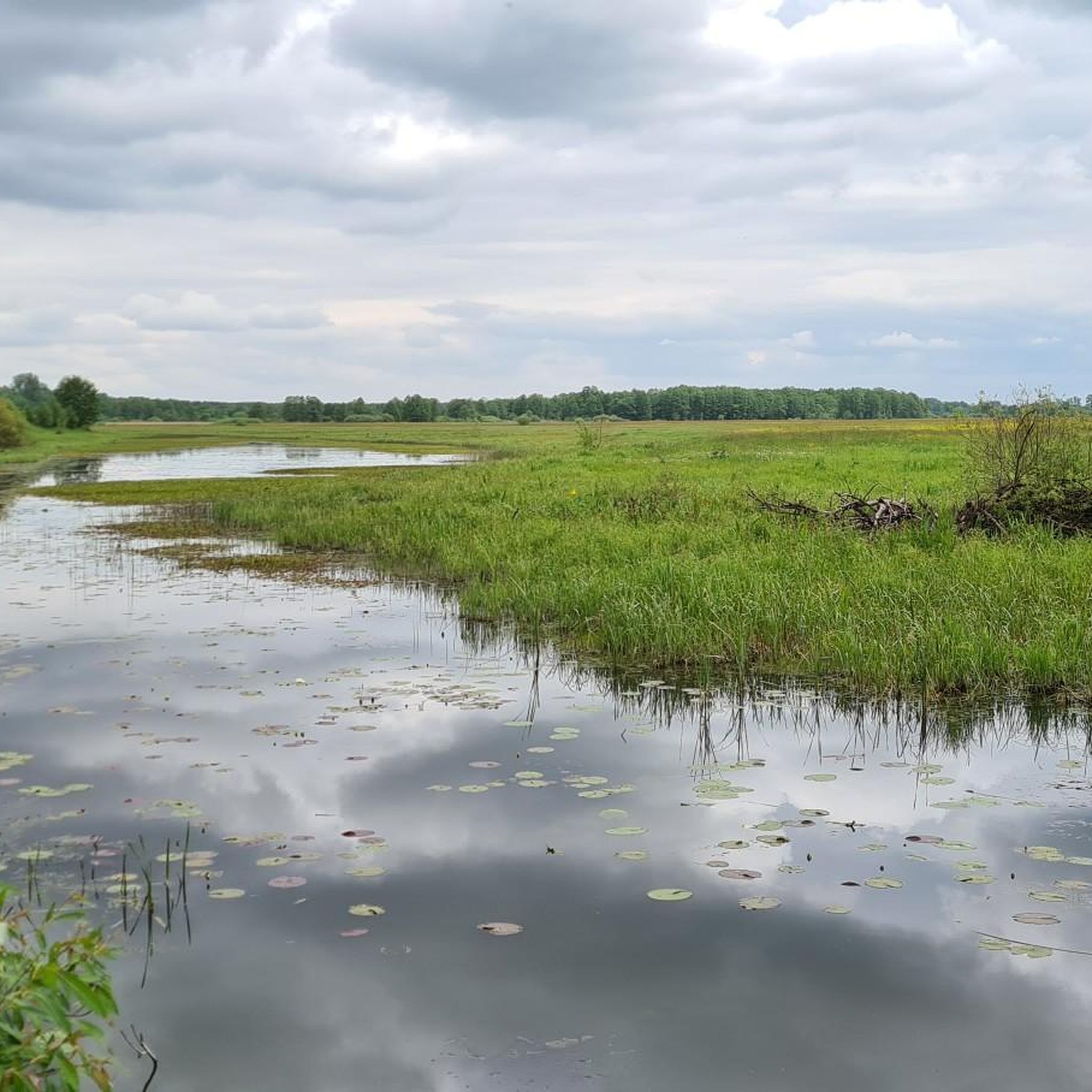
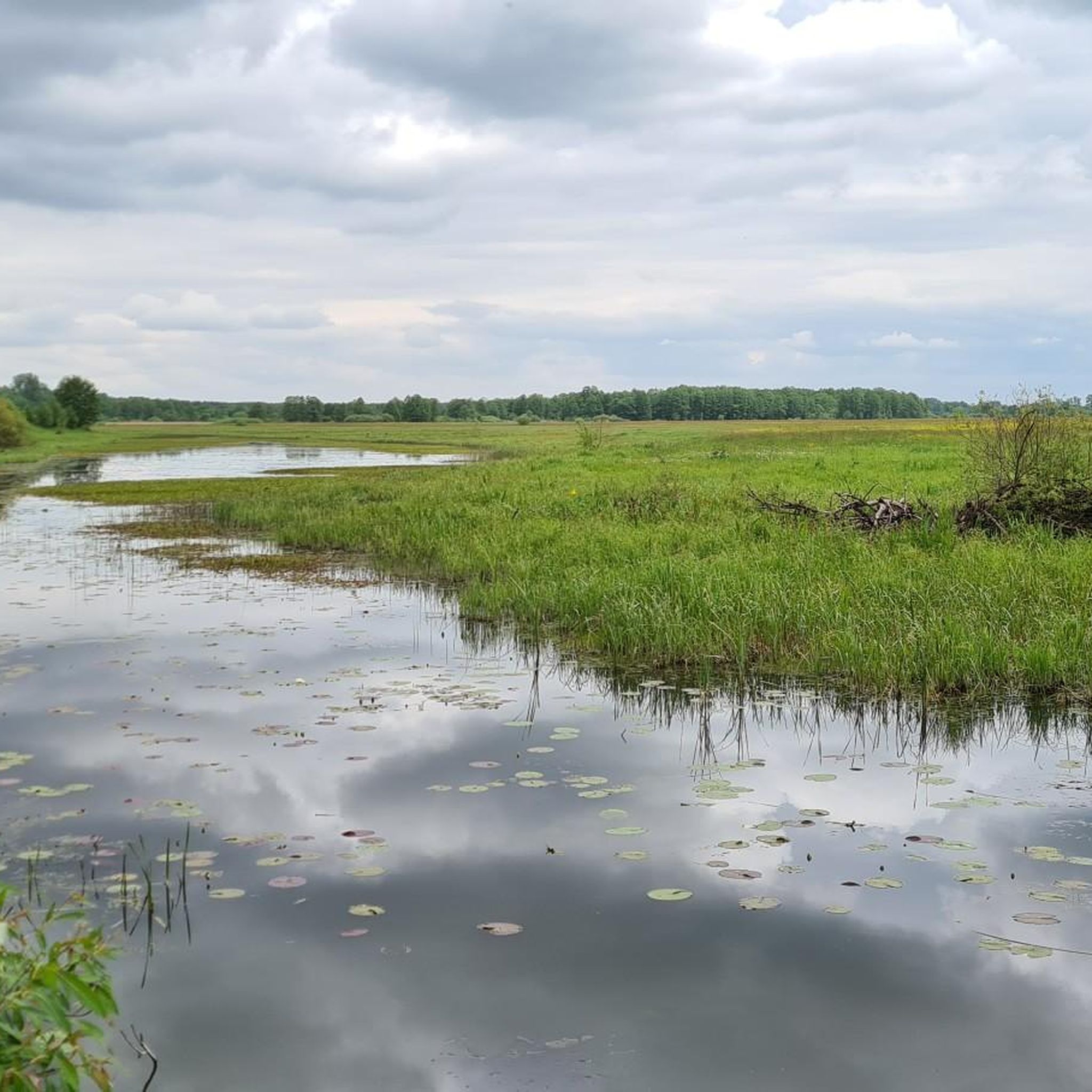
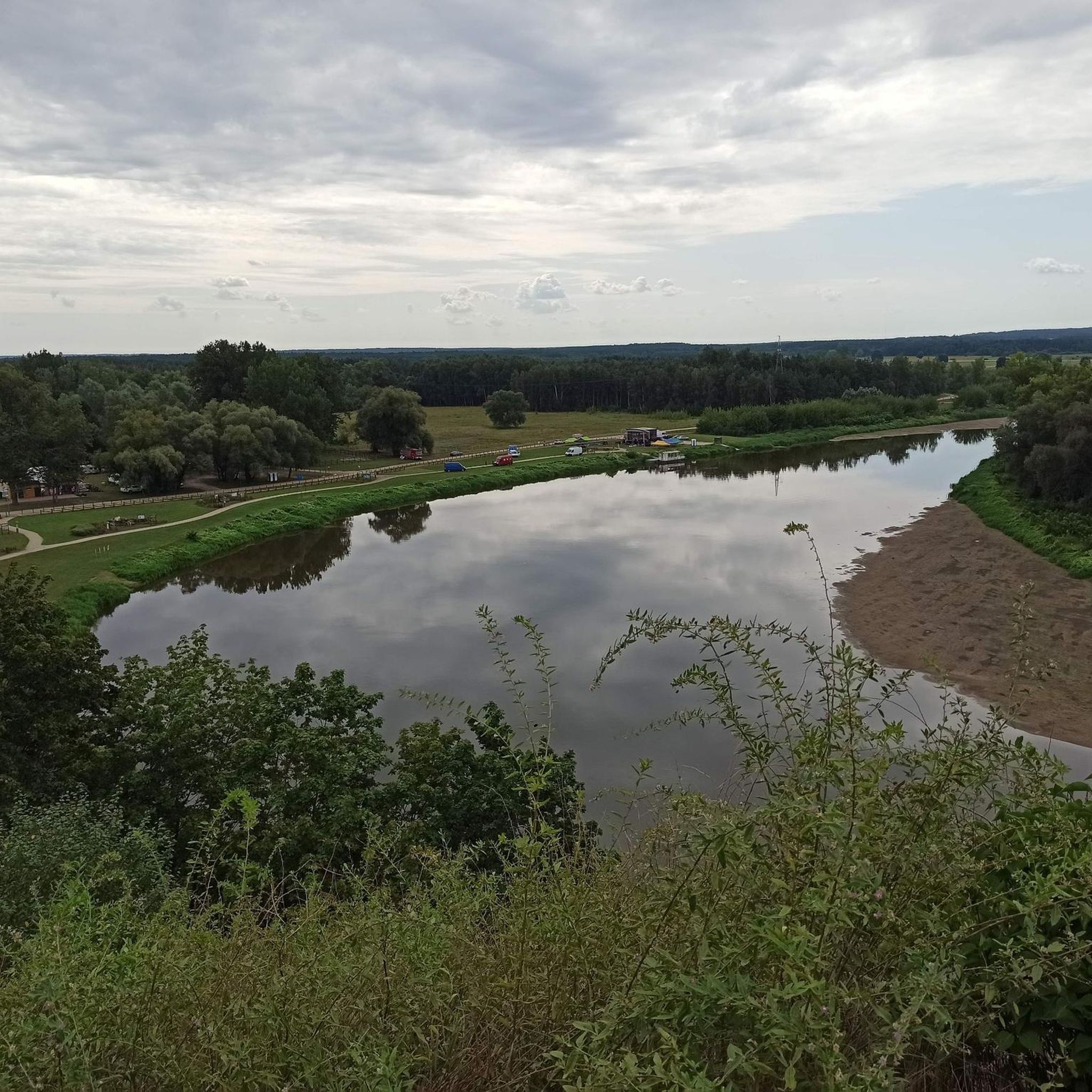
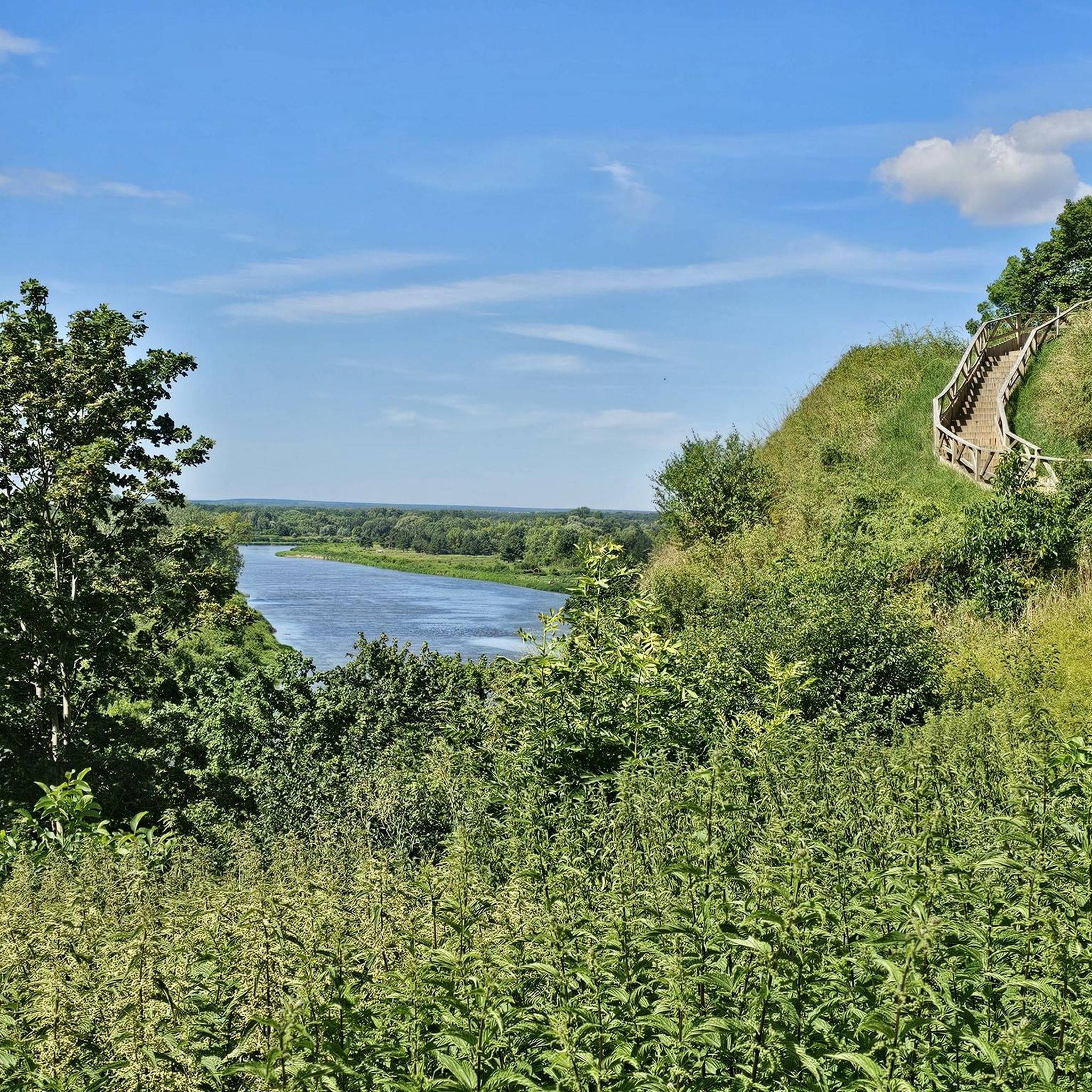
Hiking around the Bug region reveals a landscape shaped by the Bug River, featuring river valleys, oxbow lakes, and extensive meadows. The area is characterized by low elevation gains, making many routes accessible. It encompasses parts of the Nadbużanski Landscape Park and Podlaski Landscape Park Bug Gorge, offering diverse natural environments. The terrain primarily consists of riverside paths, woodlands, and open fields.
Best hiking trails around the Bug
- The most popular hiking route is Szumin Loop - Bug: Nadbużanski Landscape Park, a 3.6 miles (5.9 km) trail that takes 1 hour 30 minutes to complete. This moderate route offers views within the Nadbużanski Landscape Park.
- Another top favourite among local hikers is Pętla Pomiechówek - Dolina Wkry - Rezerwat Pomiechówek, a moderate 6.3 miles (10.2 km) path. This trail explores the Wkra River Valley and Pomiechówek Reserve.
- Local hikers also love the Nature trail "Kalinik" (loop from Gnojna): Podlaski Landscape Park Bug Gorge, a 6.9 miles (11.2 km) trail leading through the Bug Gorge, often completed in about 2 hours 50 minutes.
- Hiking around the Bug is defined by river valleys, meadows, and sections of protected landscape parks. The network offers options for different ability levels, from easy riverside strolls to moderate woodland paths.
- The routes in Bug are highly rated by the komoot community with an average score of 4.7 stars from more than 70 reviews. More than 700 hikers have used komoot to explore Bug's varied terrain.
Last updated: June 23, 2026
4.5
(2)
11
hikers
5.86km
01:30
30m
30m
Moderate hike. Great for any fitness level. Mostly accessible paths. Sure-footedness required.
4.0
(1)
9
hikers
10.2km
02:37
40m
40m
Moderate hike. Good fitness required. Easily-accessible paths. Suitable for all skill levels.

Sign up for free
Moderate hike. Good fitness required. Easily-accessible paths. Suitable for all skill levels.
5
hikers
2.80km
00:45
30m
30m
Easy hike. Great for any fitness level. Easily-accessible paths. Suitable for all skill levels.
Moderate hike. Great for any fitness level. Mostly accessible paths. Sure-footedness required.
21.4km
05:27
70m
70m
Hard hike. Very good fitness required. Easily-accessible paths. Suitable for all skill levels.
4.7
(3)
46
hikers
Moderate hike. Good fitness required. Easily-accessible paths. Suitable for all skill levels.
5.0
(2)
55
hikers
4.49km
01:10
30m
30m
Easy hike. Great for any fitness level. Easily-accessible paths. Suitable for all skill levels.
30
hikers
Moderate hike. Good fitness required. Easily-accessible paths. Suitable for all skill levels.
4.5
(2)
23
hikers
Moderate hike. Good fitness required. Easily-accessible paths. Suitable for all skill levels.
Get access to more routes and recommendations from other explorers.
Sign up for free
Already have an account?
Our route recommendations are based on thousands of hikes, rides, and runs completed by other people on komoot.
Start today with a free account
Your next adventure awaits.
Login or Signup

Other adventures around the Bug

Tips from the Community

It is possible to ride across. Partially asphalt, partially singletrack.
0
0

To commemorate the heroic struggle, the Monument to the Defenders of Modlin from September 1939 was erected. The unveiling was performed by the commander of the 1939 Modlin defense, Brigadier General Wiktor Thommee, in the presence of numerous soldiers from his September campaign. The ceremony took place on September 29, 1957, the anniversary of the surrender of Modlin Fortress. The initiative to build the monument came from the command of the 15th Bomber Division, and its design was presented by Sergeant Ryszard Lasota, a non-commissioned officer of the Military Police. Two Soviet cannons were added to the monument. The motive was the Red Army's participation in the liberation of Modlin from Nazi occupation. The monument was erected on the site of a monument to Marshal Józef Piłsudski, unveiled in 1928, which was destroyed only in the early 1950s when the Marshal's bust and baton were removed from its pedestal. Until the unveiling of the next monument, this place was forgotten and neglected.
0
0
The Modlin Fortress power plant was commissioned in 1924 in a classicist building on the Narew River opposite the "White Tower." The first 220 V DC generator powered a 200 hp steam engine. A few months later, a second generator, this time a three-phase 5 kV AC generator, was commissioned, and by the end of the year, an 8 km-long power line was put into operation. In the following years, the power plant was gradually modernized, adding two combustion engines fueled by heavy fuel oil and two generators, increasing its power and voltage to 6.5 kV. At the same time, the power line was expanded, as the Modlin power plant also supplied power to the city of Nowy Dwór. The power plant operated until the mid-1950s. Only the expansion of the state power grid and the incorporation of the fortress and the city into its structure brought its operations to an end. To this day, the power plant building and the fuel oil tank have been preserved in relatively good condition; unfortunately, the engines and generators located in the building were vandalized and stolen.
0
0

The ferry crossing on the Bug River connects its northern bank below Drohiczyn with the southern bank near the village of Bużyska, Korczew commune
1
0
A viewing point overlooking the Bug River and the monastery. A ferry crossing the river is located next to the tower.
1
0
Benedictine Church in Drohiczyn, dedicated to All Saints – a church belonging to the Benedictine Sisters. In 1621, Wojciech Niemira brought Benedictine Sisters from Toruń to the church dedicated to All Saints, which had existed since 1560. The building was built between 1734 and 1738, funded by Wiktoryn Kuczyński. The Benedictines taught girls from the nobility. Despite restrictions, the Benedictines of Drohiczyn continued their educational activities until the order was dissolved in 1865. By the end of the 19th century, the monastery and church had fallen into serious disrepair. It was then that Krystyn Ostrowski, the owner of the neighboring village of Korczew, began efforts to rebuild the Benedictine church and convent. In 1919, the Committee for the Reconstruction of the Church and Monastery of the Benedictine Sisters was established. Thanks to its efforts, the vaults were renovated, windows were installed, and floors were laid during the interwar period. During the interwar period, the prefect of the Drohicze high school, Father Kazimierz Dobrzycki, took charge of the reconstruction. During this time, the church served as a school church. The building features a Rococo façade.
1
0
Metal stairs leading to the "White Blocks." Possible missing steps!
0
0
A convenient place from which you can see the ruins of a granary and parts of wrecks sticking out of the water.
1
0
Frequently Asked Questions
How many hiking trails are available in the Bug region?
The Bug region offers a wide variety of hiking experiences, with over 80 routes available. These trails cater to different preferences, from easy riverside strolls to more challenging woodland paths.
What is the typical terrain like for hiking around the Bug?
Hiking around the Bug region features a landscape shaped by the Bug River, characterized by river valleys, oxbow lakes, and extensive meadows. The terrain primarily consists of riverside paths, woodlands, and open fields, with generally low elevation gains.
What do other hikers enjoy most about the Bug region?
The area is highly rated by the komoot community, with an average score of 4.7 stars from more than 70 reviews. Hikers often praise the diverse natural environments, including sections of the Nadbużanski Landscape Park and Podlaski Landscape Park Bug Gorge, and the accessibility of many routes.
Are there challenging hikes for experienced hikers in the Bug region?
Yes, for experienced hikers seeking a challenge, there are 4 difficult routes available. One such option is the Trail of the Seven Włodawa Lakes, which covers over 21 km.
Are there easy, family-friendly hikes around the Bug?
Absolutely. The Bug region is well-suited for families, with 51 easy routes available. An example of an easy route is the Loop Drohiczyn, which is under 3 km and takes about 45 minutes to complete.
What is the average duration of hikes in the Bug region?
Hikes in the Bug region vary in length, but many popular routes can be completed within a few hours. For instance, the Szumin Loop - Bug: Nadbużanski Landscape Park typically takes about 1 hour 30 minutes, while the Nature trail "Kalinik" takes around 2 hours 50 minutes.
Are there circular hiking routes in the Bug region?
Yes, many trails in the Bug region are designed as loops, offering convenient circular walks. Examples include the Szumin Loop and the Loop Drohiczyn.
What interesting landmarks can I see along the hiking trails around the Bug?
The Bug region offers several points of interest. You can explore historical sites like the Modlin Fortress — Cadets' Gate, or visit religious buildings such as the St. Stanislaus Bishop Wooden Church in Barcice. The Józef Piłsudski Bridge over the Vistula is also a notable sight.
Are there any lakes or swimming spots near the hiking trails?
Yes, the region features several beautiful water bodies. You can find places like the Oxbow Lake of the Bug River, or enjoy swimming at Beach Wieliszew and Wyniocha Swimming Area.
Do I need a permit for hiking in the Bug region?
Generally, permits are not required for hiking on established trails in the Bug region, especially within the landscape parks like Nadbużanski and Podlaski Bug Gorge. However, always check local regulations for specific protected areas or private lands if you plan to venture off marked paths.
What is the best time of year to hike around the Bug?
The Bug region is enjoyable throughout much of the year. Spring and autumn offer pleasant temperatures and beautiful scenery, with vibrant foliage in fall. Summer is also popular, especially for riverside activities, but can be warmer. Winter hiking is possible, but some paths might be less accessible due to snow or ice.
Are there any specific nature reserves to explore?
Yes, the region is home to several nature reserves. You can explore the Wkra River Valley and Pomiechówek Reserve via the Pętla Pomiechówek - Dolina Wkry - Rezerwat Pomiechówek trail, or visit the Pomiechówek Nature Reserve itself.
Most popular routes around the Bug
Most popular attractions around the Bug

Get inspired with the komoot mobile app


Explore more
Browse the best Hikes in other regions.
