The best walks and hikes around Lladó
4.4
(566)
2,557
hikers
145
hikes
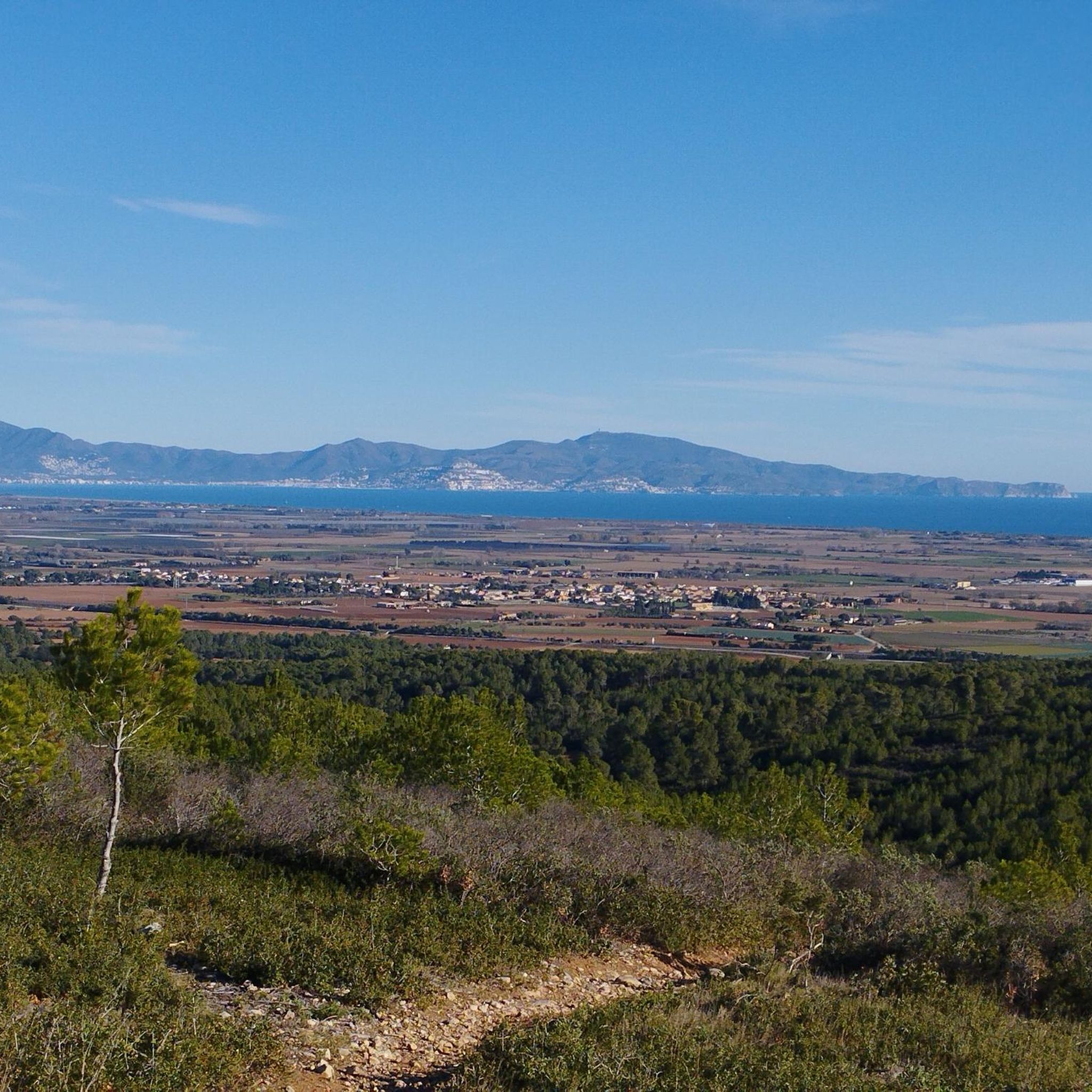
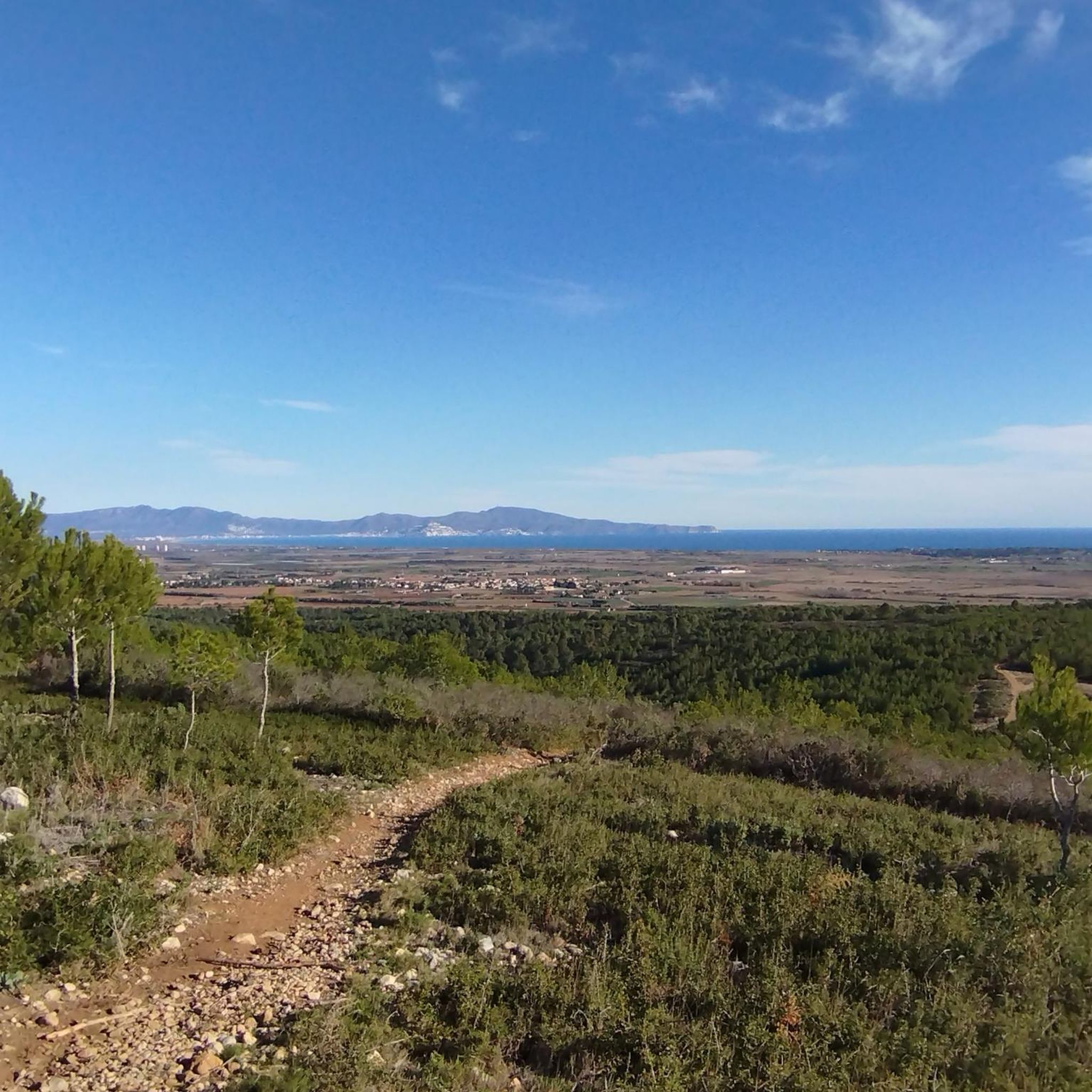
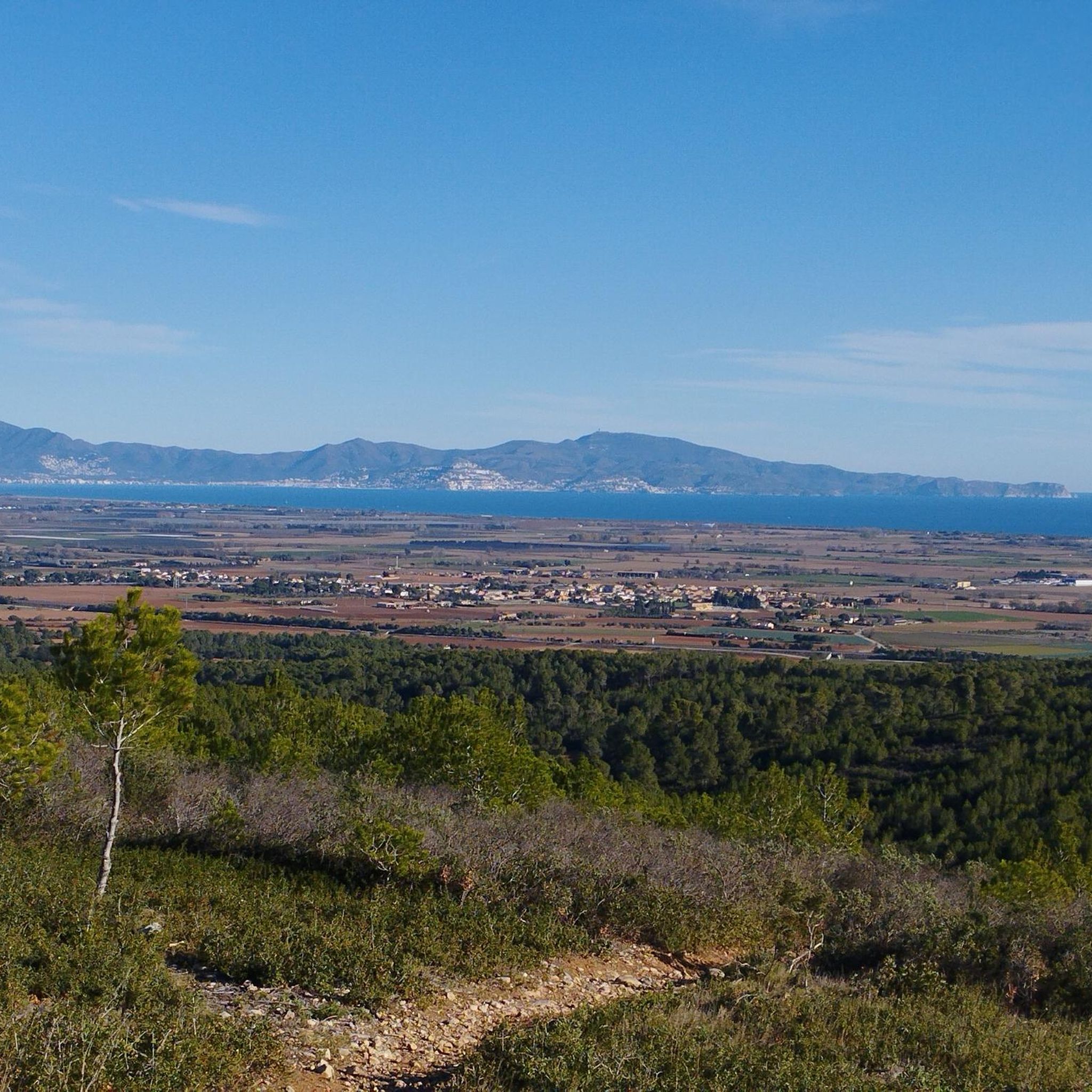
Hiking around Lladó offers exploration through inviting rural landscapes and mountainous terrain within the Alt Empordà comarca. The region is characterized by low-altitude Sant Llorenç mountains, providing a network of rural roads, trails, and forest tracks. Lladó is situated near the Salines-Bassegoda nature reserve, and the La Muga river traverses the municipal area, contributing to diverse natural surroundings.
Best hiking trails around Lladó
- The most popular hiking route is Taravau y Sant Jaume dels Solers — circular por el río…
Last updated: October 15, 2026
5.0
(4)
9
hikers
7.06km
01:51
60m
60m
Easy hike. Great for any fitness level. Easily-accessible paths. Suitable for all skill levels.
4.2
(19)
48
hikers
9.03km
02:35
220m
220m
Moderate hike. Good fitness required. Easily-accessible paths. Suitable for all skill levels.

5.0
(2)
39
hikers
Moderate hike. Good fitness required. Mostly accessible paths. Sure-footedness required.
2.3
(3)
18
hikers
10.6km
04:17
670m
670m
Moderate hike. Good fitness required. Mostly accessible paths. Sure-footedness required.
4.0
(1)
6
hikers
10.7km
02:57
180m
180m
Moderate hike. Good fitness required. Easily-accessible paths. Suitable for all skill levels.
Get access to more routes and recommendations from other explorers.
Already have an account?
Our route recommendations are based on thousands of hikes, rides, and runs completed by other people on komoot.
Start today with a free account
Your next adventure awaits.

Tips from the Community

You can drive up, but I recommend walking up from Beuda, a beautiful hike of moderate difficulty.
0
0
The bar is closed on Mondays and Tuesdays. The restaurant is closed from Monday to Thursday, Spectacular 360° views of the Pyrenees, Garrotxa, Montseny Banyoles and the Pla de l'Estany.
0
0

The restaurant has a terrace with very good views. You can eat there very well and at a good price!
0
0

The origin of the monastery is located in a document issued on April 4, 1089 by the lords of Navata through which they returned some of their property to the church. Among them was the church of Santa María. The bishop of Gerona, Berenguer Guifredo, accepted the return and decided to establish a religious community there. The first abbot was Joan, from the monastery of Santa María de Vilabertrán. Joan was in charge of expanding the domains of the monastery, annexing some nearby churches such as Santa María de Ermedás or Sant Cristofol de l'Estela. In the year 1095 he was also entrusted with the direction of Sant Tomàs de Riudeperes near the city of Vich. The community of Lladó was not, however, approved until the issuance of a bull by Pope Calixtus II issued in 1124. Abbot Joan died in 1125 and was buried in Santa María.
1
0
It is a basilica-style temple, oriented to the east, with three naves finished with semicircular apses. Internally, the system of columns attached to the pillars is adopted to support the four toral arches. The vault of the central nave is a pointed barrel, higher than the sides, covered with a quarter circle and the apses are covered with a quarter sphere vault. On the outside, the central nave is covered on two sides with Arabic tiles and the sides on a slightly inclined slope. The west facade is centered by the portal where one of the most remarkable sculptural ensembles of the 12th century is represented. This facade follows the arrangement of the naves: the central one is higher than the lateral ones, with three bodies in a horizontal direction. The first with the large portal, the second with an opening and a third, which seems to be an addition to the original structure. In the nave on the right, a pair of battlements have been incorporated that support the bell tower system. . On either side of the door are tombstones set into the wall. The central apse has a double-slit window that is decorated on the outside with a small column on each side. In the south wall there are three windows, two redone when removing the chapel of Sant Lambert and the 18th century sacristy in a recent restoration. Santa Maria de Lladó has been documented since 1089 (the place of Lladó has been since 977), the date of the act of restoration of worship and monastic life by the spouses Adalbert and Alamberga, lords of Navata, and their sons who unjustly withheld that holy place, which had previously been rich and strong. A community could already have existed there in the Visigothic period. The community was established there under the rule of Sant Agustí. In 1124, Pope Calixtus II approved the foundation and statutes of the canonry and confirmed its assets. It is believed that it was during the time of prior Arnau Coll (1136-1196) that the various dependencies of Santa Maria de Lladó were built. In 1186, this prior was accused in Rome of embezzlement of the community's assets, a fact that must have had as background the aforementioned works, since it seems that from that moment on they will continue with much less luxury (unfinished bell towers on the front, nave capitals without ornamentation). Between the years 1982 and 1994, several comprehensive restoration campaigns were carried out in the premises and the space was adapted as an exhibition hall."
1
0

Just behind the center of Taravaus there is a small trail that reaches the passage of the Manol River just behind the center. The path crosses a gradient that has created a fluvial terrace around Taravaus.
0
0
Hermitage that is in the middle of the forest and a little abandoned. Near it is what is called Torre del Moro or Castle, some of its stones are still found there.
0
0

Spectacular views of the Garrotxa and Ripolles Pyrenees peaks. From October to April, the bar-restaurant is only open at weekends (Friday, Saturday and Sunday).
3
0
Frequently Asked Questions
How many hiking trails are available around Lladó?
Lladó offers a wide variety of hiking opportunities, with over 130 trails to explore. These range from easy walks suitable for beginners to more challenging routes for experienced hikers, ensuring there's something for every fitness level.
What kind of terrain can I expect on hikes around Lladó?
The terrain around Lladó is diverse, characterized by inviting rural landscapes and the low-altitude Sant Llorenç mountains. You'll find a network of rural roads, forest tracks, and trails. The area is also influenced by the La Muga river, contributing to picturesque natural surroundings and river valleys.
Are there any easy, family-friendly hiking options in Lladó?
Yes, Lladó has several easy routes perfect for families. One popular option is Taravau y Sant Jaume dels Solers — circular por el río Manol, an easy 4.4-mile (7.1 km) trail that follows the Manol river and takes less than two hours to complete.
Are there any circular hiking routes around Lladó?
Many of the trails around Lladó are circular, offering convenient starting and ending points. For example, the Church of Sant Feliu de Lladó loop from Lladó is a moderate 6.7-mile (10.7 km) route that takes you through the local countryside and past architectural heritage.
What are some notable natural features or landmarks to see while hiking in Lladó?
Lladó is rich in natural beauty and historical sites. You can discover the picturesque La Muga river, which features diverse pools. Architectural gems include the majestic Church of Sant Vicenç and the canonry of Santa Maria de Lladó. Nearby, you can also find natural highlights like The pool and waterfall of St. Antoni and La Caula Waterfall.
Are there any challenging hikes for experienced trekkers?
While Lladó offers many moderate and easy trails, there are also more challenging options. The region's proximity to the Salines-Bassegoda nature reserve provides routes that require very good fitness and sure-footedness, especially in the mountainous terrain of the Sant Llorenç mountains. For example, the Hiking loop from la Bassa d'en Camps is a moderate route with significant elevation gain, requiring good fitness.
What do other hikers say about the trails in Lladó?
The hiking routes in Lladó are highly regarded by the komoot community, holding an average score of 4.4 stars from over 400 reviews. Hikers often praise the varied terrain, from rural landscapes to low-altitude mountains and river valleys, and the options for both easy walks and more challenging routes.
Can I find waterfalls or swimming spots near the hiking trails?
Yes, the La Muga river, which traverses the municipal area, features a diversity of pools. Additionally, you can find specific waterfalls such as The pool and waterfall of St. Antoni and La Caula Waterfall, which are popular natural attractions in the vicinity.
What is the best time of year to go hiking in Lladó?
Lladó's natural landscapes offer ever-changing scenery throughout the year. The region is suitable for hiking in most seasons, with spring and autumn providing pleasant temperatures and vibrant natural colors. Even in winter, the low-altitude mountains can be explored, though conditions may vary.
Are there any routes that explore the architectural heritage of Lladó?
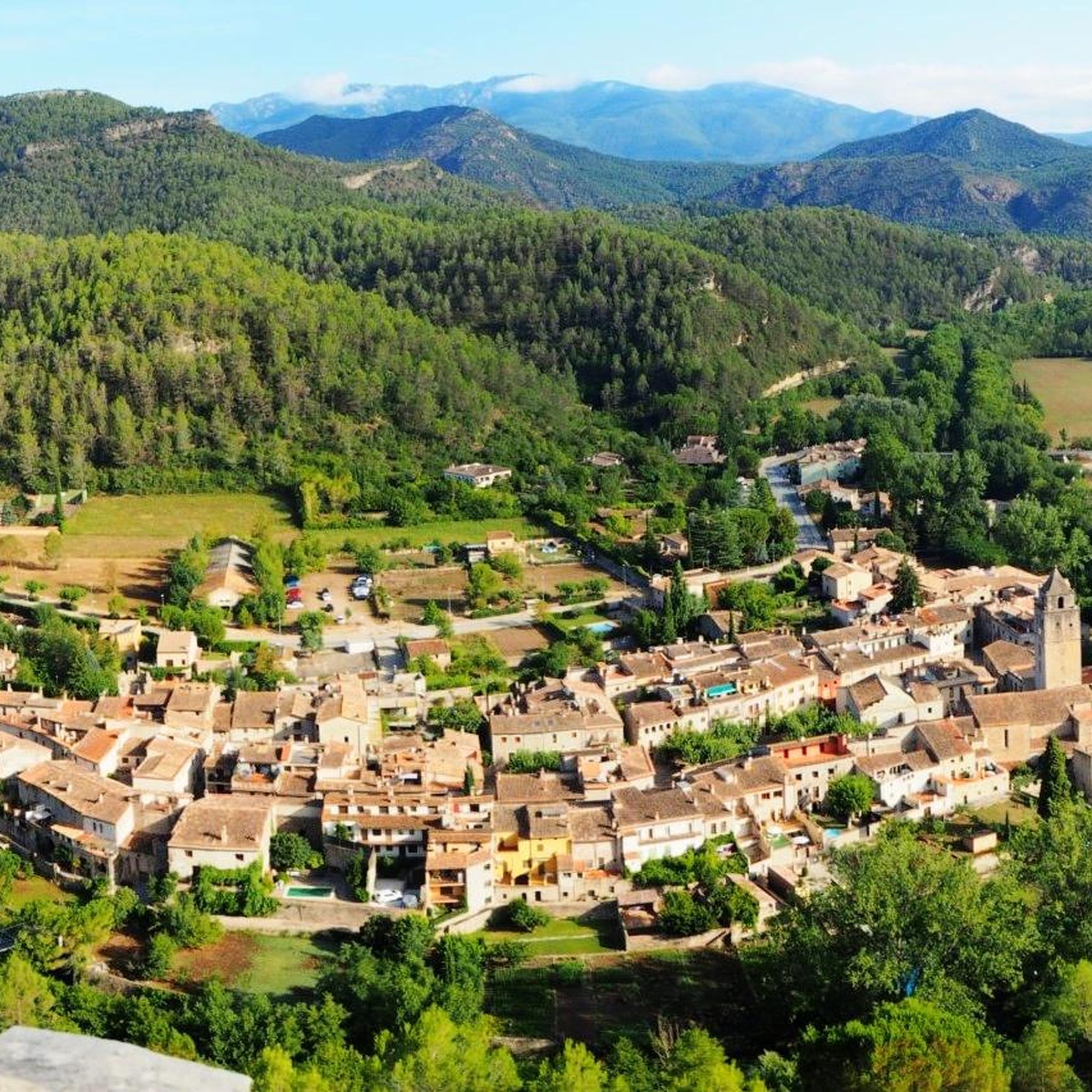
Absolutely. Lladó itself is a village with interesting architectural heritage, including narrow streets, medieval remnants, and charming squares. The Church of Sant Feliu de Lladó loop from Lladó is one such route that leads through the local countryside and past significant architectural sites.
Are there any hikes that offer views of the wider Empordà region?
Lladó's strategic location in the Alt Empordà comarca means many trails offer glimpses of the surrounding rural and mountainous landscapes. Routes that ascend into the Sant Llorenç mountains, even at low altitudes, provide elevated perspectives of the region's diverse scenery.
Most popular attractions around Lladó

Get inspired with the komoot mobile app


Explore more
Browse the best Hikes in other regions.
