Attractions and Places To See around Peñalba De Ávila - Top 10
Best attractions and places to see around Peñalba De Ávila, a municipality in the northern part of Ávila province, offers a blend of historical sites and natural beauty. Situated at an altitude of 1,070 meters, it lies within the Valle Amblés and Sierra de Ávila, marking a transition from highlands to cereal-growing plains. The area is characterized by the Adaja River, holm oak groves, and pine forests, providing a diverse landscape for exploration.
Best attractions and places to see around…
Last updated: July 12, 2026
Fuentes Claras Dam and Six Eyes Bridge
Highlight • Structure
Translated by Google •
Tip by

Castro de Las Cogotas
Highlight • Historical Site
Translated by Google •
Tip by

Sign up now to discover places like this
Get recommendations on the best single tracks, peaks, & plenty of other exciting outdoor places.
Sign up for free
El Bohodón
Highlight • Settlement
Translated by Google •
Tip by
Cardeñosa
Highlight • Settlement
Translated by Google •
Tip by

Aveinte
Highlight • Settlement
Translated by Google •
Tip by
Sign up for free to discover even more attractions around Peñalba De Ávila.
Sign up for free
Already have an account?
Start today with a free account
Your next adventure awaits.
Login or Signup

Tips from the Community

The Castro de Las Cogotas, located in the municipality of Cardeñosa (Ávila), is one of the most emblematic Iron Age archaeological sites on the Iberian Peninsula, especially linked to the Vetton people. It is situated on a hill next to the Adaja River, surrounded by holm oak groves, pastures, and fertile land. This location offered defensive advantages and abundant natural resources. The fort is open to the public and has an Interpretation Center that explains its history and characteristics. Periodic archaeological conferences are also held on the site.
2
0
The bridge over the Fuentes Claras Reservoir is part of the landscape and offers spectacular views of the natural surroundings.
11
0

A very curious place, worth the walk.
1
0
Aveinte, a name with historical roots, has a fascinating legend dating back to ancient times. Many centuries ago, at the dawn of the Middle Ages, there was a small town in what we know today as Aveinte. The inhabitants of this place were simple people, dedicated mainly to agriculture and livestock. They lived in harmony with nature and worshiped the gods of the earth and sky. One day, during a time of drought and scarcity, the locals gathered in the town square to pray for rain and good harvests. The wise old man of the place, known as Adventius, led the ceremony. With his wrinkled hands and deep voice, he spoke words of supplication to heaven. Legend has it that, at that crucial moment, a mysterious figure appeared among the clouds. He was a luminous being, dressed in white robes and silver hair. The villagers were amazed and knelt before this heavenly presence. The being addressed Adventius and spoke to him in an ancient language that only he understood. “For your devotion and the faith of your people, I will grant a blessing,” he said. “From now on, every twenty years, the waters of the river that runs through Aveinte will overflow, fertilizing the land and ensuring abundant harvests.” Thus the name Aveinte was born, which means “advent” or “arrival” in honor of the heavenly visit. Since then, every twenty years, the river overflows and renews the earth, fulfilling the promise of the luminous being. The inhabitants of Aveinte keep this tradition alive and celebrate “Aveinte” with joy and gratitude. The legend has been passed down from generation to generation, and the town's name remains a reminder of its connection to the divine and renewed hope. So, when you walk through the cobblestone streets of Aveinte, remember this story and the magic that surrounds its name. 🌟🏡
2
0
El Bohodón is a municipality in Spain belonging to the province of Ávila, in the autonomous community of Castilla y León. It is located in the La Moraña region, in the north of the province. It is located 35 kilometers from the capital and 17 kilometers from Arévalo.
5
0

The walk takes you around the reservoir, with the best viewpoint over the dam itself. Looking back towards the road and railway viaducts.
0
3

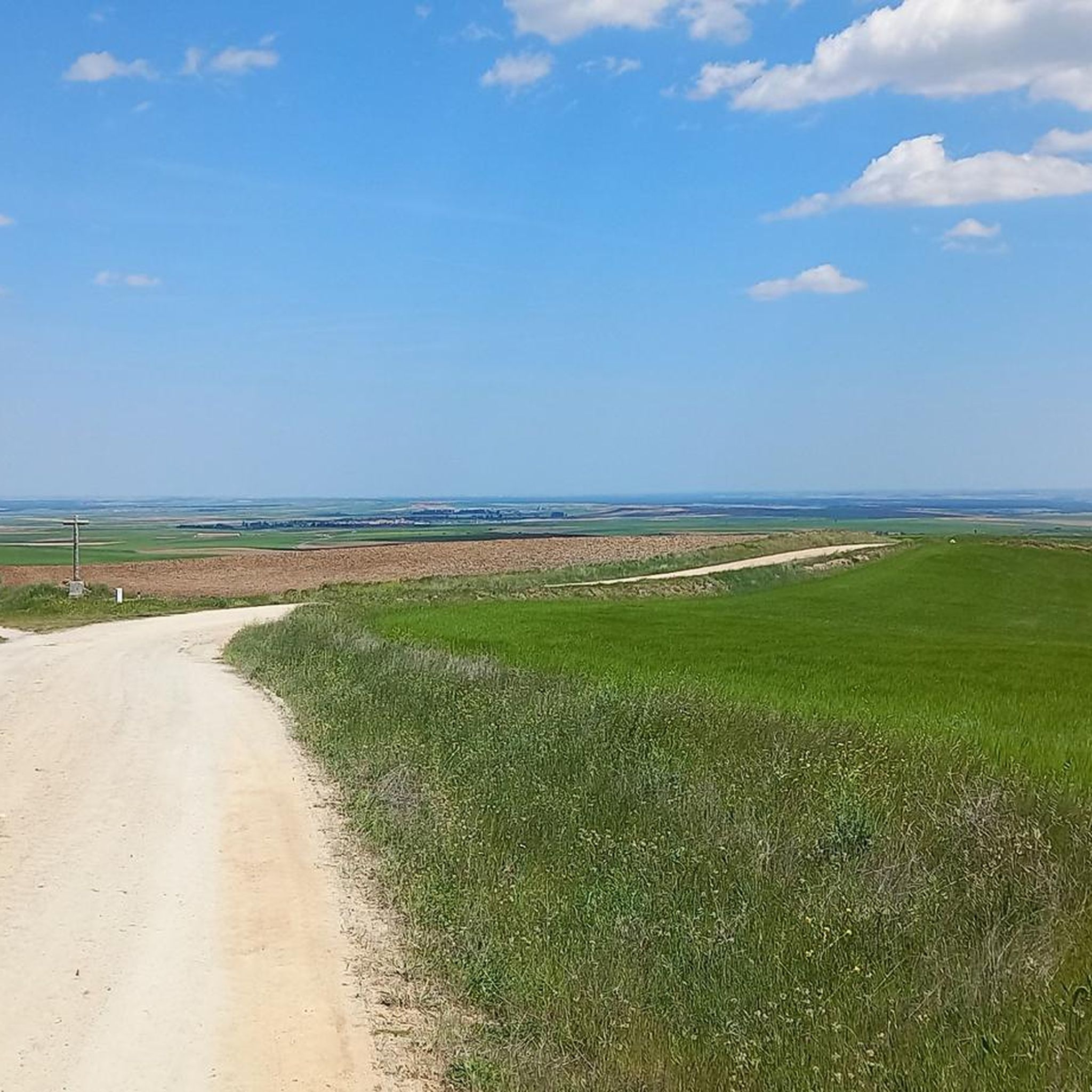
Cardeñosa is the ideal place to stop along the way and have a drink to continue the route. Here is the Castro Interpretation Center
1
0

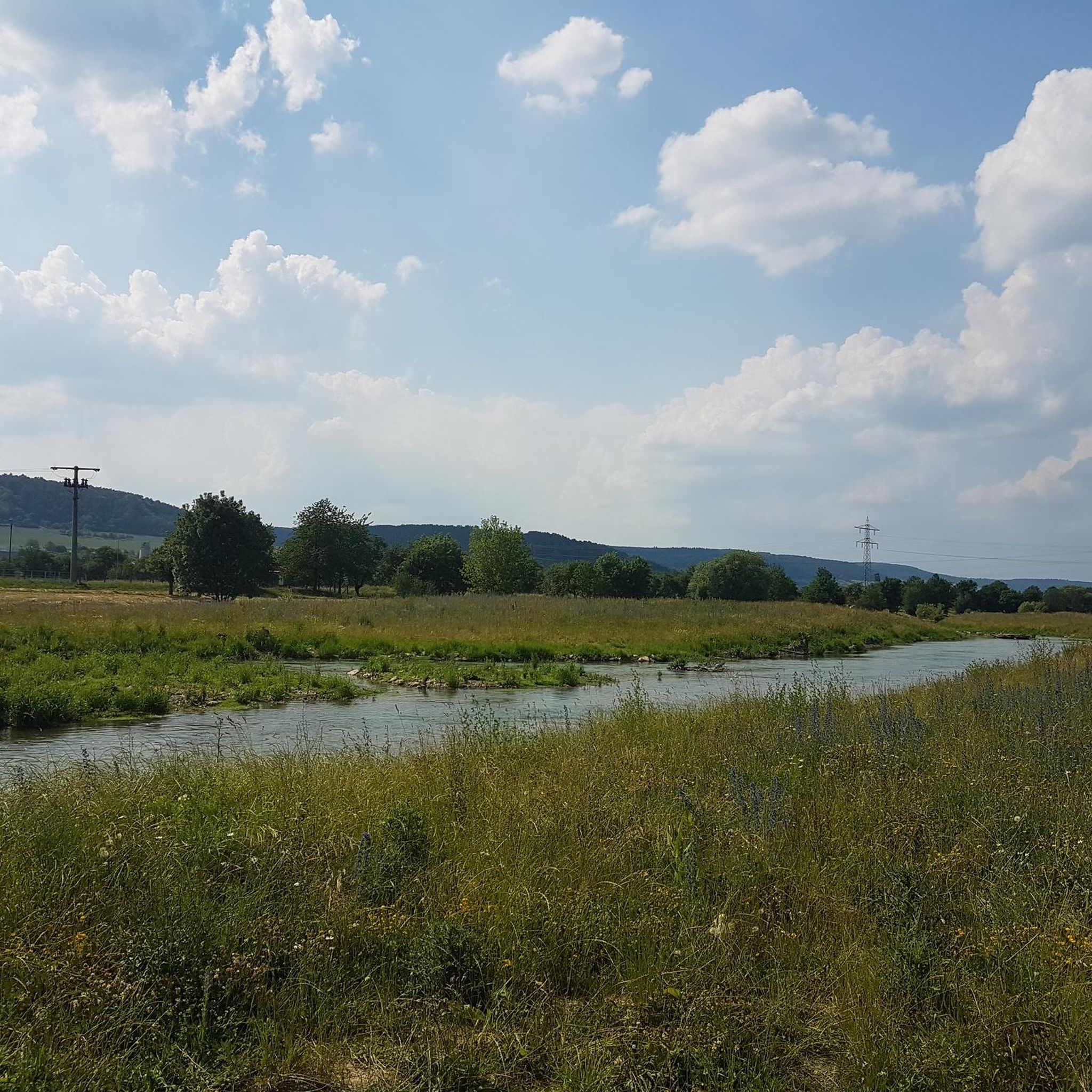
Small population where two rivers bathe the lands of the municipality, to the east the Adaja river and to the west the Arevalillo river, a tributary of the previous one.
1
0
Frequently Asked Questions
What historical sites can I explore around Peñalba de Ávila?
The region is rich in history. You can visit the Castro de Las Cogotas, an emblematic Iron Age archaeological site linked to the Vetton people, featuring an Interpretation Center. The settlement of Cardeñosa also holds historical significance, being close to the Castro and offering its own Interpretation Center. Additionally, the town of Aveinte has historical roots and a notable church, Santo Tomas Apostol.
Are there any family-friendly attractions in the area?
Yes, several attractions are suitable for families. The Castro de Las Cogotas is family-friendly and offers an educational experience with its Interpretation Center. The Fuentes Claras Dam and Six Eyes Bridge provides scenic views and a pleasant walk around the reservoir, which is also great for families. The settlements of Cardeñosa and Aveinte are also considered family-friendly.
What natural features can I discover near Peñalba de Ávila?
Peñalba de Ávila is nestled within the Valle Amblés and Sierra de Ávila, offering diverse natural landscapes. The Adaja River flows through the area, and you can explore its banks, particularly near the Fuentes Claras Dam and Six Eyes Bridge. The surroundings feature holm oak groves and pine forests, especially around the Castro de Las Cogotas, providing beautiful natural settings for exploration.
Are there hiking opportunities around Peñalba de Ávila?
Absolutely! The region offers various hiking trails. You can find easy routes like the 'La Presa del Embalse to Castro de las Cogotas — circular' (5.3 km) or the 'Route of the Mills from Mingorría' (5.8 km). For a moderate challenge, consider the 'Castro de las Cogotas Circular Trail' (11.9 km) or the 'Yacimiento de las Cogotas — circular desde Cardeñosa' (16.2 km). More details on these and other trails can be found in the Hiking around Peñalba De Ávila guide.
Can I go cycling near these attractions?
Yes, there are several cycling routes available. For touring bicycles, you might enjoy the 'Bike loop from Santo Domingo de las Posadas' (32.6 km) or the 'Cardeñosa – Castro de Las Cogotas loop from Santo Domingo de las Posadas' (34.6 km). Road cyclists can explore routes like the 'Mingorría loop from Zorita de Los Molinos' (44.2 km) or the 'Walls of Ávila – Views of Ávila loop from Cardeñosa de Ávila' (57.7 km). Discover more options in the Cycling around Peñalba De Ávila and Road Cycling Routes around Peñalba De Ávila guides.
What is the significance of the Adaja River in this region?
The Adaja River plays a significant role in the landscape and history of Peñalba de Ávila. It flows along the northern limits of the municipality, and its banks are home to areas like the despoblado de Navares, which has been reforested with pine trees. The river is also dammed to form the Fuentes Claras reservoir, providing scenic views and a habitat for local wildlife. The Castro de Las Cogotas is situated on a hill next to the Adaja River, highlighting its historical importance.
Are there any religious sites to visit in Peñalba de Ávila?
Yes, Peñalba de Ávila has notable religious sites. The Iglesia de San Vicente Mártir is a significant cultural and architectural landmark in the town, reflecting a rural Romanesque style. Another important site is the Ermita del Cristo de Santa Teresa, which features an image of Saint Teresa and is approached by a path adorned with crosses, a 'via crucis'.
What are some lesser-known points of interest or 'hidden gems' in the area?
Beyond the main attractions, you can explore the remains of the Molino del Prior in the despoblado de Navares, an old mill that once belonged to the Abulense monastery of La Antigua. The traditional El Potro de Herrar, used for shoeing oxen, and the unique adobe Palomar de Barro (dovecote) offer glimpses into traditional rural life. The Despoblado de Garoza is also mentioned as an interesting depopulated area within the municipal limits.
What is the best time to visit Peñalba de Ávila for outdoor activities?
Peñalba de Ávila is situated at an altitude of 1,070 meters, offering a pleasant climate for outdoor activities. The region experiences a transition from highlands to cereal-growing plains. Generally, spring and autumn provide mild temperatures ideal for hiking and cycling. Summer can be warm but is also suitable, especially in the mornings or late afternoons. Winter offers a different charm, though some activities might be weather-dependent.
What do visitors particularly enjoy about the attractions around Peñalba de Ávila?
Visitors appreciate the blend of historical significance and natural beauty. The Castro de Las Cogotas is highly valued for its archaeological importance and scenic location by the Adaja River. The Fuentes Claras Dam and Six Eyes Bridge is loved for its spectacular views and pleasant walks around the reservoir. The overall appeal lies in exploring ancient sites, enjoying the diverse landscapes of the Valle Amblés and Sierra de Ávila, and experiencing traditional rural life.
Does the Camino de Santiago pass through Peñalba de Ávila?
Yes, the Way of St. James (Camino de Santiago) passes through Peñalba de Ávila, making it a point of interest for pilgrims. The town even provides a municipal hall for pilgrims needing accommodation, though advance booking is required.

Get inspired with the komoot mobile app


Explore more
Still not found the Highlight you’re looking for? See guides of the top attractions in other regions:
