Attractions and Places To See around Castromonte - Top 20
Best attractions and places to see around Castromonte include historical sites, natural features, and cultural landmarks within the tranquil municipality of Valladolid, Spain. Situated in the Montes Torozos region, Castromonte offers a blend of historical significance and natural landscapes. The area is characterized by its historical streets, stone houses, and proximity to the River Bajoz, an affluent of the Duero. Visitors can explore a variety of attractions that reflect the region's rich history and terrain.
Best attractions and places to…
Last updated: October 5, 2026
Monastery of La Santa Espina
Highlight • Religious Site
Translated by Google •
Tip by

Canal de Castilla Dock
Highlight • Structure
Translated by Google •
Tip by
Sign up now to discover places like this
Get recommendations on the best single tracks, peaks, & plenty of other exciting outdoor places.
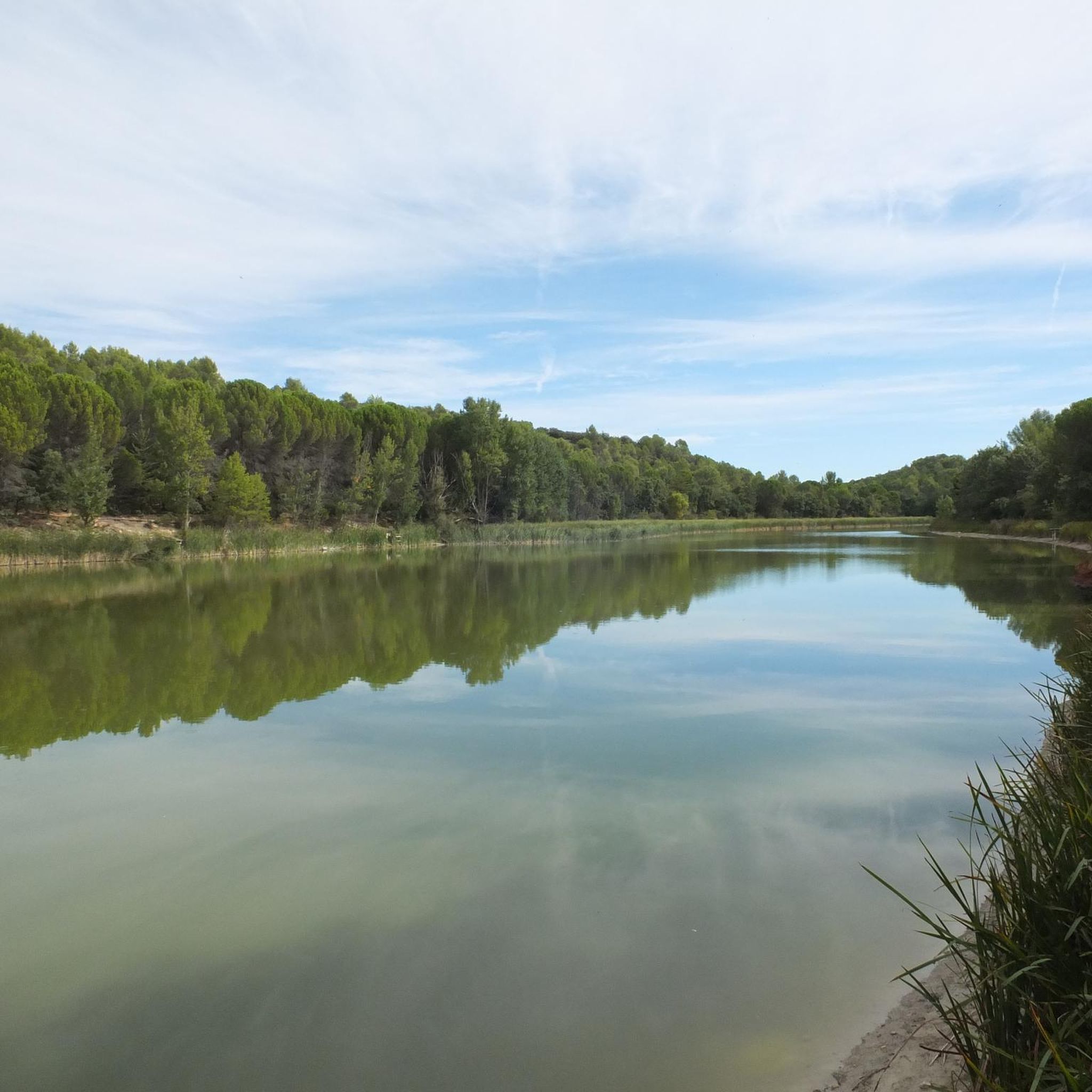
Bajoz River Reservoir
Highlight • Lake
Translated by Google •
Tip by

Torrelobatón Castle
Highlight • Castle
Translated by Google •
Tip by
Church of Santa Cruz
Highlight • Religious Site
Translated by Google •
Tip by
Sign up for free to discover even more attractions around Castromonte.
Already have an account?
Start today with a free account
Your next adventure awaits.
Tips from the Community

Lock No. 7 and the flour mill in Medina de Rioseco are part of the valuable industrial and hydraulic heritage of the Canal de Castilla, one of the most important engineering works of the 18th century in Spain.
3
0

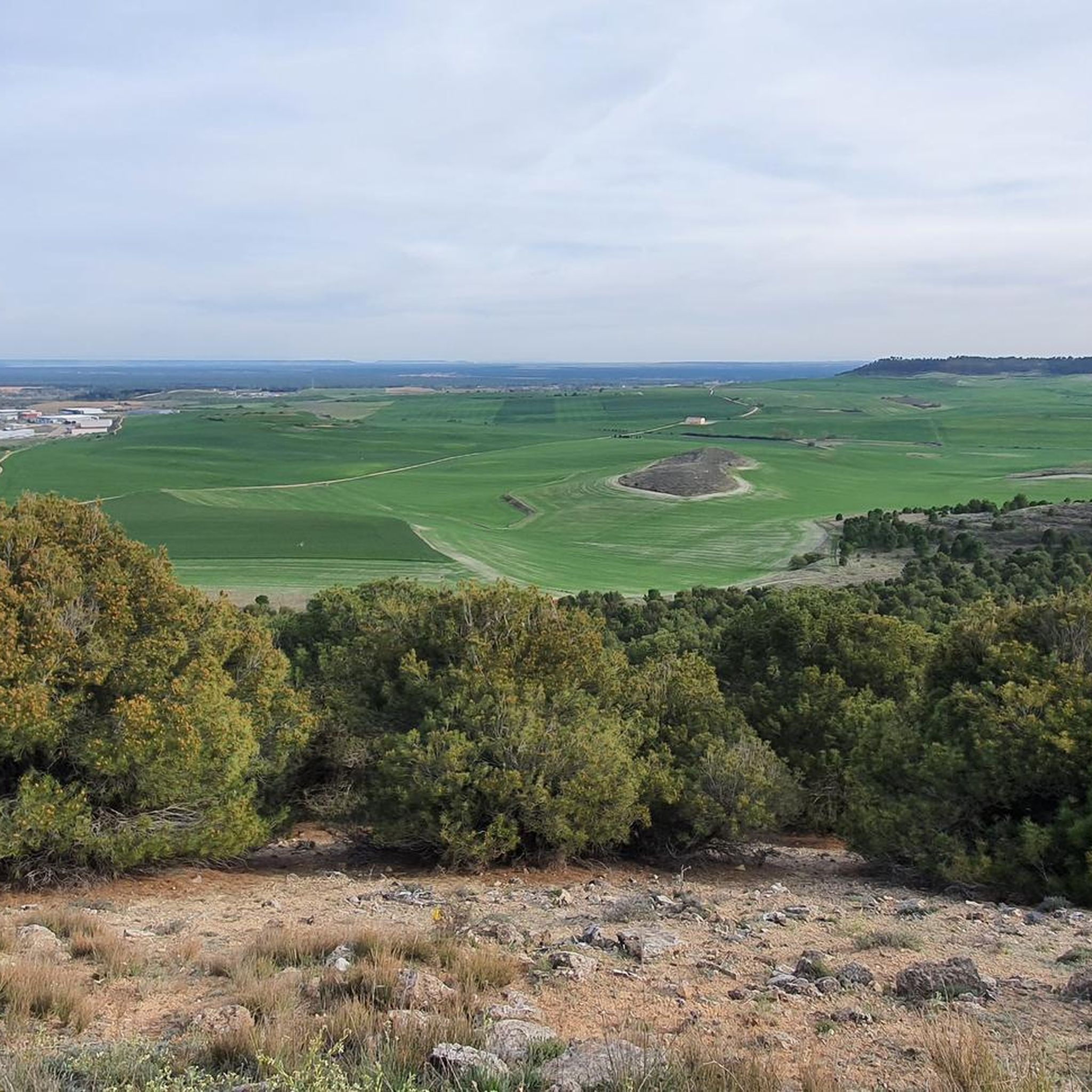
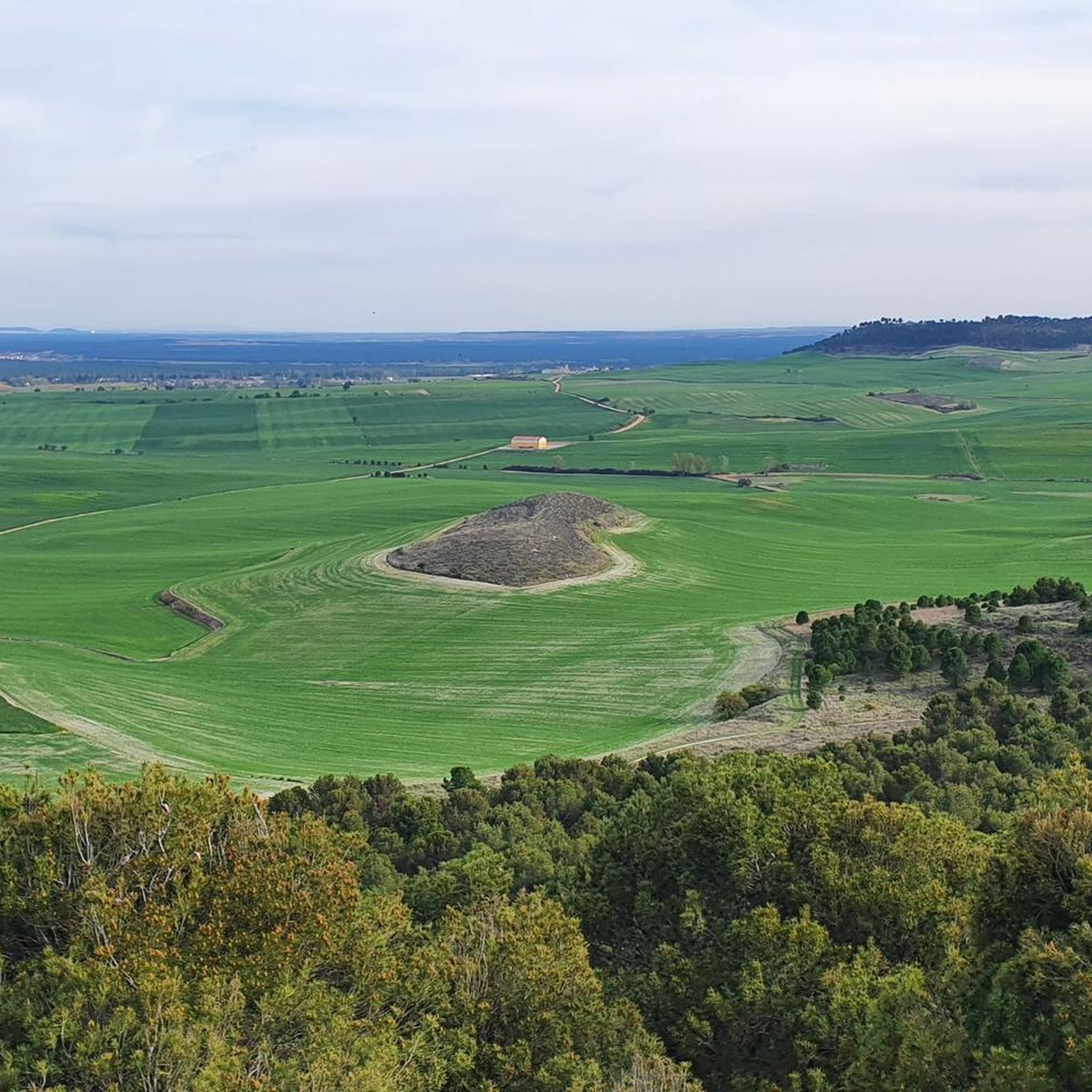
Well-preserved castle, interesting visit, and beautiful views of the Castilian countryside, especially in spring. Good trails for mountain biking.
1
0

The Church of Santa Cruz, which today houses the Museum of the Holy Week of Medina de Rioseco. Above a previous Gothic church, it was built at the end of the 16th century, designed by Rodrigo Gil de Hontañón, highlighting the Italian Jesuitic style façade with Herrerian influences. At the doors of the church we find a monument to Holy Week.
0
0
The Castle of the Comuneros rises majestically above the Torozos Mountains, visible from several kilometers around. Located in Torrelobatón, in the province of Valladolid, this castle has become the symbol of the town and is one of the best preserved in Castilla y León. It was declared Historical Heritage in 1949. This imposing castle, a witness to history and struggle, remains a fascinating attraction for visitors. If you ever have the opportunity, I recommend exploring its walls and discovering the secrets it keeps in its centuries-old stone. 🏰
5
0

It is a small reservoir on the Bajoz River, a tributary of the Duero. You can go around it, walking or cycling, for a pleasant walk of just over 4 km.
0
0
It is worth the visit. It lasts about 50' and they explain it very well. We visit the monastery and the church. Visiting schedule: FRIDAY: 16:00-17:00-18:00. SATURDAYS: Morning: 10:00 11:00-12:00- 13:00 Afternoon: 16:00-17:00- 18:00 SUNDAYS AND HOLIDAYS: Morning: 10:00-11:00-12:00-13:00 Afternoon: 16:00-17:00-18:00 https://lasantaespina.es/oficina-de-turismo/
0
0

The local congregation has dedicated this church not to one of the (almost infinite) saints, but to "Santa Cruz" as its patron saint. Perhaps a brief stop for hikers or walkers is the appropriate time for a brief meditation and a prayer to God. I would therefore like to invite you to prayerfully contemplate God's infinite love for us humans, revealed in Christ nailed to the wood of the cross. Perhaps a quote from the Spanish order's founder, Ignatius of Loyola (1491 to 1556), may be helpful: + "Trust in God is most exalted precisely where human hopes sink most deeply. For where all human help gives way, there it makes way for divine help."
2
0

A magnificent and well-preserved 15th-century castle-fortress, Torrelobatón Castle, standing on a formidable hill, dominates the valley below.
1
1
Frequently Asked Questions
What historical and cultural sites can I explore in Castromonte?
Castromonte is rich in history. You can visit the impressive Monastery of La Santa Espina, a 12th-century sanctuary known for its architectural styles and a relic from the holy crown of Christ. Also, explore the Church of the Immaculate Conception of Castromonte, a 16th-century church built on the remains of a Roman fort. The Gothic-style Iglesia Parroquial de Santa María (also known as Church of La Purísima Concepción) and the Ermita de San Bernabé are other notable religious sites. For a glimpse into traditional rural life, the Museo Agrícola de la Santa Espina, located within the monastery grounds, offers fascinating insights.
What natural features and landscapes can I enjoy around Castromonte?
The region around Castromonte is characterized by the tranquil Montes Torozos, offering scenic wheat fields and natural beauty. You can enjoy the Bajoz River Reservoir, a small lake perfect for pleasant walks or cycling routes of just over 4 km around its perimeter. The village itself is situated next to the River Bajoz, an affluent of the Duero, providing a serene natural setting.
Are there family-friendly activities or attractions in Castromonte?
Yes, several attractions are suitable for families. The Monastery of La Santa Espina offers an educational and historical experience. The Canal de Castilla Dock in nearby Medina de Rioseco is excellent for families, providing opportunities for boat trips, electric boat rentals, and canoeing. Additionally, the Bajoz River Reservoir is ideal for easy walks or bike rides with children.
What outdoor activities, like hiking or cycling, are available near Castromonte?
Castromonte and its surroundings offer various outdoor activities. The Montes Torozos region provides numerous hiking trails. For running, you can find routes like 'Embalse de la Espina' or 'Valdefuentes Trail' which are moderate difficulty. Cyclists can explore many routes, including road cycling options like 'Villagarcía de Campos y Villabrágima desde Monasterio de la Santa Espina' or MTB trails such as 'Canal de Castilla a Capillas'. You can find more details and specific routes in the Running Trails around Castromonte, Road Cycling Routes around Castromonte, and MTB Trails around Castromonte guides.
What is the best time of year to visit Castromonte?
Castromonte can be enjoyed throughout the year, but for outdoor activities like hiking and cycling, spring (April to June) and autumn (September to October) offer pleasant temperatures and beautiful landscapes. Visiting during local festivals, such as those in honor of San Bernabé on June 11th, can provide a unique cultural experience.
What do visitors appreciate most about the attractions in Castromonte?
Visitors frequently praise the historical significance and architectural beauty of sites like the Monastery of La Santa Espina. The tranquil natural settings, such as the Bajoz River Reservoir, are appreciated for pleasant walks and cycling. The opportunities for active tourism along the Canal de Castilla are also highly rated, especially for families and those looking for varied outdoor experiences.
Are there any unique or lesser-known points of interest in the Castromonte area?
Beyond the main attractions, you might find interest in the former Balneario de Fuente Sayud, an old spa on the outskirts of the village where Castrovita mineral water was once extracted. The historical streets and stone houses of Castromonte itself offer a charming glimpse into rural Spanish traditions and architecture.
Can I find information about boat trips or water activities near Castromonte?
Yes, the Canal de Castilla Dock in nearby Medina de Rioseco is the primary hub for water activities. Here, you can find information and services for boat trips, electric boat rentals, and canoeing along the historic Canal de Castilla, offering a unique way to explore the region.
Are there any dog-friendly trails or places to visit in Castromonte?
While specific dog-friendly policies for all attractions may vary, the natural areas around Castromonte, such as the Montes Torozos and the perimeter of the Bajoz River Reservoir, are generally suitable for walks with dogs, provided they are kept on a leash and waste is properly disposed of. Always check local regulations for specific sites.
Are there wheelchair-accessible attractions in Castromonte?
The Church of Santa Cruz is listed as wheelchair accessible. For other attractions, accessibility can vary. It's advisable to check specific details for each site. Natural paths and trails may have varying terrain, so it's best to assess them individually.
What kind of terrain and landscape should I expect when hiking or exploring around Castromonte?
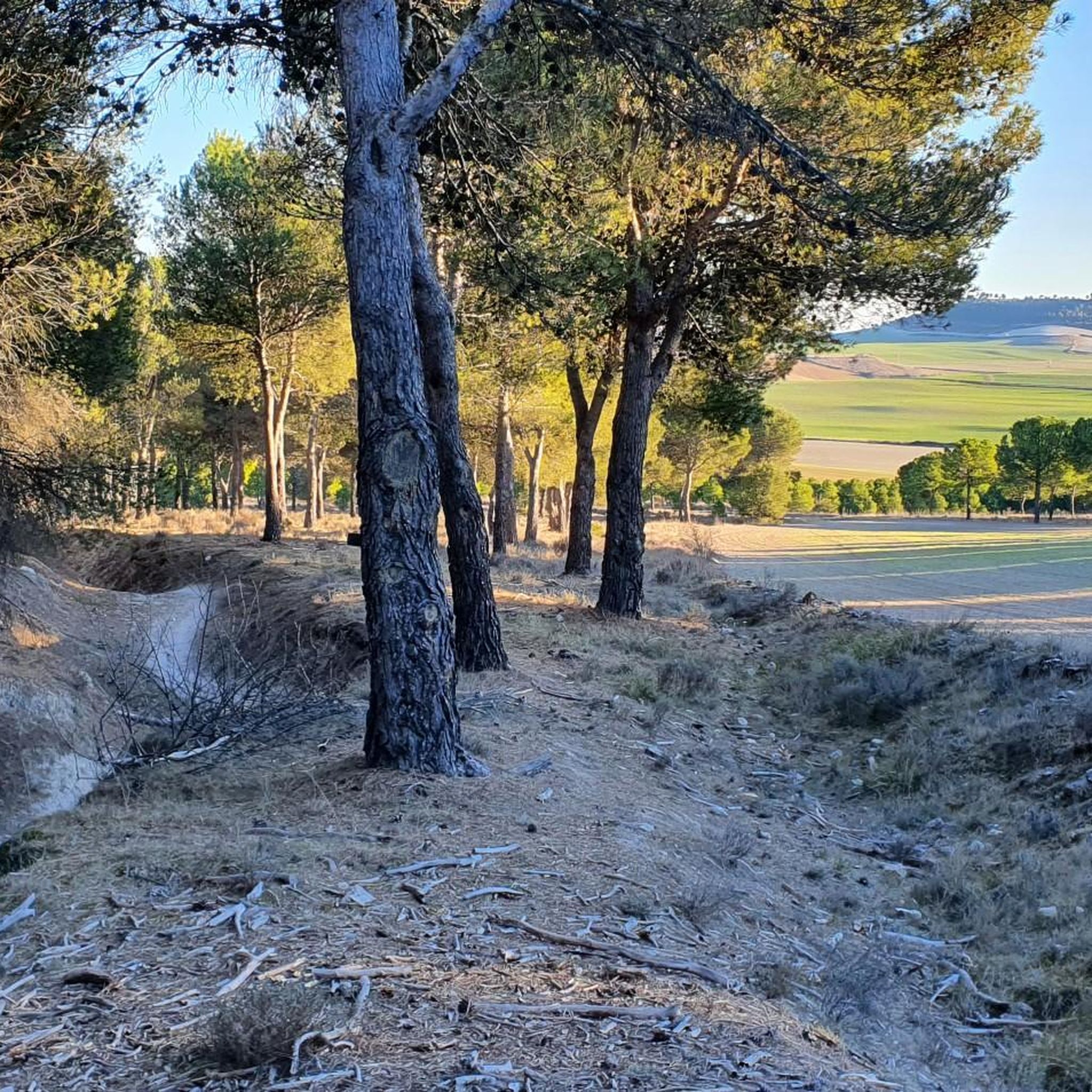
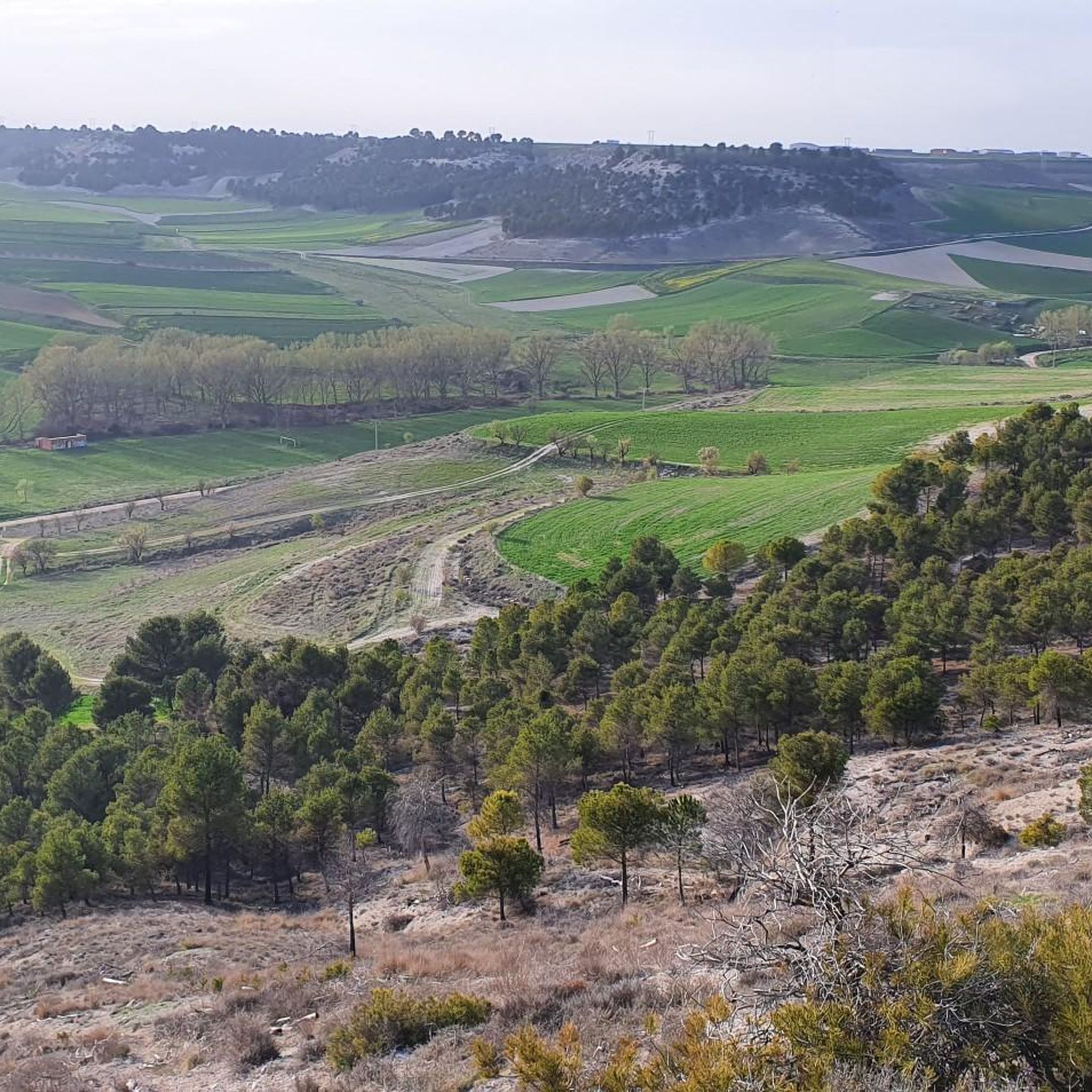
The landscape around Castromonte is primarily characterized by the Montes Torozos region, featuring extensive wheat fields and gentle rolling hills. The terrain for hiking and cycling routes often includes paths along the River Bajoz and around the Bajoz River Reservoir, offering relatively flat to moderately challenging routes through agricultural and natural settings.
Most popular attractions around Castromonte

Get inspired with the komoot mobile app


Explore more
Still not found the Highlight you’re looking for? See guides of the top attractions in other regions:
