The best walks and hikes around Castromonte
5.0
(9)
109
hikers
17
hikes
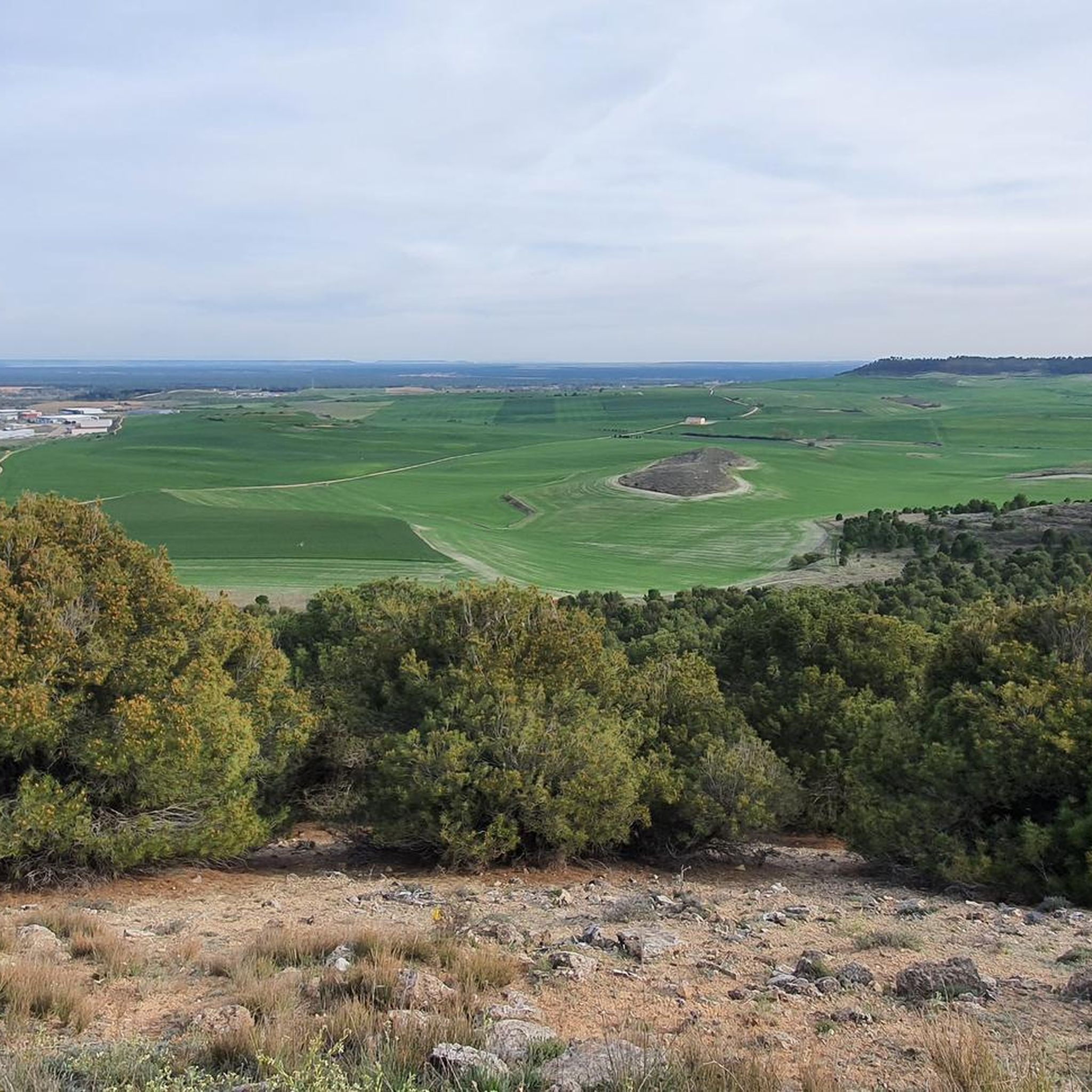
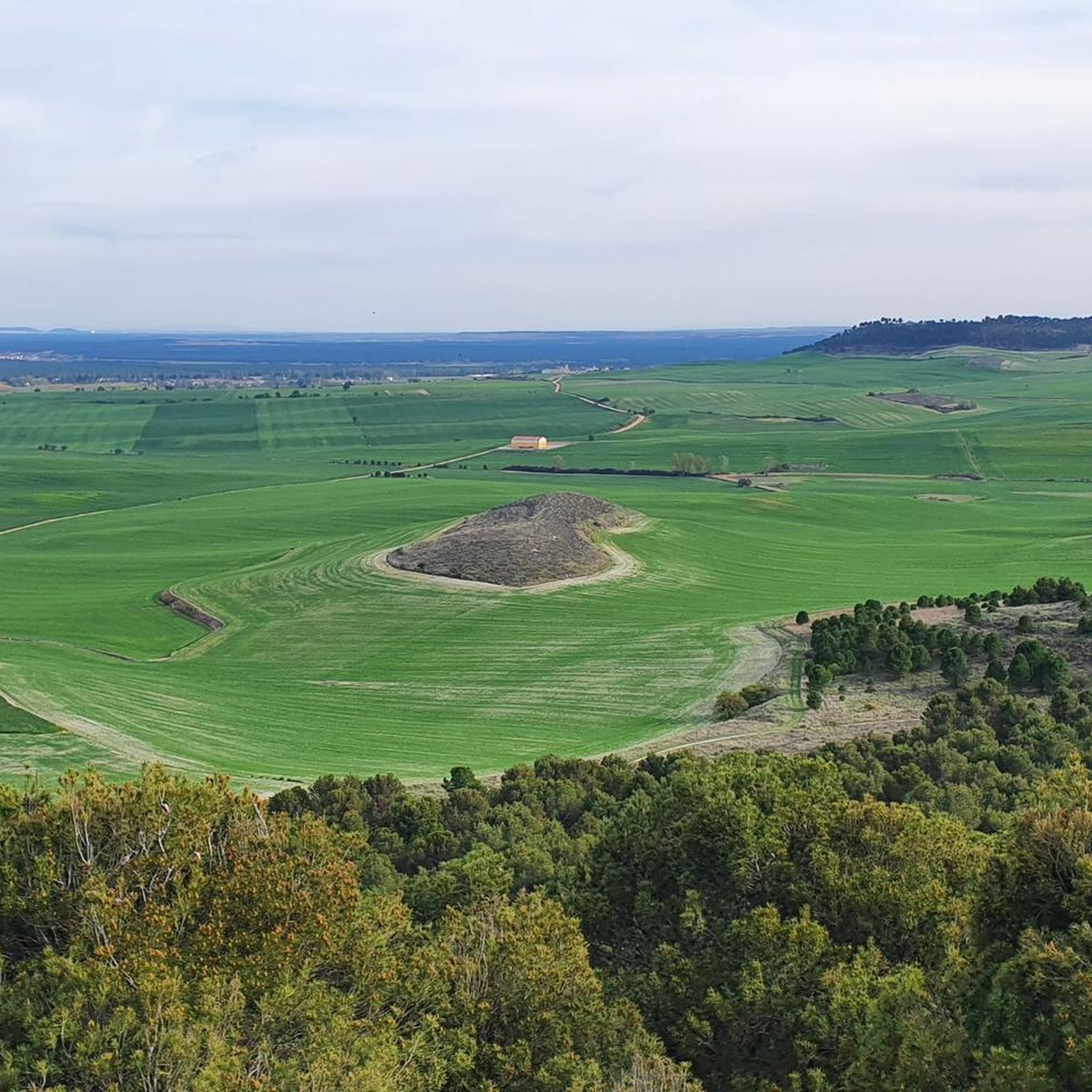
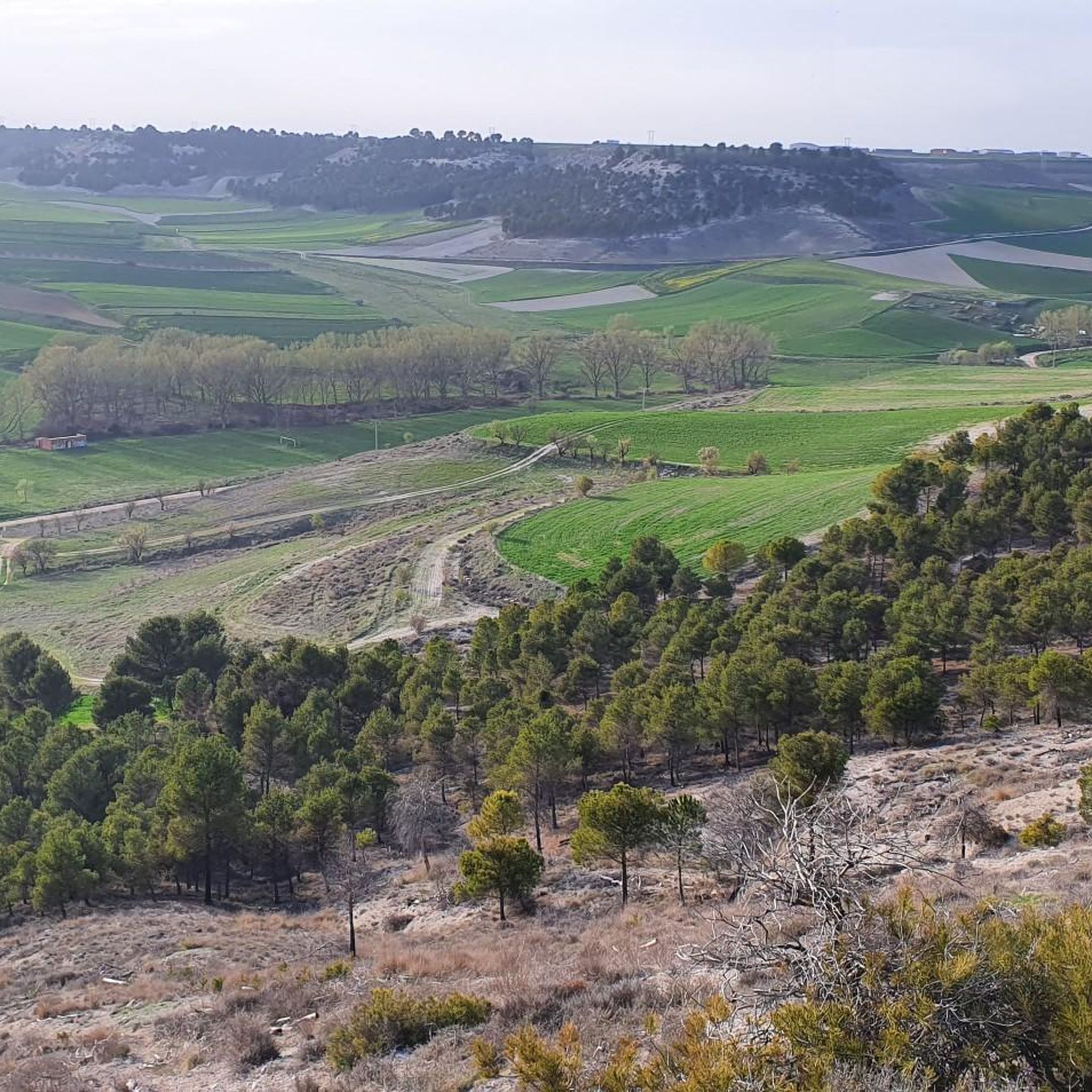
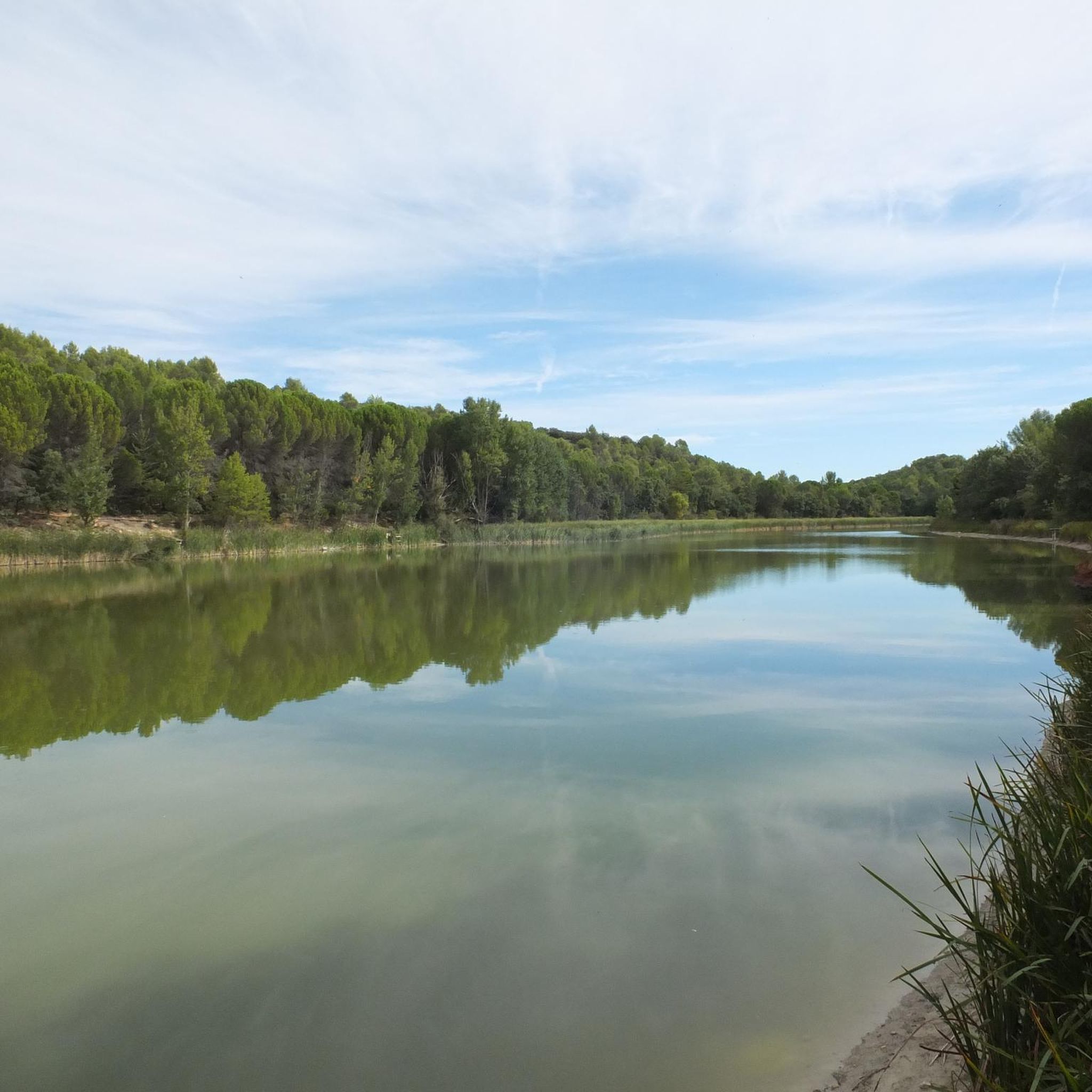
Hiking around Castromonte offers routes through the gentle, undulating terrain characteristic of the Valladolid province in Spain. The landscape is defined by agricultural fields, river valleys, and reservoirs, providing a tranquil setting for outdoor activities. Trails often follow the courses of rivers like the Río Bajoz and Río Sequillo, or skirt the edges of local reservoirs. The region features generally low elevation gains, making it accessible for various hiking abilities.
Best hiking trails around Castromonte
- The most popular hiking route…
Last updated: July 5, 2026
5.0
(2)
30
hikers
Moderate hike. Good fitness required. Easily-accessible paths. Suitable for all skill levels.
5.0
(2)
12
hikers
18.0km
04:34
40m
40m
Moderate hike. Good fitness required. Easily-accessible paths. Suitable for all skill levels.

Sign up for free
1
hikers
5.93km
01:43
150m
150m
Moderate hike. Great for any fitness level. Mostly accessible paths. Sure-footedness required.
1
hikers
Moderate hike. Good fitness required. Easily-accessible paths. Suitable for all skill levels.
Moderate hike. Good fitness required. Easily-accessible paths. Suitable for all skill levels.
Get access to more routes and recommendations from other explorers.
Sign up for free
Already have an account?
Our route recommendations are based on thousands of hikes, rides, and runs completed by other people on komoot.
Start today with a free account
Your next adventure awaits.
Login or Signup
Tips from the Community

High on a hill near Urueña stands this Romanesque hermitage of Mozarabic origin, one of the most unique in Castile and León. What few know is that beneath its floor were found Visigothic pottery fragments and a small well used to collect rainwater, considered blessed. Local shepherds said that this water cured eyesight if applied at dawn. Today, the well remains, covered by a slab, and the hermitage continues to hold its air of mystery among the golden stones of the moor.
0
0

The Parish Church of the Immaculate Conception in Castromonte, Valladolid province, is a church of great historical and architectural value. Dating from the 16th century, it features Gothic and Plateresque elements.
1
0
Lock No. 7 and the flour mill in Medina de Rioseco are part of the valuable industrial and hydraulic heritage of the Canal de Castilla, one of the most important engineering works of the 18th century in Spain.
3
0
Lock No. 7 of the Campos branch of the Canal de Castilla, located in Tamariz de Campos. Like all the canal's locks, its purpose was to allow barges to overcome uneven terrain, facilitating the transport of goods, especially grain and flour.
3
0
The Hermitage of Our Lady of the Annunciation is located in Urueña, in the province of Valladolid and is an outstanding example of Romanesque-Lombard art in Spain. Built in the 12th century by order of the Infanta Sancha Raimúndez, on the site of a previous Mozarabic church. It is the only complete example of Romanesque-Lombard art in Castile and León. The hermitage is located in a small valley a few kilometres from the town of Urueña, offering a magnificent view of the wall that surrounds the town.
4
0
Today, only the outer walls remain, and the various rooms that it may have had in the past have completely disappeared. It was built around the year 1060 by the Castilian monarch Ferdinand I the Great on the remains of an ancient Roman fortification.
5
0
Urueña Castle is an impressive fortress located in the municipality of Urueña, in the province of Valladolid, Spain. This medieval castle dates back to the 11th century and is one of the best preserved in the region. Originally built in the 11th century, the castle has witnessed numerous historical events and has undergone several renovations over the centuries.
7
0

The Church of Santa Cruz, which today houses the Museum of the Holy Week of Medina de Rioseco. Above a previous Gothic church, it was built at the end of the 16th century, designed by Rodrigo Gil de Hontañón, highlighting the Italian Jesuitic style façade with Herrerian influences. At the doors of the church we find a monument to Holy Week.
0
0
Frequently Asked Questions
What kind of terrain can I expect when hiking around Castromonte?
Hiking around Castromonte features gentle, undulating terrain, primarily characterized by agricultural fields, river valleys, and reservoirs. The trails often follow the courses of rivers like the Río Bajoz and Río Sequillo, or skirt the edges of local reservoirs. You'll find generally low elevation gains, making the area accessible for various hiking abilities.
Are there any easy hikes suitable for beginners in Castromonte?
Yes, Castromonte offers several easy hikes perfect for beginners or those looking for a relaxed stroll. There are 4 easy routes available, providing tranquil settings through agricultural land and along river paths. These trails are designed with minimal elevation changes.
What are some notable natural features or landmarks to see while hiking in Castromonte?
While hiking around Castromonte, you can explore several interesting landmarks. The Bajoz River Reservoir is a prominent feature, offering scenic views. You might also encounter historical sites like the Monastery of La Santa Espina or the Canal de Castilla Dock. The region's landscape is defined by its river valleys and open agricultural fields.
Are there any circular hiking routes in Castromonte?
Yes, Castromonte offers several circular hiking routes. A popular option is the La Santa Espina from Castromonte — circular by the Senda del Embalse del Río Bajoz (SL-VA 74), which is a moderate 11.5-mile (18.4 km) path showcasing riverine landscapes. Another is the Castillo de Tordehumos from Villabrágima — circular by the río Sequillo, a 10.7 km route.
What is the best time of year to go hiking in Castromonte?
The best time to hike in Castromonte is generally during spring and autumn. These seasons offer pleasant temperatures and comfortable conditions for exploring the open agricultural fields and river valleys. Summers can be hot, and winters may bring colder weather, though trails remain accessible.
Are the hiking trails around Castromonte suitable for families with children?
Yes, many of the trails around Castromonte are suitable for families. The region's generally low elevation gains and gentle terrain make it accessible for various ages and fitness levels. Look for the easy-rated routes for the most family-friendly options.
Can I bring my dog on the hiking trails in Castromonte?
Generally, dogs are welcome on hiking trails in Castromonte. However, it's always recommended to keep your dog on a leash, especially when passing through agricultural areas or near livestock, and to follow local regulations regarding pet access. Ensure you carry water for your pet.
What kind of wildlife might I encounter while hiking in Castromonte?
While hiking in Castromonte, you might encounter typical agricultural and riverine wildlife. This could include various bird species, small mammals, and insects. The open landscapes and river valleys provide habitats for local fauna.
Are there any castles or historical sites near the hiking routes?
Yes, the area around Castromonte is rich in historical sites. You can find several castles and religious buildings. Notable examples include the Urueña Castle, Villagarcía de Campos Castle, and the Castle Ruins of Tordehumos. The Monastery of La Santa Espina is also a significant historical landmark.
What do other hikers enjoy most about hiking in Castromonte?
The area is highly rated by the komoot community, with an average score of 5.0 stars. Hikers often praise the tranquil setting, the scenic views of reservoirs and agricultural land, and the well-maintained paths that offer options for different ability levels, from easy strolls to longer moderate hikes.
How many hiking trails are available around Castromonte?
There are over 10 hiking trails available around Castromonte, offering a variety of options for different skill levels and preferences. These include 4 easy routes and 8 moderate routes.
Are there any cafes or places to eat near the hiking trails in Castromonte?
While specific cafes directly on the trails are uncommon in this rural area, you will find options for food and drink in the nearby villages and towns, including Castromonte itself. It's advisable to check opening hours in advance, especially outside of peak season.
Most popular attractions around Castromonte

Get inspired with the komoot mobile app


Explore more
Browse the best Hikes in other regions.
