The 20 Most Amazing Peaks around Santa María De Cayón
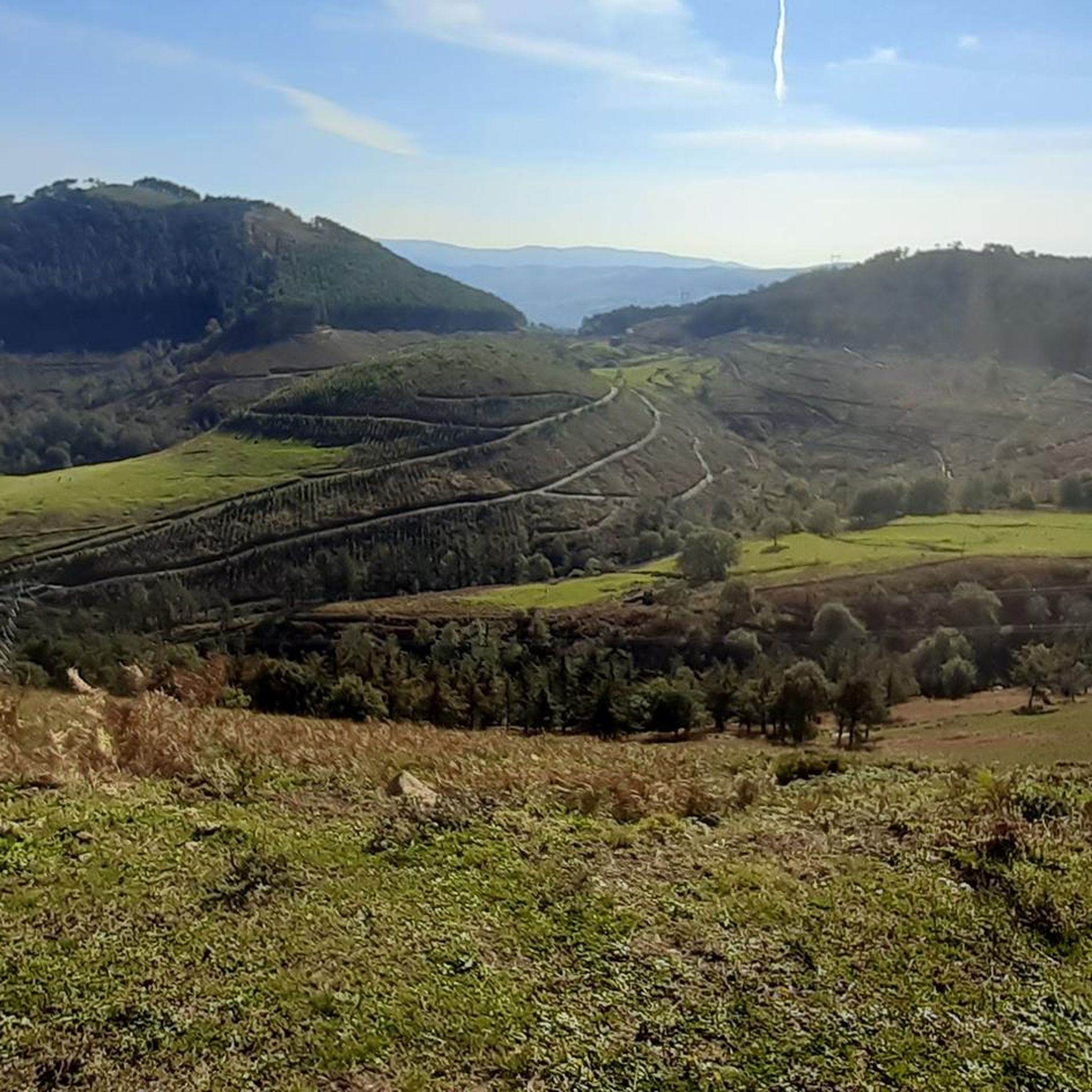
Best mountain peaks around Santa María De Cayón are located in the Valles Pasiegos region of Cantabria, Spain. This area provides access to several notable mountain peaks and passes. The landscape features a mix of valleys, prominent peaks, and some areas with ancient oak and chestnut forests. The region offers diverse terrain for outdoor activities.
Best mountain peaks around Santa María De Cayón
- The most popular mountain peaks is Puerto de Alisas, a mountain pass known for its surprising…
Last updated: July 12, 2026
Peñas Blancas Summit
Highlight • Summit
Translated by Google •
Tip by

Summit of Pico La Capía (Pico Dobra)
Highlight • Summit
Translated by Google •
Tip by

Sign up now to discover places like this
Get recommendations on the best single tracks, peaks, & plenty of other exciting outdoor places.
Sign up for free
Pico Llen and Peña Cabarga Observation Tower
Highlight • Viewpoint
Translated by Google •
Tip by
Puerto de Alisas
Highlight • Mountain Pass
Translated by Google •
Tip by

View from Peña Cabarga
Highlight (Segment) • Viewpoint
Translated by Google •
Tip by

Sign up for free to discover even more peaks around Santa María De Cayón.
Sign up for free
Already have an account?
Start today with a free account
Your next adventure awaits.
Login or Signup
Tips from the Community

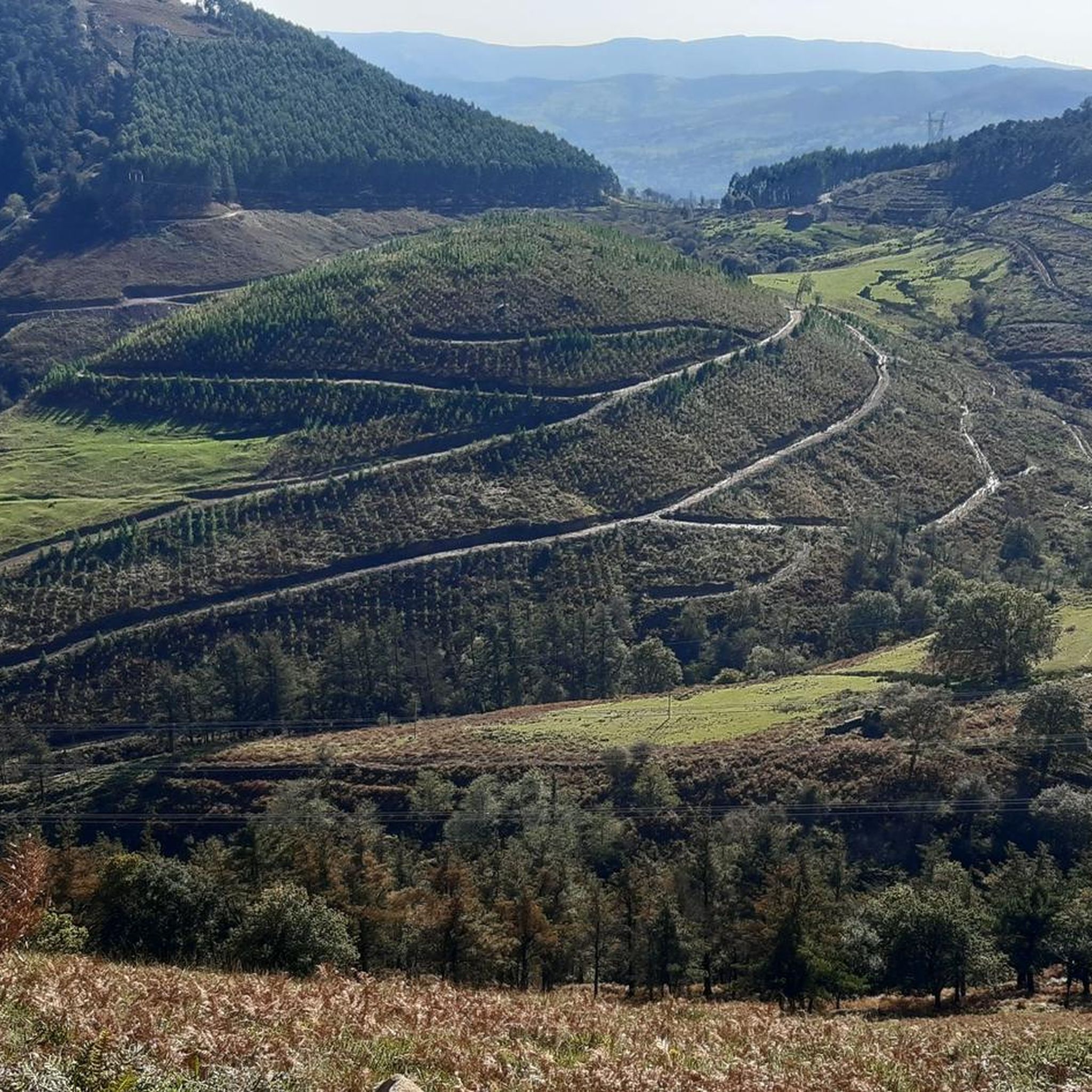
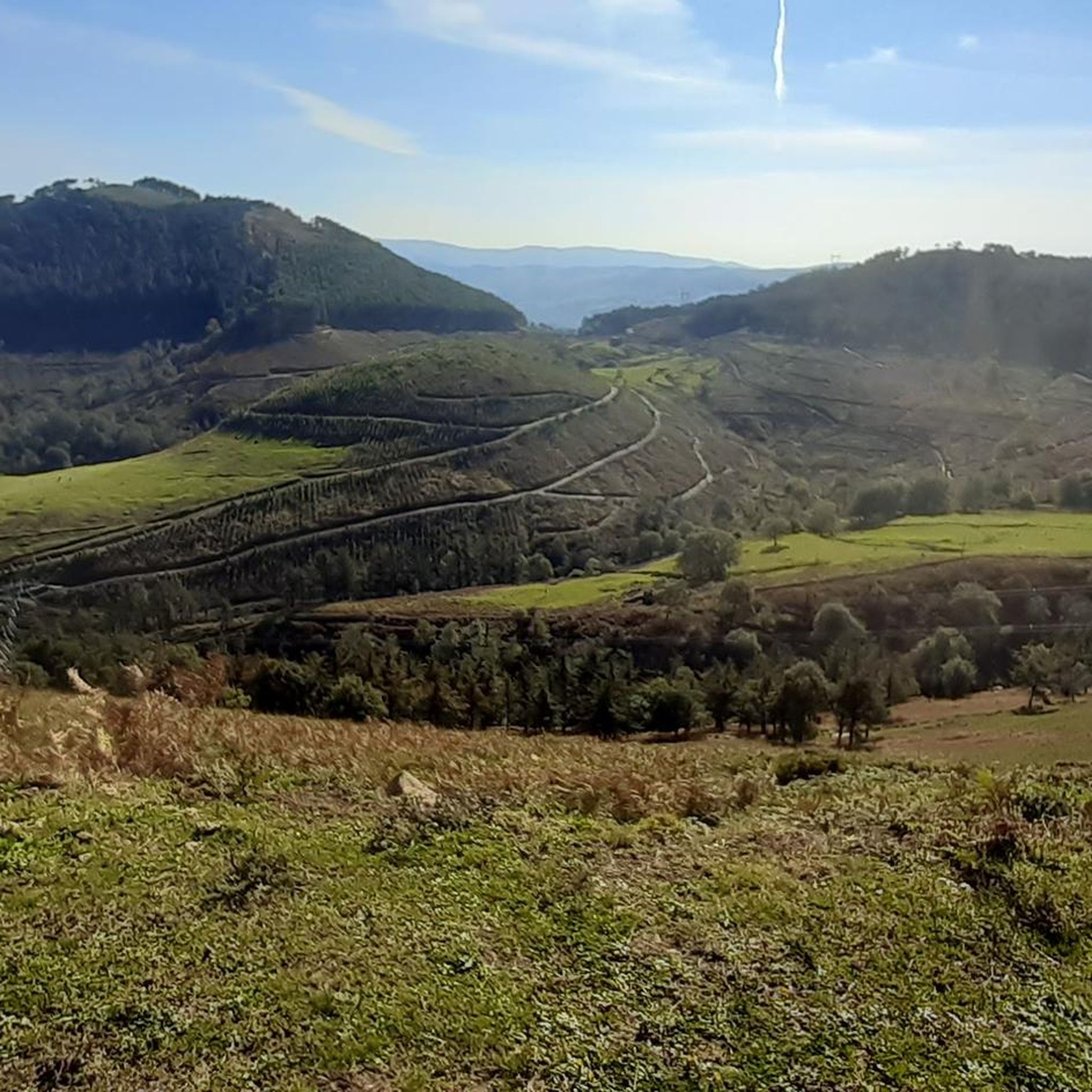
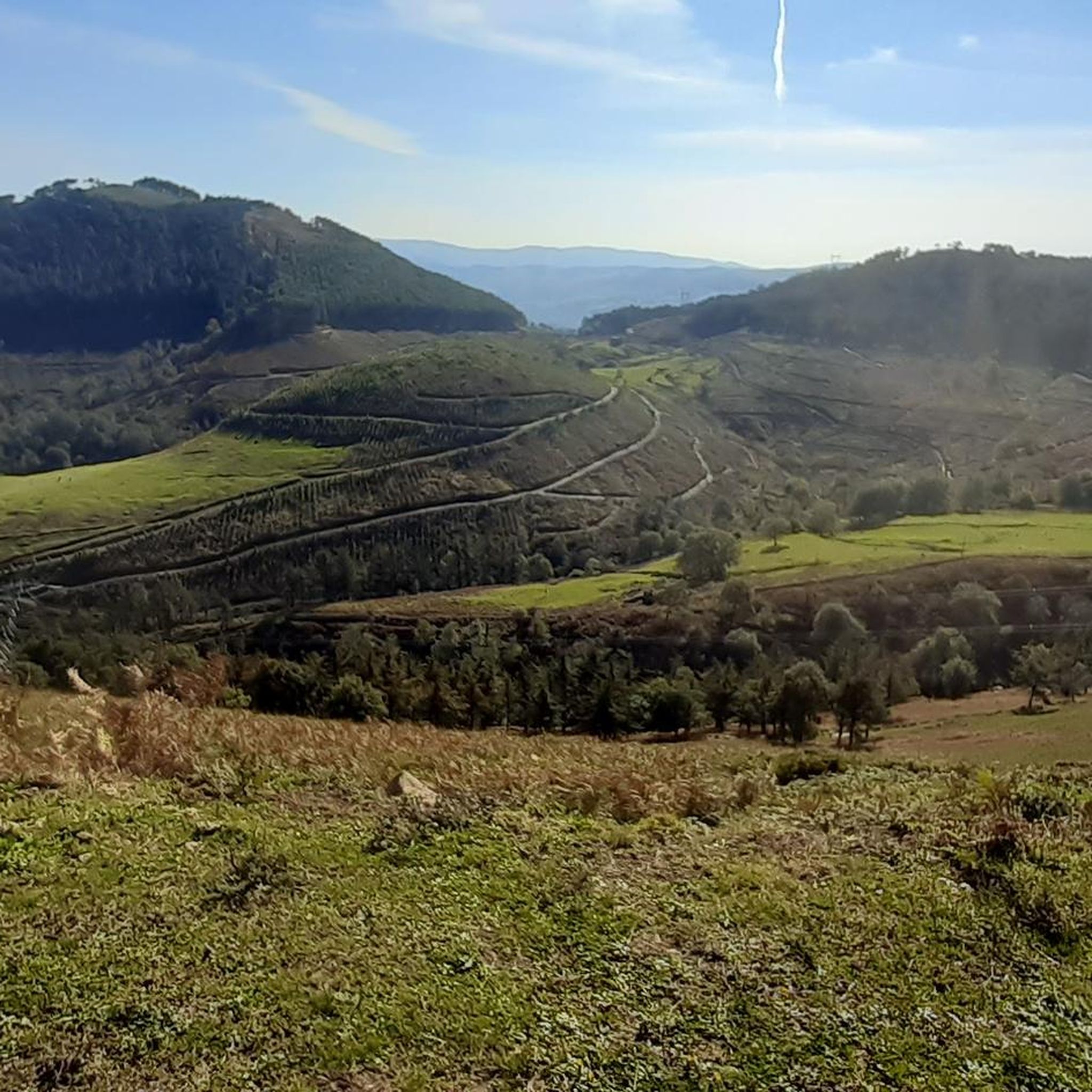
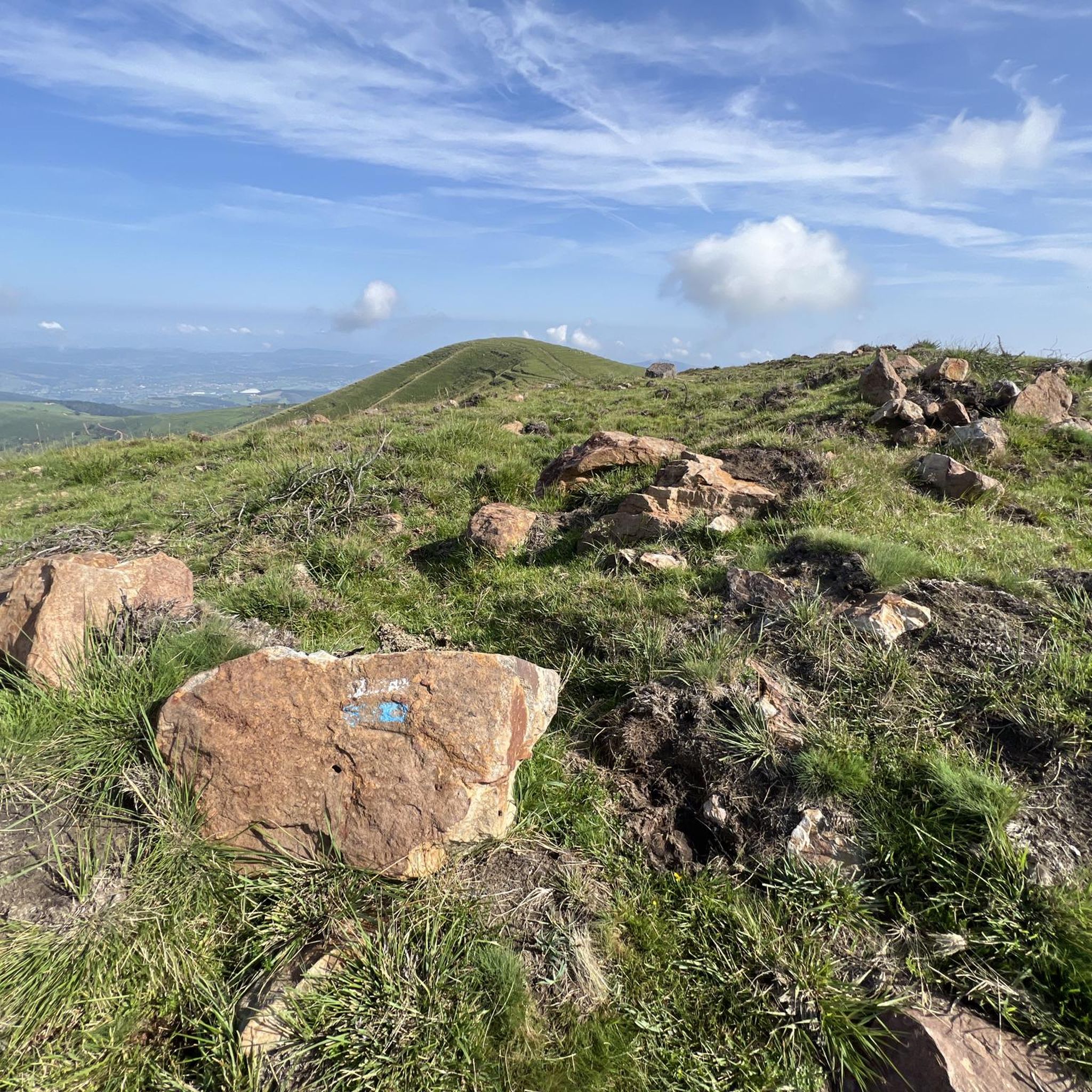
The skyline is certainly impressive. And I love the reproduction of the Pico LLen tower.
1
0
After a small and easy climb, the reward is the unbeatable views from the peak.
2
0
The pity is that it can also be reached by car, but the views are very cool.
4
0

This climb is a beast, but worth it. First part is tough, but fine and offers nice views. Then you get some relief for a few hundred meters and see a warning sign with “18%”. This leads to a few hairpin turns that leave you thinking “this is doable”, but then the real deal starts. Long stretches of 15% and up without any recovery. It will test your willpower, but you feel accomplished when reaching the top and the view can’t be beat.
1
0

Mythical port in Cantabria with views that will surprise you. It is very enjoyable by bike, the road is in good condition and everything is well signposted. You go through very pretty towns.
1
0

In the middle of the Peña Cabarga massif is perhaps the most popular peak in the park, Peñas Blancas offers amazing views in all directions. From its 455 masl you have no obstacles ahead, wherever you look.
1
0

The peak of the Peñas Blancas, a 450m high mountain south of Santander, a few kilometers from the coast. Two paths lead to the summit (only one is listed in Komoot), both of which are only a bit difficult for the last few meters. The summit offers good views over the Bay of Santander, Santander itself and the Atlantic Ocean to the north, while the Cordillera Cantábrica can be seen in the other directions, and the Picos de Europa on the western horizon.
3
0

The Pico La Capía (also known as Pico Dobra) is a prominent rock of 606 m. altitude, with excellent views as it is located on the divide between the Besaya and Pas rivers, marking the boundary between three municipalities of Cantabria: Puente Viesgo, San Felices de Buelna and Torrelavega.
3
0
Frequently Asked Questions
What are some of the most popular mountain peaks and viewpoints around Santa María De Cayón?
The region offers several notable peaks and viewpoints. Among the most popular are Puerto de Alisas, known for its surprising views and excellent cycling conditions. Another highly regarded spot is the View from Peña Cabarga, which provides extensive panoramic vistas after a demanding ascent. The Peñas Blancas Summit also offers impressive views over the Bay of Santander and the Atlantic Ocean.
Which mountain peaks offer the best panoramic views in the area?
For breathtaking panoramic views, the Peñas Blancas Summit is highly recommended, offering unobstructed views in all directions, including the Bay of Santander and the Picos de Europa on the western horizon. The View from Peña Cabarga also rewards visitors with a great all-round view, especially on clear days when the Picos de Europa are visible. Additionally, Alto del Caracol provides spectacular views of the Miera and El Pisueña valleys and surrounding mountains like Castro Valnera.
Are there any easy or family-friendly mountain peaks to visit around Santa María De Cayón?
Yes, for a more accessible experience, the Pico Llen and Peña Cabarga Observation Tower is very accessible, even by road, and offers wonderful views. Monte Carceña, with a maximum altitude of 344 meters, provides a short climb to its summit where you can find the Romanesque hermitage of San Miguel de Carceña, making it suitable for a less strenuous outing.
What kind of terrain can I expect when hiking these peaks?
The terrain around Santa María De Cayón is diverse. You'll find well-maintained roads and scenic routes around mountain passes like Puerto de Alisas. Higher peaks like Peña Cabarga feature demanding ascents with steep sections up to 18%. Monte Carceña is largely covered by eucalyptus and Monterey pine plantations, though some ancient oak and chestnut forests remain. Peña del Horno offers a varied experience, blending accessible greenway sections with more challenging mountain paths.
What outdoor activities can I do near the mountain peaks of Santa María De Cayón?
The area is excellent for various outdoor activities. You can enjoy road cycling, with routes like the 'Carlos III Gate – Puerto de Alisas loop' from Santa María de Cayón. There are also numerous running trails, such as the 'El Caballar loop' or the 'Vía Verde del Pas loop'. Gravel biking is also popular, with routes like the 'Pas Greenway – Alto de La Encina loop'. For more details on these activities, explore the Road Cycling Routes, Running Trails, and Gravel Biking guides.
Are there specific cycling routes that include mountain passes in the area?
Yes, the region is well-known for its cycling opportunities, especially around its mountain passes. Puerto de Alisas is a mythical port in Cantabria, highly enjoyable by bike due to its good road conditions and scenic route through picturesque towns. You can find routes like the 'Carlos III Gate – Puerto de Alisas loop' starting from Santa María de Cayón in the Road Cycling Routes around Santa María De Cayón guide.
What natural features can I expect to see on these mountain peaks?
The mountain peaks and passes offer a variety of natural features. You'll encounter spectacular views of valleys, such as those from Alto del Caracol connecting the Miera and El Pisueña valleys. Monte Carceña features eucalyptus and Monterey pine plantations, alongside remnants of ancient oak and chestnut forests. The higher peaks provide extensive vistas of the Cantabrian Cordillera and the Atlantic Ocean.
Are there any historical or cultural sites on or near the mountain peaks?
Yes, Monte Carceña's summit hosts the simple and solitary Romanesque hermitage of San Miguel de Carceña, which is considered a worthwhile observation. Additionally, the Pico Llen and Peña Cabarga Observation Tower is a central place with a lot of history, offering insights into the region's past.
What do visitors enjoy the most about the mountain peaks in Santa María De Cayón?
Visitors consistently praise the incredible views and the sense of accomplishment after challenging ascents. The panoramic vistas from spots like Peñas Blancas Summit and the View from Peña Cabarga are frequently highlighted. Cyclists particularly enjoy the well-maintained roads and scenic beauty of passes like Puerto de Alisas. The diverse terrain, from accessible climbs to rugged paths, also contributes to a varied and rewarding outdoor experience.
What is the best time of year to visit the mountain peaks around Santa María De Cayón?
While specific seasonal conditions can vary, generally, spring and autumn offer pleasant temperatures for hiking and cycling, with lush landscapes or vibrant fall colors. Summer can also be a good time, especially for higher elevations, though it might be warmer. Always check local weather forecasts before planning your trip.
Are there challenging ascents for experienced hikers or cyclists?
Absolutely. The ascent to the View from Peña Cabarga is described as quite demanding, with sections reaching up to 18% gradient, testing willpower but rewarding with unparalleled views. The Summit of Pico La Capía (Pico Dobra) also offers excellent views after a climb, marking the boundary between three municipalities.
Are there any unique or 'hidden gem' mountain peaks worth exploring?
While not extensively detailed, Peña del Cuervo, as the most prominent mountain in the Sierra del Caballar, offers significant hiking opportunities and panoramic views typical of higher elevations, suggesting it might be a less-trafficked but rewarding destination. The Peña del Horno, part of a moderate loop trail, also provides a diverse hiking experience blending greenway sections with more rugged mountain paths.
Most popular routes around Santa María De Cayón
Most popular attractions around Santa María De Cayón

Get inspired with the komoot mobile app


Explore more
See even more amazing summits around Santa María De Cayón with these guides:
