Attractions and Places To See around Santibáñez De La Sierra - Top 20
Attractions and places to see around Santibáñez De La Sierra include a blend of historical landmarks, natural features, and cultural sites within the Sierra de Francia region of Salamanca, Spain. The area is part of the Las Batuecas-Sierra de Francia Natural Park, a UNESCO Biosphere Reserve, offering diverse landscapes. Its history spans from Vettonian settlements to Roman and medieval influences, evident in its architecture and ancient structures. The municipality is characterized by rivers, vineyards, and numerous hiking routes, providing varied…
Last updated: October 11, 2026
Mogarraz
Highlight • Settlement
Declared a Historic-Artistic Site in 1998 and a member of the network of …
Translated by Google •
Tip by

Mogarraz Main Square
Highlight • Settlement
Translated by Google •
Tip by

Sign up now to discover places like this
Get recommendations on the best single tracks, peaks, & plenty of other exciting outdoor places.
Miranda del Castañar
Highlight • Settlement
Translated by Google •
Tip by

Cervero Peak
Highlight • Summit
A protected natural area within the Natura 2000 network, with …
Translated by Google •
Tip by
Granite Theme Park
Highlight • Monument
Translated by Google •
Tip by
Sign up for free to discover even more attractions around Santibáñez De La Sierra.
Already have an account?
Start today with a free account
Your next adventure awaits.
Tips from the Community

The Plaza Mayor of Mogarraz is the heart of the village and one of its most picturesque spots. Oval shape: Unlike other Castilian squares, Mogarraz's has an irregular, enclosed shape, surrounded by traditional mountain houses with timber framing and stone walls. Traditional architecture: Flower-filled balconies, arcades, and facades adorned with the famous portraits from the "Faces of Mogarraz" art project. Social and historical center: Formerly used for markets and popular celebrations, today it serves as a meeting point for visitors and locals alike. Highlights: Central fountain. Views of the church and cobbled streets leading from the square. Restaurants and bars with terraces where you can sample the local mountain cuisine.
1
0
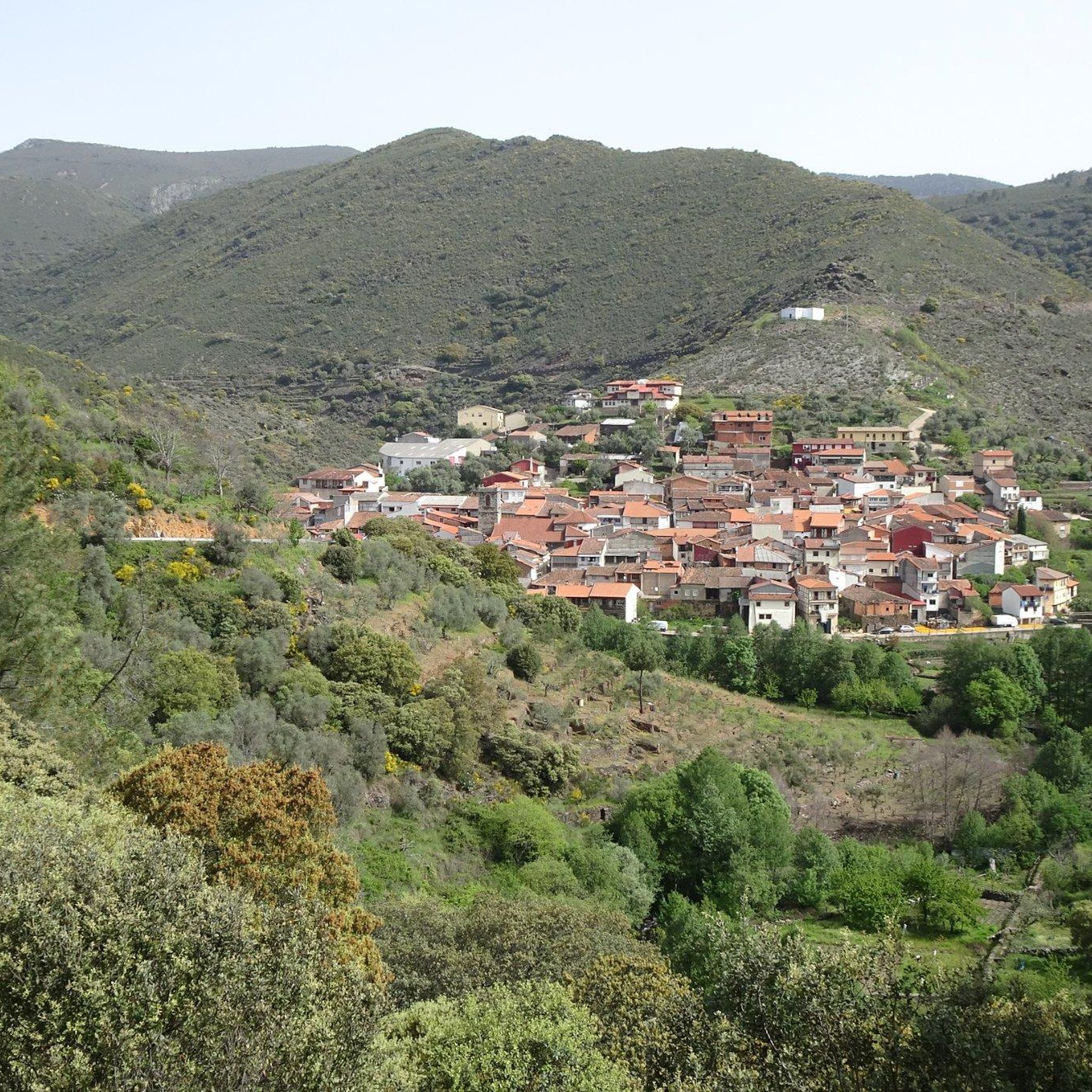
What to see in Mogarraz The Faces of Mogarraz More than 800 portraits painted on the facades, the work of artist Florencio Maíllo, who transformed the village into an open-air museum. This initiative originated from photos taken in the 1960s for residents' national identity cards. Main Square The central oval-shaped square, surrounded by traditional mountain houses with timber framing and stone walls. Church of Our Lady of the Snows A Renaissance-style church, built between the 16th and 17th centuries. Bell Tower An old defensive tower, separate from the church, used as a watchtower in the Middle Ages. Ethnographic Museum – House of Crafts Exhibits traditional crafts such as embroidery, shoemaking, and goldsmithing.
2
0
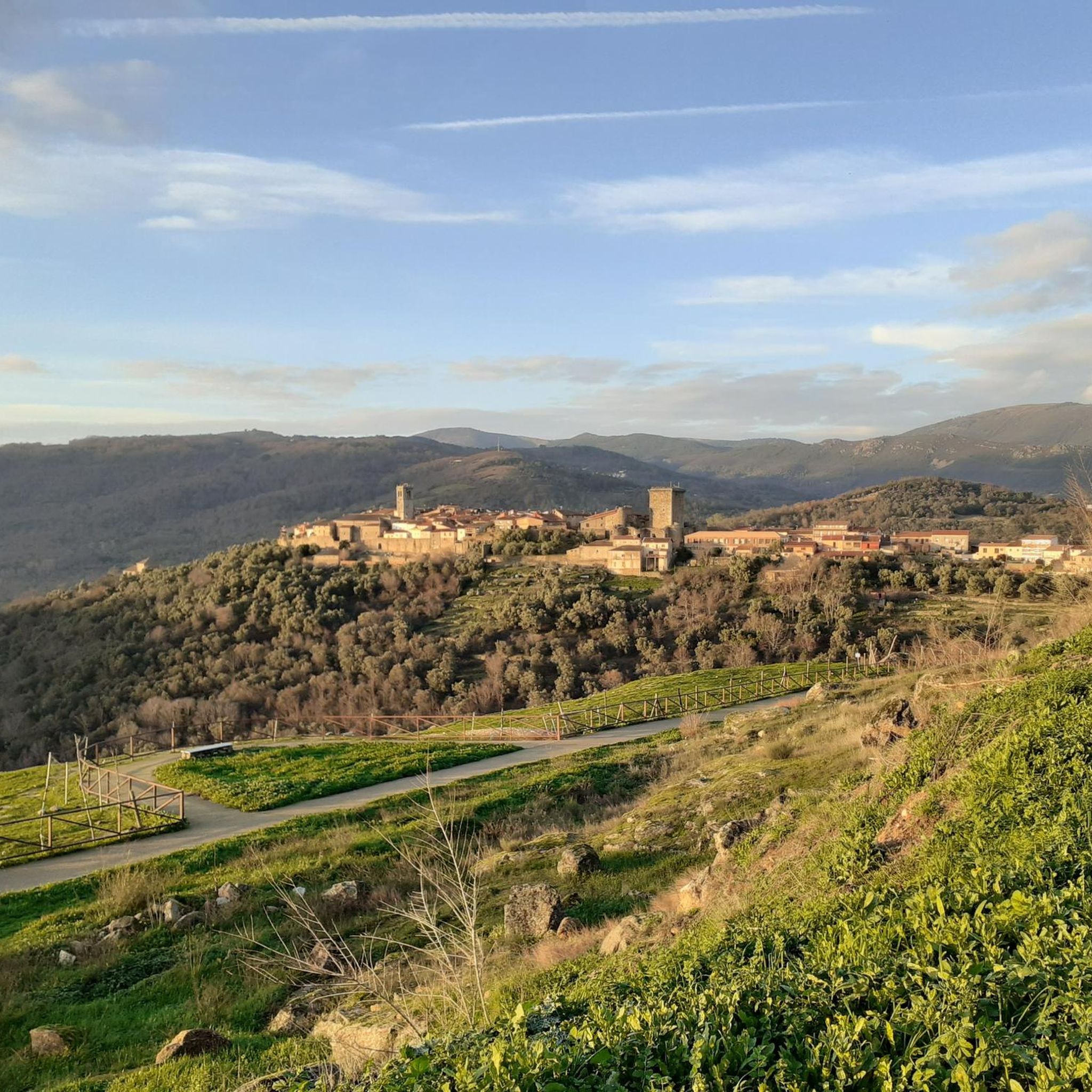
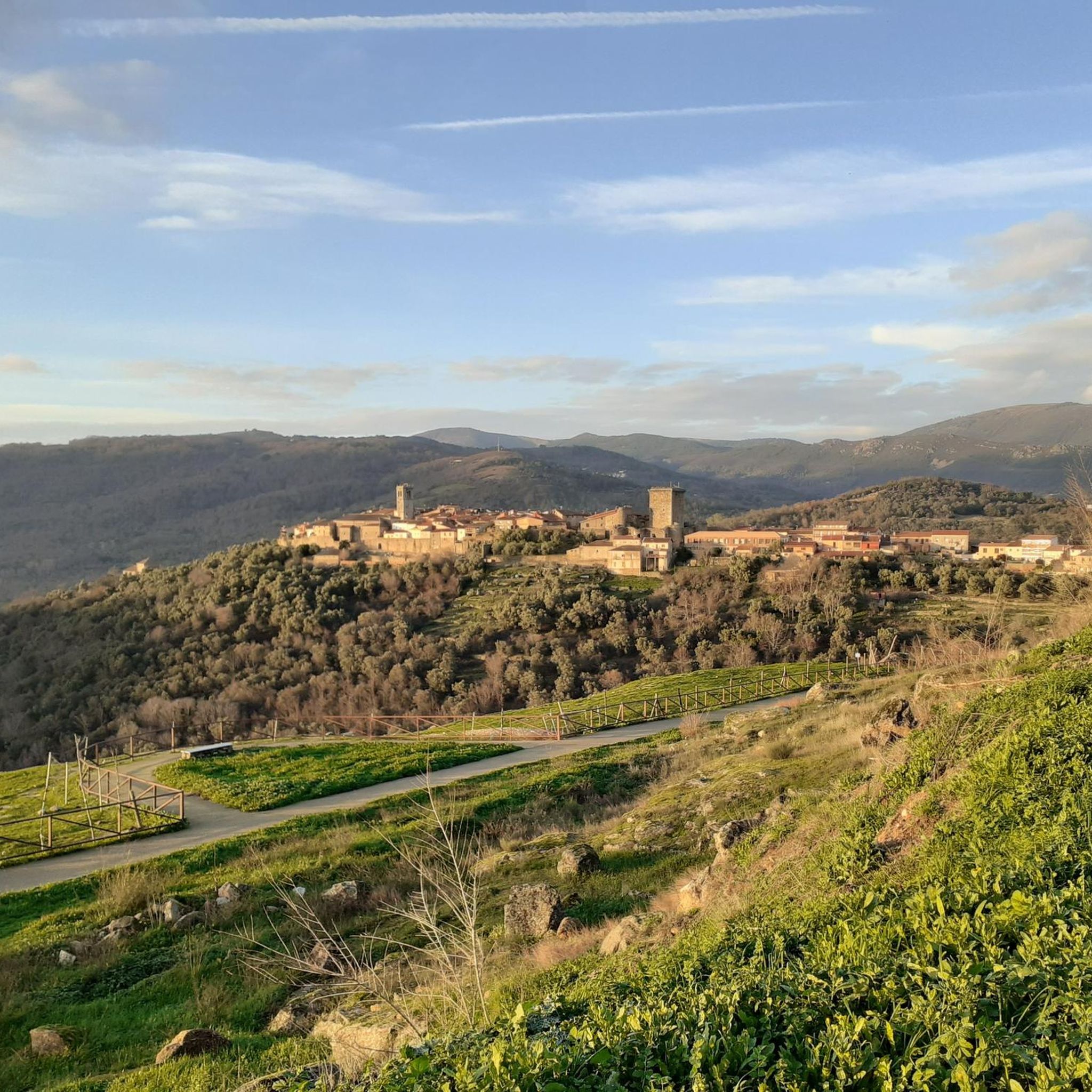
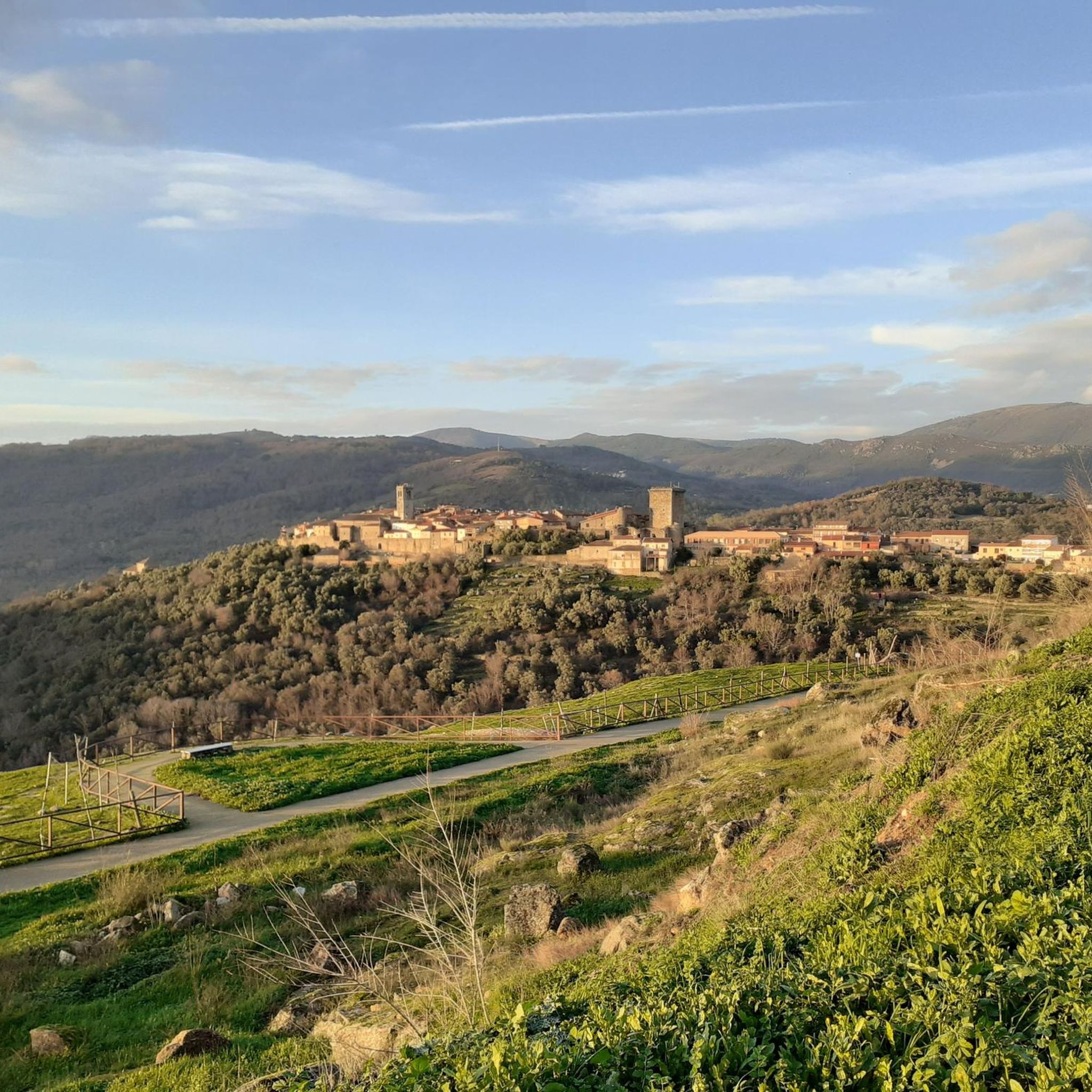
Founded during the 12th-century repopulation of León by Alfonso IX, within the district of Miranda del Castañar. Declared a Historic-Artistic Site in 1998 and a member of the network of the Most Beautiful Villages of Spain. Its mountain architecture combines stone, wood, and adobe, with flower-adorned balconies and heraldic details.
2
0
What to see in Miranda del Castañar Medieval Walls: Over 600 meters remain intact, with four gates facing the cardinal directions: San Ginés, Nuestra Señora, La Villa, and El Postigo. Zúñiga Castle: A 15th-century fortress, symbol of the former County of Miranda. Although the interior is not open to the public, its exterior and keep are impressive. Square Bullring: Considered one of the oldest in Spain, built in the 16th century on the site of the former parade ground. Church of Santiago and San Ginés: Gothic in style (13th-16th centuries), with a detached 17th-century bell tower. Houses with Coats of Arms: More than 80 noble coats of arms adorn the facades, reflecting the town's aristocratic past.
1
0
Miranda del Castañar, one of the most beautiful villages in Spain, is located in the Sierra de Francia (Salamanca): Founded in 1213 by Alfonso IX of León as a town and council, it was the administrative capital of the Sierra de Francia. In the 15th century, the County of Miranda was created under the control of the Zúñiga family, consolidating its strategic importance.
1
0
Located between the municipalities of Navarredonda de la Rinconada and Escurial de la Sierra, in the Sierra de Francia-Quilamas region. A protected natural area within the Natura 2000 network, with oak and chestnut forests and wildlife such as the golden eagle and griffon vulture.
5
0
It is the only granite theme park in Spain, created to pay homage to the quarrying tradition of the municipality. It occupies a former quarry transformed into an artistic and natural space. Monumental sculptures made from granite blocks by the Salamanca artist Amable Diego. Recreations that evoke menhirs, dolmens, and megalithic structures, including the famous "Salamanca Stonehenge." Explanatory panels on the history of quarrying, from Roman roads to modern industry.
6
0

Declared a Historic-Artistic Site in 1998, the town of Mogarraz offers visitors a network of narrow streets and passageways dotted with coats of arms belonging to ancient lineages and even to the dreaded Inquisition, original lintels with religious engravings, crosses, and fountains. But what really catches the eye is the exhibition of portraits adorning the facades of the houses where the locals portrayed lived.
1
0
Frequently Asked Questions
What historical landmarks can I explore around Santibáñez de la Sierra?
The region is rich in history. You can visit the ancient Roman Bridge and Calzada Romana at Puentes del Alagón, considered one of the oldest on the Iberian Peninsula. Other historical points include the 16th-century Parish Church, remnants of the Ermita de San Juan, and ancient Anthropomorphic Tombs and Rock-hewn Wine Presses, some potentially Visigothic, which offer a glimpse into past burial and winemaking practices.
Are there any natural bathing spots near Santibáñez de la Sierra?
Yes, the area around Puentes del Alagón offers refreshing natural bathing spots in the Alagón River, which are particularly popular during the summer months. The Rivers Alagón and Saltillo, along with numerous streams, contribute to the lush landscapes and provide opportunities for enjoying nature.
What kind of outdoor activities can I do around Santibáñez de la Sierra?
Santibáñez de la Sierra is an excellent base for outdoor enthusiasts. You can explore various hiking routes, such as the 'Ruta de los Paisajes Serranos' which follows parts of the ancient Roman road, the 'Ruta del Alagón,' and the 'Ruta de los Miradores.' For more specific routes, you can find options for running, road cycling, and touring bicycle routes in the surrounding area.
What are some family-friendly attractions in the area?
Families can enjoy exploring the unique village of Mogarraz, known for its 'Faces of Mogarraz' art project and traditional architecture. The Granite Theme Park offers an engaging experience with monumental sculptures and recreations of megalithic structures like the 'Salamanca Stonehenge,' providing educational insights into the region's quarrying tradition.
Where can I find the best panoramic views of the region?
For breathtaking panoramic views, head to the Mirador del Monte, which offers expansive vistas of the surrounding Sierras and the Quilamas mountains. Additionally, Cervero Peak provides spectacular 360º views of the entire Sierra de Francia, making it a rewarding climb for those seeking elevated perspectives.
What is the significance of the Sierra de Francia and Las Batuecas-Sierra de Francia Natural Park?
Santibáñez de la Sierra is located within the Sierra de Francia and the Las Batuecas-Sierra de Francia Natural Park, which is a UNESCO Biosphere Reserve. This protected area is characterized by diverse vegetation, from Mediterranean to Atlantic-influenced forests, and a rich fauna including wild goats, deer, wild boar, and various birds of prey. The landscape features deep canyons and is a haven for nature lovers.
Are there any unique cultural experiences or traditions in Santibáñez de la Sierra?
The town has a strong tradition of dance, with an urban route called 'Recorrido de la Danza' and an Interpretive Center dedicated to Serrana Dance, explaining the unique 'paleo' rhythmic dance. The region also celebrates traditional events like 'La Calbochada,' an autumn chestnut roasting festival, and the revival of the traditional pig slaughter (Matanza) as a pre-Christmas event.
Which nearby villages are worth visiting from Santibáñez de la Sierra?
Several charming villages in the Sierra de Francia are easily accessible. Miranda del Castañar is a historic walled town with a castle and a unique square bullring. Mogarraz is famous for its 'Faces of Mogarraz' art project and traditional architecture. La Alberca is another picturesque village known for its traditional architecture.
What is the best time of year to visit Santibáñez de la Sierra?
The region offers different appeals throughout the year. Spring is beautiful for the 'Route of Cherry Blossoms' when the fruit trees are in bloom. Summer is ideal for enjoying the natural bathing spots at Puentes del Alagón. Autumn is picturesque with the grape harvest (vendimia) and traditional events like 'La Calbochada'.
Can I visit local wineries in the area?
Yes, the region is known for its vineyards and winemaking tradition. You can find local wineries, such as Bodegas y Viñedos Rochal, which produce award-winning wines, particularly from the native Rufete grape variety. Visiting a bodega offers insight into the local viticulture.
What do visitors particularly enjoy about the attractions around Santibáñez de la Sierra?
Visitors frequently praise the unique charm of villages like Mogarraz, especially the creative 'Faces of Mogarraz' art project. The historical significance of places like Miranda del Castañar with its medieval walls and castle is also highly appreciated. Many also enjoy the stunning 360º views from Cervero Peak and the educational experience at the Granite Theme Park.
Most popular routes around Santibáñez De La Sierra
Most popular attractions around Santibáñez De La Sierra

Get inspired with the komoot mobile app


Explore more
Still not found the Highlight you’re looking for? See guides of the top attractions in other regions:
