The best walks and hikes around Santibáñez De La Sierra
4.5
(122)
758
hikers
21
hikes
Hiking around Santibáñez De La Sierra offers diverse landscapes within the Sierra de Francia-Quilamas region, characterized by varied topography and "accidental relief." The area features numerous valleys carved by streams and rivers, alongside moderately elevated peaks. Mediterranean forests, including oak, chestnut, and cork oak, cover much of the terrain, transitioning into mixed forests in more humid areas. This region provides a range of hiking challenges and scenic views.
Best hiking trails around Santibáñez De La Sierra
- The most popular hiking…
Last updated: July 11, 2026
4.9
(21)
115
hikers
Moderate hike. Good fitness required. Mostly accessible paths. Sure-footedness required.
2
hikers
9.61km
03:13
210m
210m
Hard hike. Good fitness required. Sure-footedness, sturdy shoes and alpine experience required.

Sign up for free
4.5
(12)
57
hikers
Easy hike. Great for any fitness level. Easily-accessible paths. Suitable for all skill levels.
4.0
(5)
22
hikers
13.9km
04:11
440m
440m
Moderate hike. Good fitness required. Easily-accessible paths. Suitable for all skill levels.
3.0
(1)
9
hikers
12.9km
03:43
320m
320m
Moderate hike. Good fitness required. Easily-accessible paths. Suitable for all skill levels.
Get access to more routes and recommendations from other explorers.
Sign up for free
Already have an account?
Our route recommendations are based on thousands of hikes, rides, and runs completed by other people on komoot.
Start today with a free account
Your next adventure awaits.
Login or Signup
Tips from the Community

What you'll find Exhibition of the traditional olive oil production process using original machinery. Informative panels about the history of olive cultivation in the Sierra de Francia. Audiovisual presentations and testimonials from former workers. Collection of tools (oil cruets, oil lamps, olive presses, olive presses, etc.). Interactive children's area with educational games. Immersive virtual reality experience to learn about the production process.
2
0
The San Esteban Olive Mill, now the Olive Oil Interpretation Center, is one of the newest tourist attractions in the Sierra de Francia region. It occupies a former olive mill that ceased operations in the 1990s and has been restored to showcase the area's olive-growing tradition.
2
0
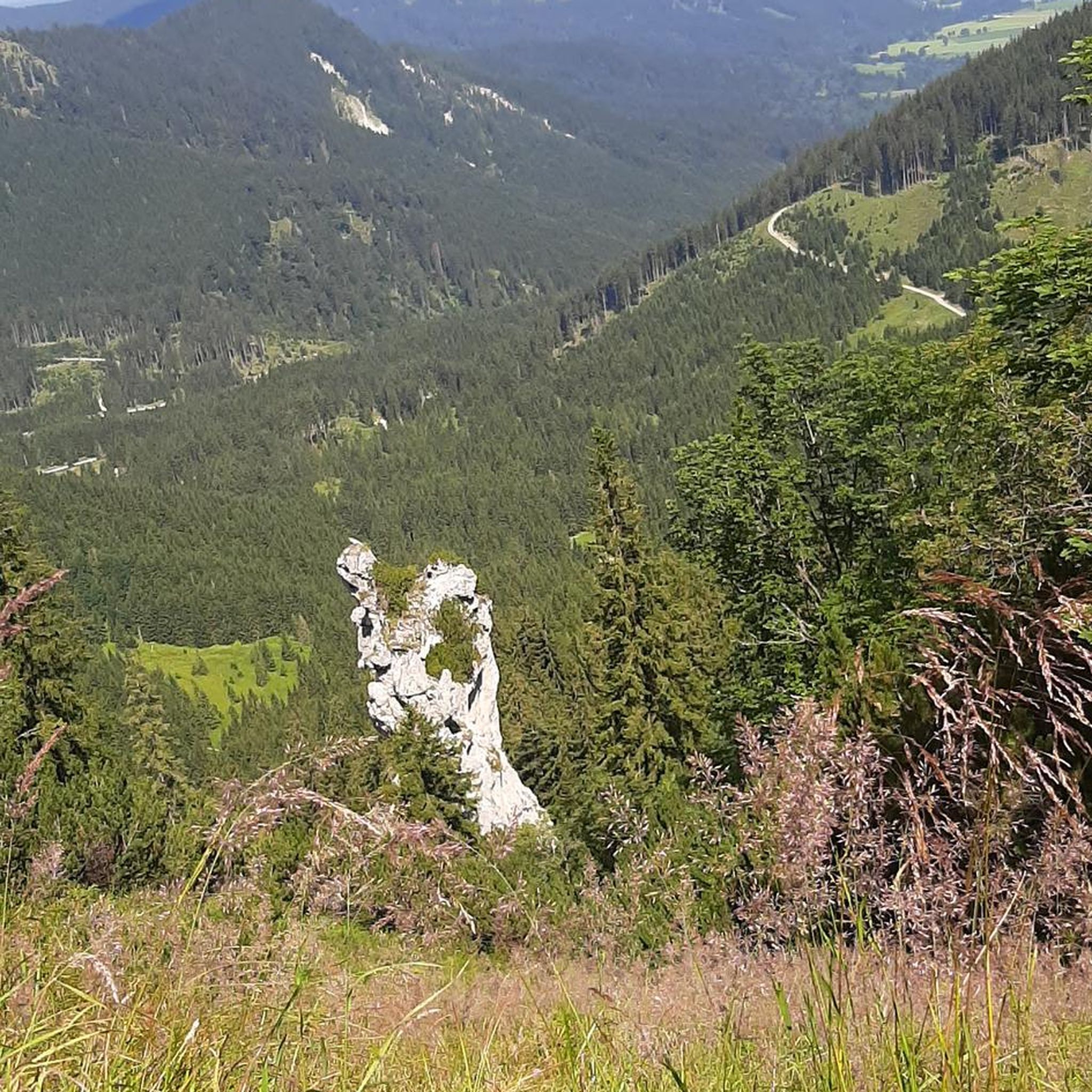
On the SA-205 highway, just outside San Esteban de la Sierra heading towards Santibáñez de la Sierra, you'll find the entrance to the Sierra Viewpoints Route, which includes several spectacular panoramic viewpoints. Views: The Alagón River Valley and its meanders. The Sierra de Francia mountain range with the Peña de Francia peak in the background. The Sierra de Béjar mountain range and the Las Quilamas Natural Area. This viewpoint is a magnificent natural balcony, perfect for photography and birdwatching (vultures, eagles, black storks).
2
0
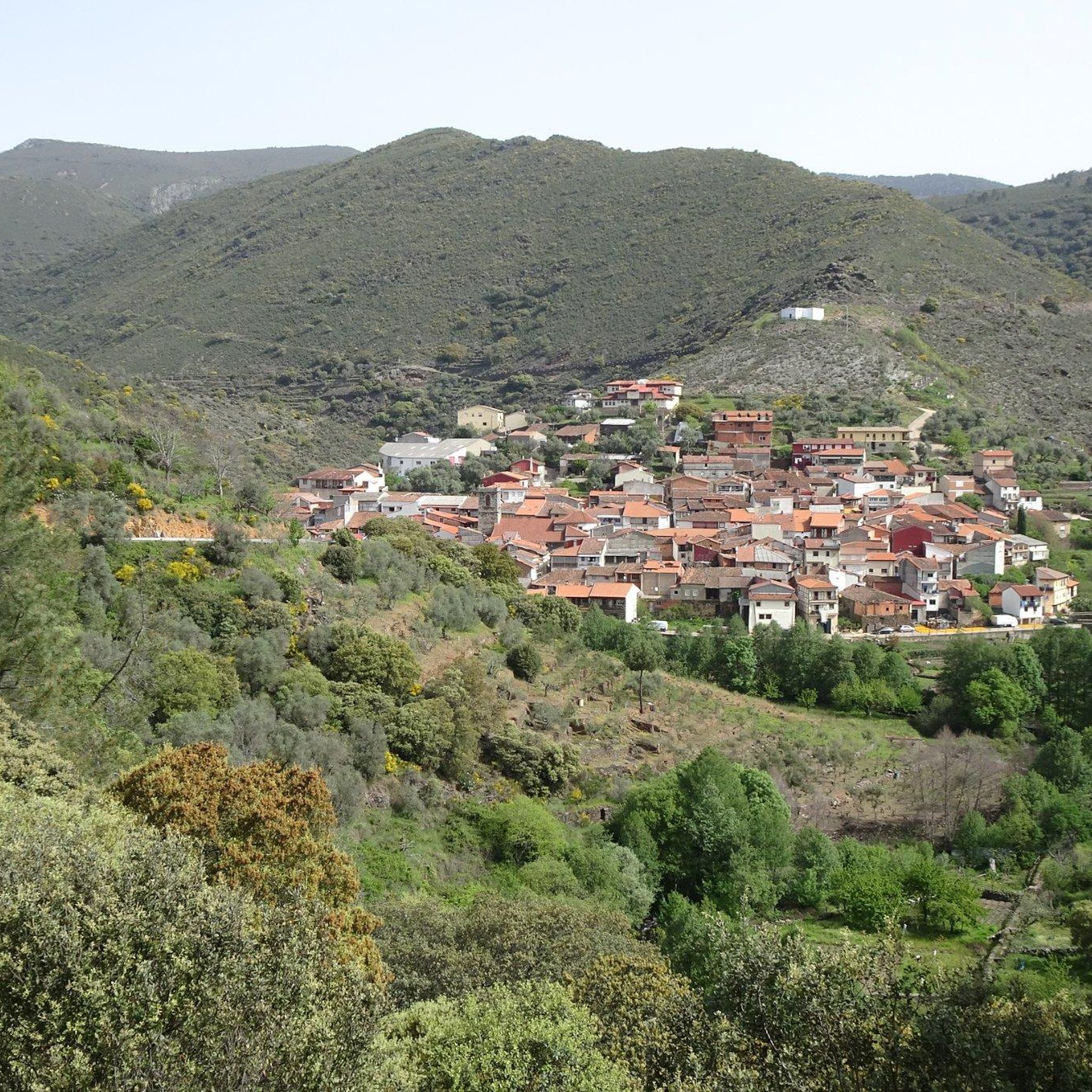
The Plaza Mayor of Mogarraz is the heart of the village and one of its most picturesque spots. Oval shape: Unlike other Castilian squares, Mogarraz's has an irregular, enclosed shape, surrounded by traditional mountain houses with timber framing and stone walls. Traditional architecture: Flower-filled balconies, arcades, and facades adorned with the famous portraits from the "Faces of Mogarraz" art project. Social and historical center: Formerly used for markets and popular celebrations, today it serves as a meeting point for visitors and locals alike. Highlights: Central fountain. Views of the church and cobbled streets leading from the square. Restaurants and bars with terraces where you can sample the local mountain cuisine.
1
0
What to see in Mogarraz The Faces of Mogarraz More than 800 portraits painted on the facades, the work of artist Florencio Maíllo, who transformed the village into an open-air museum. This initiative originated from photos taken in the 1960s for residents' national identity cards. Main Square The central oval-shaped square, surrounded by traditional mountain houses with timber framing and stone walls. Church of Our Lady of the Snows A Renaissance-style church, built between the 16th and 17th centuries. Bell Tower An old defensive tower, separate from the church, used as a watchtower in the Middle Ages. Ethnographic Museum – House of Crafts Exhibits traditional crafts such as embroidery, shoemaking, and goldsmithing.
2
0
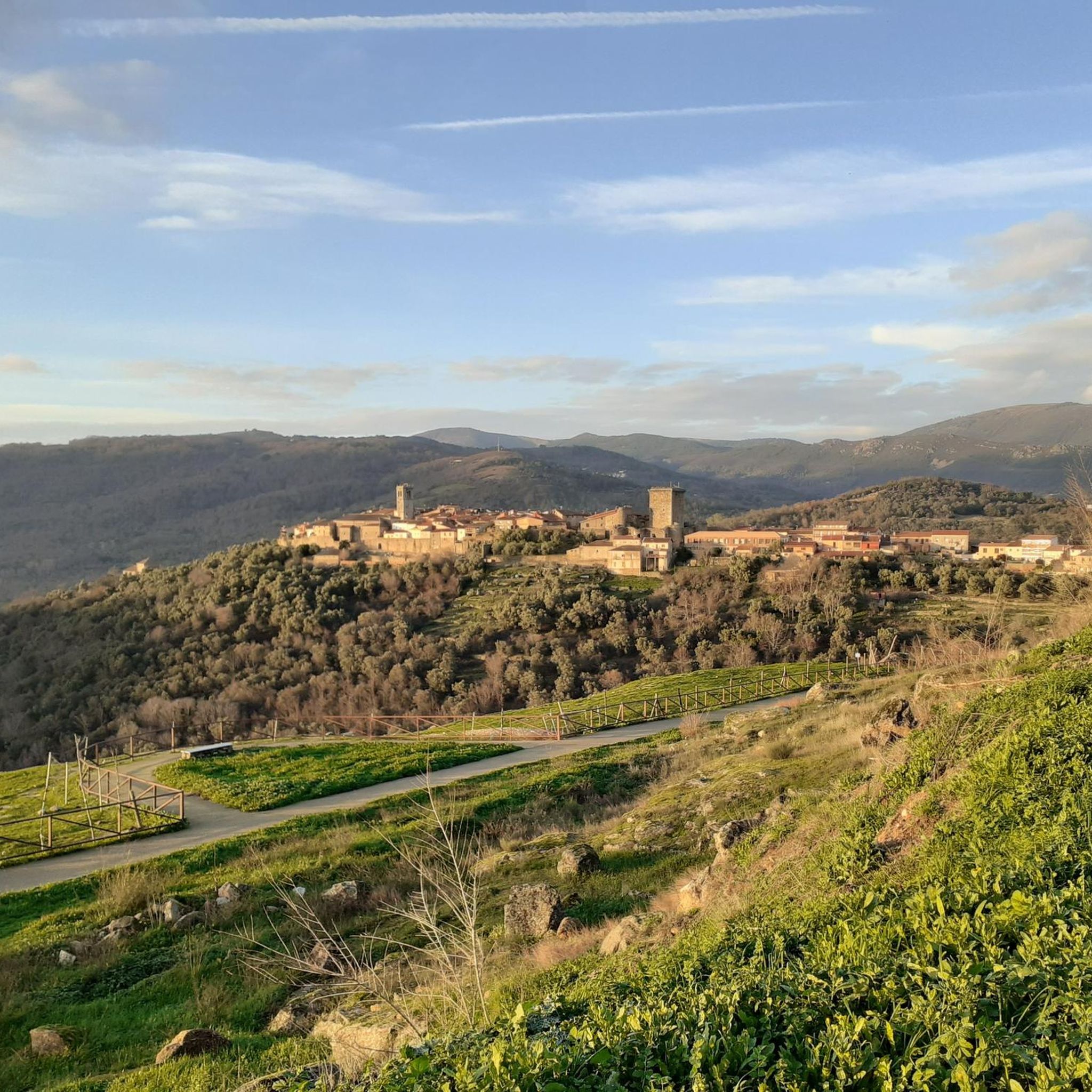
Founded during the 12th-century repopulation of León by Alfonso IX, within the district of Miranda del Castañar. Declared a Historic-Artistic Site in 1998 and a member of the network of the Most Beautiful Villages of Spain. Its mountain architecture combines stone, wood, and adobe, with flower-adorned balconies and heraldic details.
2
0
What to see in Miranda del Castañar Medieval Walls: Over 600 meters remain intact, with four gates facing the cardinal directions: San Ginés, Nuestra Señora, La Villa, and El Postigo. Zúñiga Castle: A 15th-century fortress, symbol of the former County of Miranda. Although the interior is not open to the public, its exterior and keep are impressive. Square Bullring: Considered one of the oldest in Spain, built in the 16th century on the site of the former parade ground. Church of Santiago and San Ginés: Gothic in style (13th-16th centuries), with a detached 17th-century bell tower. Houses with Coats of Arms: More than 80 noble coats of arms adorn the facades, reflecting the town's aristocratic past.
1
0
Miranda del Castañar, one of the most beautiful villages in Spain, is located in the Sierra de Francia (Salamanca): Founded in 1213 by Alfonso IX of León as a town and council, it was the administrative capital of the Sierra de Francia. In the 15th century, the County of Miranda was created under the control of the Zúñiga family, consolidating its strategic importance.
1
0
Frequently Asked Questions
How many hiking trails are available around Santibáñez De La Sierra?
There are over 18 hiking trails around Santibáñez De La Sierra, offering a range of experiences from easy strolls to more challenging ascents through varied terrain.
What kind of terrain can I expect on hikes in Santibáñez De La Sierra?
The region features a diverse landscape with 'accidental relief,' including numerous valleys carved by streams and rivers, alongside moderately elevated peaks like Pico Cervero. You'll hike through magnificent Mediterranean forests dominated by oak, chestnut, and cork oak, transitioning to unique mixed forests in more humid areas.
Are there any easy hiking trails suitable for beginners in Santibáñez De La Sierra?
Yes, there are several easy options. For instance, the Miranda de Castañar – Miranda del Castañar loop from Miranda del Castañar is an easy 4.4-mile trail that takes less than two hours to complete, leading through traditional villages.
Are there any challenging hikes for experienced trekkers?
Absolutely. For those seeking a challenge, the Balcon de Pilatos via the Trasiegos Path – Quilamas Natural Space is a difficult 6.0-mile path offering impressive views within the Espacio Natural de las Quilamas.
Can I find circular hiking routes in the area?
Yes, many routes are circular, allowing you to start and end in the same location. A notable example is the Miranda del Castañar - Villanueva del Conde – circular by the Camino de los Prodigios, which uniquely integrates art installations into the natural environment.
What natural features or landmarks can I see along the trails?
Hikers can explore diverse natural features. The Espacio Natural de las Quilamas offers sights like the Cueva de la Quilama and the summit of Cervero Peak. You might also encounter the Granite Theme Park or the Soto Bridge - Alagón River.
Are there any cultural attractions or charming villages to visit while hiking?
Many hiking routes connect or pass through stunning traditional villages. You can explore places like Miranda del Castañar and Mogarraz, which are rich in culture, architecture, and local cuisine, providing cultural stops along your natural paths.
What makes hiking in Santibáñez De La Sierra unique?
The region is unique for its blend of natural beauty and cultural integration. It's part of the Las Batuecas-Sierra de Francia Natural Park, a UNESCO Biosphere Reserve, featuring innovative 'Caminos de Arte en la Naturaleza' (Art in Nature Trails) that combine hiking with contemporary art installations, such as the Camino de los Prodigios.
What do other hikers enjoy most about hiking in Santibáñez De La Sierra?
The area is highly rated by the komoot community, with an average score of 4.4 stars. Reviewers often praise the diverse landscapes, the well-preserved Mediterranean forests, and the unique integration of art and traditional villages along the trails.
Is there an opportunity for wildlife observation while hiking?
Yes, the Espacio Natural de las Quilamas and the wider Sierra de Francia-Quilamas region are home to diverse wildlife. You might spot black vultures, black storks, Egyptian vultures, golden eagles, peregrine falcons, wild boars, wildcats, badgers, otters, and foxes.
When is the best time of year to go hiking in Santibáñez De La Sierra?
The region's Mediterranean climate generally makes spring and autumn ideal for hiking, with milder temperatures and lush landscapes. Summer can be warm, but the shaded forest trails offer respite. Winter hiking is also possible, though some higher elevations might experience cooler conditions.
Are there any hikes that feature prehistoric sites?
Yes, within the Las Batuecas-Sierra de Francia Natural Park, you can find prehistoric cave paintings, adding a historical dimension to the natural exploration on some trails.
Most popular routes around Santibáñez De La Sierra
Most popular attractions around Santibáñez De La Sierra

Get inspired with the komoot mobile app


Explore more
Browse the best Hikes in other regions.
