Attractions and Places To See around Benaoján - Top 20
Best attractions and places to see around Benaoján include a variety of natural features and cultural sites nestled within the Serranía de Ronda. The village, characterized by its Arabic layout and whitewashed houses, serves as a gateway to the Sierra de Grazalema Natural Park. This region offers a landscape of valleys, canyons, and significant cave systems like Cueva de la Pileta and Cueva del Gato. The Guadiaro River also flows through the area, contributing to the diverse natural environment.
Best…
Last updated: August 16, 2026
New Bridge
Highlight • Bridge
Showing Translation
Tip by

Arab Bridge of Ronda
Highlight • Bridge
Translated by Google •
Tip by

Sign up now to discover places like this
Get recommendations on the best single tracks, peaks, & plenty of other exciting outdoor places.
Sign up for free
Parador of Ronda
Highlight • Restaurant
Translated by Google •
Tip by

Cuenca Gardens
Highlight • Viewpoint
Translated by Google •
Tip by

Tajo de Ronda (Ronda Gorge)
Highlight • Gorge
Translated by Google •
Tip by
Sign up for free to discover even more attractions around Benaoján.
Sign up for free
Already have an account?
Start today with a free account
Your next adventure awaits.
Login or Signup
Popular around Benaoján
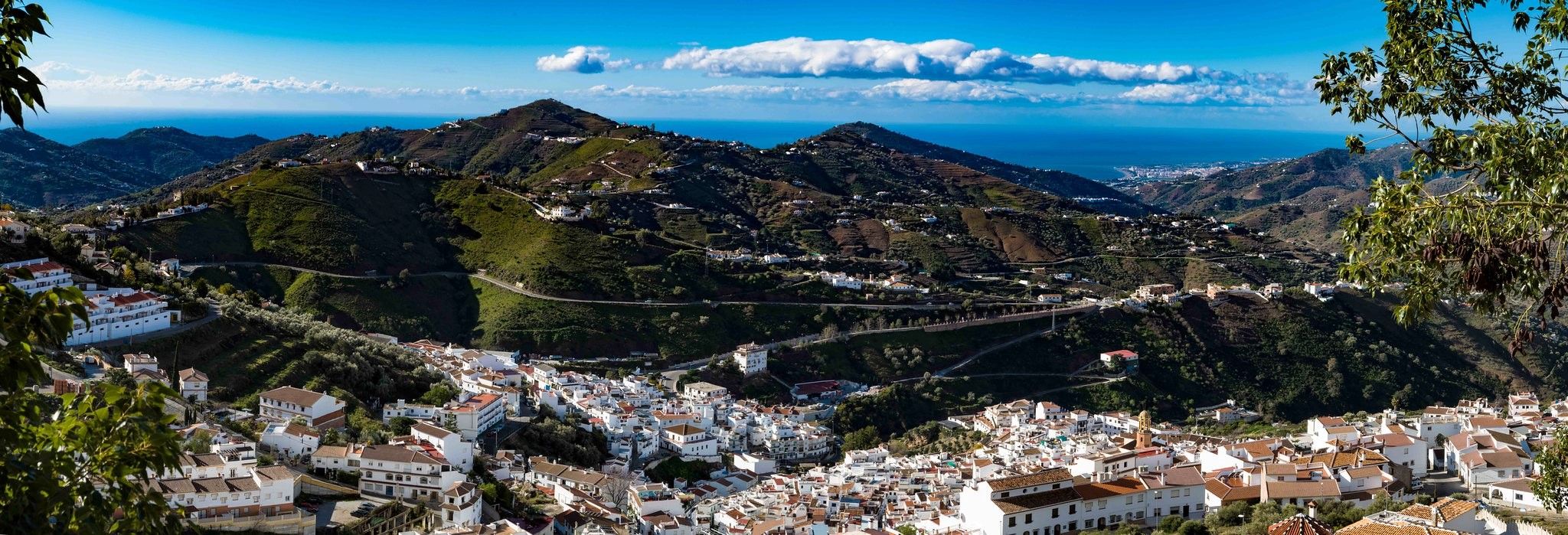
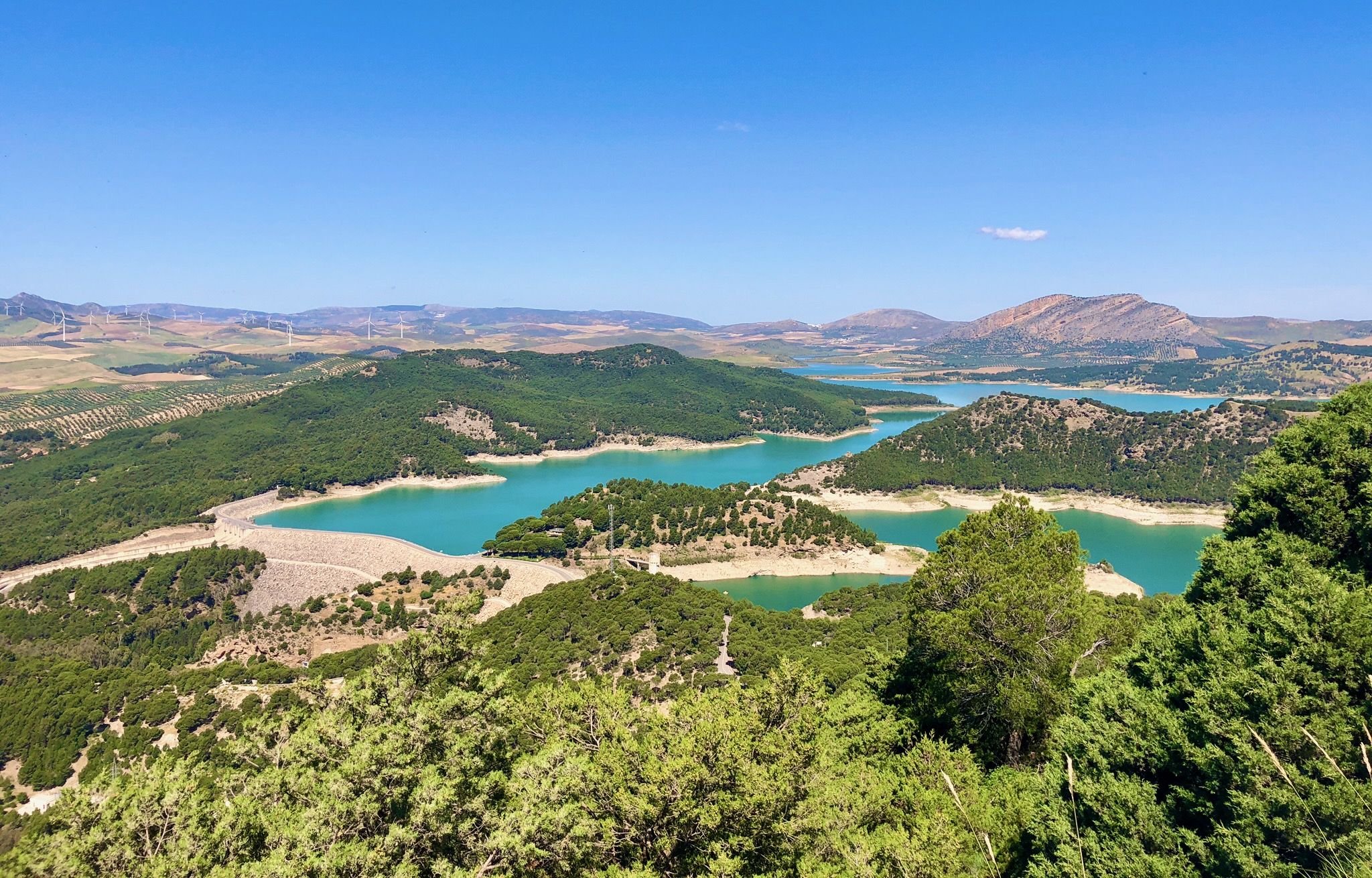
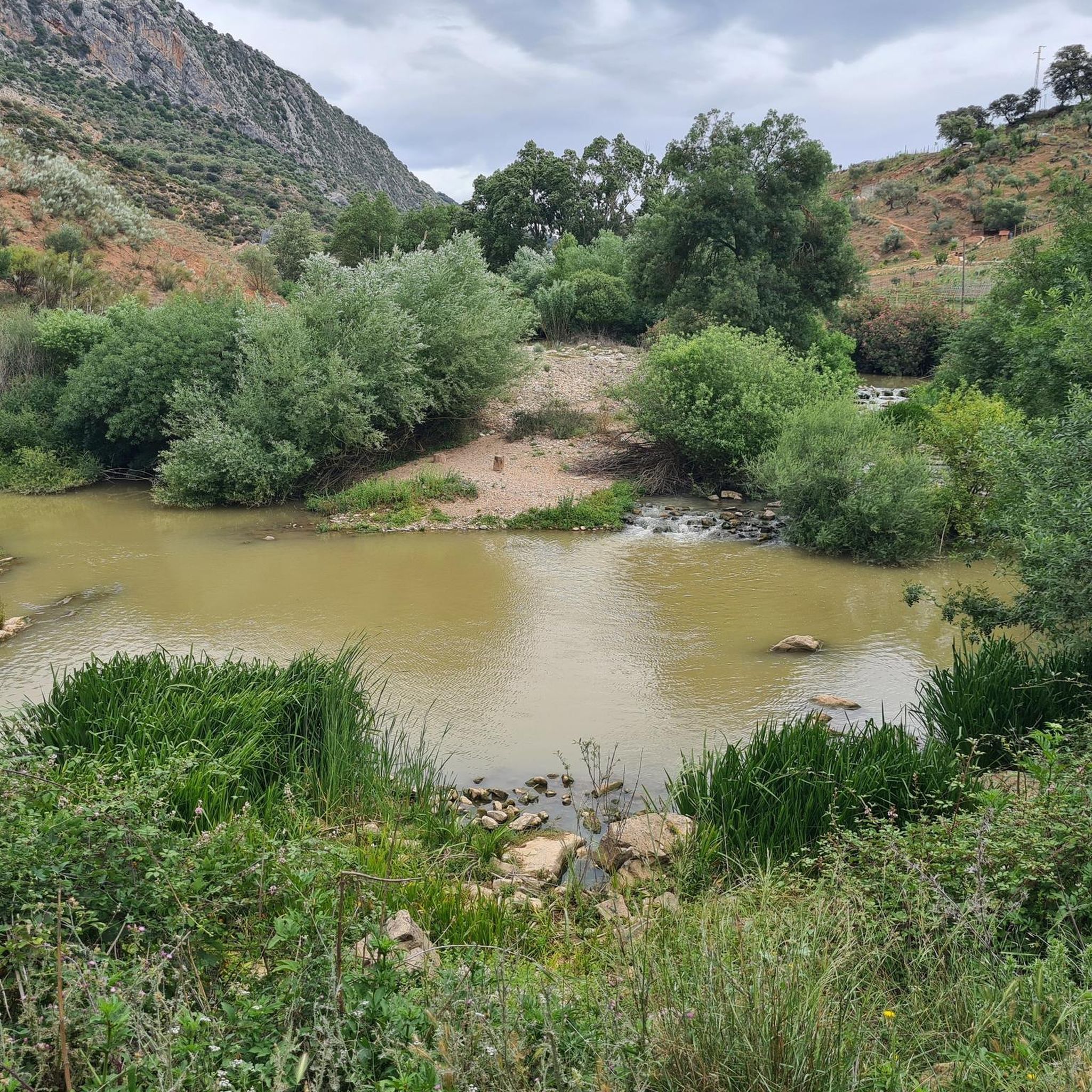


Tips from the Community

A hiking trail leads from Ronda to below the bridge.
0
0

Above the gorge, so stately and refined, lies the Parador, with a view so pure. The palace embraces the mountains and stone, a place steeped in history, elegant and serene. The Tajo River sparkles, the Puente Nuevo nearby, whoever stays here feels Ronda's magic. A refuge of tranquility, of charm and splendor, where past and present gently await each other.
2
0
The Tajo de Ronda is the spectacular gorge that literally splits the heart of Ronda in two. 🌄 • It is approximately 120 meters deep and carved out by the Guadalevín River, which flows right through the city. • Impressive bridges stand above the gorge, the most famous and iconic of which is the Puente Nuevo. This bridge connects the old Moorish city with the newer part of Ronda. • For centuries, the Tajo served as both a natural defense against enemies and a challenge to urban expansion. • From its edges, you have breathtaking views of the Ronda valley, the Serranía mountains, and the white villages in the distance. It is one of the most photographed places in Andalusia and a highlight of Ronda's charm: nature and architecture in a dramatic interplay.
1
0

From the new bridge there is a good view of Puente Viejo: an old stone bridge that is one of three bridges that spans the deep Tajo de Ronda gorge with the Guadalevín river in it.
19
1

A very popular location. The main building is the old town hall of Ronda, built in the 18th century, of which the original main facade with an arcaded gallery, cornices and the traditional clock still remains today. The rest of the complex is located on the site where the Plaza de Abastos Central was until 1974 and on other adjacent plots where a cable car station over the Tajo de Ronda was to be built. The current hotel "Parador de Ronda" is part of the network of National Tourism Paradors and is located in the center of the city of Ronda. Most Paradores in Spain are located in historically significant places or in outstanding landscape locations and often offer remarkably beautiful views. The hotel opened in 1994, is located on the edge of the Tajo de Ronda and next to the Puente Nuevo and offers views of the Tajo Gorge and the Los Molinos Valley with the Guadalevín River. There is a publicly accessible promenade around the Parador with terraces and viewing points. You don't have to stay in a hotel room - a short break on the outdoor terrace with coffee and cake is already a special experience. An extraordinary atmosphere combined with wonderful views and impressions. It will stay in your memory!
9
0

The Arab Bridge of Ronda or Puente de las Curtiderías is located a few meters from the famous Arab Baths of the city. It is accessed by going down from the old bridge and Arco de Felipe V. Popularly known as Puente Romano, there is nothing in the current plant that betrays such an origin. However, it cannot be ruled out that there was a bridge from Roman times in the same place, since the location was the only one that allowed access to the city from the north.
9
0
The Puente Árabe "Arab Bridge" is the oldest of the three bridges in Ronda. The stone bridge spans the Guadalevín River, which flows in the Tajo de Ronda gorge. The bridge is located outside the city walls of Ronda and is lower than the neighboring Puente Viejo.
12
0
The Puente Nuevo is certainly the most famous landmark of the city of Ronda. It spans the spectacular El Tajo gorge, which separates the old town "La Ciudad" from the newer town "El Mercadillo". The bridge is about 98 meters high and was built in the 18th century to connect the two parts of the city. The construction of the bridge began in 1751, lasted 42 years, and was completed in 1793. The structure is made of massive stone and offers breathtaking views of the surrounding mountains and the gorge below. Inside the bridge, there is a small room that was formerly used as a prison. A symbol of Ronda's impressive architecture and history. The Puente Nuevo in Ronda is a real highlight and an absolute must for those seeking impressive views and an unforgettable experience. A visit to the Puente Nuevo is therefore not only a visual highlight but also an experience that combines history, nature, and adventure. There are places where you should have been. This is certainly one of them! The fascinating impressions leave a lasting impression.
17
1
Frequently Asked Questions
What natural wonders can I explore near Benaoján?
The region around Benaoján is rich in natural beauty. You can visit the Cueva de la Pileta, famous for its Paleolithic cave paintings and stunning formations, or the Cueva del Gato, known for its complex underground river system and crystal-clear waters. Benaoján is also situated within the vast Sierra de Grazalema Natural Park, offering diverse landscapes, and the River Guadiaro and Nacimiento de Benaoján provide serene spots for swimming and enjoying nature.
Are there any significant historical sites in Benaoján itself?
Yes, Benaoján has its own historical charm. You can explore the Nuestra Señora del Rosario Church, which retains its original 17th-century construction. Traces of the ancient Torre del Moro, a Moorish tower used to monitor the Guadiaro valley, also remain. The village's historic center, with its traditional Arab-designed layout and whitewashed houses, offers a cultural experience, transporting visitors back in time.
What are the most notable bridges to see near Benaoján?
Near Benaoján, in Ronda, two bridges stand out. The most popular is the Puente Nuevo (New Bridge), which offers breathtaking views of the deep Tajo de Ronda gorge. Another must-see is the Arab Bridge of Ronda, the oldest of the three bridges in Ronda, spanning the Guadalevín River near the Arab Baths.
What outdoor activities can I do near these attractions?
Benaoján is an excellent destination for active tourism. You can enjoy hiking, climbing, and speleology in its famous caves. Canoeing on the Guadiaro River is also popular. For cyclists, there are numerous routes for gravel biking, mountain biking, and touring. You can find more details on routes like 'City of Ronda – Puerto del Viento loop' or 'Sierra de las Salinas – circular desde Ronda' in the Gravel biking around Benaoján, MTB Trails around Benaoján, and Cycling around Benaoján guides.
Are there any family-friendly attractions or activities?
Yes, several attractions are suitable for families. The Parador of Ronda, with its stunning views, is considered family-friendly. The Cuenca Gardens, with their ingenious arrangement of stepped terraces, also offer a pleasant family outing. Exploring the historic village center of Benaoján itself, with its narrow streets, can be an engaging experience for all ages. The Nacimiento de Benaoján is also a great spot for family picnics and enjoying nature.
What is the Tajo de Ronda and how can I experience it?
The Tajo de Ronda (Ronda Gorge) is a spectacular natural formation carved by the Guadalevín River, dividing the city of Ronda into two parts. You can experience its grandeur from various viewpoints, including those near the Puente Nuevo and the Cuenca Gardens. The gorge's deep chasm and the river flowing through it are a defining feature of the area.
What local cultural experiences or events are available in Benaoján?
For a taste of local culture and gastronomy, consider visiting during the Feria de la Chacina. This festival celebrates Benaoján's internationally recognized cured meats and pork products, offering a unique insight into the region's culinary traditions.
What are the best viewpoints to capture the scenery?
Many spots offer impressive views. The Puente Nuevo in Ronda provides iconic vistas of the Tajo gorge. The Parador of Ronda, situated next to the bridge, also boasts unparalleled views of the gorge and the Los Molinos Valley. Additionally, the Cuenca Gardens offer spectacular perspectives of the Tajo de Ronda from their terraced layout.
Are there opportunities for adventurous activities like Via Ferrata?
Yes, for the adventurous, Benaoján offers a thrilling Via Ferrata Benaoján. This equipped climbing route provides an exciting challenge with impressive views of the white village and the surrounding landscape.
What is the Sierra de Grazalema Natural Park like, and what can I see there?
The Sierra de Grazalema Natural Park, a UNESCO Biosphere Reserve, is a vast protected area spanning over 50,000 hectares. It features unique landscapes with valleys, canyons, and numerous caves. The park is ideal for various outdoor activities and is home to diverse flora, including holm oaks and Portuguese oaks, and a rich array of wildlife such as griffon vultures, eagles, and the Spanish ibex.
What is the Montejaque Dam and why is it significant?
The Montejaque Dam, also known as Presa de los Caballeros, is an abandoned dam with significant industrial and historical value. It is directly linked to the Cueva del Hundidero-Gato system. It recently gained attention after filling up with rain in 2026, highlighting its connection to the region's unique hydrological features.
Most popular routes around Benaoján
Most popular attractions around Benaoján

Get inspired with the komoot mobile app


Explore more
Still not found the Highlight you’re looking for? See guides of the top attractions in other regions:
