The best walks and hikes around Benaoján
4.2
(498)
2,086
hikers
17
hikes
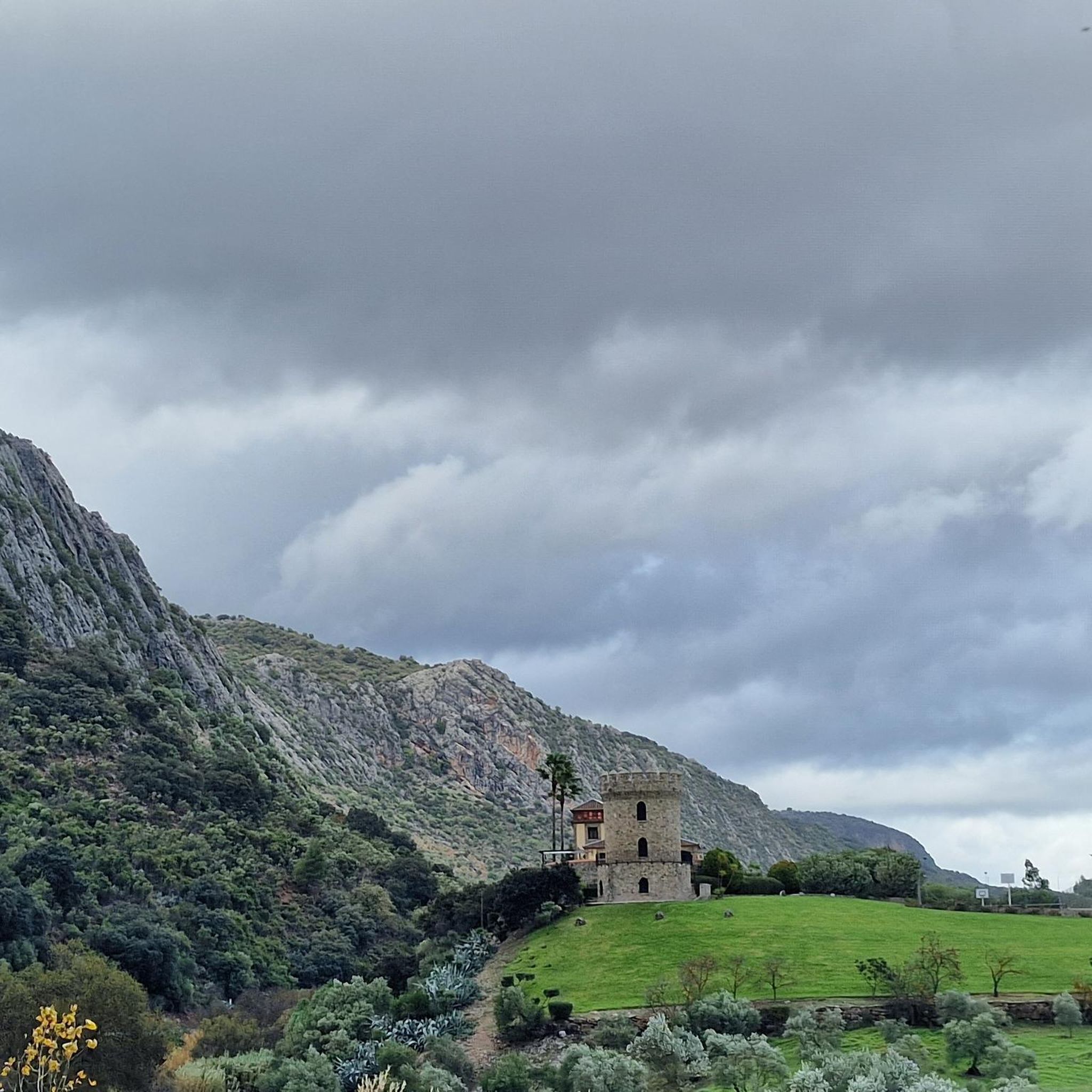
Hiking around Benaoján offers access to diverse and dramatic natural landscapes within the Serranía de Ronda. The region is characterized by the impressive limestone massif of Sierra de Líbar and the Guadiaro River, creating rugged, karst formations, valleys, and canyons. It is an integral part of the Sierra de Grazalema Natural Park, a UNESCO Biosphere Reserve. This geological setting provides varied terrain for hikers, from riverside paths to more challenging ascents.
Best hiking trails around Benaoján
- The most popular hiking route is Natural Monument Cueva del Gato via the Guadiaro River, a 3.2 miles (5.1 km) trail that takes 1 hour 23 minutes to complete. This easy path leads to the distinctive entrance of the Cueva del Gato, said to resemble a cat's eye.
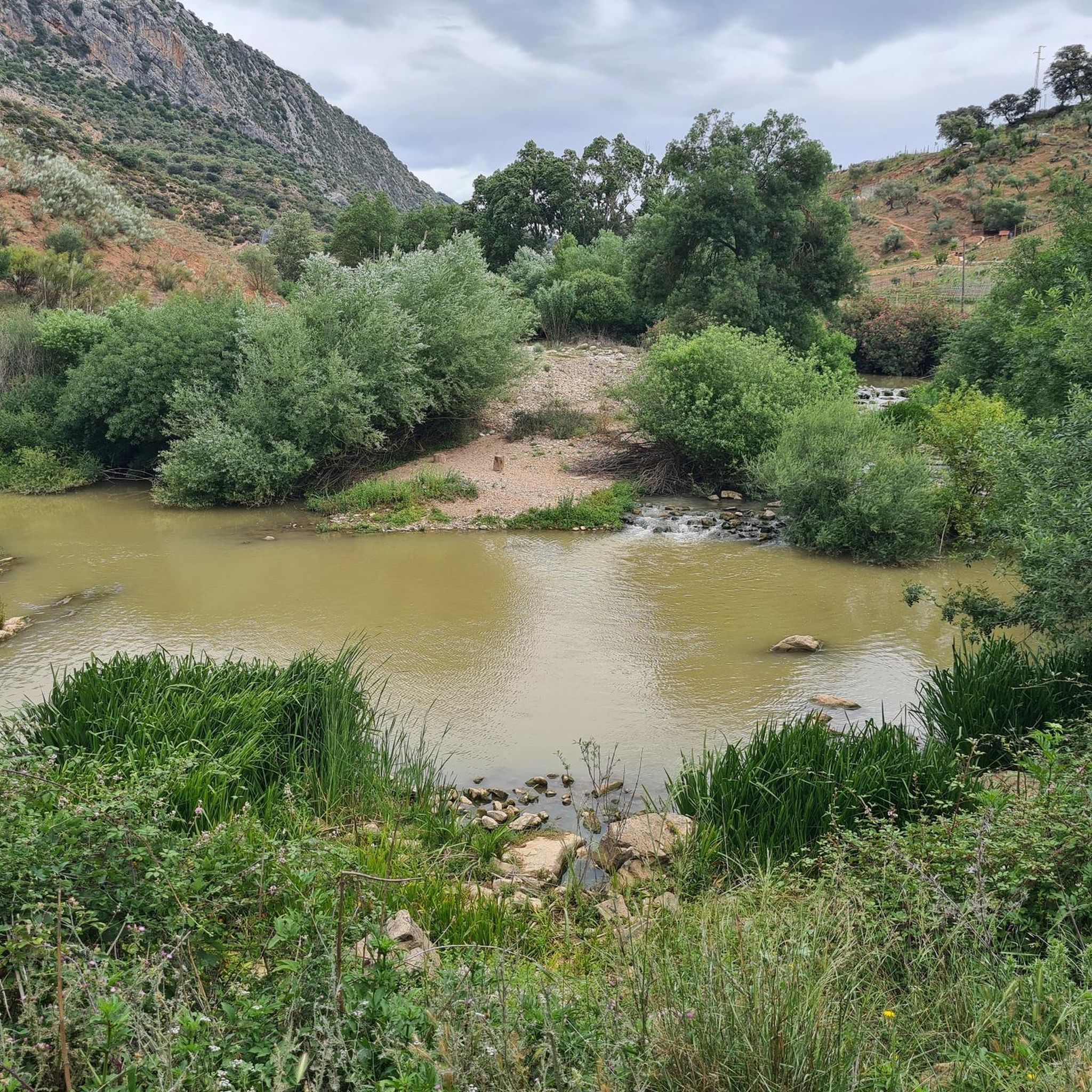
- Another top favourite among local hikers is Hermitage Pond – Guadiaro River Trail loop from Benaoján, a moderate 9.0 miles (14.4 km) path. This route traces the banks of the Guadiaro River, offering serene views of the water and surrounding nature.
- Local hikers also love the Charco de la Barranca – Cat Cave loop from Benaojan-Montejaque, a 13.8 miles (22.2 km) trail leading through varied terrain including the Charco de la Barranca, often completed in about 6 hours 33 minutes.
- Hiking around Benaoján is defined by limestone massifs, the Guadiaro River, and karst formations. The network offers options for different ability levels, from easy strolls to demanding multi-hour treks.
- The routes in Benaoján are highly rated by the komoot community with an average score of 4.3 stars from over 400 reviews. More than 1800 hikers have used komoot to explore Benaoján's varied terrain.
Last updated: October 12, 2026
4.7
(28)
161
hikers
5.11km
01:23
70m
70m
Easy hike. Great for any fitness level. Easily-accessible paths. Suitable for all skill levels.
4.9
(31)
141
hikers
15.3km
04:13
260m
260m
Moderate hike. Good fitness required. Easily-accessible paths. Suitable for all skill levels.

4.2
(13)
61
hikers
22.2km
06:34
630m
630m
Hard hike. Very good fitness required. Easily-accessible paths. Suitable for all skill levels.
4.8
(4)
15
hikers
4.01km
01:04
40m
40m
Easy hike. Great for any fitness level. Easily-accessible paths. Suitable for all skill levels.
4.3
(4)
8
hikers
8.97km
02:32
180m
180m
Moderate hike. Good fitness required. Easily-accessible paths. Suitable for all skill levels.
Get access to more routes and recommendations from other explorers.
Already have an account?
Our route recommendations are based on thousands of hikes, rides, and runs completed by other people on komoot.
Start today with a free account
Your next adventure awaits.
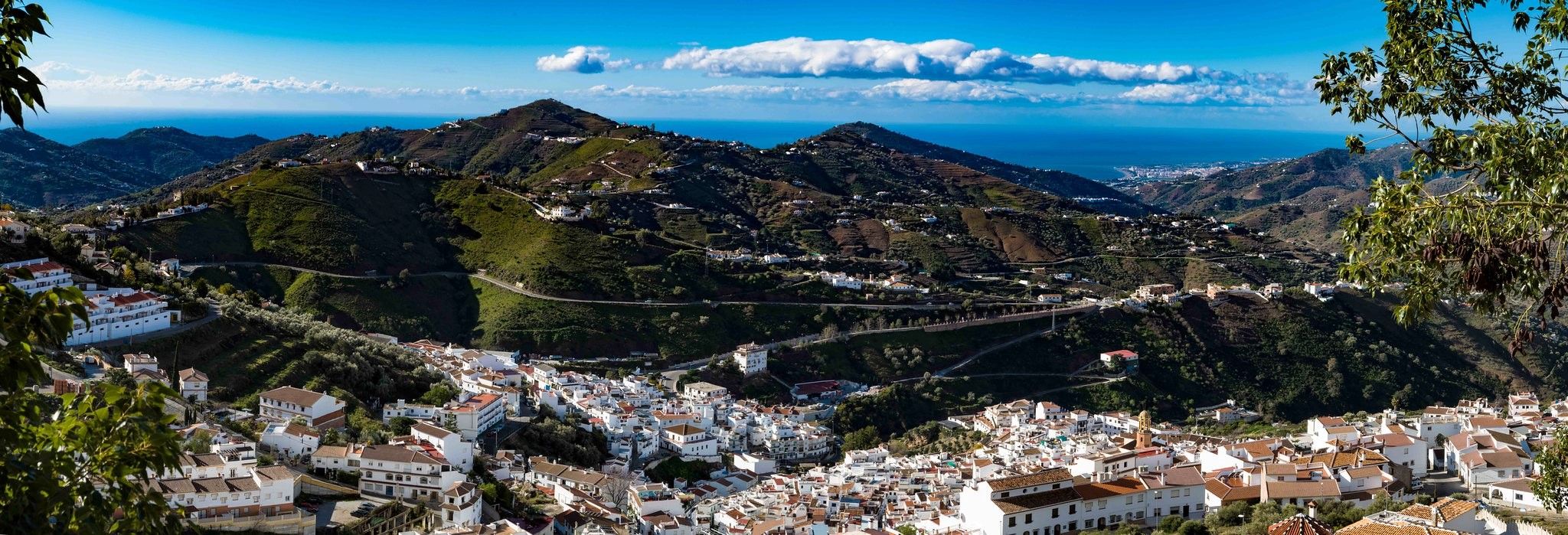
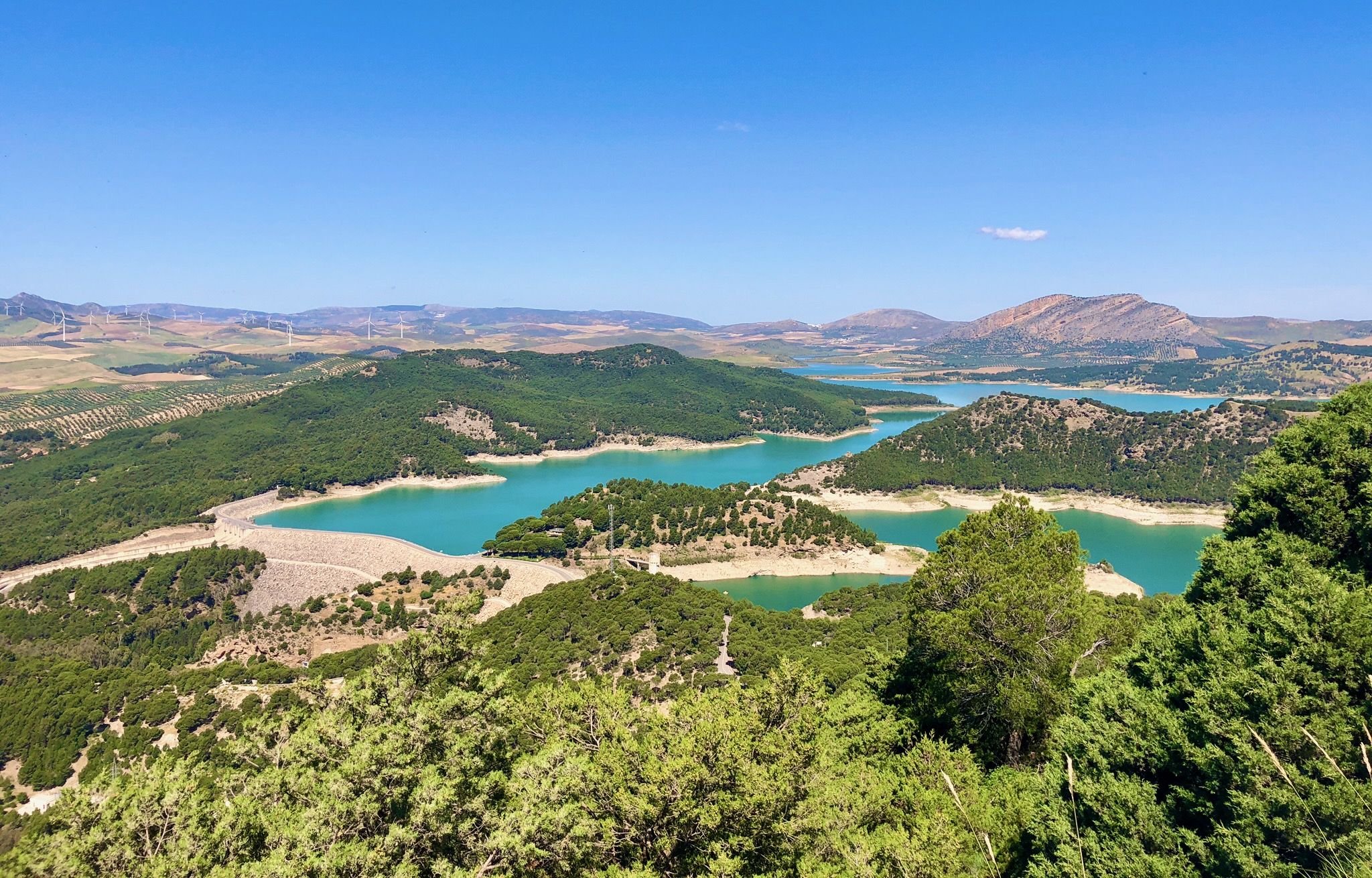
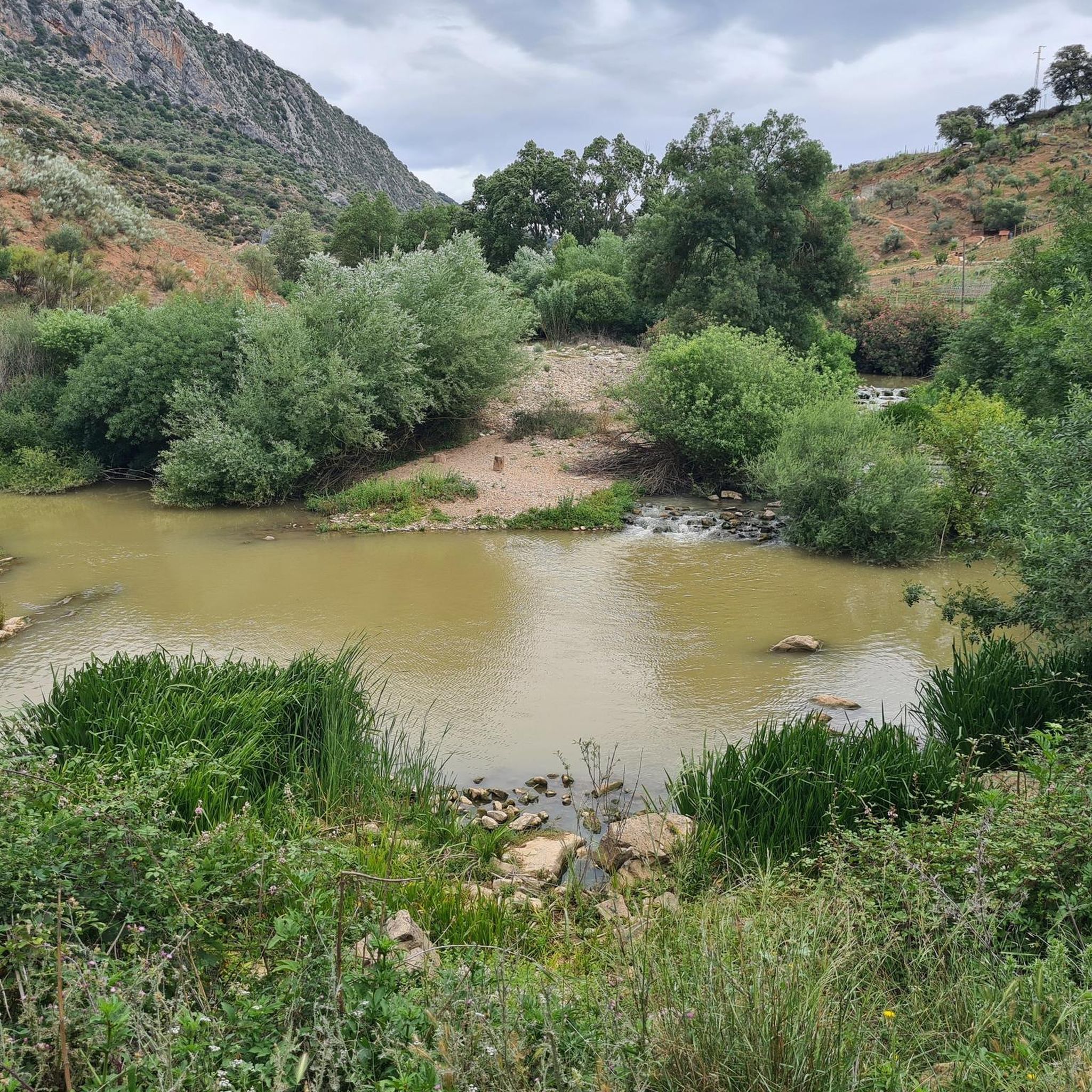


Tips from the Community


Beautiful mountain path along the cliffs. Wide views along the route you are yet to walk. Saw lizards.
0
0


A beautiful place, and definitely very impressive after rain. It is also easy to reach, e.g. just a few minutes' walk from the train station.
0
0

Wonderful stretch of the hiking trail between Montejaque and Ronda. You have a wonderful view of the city of Ronda.
2
0


The cave was created out of necessity. The Sierra del Algarrobo blocks the Gaduares river, forcing the river to erode the rocks to find a way out. The resulting cave complex is nothing short of spectacular. The Cueva del Gato, 17 meters wide and 25 meters high, offers a hollowed-out natural space, where the Gaduares river re-emerges and joins the Guadiaro river. The main passage is over 4 km long. During the drier seasons, 25 individual lakes appear in the cave complex. The longest of these is the so-called Storm Cape and is 114 meters long. The lakes can only be crossed by swimming. The cave has a length of just over 8 km, but you are not allowed to enter it.
0
0

Frequently Asked Questions
How many hiking trails are available around Benaoján?
There are over a dozen hiking routes around Benaoján, catering to various skill levels. You'll find 7 easy trails, 6 moderate, and 3 more challenging options to explore the diverse landscapes of the Serranía de Ronda.
What are the best trails for beginners or families with children?
For an easy and family-friendly option, consider the Natural Monument Cueva del Gato via the Guadiaro River. This 5.1 km trail is relatively flat and leads to the distinctive entrance of the Cueva del Gato. Another short, easy option is the Cat Cave loop from Benaoján, which is less than a kilometer.
Are there any circular hiking routes in Benaoján?
Yes, Benaoján offers several circular routes. A popular moderate option is the Hermitage Pond – Guadiaro River Trail loop from Benaoján, which is 14.4 km long. For a shorter moderate loop, try the Cat Cave – Charco de la Barranca loop from Benaojan-Montejaque, spanning 8.9 km. The region also features a circular route through the Llanos de Libar and del Republicano, allowing you to explore the heart of the Sierra de Líbar.
What natural landmarks or attractions can I see while hiking?
The trails around Benaoján offer access to several significant natural and historical sites. You can visit the famous Cat Cave (Cueva del Gato), known for its distinctive entrance and underground river system. Another highlight is the Cueva de la Pileta, renowned for its Paleolithic cave paintings. The Puente Nuevo (New Bridge) in Ronda and the dramatic Tajo de Ronda (Ronda Gorge) are also within reach, offering spectacular views.
Are there any opportunities for wild swimming or refreshing stops along the trails?
Yes, the Guadiaro River is a central feature of the area, and a significant highlight is the "Nacimiento de Benaoján" (Benaoján Spring). Here, underground waters from the Sierra de Líbar emerge to form a serene, clear, and cold lagoon, perfect for a refreshing stop during your hike.
What is the best time of year to go hiking in Benaoján?
The best times for hiking in Benaoján are typically spring and autumn when the weather is mild and the natural landscape is at its most vibrant. Summers can be very hot, making early mornings or late afternoons preferable for hiking. Winters are generally mild, but some trails might be affected by rain, especially those near the Cueva del Gato, which can be hazardous during heavy rainfall.
Can I bring my dog on the hiking trails in Benaoján?
Many trails in the Serranía de Ronda and Sierra de Grazalema Natural Park are dog-friendly, but it's always advisable to keep your dog on a leash, especially in protected areas to protect wildlife and other hikers. Be mindful of local regulations and ensure your dog is well-behaved around livestock and other animals you might encounter.
What kind of wildlife can I expect to see while hiking?
The region is rich in diverse flora and fauna. While hiking, you might spot griffon vultures, eagles, the Spanish ibex, Bonelli's eagles, peregrine falcons, otters, Egyptian mongooses, and wild boars. The routes through the Sierra de Líbar are also home to holm oaks and Portuguese oaks.
Are there any long-distance hiking routes that pass through Benaoján?
Yes, Benaoján is part of two significant long-distance routes. It is an integral segment of the GR 7, an extensive long-distance hiking route that traverses Spain. Additionally, the village is a segment of the 25th stage of the Great Malaga Path, offering opportunities for multi-day treks.
What do other hikers enjoy most about hiking in Benaoján?
The area is highly rated by the komoot community, with an average score of 4.3 stars from over 400 reviews. Hikers frequently praise the dramatic and diverse natural landscapes, the unique karst formations, and the serene paths along the Guadiaro River. The variety of trails, from easy riverside strolls to challenging mountain treks, is also a major draw.
Is public transport available to reach trailheads in Benaoján?
Benaoján has a train station (Benaoján-Montejaque) which can be a convenient way to access some trailheads, including routes leading to the Cueva de la Pileta. This allows for linear walks or accessing the village without a car. It's recommended to check local train schedules for planning your trip.
Are there any specific permits required for hiking or visiting caves?
While most hiking trails do not require permits, entry into specific natural monuments like the Cueva del Gato can be hazardous during heavy rains and may require appropriate permits and equipment for exploration beyond the entrance. The Cueva de la Pileta can be visited by appointment. It's always best to check with local authorities or visitor centers for the latest requirements, especially for cave exploration.
Most popular attractions around Benaoján

Get inspired with the komoot mobile app


Explore more
Browse the best Hikes in other regions.
