The best cycling routes around Nature Reserve Diaccia Botrona
4.1
(1005)
8,366
riders
12
rides
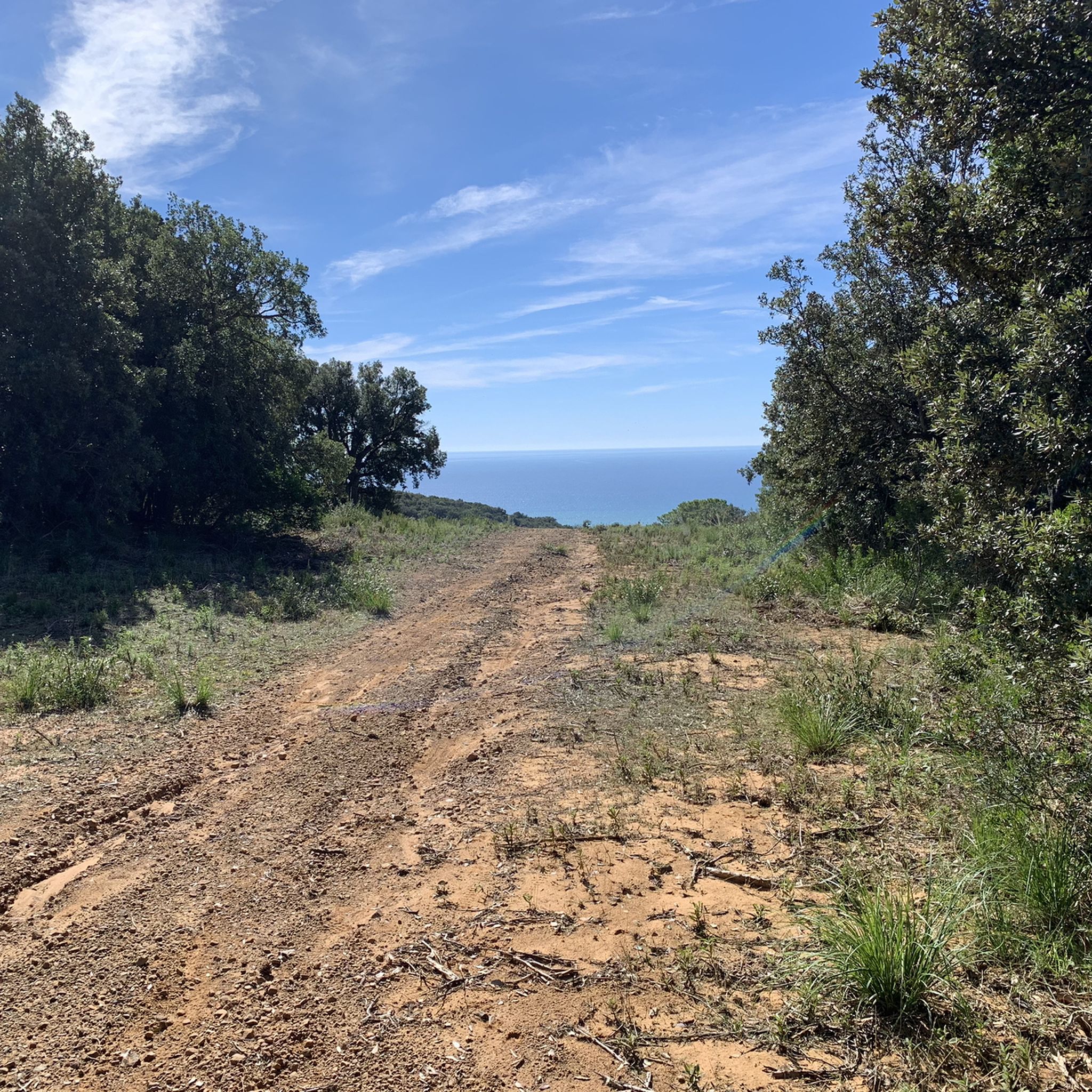
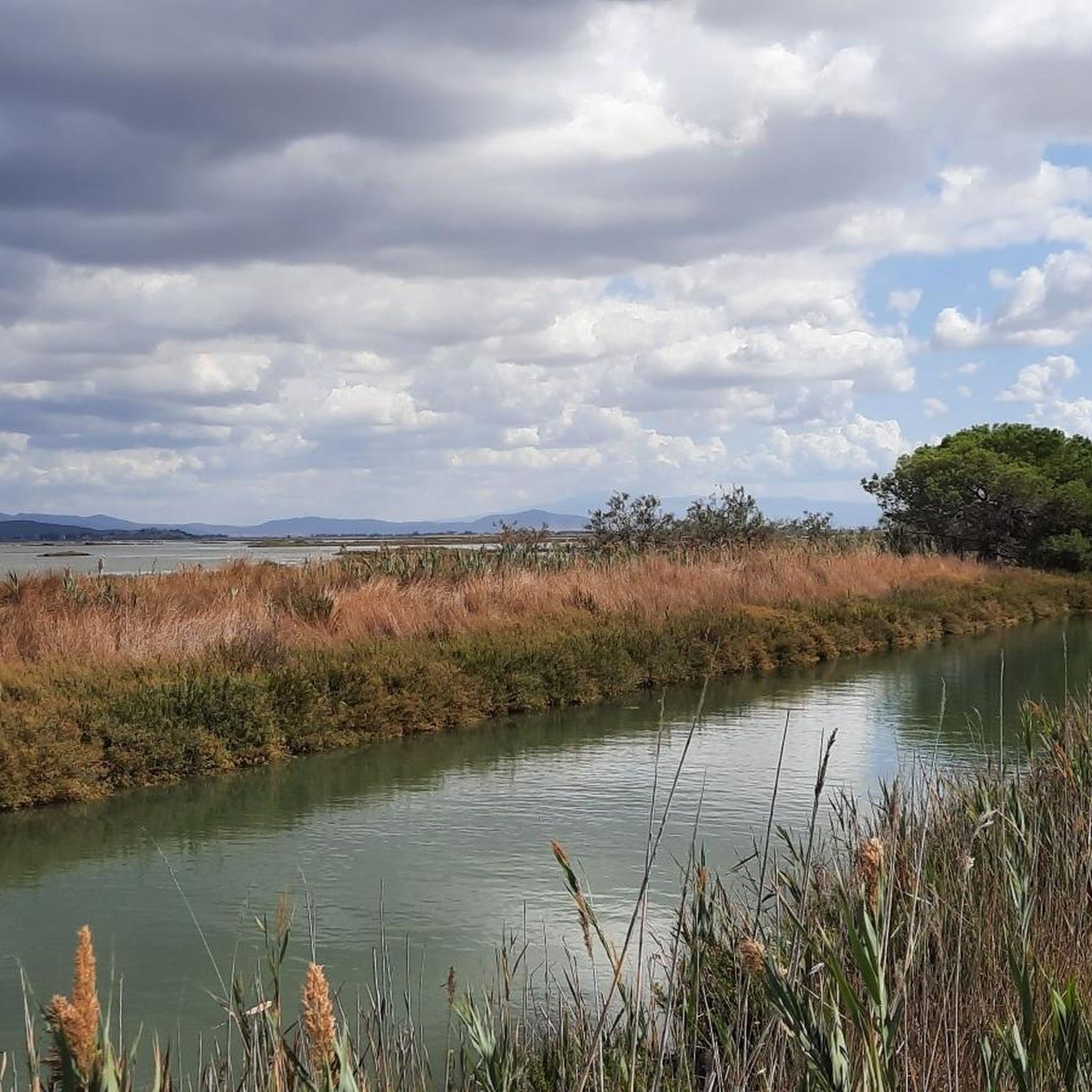
Touring cycling around Nature Reserve Diaccia Botrona features a unique wetland landscape, characterized by extensive marshy areas, reed thickets, and halophilous plants. The terrain is predominantly flat, making it suitable for various cycling abilities. This internationally recognized reserve, a remnant of the ancient Lake Prile, offers routes through diverse ecosystems including brackish lagoons and fragments of ancient forests. The region's low elevation and well-maintained paths provide accessible touring cycling experiences.
Best touring cycling routes around Nature Reserve Diaccia Botrona
- The…
Last updated: October 11, 2026
3.8
(11)
45
riders
16.0km
01:24
10m
10m
Hard bike ride. Great for any fitness level. You may need to push your bike for some segments of this route.
4.7
(3)
36
riders
Easy bike ride. Great for any fitness level. Mostly paved surfaces. Suitable for all skill levels.

4.0
(2)
24
riders
8.04km
00:28
20m
20m
Easy bike ride. Great for any fitness level. Mostly paved surfaces. Suitable for all skill levels.
2.0
(1)
13
riders
Hard bike ride. Good fitness required. You may need to push your bike for some segments of this route.
2.3
(3)
25
riders
7.16km
00:26
20m
20m
Easy bike ride. Great for any fitness level. Mostly paved surfaces. Suitable for all skill levels.
Get access to more routes and recommendations from other explorers.
Already have an account?
Our route recommendations are based on thousands of hikes, rides, and runs completed by other people on komoot.
Start today with a free account
Your next adventure awaits.

Tips from the Community

The Port of Castiglione della Pescaia (also known as a canal port) is the maritime and tourist heart of the Tuscan village of the same name, nestled on the Tyrrhenian Sea at the mouth of the Bruna River. More than a classic and sterile modern marina, it is a lively and picturesque port where local fishing boats, pleasure craft, and tourist excursions coexist, maintaining the Maremma's historic connection with the sea
0
0
The Port of Castiglione della Pescaia (also known as a canal port) is the maritime and tourist heart of the Tuscan village of the same name, situated on the Tyrrhenian Sea at the mouth of the Bruna River. More than a classic and sterile modern marina, it is a lively and picturesque port where local fishing boats, pleasure craft, and tourist excursions coexist, maintaining the Maremma's historic connection with the sea.
0
0
The Diaccia Botrona Nature Reserve is a spectacular marshland protected area located in Maremma, between Castiglione della Pescaia and Grosseto. Recognized as a wetland of international importance by the Ramsar Convention, it covers over 1,270 hectares and represents the last precious remnant of the ancient Lake Prile. This extraordinary ecosystem is a fundamental stopover for nesting, resting, and overwintering for over 200 bird species, making it a true paradise for birdwatching.
0
0
The historic village and the fortress (commonly called Castello di Castiglione della Pescaia) represent the medieval heart of this renowned seaside resort in the Tuscan Maremma. Perched on Monte Petriccio, the upper historic center offers an extraordinary combination of architectural evidence and breathtaking views of the Tyrrhenian Sea.
0
0
The Abbey of San Pancrazio al Fango is a fascinating archaeological ruin, located on the border between the municipalities of Grosseto and Castiglione della Pescaia, immersed in the splendid setting of the Diaccia Botrona Nature Reserve.
0
0
The Fortress of Marina di Grosseto is historically known as the Fort of San Rocco. It is a coastal military fortification located in the heart of the seaside resort, a stone's throw from the tourist port. It was built at the end of the 18th century by the House of Lorraine with functions of customs control, coastal defense, and logistical support for the historical land reclamation works of the Maremma.
0
0
The Fortress of Marina di Grosseto is historically known as the Fort of San Rocco. It is a coastal military fortification located in the heart of the seaside resort, a stone's throw from the tourist port. It was built at the end of the eighteenth century by the House of Lorraine with functions of customs control, coastal defense, and logistical support for the historic land reclamation works of the Maremma.
0
0

Castiglione della Pescaia is always beautiful to cycle through, and I never get tired of it!
2
0
Frequently Asked Questions
What kind of terrain can I expect when touring cycling in Nature Reserve Diaccia Botrona?
The Nature Reserve Diaccia Botrona is characterized by its predominantly flat wetland landscape, featuring extensive marshy areas, reed thickets, and unique halophilous (salt-loving) plants. This makes it highly suitable for touring cycling and family outings, offering accessible routes with low elevation changes.
Are there easy touring cycling routes suitable for beginners or families?
Yes, the reserve offers several easy touring cycling routes. For instance, the San Rocco Bridge – Marina di Grosseto Fortress loop from Riserva naturale Diaccia Botrona is an easy 12 km path. Another accessible option is the Bike loop from Castiglione della Pescaia, which is 7.1 km long. Overall, 8 of the 12 touring cycling routes in the area are rated as easy.
What are the best times of year to go touring cycling in Nature Reserve Diaccia Botrona?
The months of March, September, and October are generally recommended for touring cycling in the reserve. During these periods, the weather is ideal, and the landscape is particularly charming, especially in autumn with the changing colors of the vegetation and the arrival of migratory birds.
What natural features and wildlife can I observe along the cycling routes?
The reserve is a haven for biodiversity. Cyclists can observe a wide variety of plant species, including around 15 types of wild orchids and ancient forests with ash, elm, and tamarisk trees. It's also a paradise for birdwatchers, with over 200 bird species, including Greater Flamingos, Ospreys, and various herons. Mammals like foxes and badgers, and reptiles such as tortoises, also inhabit the area.
Are there any notable landmarks or attractions to see while cycling?
Absolutely. A key attraction is the Casa Rossa Ximenes, an iconic red building that now serves as a multimedia museum and visitor center, offering excellent observation points. You can also find the remains of the 12th-century Abbey of San Pancrazio al Fango on Clodia Hill. Many routes offer scenic views of these historical sites and the unique marsh environment.
Can I find circular touring cycling routes in the Nature Reserve Diaccia Botrona?
Yes, circular routes are a popular way to explore the reserve. A prominent example is the Diaccia Botrona – Diaccia Botrona Nature Reserve loop from Ponti di Badia, a 16 km route that offers immersive views of the marshy environment. Another option is the Bike loop from Riserva naturale Diaccia Botrona, an 8.1 km easy ride.
How do other touring cyclists rate the routes in Nature Reserve Diaccia Botrona?
The touring cycling routes in Nature Reserve Diaccia Botrona are highly regarded by the komoot community, with an average rating of 4.2 stars from over 290 reviews. Nearly 3,000 touring cyclists have used komoot to explore the area, often praising the unique wetland scenery and accessible paths.
Are there any longer or more challenging touring cycling routes available?
While the terrain is generally flat, some routes are classified as difficult due to their length or specific conditions. For example, the Diaccia Botrona Nature Reserve – Casa Rossa Ximenes loop from Castiglione della Pescaia is a challenging 21.8 km route. In total, there are 4 difficult touring cycling routes in the reserve for those seeking a longer ride.
Are there cycling paths that connect the reserve to nearby towns or coastal areas?
Yes, some routes extend beyond the immediate reserve, connecting to nearby towns and coastal areas. The Castiglione della Pescaia – Marina di Grosseto Cycle Path is particularly well-suited for cycling, being paved and signposted, offering varied scenery including coastal views and the Marina di Grosseto Fortress.
What is the overall experience like for touring cyclists in Nature Reserve Diaccia Botrona?
Touring cycling in Nature Reserve Diaccia Botrona offers a unique experience defined by its flat wetland landscapes, marshy areas, and coastal paths. The network provides options for various ability levels, from easy family rides to more challenging routes, all set within an internationally recognized reserve rich in biodiversity and historical attractions.
Is there a visitor center or information point for the reserve?
Yes, the Casa Rossa Ximenes, originally a hydraulic damper, now functions as a multimedia museum and visitor center. It provides an excellent observation point and offers valuable information about the reserve's ecosystem, making it a great starting point for your cycling adventure.
Most popular routes around Nature Reserve Diaccia Botrona
Most popular attractions around Nature Reserve Diaccia Botrona

Get inspired with the komoot mobile app


Explore more
Browse the best Cycling routes in other regions.
