The best walks and hikes around Nature Reserve Diaccia Botrona
4.1
(384)
2,570
hikers
16
hikes
Hiking around Nature Reserve Diaccia Botrona is characterized by its unique wetland ecosystem, a remnant of the ancient Lake Prile, situated between Castiglione della Pescaia and Grosseto. The terrain primarily features extensive marshlands, providing habitat for diverse flora such as reeds, juncus, and sedges, alongside fragments of ancient forests with ash, elm, and tamarisk trees. A central landmark is the Casa Rossa Ximenes, a historical building that now serves as a museum and observation point for the reserve's wildlife. The landscape offers generally flat routes with minimal elevation gain, making it accessible for various hiking abilities.
Best hiking trails around Nature Reserve Diaccia Botrona
- The most popular hiking route is Diaccia Botrona Nature Reserve – Casa Rossa Ximenes loop from Ponti di Badia, a 9.0 miles (14.5 km) trail that takes 3 hours 38 minutes to complete. This moderate route offers views of the marshlands and passes by the historic Casa Rossa Ximenes.
- Another top favourite among local hikers is View of the Marshlands – Bottona Nature Reserve loop from Castiglione della Pescaia, an easy 2.3 miles (3.8 km) path. This shorter trail provides panoramic views of the wetland landscape.
- Local hikers also love the Diaccia Botrona Nature Reserve – Casa Rossa Ximenes loop from Castiglione della Pescaia, a 3.2 miles (5.2 km) trail leading through the reserve's marshlands and past the Casa Rossa Ximenes, often completed in about 1 hour 19 minutes.
- Hiking around Nature Reserve Diaccia Botrona is defined by its extensive marshlands, ancient forest fragments, and historical landmarks like Casa Rossa Ximenes. The network offers options for both easy walks and moderate excursions.
- The routes in Nature Reserve Diaccia Botrona are highly rated by the komoot community with an average score of 4.1 stars from over 290 reviews. More than 2000 hikers have used komoot to explore Nature Reserve Diaccia Botrona's varied terrain.
Last updated: October 12, 2026
4.6
(23)
117
hikers
Moderate hike. Good fitness required. Easily-accessible paths. Suitable for all skill levels.
29
hikers
Easy hike. Great for any fitness level. Easily-accessible paths. Suitable for all skill levels.

5.0
(1)
25
hikers
Moderate hike. Good fitness required. Easily-accessible paths. Suitable for all skill levels.
4.0
(4)
10
hikers
Easy hike. Great for any fitness level. Easily-accessible paths. Suitable for all skill levels.
13
hikers
Easy hike. Great for any fitness level. Easily-accessible paths. Suitable for all skill levels.
Get access to more routes and recommendations from other explorers.
Already have an account?
Our route recommendations are based on thousands of hikes, rides, and runs completed by other people on komoot.
Start today with a free account
Your next adventure awaits.


Tips from the Community

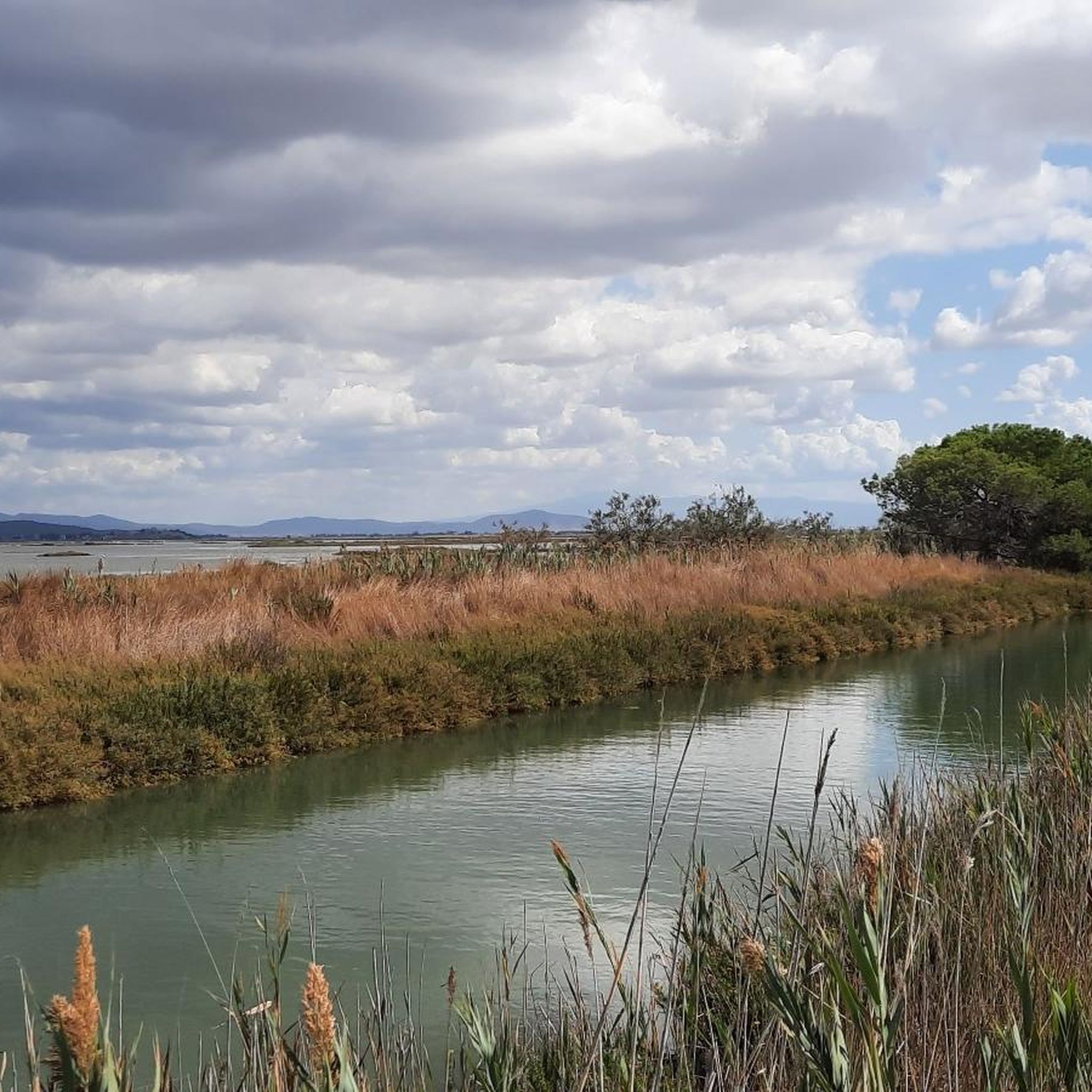
The Diaccia Botrona Nature Reserve is a protected area of extraordinary importance located in Maremma, between Grosseto and Castiglione della Pescaia. Considered the last remnant of the ancient Lake Prile (or Padule di Castiglione), it represents one of the most relevant and biodiverse wetlands in Italy and Europe.
0
0
The Pieve di San Giovanni Battista, also historically known among residents as the "chiesona", is the main and oldest place of worship located in the heart of the medieval village of Castiglione della Pescaia.
0
0
La Riserva Naturale Diaccia Botrona è un'area protetta di straordinaria importanza situata in Maremma, tra Grosseto e Castiglione della Pescaia. Considerata l'ultimo lembo dell'antico Lago Prile (o Padule di Castiglione), rappresenta una delle zone umide più rilevanti e ricche di biodiversità d'Italia e d'Europa
0
0
The Diaccia Botrona Nature Reserve is a protected area of extraordinary importance located in Maremma, between Grosseto and Castiglione della Pescaia. Considered the last remnant of the ancient Lake Prile (or Padule di Castiglione), it represents one of the most relevant and biodiverse wetlands in Italy and Europe.
0
0
The Diaccia Botrona Nature Reserve is a spectacular marshland protected area located in Maremma, between Castiglione della Pescaia and Grosseto. Recognized as a wetland of international importance by the Ramsar Convention, it covers over 1,270 hectares and represents the last precious remnant of the ancient Lake Prile. This extraordinary ecosystem is a fundamental stopover for nesting, resting, and overwintering for over 200 bird species, making it a true paradise for birdwatching.
0
0
The historic village and the fortress (commonly called Castello di Castiglione della Pescaia) represent the medieval heart of this renowned seaside resort in the Tuscan Maremma. Perched on Monte Petriccio, the upper historic center offers an extraordinary combination of architectural evidence and breathtaking views of the Tyrrhenian Sea.
0
0
The Abbey of San Pancrazio al Fango is a fascinating archaeological ruin, located on the border between the municipalities of Grosseto and Castiglione della Pescaia, immersed in the splendid setting of the Diaccia Botrona Nature Reserve.
0
0
The Diaccia Botrona Nature Reserve is a protected wetland area of over 1,200 hectares located in the Tuscan Maremma, between Castiglione della Pescaia and Grosseto. Recognized as a wetland of international importance by the Ramsar Convention, it represents what remains of the ancient Lake Prile, a large basin drained as a result of historical land reclamation.
0
0
Frequently Asked Questions
How many hiking trails are available in Nature Reserve Diaccia Botrona?
There are over 15 hiking routes available in Nature Reserve Diaccia Botrona. These trails range from easy walks to moderate excursions, offering diverse experiences within the unique wetland ecosystem.
Are there easy hiking trails suitable for beginners or families?
Yes, Nature Reserve Diaccia Botrona offers a good selection of easy trails, with 9 routes classified as easy. These paths are generally flat with minimal elevation gain, making them ideal for leisurely walks and family outings. A great option is the View of the Marshlands – Bottona Nature Reserve loop from Castiglione della Pescaia, which is just 2.3 miles (3.8 km) long.
What notable landmarks or natural features can I see while hiking in the reserve?
Hikers can explore several significant features. The most prominent is the Casa Rossa Ximenes, a historic building that now houses a museum and serves as an observation point. You can also visit the ruins of the 12th-century Abbey of San Pancrazio al Fango on Clodia Island. The reserve itself, the Diaccia Botrona Nature Reserve, is a vast wetland offering picturesque views of marshlands and diverse flora.
What kind of wildlife can I expect to see in Diaccia Botrona?
Diaccia Botrona is renowned for its rich biodiversity, especially its birdlife. Over 200 species of birds have been counted, including western marsh harriers, great egrets, ospreys, purple herons, and even flamingos. Mammals like foxes, badgers, and porcupines also inhabit the reserve, along with various reptiles. The Flamingo Trail is a dedicated path for observing these magnificent birds.
Are there any recommended circular hiking routes in the reserve?
Yes, circular routes are a popular way to explore the reserve. A notable option is the Diaccia Botrona Nature Reserve – Casa Rossa Ximenes loop from Ponti di Badia, a moderate 9.0 miles (14.5 km) trail that offers views of the marshlands and passes the historic Casa Rossa Ximenes. Another popular choice is the Diaccia Botrona Nature Reserve – Casa Rossa Ximenes loop from Castiglione della Pescaia, a shorter easy route.
What is the best time of year to go hiking in Nature Reserve Diaccia Botrona?
The reserve can be enjoyed throughout the year, but spring and autumn are particularly pleasant for hiking due to milder temperatures and vibrant natural displays. These seasons are also excellent for birdwatching, as many migratory species pass through or nest in the wetlands.
How long do hikes in Diaccia Botrona typically take?
Hike durations vary depending on the chosen route. Shorter, easy trails like the View of the Marshlands – Bottona Nature Reserve loop can be completed in just over an hour. Longer, moderate routes such as the Diaccia Botrona Nature Reserve – Casa Rossa Ximenes loop from Ponti di Badia might take around 3.5 hours.
Is Nature Reserve Diaccia Botrona suitable for dog owners?
While the region research doesn't explicitly state dog-friendly policies for every trail, many nature reserves in Italy allow dogs on leash. Given the open nature of many paths, it's generally possible to bring dogs, but always check local signage or the reserve's official website for specific rules regarding pets to ensure a pleasant and respectful visit.
What do other hikers enjoy the most about hiking in Nature Reserve Diaccia Botrona?
The area is highly rated by the komoot community, with an average score of 4.1 stars from over 290 reviews. Reviewers often praise the unique wetland scenery, the abundance of birdlife, and the generally flat, accessible paths that make for relaxing and enjoyable walks.
Are there any longer, more challenging routes for experienced hikers?
While the reserve is known for its generally easy to moderate terrain, some longer routes offer a more extended experience. The Picnic Area Under Pine Trees – Fiumara Waterway loop from Castiglione della Pescaia is a moderate 12.3 miles (19.8 km) trail, providing a longer exploration of the area's diverse landscapes.
Where can I find parking for the hiking trails?
Parking is typically available near popular access points to the reserve, such as around the Casa Rossa Ximenes or in nearby towns like Castiglione della Pescaia. Specific parking information can often be found on local tourism websites or by checking the starting points of individual komoot tours.
Can I explore the reserve by mountain bike?
Yes, some trails within the reserve, such as the Sentiero n° 31 (or RET 010) mentioned in the region research, are freely accessible and suitable for exploration on foot or by mountain bike. This offers an alternative way to experience the panoramic views and natural beauty of Diaccia Botrona.
Most popular routes around Nature Reserve Diaccia Botrona
Most popular attractions around Nature Reserve Diaccia Botrona

Get inspired with the komoot mobile app


Explore more
Browse the best Hikes in other regions.
