Attractions and Places To See around Ullà - Top 20
Best attractions and places to see around Ullà offer a blend of historical sites and natural landscapes in the Baix Empordà region of Girona. Situated at the foot of the Ullà mountain and adjacent to the Montgrí massif, the area features cultural heritage and diverse natural features. The municipality extends towards the Ter river, providing varied terrain for exploration. This region is characterized by its medieval origins and proximity to the Mediterranean coast.
Best attractions and places to see around Ullà
- The most popular attractions is Montgrí Castle, a castle and viewpoint. This military fortification was built between 1294 and 1301 by King Jaume II and offers panoramic views of the Baix Empordà region.
- Another must-see spot is Peratallada — Historic Village, a historical site known for its well-preserved medieval architecture. Visitors can expect walled defenses, cobbled streets, and stone buildings dating back to the 10th century.
- Visitors also love Sant Martí d'Empúries — Beach and Historic Village, an iconic Costa Brava town with medieval streets and Greek and Roman influences. It is special for its historical walks and access to a beach.
- Ullà is known for its historical sites, medieval villages, and natural features. The area offers a variety of attractions to see and explore, from ancient castles to coastal towns.
- The attractions around Ullà are appreciated by the komoot community, with over 670 upvotes and more than 230 photos shared.
Last updated: June 22, 2026
Sant Martí d'Empúries — Beach and Historic Village
Highlight • Beach
Translated by Google •
Tip by

Montgrí Castle
Highlight • Castle
Translated by Google •
Tip by

Sign up now to discover places like this
Get recommendations on the best single tracks, peaks, & plenty of other exciting outdoor places.
Sign up for free
Gualta Bridge
Highlight • Bridge
It has five eyes, with lowered arches, of different light. Its state of conservation is very good and it is one of the accesses to the town of Gualta. Next to the bridge is a commemorative monolith of the defense of the population against the French army during the war against Napoleon in 1809.
Translated by Google •
Tip by

Peratallada — Historic Village
Highlight • Historical Site
The original constructions of Peratallada are strongly marked by their fortified character. It had three wall enclosures (12th to 13th centuries), the main one being the one with the castle in its center. In addition, the outer enclosure was protected by a moat dug into the rock, with a depth of eight meters.
Of the castle, the keep and the palace (11th to 14th centuries) stand out, with another important building being the church of Sant Esteve (13th century).
Translated by Google •
Tip by
Cinc Claus Village and Castle
Highlight • Castle
Because of its proximity to Empúries, it suffered numerous military confrontations: the military contest between Count Hug V of Empúries and King Jaume I (1274-1275), pirate raids (1483), the attack of Castilian troops of Felipe IV in the War of Secession, when the Cinc Claus castle belonged to the head of the Catalan militia Josep de Margarit i de Biure (1640) and the Carline wars.
The farmhouses of Cinco Claus were built by reusing materials from the remains of the old castle.
Translated by Google •
Tip by

Sign up for free to discover even more attractions around Ullà.
Sign up for free
Already have an account?
Start today with a free account
Your next adventure awaits.
Login or Signup


Tips from the Community

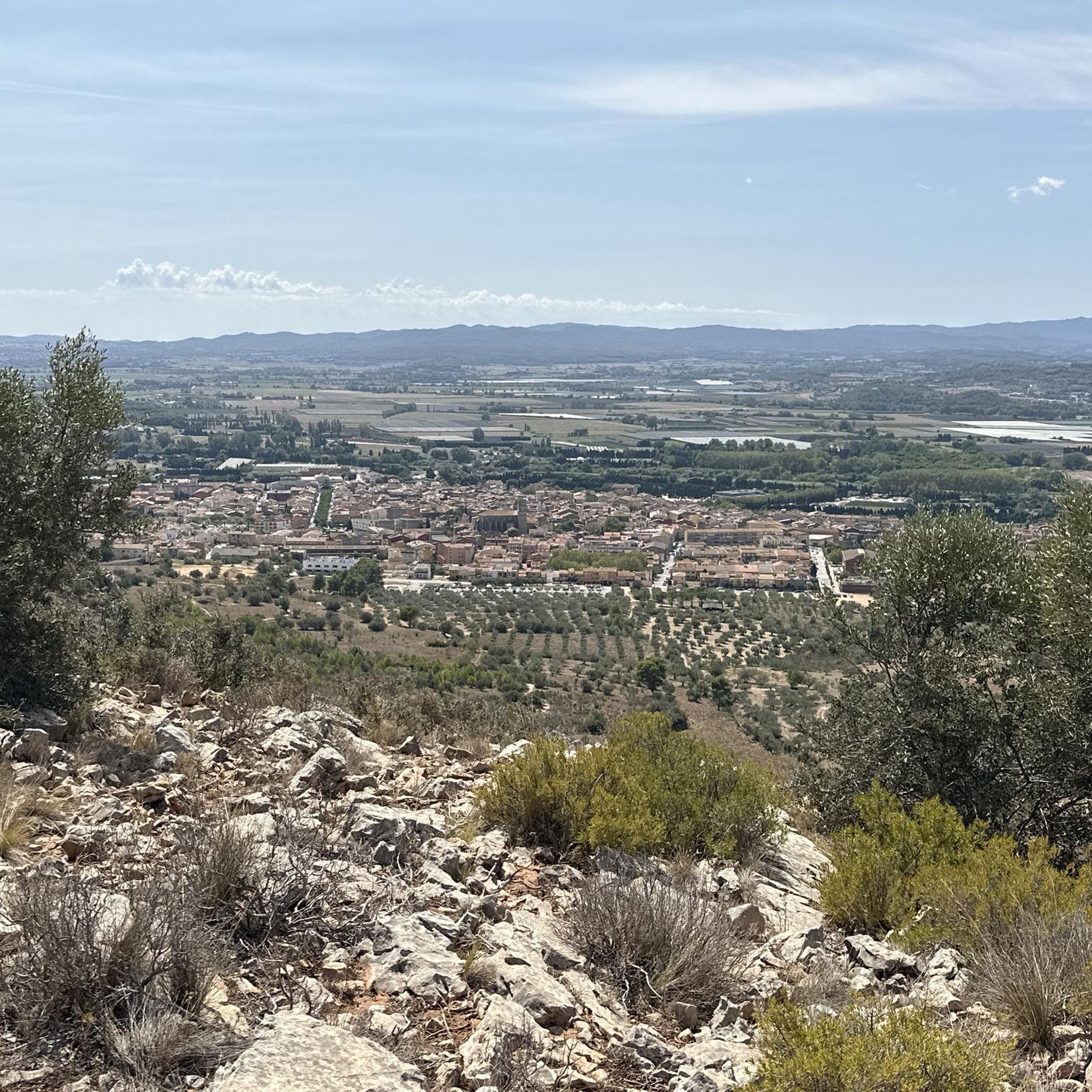
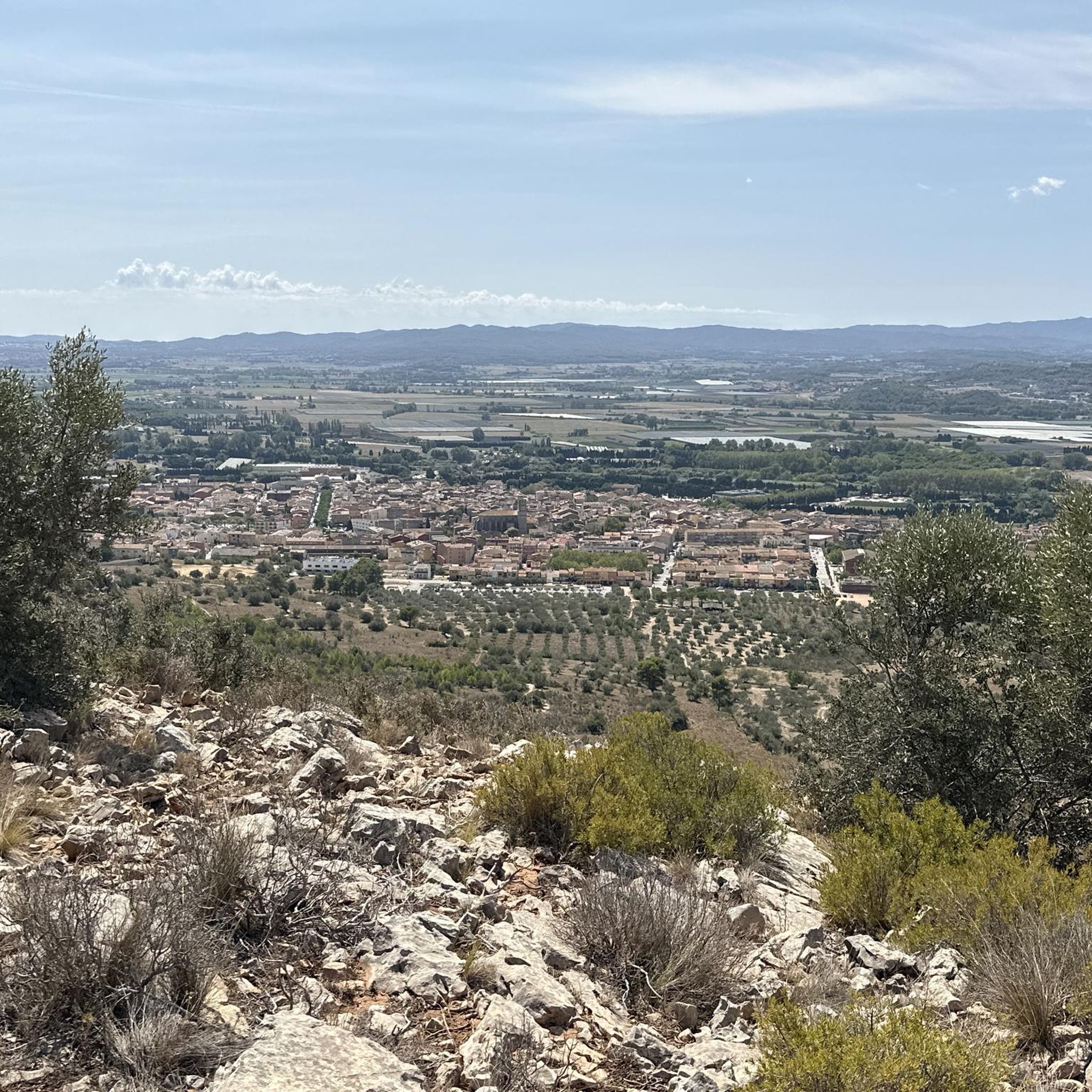
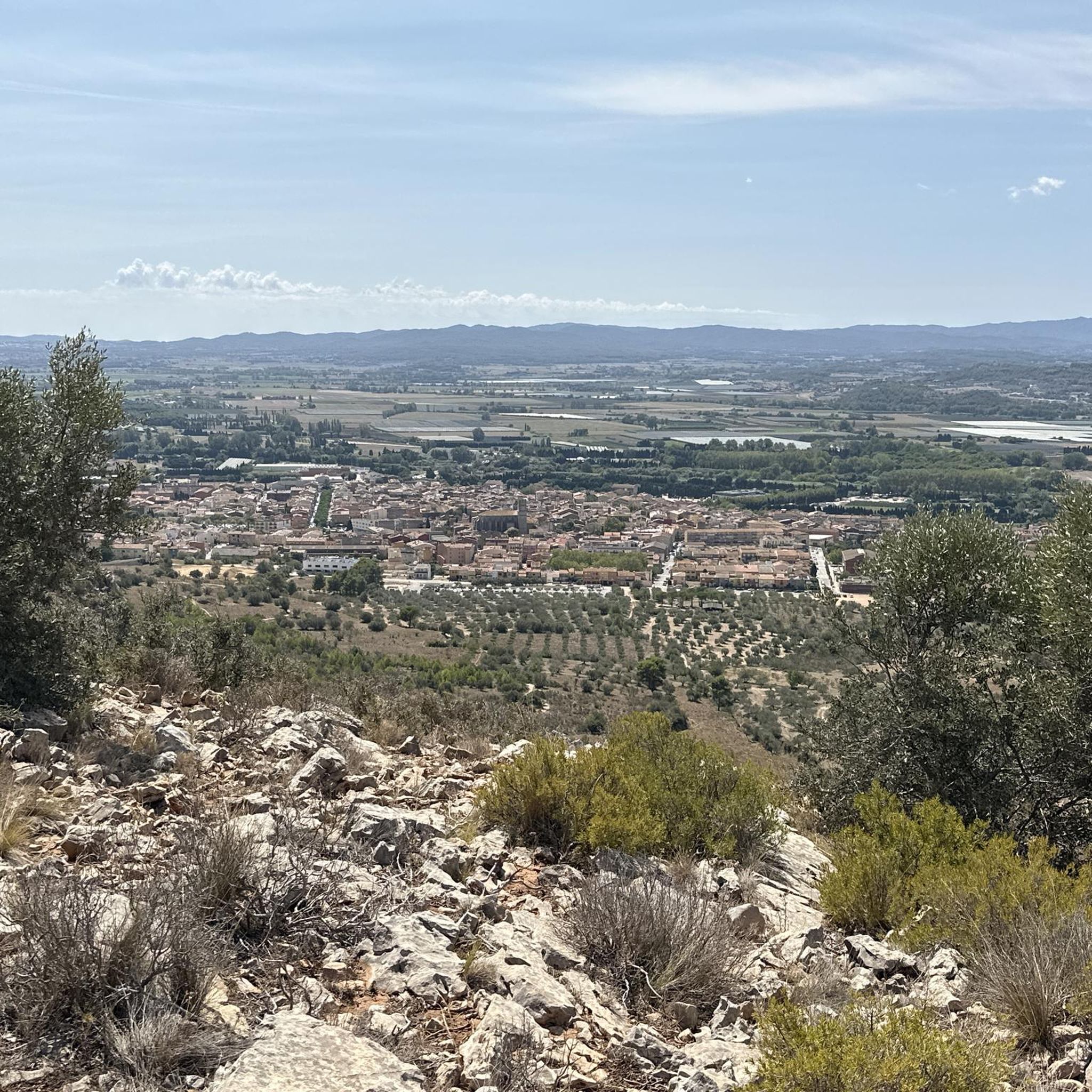
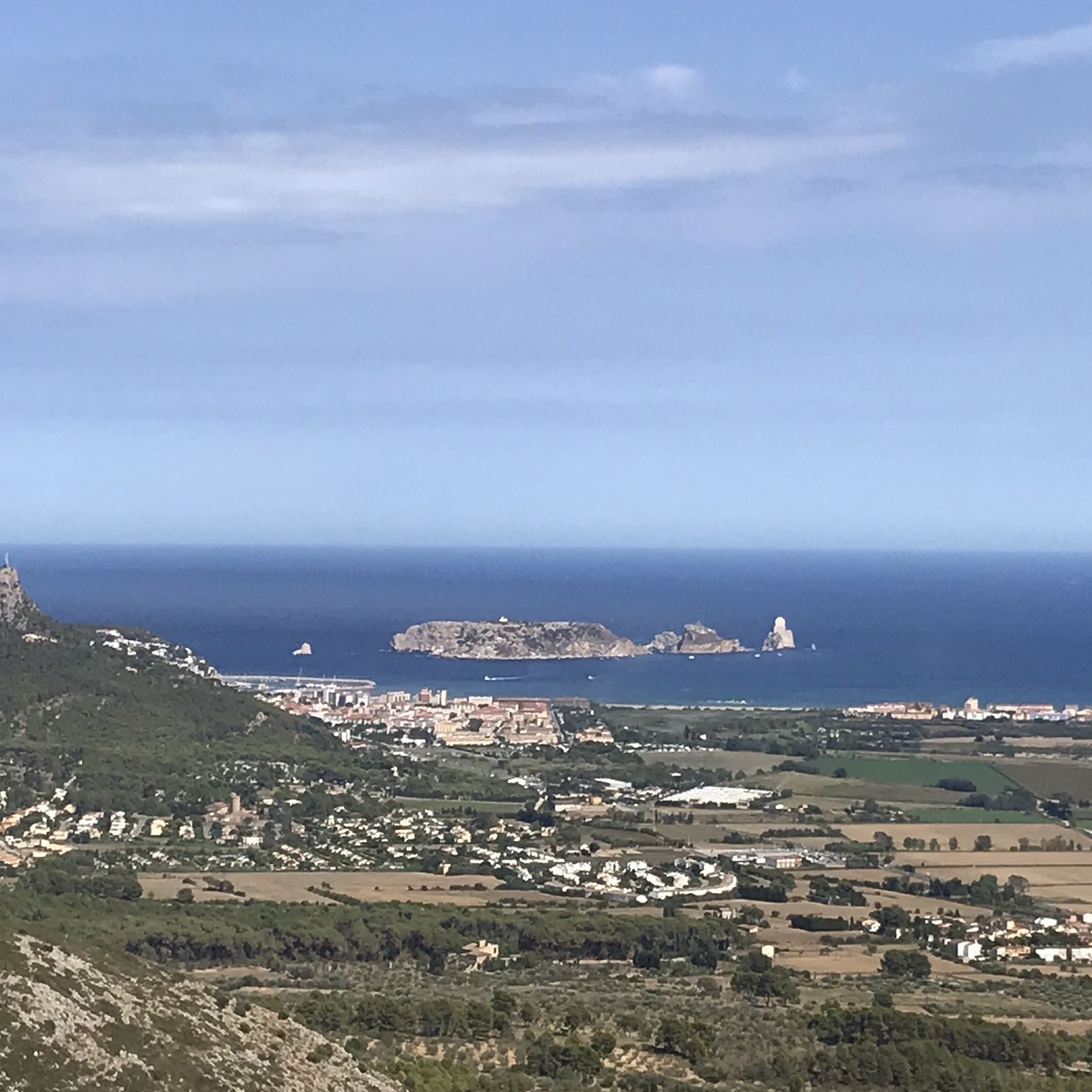
A must-see: breathtaking views over the entire Bay of Roses and more.
0
0

Small but beautiful municipality
0
0

Magical enclave of the Empordà. History, tradition and charm mixing in one place.
0
0

In 959 Count Gausfred recognized this place as one of the many properties that Riculf had. Cinco Claus Castle was built in the 14th century. In 1402, Sinch keys appeared, along with the Courts, as places incorporated into the Crown by King Martí l'Humà. Because of its proximity to Empúries, it suffered numerous military confrontations: the military contest between Count Hug V of Empúries and King Jaume I (1274-1275), pirate raids (1483), the attack of Castilian troops of Felipe IV in the War of Secession, when the Cinc Claus castle belonged to the head of the Catalan militia Josep de Margarit i de Biure (1640) and the Carline wars. The farmhouses of Cinco Claus were built by reusing materials from the remains of the old castle.
5
0

With nice restaurants and bars
1
1

Interesting place. Could also be an abandoned place in a western.
2
0
We made a route through this area, Peratallada is a picturesque medieval town located in the Bajo Ampurdán region, in the province of Girona, Catalonia. Its name means "carved stone", referring to the stone used in its construction. Without a doubt, it is the one we liked the most with the permission of the others The town is completely surrounded by walls and defense towers, and its historic core is made up of a set of cobbled streets and stone buildings dating from the 10th century. The church of Sant Esteve, built in the 13th century, is one of the most outstanding monuments of Peratallada. There you will find a terrace where they make good sandwiches. In addition, Peratallada has a wide gastronomic offer, with restaurants that offer typical dishes of the region, in our case it was only a breakfast.
2
0

Bike path along the Ter with its nature reserve.
4
0
Frequently Asked Questions
What historical sites can I explore around Ullà?
The region around Ullà is rich in history. You can visit the medieval village of Peratallada — Historic Village, known for its well-preserved architecture and ancient defenses. Another significant site is Montgrí Castle, a 13th-century military fortification offering panoramic views. Additionally, the village of Sant Martí d'Empúries, with its Greek and Roman influences, provides historical walks and includes the Church of Sant Martí d'Empúries.
Are there any natural features or viewpoints worth visiting near Ullà?
Yes, Ullà is surrounded by natural beauty. The municipality climbs up to the crest of the Ullà mountain, part of the Montgrí Massif, where Puig Rodó (308 m) offers magnificent panoramic views of the Ter plain. The Montgrí Castle also provides stunning vistas of the Baix Empordà region. For a unique natural and archaeological experience, the Cau del Duc Cave on the south face of Ullà mountain offers breathtaking views and is a significant prehistoric settlement.
What outdoor activities can I do near these attractions?
The area around Ullà is ideal for outdoor activities. You can enjoy hiking and cycling with numerous routes around the Montgrí Massif and along the Ter River. For specific routes, consider exploring the hiking trails around Ullà, such as the Montgrí Castle Loop. There are also running trails and gravel biking routes available.
Are there family-friendly attractions around Ullà?
Absolutely. Sant Martí d'Empúries — Beach and Historic Village is a great option for families, offering historical walks and access to a beach. The Gualta Bridge is also considered family-friendly and provides a pleasant historical landmark to visit.
What is the best time to visit Ullà for outdoor activities?
The region's Mediterranean climate makes it suitable for outdoor activities for much of the year. Spring and autumn generally offer pleasant temperatures for hiking and cycling. The Ter River and Natural Park area is perfect for activities like hiking, mountain biking, or kayaking, especially when the weather is mild.
Can I find beaches near Ullà?
While Ullà itself is inland, its location provides easy access to nearby coastal areas. Sant Martí d'Empúries — Beach and Historic Village is an iconic Costa Brava town that offers a beach for visitors, combining historical exploration with seaside relaxation.
What is the significance of the Ter River in the Ullà area?
The Ter River flows past the southern part of the municipality of Ullà and is an integral part of the Parc Natural del Montgrí, les Illes Medes i el Baix Ter. This area is excellent for various outdoor activities such as hiking, mountain biking (BTT), or kayaking along the river, offering diverse natural landscapes.
Are there any hidden gems or less-known spots to discover in Ullà?
Beyond the main attractions, Ullà itself has an interesting architectural heritage with medieval origins and well-preserved houses from the 16th to 18th centuries. Strolling through the narrow, steep streets of the old town, you can find the ancient Portal of Carrer Muntanya, one of the town's original entrances, evoking an old-world feel.
What kind of views can I expect from Montgrí Castle?
From Montgrí Castle, you can expect stunning panoramic views. The castle stands on the hilltop of the 301 m high Montgrí, offering a wide vista over the Alt and Baix Empordà regions, including the lowlands of the Ter River and the Mediterranean Sea with the Bay of Roses.
What is special about Peratallada village?
Peratallada — Historic Village is a picturesque medieval town designated as a Historic-Artistic Site and Cultural Asset of National Interest. Its name, meaning 'carved stone,' refers to the stone used in its construction. The village features well-preserved medieval architecture, including walled defenses, cobbled streets, and stone buildings dating back to the 10th century, with the 13th-century church of Sant Esteve being a prominent monument.
Are there any archaeological sites in the area?
Yes, the region has archaeological significance. Within Ullà, the Mas Blanc area holds Roman archaeological vestiges, indicating ancient human presence. Additionally, the Cau del Duc Cave on the Ullà mountain is a significant prehistoric settlement with findings demonstrating human presence since the Paleolithic era.
Most popular routes around Ullà
Most popular attractions around Ullà

Get inspired with the komoot mobile app


Explore more
Still not found the Highlight you’re looking for? See guides of the top attractions in other regions:
