The best cycling routes around Aranda De Duero
4.5
(49)
635
riders
131
rides
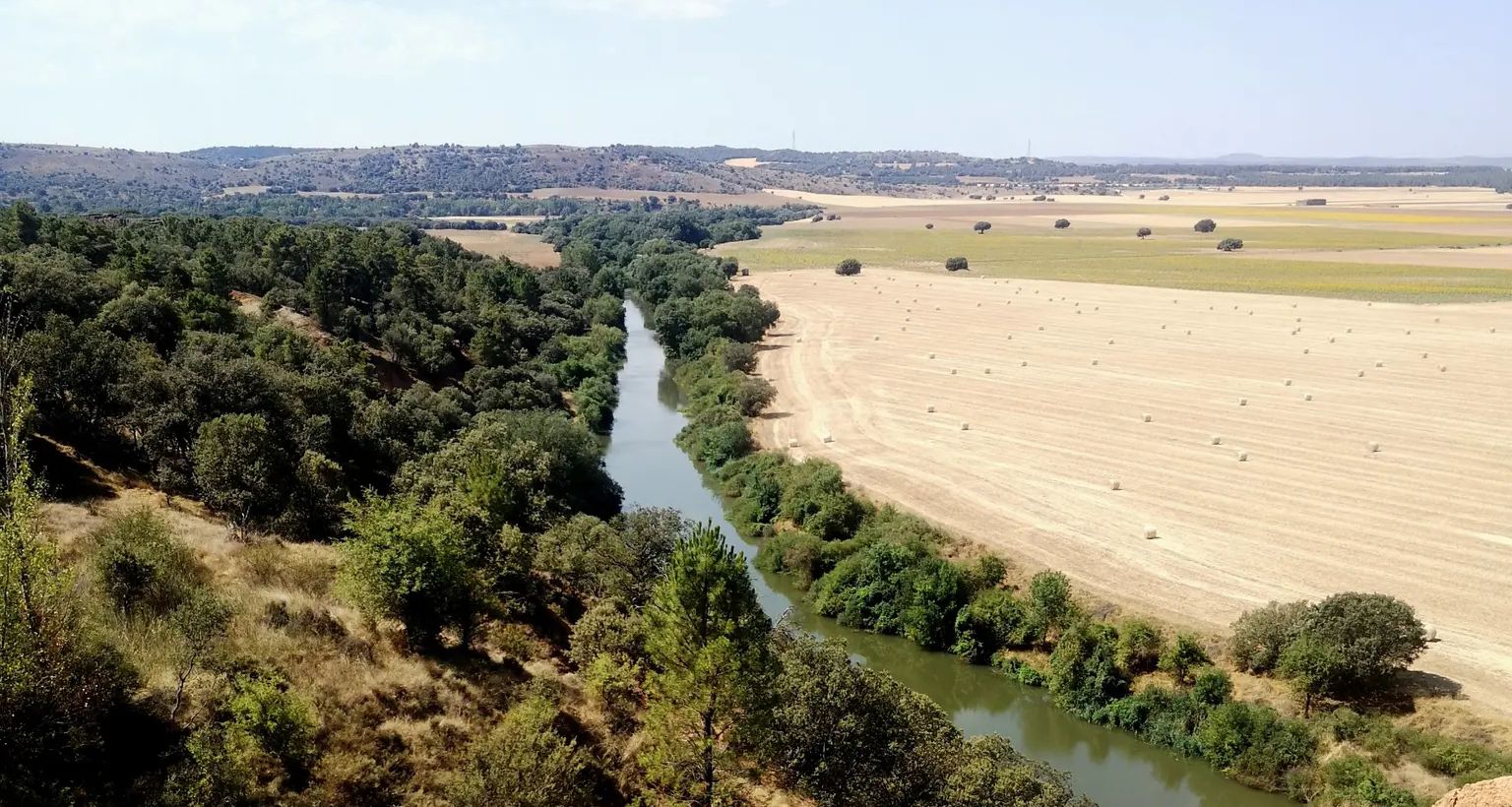
Touring cycling around Aranda De Duero is characterized by its location at the confluence of the Duero, Arandilla, and Bañuelos rivers, creating numerous riverside paths. The region is central to the Ribera del Duero wine area, featuring expansive vineyards and rolling hills that offer varied terrain for cyclists. Routes range from gentle paths along the riverbanks to more challenging ascents through agricultural landscapes. This diverse geography provides a mix of flat sections and moderate climbs, suitable for different cycling preferences.
…Last updated: October 10, 2026
5.0
(1)
3
riders
28.0km
01:40
150m
150m
This easy 17.4-mile touring cycling route from Aranda de Duero explores the scenic vineyards and rural landscapes of Ribera del Duero.
1
riders
51.3km
03:00
280m
280m
This moderate 31.9-mile touring cycling route from Aranda de Duero explores the historic towns and vineyards of Ribera del Duero.

22
riders
33.6km
03:09
320m
320m
Hard bike ride. Good fitness required. You may need to push your bike for some segments of this route.
23
riders
29.8km
02:42
220m
220m
Moderate bike ride. Good fitness required. Mostly paved surfaces. Suitable for all skill levels.
17
riders
52.3km
04:50
570m
570m
Hard bike ride. Very good fitness required. You may need to push your bike for some segments of this route.
Get access to more routes and recommendations from other explorers.
Already have an account?
Our route recommendations are based on thousands of hikes, rides, and runs completed by other people on komoot.
Start today with a free account
Your next adventure awaits.

Other adventures around Aranda De Duero

Tips from the Community

The bridge is built of stone and is characterized by its semicircular arches; it originally had four, although today it retains three due to later renovations. Over the centuries it has undergone numerous restorations, especially due to the floods of the Duero, one of the most important being the expansion and widening in the 19th century. In addition to its architectural value, it has been a strategic point for the passage of people, goods and herds, and today it is a symbol of the city and a very pleasant place to walk and enjoy the views of the river and Aranda de Duero. [iglesiaslocales.com], [edadesdelh...ogspot.com]
2
0
The Aranda de Duero Bridge, also known as Puente Mayor, is one of the city's most important historical elements, as it crosses the Duero River and has been key to its development. Although often called "Roman", it is actually a bridge of medieval origin, with references from the 12th-14th centuries, when it served as a fundamental crossing point on trade routes and the old Royal Road that connected the center and north of Spain.
2
0
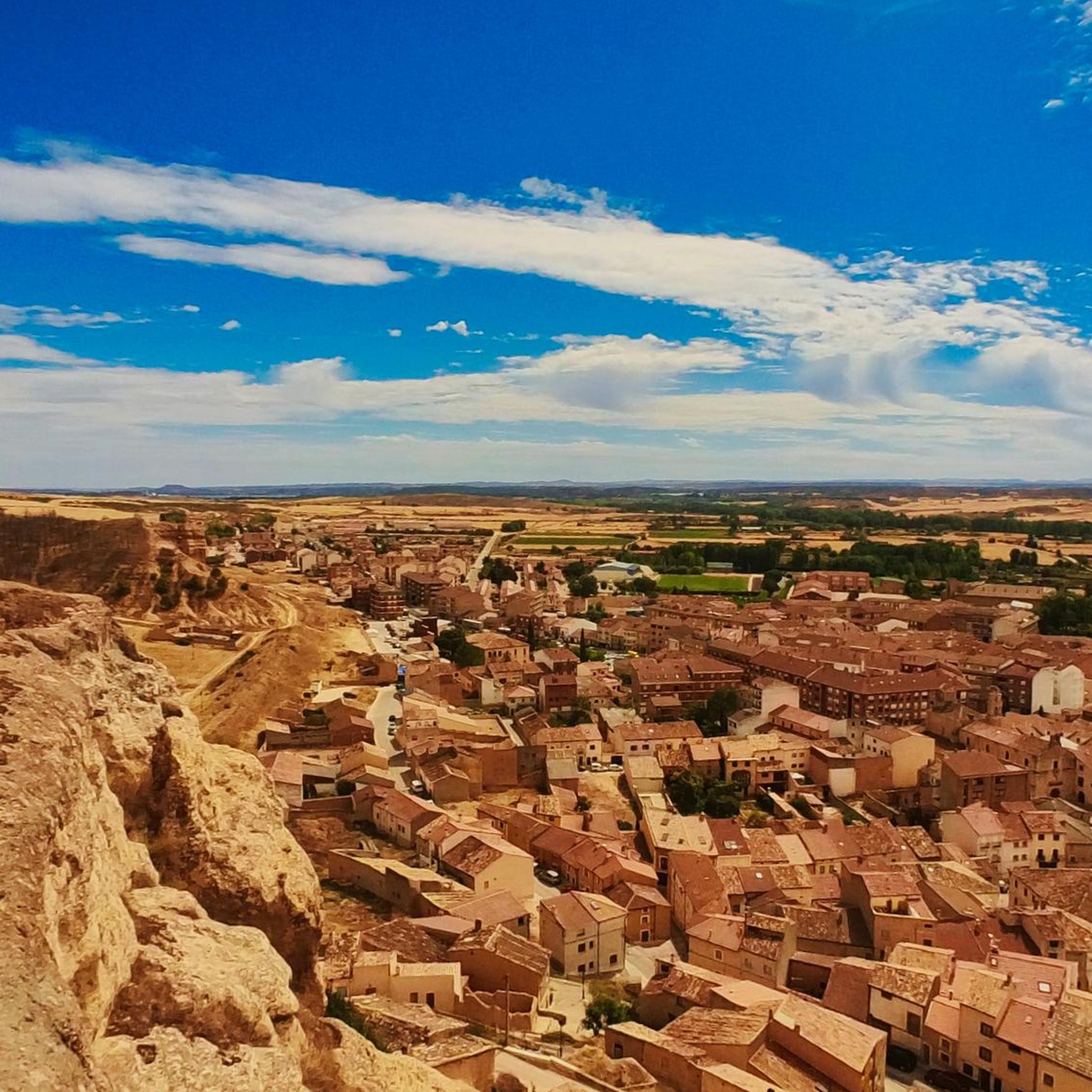
Fuentespina, a small town in the province of Burgos in the Ribera del Duero, is a tranquil destination ideal for enjoying the rural environment and wine culture; the most interesting thing is to stroll through its traditional old town, visit the church of San Miguel, and above all explore its underground cellars and vineyards, as it is part of one of the most important wine regions in Spain. Additionally, from there you can take routes along the Duero River or visit Aranda de Duero, famous for its gastronomy (especially roast suckling lamb), making the visit a very complete experience combining nature, history, and wine tourism.
2
0

Peñaranda de Duero is a municipality in Burgos, in the Ribera del Duero region, known for its rich historical heritage. Its old town, declared a Historic Site, is notable for the Peñaranda de Duero Castle, the Palace of the Counts of Miranda, its arcaded Plaza Mayor, and its provincial roll. In addition to its architecture, the town is part of the Ribera del Duero Designation of Origin and has a strong winemaking tradition.
4
0
The Aranda de Duero Bridge, also known as the Puente Mayor, is a medieval stone bridge over the Duero River. It is a symbol of the city and its heritage, connecting the old town with the modern areas. Although it has been renovated over time, it retains its historic essence.
4
1
The Church of Santa María la Real is a prominent Gothic monument in Aranda de Duero, Spain. Its most notable feature is its main façade, a masterpiece of the 15th-century Isabelline Gothic style, richly decorated with detailed sculptures. It is a cultural and architectural landmark in the city.
4
0

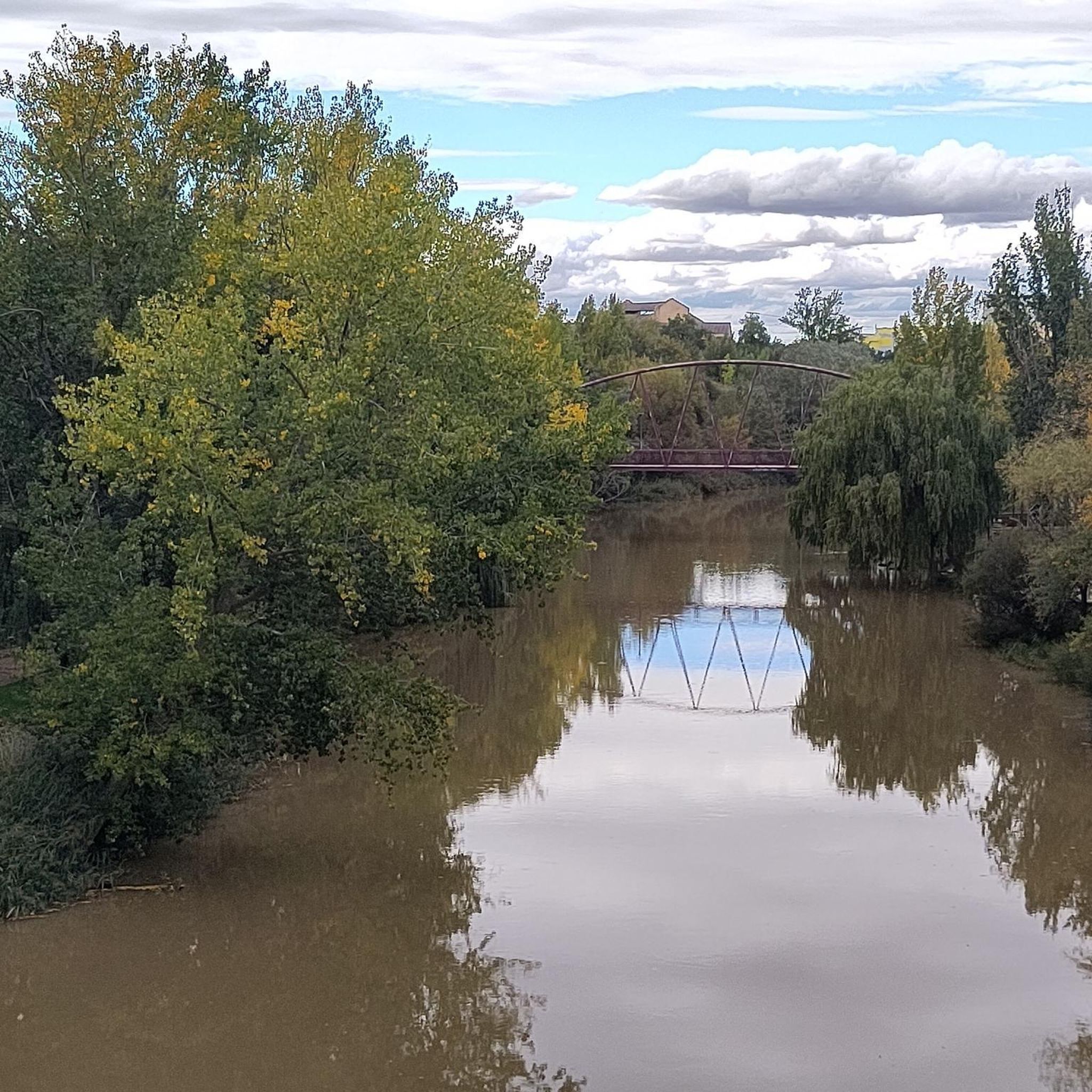
The most used bridge to connect both areas of the river.
1
1

Baroque style church, built in the 17th century on top of an old temple. It is a church with three naves, a baroque organ and a bell tower from the same century that contains 6 bells.
1
0
Frequently Asked Questions
What kind of terrain can I expect on touring cycling routes around Aranda De Duero?
The region offers a diverse cycling experience. You'll find gentle riverside paths along the Duero, Arandilla, and Bañuelos rivers, as well as routes through expansive vineyards and rolling hills. Some paths are mostly paved and easy, while others involve more challenging ascents through agricultural landscapes, catering to various fitness levels.
Are there easy touring cycling routes suitable for beginners or families?
Yes, Aranda De Duero has several easy routes perfect for beginners or family outings. For example, the Fuentelceped and Campillo de Aranda — circular from Aranda de Duero is an easy 28 km trail that offers a pleasant journey through rural surroundings. Overall, there are 17 easy touring cycling routes available in the area.
Are there challenging touring cycling routes for experienced cyclists?
Absolutely. For those seeking a more demanding ride, Aranda De Duero offers routes with significant elevation gains and longer distances. The area features 64 difficult touring cycling routes. An example of a more challenging option is the Fuentespina – Aranda Bridge loop from Aranda de Duero, a 40.2 km trail with notable elevation changes.
What natural features or landscapes will I see while cycling in Aranda De Duero?
You'll primarily encounter the rich fluvial ecosystems of the Duero, Arandilla, and Bañuelos rivers, with many routes running alongside them. The region is also famous for its vast vineyards, part of the prestigious Ribera del Duero wine region, offering scenic rides through vine-laden fields. For more rugged nature, the Monte de la Calabaza provides diverse flora and fauna, and the area serves as a gateway to natural parks like Hoces del Río Duratón and Hoces del Río Riaza, known for dramatic gorges.
Are there historical sites or cultural attractions I can visit along the routes?
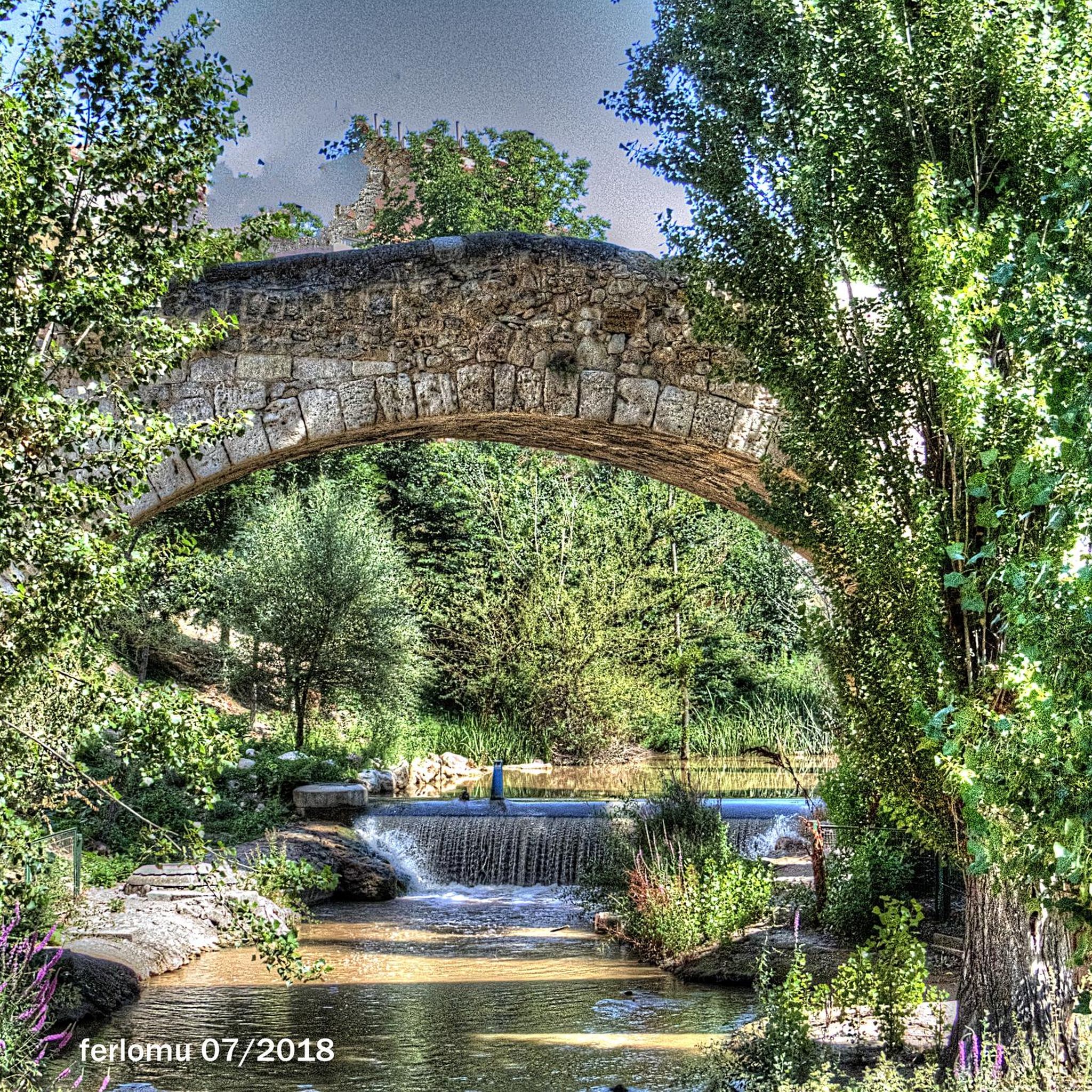
Yes, Aranda De Duero is rich in history and culture. You can explore the town's unique underground wine cellars, some dating back to the 12th century. Notable historical buildings include the 16th-century Church of Santa María la Real of Aranda de Duero. The Romanesque Puente de las Tenerías is a historically significant bridge. Many routes also pass through or near charming historic villages like Peñaranda de Duero, which features its own castle and historical sites.
Are there any circular touring cycling routes available?
Yes, many touring cycling routes in Aranda De Duero are designed as loops, allowing you to start and end in the same location. Popular circular options include Peñaranda de Duero — circular from Aranda de Duero, which guides you through the heart of the wine region, and the Bike loop from Aranda de Duero.
When is the best time of year to go touring cycling in Aranda De Duero?
The spring and autumn months are generally ideal for touring cycling in Aranda De Duero. During these seasons, the weather is typically mild and pleasant, making for comfortable rides through the vineyards and along the rivers. Summers can be warm, especially in July and August, while winters are cooler but still offer opportunities for cycling, particularly on sunny days.
What do other cyclists say about touring cycling in Aranda De Duero?
The touring cycling routes in Aranda De Duero are highly rated by the komoot community, with an average score of 4.5 stars from over 40 reviews. Cyclists often praise the varied terrain, from gentle riverside paths to scenic vineyard routes, and the opportunity to explore the rich cultural and natural landscape of the Ribera del Duero region.
How many touring cycling routes are available in Aranda De Duero?
There are over 140 touring cycling routes available around Aranda De Duero, offering a wide range of options for different skill levels and preferences. This includes 17 easy, 59 moderate, and 64 difficult routes.
Are there any castles or historic settlements to explore nearby?
Yes, the region is dotted with historical sites. You can visit the historic settlement of Peñaranda de Duero, which features a prominent castle. Another notable site is Haza and its castle, offering a glimpse into the area's medieval past. These provide excellent points of interest for a break during your ride.
Is parking available near the touring cycling routes?
Aranda De Duero, as a central town in the region, typically offers various parking options within the town itself, from which many routes begin or are easily accessible. For routes starting outside the town, it's common to find designated parking areas in nearby villages or at trailheads, especially for popular routes. We recommend checking specific route details on komoot for precise parking information.
Can I reach the touring cycling routes by public transport?
Aranda De Duero is generally well-connected by bus services to larger cities, which can be a starting point for your cycling adventure. While direct public transport to every trailhead might be limited, the town itself serves as a hub. Many routes are accessible directly from Aranda De Duero, making it convenient to start your ride after arriving by public transport.
Most popular routes around Aranda De Duero
Most popular attractions around Aranda De Duero

Get inspired with the komoot mobile app


Explore more
Browse the best Cycling routes in other regions.
