Attractions and Places To See around Castelserás - Top 20
Best attractions and places to see around Castelserás include historical landmarks, cultural sites, and natural features. Situated on a hill by the Guadalope River, the town offers a blend of ancient history and scenic landscapes. The area features archaeological ruins from the Middle Palaeolithic period, particularly along the Guadalope River. Visitors can explore the confluence of the Guadalope and Mezquín rivers, which provides natural spaces shaped by water.
Best attractions and places to see around Castelserás
- The most popular attractions…
Last updated: July 7, 2026
Valdealgorfa
Highlight • Trail
40.2 kilometers. 320 positive meters.
The end of the bikepacking trip has a magnificent closure. The route leaves the Horta de Sant Joan station, …
Translated by Google •
Tip by

Equinox Tunnel
Highlight (Segment) • Structure
Translated by Google •
Tip by

Sign up now to discover places like this
Get recommendations on the best single tracks, peaks, & plenty of other exciting outdoor places.
Sign up for free
Castle of the Calatravos
Highlight • Castle
Translated by Google •
Tip by

Alcañiz
Highlight • Settlement
Translated by Google •
Tip by

Calanda
Highlight • Settlement
Translated by Google •
Tip by

Sign up for free to discover even more attractions around Castelserás.
Sign up for free
Already have an account?
Start today with a free account
Your next adventure awaits.
Login or Signup

Tips from the Community

The Church of Our Lady of Hope in Calanda (Teruel) is a prominent Baroque church with a rich history dating back to the 13th century. The original building was a small church constructed in the late 13th century. In 1462, Pedro Vacca, Lord of Calanda, rebuilt and expanded it, linking it to the Order of Calatrava.
2
0

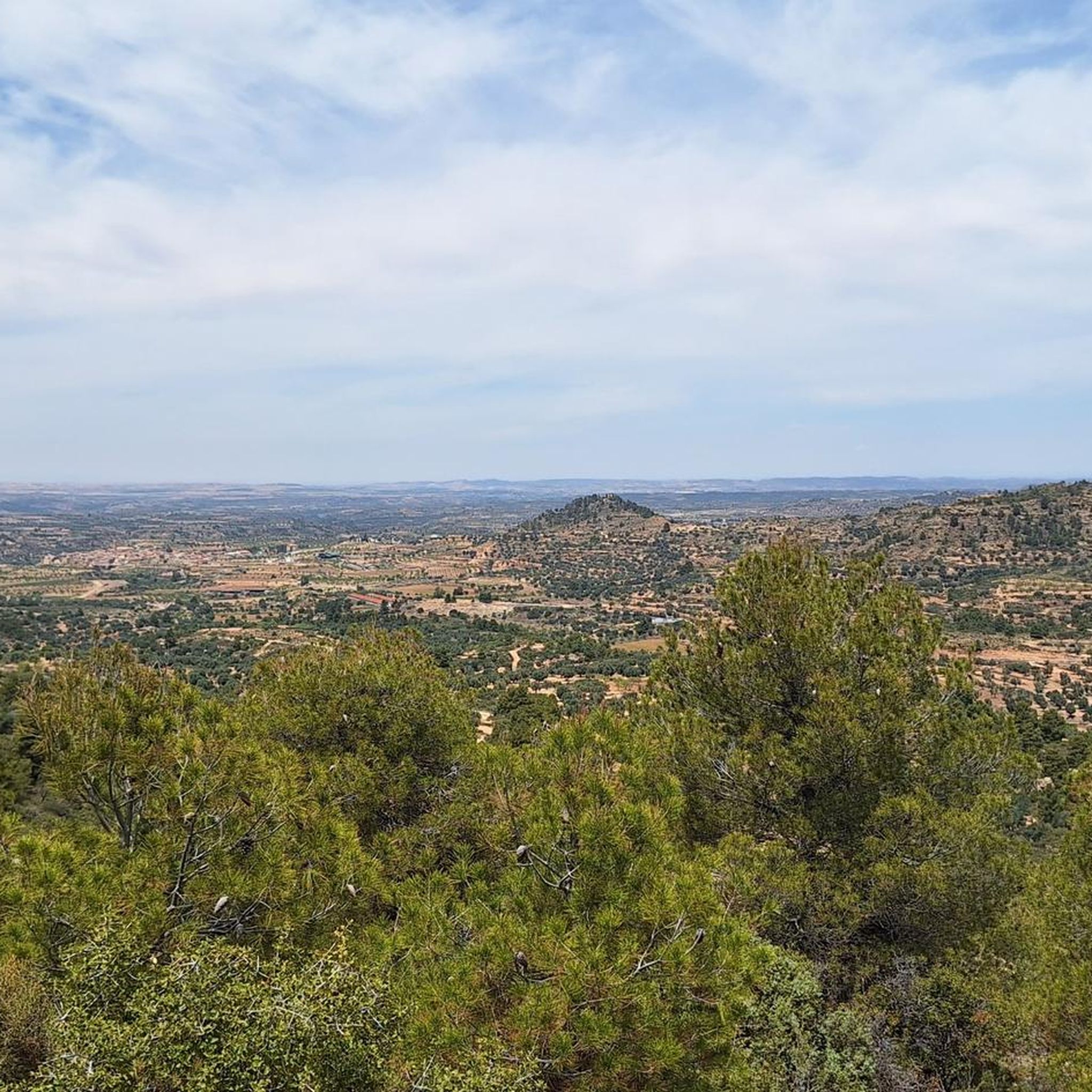
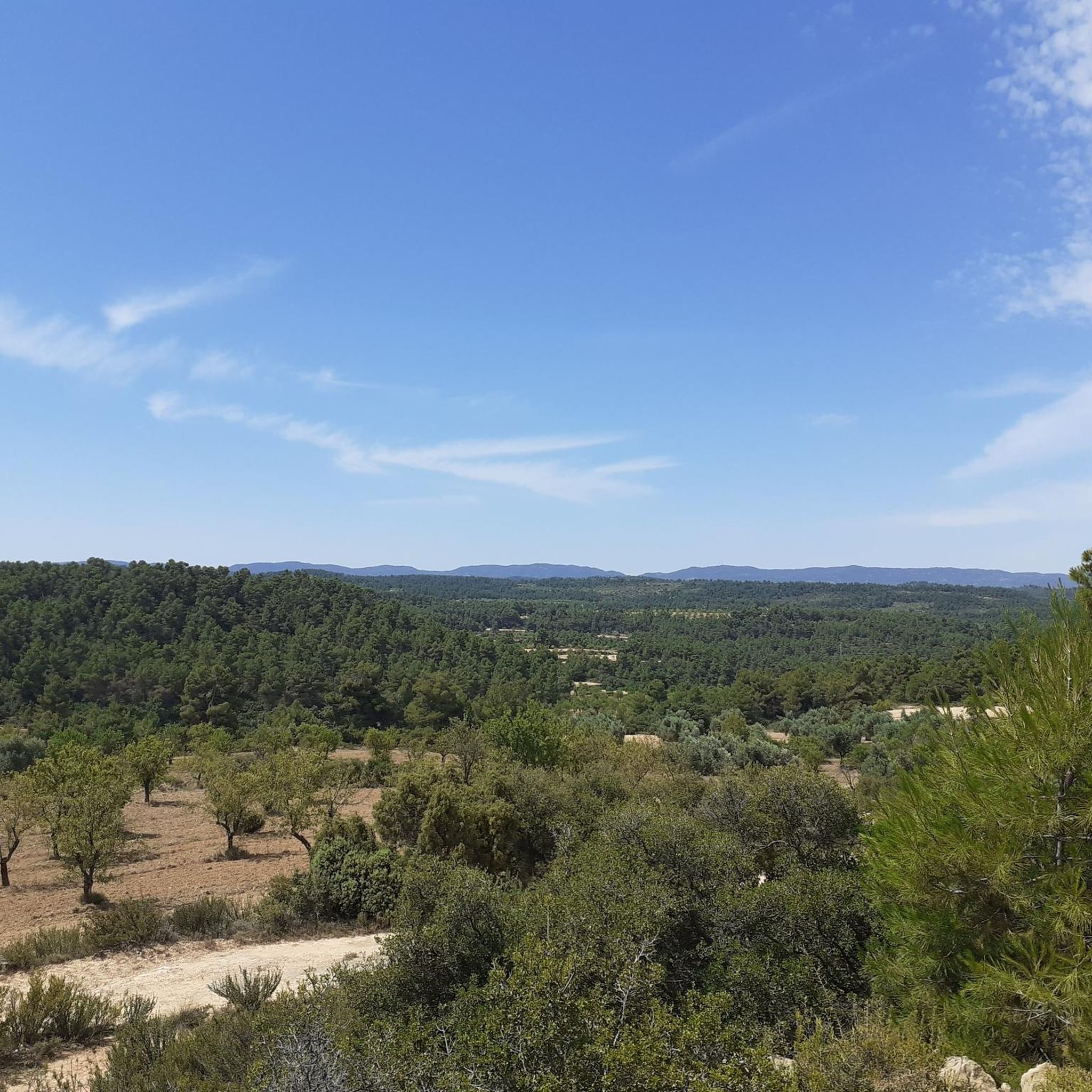
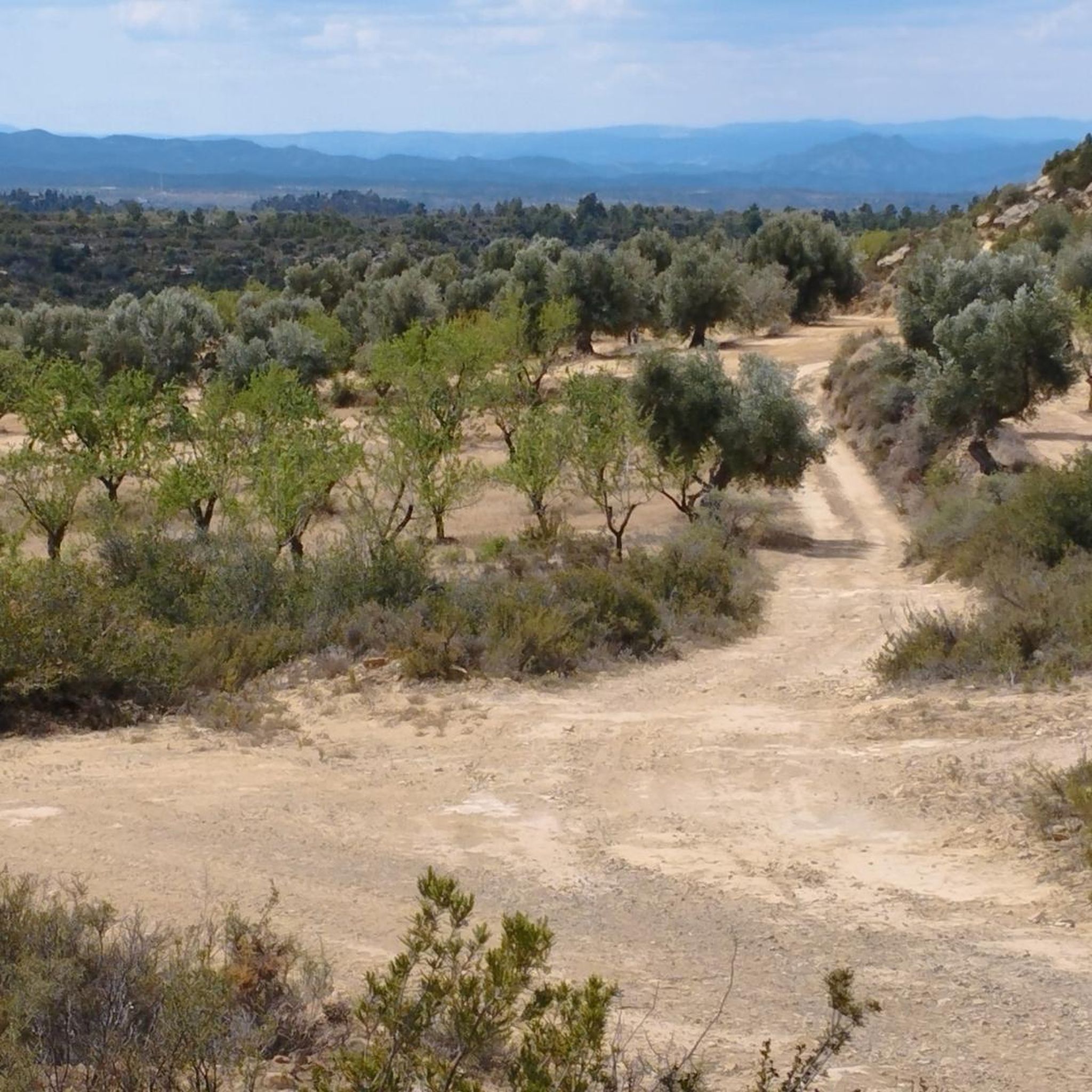
Stage 4. Horta de Sant Joan/Valdealgorfa 40.2 kilometers. 320 positive meters. The end of the bikepacking trip has a magnificent closure. The route leaves the Horta de Sant Joan station, passes through one of the last tunnels on the way and the Algars River Viaduct appears, impressive, 170 meters long and four large arches 20 meters high. At the bridge you cross the Matarraña-Algars Natural Trail. The path advances through a landscape of crops, vines and scrubland until the Cretas station. The town leaves the mountains on the right and the route runs along the highest section of the old railway route, at the old Valderrobres station. The descent through the Canaleta valley is fantastic, the bikes launch at full speed towards the plain of the Matarraña river. On some hills to the left, the silhouette of the Torre del Compte houses appears attached to the crest of a lookout hill, like most of the towns in the region. The path passes through the old station, converted into a rural hotel, and crosses the Matarraña viaduct, 275 meters long, one of the great works of the railway. The meadow is a beautiful agricultural area of impeccable crops, adapted to the soil and relief of the valley. The Matarraña River marks the end of the mountain landscapes. The road passes through a new curved tunnel and immediately the Valdeltorno station appears, where the detour to the Matarraña Natural Path that we used three days before in the first stage towards Fayón departs. Now the route continues straight on through familiar terrain, it crosses the straight that goes up to the attractive Valjunquera station and shortly after the decisive moment of the stage arrives. On the first day of the trip we leave the Equinox Tunnel for the return and it is time to face the experience. The milestones of the Natural Trail indicate the route outside the tunnel for safety, since it is not conditioned or maintained, landslides and waterlogged sections may appear, the ground is stony and it is easy to suffer incidents, it is a 2.4 kilometer journey of darkness and It is the responsibility of each person to make the decision to travel through the old railway tunnel. In our case we asked in the town and at that time it was in acceptable condition. And we chose the direction from east to west so that it was downhill because there is a 60 meter difference in altitude. The surface has sections with quite a few stones and you have to hone in on the gravel to avoid skidding, it is a matter of patience, good light and skill. The exit hole grows little by little and finally the fence installed at the mouth of the tunnel appears to control the passage and a few meters later the Valdealgorfa station, the end of a new and intense bikepacking adventure.
0
0

The Calatravos castle is today a national tourist stop. Its oldest part dates back to the 13th century, although the cloister and palace date from the 14th century. The outer wall was renovated in the 19th century.
0
0

This picturesque but quiet town in the interior of Teruel is internationally known for its entrances in the Holy Week festivities. In addition to this, it is also an ideal place to start several hiking routes in the area, including a visit to the Los Arcos Aqueduct.
1
1

Calanda is a very famous town that is at the gates of the Iberian system for the Holy Week festivities, declared of National and International Tourist Interest.
0
0
Calatravos Castle is located on a ridge at the southern end of the town of Alcañiz. This castle was built strategically, it is said, possibly in Roman and later Muslim times.
0
1

It is essential to bring light, it is totally dark. It has some doors, it may be closed at some point.
1
1

From here you have a good view of the surroundings. Today the castle is a hotel (Parador).
1
0
Frequently Asked Questions
What natural features can I explore around Castelserás?
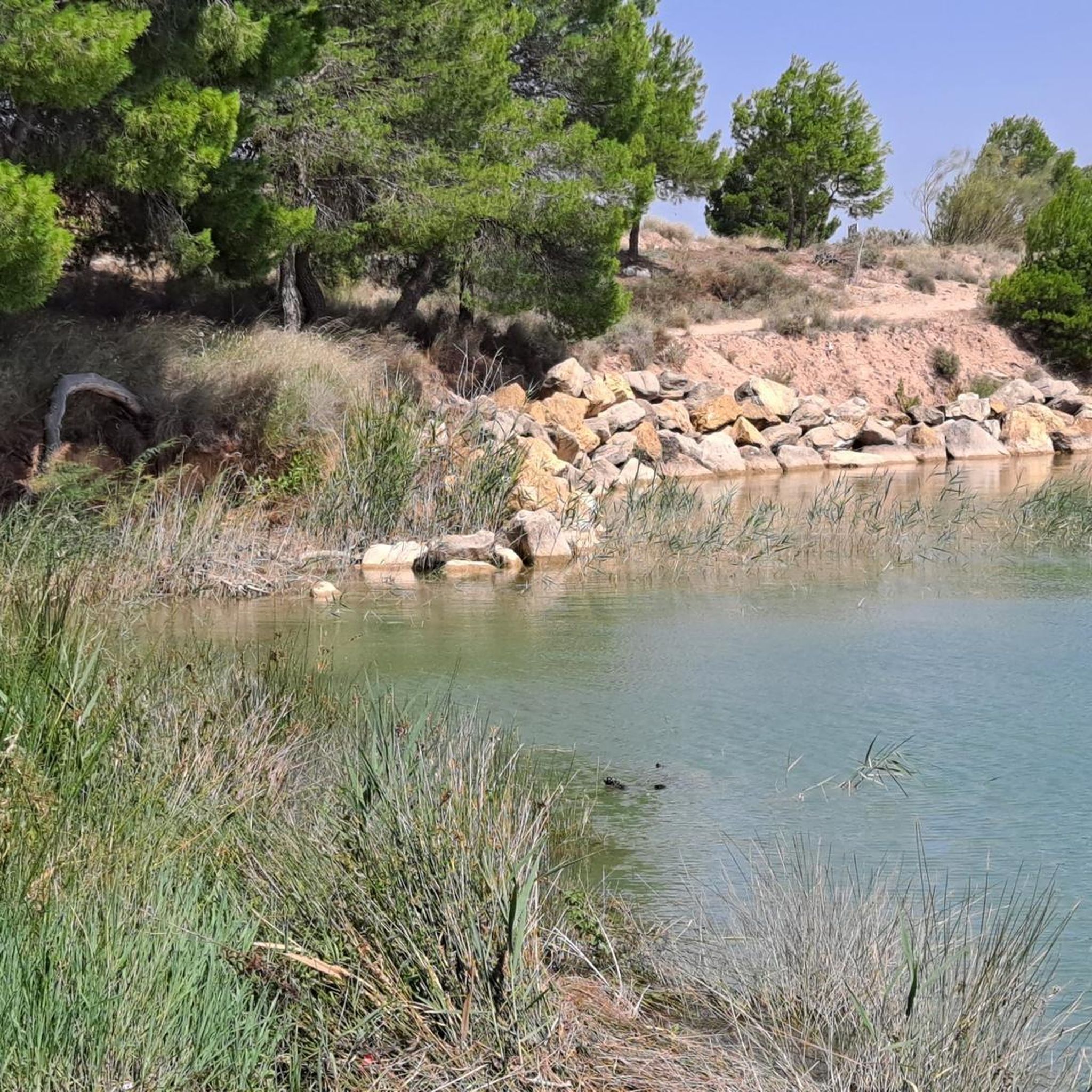
Castelserás is situated at the confluence of the Guadalope and Mezquín rivers, offering natural spaces with rocks molded by the water. You can also enjoy a botanical walk along the banks of the Guadalope River to explore local flora.
What historical landmarks can I visit in Castelserás?
The town boasts a magnificent historic bridge, possibly Roman in origin, crossing the Guadalope River. Other notable landmarks include the Baroque Church of Nuestra Señora de la Natividad, the 16th/17th-century Casa Grande (or El Castillo), and the Casa de la Encomienda, which now serves as an interpretive center.
Are there any cultural sites or points of interest in Castelserás?
Yes, explore Plaza España with its town hall, the Fountain-Wash House, and the historic Casa Cascajares. Don't miss the unique Fountain of the Bridge with the Woman of the Jug sculpture and the Olive Oil Monument, paying tribute to the region's heritage. The Alcañiz area also offers the Church of Santa María la Mayor and the Lonja de Alcañiz.
What outdoor activities are available near Castelserás?
The region offers various outdoor activities, particularly cycling. You can find numerous MTB trails, road cycling routes, and gravel biking options. For detailed routes and guides, explore the MTB Trails around Castelserás, Road Cycling Routes around Castelserás, and Gravel biking around Castelserás guides.
Are there family-friendly attractions or activities in the area?
Many of the historical sites and natural walks are suitable for families. The nearby settlement of Alcañiz and Calanda are noted as family-friendly, offering historical sites and opportunities for gentle exploration.
Where can I go swimming in Castelserás?
Traditionally, locals have used areas of the Guadalope River for swimming in summer. Popular spots include Las Ollas, Pozo de los Estudiantes, and El Azud.
What is the best time of year to visit Castelserás for outdoor activities?
The region is generally pleasant for outdoor activities during spring and autumn. The Equinox Tunnel, for example, is fully illuminated by the sun around the autumn and spring equinoxes, offering a unique experience.
Are there any unique or 'hidden gems' to discover?
A unique spot is the Sword in the Stone, located near the bridge over the Guadalope River, where visitors seek luck or wish fulfillment. The Equinox Tunnel also offers a distinctive, albeit dark, two-kilometer journey that some find chilling yet recommended.
What do visitors say about the <a href="https://www.komoot.com/highlight/2752464" target="_blank" rel="noopener">Equinox Tunnel</a>?
Visitors describe the Equinox Tunnel as a very rare and somewhat chilling experience, losing the feeling of time and space in the dark. It's recommended to bring a light, as it's completely dark inside. The tunnel is part of a bikepacking route and can be stony in sections, requiring patience and skill if cycling through.
Can I find places to eat or stay in Castelserás?
While specific establishments are not detailed in the guide, the town square, Plaza España, is a central point. For broader information on local amenities, you might find details on the official tourism site for the region: visitbajoaragon.com.
What archaeological sites are present in the Castelserás area?
The municipal boundaries of Castelserás contain some of the oldest archaeological ruins in the Lower Aragon region, dating from the Middle Palaeolithic or Mousterian period. These sites are particularly found along the banks of the Guadalope River.
Is there a specific route for botanical exploration?
Yes, the Loscos Route is a dedicated botanical walk that runs along the banks of the Guadalope River. It complements a visit to the Casa de la Encomienda, which is now an interpretive center dedicated to botanists Loscos and Pardo Sastrón.
What is the <a href="https://www.komoot.com/highlight/3635251" target="_blank" rel="noopener">Castle of the Calatravos</a> and what does it offer?
The Castle of the Calatravos, located on a ridge near Alcañiz, has parts dating back to the 13th century. It offers excellent views of the surroundings and currently operates as a hotel (Parador). Its strategic location suggests a history dating back to Roman and Muslim times.
Most popular routes around Castelserás

Get inspired with the komoot mobile app


Explore more
Still not found the Highlight you’re looking for? See guides of the top attractions in other regions:
