The best gravel rides around Castelserás
17
riders
6
rides
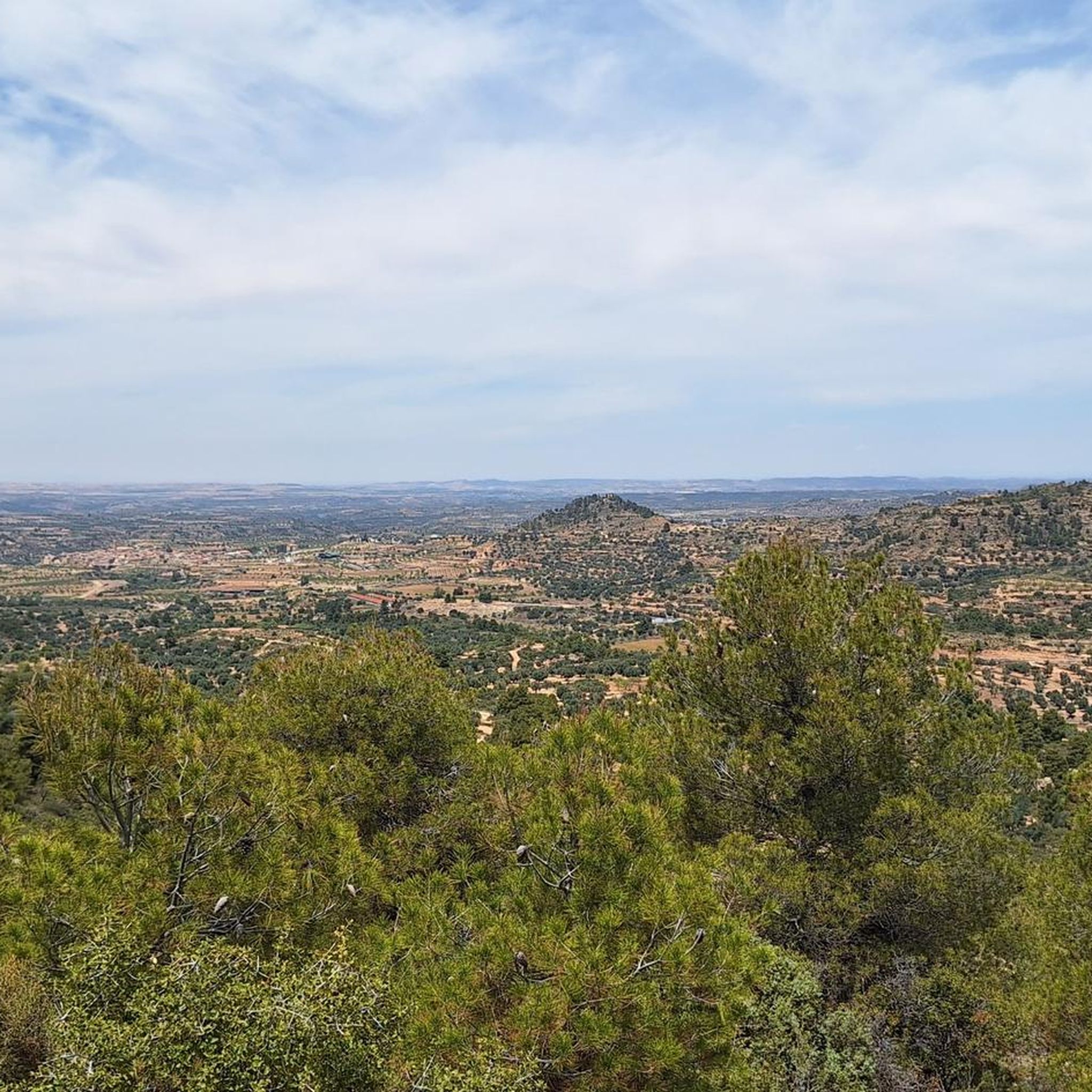
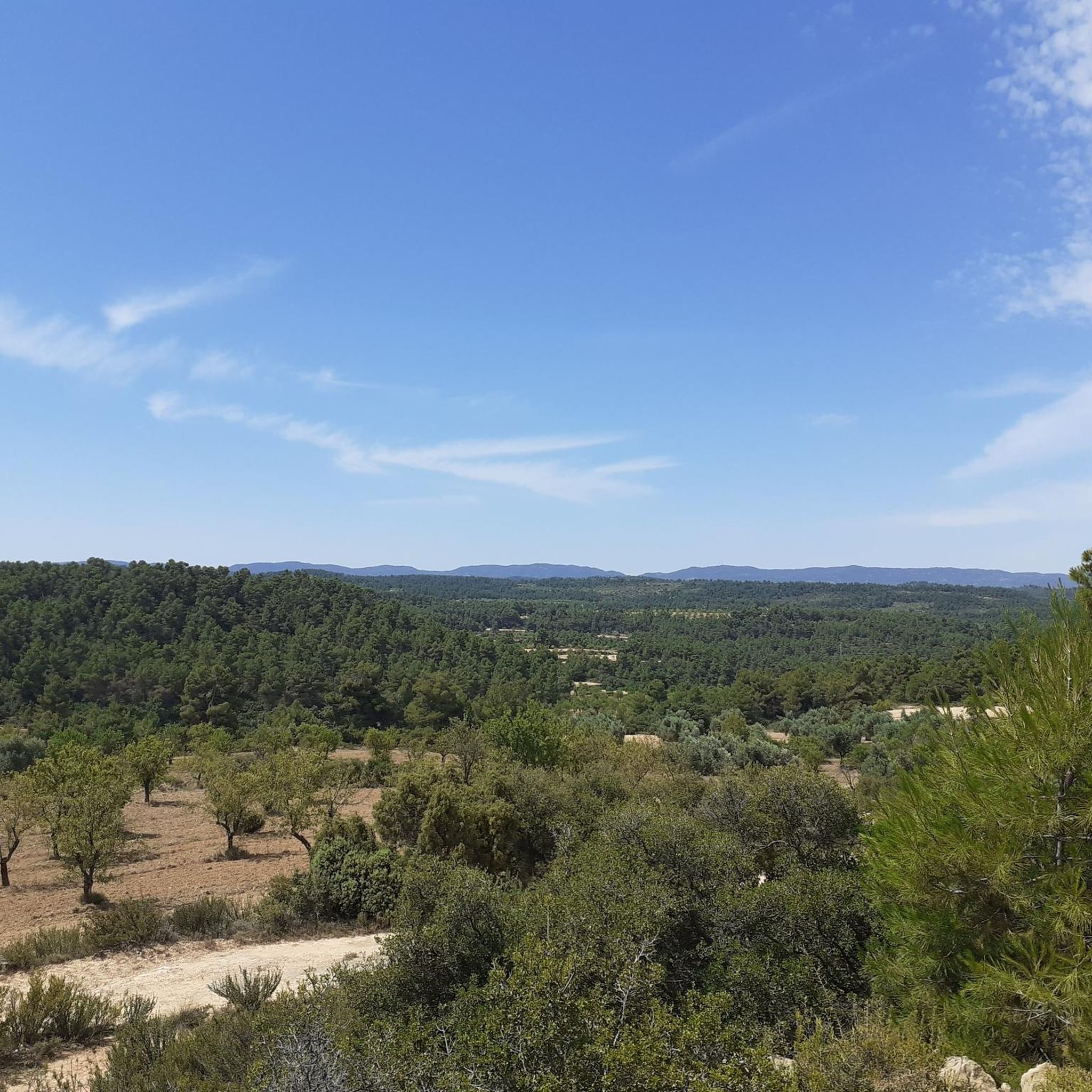
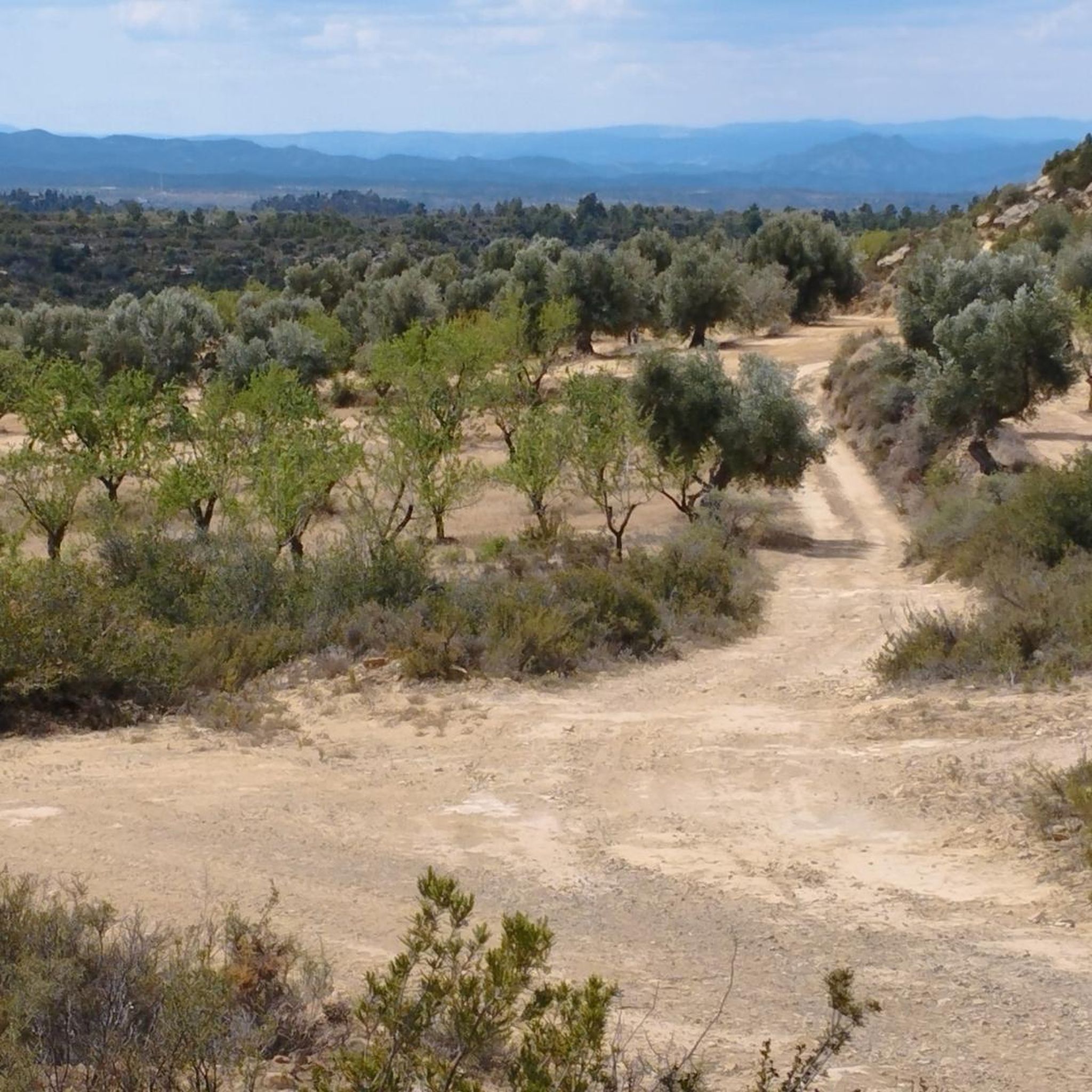
Gravel biking around Castelserás offers diverse terrain in the Lower Aragon region of Spain. The area is characterized by its position on a hill, bordered by the River Guadalope and River Mezquín, contributing to varied landscapes. Riders can navigate vehicle-width gravel tracks that connect villages, traversing semi-arid steppes, Mediterranean forests, and premontane areas. These routes provide extensive off-road cycling opportunities through river valleys and varied ecosystems.
Best gravel bike trails around Castelserás
- The most popular gravel bike trail is Equinox…
Last updated: July 7, 2026
3
riders
43.6km
03:05
540m
530m
Hard gravel ride. Very good fitness required. Mostly paved surfaces. Suitable for all skill levels.
3
riders
47.7km
03:22
600m
600m
Hard gravel ride. Very good fitness required. Mostly paved surfaces. Suitable for all skill levels.

Sign up for free
6
riders
59.5km
03:51
760m
760m
Hard gravel ride. Very good fitness required. Mostly paved surfaces. Suitable for all skill levels.
1
riders
25.6km
02:04
420m
420m
Moderate gravel ride. Good fitness required. Mostly paved surfaces. Suitable for all skill levels.
2
riders
22.4km
01:59
460m
460m
Hard gravel ride. Very good fitness required. Mostly paved surfaces. Suitable for all skill levels.
Our route recommendations are based on thousands of hikes, rides, and runs completed by other people on komoot.
Start today with a free account
Your next adventure awaits.
Login or Signup
Tips from the Community

Here you can get a delicious baguette for €1.10, 24/7. It tastes great!
0
0

The Church of Our Lady of Hope in Calanda (Teruel) is a prominent Baroque church with a rich history dating back to the 13th century. The original building was a small church constructed in the late 13th century. In 1462, Pedro Vacca, Lord of Calanda, rebuilt and expanded it, linking it to the Order of Calatrava.
2
0

An old farmhouse that can be found along the Zafán Green Route between Valdealgorfa and Alcañíz.
1
0
Bridge over the Guadalope River in Castelserás.
1
0
Good views of Alcañiz.
0
0

Stage 4. Horta de Sant Joan/Valdealgorfa 40.2 kilometers. 320 positive meters. The end of the bikepacking trip has a magnificent closure. The route leaves the Horta de Sant Joan station, passes through one of the last tunnels on the way and the Algars River Viaduct appears, impressive, 170 meters long and four large arches 20 meters high. At the bridge you cross the Matarraña-Algars Natural Trail. The path advances through a landscape of crops, vines and scrubland until the Cretas station. The town leaves the mountains on the right and the route runs along the highest section of the old railway route, at the old Valderrobres station. The descent through the Canaleta valley is fantastic, the bikes launch at full speed towards the plain of the Matarraña river. On some hills to the left, the silhouette of the Torre del Compte houses appears attached to the crest of a lookout hill, like most of the towns in the region. The path passes through the old station, converted into a rural hotel, and crosses the Matarraña viaduct, 275 meters long, one of the great works of the railway. The meadow is a beautiful agricultural area of impeccable crops, adapted to the soil and relief of the valley. The Matarraña River marks the end of the mountain landscapes. The road passes through a new curved tunnel and immediately the Valdeltorno station appears, where the detour to the Matarraña Natural Path that we used three days before in the first stage towards Fayón departs. Now the route continues straight on through familiar terrain, it crosses the straight that goes up to the attractive Valjunquera station and shortly after the decisive moment of the stage arrives. On the first day of the trip we leave the Equinox Tunnel for the return and it is time to face the experience. The milestones of the Natural Trail indicate the route outside the tunnel for safety, since it is not conditioned or maintained, landslides and waterlogged sections may appear, the ground is stony and it is easy to suffer incidents, it is a 2.4 kilometer journey of darkness and It is the responsibility of each person to make the decision to travel through the old railway tunnel. In our case we asked in the town and at that time it was in acceptable condition. And we chose the direction from east to west so that it was downhill because there is a 60 meter difference in altitude. The surface has sections with quite a few stones and you have to hone in on the gravel to avoid skidding, it is a matter of patience, good light and skill. The exit hole grows little by little and finally the fence installed at the mouth of the tunnel appears to control the passage and a few meters later the Valdealgorfa station, the end of a new and intense bikepacking adventure.
0
0

The Calatravos castle is today a national tourist stop. Its oldest part dates back to the 13th century, although the cloister and palace date from the 14th century. The outer wall was renovated in the 19th century.
0
0

It is mandatory to use lights inside the tunnel. Not only to see the way, but also to be seen. It's exciting to think that these structures were built for train use only.
0
0
Frequently Asked Questions
How many gravel bike trails are available around Castelserás?
There are over 5 gravel bike routes available around Castelserás, offering diverse experiences for riders. These routes cater to various skill levels, from easy to difficult.
What kind of terrain can I expect on gravel bike routes in Castelserás?
Gravel biking around Castelserás features a mix of terrain, including vehicle-width gravel tracks, semi-arid steppes, Mediterranean forests, and premontane areas. You'll also find routes traversing river valleys, particularly along the Guadalope and Mezquín rivers, which contribute to the varied landscapes.
Are there routes suitable for beginners or families in Castelserás?
Yes, there is at least one easy gravel bike route available: Rest Area with Water Point – Estanca de Alcañiz loop from Alcañiz. This route is shorter and has less elevation gain, making it a good option for those seeking a more relaxed ride or for families.
What natural features or landmarks can I see while gravel biking near Castelserás?
Many routes pass by significant natural features and historical landmarks. You can explore areas formed by rocks molded by the Guadalope river, such as 'Las Ollas' and 'Pozo de los Estudiantes'. Some trails also lead to the Equinox Tunnel or near the historic Castle of the Calatravos.
Are there any scenic viewpoints along the gravel bike trails?
Yes, the region offers several scenic viewpoints. Elevated points like the Hermitage of Santa Bárbara provide magnificent views of Castelserás and the surrounding environment. The area is also part of the 'Route of the Vantage Points' developed by the Lower Aragon regional administration, offering panoramic views of diverse ecosystems.
What are the typical difficulty levels of gravel bike routes in the area?
The gravel bike routes around Castelserás range from easy to difficult. While there is one easy route, the majority of the routes, such as Equinox Tunnel – Valdealgorfa loop from Alcañiz and Alcañiz – Castle of the Calatravos loop from Antigua Estación de Valdeagorfa, are classified as difficult, featuring more extensive off-road cycling and varied terrain.
Are there any long-distance gravel bike routes around Castelserás?
Yes, for those looking for longer rides, routes like Abandoned Valldeltormo Station – Railway Tunnel loop from Alcañiz cover approximately 63 kilometers (39 miles) and take around 5 hours 26 minutes to complete, leading through forests and meadows.
Is there parking available for gravel bikers in Castelserás?
While specific parking locations for gravel bikers are not detailed, Castelserás is a town with amenities. It's generally possible to find parking within the town or at the start points of routes, especially near larger towns like Alcañiz, which is a common starting point for many trails.
What is the best time of year for gravel biking in Castelserás?
The region's climate, characterized by semi-arid steppes and Mediterranean forests, suggests that spring and autumn would be ideal for gravel biking, offering pleasant temperatures and vibrant landscapes. Summers can be hot, and winters might be cooler, but generally rideable.
Are the gravel bike routes around Castelserás typically circular?
Many of the gravel bike routes in the Castelserás area are designed as loops, allowing you to start and finish at the same point. Examples include Equinox Tunnel – Valdealgorfa loop from Alcañiz and Calanda loop from Calanda, which are convenient for day trips.
Are there any cafes or places to stop for refreshments near the trails?
Castelserás itself offers local amenities. Additionally, many routes start or pass through nearby towns like Alcañiz or Calanda, where you can find cafes, restaurants, and other services to refuel during or after your ride.
What historical sites can I explore while gravel biking?
Beyond the natural beauty, you can encounter historical sites such as a magnificent bridge over the Guadalope river, possibly Roman in origin, featuring Baroque niche-chapels. The Casa Grande, a 16th or 17th-century stone house, also provides an interesting architectural stop near the river.
Most popular routes around Castelserás
Most popular attractions around Castelserás

Get inspired with the komoot mobile app


Explore more
Browse the best Gravel rides in other regions.
