The best walks and hikes around El Burgo Ranero
4.4
(31)
194
hikers
9
hikes
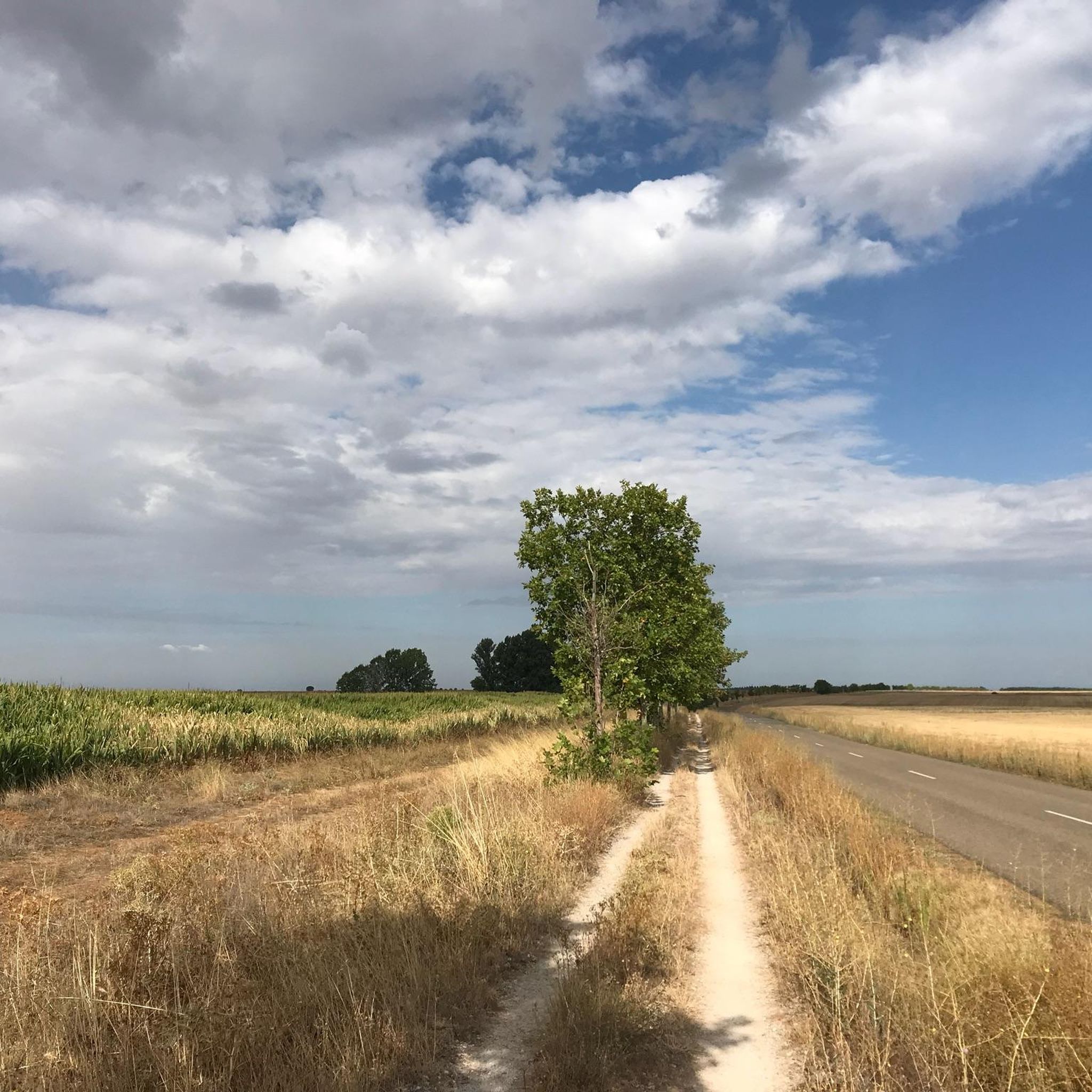
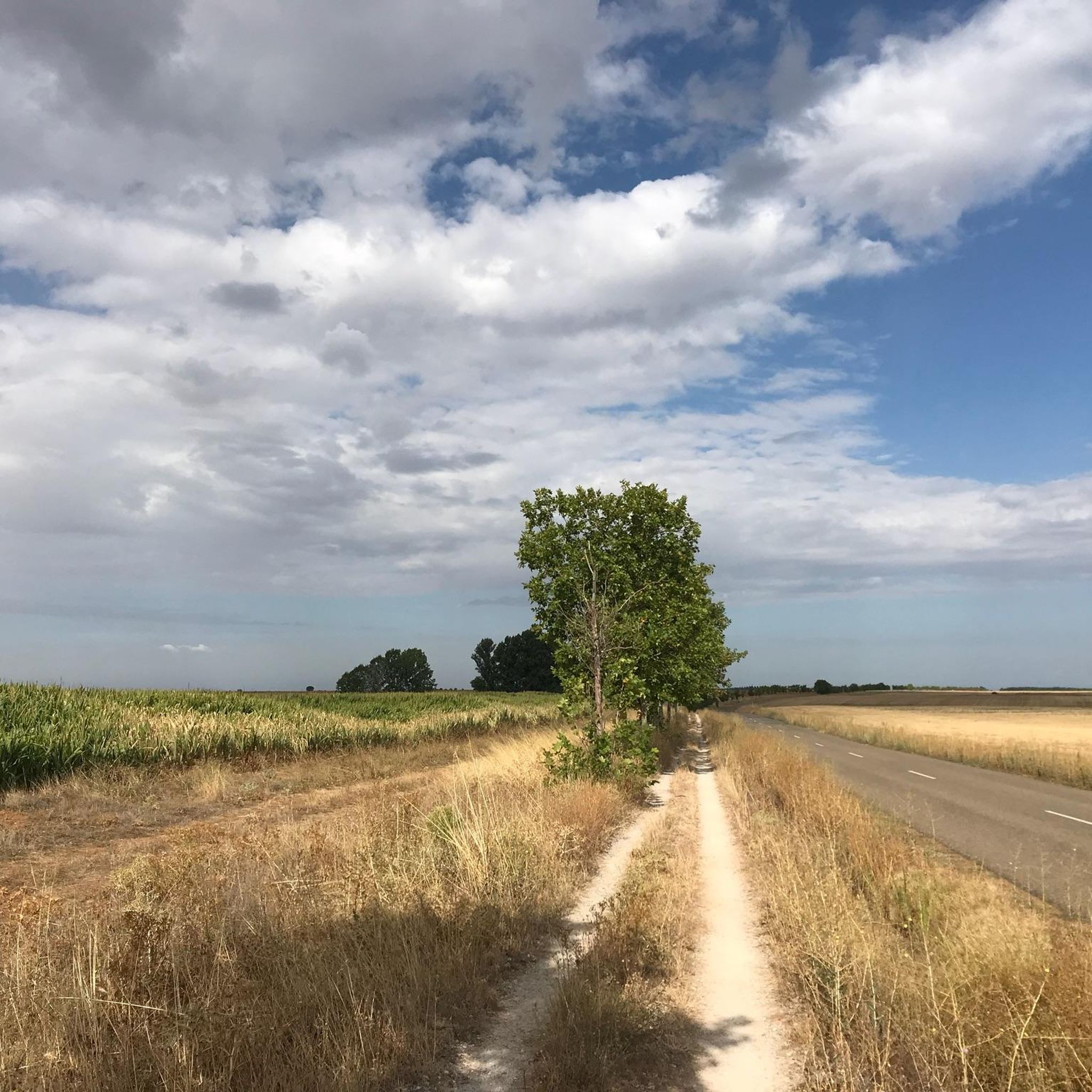
Hiking around El Burgo Ranero offers a distinct experience across the flat Castilian plateau, characterized by vast agricultural lands and the open Meseta landscape. The region's terrain primarily consists of long, relatively level stretches, providing a unique setting for long-distance walking. These routes often follow ancient paths, including sections of the historic Camino Francés and Camino Real. The landscape is defined by its expansive plains, offering a sense of solitude and connection with the rural environment.
Best hiking trails around…
Last updated: October 10, 2026
28.7km
07:21
110m
110m
Hike the Calzada del Coto from El Burgo, a difficult 17.9-mile circular route on the Camino Francés, offering solitude and historical sites.
14.3km
03:38
40m
40m
Moderate hike. Good fitness required. Easily-accessible paths. Suitable for all skill levels.

8
hikers
11.3km
02:53
30m
30m
Moderate hike. Good fitness required. Easily-accessible paths. Suitable for all skill levels.
10
hikers
Hard hike. Very good fitness required. Easily-accessible paths. Suitable for all skill levels.
3.5
(2)
7
hikers
9.26km
02:22
30m
30m
Moderate hike. Good fitness required. Easily-accessible paths. Suitable for all skill levels.
Get access to more routes and recommendations from other explorers.
Already have an account?
Our route recommendations are based on thousands of hikes, rides, and runs completed by other people on komoot.
Start today with a free account
Your next adventure awaits.
Popular around El Burgo Ranero
Tips from the Community

This beautiful and large church in Sahagun dedicated to San Lorenzo, is built in red brick in the Romanesque Mudejar style and dates back to the 13th century.
5
0

Medieval church representative of the Mudejar Romanesque style of Sahagún. Definitely not to be missed
1
1
The most interesting part is the church of San Tirso, in the Romanesque Mudejar style, with its apse and bell tower. The mural is anecdotal.
1
1

The Ermita de Nuestra Señora de Perales is a historic chapel located in Bercianos del Real Camino. The chapel was built in the 17th century. It was originally dependent on the Hospital del Cebreiro, which was founded in the 12th century. It is a simple brick building with a gable roof and a single tower. The interior is sober but charming, with a focus on devotion to Our Lady of Perales. Every year on September 8, a romería (pilgrimage) is held in her honor, during which the people of Bercianos del Real Camino visit the chapel and celebrate a party. The chapel is open from June 15 to September 30, from Monday to Sunday, between 11:00 and 13:00 and 18:00 and 20:00.
2
0
The Arco de San Benito is an impressive monument in Sahagún, located in the region of Castilla y León, Spain. It was built around 1662 by the architect Felipe Berrojo to replace the old Romanesque portal of the Monasterio de San Benito. The arch is designed as a triumphal arch, under which the N-120 passes, and is also known as "la puerta de Sahagún" (the gate of Sahagún). The monument is richly decorated with a central shield, inscriptions and sculptures of Saints Facundo and Primitivo. At the top is the royal shield, and there are also sculptures of Alfonso III and Alfonso VI, who were important protectors of the monastery.
8
0
The Arch" author Manuel García Juan. This mural shows two unmistakable symbols of Sahagún, a pilgrim, who represents those who cross the streets throughout the year, and the Arch of San Benito, the entrance door to the Monastery of San Benito that remains open as a symbol of invitation. Year 2020
3
1
Sahagún is a charming town and municipality in the province of León, in the autonomous community of Castile and León, and is an important point on the Santiago de Compostela pilgrimage route. Sahagún is known for its rich history and beautiful architecture, including some of the earliest examples of the Mudejar style. The town also has a number of medieval churches from the 12th and 13th centuries. One of the most notable historical events is the Battle of Sahagún in 1808, where the British light cavalry won a victory over the French troops. The town is also famous for its former Benedictine monastery, which played an important role in the Santiago de Compostela pilgrimages. Although the monastery was dissolved and largely demolished in the 19th century, it remains an important part of Sahagún's history.
3
1
"El Arco, un peregrino y el Arco de San Benito.": Tribute to the pilgrim and the Arch of San Benito that shines in a mural of 150 square meters in the area of the Arch of San Benito.
3
1
Frequently Asked Questions
How many hiking trails are available in El Burgo Ranero?
There are 9 hiking trails available around El Burgo Ranero, offering a range of experiences across the flat Castilian plateau.
What is the typical terrain like for hiking around El Burgo Ranero?
The terrain around El Burgo Ranero is characterized by the vast, flat Castilian Meseta and extensive agricultural lands. Hikers can expect long, relatively level stretches, often following ancient paths like the Camino Francés and Camino Real, offering a unique sense of solitude and connection with the rural environment.
Are there hiking options for different skill levels in El Burgo Ranero?
Yes, El Burgo Ranero offers routes for various skill levels. There is 1 easy route, 5 moderate routes, and 3 difficult routes, ensuring options for both casual walkers and those seeking a more challenging long-distance experience.
What historical or natural landmarks can I see while hiking near El Burgo Ranero?
While hiking, you can encounter several points of interest. The Parish Church of San Pedro, located directly on the Camino, is known for its 16th-century altarpiece and stork nests in late May. The striking ocher-painted Chapel of Virgen de Gracia is another frequently photographed monument. You might also cross the Esla river via an eight-arched bridge. Further afield, the San Benito Arch and Ruins of the Monastery of San Benito and the Hermitage of Our Lady of Perales are notable historical sites.
Are there any circular hiking routes available in El Burgo Ranero?
Yes, there are circular routes. A popular option is the El Burgo Ranero — circular by Camino Real (Francés), a moderate 8.9-mile (14.3 km) path that follows historical routes and takes about 3 hours 37 minutes to complete.
What is the best time of year to go hiking in El Burgo Ranero?
Given the open Meseta landscape, spring and autumn generally offer the most comfortable hiking conditions with milder temperatures. Summer can be very hot and exposed, while winter can bring cold temperatures, though the flat terrain makes it accessible year-round for those prepared for the weather.
Are there any long-distance hiking options from El Burgo Ranero?
Yes, El Burgo Ranero is a significant stop on the Camino Francés, a renowned long-distance pilgrimage route. You can undertake stages like the Camino Francés: El Burgo Ranero and Calzada del Coto Loop, a challenging 17.9-mile (28.7 km) trail that takes over 7 hours to complete.
What do other hikers enjoy most about hiking in El Burgo Ranero?
The area is highly rated by the komoot community, with an average score of 2.8 stars from over 10 reviews. Hikers often appreciate the unique experience of traversing the vast, open plains of the Meseta, the historical significance of the Camino routes, and the sense of solitude these trails provide.
Are there any unique cultural sights to explore in El Burgo Ranero?
Beyond the churches, El Burgo Ranero is notable for its over 70 traditional 'bodegas'—storage rooms dug into the clay soil—offering a glimpse into local agricultural heritage. Additionally, the El Burgo Ranero – Earth Houses of Reliegos loop from Fuente del Piojo leads towards the unique earth houses of Reliegos, providing a distinct cultural experience.
Are the hiking trails around El Burgo Ranero suitable for families or beginners?
Yes, there is 1 easy route available, making it suitable for beginners or families looking for a less strenuous walk. Many of the trails are relatively flat, which can be manageable for those new to hiking, though some routes are longer and rated moderate to difficult.
What amenities are available for hikers in El Burgo Ranero?
As a key stop on the Camino de Santiago, El Burgo Ranero provides essential services for hikers. These include various accommodations for pilgrims, shops for supplies, and other basic amenities to support your journey.
Can I find trails that offer views of local wildlife or natural features?
While the landscape is primarily agricultural, the open plains offer opportunities for birdwatching. The Parish Church of San Pedro's tower is particularly known for its stork nests, especially in late May. The Birdwatching Station loop from Tierras de la autovía 8 is a moderate 9.8-mile (15.8 km) route that might offer specific opportunities for observing local fauna.
Most popular attractions around El Burgo Ranero

Get inspired with the komoot mobile app


Explore more
Browse the best Hikes in other regions.
