Attractions and Places To See around Muñana - Top 15
Best attractions and places to see around Muñana include historical sites, natural landmarks, and cultural heritage. Situated in the Valle Amblés at the foot of the Sierra de Ávila, this municipality in Castile and León, Spain, offers contrasting landscapes where mountains meet fertile plains. The village, located at an altitude exceeding 1,100 meters, provides a blend of historical architecture and natural features.
Best attractions and places to see around Muñana
- The most popular attractions is Las Fuentes Pass, a…
Last updated: June 29, 2026
Las Fuentes Pass
Highlight • Mountain Pass
Translated by Google •
Tip by

Serrota
Highlight • Summit
Translated by Google •
Tip by
Sign up now to discover places like this
Get recommendations on the best single tracks, peaks, & plenty of other exciting outdoor places.
Sign up for free
Rollo de Muñotello
Highlight • Monument
Translated by Google •
Tip by

Ruins of Monasterio del Risco
Highlight • Historical Site
the remains of the apse of the Gothic church. Currently, it
What attracts the …
Translated by Google •
Tip by

Muñogalindo
Highlight • Settlement
Translated by Google •
Tip by
Sign up for free to discover even more attractions around Muñana.
Sign up for free
Already have an account?
Start today with a free account
Your next adventure awaits.
Login or Signup

Tips from the Community

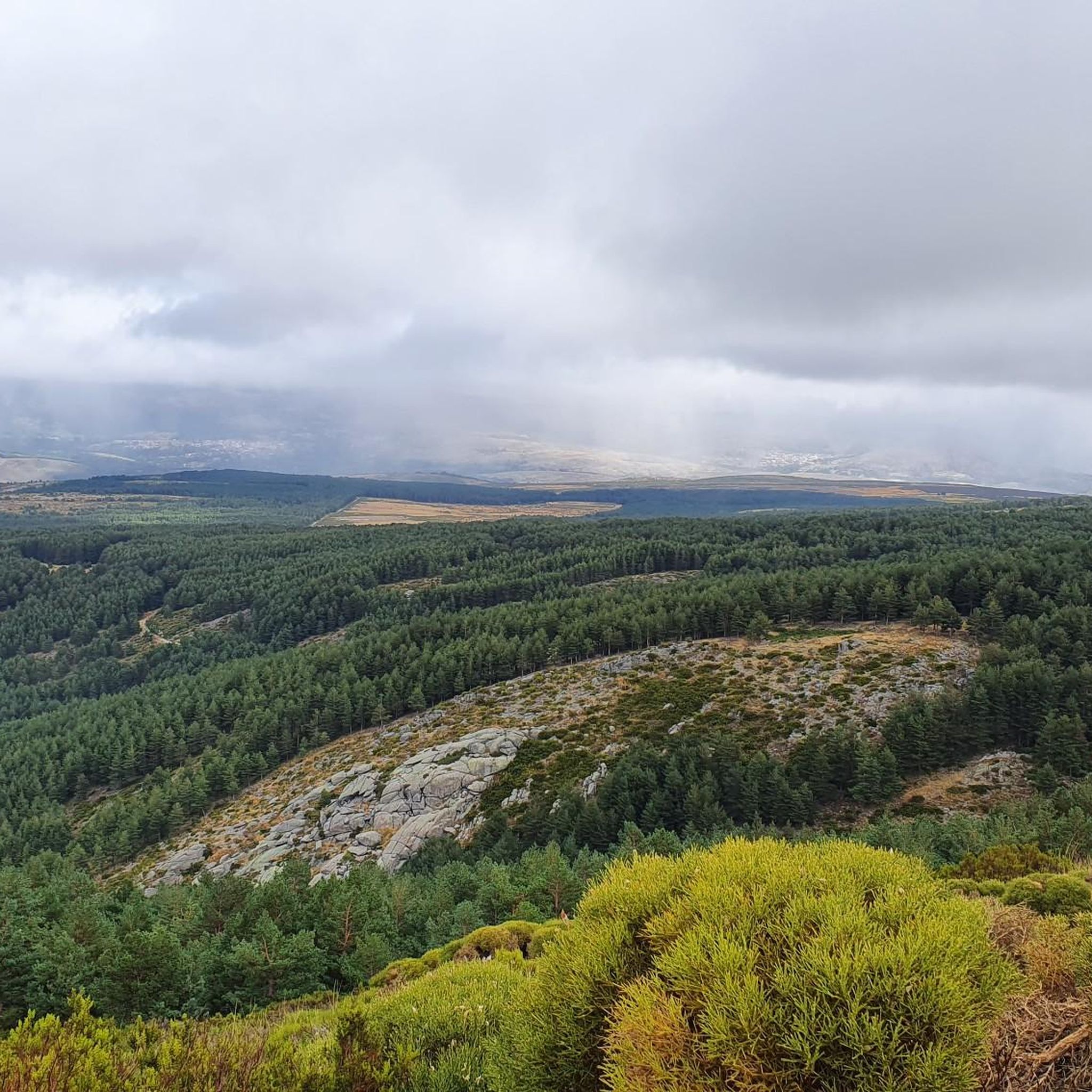
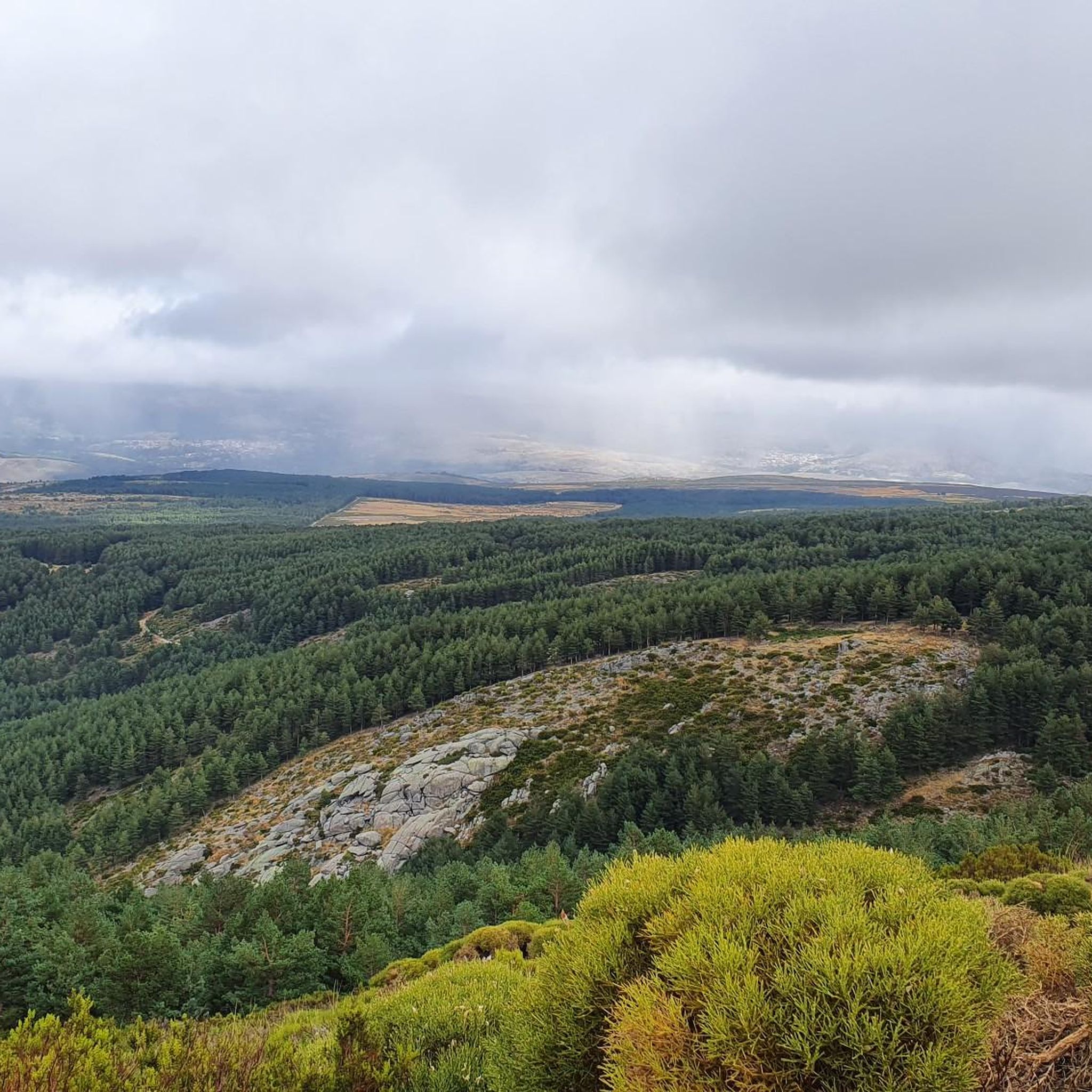
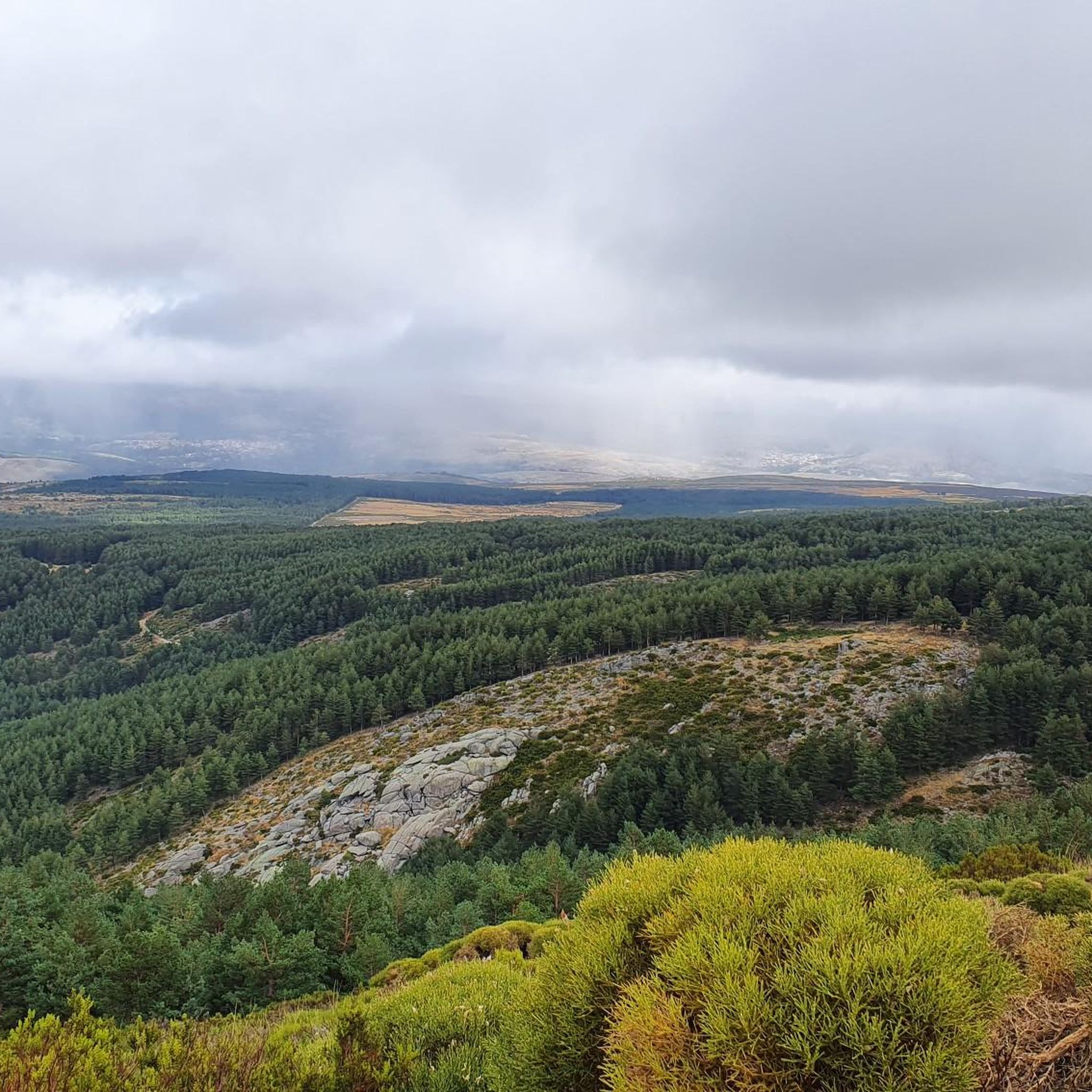
The Serrota is a mountain that reaches 2,292 meters in height, which means that you need to watch the time of its ascent, where the snow covers the area completely with low temperatures.
1
0
Small town that is located in what is called the Valle de Amblés and that is a few kilometers from its capital, Ávila. From the core, you can begin to see the first forms of the Sierra de Paramera and Gredos.
0
0
Mountain pass located in the center of the province of Ávila and which is 1,499 meters above sea level and connects the Amblés valley with San Juan del Olmo and the Muñico valley.
0
0

In the final stretch of the ascent, milestones appear in several places and the best option is to find the optimal path according to the moment, the mountain conditions and personal taste. The geodesic vertex is visible long before you arrive, it is placed on a tower of rocks and the views are extraordinary, practically covering the entire Central System, from the Sierra de Guadarrama to the peaks of Las Batuecas and the distant Sierra de Gata. Below the channels that form the sources of Corneja and Adaja and a little further on is the valley of the highest Alberche, when it is not yet a river in the páramos of San Martín de la Vega del Alberche.
0
0

Former Discalced Augustinian convent. Its current state is dilapidated. Still, covered with vegetation you can see the remains of the apse of the Gothic church. Currently, it What attracts the most attention is the magnificent tower built much later in blocks of perfectly carved granite and in the Herrerian style.
1
0

The Muñotello roll symbolizes the jurisdictional independence obtained by the town with respect to the Villatoro council in 1733, during the reign of Felipe V. The construction is made of carved granite, it is five meters high and represents the sovereignty of the town of Muñotello to administer Justice. The prisoners were tied to the stone pillory during the trial and depending on the sentence they were stoned to death or released.
0
0
Frequently Asked Questions
What historical sites can I explore around Muñana?
Muñana and its surroundings offer several historical sites. You can visit the Rollo de Muñotello, a five-meter-high carved granite monument symbolizing the town's jurisdictional independence from 1733. Another significant site is the Ruins of Monasterio del Risco, which are the dilapidated remains of a former Discalced Augustinian convent, featuring a Gothic church apse and a Herrerian-style tower. In Muñana itself, the Iglesia de San Esteban is a key part of the village's heritage, and you can observe traditional architecture throughout the urban area.
Are there any natural landmarks or scenic viewpoints near Muñana?
Yes, the region is rich in natural beauty. The Las Fuentes Pass is a mountain pass at 1,499 meters above sea level, connecting the Amblés valley with San Juan del Olmo and the Muñico valley, offering expansive views. For a more challenging experience, the Serrota mountain reaches 2,292 meters, providing extraordinary panoramic views that cover much of the Central System. Muñana is also situated in the scenic Valle Amblés at the foot of the Sierra de Ávila, with Cabeza Mesa being another prominent mountain in the area.
What cultural experiences or traditions can I find in Muñana?
Muñana is known for its vibrant local traditions and community spirit. The village hosts the Feria Agrícola y de Alimentación (Agricultural and Food Fair), which showcases local products and traditional tools. During Carnavales, young people wear regional costumes and organize the 'Luminaria,' a nighttime bonfire. Semana Santa (Holy Week) features solemn acts like the Procession of Silence, led by the Cofradía de Jesús Amarrado a la Columna, accompanied by traditional jotas dances. The Ermita de la Virgen de la Zarza is also central to the patron saint festivities from September 7th to 10th.
Are there family-friendly attractions around Muñana?
Families can enjoy exploring the historical significance of the Rollo de Muñotello, which is considered family-friendly. The general area around Muñana, with its traditional architecture and natural landscapes, provides opportunities for gentle walks and cultural immersion suitable for all ages. The local fairs and festivities, such as the Feria Agrícola y de Alimentación, also offer engaging experiences for families.
What kind of cycling routes are available near Muñana?
The area around Muñana offers a variety of cycling routes. For road cycling, you can find routes like the 'Convento de San José – Views of Ávila loop from Muñogalindo' or the 'Las Fuentes Pass – Puerto de Villatoro loop from La Torre.' If you prefer touring bicycles, options include the 'Muñogalindo – Oco Village Water Pond loop from Muñogalindo.' Mountain biking enthusiasts can explore trails such as the 'Villatoro and Garganta de los Hornos Loop' or the 'Castillo de Villaviciosa – Fuente Fría Picnic Area loop from Solosancho.' You can find more details on these routes in the Road Cycling Routes around Muñana, Cycling around Muñana, and MTB Trails around Muñana guides.
What is the best time of year to visit Muñana?
The best time to visit Muñana depends on your interests. The region experiences contrasting landscapes, with mountains meeting fertile plains. If you're interested in local festivities, the patron saint celebrations for the Virgen de la Zarza take place from September 7th to 10th, and Semana Santa (Holy Week) also features significant cultural events. For hiking, especially to higher peaks like Serrota, be aware that snow covers the area completely with low temperatures in winter, making spring, summer, and early autumn more suitable for high-altitude treks.
What is Muñogalindo and why is it mentioned as a point of interest?
Muñogalindo is a small town located in the Valle de Amblés, a few kilometers from Ávila. It's mentioned as a point of interest because it serves as a starting point for exploring the surrounding natural beauty, offering initial views of the Sierra de Paramera and Gredos. It also features in several nearby cycling routes, making it a relevant location for outdoor enthusiasts.
What kind of landscape can I expect in Muñana and its surroundings?
Muñana is characterized by contrasting landscapes. It is nestled in the Valle Amblés, offering fertile plains and scenic views, while simultaneously lying at the foot of the Sierra de Ávila, providing mountainous terrain. The village itself is situated at an altitude exceeding 1,100 meters, contributing to its unique environment where you can experience both valley and mountain features.
Are there any religious sites of significance in Muñana?
Yes, the Ermita de la Virgen de la Zarza is a significant religious site in Muñana, serving as the epicenter for the village's patron saint festivities held annually from September 7th to 10th. During these celebrations, multitudinous processions accompany the Virgen between the hermitage and the parish church. The Iglesia de San Esteban, located in the center of the village, is another important religious and historical landmark.
What is the significance of the 'Luminaria' during Carnavales in Muñana?
The 'Luminaria' is a traditional nighttime bonfire organized by young people (quintos) during the Carnavales festivities in Muñana. This event is held in honor of San José, reflecting a deep-rooted local custom and contributing to the vibrant cultural life and community spirit of the village.
What is the 'Feria Agrícola y de Alimentación' in Muñana?
The 'Feria Agrícola y de Alimentación' is an Agricultural and Food Fair held in Muñana. This event is a significant attraction, drawing visitors from across Spain. It serves as a platform to showcase local products and traditional tools, playing an important role in promoting cultural tourism and highlighting the region's agricultural heritage.
Most popular attractions around Muñana

Get inspired with the komoot mobile app


Explore more
Still not found the Highlight you’re looking for? See guides of the top attractions in other regions:
