The best cycling routes around Tírvia
4.3
(13)
287
riders
23
rides
Touring cycling routes around Tírvia are set within the mountainous terrain of the Catalan Pyrenees, offering varied topography and panoramic views. The region is characterized by its location within the Alt Pirineu Natural Park, Spain's largest natural park, ensuring access to well-preserved natural environments. Cyclists can navigate through river valleys and ascend to elevated points, encountering diverse flora and fauna. This area provides challenging yet rewarding routes for those seeking mountain cycling experiences.
Best touring cycling routes around Tírvia
- The…
Last updated: July 4, 2026
29
riders
58.2km
04:16
1,290m
1,290m
Hard bike ride. Very good fitness required. Mostly paved surfaces. Suitable for all skill levels.
27
riders
29.9km
03:14
1,110m
1,110m
Hard bike ride. Very good fitness required. Mostly paved surfaces. Suitable for all skill levels.

Sign up for free
15
riders
52.8km
03:59
1,170m
1,170m
Hard bike ride. Very good fitness required. You may need to push your bike for some segments of this route.
10
riders
21.6km
01:28
370m
370m
Moderate bike ride. Good fitness required. Mostly paved surfaces. Suitable for all skill levels.
9
riders
100km
07:09
2,030m
2,030m
Hard bike ride. Very good fitness required. Mostly paved surfaces. Suitable for all skill levels.
Get access to more routes and recommendations from other explorers.
Sign up for free
Already have an account?
Our route recommendations are based on thousands of hikes, rides, and runs completed by other people on komoot.
Start today with a free account
Your next adventure awaits.
Login or Signup
Tips from the Community

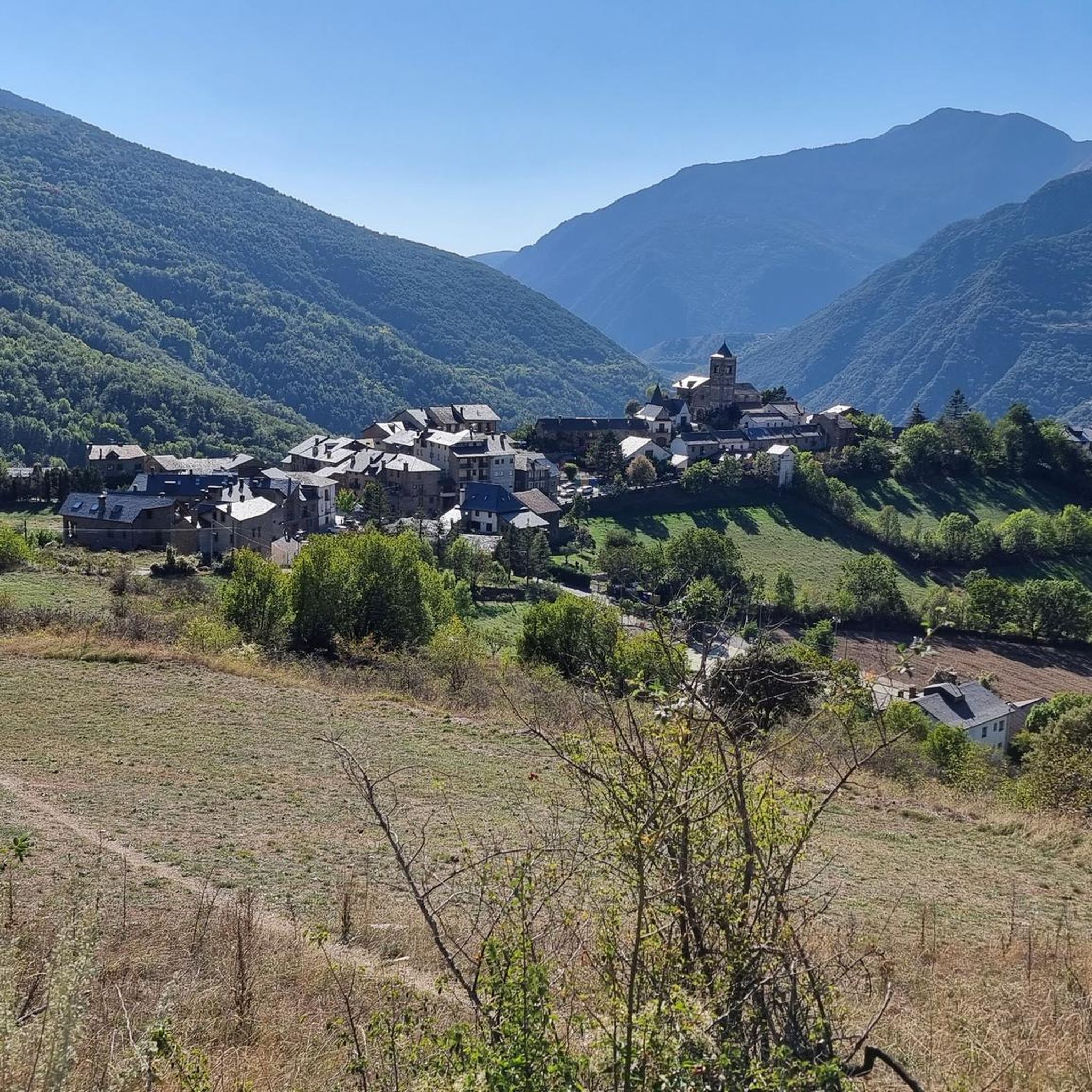
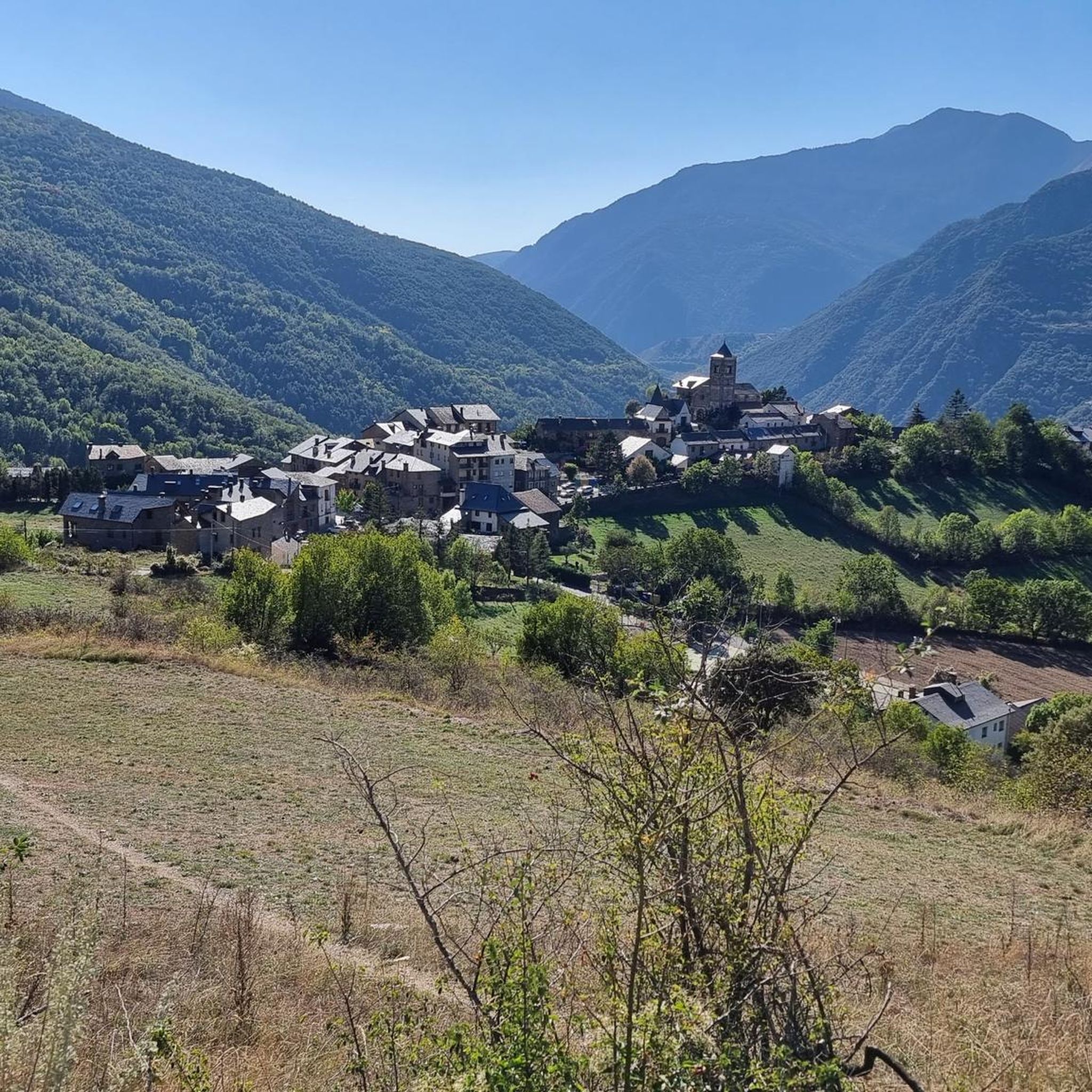
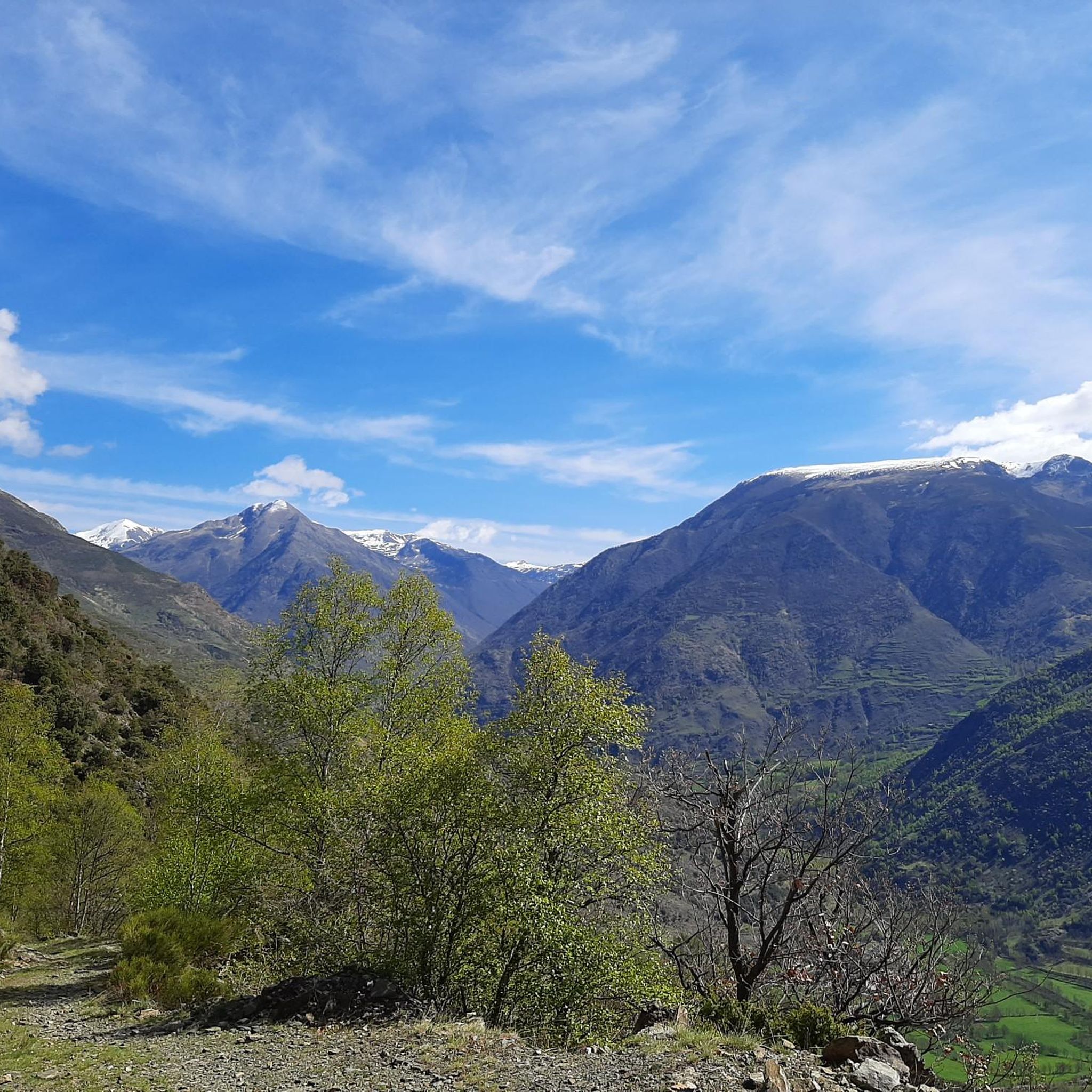
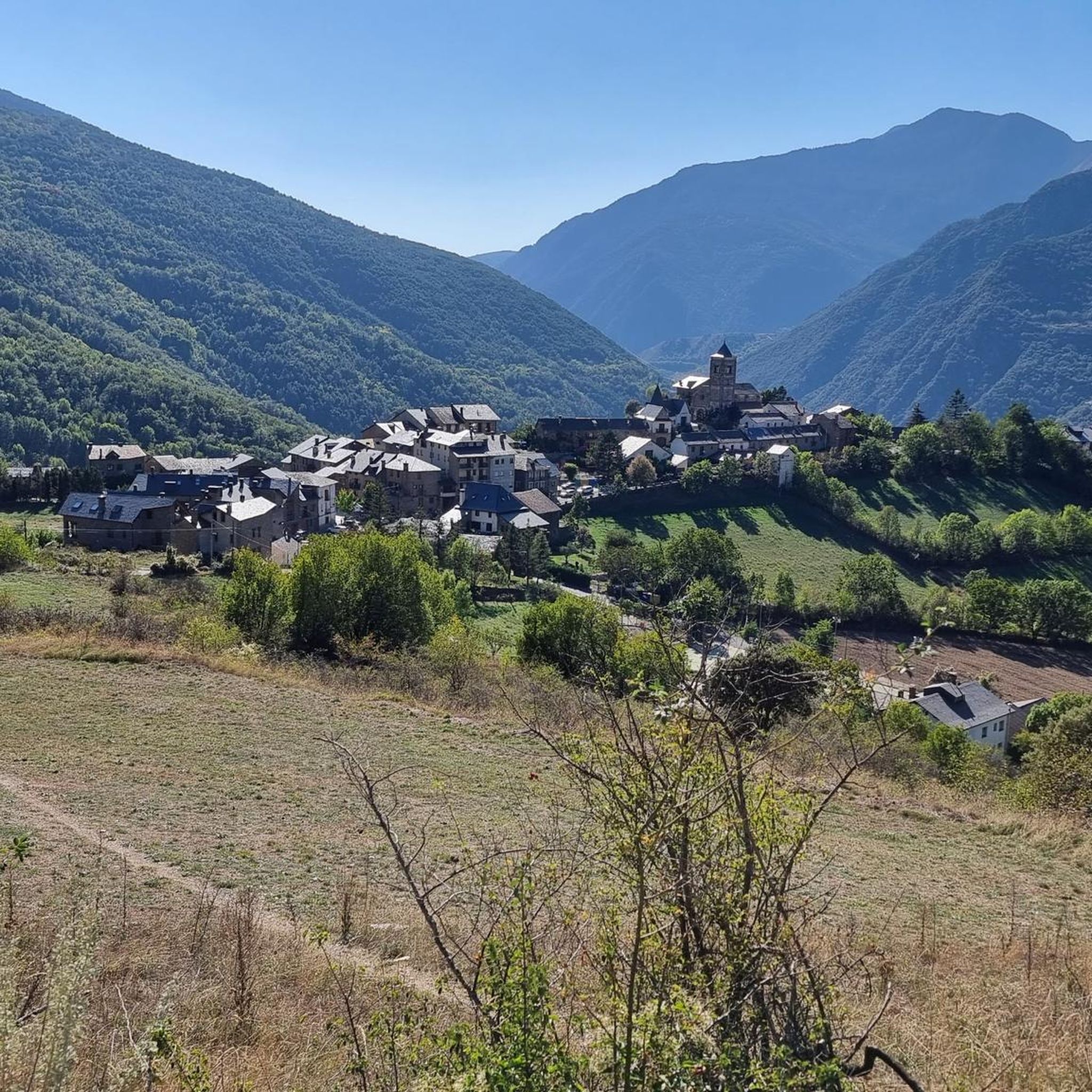
I cycled from Cardós to this summit. A constant climb. A fantastic condition test and doable. The same way back on softer tires went perfectly. The steeper short descent from the summit via a singletrack through the forest seemed unwise to me. In short, a beautiful tour even though it was an up and down.
0
0

Beautiful reservoir, don't miss the old pack bridge next to the barrage
0
0

Tor is one of the highest villages in the Pyrenees, right on the border with Andorra, a small village in the Catalan Pyrenees that administratively belongs to the municipality of Alins, in the region of Pallars Sobirá. This village borders Andorra. The village is at an altitude of 1,649 meters and is surrounded by two ravines. On the summit to the north of the village, known as Roc de Sant Pere, are the ruins of a medieval castle, the Força de Tor, and near it are the remains of a Romanesque church. The village is not very well connected. On the Spanish side, there is an asphalt road that reaches a small bridge, after which there is a private dirt track that covers a distance of one and a half kilometers to reach the village. To the east, another dirt track heads towards Andorra, which forks before reaching the Principality. In winter, these roads fill with snow, making car travel difficult. Due to its strategic position in the passes to Andorra through the Pyrenees, ownership of the mountain of Tor has been a source of conflict, initially for timber exploitation and later for real estate interests, to which must be added the smuggling routes that passed through there to Andorra. These conflicts are part of the dark history of Tor and its most tragic events.
0
0

A forgotten place. Worth seeing.
0
0
Up to the gate, the road is easy to drive but narrow and has a steady incline. It gets tight when cars want to overtake. About 2km before the gate, the road turns into a gravel track. The journey is worth it.
0
0

We will find several bars where we can stop to eat or shops to buy. There are also hostels and hostels if we wanted to stop for the night. From Esterri we can go up towards Bonaigua or discover the valleys of Isil. Everything is highly recommended.
0
0

Beautiful mountain town with all the facilities you need on a multi-day cycling or hiking holiday
1
0
Frequently Asked Questions
What is the general difficulty level of touring cycling routes in Tírvia?
Touring cycling routes around Tírvia are predominantly challenging, with 15 out of 16 routes rated as difficult. There is one moderate route, but no easy routes are currently listed. Cyclists should be prepared for significant elevation gains and mountainous terrain, characteristic of the Alt Pirineu Natural Park.
Are there any easier touring cycling routes suitable for beginners in Tírvia?
Currently, there are no touring cycling routes around Tírvia specifically rated as 'easy'. The area's topography, nestled within the Catalan Pyrenees, means most routes involve considerable climbs and descents. Beginners might find the single moderate route, or sections of the valley routes, more manageable, but overall, the region caters to more experienced cyclists.
What kind of terrain can I expect on touring cycling routes near Tírvia?
You can expect a diverse and often challenging terrain. Routes frequently traverse mountainous landscapes with significant elevation changes, offering panoramic views. Many paths wind through river valleys, such as the Cardós, Ferrera, and Coma de Burg, and some ascend through dense forests like the Virós Forest. The area is within the Alt Pirineu Natural Park, ensuring well-preserved natural environments.
What natural features and viewpoints can I discover on touring cycling routes around Tírvia?
The region offers breathtaking natural beauty. Cyclists can encounter stunning viewpoints like View from Coll de So, and explore high-altitude features such as Tudela Pass, Lo Calbo Summit, and Pico de Tudela. The routes often provide expansive mountain vistas and opportunities to immerse yourself in the diverse flora and fauna of the Alt Pirineu Natural Park.
Are there any historical or cultural sites to explore while cycling near Tírvia?
Yes, beyond natural beauty, the area offers several historical and cultural points of interest. You might cycle past the Abandoned Village of Dorve, or the ruins of an old sanctuary and hospital at Sant Joan de l'Erm Vell Ruins. The village of Tírvia itself has a rustic character with historic funerary steles, and you can also find the Sant Pere del Burgal Monastery nearby.
Are there circular touring cycling routes available in Tírvia?
Yes, several touring cycling routes around Tírvia are designed as loops, allowing you to start and finish at the same point. Examples include the challenging Port de Cabús – Tor loop from Alt Pirineu Natural Park, the Park loop from Ribera de Cardós, and the Ermita de Sant Joan de l'Erm – Refugi de la Basseta loop from Montenartró.
What is the best time of year for touring cycling in Tírvia?
Given Tírvia's mountainous location in the Catalan Pyrenees, the best time for touring cycling is typically from late spring through early autumn (May to October). During these months, the weather is generally more stable, and mountain passes are clear of snow. Summer offers warmer temperatures, while spring and autumn provide pleasant conditions with vibrant foliage, though some higher routes might still be affected by snow early or late in the season.
What do other touring cyclists enjoy the most about touring cycling in Tírvia?
The touring cycling routes around Tírvia are highly rated by the komoot community, with an average score of 4.9 stars from over 10 reviews. Cyclists frequently praise the spectacular mountain landscapes, the challenging yet rewarding ascents, and the immersive experience within the well-preserved natural environments of the Alt Pirineu Natural Park. The diverse terrain, from river valleys to elevated viewpoints, also receives positive feedback.
Are there any touring cycling routes that pass by lakes or reservoirs near Tírvia?
Yes, some routes in the broader region may offer views of or pass near water bodies. For instance, the Torrassa Reservoir is a notable attraction in the vicinity that could be incorporated into a touring cycling itinerary, offering a different scenic element amidst the mountainous terrain.
Can I find routes that connect different villages or settlements around Tírvia?
Absolutely. The region's network of routes often connects Tírvia with other small settlements and villages, allowing for cultural exploration alongside your ride. For example, routes might link Tírvia with Vall Ferrera, or pass through villages like Glorieta, Montesclado, Virós, and El Farro, offering glimpses into local life and history. The Tor – Tor Village and Church loop from Alt Pirineu Natural Park is one such route that explores a local village.
Are there options for longer, multi-day touring cycling adventures from Tírvia?
While individual routes listed are typically day trips, the extensive network of trails and the region's focus on active tourism make it an ideal base for multi-day touring. You can combine several routes, such as the 50 km Llavorsí – Tor loop from Llavorsí, or connect different valleys and villages to create longer journeys. The adventure sports infrastructure in Pallars Sobirà also supports extended trips.
Most popular attractions around Tírvia

Get inspired with the komoot mobile app


Explore more
Browse the best Cycling routes in other regions.
