Attractions and Places To See around Quijorna - Top 20
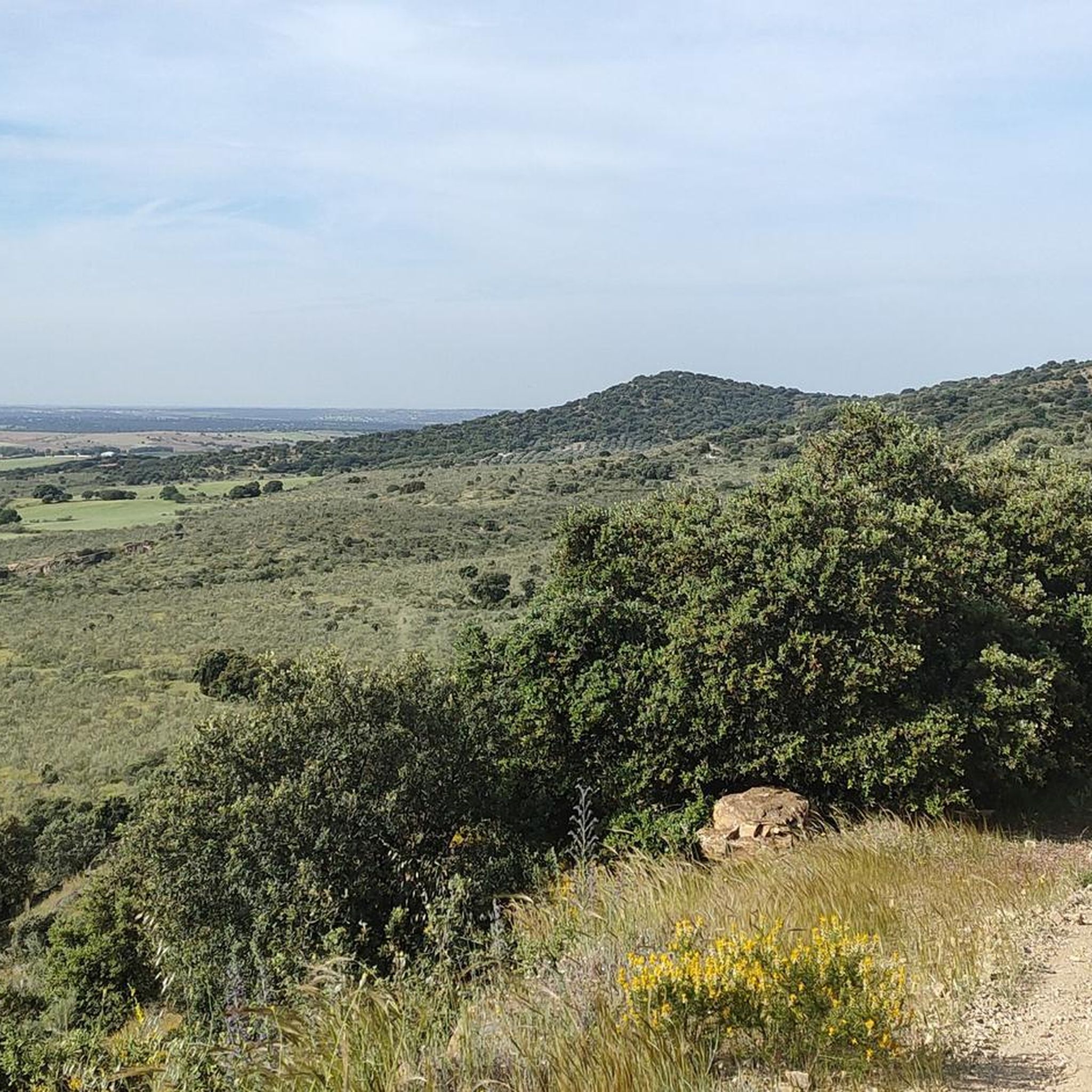
Attractions and places to see around Quijorna, a town located west of Madrid within the Guadarrama River basin, offer a blend of historical sites, cultural heritage, and natural beauty. This area is characterized by a rural and authentic environment, approximately 39 kilometers from Madrid city. Visitors can explore a diverse landscape featuring holm oaks, retama thickets, and ash forests, alongside significant historical landmarks. The region's natural environment and cultural sites provide varied points of interest.
Best attractions and places to…
Last updated: July 6, 2026
Aulencia Castle
Highlight • Castle
Almost all year round you can pedal on your bike, but you have …
Translated by Google •
Tip by

Wooden Bridge over the Guadarrama River in Boadilla
Highlight • Bridge
Translated by Google •
Tip by

Sign up now to discover places like this
Get recommendations on the best single tracks, peaks, & plenty of other exciting outdoor places.
Sign up for free
Aulencia River Dam
Highlight • Monument
Translated by Google •
Tip by

Hermitage of the Virgen del Soto
Highlight • Religious Site
Translated by Google •
Tip by

Old Lime Kiln of Quijorna
Highlight • Monument
Translated by Google •
Tip by
Sign up for free to discover even more attractions around Quijorna.
Sign up for free
Already have an account?
Start today with a free account
Your next adventure awaits.
Login or Signup
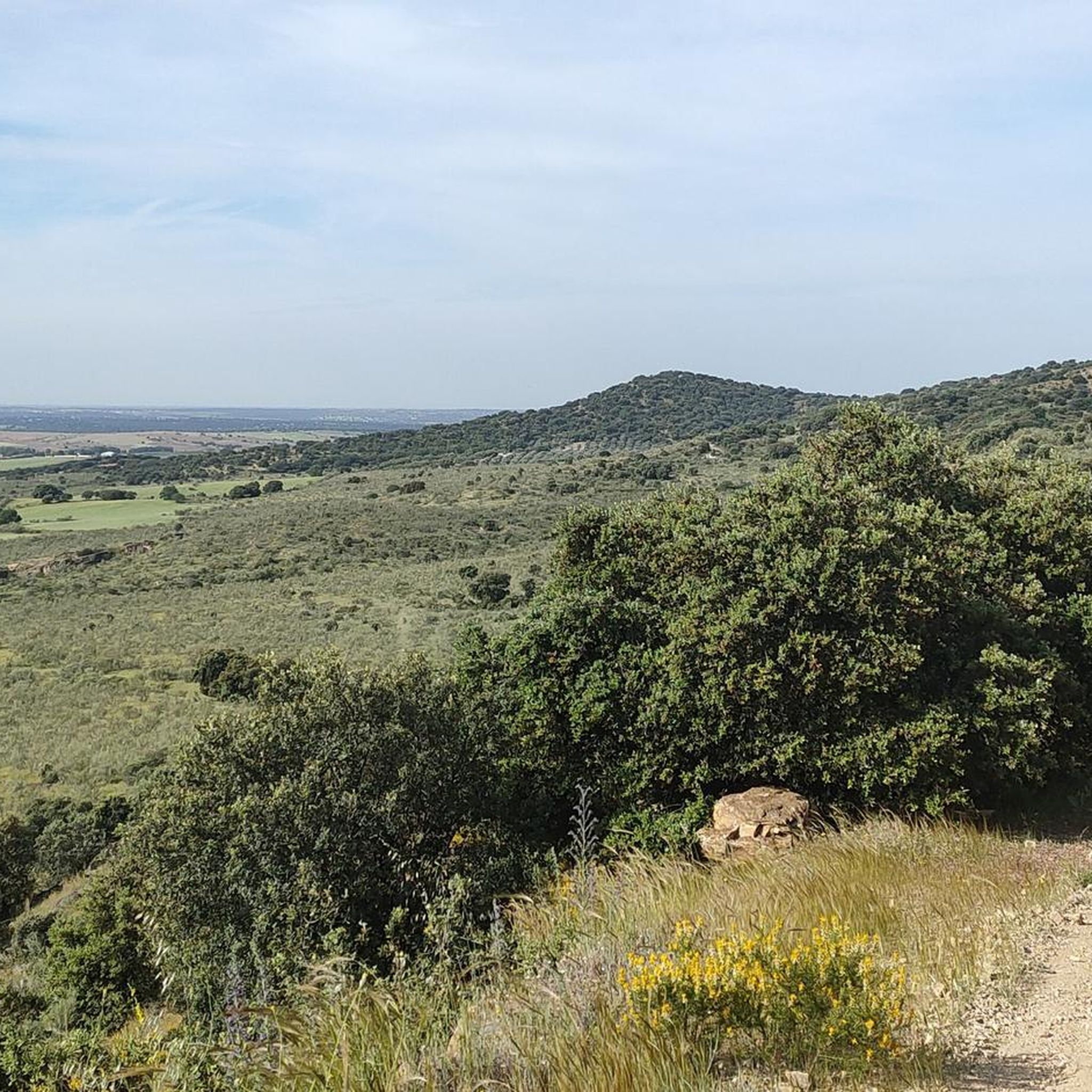
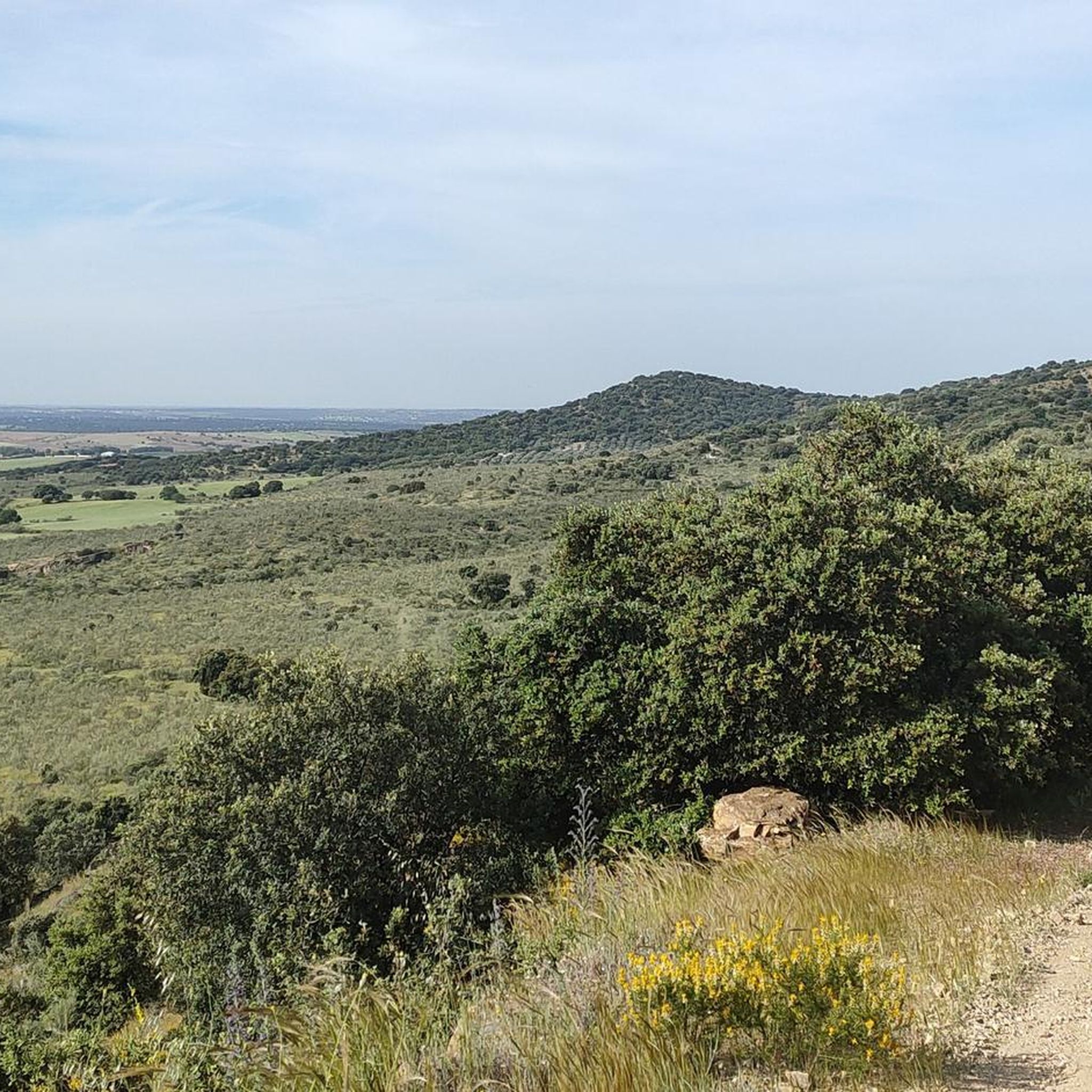
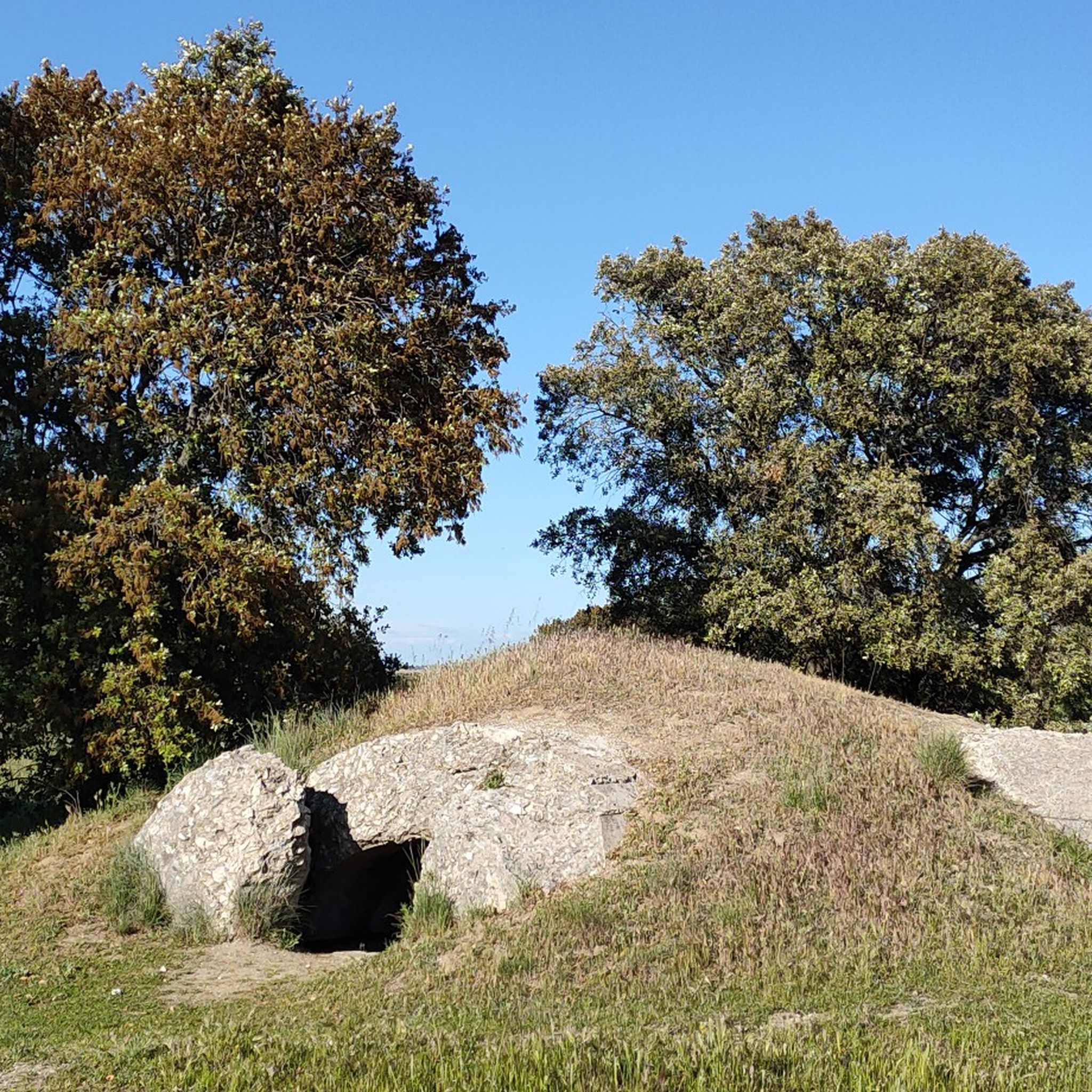
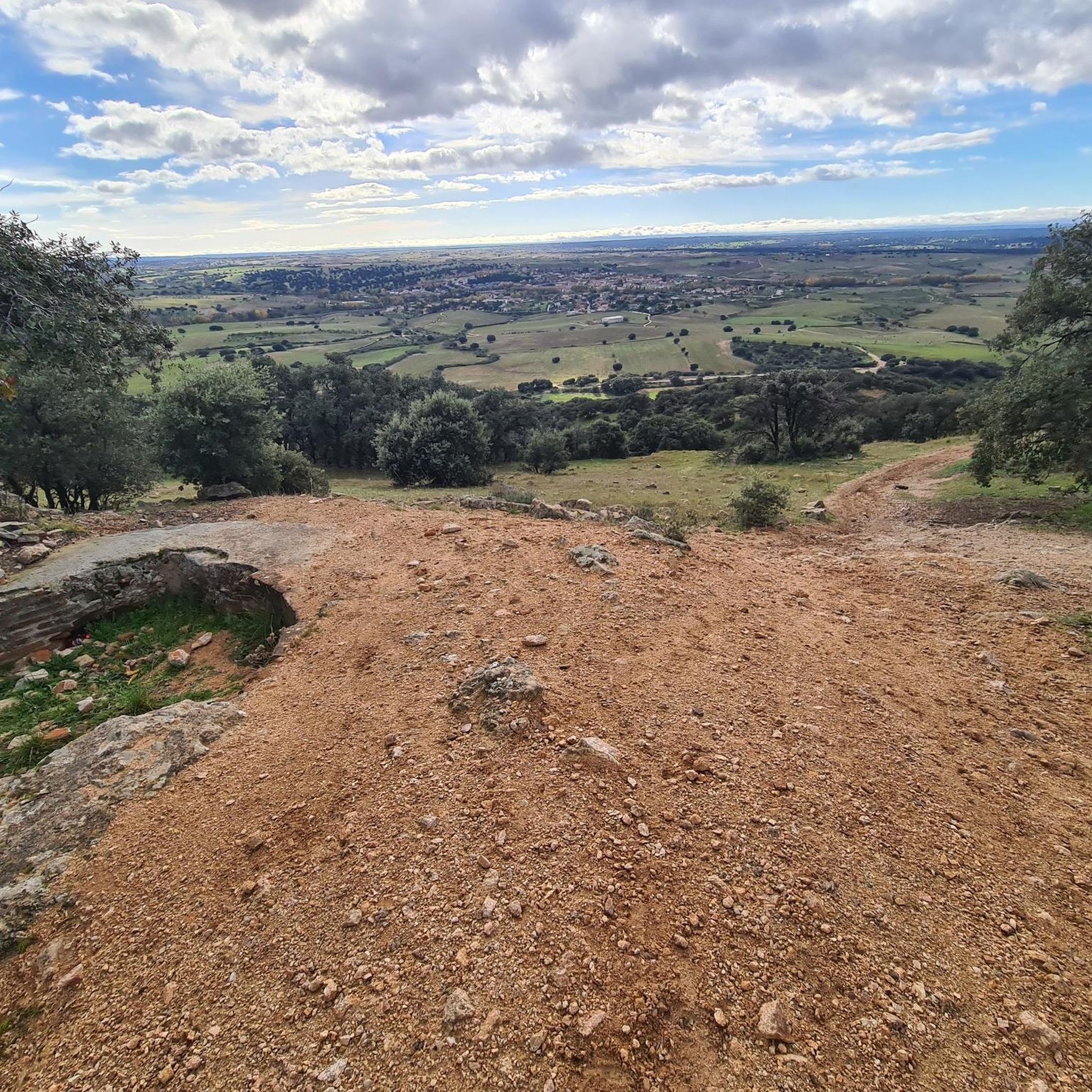

Tips from the Community

They've rebuilt the bridge. It's now perfectly safe to cross on a bike.
4
0

A beautiful route, with wide paths and very pretty areas. It is not difficult to walk. The bridge over the Guadarrama is no longer a thing of the past and there is no way to cross it except by road or by putting your feet almost up to your knees in the river.
1
0

A highly recommended trail. Easy and wide, so it is not difficult at all. Suitable for everyone.
0
0

Unfortunately it is inside a fenced private property.
2
0

In the area of this castle, also known as Villafranca, there was an old medieval town called El Horcajo, later changed to Villafranca. It is believed that the castle was most likely built at that time, in the mid-15th century. It is cataloged as an Asset of Cultural Interest, BIC.
2
0

Privately owned, which prevents you from being able to visit it, it is in quite poor condition.
2
0

narrow and fast path and broken in some sections
0
0

Frequently Asked Questions
What historical sites can I explore in Quijorna?
Quijorna is rich in history. You can visit the 15th-century Iglesia Parroquial San Juan Evangelista, located on the highest part of town, which was largely reconstructed after the Spanish Civil War. The town also features remnants of its industrial past with the Old Lime Kiln of Quijorna, which supplied materials for significant constructions like the El Escorial Monastery. Additionally, you can find various Civil War Fortifications (Fortines) scattered across the hills, including a notable cross-shaped fortin on the M-522 road.
Are there any natural attractions or protected areas in Quijorna?
Yes, Quijorna boasts a diverse natural environment. Its landscape features holm oaks, retama thickets, rosemary bushes, thyme fields, poplar groves, and ash forests. Approximately half of the municipal area is designated as a Special Protection Area for Birds (ZEPA) of the holm oak forests of the Alberche and Cofio rivers, making it a great spot for wildlife observation.
What kind of outdoor activities can I do around Quijorna?
The area around Quijorna is ideal for various outdoor activities. You can enjoy hiking, cycling, and horseback riding on an extensive network of paths. Popular routes include the Cañada Real Segoviana and the Vereda de los Morales. For specific routes, you can explore the Hiking around Quijorna, MTB Trails around Quijorna, and Road Cycling Routes around Quijorna guides.
Are there family-friendly attractions in Quijorna?
Families can enjoy the peaceful and accessible environment around the Hermitage of the Virgen del Soto. It offers a quiet place to rest with tables nearby and features flat terrain, making it suitable for children's bikes. The natural landscapes and extensive network of trails also provide opportunities for family walks and gentle cycling.
Can I visit the Aulencia Castle?
The Aulencia Castle, also known as the Castle of Villafranca, is a significant historical site. However, it is privately owned and currently in a state of ruin, which means it is not accessible to the public for visits.
What is the significance of the Old Lime Kilns in Quijorna?
The Old Lime Kiln of Quijorna represents a crucial part of the town's cultural and industrial heritage. These kilns were used to produce lime, with material reportedly supplied for the construction of the El Escorial Monastery as early as 1566 and the Puente de Toledo in Madrid in the 18th century. Some even suggest the abundance of these kilns influenced the town's name.
Where can I find Civil War remnants in Quijorna?
Quijorna played a role in the Spanish Civil War, and you can still find remnants of bunkers and fortifications (Fortines) scattered across the hills adjacent to the urban area. A particularly curious fortin with a cross-shaped plan is located on the M-522 road, offering a glimpse into the region's wartime history.
What is El Mojón?
El Mojón is a historical boundary stone located in the Plaza del Dr. Santos Muñoz Burón. It once marked the limits of a Royal small game hunting ground, offering a small but interesting piece of local history.
Is the Aulencia River Dam accessible?
The Aulencia River Dam is a historical site. However, it is currently closed and cannot be crossed. While the dam itself is inaccessible, a very technical trail can be found on its left bank for experienced hikers or cyclists.
What is the Wooden Bridge over the Guadarrama River in Boadilla?
The Wooden Bridge over the Guadarrama River in Boadilla has been rebuilt and is now perfectly safe to cross, especially for cyclists. It provides a scenic crossing point over the river, often featuring sandbanks nearby.
What kind of wildlife can I expect to see in Quijorna?
Given that approximately half of Quijorna's municipal area is a Special Protection Area for Birds (ZEPA), you can encounter diverse wildlife. This includes wild boar, Iberian lynx, rabbits, Iberian hares, and various bird species such as white storks, kestrels, hobbies, and red-legged partridges.
Are there any specific hiking routes that explore Quijorna's history?
Yes, there are hiking routes designed to explore Quijorna's historical elements. For instance, the 'For the remains of the Civil War and the lime kilns — circular from Quijorna' route, found in the Hiking around Quijorna guide, specifically takes you past Civil War remnants and the historic lime kilns.
Most popular attractions around Quijorna

Get inspired with the komoot mobile app


Explore more
Still not found the Highlight you’re looking for? See guides of the top attractions in other regions:
