Attractions and Places To See around Torrecilla De La Abadesa - Top 20
Best attractions and places to see around Torrecilla De La Abadesa include a blend of historical landmarks, cultural sites, and natural features. This municipality in the province of Valladolid, Spain, is situated on the right bank of the Duero River, offering a rich natural environment. The area is known for its historical significance, including Roman settlements and a past ceramics industry. Visitors can explore traditional architecture and enjoy the natural beauty of the region.
Best attractions and places to see…
Last updated: July 7, 2026
Historic Center of Tordesillas
Highlight • Historical Site
Translated by Google •
Tip by

Church of Santa María la Mayor de la Asunción de Tordesillas
Highlight • Religious Site
Translated by Google •
Tip by

Sign up now to discover places like this
Get recommendations on the best single tracks, peaks, & plenty of other exciting outdoor places.
Sign up for free
San José Dam
Highlight • River
Translated by Google •
Tip by
Royal Convent of Santa Clara
Highlight • Religious Site
Translated by Google •
Tip by
Church of San Antolín
Highlight • Religious Site
Translated by Google •
Tip by
Sign up for free to discover even more attractions around Torrecilla De La Abadesa.
Sign up for free
Already have an account?
Start today with a free account
Your next adventure awaits.
Login or Signup

Tips from the Community

Declared a Site of Cultural Interest (BIC) on December 7, 1983, this church is located in the heart of Tordesillas (Valladolid), one of the town's most iconic landmarks and the largest in the entire municipality. It is believed to have been built on the site of the former Tordesillas mosque. The main construction took place between the 16th and 17th centuries, with additions continuing into the 18th century. The church combines Gothic elements (the apse and the lower sections of the tower) with Neoclassical renovations inspired by El Escorial. Today, it serves as the headquarters for several Holy Week brotherhoods, housing processional floats such as the Virgin of Solitude and the Christ of Mercy.
5
0

The building, constructed between the 16th and 18th centuries, began in the Gothic style and finished in the Neoclassical. Another striking feature is its tower, the tallest in the city. The Baroque-era organ is considered one of the finest in the region, both for its design and its state of preservation.
6
0
The historic center of Tordesillas is one of the most emblematic ensembles in Castile and León, steeped in history and traditional architecture. Here are the main points of interest: Treaty Houses and Treaty Museum The famous Treaty of Tordesillas (1494), which divided the lands of the New World between Spain and Portugal, was signed here. The museum includes original documents, antique maps, and scale models. Santa Clara Monastery A National Monument since 1931. A prime example of Mudéjar architecture, originally a 14th-century royal palace. It houses a church and a museum with historical artifacts. San Antolín Church Museum A 16th-17th century Gothic church. Works by Juan de Juni, Pedro de Mena, and Gregorio Fernández. Main altarpiece and Baroque sculptures. Plaza Mayor (Main Square) The heart of the town, surrounded by arcades and traditional architecture. A venue for markets and historical celebrations.
6
0

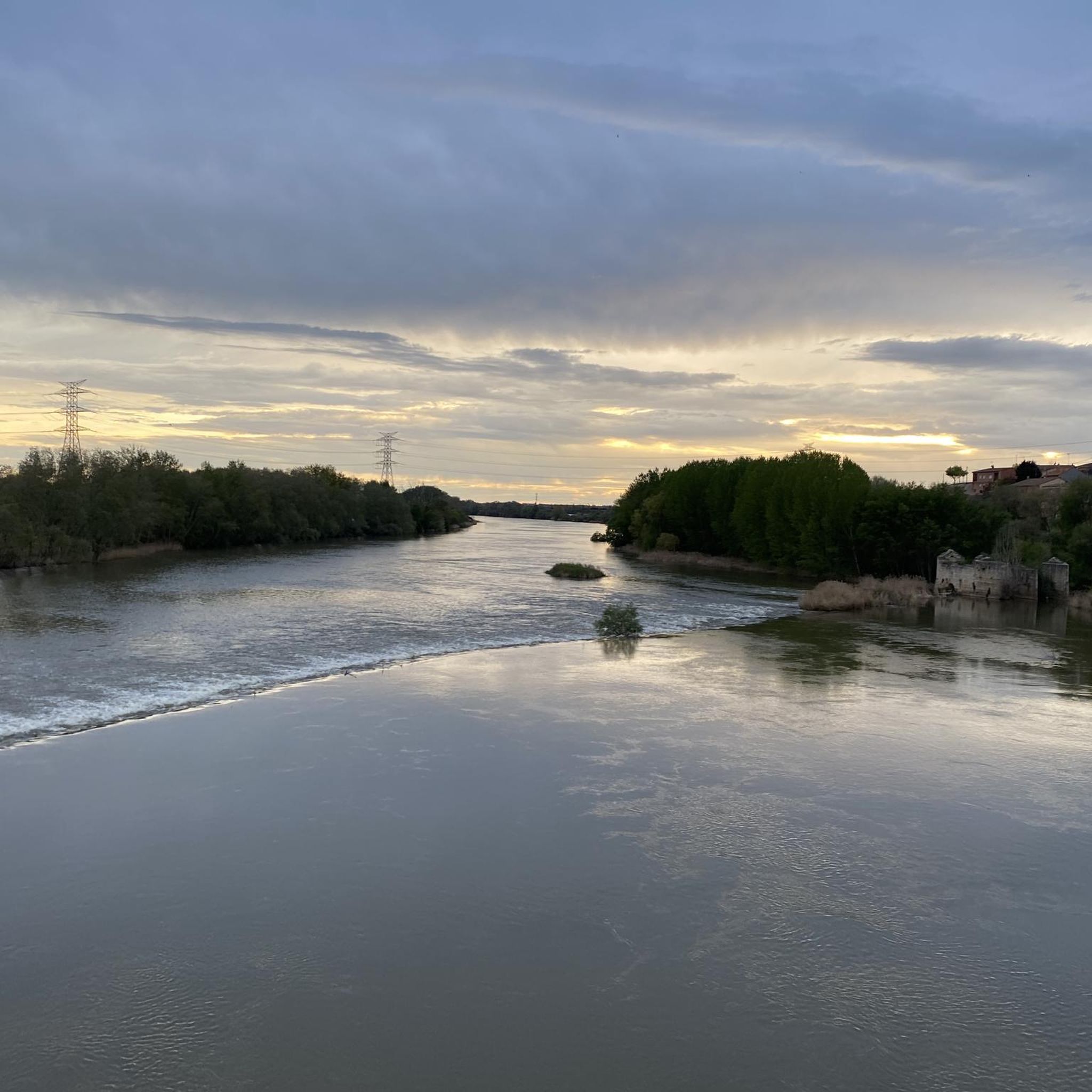
The bridge is especially beautiful to look at in the evening at sunset
1
0

You can cross over the dam without any danger, it is a road with little traffic...
0
1
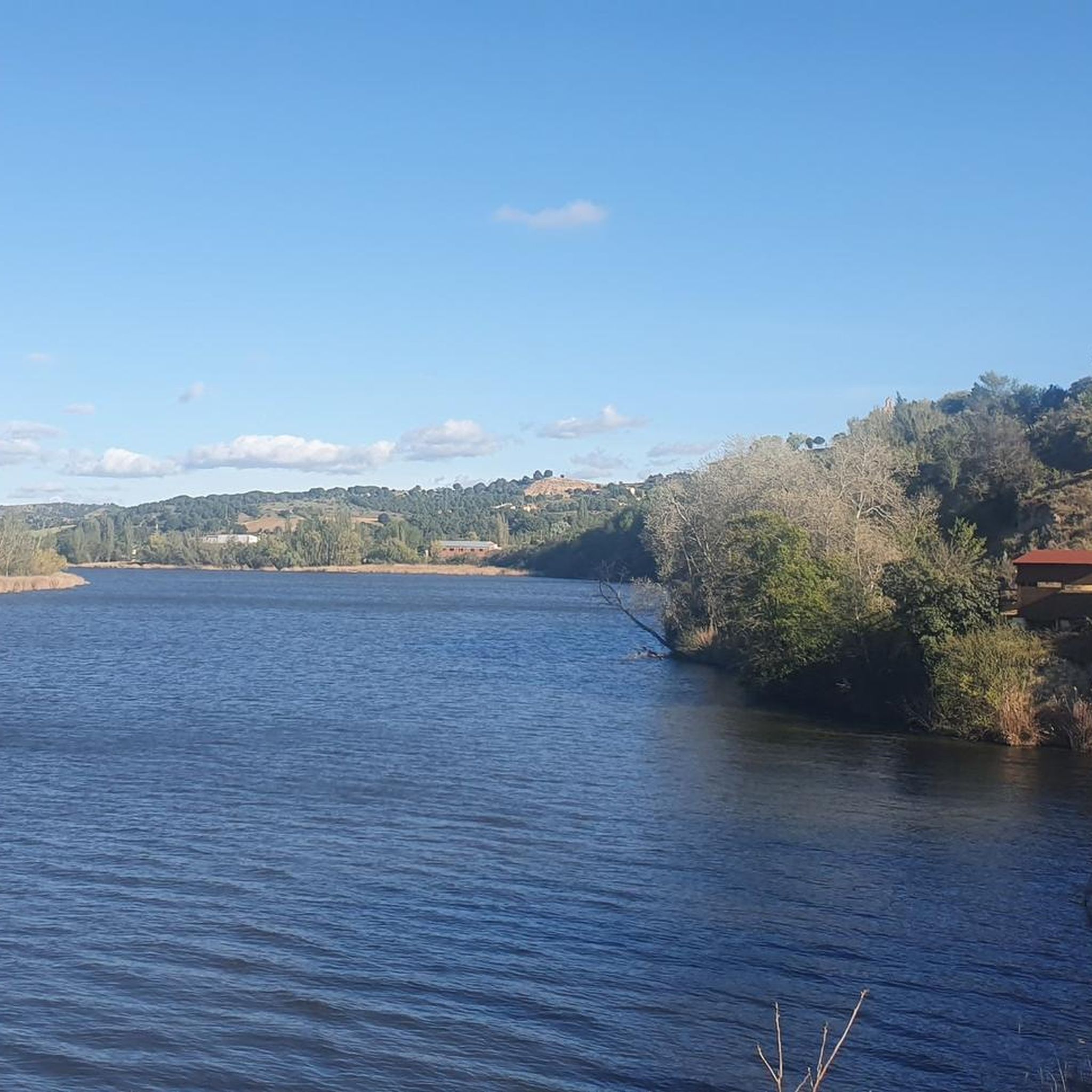
The San José Reservoir and Dam, also known as the Castronuño Dam, is a hydroelectric engineering project located in the middle course of the Duero River, about 2 km from the town of Castronuño. Built between 1941 and 1945, the dam is a gravity type and has a height of 14.05 metres.
6
0

Johanna the Mad, locked herself in this monastery at the age of 28, to mourn her husband Philip the Fair for 46 years.
3
0
Tourism in Tordesillas, located in the province of Valladolid, Castilla y León, Spain, offers an enchanting experience.
9
0
Frequently Asked Questions
What historical landmarks can I explore within Torrecilla De La Abadesa?
Within Torrecilla De La Abadesa, you can visit the Iglesia de San Esteban Protomártir, a Baroque church with a notable altarpiece and bell tower offering views. Other local historical sites include the Ermita del Cristo del Humilladero and the traditional Casa de la Abadesa, believed to have hosted Napoleon.
Are there any unique traditional buildings to see in the area?
Yes, around the village of Torrecilla De La Abadesa, you can find traditional adobe agricultural constructions known as 'chozos'. These huts were historically used to store farm implements and offer a glimpse into the region's rural heritage.
What natural features and viewpoints can I enjoy near Torrecilla De La Abadesa?
The area is rich in natural beauty, particularly along the Duero River. You can visit the Mirador de la Abadesa for special views over the river. The region is also part of the Reserva Natural Riberas de Castronuño-Vega de Duero, a Special Protection Area for Birds (ZEPA).
What outdoor activities can I do near these attractions?
The region is excellent for outdoor activities. You can find numerous hiking and cycling routes. For hiking, explore options like the 'Sendero de la Abadesa' or the 'Camino de los Viñedos'. You can find more detailed hiking routes at Hiking around Torrecilla De La Abadesa. For running, check out Running Trails around Torrecilla De La Abadesa, and for mountain biking, see MTB Trails around Torrecilla De La Abadesa.
Are there family-friendly attractions around Torrecilla De La Abadesa?
Many of the historical sites and natural areas are suitable for families. For instance, the Historic Center of Tordesillas offers an engaging experience for all ages with its rich history and traditional architecture. Exploring the natural reserves and easy hiking trails can also be a great family activity.
What is the best time to visit Torrecilla De La Abadesa for outdoor activities?
The spring and autumn months are generally ideal for outdoor activities in Torrecilla De La Abadesa. The weather is milder, making it comfortable for hiking, cycling, and birdwatching. Summers can be hot, while winters are cooler but still offer opportunities for exploration.
Can I go birdwatching in the area?
Absolutely! Torrecilla De La Abadesa is an ideal destination for birdwatching. It is located within the Reserva Natural Riberas de Castronuño-Vega de Duero, which is a Special Protection Area for Birds (ZEPA). With binoculars, you might spot species like European bee-eaters, short-toed snake eagles, booted eagles, nightjars, and golden orioles.
What historical sites are there in the nearby town of Tordesillas?
Tordesillas, a short distance away, offers several significant historical sites. These include the Historic Center of Tordesillas, known for the Treaty Houses and the Santa Clara Monastery. You can also visit the Church of Santa María la Mayor de la Asunción de Tordesillas and the Royal Convent of Santa Clara, a former royal palace with Mudéjar architecture.
Are there any notable religious buildings to visit in the vicinity?
Beyond the local Iglesia de San Esteban Protomártir, the nearby town of Tordesillas features prominent religious buildings. These include the Church of Santa María la Mayor de la Asunción de Tordesillas, a blend of Gothic and Neoclassical styles, and the Royal Convent of Santa Clara, originally a 14th-century palace. The Church of San Antolín, now a museum, is also in Tordesillas.
What do visitors enjoy most about the attractions around Torrecilla De La Abadesa?
Visitors particularly appreciate the rich historical and cultural significance of the area, especially the well-preserved historic centers like Tordesillas. The natural beauty of the Duero River and the opportunities for birdwatching and outdoor activities in the natural reserve are also highly valued. Many enjoy the blend of ancient architecture and scenic landscapes.
Are there any easy hiking trails suitable for beginners or casual walkers?
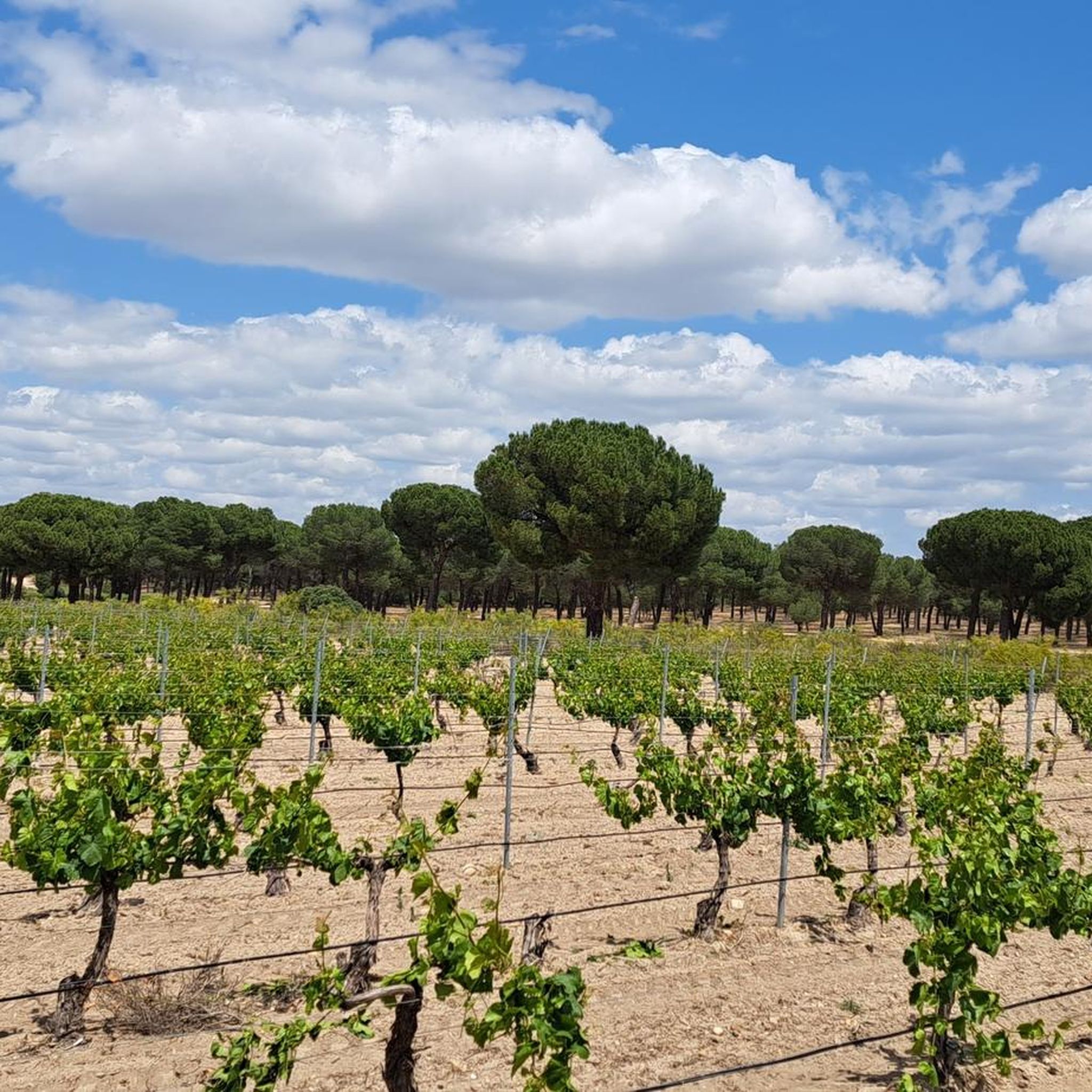
Yes, the area offers several accessible routes. The 'Sendero de la Abadesa' is a circular hiking trail that starts in the town and provides pleasant views of pine forests, vineyards, and cornfields, making it suitable for casual walkers. The 'Camino de los Viñedos' also offers an enjoyable, less strenuous experience through the region's characteristic vineyards.
What is the San José Dam and can I visit it?
The San José Dam, also known as the Castronuño Dam, is a hydroelectric project on the Duero River. Built between 1941 and 1945, it's an interesting man-made structure within the natural landscape. There are gravel paths on both sides of the Zamora irrigation canal near the dam, which are ideal for biking and offer scenic views.
Most popular routes around Torrecilla De La Abadesa

Get inspired with the komoot mobile app


Explore more
Still not found the Highlight you’re looking for? See guides of the top attractions in other regions:
