The best cycling routes around Torrecilla De La Abadesa
4.3
(26)
153
riders
31
rides
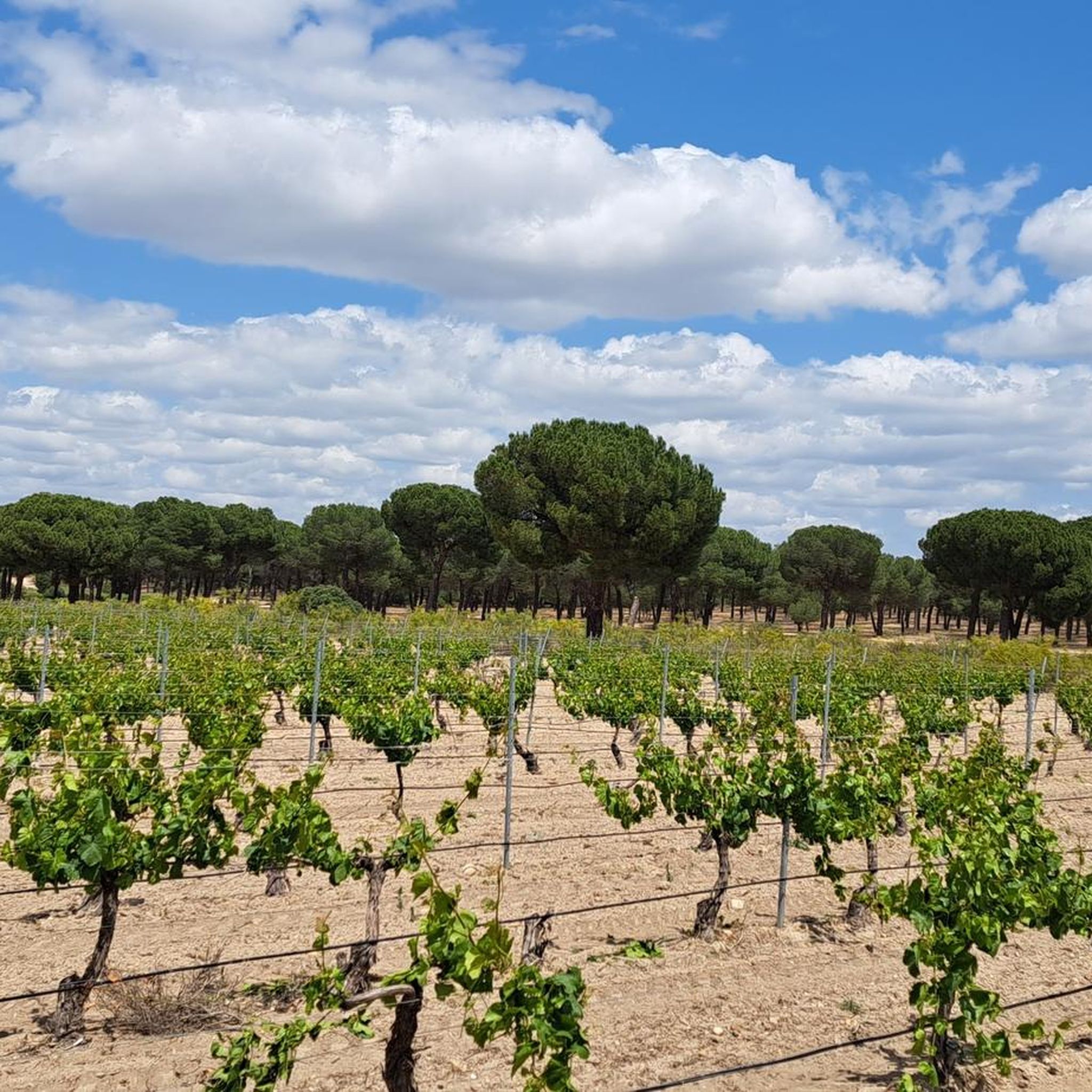
Touring cycling around Torrecilla De La Abadesa offers routes through diverse landscapes characterized by riverine ecosystems, pine forests, and undulating terrain. The municipality is situated on a slope descending towards the Duero River, providing scenic riverside paths. Elevations range from approximately 660 meters at the riverbanks to 712 meters on nearby hills, indicating moderate changes suitable for cycling. The region is also part of the Natural Reserve Riberas de Castronuño-Vega de Duero, offering opportunities to observe local wildlife.
Best touring…
Last updated: July 12, 2026
3.8
(4)
12
riders
43.5km
03:12
370m
370m
Moderate bike ride. Good fitness required. Mostly paved surfaces. Suitable for all skill levels.
3.9
(7)
22
riders
19.4km
01:39
70m
70m
Easy bike ride. Great for any fitness level. Mostly paved surfaces. Suitable for all skill levels.

Sign up for free
5.0
(2)
16
riders
Moderate bike ride. Good fitness required. Mostly paved surfaces. Suitable for all skill levels.
5.0
(3)
16
riders
Moderate bike ride. Good fitness required. Mostly paved surfaces. Suitable for all skill levels.
2.5
(2)
11
riders
Hard bike ride. Very good fitness required. Mostly paved surfaces. Suitable for all skill levels.
Get access to more routes and recommendations from other explorers.
Sign up for free
Already have an account?
Our route recommendations are based on thousands of hikes, rides, and runs completed by other people on komoot.
Start today with a free account
Your next adventure awaits.
Login or Signup

Tips from the Community

Stop and take a picture
0
0

Declared a Site of Cultural Interest (BIC) on December 7, 1983, this church is located in the heart of Tordesillas (Valladolid), one of the town's most iconic landmarks and the largest in the entire municipality. It is believed to have been built on the site of the former Tordesillas mosque. The main construction took place between the 16th and 17th centuries, with additions continuing into the 18th century. The church combines Gothic elements (the apse and the lower sections of the tower) with Neoclassical renovations inspired by El Escorial. Today, it serves as the headquarters for several Holy Week brotherhoods, housing processional floats such as the Virgin of Solitude and the Christ of Mercy.
5
0

The building, constructed between the 16th and 18th centuries, began in the Gothic style and finished in the Neoclassical. Another striking feature is its tower, the tallest in the city. The Baroque-era organ is considered one of the finest in the region, both for its design and its state of preservation.
6
0
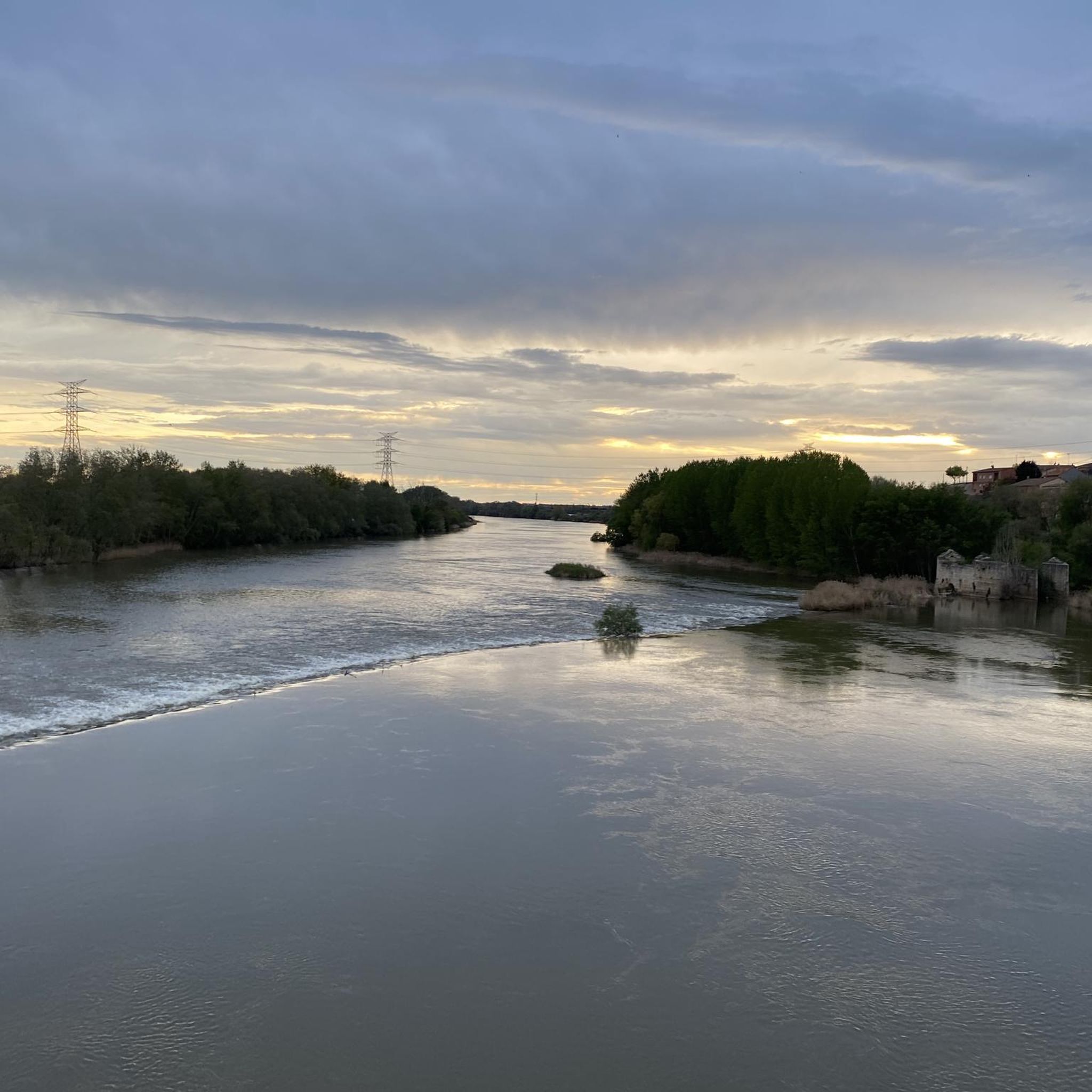
The medieval bridge over the Duero River, with its perfectly aligned arches, connects the historic center to the opposite bank. The monumental skyline of Tordesillas, highlighting the Plaza Mayor, the Casas del Tratado (Houses of the Treaty), and the Monastery of Santa Clara, all framed by reddish rooftops and the silhouette of the Church of San Antolín. The Duero River winds beneath the bridge, its reflections shifting with the changing light, creating a highly photogenic scene. Natural surroundings: riverside vegetation and, in autumn, golden hues that enhance the scenery.
6
0
The view of the Stone Bridge and Tordesillas from the viewpoint on Avenida de Portugal is considered one of the most beautiful panoramas of the town.
6
0
The historic center of Tordesillas is one of the most emblematic ensembles in Castile and León, steeped in history and traditional architecture. Here are the main points of interest: Treaty Houses and Treaty Museum The famous Treaty of Tordesillas (1494), which divided the lands of the New World between Spain and Portugal, was signed here. The museum includes original documents, antique maps, and scale models. Santa Clara Monastery A National Monument since 1931. A prime example of Mudéjar architecture, originally a 14th-century royal palace. It houses a church and a museum with historical artifacts. San Antolín Church Museum A 16th-17th century Gothic church. Works by Juan de Juni, Pedro de Mena, and Gregorio Fernández. Main altarpiece and Baroque sculptures. Plaza Mayor (Main Square) The heart of the town, surrounded by arcades and traditional architecture. A venue for markets and historical celebrations.
6
0

You can cross over the dam without any danger, it is a road with little traffic...
0
1
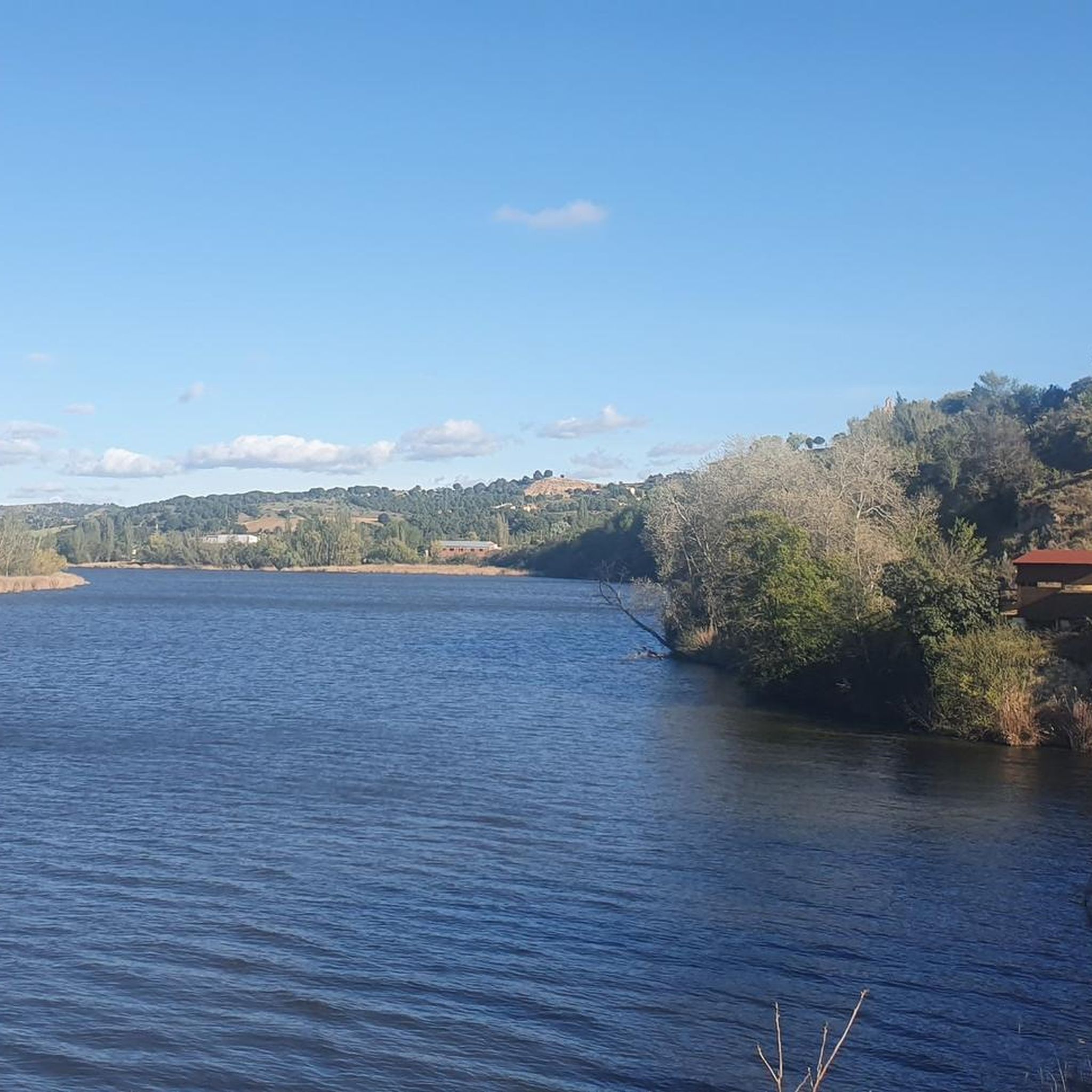
The San José Reservoir and Dam, also known as the Castronuño Dam, is a hydroelectric engineering project located in the middle course of the Duero River, about 2 km from the town of Castronuño. Built between 1941 and 1945, the dam is a gravity type and has a height of 14.05 metres.
6
0
Frequently Asked Questions
How many touring cycling routes are available around Torrecilla De La Abadesa?
There are over 30 touring cycling routes around Torrecilla De La Abadesa, offering a variety of distances and difficulty levels to explore the region's diverse landscapes.
What kind of terrain can I expect on touring cycling routes in Torrecilla De La Abadesa?
The terrain around Torrecilla De La Abadesa is characterized by a mix of riverine ecosystems, particularly along the Duero River, pine forests, and undulating hills. You can expect moderate elevation changes, with the village itself at 675 meters and nearby hills reaching up to 712 meters, providing engaging cycling experiences.
Are there touring cycling routes suitable for beginners or families?
Yes, there are several easy touring cycling routes perfect for beginners or families. For instance, the Historic Center of Tordesillas – Royal Convent of Santa Clara loop from Tordesillas is an easy 12.2-mile (19.7 km) path that explores cultural landmarks without significant climbs.
Are there more challenging touring cycling routes for experienced cyclists?
For experienced cyclists seeking a challenge, there are 5 difficult routes available. A notable option is the Simancas Stone Bridge – Historic Center of Tordesillas loop from Tordesillas, which covers over 60 miles (100 km) and features more substantial elevation changes.
What are some interesting landmarks or attractions I can see along the touring cycling routes?
Many routes pass by significant cultural and natural landmarks. You can explore the Historic Center of Tordesillas, visit the Royal Convent of Santa Clara, or admire the Church of Santa María la Mayor de la Asunción de Tordesillas. The region is also part of the Natural Reserve Riberas de Castronuño-Vega de Duero, offering opportunities for birdwatching.
Are there circular touring cycling routes in the area?
Yes, many touring cycling routes around Torrecilla De La Abadesa are circular, allowing you to start and end at the same point. An example is the River Pisuerga bank – circular from Tordesillas via Robladillo (EV1), a moderate 27-mile (43.5 km) loop.
What is the best time of year for touring cycling in Torrecilla De La Abadesa?
The best time for touring cycling in Torrecilla De La Abadesa is generally during spring and autumn. These seasons offer pleasant temperatures and less extreme weather, making it ideal for enjoying the riverine landscapes and pine forests. Summer can be quite hot, while winter might bring colder conditions.
Are there any touring cycling routes that offer views of the Duero River?
Absolutely. The region is situated on a slope descending towards the Duero River, and many routes incorporate its scenic banks. You can expect routes that offer balconies overlooking the Duero, providing beautiful riverside views and opportunities to observe the natural reserve's wildlife.
What do other touring cyclists enjoy most about cycling in Torrecilla De La Abadesa?
The area is highly rated by the komoot community, with an average score of 4.2 stars from over 25 reviews. Reviewers often praise the diverse scenery, from tranquil riverbanks and ancient holm oaks to undulating terrain and pine forests, as well as the opportunities to explore historic towns and cultural sites.
Are there options for parking near the touring cycling routes?
While specific parking areas for each route are not detailed, Tordesillas, a central hub for many routes, offers various parking options within the town. It is advisable to check local parking availability in Tordesillas or other starting points like Pollos before your trip.
Can I find cafes or restaurants along the cycling routes?
Many routes pass through or near towns like Tordesillas and Pollos, where you can find cafes, restaurants, and accommodation. These towns offer convenient stops for refreshments and meals, allowing you to refuel and experience local cuisine during your ride.
Are there any touring cycling routes that are particularly good for birdwatching?
Given that Torrecilla De La Abadesa is nestled within the Natural Reserve Riberas de Castronuño-Vega de Duero and is a Special Protection Area for Birds (ZEPA), many routes along the Duero River and through the dehesas offer excellent birdwatching opportunities. Keep an eye out for European bee-eaters, short-toed and booted eagles, and nightjars.
Most popular routes around Torrecilla De La Abadesa
Most popular attractions around Torrecilla De La Abadesa

Get inspired with the komoot mobile app


Explore more
Browse the best Cycling routes in other regions.
