The 20 Most Amazing Peaks around Santa María De Guía De Gran Canaria
Best mountain peaks around Santa María De Guía De Gran Canaria include a significant volcanic cone within its municipal border and access to iconic island-wide formations. Montaña de Gáldar, also known as Pico de la Atalaya, is a prominent extinct volcanic cone rising to 434 meters, offering panoramic views of the northern coast. While not strictly within the municipality, other renowned mountain formations like Roque Nublo and Pico de las Nieves are accessible from various points on Gran Canaria, contributing…
Last updated: October 9, 2026
Roque Nublo
Highlight • Natural Monument
Showing Translation
Tip by

Pico de las Nieves summit
Highlight • Summit
Translated by Google •
Tip by

Sign up now to discover places like this
Get recommendations on the best single tracks, peaks, & plenty of other exciting outdoor places.
Roque Nublo Cave
Highlight • Cave
Translated by Google •
Tip by

View of Roque Nublo and Teide (Tenerife)
Highlight • Viewpoint
Translated by Google •
Tip by

Tamadaba Peak
Highlight • Summit
Translated by Google •
Tip by

Sign up for free to discover even more peaks around Santa María De Guía De Gran Canaria.
Already have an account?
Start today with a free account
Your next adventure awaits.
Popular around Santa María De Guía De Gran Canaria
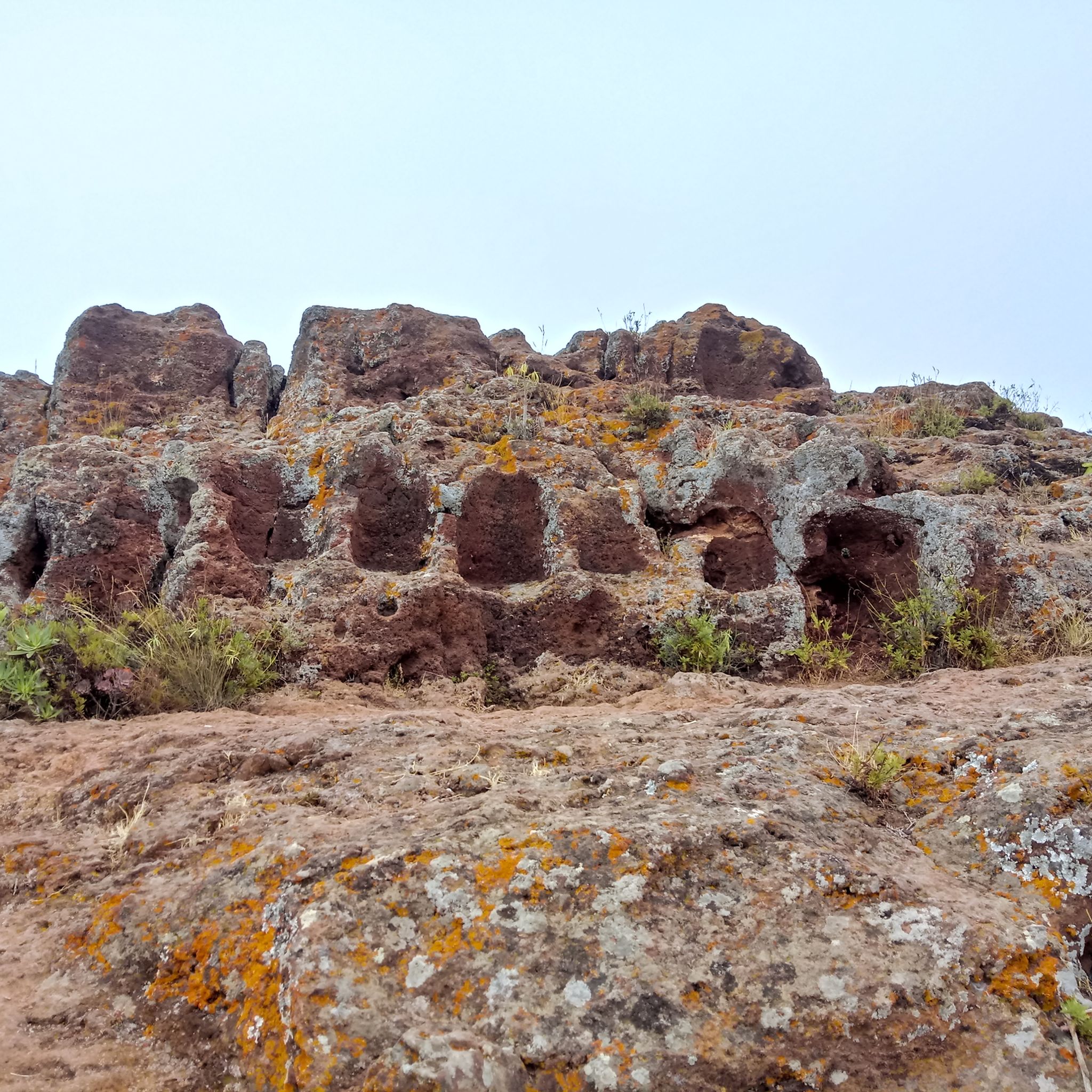
Hiking around Santa María De Guía De Gran Canaria
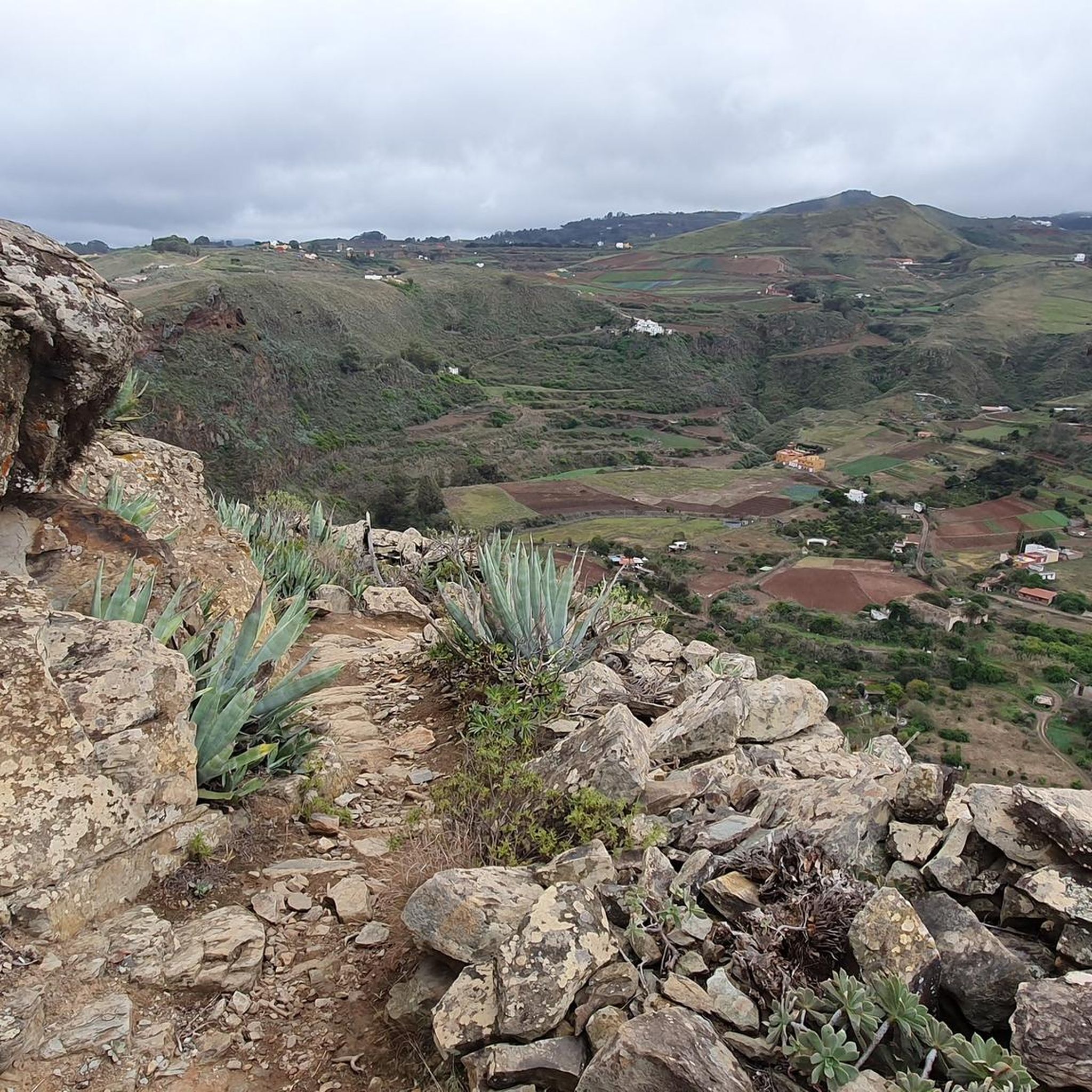
Road Cycling Routes around Santa María De Guía De Gran Canaria
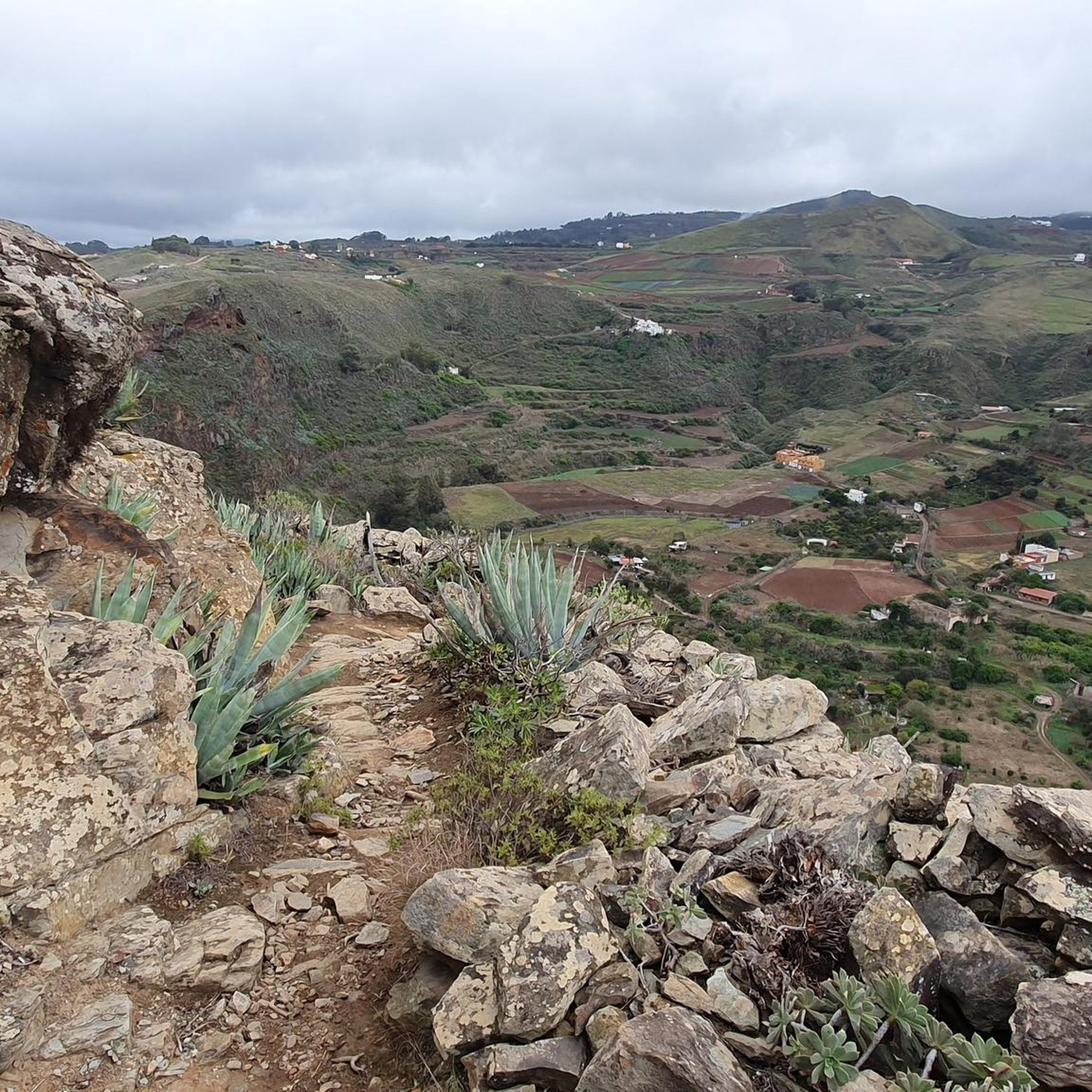
MTB Trails around Santa María De Guía De Gran Canaria
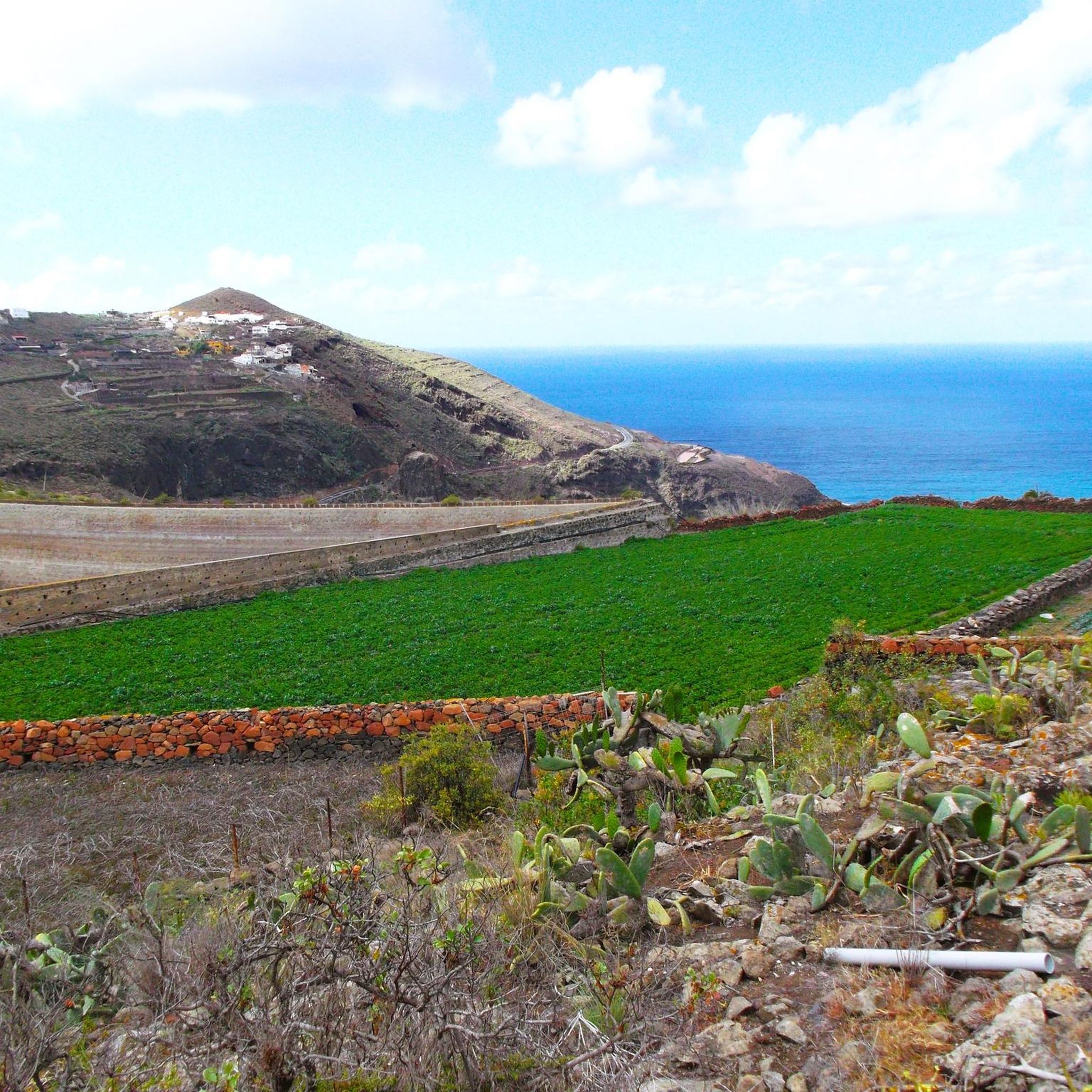
Running Trails around Santa María De Guía De Gran Canaria
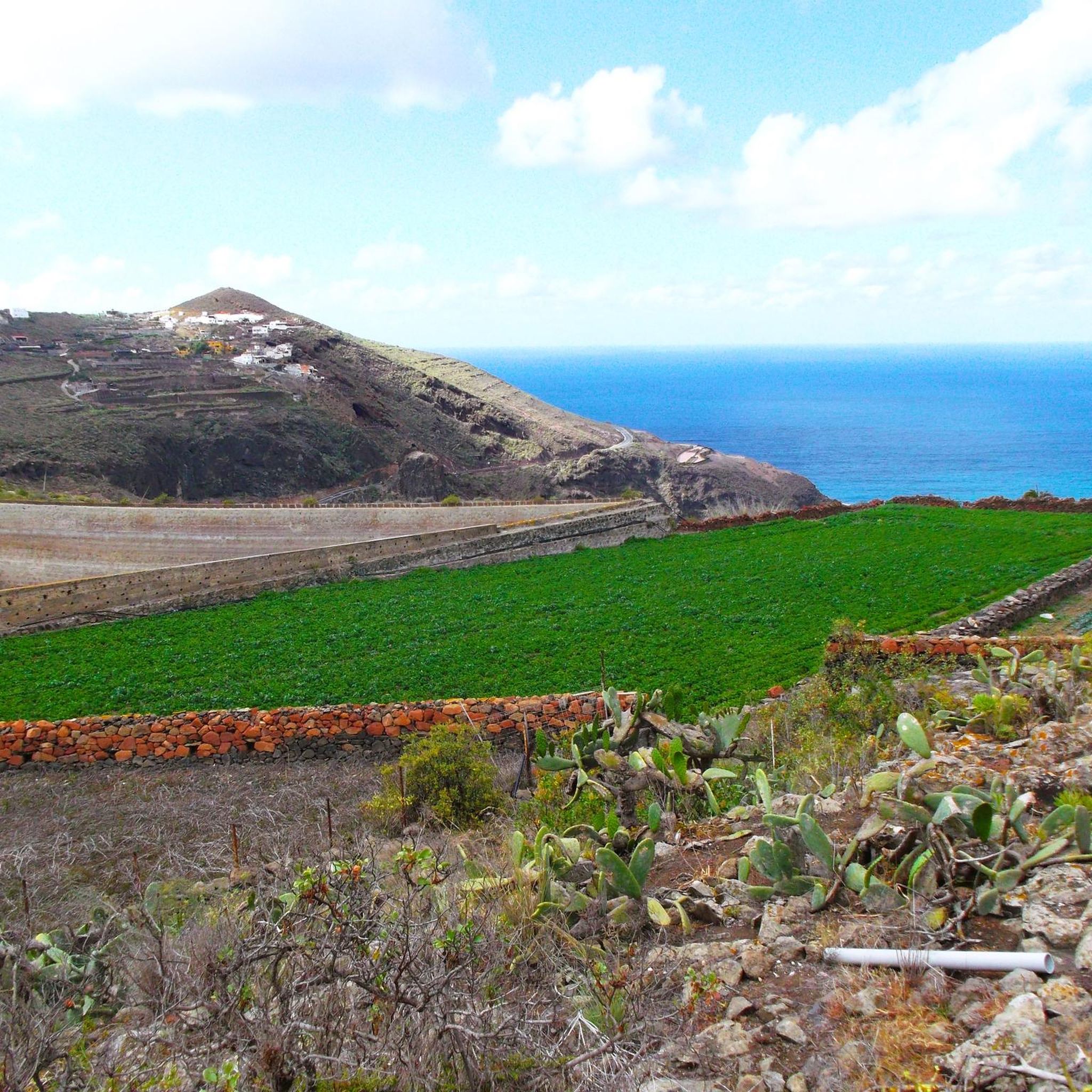
Cycling around Santa María De Guía De Gran Canaria
Mountain Hikes around Santa María De Guía De Gran Canaria

Gravel biking around Santa María De Guía De Gran Canaria
Tips from the Community

Beautiful view up to the highest mountain in Spain in Tenerife.
0
0


very beautiful landscapes
2
0

Great view, super panorama. Attractive and beautiful!
2
0
The ascent to the summit leads through romantic pine forests on well-developed paths. Highly recommended if you want to travel north on Gran Canaria.
1
0

A steep, short but slippery path leads up there. Well worth seeing.
1
0

The Roque Nublo, located in the municipality of Tejeda on the island of Gran Canaria, is considered one of the largest natural rocks in the world. It is a symbol of the island and of great importance to its inhabitants. It rises 80 metres above its base and 1,813 metres above sea level. It was a place of worship for the indigenous people. In 1987, its surroundings were declared a nature reserve and seven years later a rural park. Its gigantic appearance is only surpassed by the Pico de Las Nieves, which is the highest point in Gran Canaria at 1,949 metres above sea level.
5
0

It is very worthwhile to climb up to Roque Nublo not only to see the rock formation itself, but also to enjoy the spectacular views it offers from above. The sunsets are incredible.
3
1
Frequently Asked Questions
What are the most prominent mountain peaks accessible from Santa María de Guía de Gran Canaria?
While Santa María de Guía de Gran Canaria has its own significant volcanic cone, Montaña de Gáldar, it also offers access to some of Gran Canaria's most iconic peaks. These include the symbolic Roque Nublo, the island's highest point Pico de las Nieves summit, and the serene Tamadaba Peak within the natural park.
What makes Montaña de Gáldar (Pico de la Atalaya) a unique peak to visit?
Montaña de Gáldar, also known as Pico de la Atalaya, is a prominent extinct volcanic cone on the border of Santa María de Guía. It offers extensive panoramic views of the northern coast, including banana plantations and other mountains. Historically, it served as a coastal watchtower and has cultural significance with a Way of the Cross leading to its summit.
Are there family-friendly mountain walks or activities near Santa María de Guía de Gran Canaria?
Yes, while some ascents can be challenging, areas around peaks like Pico de las Nieves summit are accessible by road, requiring only a short walk to the top, which can be suitable for families. The panoramic views from these accessible points are breathtaking and enjoyable for all ages.
What kind of natural features can I expect to see on the mountain peaks in this region?
The region's mountain peaks showcase diverse natural features. You'll find volcanic cones like Montaña de Gáldar, iconic rock monoliths such as Roque Nublo and Roque Bentayga, and dense pine forests around Tamadaba Peak. Many peaks also offer stunning viewpoints of the coastline and the island's interior.
What is the historical significance of the mountain peaks in Gran Canaria?
Many peaks hold deep historical and cultural significance. Roque Nublo was considered a sacred mountain by the ancient Guanches, with a place of worship at its foot. Roque Bentayga also served as a sacred site. Montaña de Gáldar has historical importance as a coastal watchtower and features archaeological sites nearby.
What outdoor activities can I do near the mountain peaks around Santa María de Guía de Gran Canaria?
Beyond hiking to the summits, the area offers a variety of outdoor activities. You can find numerous running trails, including the challenging Tamadaba Pine Forest loop, and gravel biking routes like the Old coastal road – Tirma Track loop. For road cycling, there are routes such as the Playa de las Nieves – La Aldea Tunnel loop. Explore more options in the Running Trails, Gravel Biking, and Cycling guides for the region.
What are the accessibility options for reaching the mountain peaks?
Accessibility varies by peak. For Montaña de Gáldar, you can drive halfway up and then walk to the summit. Pico de las Nieves summit is accessible by road with a short walk to the top. For Roque Nublo, a moderate hike of about 1.5 kilometers leads to the monolith. Always check specific trail conditions and parking availability before your visit.
What do visitors enjoy most about the mountain peaks in this area?
Visitors frequently highlight the breathtaking panoramic views, especially from spots like View of Roque Nublo and Pico de las Nieves summit. The sense of tranquility in nature, particularly around Tamadaba Peak, and the unique geological formations are also highly appreciated. Many enjoy the rewarding feeling of reaching a summit after a scenic hike.
Are there any other notable peaks in Gran Canaria worth visiting that are accessible from Santa María de Guía?
Beyond the most popular, Pico Campanario (1,917 m) offers another absolutely worthwhile detour with great panoramic views, including Mount Teide on clear days. Roque Bentayga, another distinctive stone monolith with aboriginal significance, is also accessible and offers insights into the island's ancient past.
What is the best time of year to visit the mountain peaks around Santa María de Guía de Gran Canaria?
Gran Canaria generally enjoys a mild climate year-round. However, for mountain hiking, the cooler months from autumn to spring (October to May) are often preferred to avoid the intense summer heat. During winter, higher peaks like Pico de las Nieves can experience colder temperatures and occasional snow, so it's always advisable to check local weather conditions and pack layers.
What should I wear for hiking in the Gran Canaria mountains?
Given the varied terrain and potential for changing weather, it's recommended to wear sturdy hiking shoes with good grip, especially for paths that can be slippery or rocky. Layered clothing is advisable, as temperatures can vary significantly between the coast and higher altitudes, and a windbreaker is often useful at summits like Pico de las Nieves summit.
Most popular routes around Santa María De Guía De Gran Canaria
Most popular attractions around Santa María De Guía De Gran Canaria

Get inspired with the komoot mobile app


Explore more
See even more amazing summits around Santa María De Guía De Gran Canaria with these guides:
