Attractions and Places To See around Torremocha - Top 15
Attractions and places to see around Torremocha, located in the province of Cáceres, Extremadura, offer a blend of historical architecture and natural landscapes. The area features significant historical sites, including ancient castles and Roman-era structures, alongside distinctive natural formations. It provides opportunities to explore the region's heritage and scenic views.
Best attractions and places to see around Torremocha
- The most popular attractions is Montánchez Castle, a castle with origins dating back to Roman times, with its main structure from…
Last updated: August 23, 2026
Montánchez Castle
Highlight • Castle
Translated by Google •
Tip by

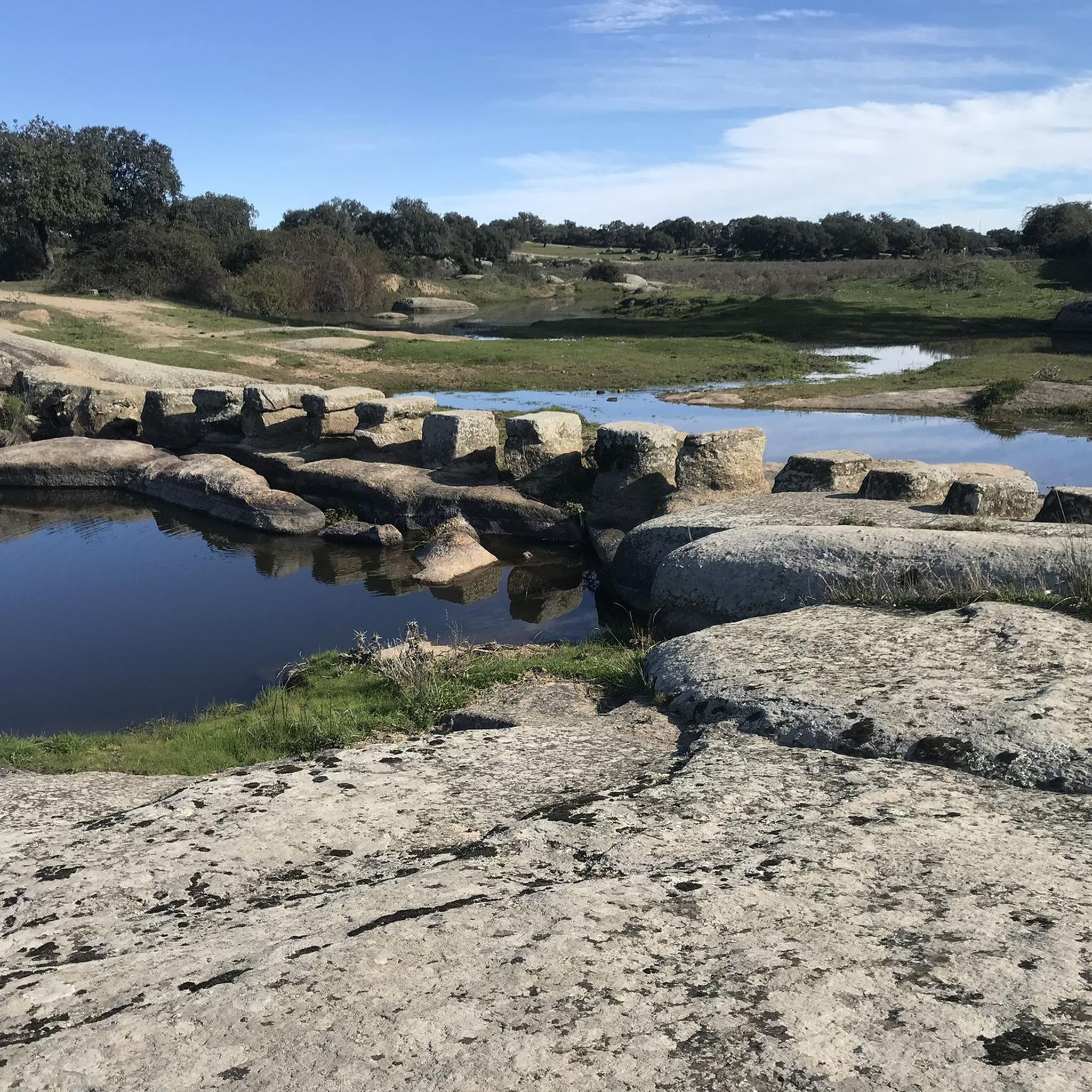
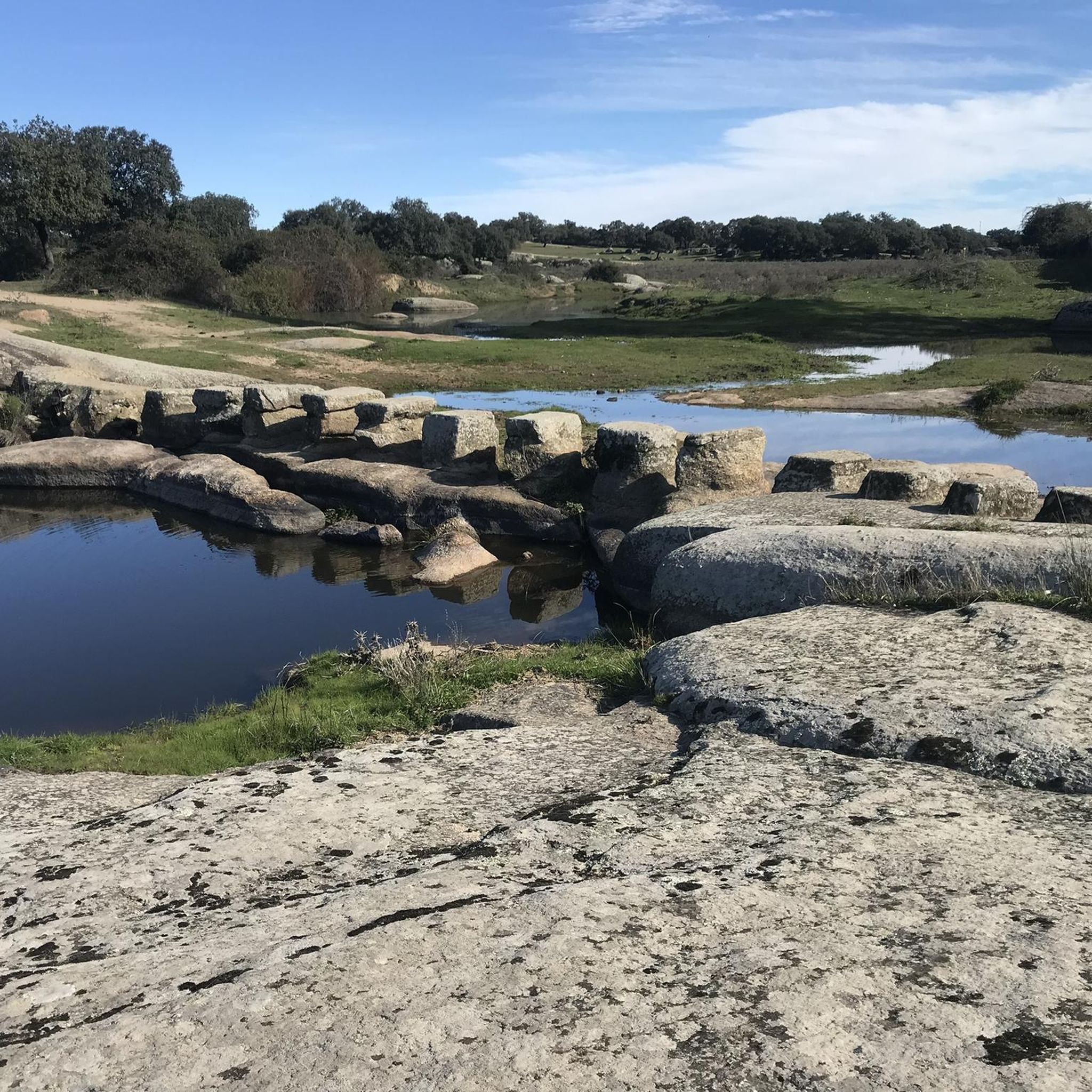
Santiago de Bencáliz Bridge
Highlight • Bridge
Translated by Google •
Tip by

Sign up now to discover places like this
Get recommendations on the best single tracks, peaks, & plenty of other exciting outdoor places.
Sign up for free
Castillo de Las Arguijuelas de Abajo
Highlight • Castle
Translated by Google •
Tip by

The Rock That Moves
Highlight • Natural Monument
Translated by Google •
Tip by

Canaleja de la Torre Spring and Ruins
Highlight • Historical Site
Translated by Google •
Tip by
Sign up for free to discover even more attractions around Torremocha.
Sign up for free
Already have an account?
Start today with a free account
Your next adventure awaits.
Login or Signup

Tips from the Community

It is located atop a hill in the Sierra de Montánchez, also known as the "balcony of Extremadura," at an altitude of approximately 700–900 meters above sea level. Founded on the site of an earlier Roman fortress, its main structure dates back to the Caliphate period of the 9th century (Almohad era). It preserves three underground cisterns built between the 11th and 13th centuries. Captured around 1156–1230, it passed to the Order of Santiago after being granted by Alfonso XI. Walls, a keep, and defensive enclosures were added. 17th century: A hermitage and an interior pond were added. In 1620, it served as a prison for Don Rodrigo Calderón.
1
0

Spectacular located on a hill at the top of the town that has the same name as the castle, Montánchez. It is worth going through its walls, all of which are straight.
0
1

Beautiful walled castle and well-preserved defensive hill on the town of Montánchez. The castle was built in the 12th century to protect the trade route between Merida and Trujillo.
1
1
15th century castle of great patrimonial and cultural importance. Today, the castle and surrounding gardens serve as a hotel and event space.
1
0

Not only is its shape curious, but the name by which it is known is even more striking. It is a very picturesque place with very beautiful panoramic views of the entire Montánchez valley.
4
0
Ruins of an old settlement where the water source is still located (when in doubt, do not drink it without first filtering it)
4
0

This ancient Roman bridge crosses the Santiago stream. Just before the bridge there is a small picnic area with a roof where you can take shelter and a picnic table.
1
0
The origins of the castle of Montánchez date back to Roman times (it began to be built at the time of the emperor Caracalla)
9
2
Frequently Asked Questions
What historical sites can I explore around Torremocha?
Torremocha and its surroundings are rich in history. You can visit the impressive Montánchez Castle, which has origins dating back to Roman times and offers panoramic views from the Sierra de Montánchez. Another significant historical landmark is the Santiago de Bencáliz Bridge, an ancient Roman bridge crossing the Santiago stream. Additionally, the 15th-century Castillo de Las Arguijuelas de Abajo is a site of great patrimonial importance. Nearby, you can also explore the historic Old Town of Cáceres and the Plaza Mayor de Trujillo.
Are there any interesting natural features or viewpoints near Torremocha?
Yes, the area offers unique natural formations and scenic viewpoints. A notable natural monument is The Rock That Moves, known for its curious shape and picturesque panoramic views of the Montánchez valley. The Sierra de Montánchez itself, often called the 'balcony of Extremadura,' provides stunning vistas.
What cycling opportunities are available around Torremocha?
The region around Torremocha is excellent for cycling. You can find various routes, including the Valdesalor Reservoir Loop, the Proserpina Reservoir Route, and the Jarripa Reservoir loop. For more detailed information and routes, check out the Cycling around Torremocha guide.
Are there mountain biking trails in the Torremocha area?
Absolutely! Mountain biking enthusiasts will find several trails. Popular routes include the Llanos de Cáceres and Valdesalor loop, the Puerto de las Camellas loop, and the Dehesa de Torremocha – Jarripa Reservoir loop. You can explore these and more in the MTB Trails around Torremocha guide.
What running trails are available near Torremocha?
For runners, there are several scenic trails. Consider the Castillo del Cachorro and Salor River Loop, the Embalse de Jarripa circular route, or the Charca del Prado loop. Find more options and details in the Running Trails around Torremocha guide.
What do visitors enjoy most about the attractions around Torremocha?
Visitors particularly appreciate the blend of historical significance and natural beauty. The panoramic views from places like Montánchez Castle and The Rock That Moves are highly praised. The ancient Roman structures, such as the Santiago de Bencáliz Bridge, also offer a glimpse into the region's rich past. The komoot community has shared 30 photos and given 19 upvotes, highlighting the area's appeal.
Are there any ruins or ancient settlements to discover?
Yes, beyond the prominent castles, you can find the Canaleja de la Torre Spring and Ruins, which are the remains of an old settlement. While the water source is still present, it's advisable not to drink it without proper filtration.
Is Torremocha (Cáceres) suitable for family-friendly activities?
While specific family-friendly activities are not detailed, the area's historical sites and natural landscapes can be engaging for families. The picnic area near the Santiago de Bencáliz Bridge offers a nice spot for a break. Exploring castles like Montánchez Castle can also be an adventurous outing for older children.
What is the best time to visit Torremocha (Cáceres) for outdoor activities?
The region of Extremadura generally experiences hot summers. Spring and autumn are typically the most pleasant seasons for outdoor activities like hiking, cycling, and exploring historical sites, as temperatures are milder and the landscapes are vibrant.
Can I find information about the local agriculture or traditional industries?
While the primary Torremocha in the guide is in Cáceres, if you were to visit Torremocha de Jarama (Madrid), you would find the Museo de la Agricultura, which displays traditional agricultural tools, reflecting the historical importance of cereal and viticulture. The Cocederos de vino (wine presses) excavated in gypsum also speak to the area's wine-making heritage.
Are there any unique natural conservation areas nearby?
In the broader region, the Zona de Interés Regional Llanos de Cáceres y Sierra de Fuentes highlights the natural features of the area. If considering Torremocha del Pinar (Guadalajara), you would find El Sabinar, a unique juniper forest, and Prados Húmedos (Wet Meadows), which are priority conservation ecosystems with unique plant varieties.
Most popular routes around Torremocha

Get inspired with the komoot mobile app


Explore more
Still not found the Highlight you’re looking for? See guides of the top attractions in other regions:
