The best cycling routes around Torremocha
4.9
(65)
395
riders
41
rides
Touring cycling routes around Torremocha de Jarama traverse a landscape characterized by the Jarama River valley, featuring agricultural fields, vineyards, and olive groves. The region includes several reservoirs, such as El Villar, El Atazar, and Pontón de la Oliva, which offer scenic backdrops for cycling. Riparian forests with ancient elms and oaks can be found along river trails, providing varied terrain for touring cyclists. The area offers a range of routes from moderate to challenging, suitable for different fitness levels.
…Last updated: October 13, 2026
1
riders
37.5km
02:56
230m
230m
Cycle 23.3 miles (37.5 km) around Embalse de Valdesalor from Aldea del Cano, exploring historical bridges and diverse natural scenery.
4.7
(3)
14
riders
40.3km
03:30
260m
260m
Moderate bike ride. Good fitness required. Mostly paved surfaces. Suitable for all skill levels.

5.0
(2)
26
riders
77.9km
05:24
460m
460m
Hard bike ride. Very good fitness required. Mostly paved surfaces. Suitable for all skill levels.
5.0
(1)
7
riders
31.6km
02:08
480m
480m
Hard bike ride. Very good fitness required. Mostly paved surfaces. Suitable for all skill levels.
5.0
(2)
8
riders
Moderate bike ride. Good fitness required. Mostly paved surfaces. Suitable for all skill levels.
Get access to more routes and recommendations from other explorers.
Already have an account?
Our route recommendations are based on thousands of hikes, rides, and runs completed by other people on komoot.
Start today with a free account
Your next adventure awaits.

Tips from the Community

It is located atop a hill in the Sierra de Montánchez, also known as the "balcony of Extremadura," at an altitude of approximately 700–900 meters above sea level. Founded on the site of an earlier Roman fortress, its main structure dates back to the Caliphate period of the 9th century (Almohad era). It preserves three underground cisterns built between the 11th and 13th centuries. Captured around 1156–1230, it passed to the Order of Santiago after being granted by Alfonso XI. Walls, a keep, and defensive enclosures were added. 17th century: A hermitage and an interior pond were added. In 1620, it served as a prison for Don Rodrigo Calderón.
1
0
The historic center of Cáceres, declared a UNESCO World Heritage Site, is one of the most impressive monumental complexes in Spain. Walking through its cobbled streets is like traveling to the Middle Ages, thanks to its excellent state of preservation and the absence of modern buildings that alter its aesthetics.
14
1

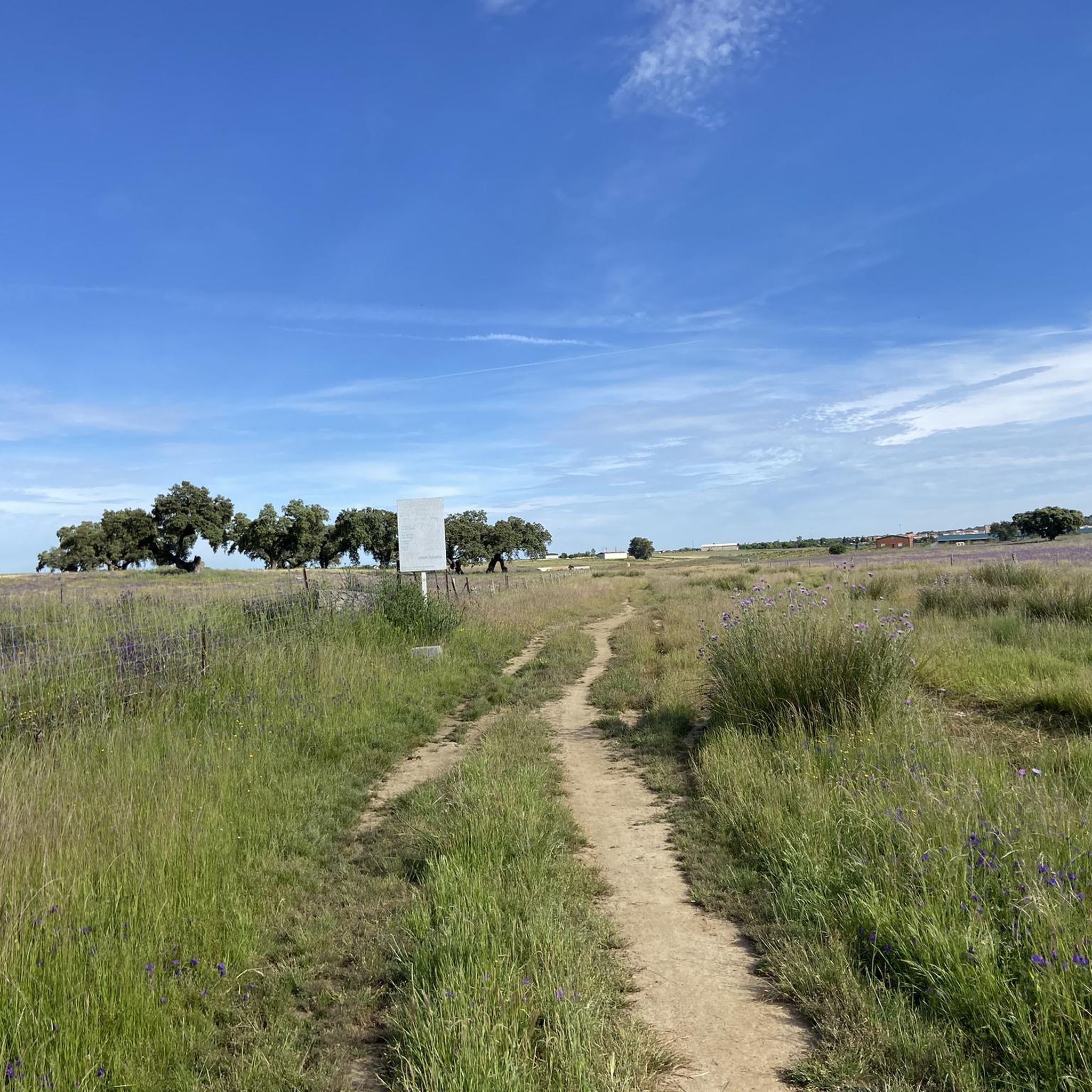
Nice gentle climb and one of the longest in Montanchez
0
1
This square is legally protected as an Asset of Cultural Interest (BIC) and is within the catalog of protected assets of the Cáceres city council. Its neo-Mudejar architecture and rich history make it an emblematic place for lovers of bullfighting and culture.
8
0
In 2011, the redevelopment and remodeling works of the Plaza Mayor were completed, led by architects Antonino Antequera, Francisco Pol Méndez and Asunción Rodríguez Montejano. The project included the creation of several spaces, such as the Summer Plaza, a shady place with trees and fountains; the Winter Square, flanked by a fountain wall and a continuous stone bench; the new Music Forum, in the Balbos Forum, next to the Town Hall, for chamber concerts; and a large central free space for events, whose pavement formally recalls the vernacular Cáceres brick vault, and which has water fountains to combat the summer heat. If you visit Cáceres, you cannot miss exploring this emblematic Plaza Mayor and admiring its rich history and architecture.
10
0
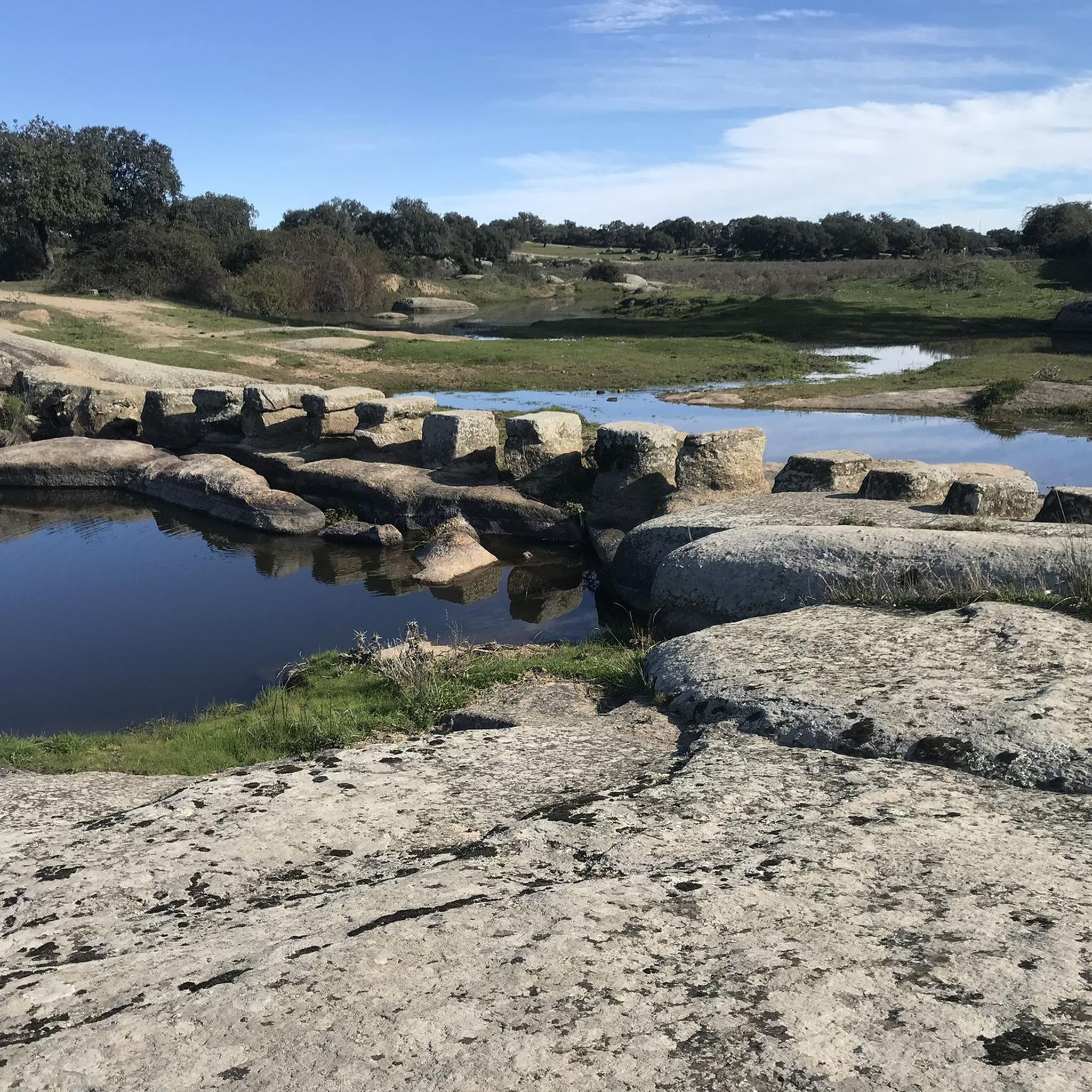
The Mocha Bridge, also known as Puente Viejo de la Mocha, is a historic structure located in the municipality of Valdesalor. This bridge crosses the Salor River and has been rebuilt several times throughout history to offer the appearance it has today.
2
0
Being able to walk anywhere through its narrow cobbled streets is like traveling to another era. You will be surrounded by mansions, Renaissance palaces and churches crowned with stork nests and you will understand why Cáceres is a World Heritage City. Prepare your camera to photograph one of the most beautiful historic centers in Spain.
14
1
It is a construction of Arab origin and built on Roman ashlars. It stands within the defensive fence of the monumental city of Cáceres. It is 25 meters high and has a square floor plan. It appears topped by a ring of battlements, two lateral machicolations and one frontal one, which was added in the 18th century. On the western side, facing the Plaza Mayor, is the small balcony of the Fueros, from the 16th century.
30
0
Frequently Asked Questions
How many touring cycling routes are available around Torremocha?
There are over 30 touring cycling routes available around Torremocha, catering to various skill levels. These include 2 easy routes, 19 moderate routes, and 12 difficult routes, ensuring options for every cyclist.
What kind of landscapes can I expect to see while cycling around Torremocha?
Touring cycling routes around Torremocha de Jarama offer diverse landscapes. You'll traverse the fertile Jarama River valley with its agricultural fields, vineyards, and olive groves. The region is also characterized by several significant reservoirs, such as El Villar, El Atazar, and Pontón de la Oliva, which provide scenic backdrops. Additionally, you can cycle through riparian forests featuring ancient elms, oaks, and poplars along river trails.
Are there any notable natural features or viewpoints along the routes?
Yes, the region boasts several natural highlights. The The Rock That Moves is a unique natural monument. For panoramic views, the Cancho de la Cabeza summit offers spectacular 360-degree vistas of the El Atazar reservoir, the Sierra de Ayllón, and the Sierra de La Cabrera, with the distant Peñalara peak visible on clear days. The Pontón de la Oliva dam, the oldest in Madrid, is also a significant historical and natural landmark.
Are there any historical or cultural attractions to visit near the cycling routes?
Absolutely. You can explore the Montánchez Castle or the Santiago de Bencáliz Bridge. The area also features the Church of San Pedro Apóstol, a rare example of Romanesque art in the Community of Madrid. A short ride away is Patones de Arriba, a historic village known for its distinctive 'black architecture.' You can also discover ancient water presses, traditional wine cellars, and the Canal de Cabarrús, or visit the Centro Artesanal Torrearte which houses a Museum of Agriculture.
What is the best time of year for touring cycling in Torremocha?
The region around Torremocha de Jarama is generally pleasant for cycling during spring and autumn, when temperatures are milder. Summer can be hot, especially in the middle of the day, so early morning or late afternoon rides are recommended. Winter offers cooler temperatures, but routes remain accessible, especially those at lower elevations.
Are there family-friendly touring cycling routes in Torremocha?
While the guide features 2 easy routes, many of the routes around Torremocha are moderate to difficult. For families, consider routes with less elevation gain and shorter distances. Always check the route details for specific difficulty and terrain to ensure it's suitable for all family members.
Can you recommend a challenging long-distance touring route?
For experienced cyclists seeking a challenge, the Proserpina Reservoir Route – Roman Dam of Proserpina loop from Casas de Don Antonio is an excellent option. This difficult route spans 79.5 miles (128.0 km) and includes a significant elevation gain, exploring the area around the Proserpina Reservoir and its ancient Roman dam.
Are there any circular touring cycling routes?
Yes, many of the touring cycling routes in the Torremocha area are circular, allowing you to start and end at the same point. An example is the Valdesalor Reservoir Loop from Aldea del Cano, a moderate 23.3-mile (37.5 km) trail that circles the reservoir.
What are the options for parking when accessing the cycling routes?
Parking availability varies depending on the specific starting point of your chosen route. Many villages and towns in the Sierra Norte region, including Torremocha de Jarama itself, offer public parking areas. It's advisable to check the starting point of your selected route on komoot for more specific parking information or local recommendations.
Can I reach the cycling routes by public transport?
Public transport options to reach the Torremocha de Jarama area from Madrid typically involve bus services. The region is integrated into the larger CiclaMadrid network, which suggests some accessibility. However, direct public transport links to specific trailheads might be limited, so planning your journey in advance and checking local bus schedules is recommended.
Are there places to eat or stay near the cycling routes?
Yes, the towns and villages surrounding Torremocha de Jarama, such as Patones de Arriba and Talamanca del Jarama, offer various amenities. You'll find local cafes and restaurants where you can refuel, as well as accommodation options ranging from guesthouses to rural hotels, perfect for extending your cycling adventure.
What do other cyclists say about the touring routes in Torremocha?
The touring cycling routes in Torremocha are highly rated by the komoot community, with an average score of 4.8 stars from over 40 reviews. Cyclists often praise the varied terrain, the scenic backdrops of the reservoirs, and the peaceful atmosphere of the Jarama River valley. Over 300 touring cyclists have used komoot to explore the area, highlighting its popularity.
Is there a moderate route that explores reservoir areas?
Yes, the Jarripa Reservoir loop from Valdefuentes is a popular moderate route. It's a 24.0-mile (38.7 km) trail that leads through varied terrain, often completed in about 3 hours and 23 minutes, offering beautiful views of the reservoir.
Most popular routes around Torremocha
Most popular attractions around Torremocha

Get inspired with the komoot mobile app


Explore more
Browse the best Cycling routes in other regions.
