Attractions and Places To See around Tossa De Mar - Top 20
Best attractions and places to see around Tossa De Mar include a rich blend of historical landmarks, natural beauty, and cultural sites on Spain's Costa Brava. The town features a well-preserved medieval walled enclosure, offering a glimpse into its past. Visitors can explore diverse landscapes, from golden sand beaches and secluded coves to mountainous areas with panoramic views. The region provides a variety of experiences for those interested in history, coastal exploration, and outdoor activities.
Best attractions and places to see around Tossa De Mar
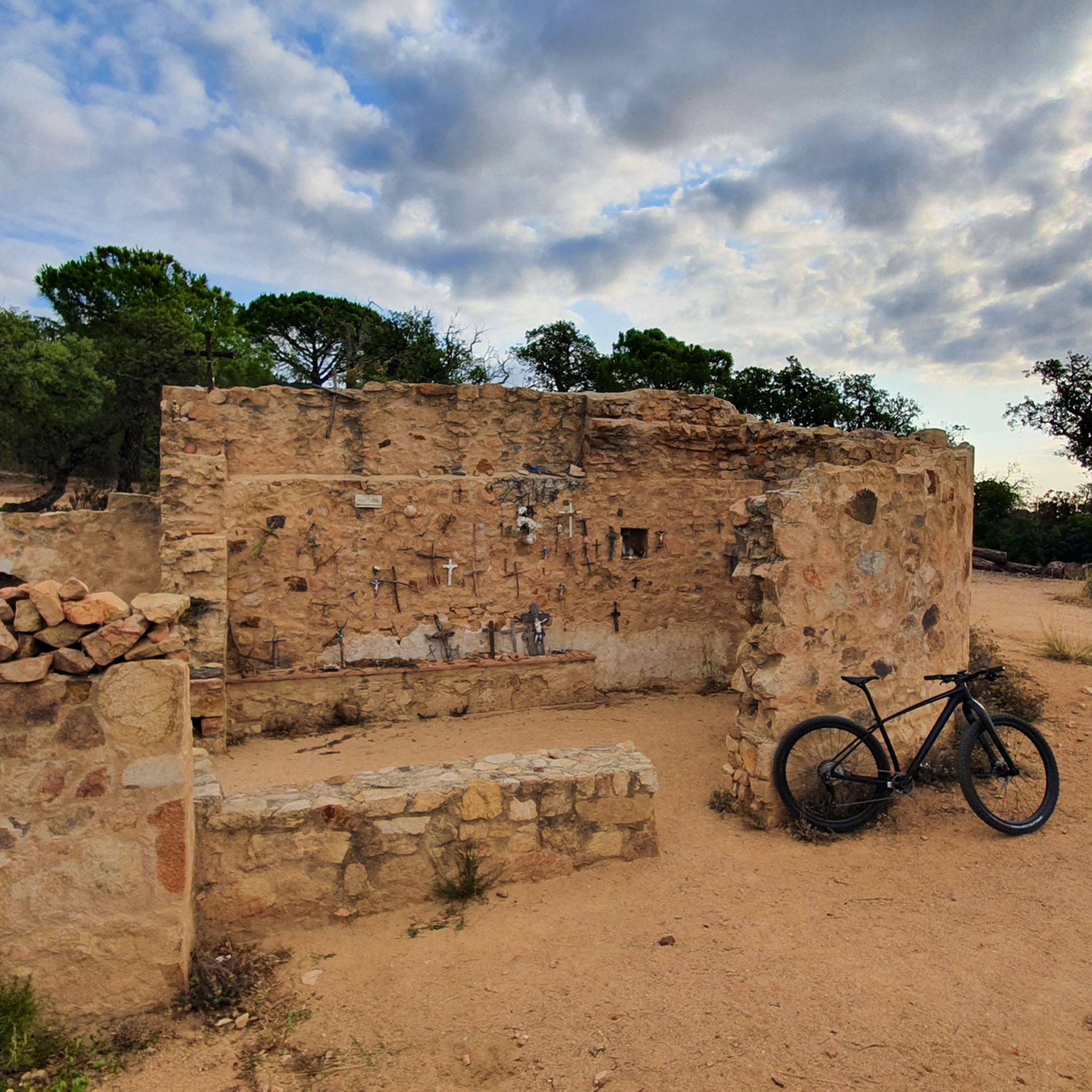
- The most popular attractions is Sant Grau d'Ardenya Climb, a climb that offers amazing views back to the coastline and leads to a chapel at the top. It is known for its varying gradients and scenic descent options towards the coast.
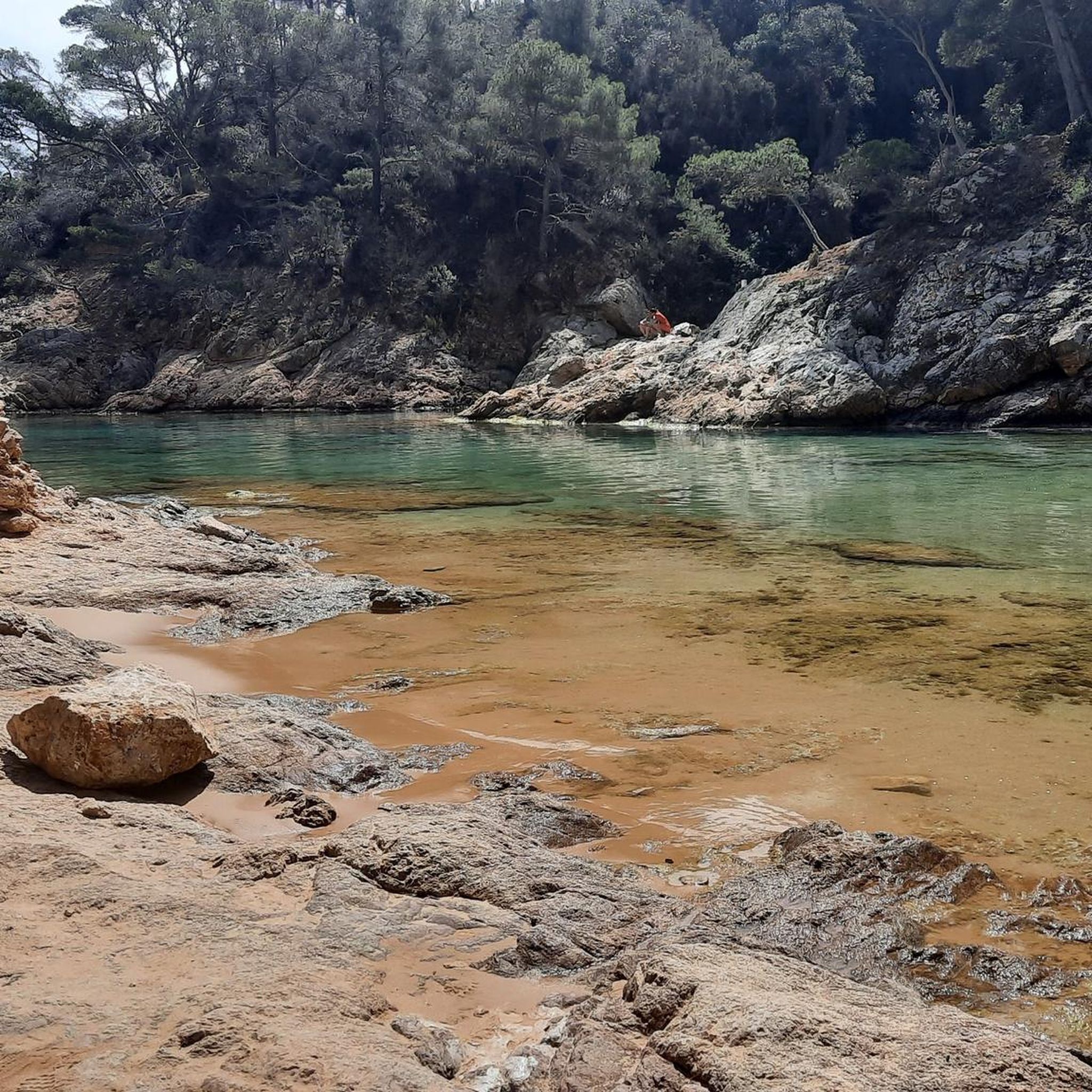
- Another must-see spot is Cala Bona, a small bay with a mini beach, accessible via the Camino Ronda. This secluded bay features clear water ideal for swimming and a tranquil atmosphere.
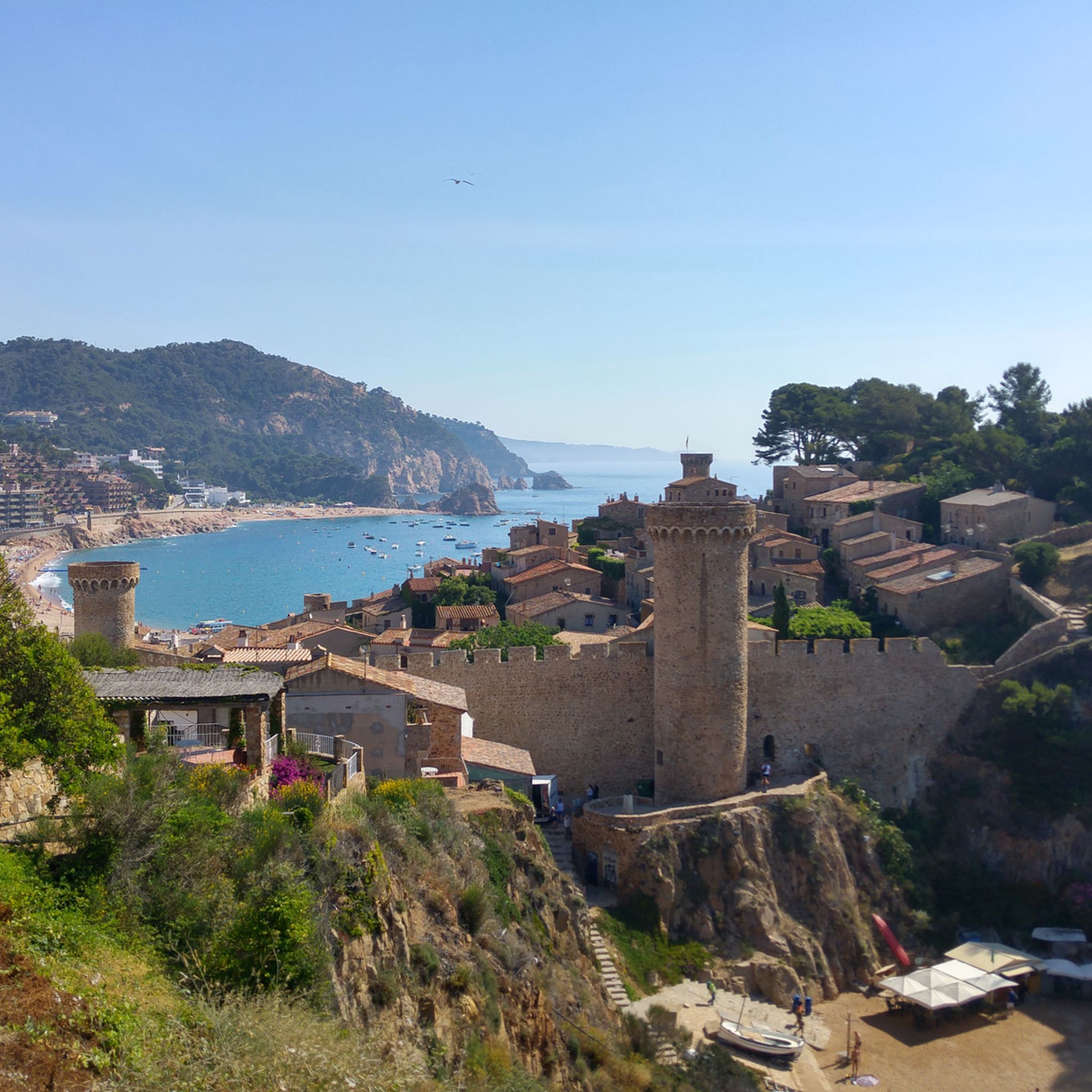
- Visitors also love Vila Vella Fortress, Tossa de Mar, a well-preserved old town with small streets, city walls, and defense towers. This historical site provides a journey back in time with its medieval architecture and panoramic viewpoints.
- Tossa De Mar is known for its historical sites, beautiful beaches, and natural features. The area offers a variety of attractions, from ancient fortifications and Roman ruins to picturesque coves and scenic coastal paths.
- The attractions around Tossa De Mar are appreciated by the komoot community, with more than 400 upvotes and over 300 photos.
Last updated: August 16, 2026
Vila Vella Fortress, Tossa de Mar
Highlight • Castle
Translated by Google •
Tip by

Cala Bona
Highlight • Beach
Translated by Google •
Tip by

Sign up now to discover places like this
Get recommendations on the best single tracks, peaks, & plenty of other exciting outdoor places.
Sign up for free
Sant Grau d'Ardenya Climb
Highlight (Segment) • Climb
Tip by

Castell d'Aro station and historic steam locomotive
Highlight • Historical Site
It is highly recommended to make a stop to visit the interior of the station where the stationmaster's office and the wooden structure of the ticket office are still preserved today.
Translated by Google •
Tip by

Cala Banys
Highlight • Beach
Translated by Google •
Tip by

Sign up for free to discover even more attractions around Tossa De Mar.
Sign up for free
Already have an account?
Start today with a free account
Your next adventure awaits.
Login or Signup
Popular around Tossa De Mar
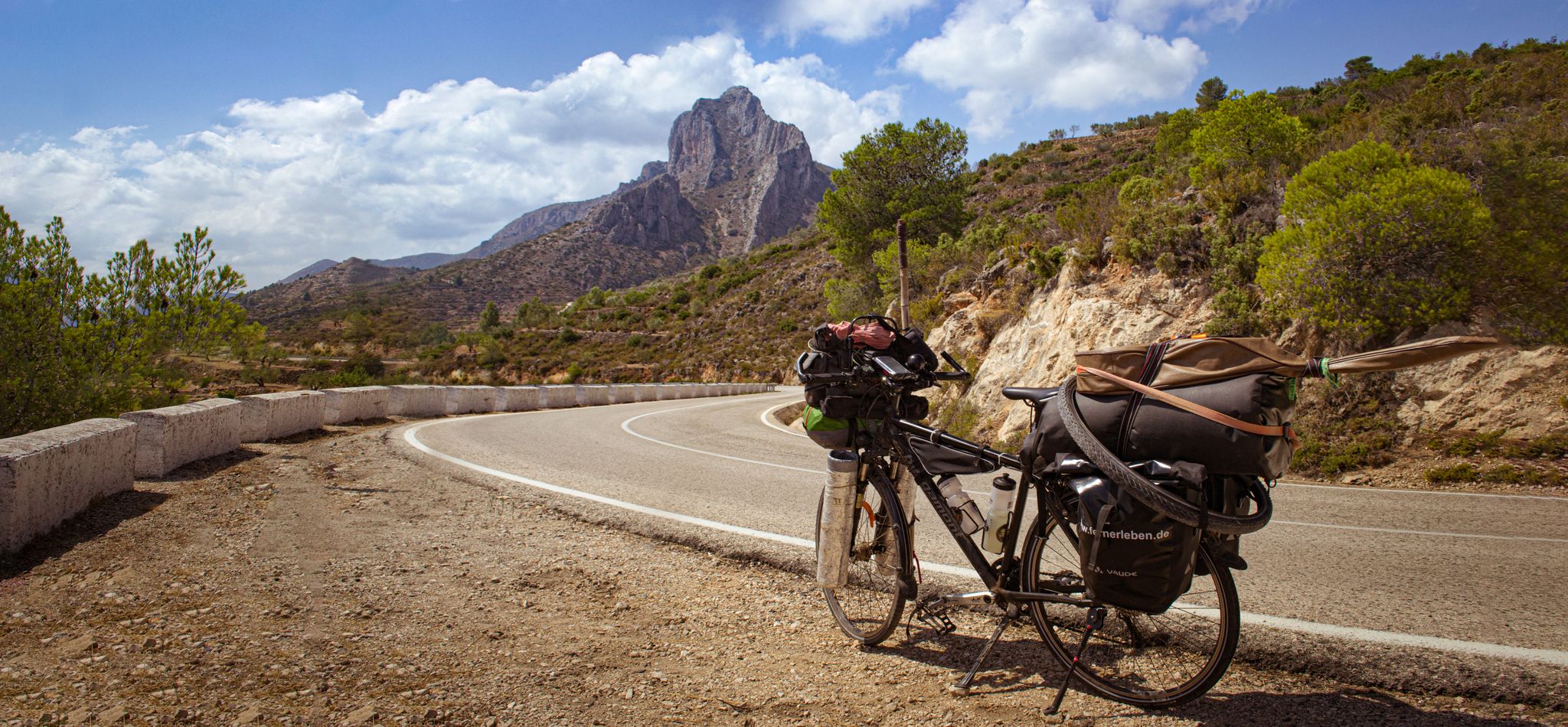
On the road to the sun — bikepacking to southeast Spain
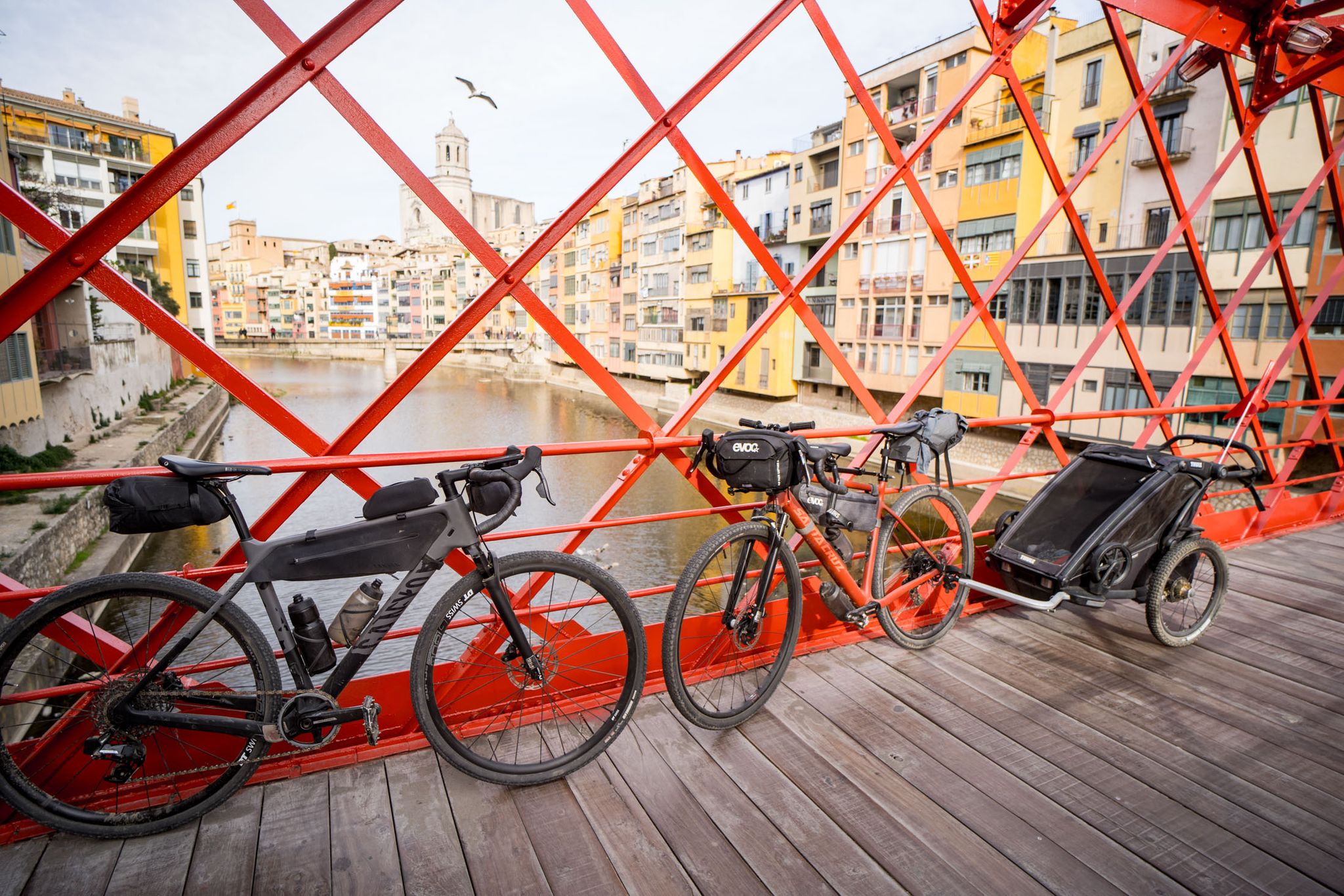
Family Bikepacking / Barcelona-Girona
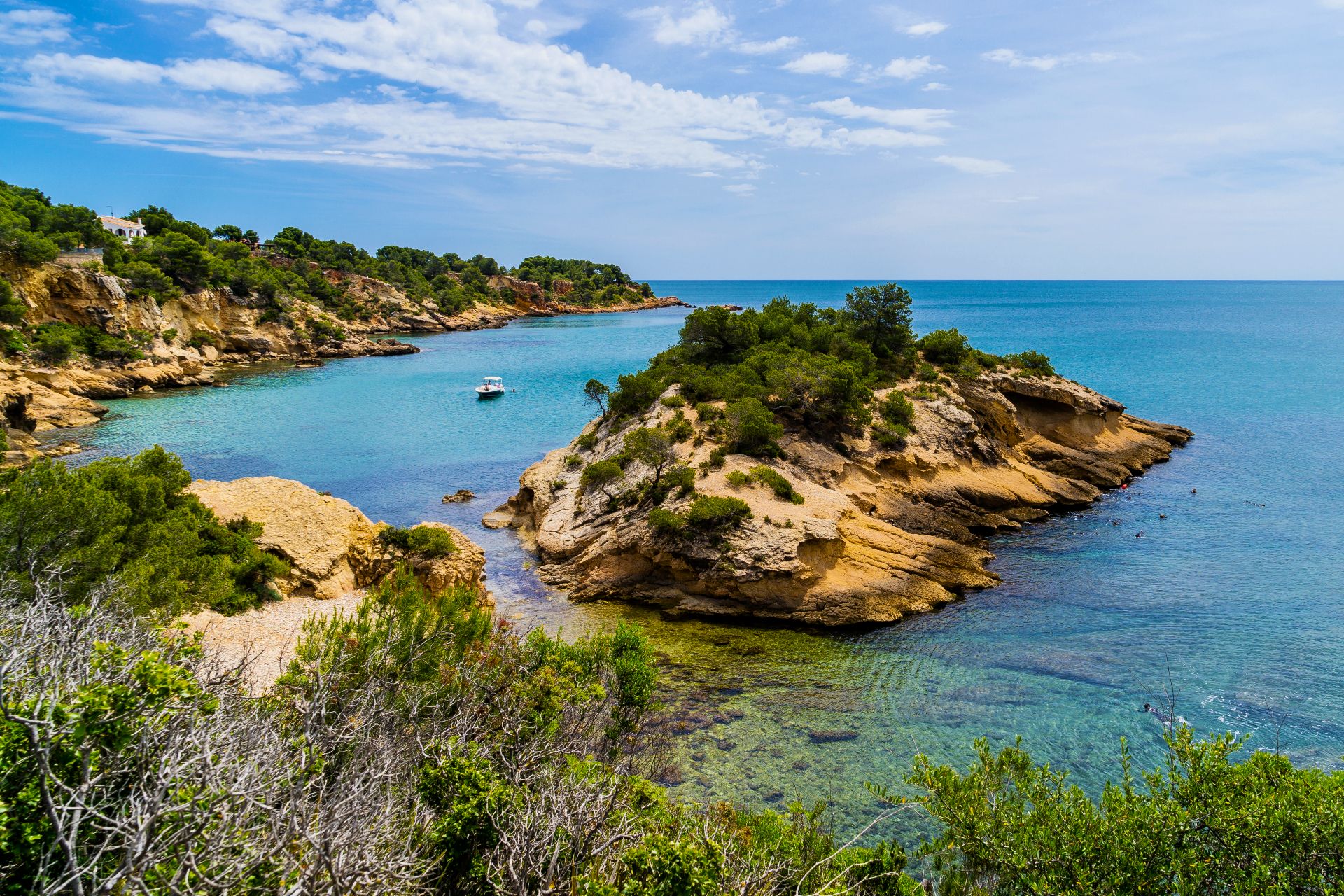
The Catalan coast on foot – Mediterranean Path (GR 92)
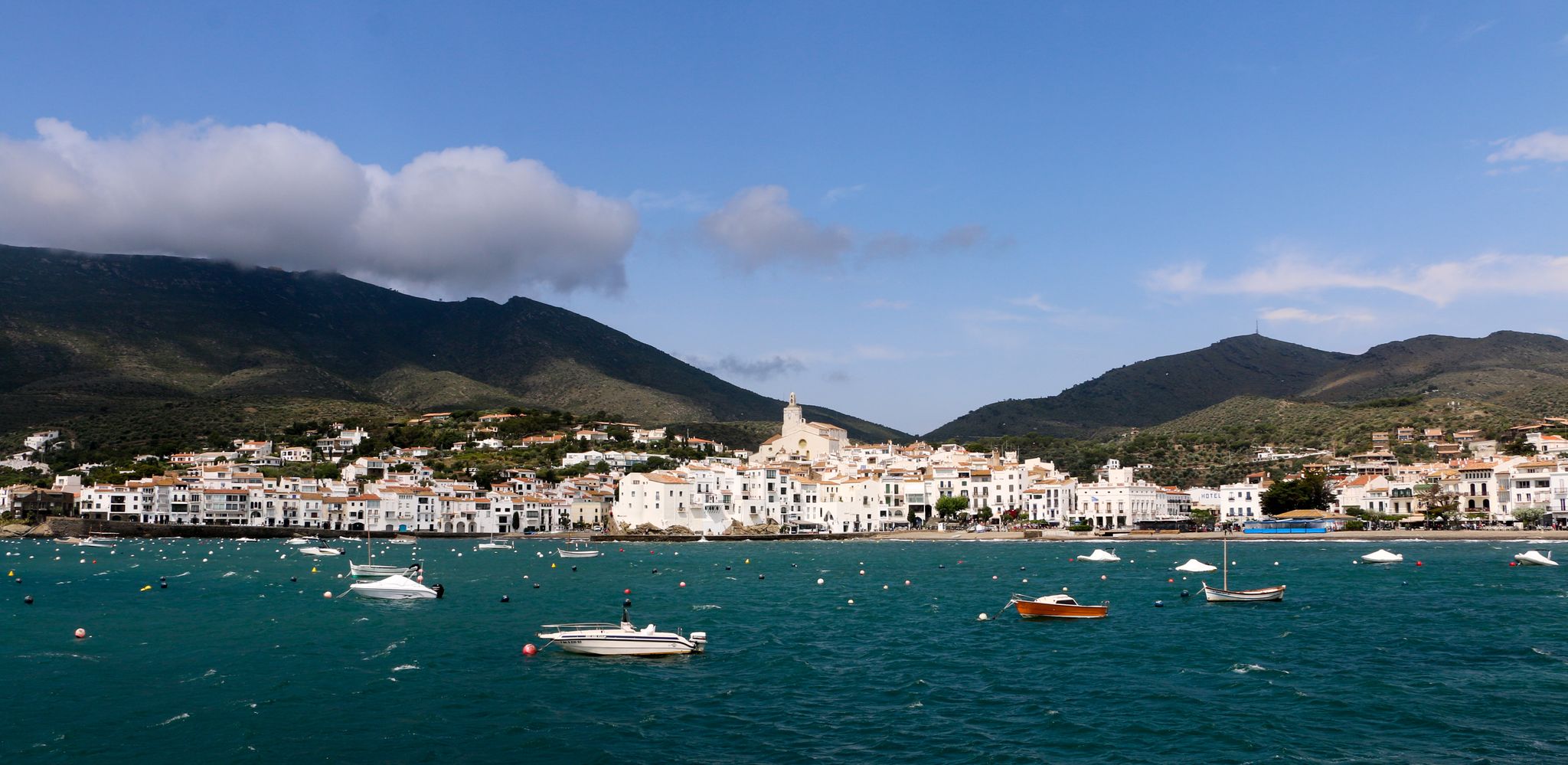
A journey through the Catalan Mediterranean – Tour of the Costa Brava
Hiking around Tossa De Mar
Road Cycling Routes around Tossa De Mar
Running Trails around Tossa De Mar
MTB Trails around Tossa De Mar
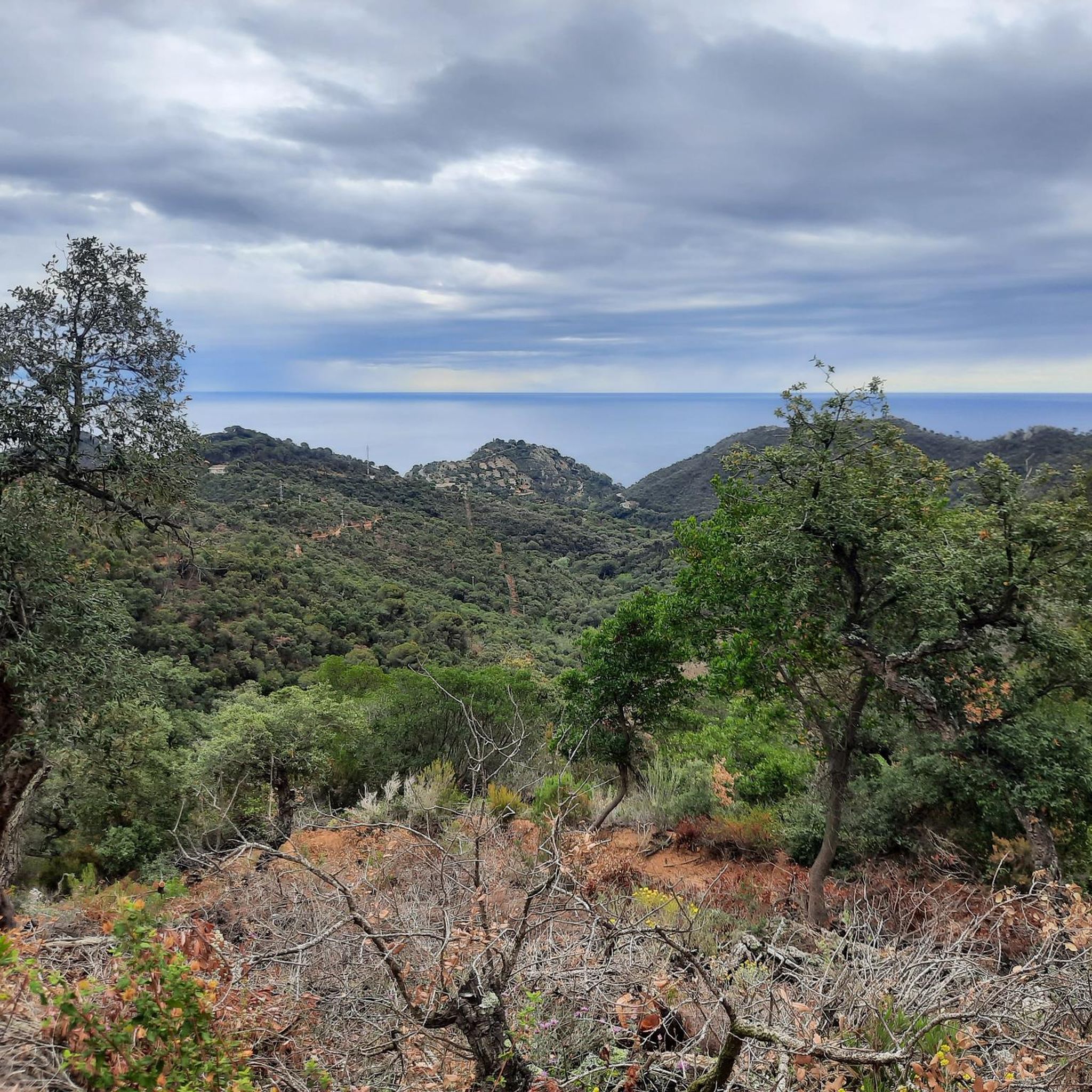
Cycling around Tossa De Mar
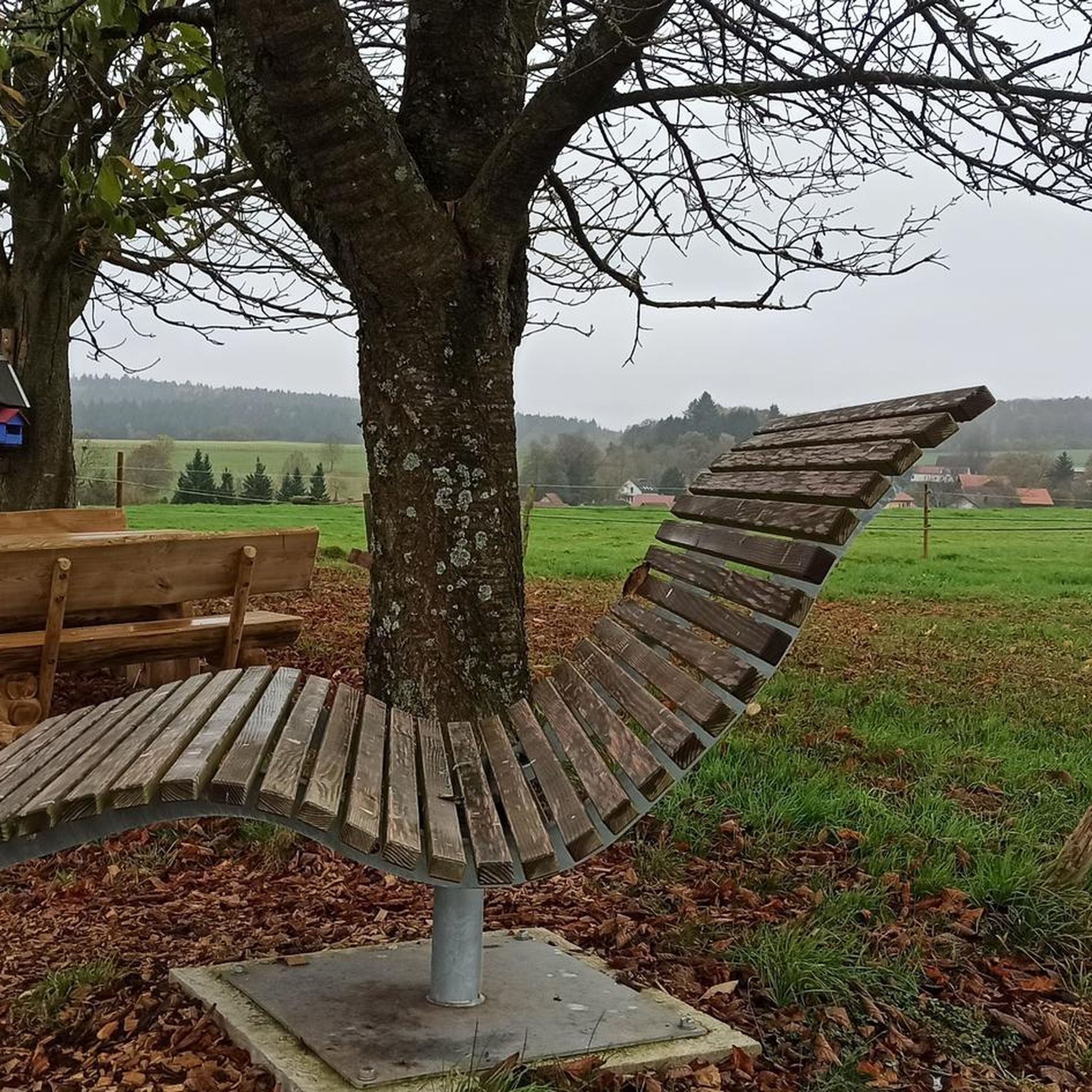
Gravel biking around Tossa De Mar
Other adventures around Tossa De Mar


Tips from the Community

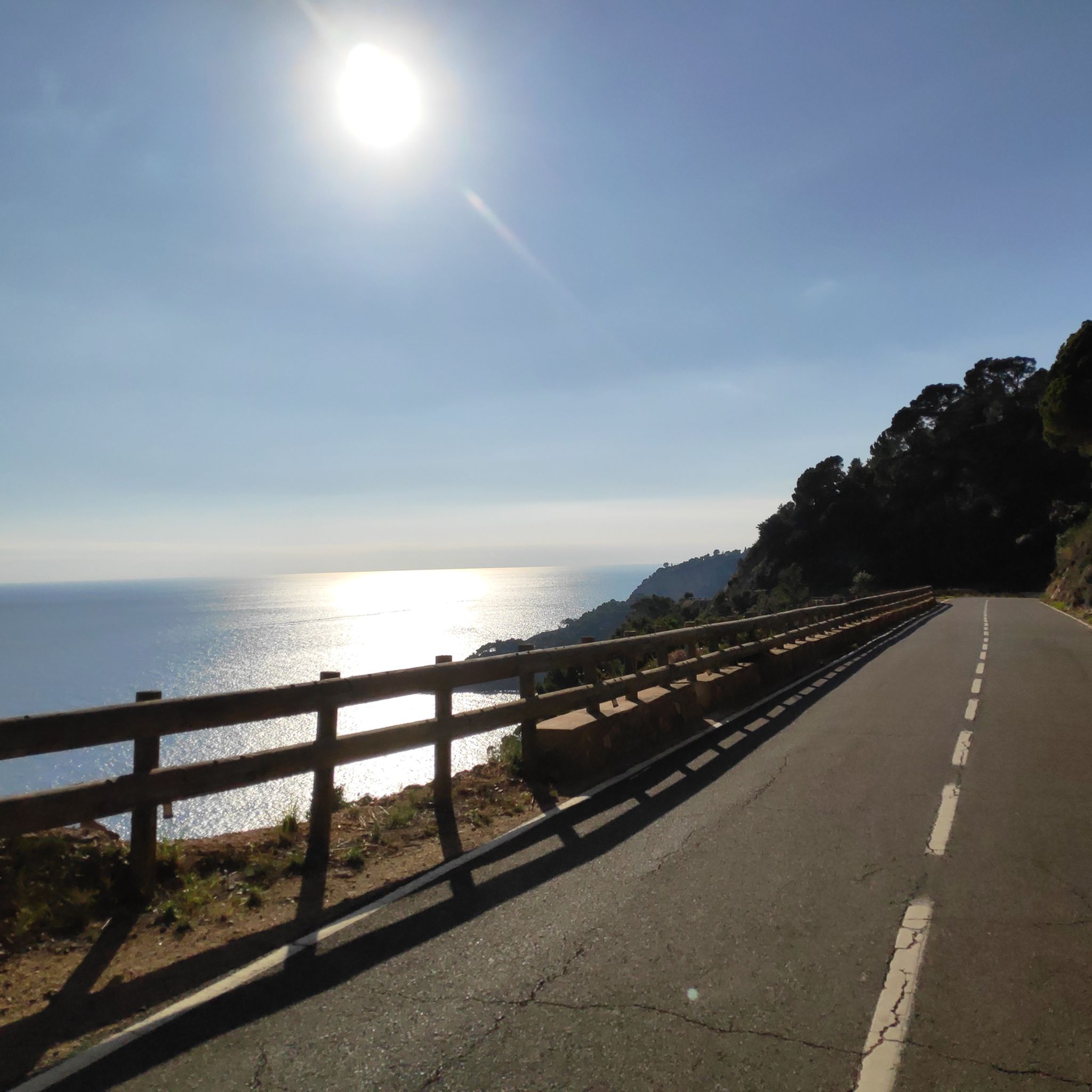
Breathtaking views, little traffic.
0
0

A cove with restaurant service and beautiful views of the cove. Being a natural rock cove, it's ideal for diving and a quiet spot, as it's not recommended for families with children, as there's no sandy area.
0
0

"SFG" symbology: The initials on the side, SFG, refer to "Sant Feliu de Guíxols", the final point of the route, where it is now displayed as a monument. Despite the years, this locomotive has been preserved as a tribute to the impact of the Carrilet in the region, highlighting the importance of the railway in economic and social development.
6
0
The Carrilet locomotive, manufactured by Henschel & Sohn, was designed for the green line, its speed was 30-40 km/h, being ideal for the curves and gradients between Girona and Sant Feliu de Guíxols. Operational from 1892 to 1969.
5
0

Varied route and beautiful surroundings
0
0

A series of old train stations trace the entire greenway of the carrilet
2
0

Tossa de Mar is a picturesque coastal town on the Costa Brava in Catalonia, Spain. It is known for its beautiful old town surrounded by medieval city walls and towers, as well as its idyllic beach and crystal clear waters. Particularly impressive is the well-preserved fortress **Vila Vella**, which stands high above the sea and offers stunning views of the coast. Combining Mediterranean beauty with historic charm, Tossa de Mar is a popular destination for travelers looking to enjoy culture, nature and beach relaxation.
1
0

A very nice place to stop when doing the Carrilet route from St Feliu to Girona. There is a train on display with the crossing. There is a small bar, and you can rent bikes right there.
2
0
Frequently Asked Questions
What historical sites can I explore in Tossa de Mar?
Tossa de Mar is rich in history. You can explore the well-preserved medieval walls of the Vila Vella Fortress, the only medieval walled enclosure still standing on the Catalan coast. Don't miss the Tossa de Mar Lighthouse (Far de Tossa), built on the site of a former castle, offering panoramic views. The archaeological remains of the Roman Villa Els Ametllers provide a glimpse into the town's ancient past, and the Parish Church of Sant Vicenç adds to the historical tapestry.
Where can I find beautiful beaches and secluded coves in Tossa de Mar?
Tossa de Mar boasts stunning coastal areas. Platja Gran is the main beach, known for its golden sand and calm waters. For a family-friendly option, Platja Mar Menuda is excellent. If you're looking for more secluded spots ideal for snorkeling, explore coves like Cala Bona, Cala Codolar (near the city wall), Cala Pola, Cala Giverola, and Cala Futadera, all featuring crystal-clear waters.
Are there any museums or cultural sites in Tossa de Mar?
Yes, the Municipal Museum of Tossa de Mar, located within the walled enclosure, showcases art collections, including works by Marc Chagall, alongside archaeological finds. You can also visit the Chapel of Nuestra Señora del Socorro for a peaceful religious site, or wander through the charming Sa Roqueta neighborhood, an old fishing quarter.
What kind of outdoor activities are available around Tossa de Mar?
The region offers a variety of outdoor activities. You can hike along the ancient coastal path, the Camí de Ronda, which provides spectacular views and leads to hidden coves. Inland, the Cadiretes Massif is perfect for exploring mountainous landscapes. For cycling enthusiasts, there are numerous routes, including gravel biking and mountain biking trails. You can find more details on routes in the Gravel biking around Tossa De Mar and MTB Trails around Tossa De Mar guides. Water sports like kayaking, waterskiing, and windsurfing are also popular.
Are there any recommended hiking trails near Tossa de Mar?
Absolutely! The Camí de Ronda is a must for hikers, offering stunning coastal views. For more challenging routes, consider trails leading into the Cadiretes Massif, such as the Puig de Cadiretes Loop. You can find detailed running and hiking routes, including options like 'From Tossa de Mar to Cala Pola — round trip via the Camí de Ronda', in the Running Trails around Tossa De Mar guide.
Where can I find the best panoramic views in Tossa de Mar?
For breathtaking panoramic views, head to the Vila Vella Fortress, especially from its defense towers. The Tossa de Mar Lighthouse also offers incredible vistas of the bay and coastline. Inland, the highest peak of the Cadiretes Massif, Puig de Cadiretes, provides expansive views of the sea and lush surroundings. The Sant Grau d'Ardenya Climb is another spot known for amazing views back to the coastline.
Are there family-friendly attractions in Tossa de Mar?
Yes, Tossa de Mar is very family-friendly. The Vila Vella Fortress with its medieval walls and narrow streets is an exciting place for children to explore. Platja Mar Menuda is a Blue Flag beach with calm waters, ideal for families. The Roman Villa Els Ametllers can also be an educational and engaging visit. Additionally, the old train stations like Castell d'Aro station and historic steam locomotive and Font Picant Train Station offer unique historical insights that can be interesting for all ages.
What is the best time of year to visit Tossa de Mar?
Tossa de Mar is enjoyable throughout much of the year. The summer months (June to August) are popular for beach activities and water sports, though it can be crowded. Spring (April-May) and early autumn (September-October) offer pleasant weather for hiking and exploring historical sites, with fewer tourists and comfortable temperatures. These shoulder seasons are ideal for enjoying the Camí de Ronda and other outdoor activities.
What do visitors enjoy most about Tossa de Mar's attractions?
Visitors frequently praise the well-preserved charm of the Vila Vella Fortress, describing it as a town 'like out of a picture book' with its small alleys and defense towers. The secluded coves like Cala Bona are loved for their 'super clear water' and 'great atmosphere'. The scenic routes, such as the coastal road towards Lloret de Mar, are often highlighted for their 'indescribable' sea views. The overall blend of history, natural beauty, and opportunities for relaxation and activity makes Tossa de Mar a highly appreciated destination.
Are there any unique historical landmarks beyond the main fortress?
Beyond the prominent Vila Vella Fortress, Tossa de Mar features several other unique historical landmarks. You can find the Statue of Ava Gardner, commemorating her role in boosting the town's international recognition. The Moorish Tower (Torre de Can Magi), a 15th-century watchtower, and the historical building of Casa Sans also offer insights into the town's past. The Old Hospital of Sant Miquel, now the Casa de Cultura, dates from the 18th century.
Can I find cafes or restaurants near the main attractions?
Yes, especially around the Vila Vella Fortress and along the main beaches, you'll find numerous cafes and restaurants. The old town itself is known for places where 'it is eaten very well'. Some secluded coves, like Cala Bona, even have 'a cozy beach bar'. If you're exploring the old train stations, Font Picant Train Station has a bar/restaurant on site.
Most popular routes around Tossa De Mar
Most popular attractions around Tossa De Mar

Get inspired with the komoot mobile app


Explore more
Still not found the Highlight you’re looking for? See guides of the top attractions in other regions:
