Attractions and Places To See around Noia - Top 20
Best attractions and places to see around Noia include a rich blend of history, culture, and natural beauty on the Galician coast of Spain. The town's historic quarter, a place of Cultural Interest, features medieval architecture and significant churches. Noia is situated on the Ría de Muros-Noia, offering scenic views and access to diverse natural features like rivers, viewpoints, and beaches. The region provides a variety of sites, from ancient landmarks to cultural points of interest.
Best attractions and places to see around Noia
- The most popular attractions is Camino de Fisterra, a trail that extends beyond Santiago de Compostela to what was historically considered the end of the known world. This route is well-marked with mile-stones and the famous shell symbol, offering scenic landscapes.
- Another must-see spot is Negreira — Historic Town, a settlement known for its scenic beauty and as a stop on the Camino to Fisterra. Visitors can find various amenities and accommodations in this historic town.
- Visitors also love Negreira, a settlement with historical significance, featuring structures like the Pazo do Cotón and evidence of pre-Roman and Roman activities. The town's history includes its strategic location at a ford over the Río Tambre and its role in connecting the interior with the coastal region.
- Noia is known for its historic landmarks, cultural sites, and impressive natural features. Visitors can explore ancient churches, medieval districts, and various natural beauty spots like viewpoints and rivers.
- The attractions around Noia are appreciated by the komoot community, with more than 200 upvotes and 12 photos shared by visitors.
Last updated: October 9, 2026
Camino de Fisterra
Highlight • Trail
'Buen Camino!'
Tip by

Negreira — Historic Town
Highlight • Settlement
Translated by Google •
Tip by

Sign up now to discover places like this
Get recommendations on the best single tracks, peaks, & plenty of other exciting outdoor places.
Negreira
Highlight • Settlement
The first settlements in the Negreira area were located at the strategically important ford over the Río Tambre, as well as on the main road to the coast (from Grandimirun, now Brandomil, to Aquis Celenis, now Caldas de Reis), and on the other hand, the riverside road along the Tambre, which connects the interior with the coastal region around Noia.
Pre-Roman activities can be traced throughout the A Barcala area. The settlement of Nicraria Tamara is mentioned in Roman times, during which time silver mines were also exploited here.
In 876, Negreira passed into the possession of the Compostelaan bishop Sisando by royal decree. In 979, Normans raided the Galician coast, and the town was wiped out. After the threat from the Normans and Moors was overcome, the town was rebuilt in 1113.
The Catholic Monarchs granted the town a royal privilege known as the Fuero Real, which secured Negreira's independence from the Compostelaan archbishop. Charles V renewed the privilege in 1520.
Translated by Google •
Tip by
Ferreiro Square Negreira
Highlight • Historical Site
On September 13, 1866, he acquired the Pazo do Cotón for 14,000 escudos from Mr. Nicanor Manso de Zúñiga Ezpeleta, VII Count of Hervías, the last member of the nobility who had inherited it from his aunt in the fifth degree, Mrs. Francisca de Paula de Luaces e Saavedra who did not have children from her marriage to D. José Mariño de Lobeira.
With the Revolution of 1868 that caused the resignation of Queen Isabel II and marked the first attempt at a democratic regime, D. Roque Ferreiro presided over the Negreira Revolutionary Assembly to name the new corporation that replaced the conservative government, in which he held the position of Trustee, whose function was to guarantee the functioning of the institution and defend the rights of the administered. The recovery of the Judicial Party of Negreira was then promoted, suppressed in 1867 due to the indifference of the previous residents, the Ames City Council becoming dependent on the court of Santiago, and an assembly was convened with representatives of the other municipalities to request the replacement given the damage it caused to the economy of the Region and to the legal rights of the residents.
He led political life during the second half of the 19th century and upon his death in 1888 his son Ramón Ferreiro Varela inherited the Manor, who married his cousin Teresa Caamaño Ferreiro who married the local doctor Victoriano Fabeiro García. Her daughter Teresa Fabeiro Caamaño has a street dedicated to her in Nicrari.
The Praza de Ferreiro has undergone various modifications over time, in 1951 it was paved, closed and endowed with the current fountain and in 1988 it was remodeled and landscaped with the appearance it presents today. In the oldest house, the name that refers to the famous Roque Ferreiro y Hermida, Knight of the Order of Carlos III and owner of the Pazo do Cotón, is still blurred. plazadocoton.blogspot.com/2021/03/praza-de-ferreiro.html
Translated by Google •
Tip by
Church of San Martiño de Noia
Highlight • Religious Site
Translated by Google •
Tip by

Sign up for free to discover even more attractions around Noia.
Already have an account?
Start today with a free account
Your next adventure awaits.
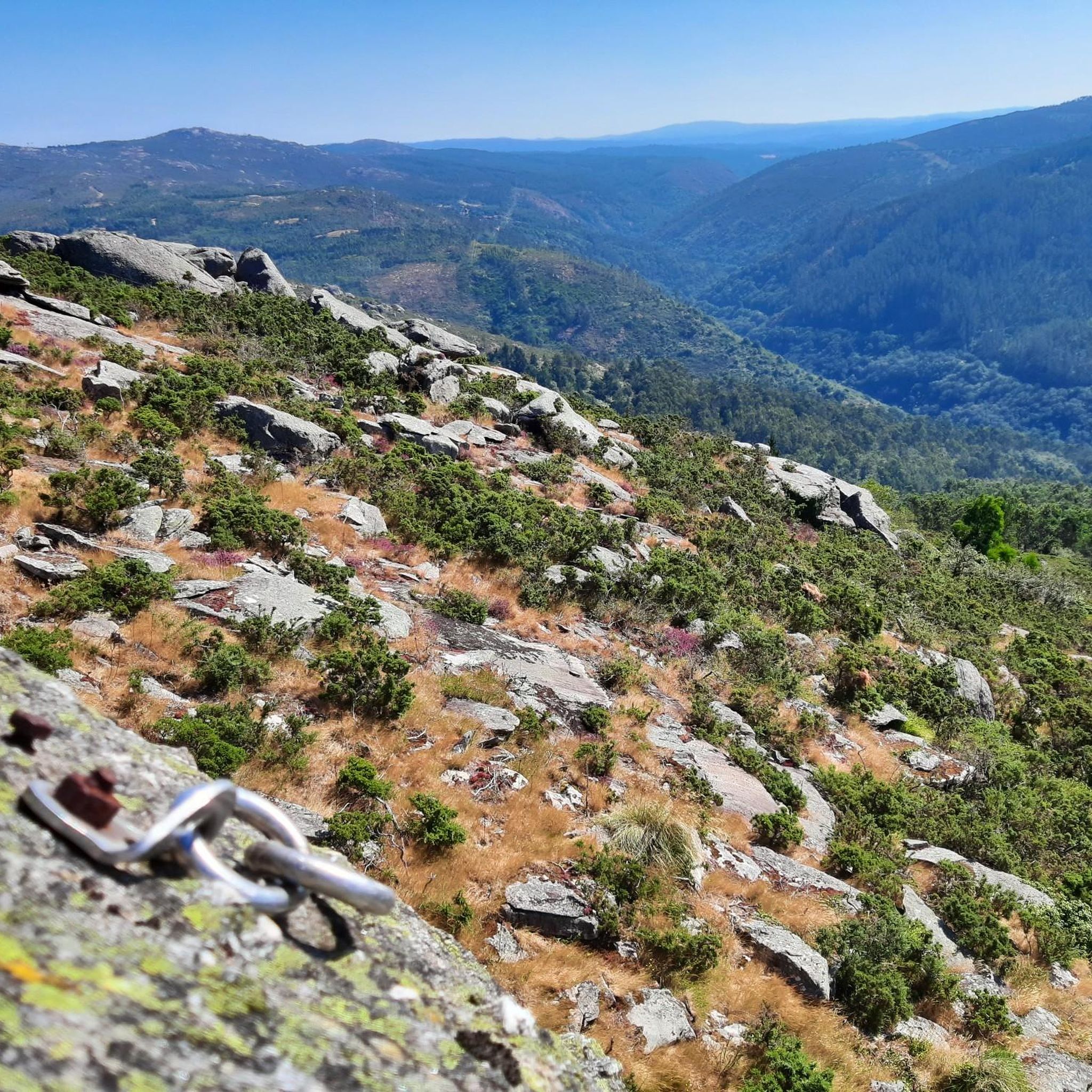
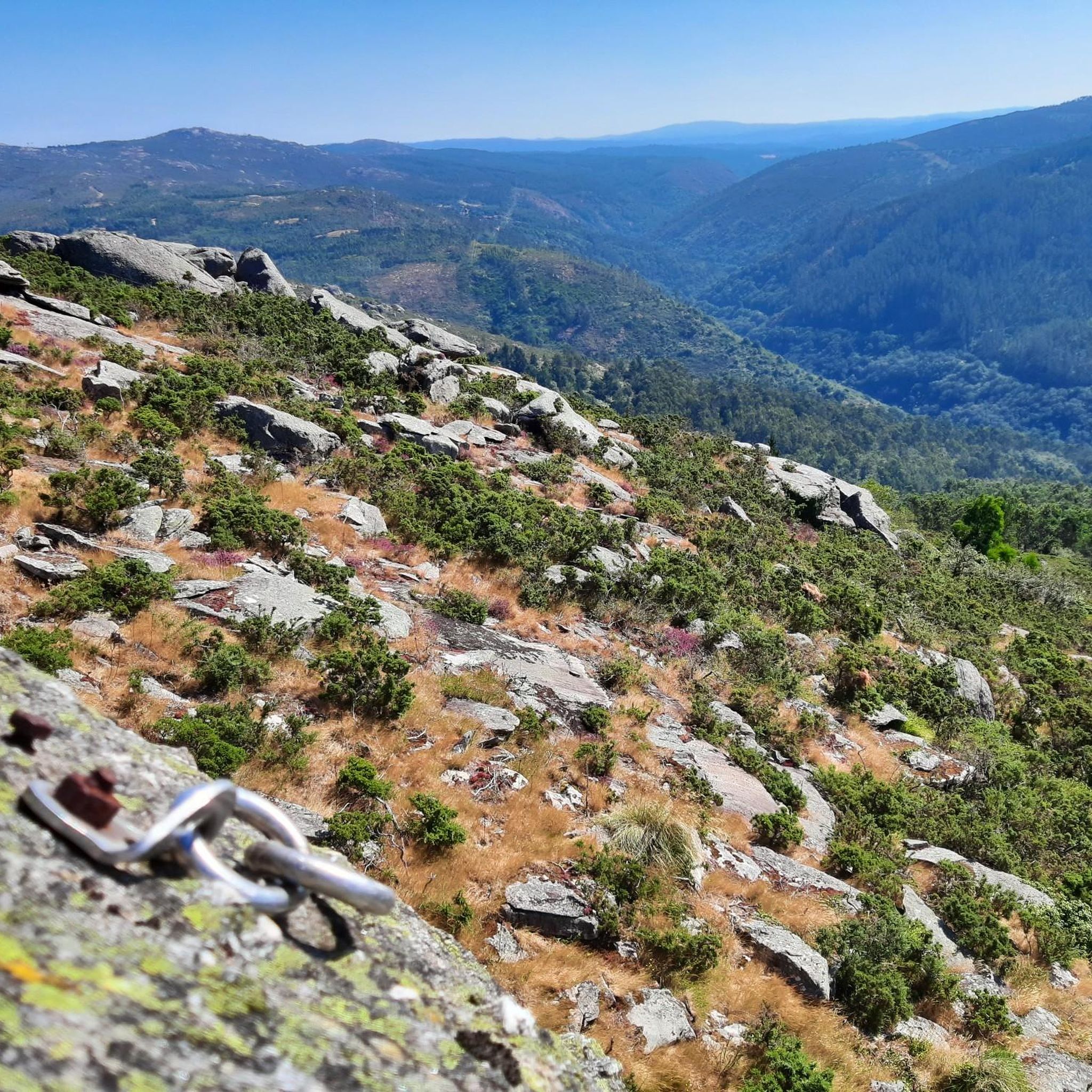
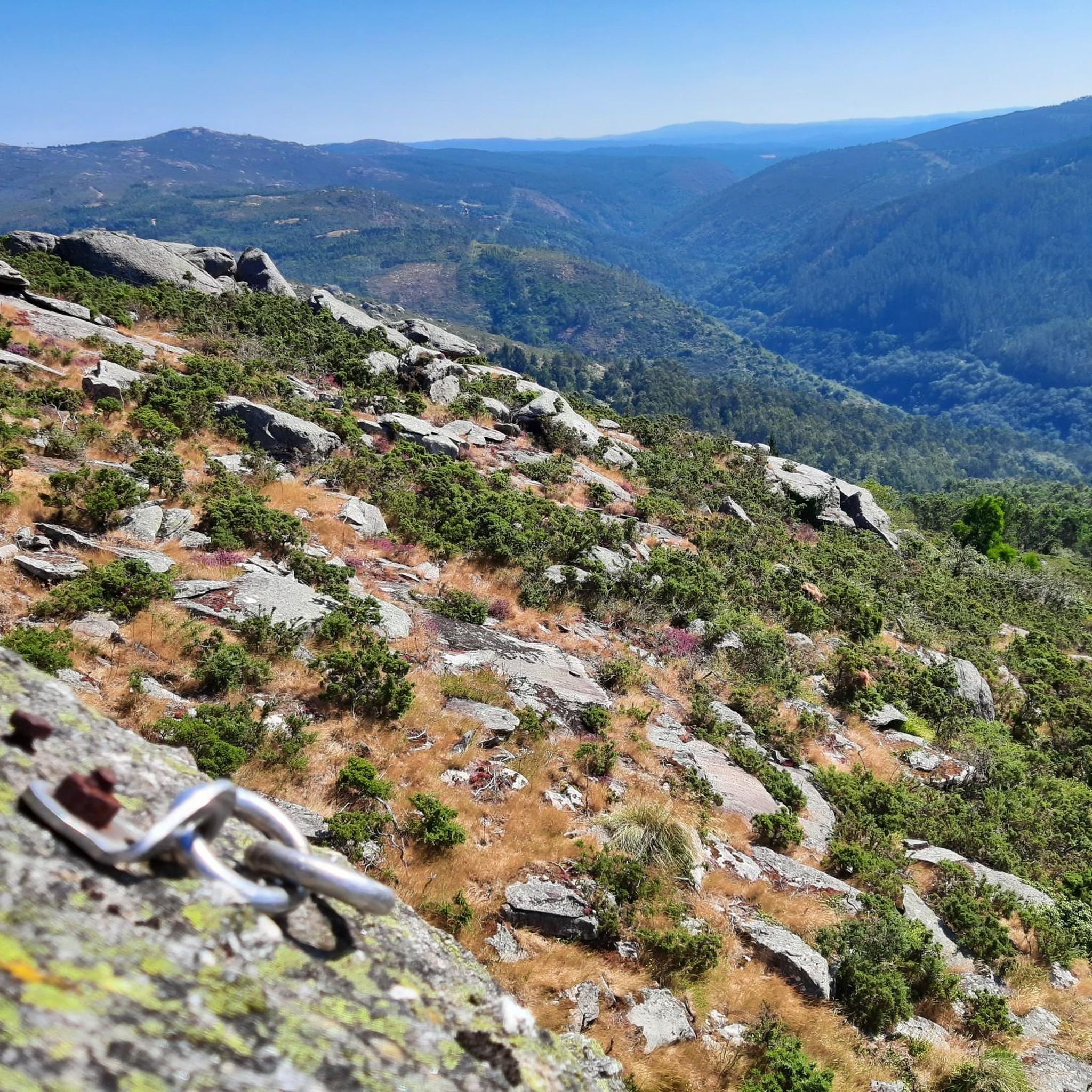
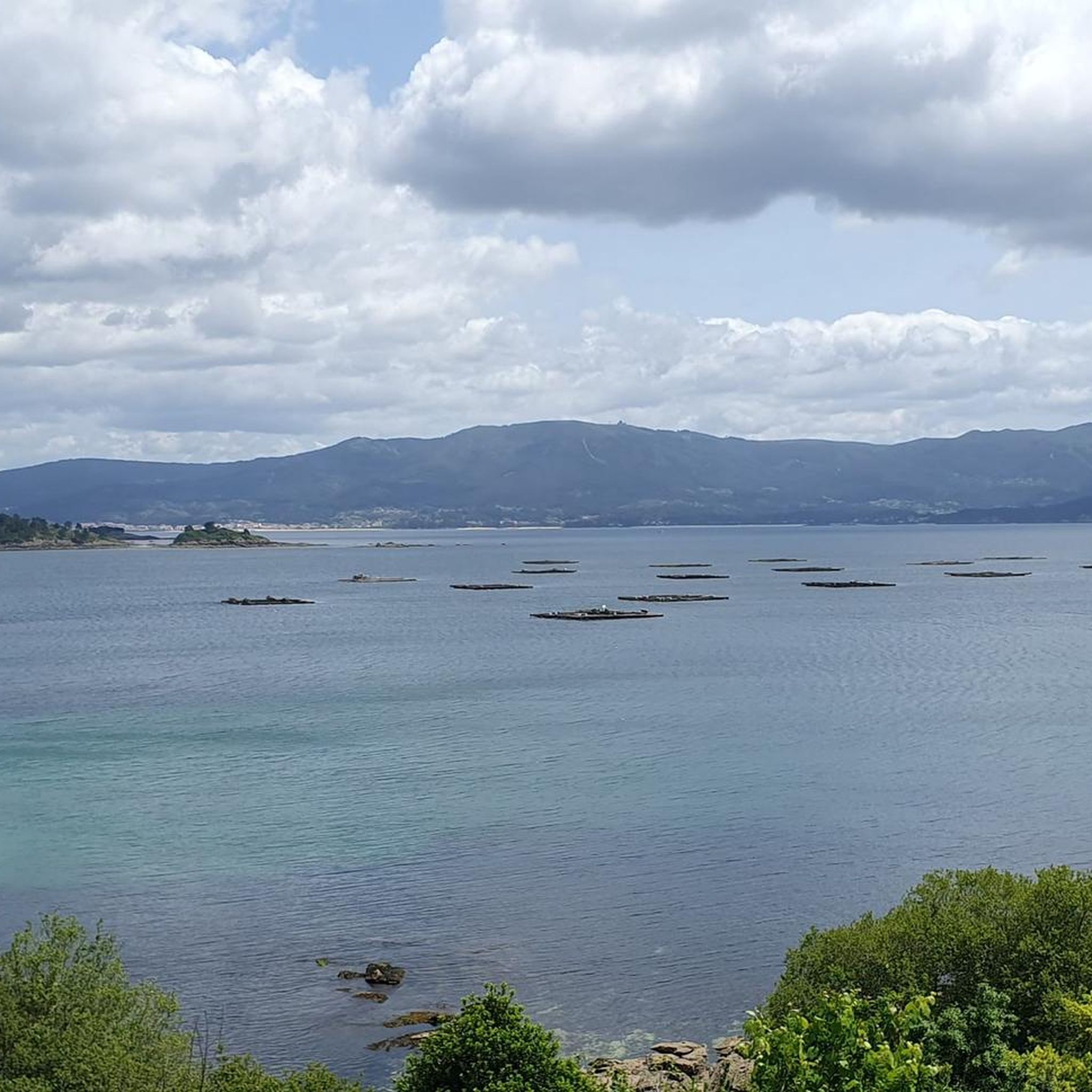
Tips from the Community

Romanesque-Gothic Church, its rose window and its unfinished tower with its legends stand out..To visit
0
0

Scenically beautiful Negreira is the main town of the municipality of the same name (Concello) in the province of A Coruña, in the autonomous community of Galicia. 🤙
1
0

Along with the Pazo da Albariña manor house, the Pazo do Cotón stands out in the townscape. It is located on the Camino Real (Real Road) to Fisterra and was built between the 17th and 18th centuries. At the Porta da Capela, it spans the road with three arcades, and the upper wall is crenellated. The first settlements in the Negreira area were located at the strategically important ford over the Río Tambre, as well as on the main road to the coast (from Grandimirun, now Brandomil, to Aquis Celenis, now Caldas de Reis), and on the other hand, the riverside road along the Tambre, which connects the interior with the coastal region around Noia. Pre-Roman activities can be traced throughout the A Barcala area. The settlement of Nicraria Tamara is mentioned in Roman times, during which time silver mines were also exploited here. In 876, Negreira passed into the possession of the Compostelaan bishop Sisando by royal decree. In 979, Normans raided the Galician coast, and the town was wiped out. After the threat from the Normans and Moors was overcome, the town was rebuilt in 1113. The Catholic Monarchs granted the town a royal privilege known as the Fuero Real, which secured Negreira's independence from the Compostelaan archbishop. Charles V renewed the privilege in 1520.
1
0

If you have some days left after your arrival in Santiago and your feet feel like there is still a need for walking in them, then there is no way around doing the Camiño Fisterra y Muxia. The Walk leads through a lot of great nature and the Infrastructure is as good as at any other way. The Lighthouse in Finisterre alone, with the Zero Kilometre Stone is worth the almost hundred extra Kilometers, the real finish... The way is never overcrowded and the pilgrims you'll meet are usually a bit different than most of the people you've met on the way to Santiago. Don't miss your End of the World Party at the Faro Fisterra at sundown, some hundreds meters above the ocean! Feel free to also walk to or just visit Muxia, it's also worth it. Getting back to Santiago is no problem at all, several buses are scheduled every day from Finisterre or Muxia. For further information just ask, especially about accomodations.
2
0
The Camiño Fisterra y Muxia was and is certainly not overcrowded, but it is incorrect to say that only a few people walk it. Especially in 2022 (but also since then), i.e. in the "Covid Camino" year, there were a surprising number of Peregrinas & Peregrinos on the way between Santiago and Finisterre and the traditional evening closing celebrations at sunset at the lighthouse were terrific, very international and full of wine; finally feeling free again was the motto. I did two ;). The infrastructure is in no way inferior to the other paths and the nature around it is even more so.
2
0

St. Martin's Church dates back to the 14th century, but was built in the Romanesque style, based on the famous cathedral in Santiago de Compostela.⛪️ They also wanted to build a second church tower on top of it. The clergy in Santiago forbade them from doing so. Only the cathedral in Santiago should have this as a unique selling point. And they were told: if they dared to do it, something terrible would happen. When someone wanted to put a second tower made of paper on top of it, it fell down and died. A small red cross was painted on the spot where the person died. Since then, St. Martin's Church has also been called the "cursed" church because it was cursed.
1
0

Small, dreamy town. Nice bars to hang out in.
3
0
Frequently Asked Questions
What historical sites can I explore in Noia?
Noia's rich history is evident in its medieval district, often called a 'small Galician Florence.' You can visit the Gothic Church of San Martiño de Noia, dating back to 1432, and the 14th-century Iglesia de Santa María a Nova, which houses a unique collection of over 500 ancient tombstones. Don't miss the remains of the Fortress of Tapal and the ancient medieval walls, or the 16th-century Convent of San Francisco.
Are there any natural viewpoints or scenic spots in the Noia area?
Yes, for breathtaking panoramic views of Noia's center and the Muros-Noia coastline, head to the Monte San Lois Viewpoint. The Ría de Muros-Noia estuary itself offers scenic beauty, especially from the waterfront boardwalk. You can also explore the natural beauty spots near the Tambre River and Reservoir, which features a hanging bridge.
What are some family-friendly attractions around Noia?
Families can enjoy exploring the historic town of Negreira — Historic Town, which offers a scenic and welcoming environment. The Ferreiro Square Negreira is another family-friendly historical site. Additionally, the local beaches, such as Praia de Testal, provide a great option for a day out with children.
Where can I find unique cultural experiences in Noia?
Noia offers several unique cultural experiences. Wander through the medieval district to admire old Galician architecture. Visit the Iglesia de Santa María a Nova, which functions as a museum for its extensive collection of ancient headstones. For a taste of local life, explore the Mercado de Noia, open on Thursdays and Sundays, offering fresh produce and local goods.
Are there hiking opportunities near Noia?
Absolutely. The area around Noia is excellent for hiking. You can find various trails, including those accessible by crossing the picturesque rope bridge over the Tambre River. For specific routes, consider exploring options like the 'Noia Old Town – Church of San Martiño de Noia loop' or a 'Waterfall loop from Noia'. You can find more details and routes in the Hiking around Noia guide.
What cycling routes are available around Noia?
Cyclists have a variety of routes to choose from. For road cycling, options include the 'Noia - Riveira - lowlands loop' or the 'Noia - Rio Tambre Loop'. If you prefer touring, consider the 'Noia – Muros Beach loop' or the 'Monte Enxa Viewpoint – Noia loop'. Discover more routes in the Road Cycling Routes around Noia and Cycling around Noia guides.
What is the Camino de Fisterra and how can I experience it near Noia?
The Camino de Fisterra is a significant trail that extends beyond Santiago de Compostela to what was historically considered the end of the known world. It's well-marked with mile-stones and the famous shell symbol, offering scenic landscapes. You can join sections of this historic pilgrimage route from nearby towns like Negreira — Historic Town, which serves as a stop for pilgrims.
Are there any ancient ruins or archaeological sites to visit?
Yes, in the hills surrounding Noia, you can find ruins of fortified Celtic hill settlements, known as 'castros,' dating back to around 500 BCE. These offer a glimpse into the region's pre-Roman past.
What are some notable bridges in the Noia area?
The area features several historic bridges. The medieval Ponte Nafonso, believed to be built during the reign of Alfonso IX, crosses the Tambre River and is one of Galicia's longest with 20 arches. Another notable structure is the 15th-century Traba Bridge, built on an old Roman road and surrounded by lush vegetation.
What are the best places to enjoy the coast and beaches near Noia?
Noia is situated on the Ría de Muros-Noia, offering beautiful coastal views. The waterfront boardwalk is perfect for admiring the sunset. For beaches, 'la praia de Testal' is the closest, and many other attractive beaches are just a short drive away. Further south, you can explore the natural park of the Dunes of Corrubedo, featuring large dunes and lagoons.
What do visitors enjoy most about the attractions around Noia?
Visitors particularly appreciate the scenic beauty and historical significance of the area. Many enjoy the well-marked trails of the Camino, the welcoming atmosphere of towns like Negreira — Historic Town, and the unique cultural insights offered by sites like the Church of San Martiño de Noia. The blend of natural landscapes and ancient architecture is a major draw.

Get inspired with the komoot mobile app


Explore more
Still not found the Highlight you’re looking for? See guides of the top attractions in other regions:
