Attractions and Places To See around Alaior - Top 20
Best attractions and places to see around Alaior include a rich blend of historical landmarks, cultural sites, and natural beauty within Menorca. The town offers a well-preserved historic center, ancient archaeological sites, and tranquil Mediterranean landscapes. Its terrain is characterized by ravines and wetlands, particularly in the southern section, leading to various beaches and coves. Alaior serves as a central point for exploring both cultural heritage and natural features of the island.
Best attractions and places to see around Alaior
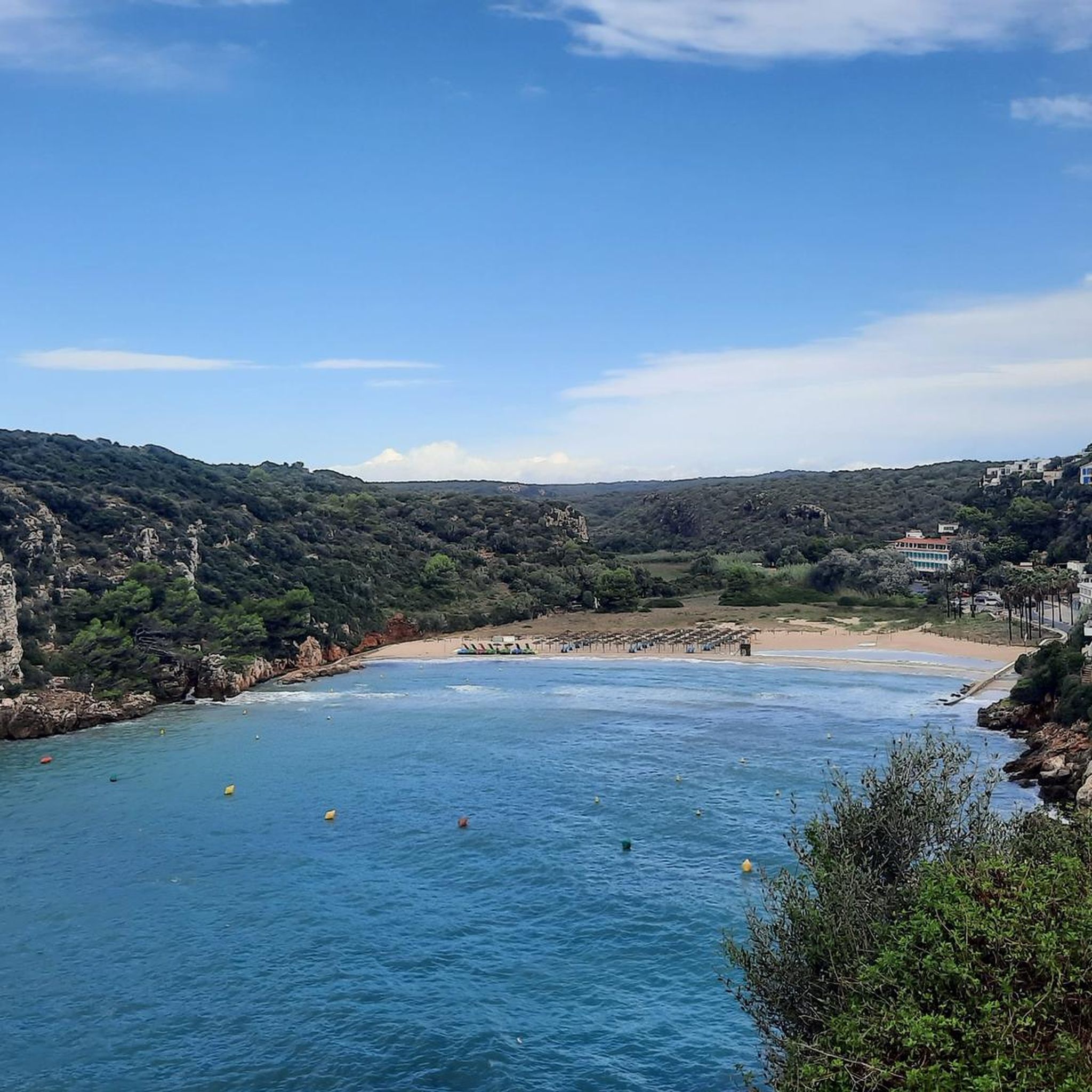
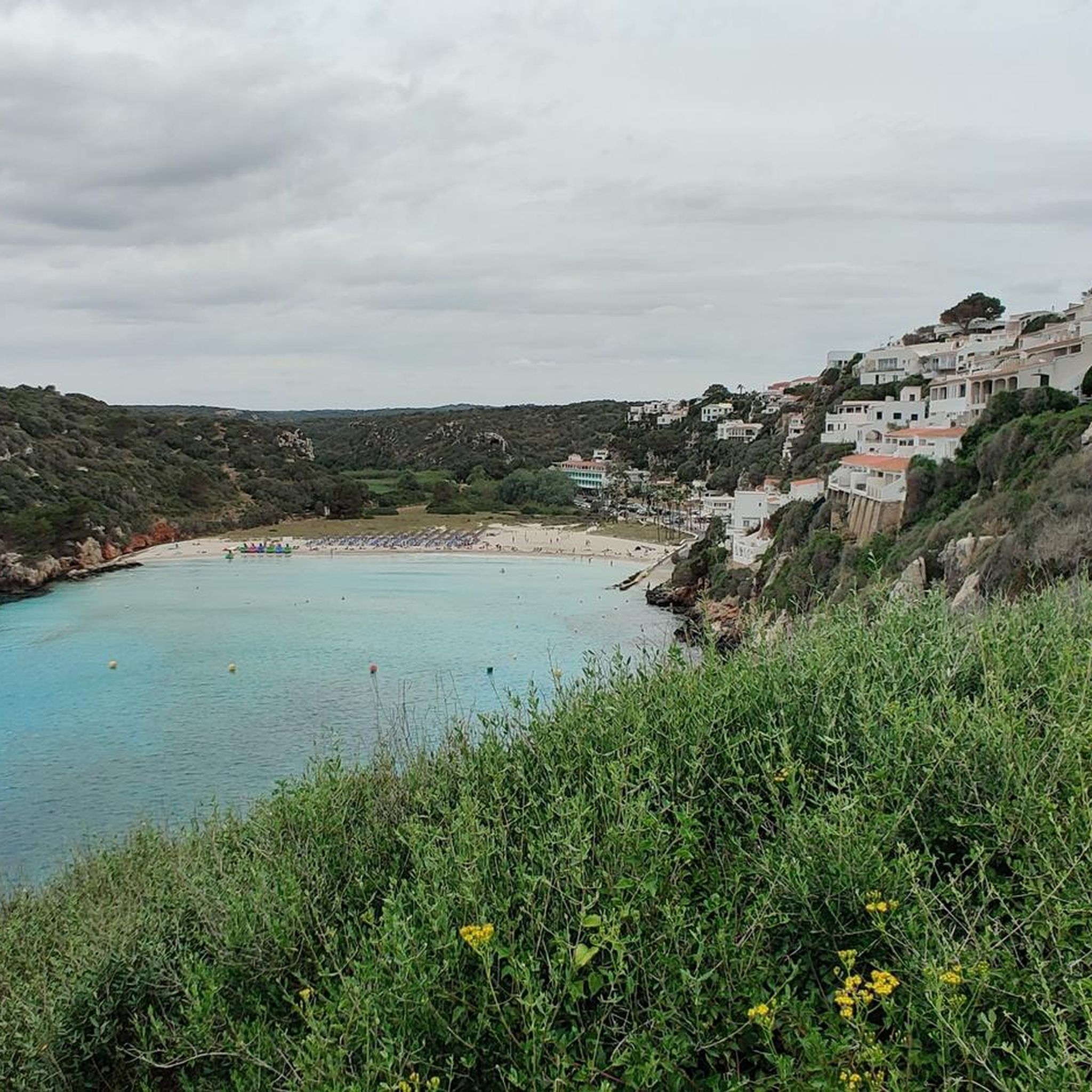
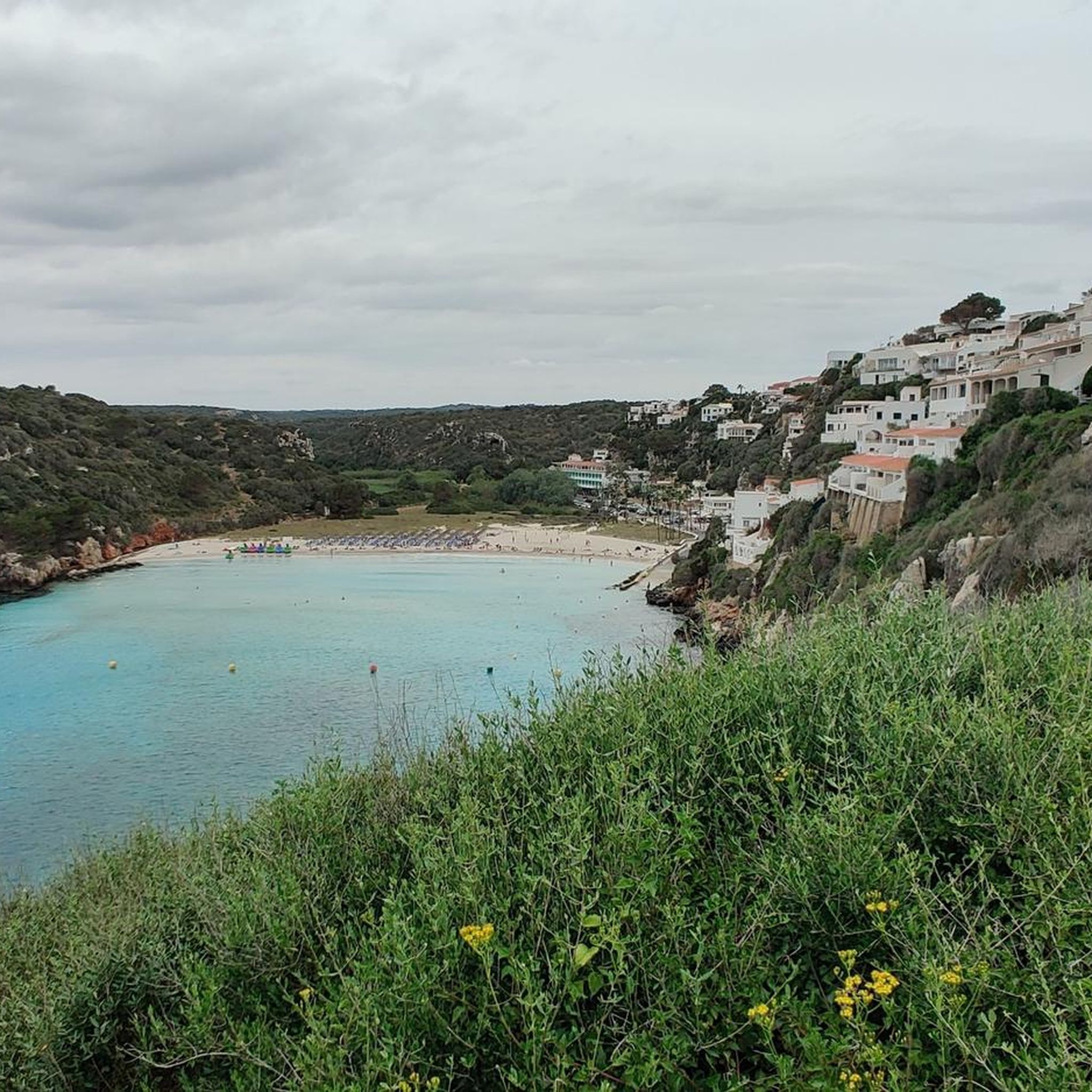
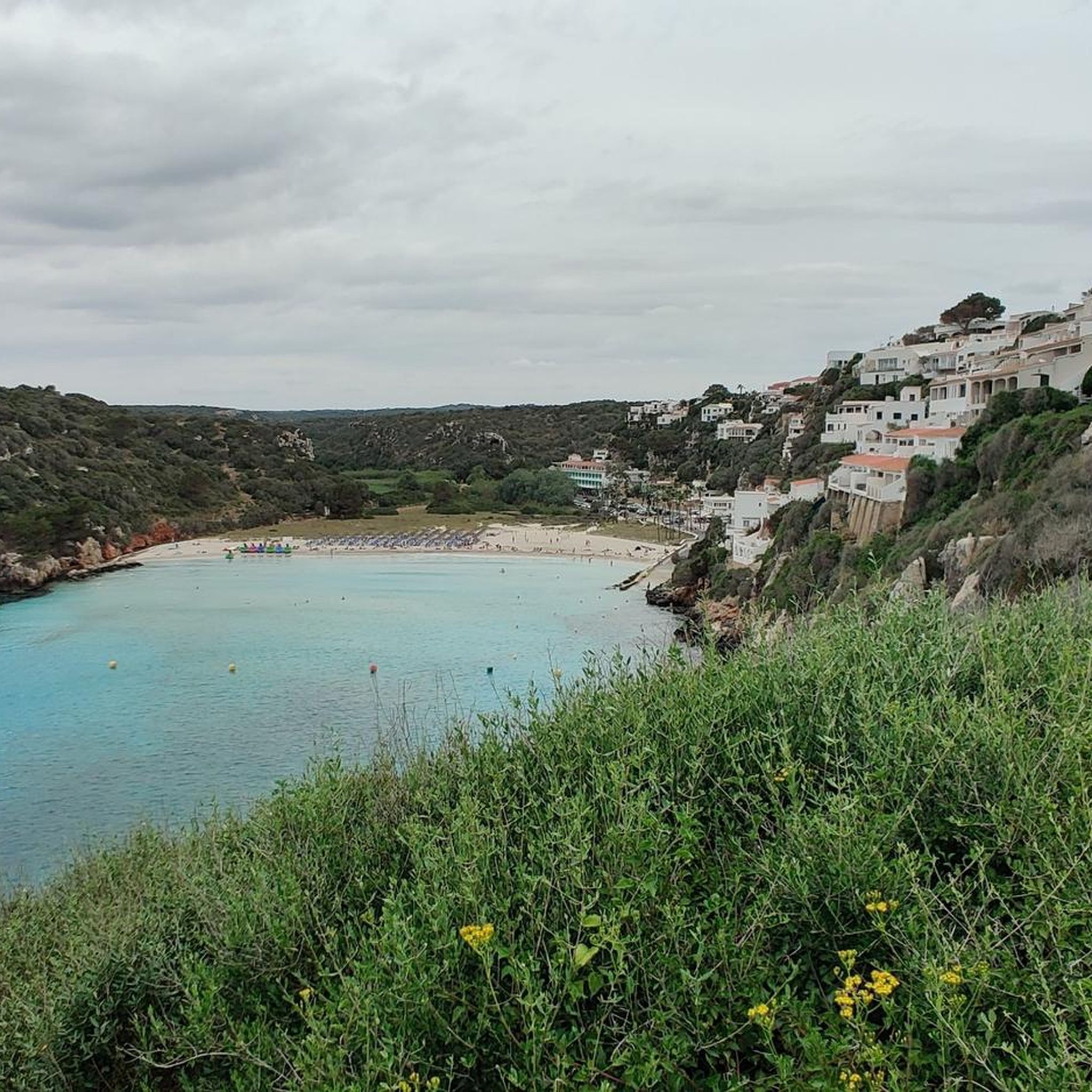
- The most popular attractions is Cala Mitjana, a beach known for its white sand and turquoise waters. It also features caves accessible from the water for snorkeling.
- Another must-see spot is s'Albufera des Grau Natural Park, a forest and natural monument. Visitors can expect rewarding hikes and scenic views from its lookout hills.
- Visitors also love Church of Our Lady of Carmen (Església del Carme), Mahón, a neoclassical religious building. It is the largest religious building in the Menorcan capital, featuring a notable dome vault with a lantern.
- Alaior is known for its historical sites, natural parks, and coastal areas. The region offers a variety of attractions to see and explore, from ancient Talayotic settlements to long sandy beaches.
- The attractions around Alaior are appreciated by the komoot community, with 38 highlights and 57 photos shared by visitors.
Last updated: October 10, 2026
Cala Mitjana
Highlight • Beach
Translated by Google •
Tip by

Cala Galdana
Highlight • Beach
Translated by Google •
Tip by
Sign up now to discover places like this
Get recommendations on the best single tracks, peaks, & plenty of other exciting outdoor places.
s'Albufera des Grau Natural Park
Highlight • Forest
Translated by Google •
Tip by

Maó (Mahón) Old Town and Harbor
Highlight • Settlement
Translated by Google •
Tip by

Church of Our Lady of Carmen (Església del Carme), Mahón
Highlight • Religious Site
Translated by Google •
Tip by
Sign up for free to discover even more attractions around Alaior.
Already have an account?
Start today with a free account
Your next adventure awaits.

Other adventures around Alaior

Tips from the Community

Definitely worth a visit
3
0
Very nice view towards the harbor
3
0

A wonderful nature reserve that is worth a visit!
2
0
An impressive and very pretty church that can also be visited from the inside.
3
1
The bay is very beautiful, turquoise water and surrounded by high rocks. Good for swimming. Now in September it is very, very full because it is easily accessible. The high cliffs surrounding the place are very impressive!
5
1
A very beautiful bay, 1.75 km from Cala Galdana, you can get there on the Cami de Cavalls. The colors of the bay are simply fantastic!
3
1

As a good beach in the south of Menorca, Cala Mitjana is protected by high limestone cliffs, which give the environment a character of seclusion and protection that the northern beaches do not.
1
0

Magnificent beach in the south of Menorca, located near Cala Galdana, with fine white sand and a forest populated by pine trees. The cove also has many caves that are only accessible from the water.
5
0
Frequently Asked Questions
What kind of natural features can I explore around Alaior?
Alaior is surrounded by diverse natural landscapes. You can discover magnificent ravines like the Cala en Porter Ravine, the second-longest on the island, or the unique s'Albufera des Grau Natural Park, a significant wetland and forest area. The region also features beautiful beaches and coves such as Son Bou, Menorca's longest beach, and Cala Mitjana, known for its white sand and turquoise waters.
Are there any historical or cultural sites to visit in Alaior?
Absolutely. Alaior boasts a rich history. Explore the well-preserved Historic Center of Alaior with its narrow, winding streets. Key landmarks include the 14th-century Church of Santa Eulalia, the Convent of Sant Diego and Pati de Sa Lluna, and the 17th-century Can Salort Palace. You can also visit ancient archaeological sites like Torre d'en Galmés, one of Menorca's most significant prehistoric Talayotic settlements, and Torralba d'en Salort, home to the island's highest *taula*.
What are the best beaches near Alaior?
While Alaior is inland, it's conveniently close to several stunning beaches. Cala Galdana is a popular choice, known for its sheltered bay and clear waters. Other notable options include Son Bou, Menorca's longest beach, and Cala Mitjana, famous for its pristine sand and caves accessible from the water. For a unique experience, visit Cales Coves, known for its prehistoric caves and necropolis.
What outdoor activities can I do around Alaior?
The rugged terrain around Alaior is ideal for various outdoor activities. You can enjoy hiking on routes like the Cami de Cavalls Coastal Cliffs or explore the Cales Coves Necropolis loop. Cycling enthusiasts can tackle routes such as the Faro de Favàritx y Poblado talayótico de Talatí de Dalt, while mountain bikers have trails like the Cala es Canutells circular route. Find more details on these activities in the hiking, cycling, and MTB guides for Alaior.
Are there family-friendly attractions in the Alaior area?
Yes, many attractions around Alaior are suitable for families. Beaches like Son Bou and Cala Galdana offer shallow, clear waters perfect for children. The s'Albufera des Grau Natural Park provides easy trails and opportunities for wildlife spotting. Exploring the historic center of Alaior and its markets can also be an engaging experience for all ages.
What is the best time of year to visit Alaior for outdoor activities?
The best time to visit Alaior for outdoor activities is typically during the spring (April to June) and early autumn (September to October). During these months, the weather is pleasantly warm but not excessively hot, making it ideal for hiking, cycling, and exploring historical sites. The Mediterranean landscape is also particularly vibrant in spring.
Where can I find local markets in Alaior?
Alaior hosts several vibrant markets. A weekly open-air market takes place on Thursday mornings in Plaça des Ramal, offering local produce, crafts, and specialties. During the summer, you can enjoy a night market in the old town center, featuring handmade items, street food, and cultural activities. An antique market is also held on Saturday mornings in Plaza Nova.
Are there any unique viewpoints or hidden gems around Alaior?
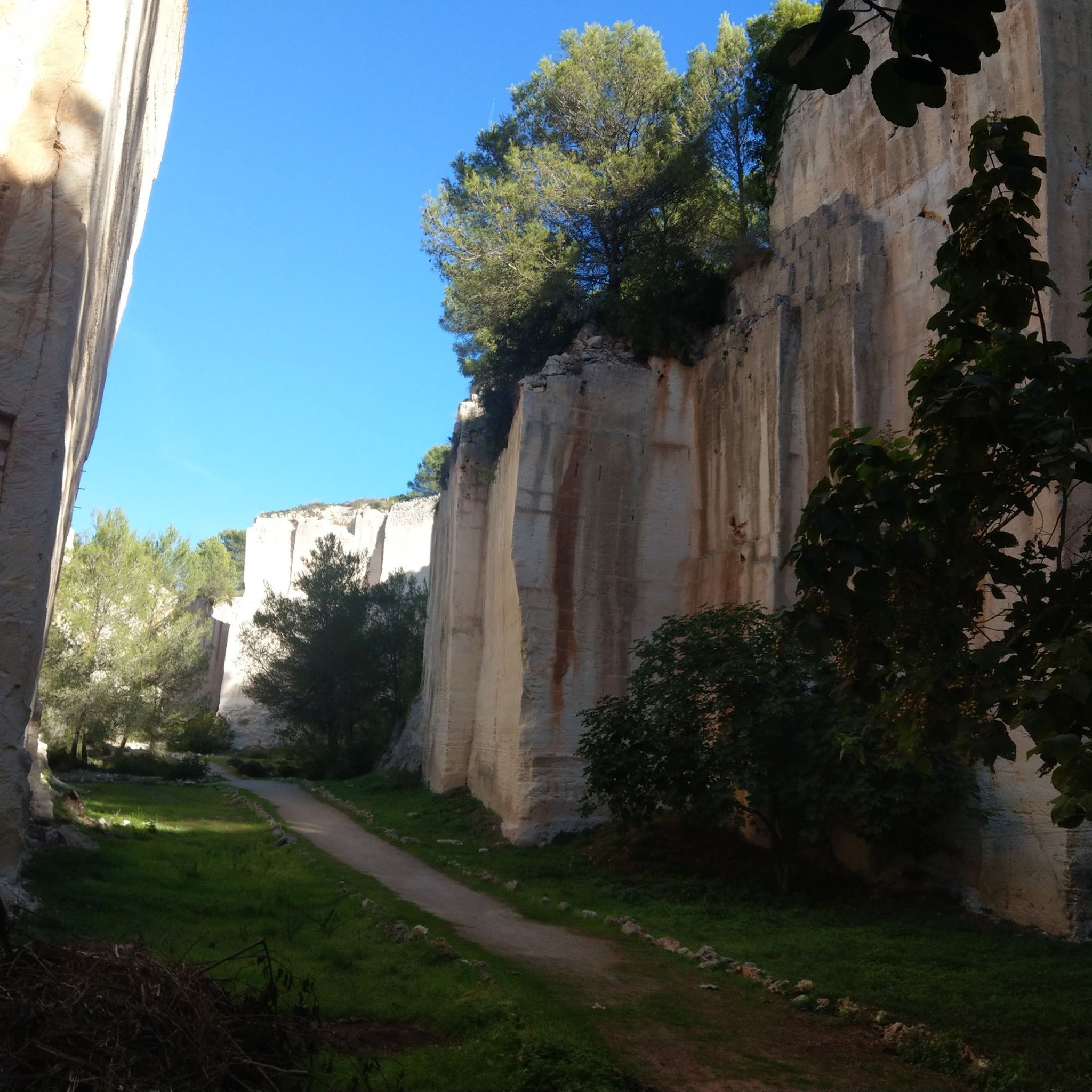
For unique perspectives, consider visiting the abandoned Santa Ponça Quarry, which offers an interesting and somewhat eerie landscape with towering sandstone rocks. The Hermitage of Sant Pere Nou, located on the outskirts of Alaior, provides scenic views of the surrounding area. Additionally, the lookout hills within s'Albufera des Grau Natural Park offer excellent panoramic views of the nature reserve.
What are the most popular highlights according to komoot users?
Komoot users highly appreciate Cala Mitjana for its stunning white sand and turquoise waters, often described as one of the most beautiful coves on the island. The s'Albufera des Grau Natural Park is also a favorite for its rewarding hikes and scenic views from its lookout hills. Visitors also enjoy the historic charm of Maó (Mahón) Old Town and Harbor, particularly for its unique flair and the Mercat.
Can I find any ancient archaeological sites near Alaior?
Yes, Alaior is rich in ancient archaeological sites, reflecting Menorca's early inhabitants. You can explore Torre d'en Galmés, a significant prehistoric Talayotic settlement. Another notable site is Torralba d'en Salort, known for its large size and the highest *taula* on the island. Other sites include So Na Caçana, the Ses Roques Llises tomb, and the burial navetas at Biniac-l'Argentina and Rafal Rubí.
Are there any dog-friendly walking options around Alaior?
Many of the natural trails and rural paths around Alaior are suitable for walking with dogs, especially outside of protected areas or busy beaches during peak season. Exploring the ravines or the paths leading to archaeological sites like Torre d'en Galmés can be great options. Always ensure your dog is on a leash and respect local regulations, especially concerning wildlife and livestock.
What is the significance of the windmills in Alaior?
The windmills in Alaior, such as Molí des Cós and Molí d'en Jon, are an important part of the town's ethnological landscape. They reflect Alaior's agricultural past and its historical reliance on milling for grain. While no longer operational for their original purpose, they stand as charming reminders of the region's heritage and offer picturesque photo opportunities.
Most popular attractions around Alaior

Get inspired with the komoot mobile app


Explore more
Still not found the Highlight you’re looking for? See guides of the top attractions in other regions:
