Attractions and Places To See around Maó - Top 20
Best attractions and places to see around Maó, the capital of Menorca, are centered around its natural harbor, one of the largest in the Mediterranean. The city's history, marked by various cultural influences, is reflected in its architecture and landmarks. Beyond the urban core, the region offers natural reserves and coastal paths. These diverse features make Maó a destination for exploring both historical sites and natural landscapes.
Best attractions and places to see around Maó
- The most popular attractions is Torre de Fornells, a man-made monument. This defensive tower is considered one of the most important on Menorca, built by the British Empire. It offers a location on a rough coast and houses a small museum.
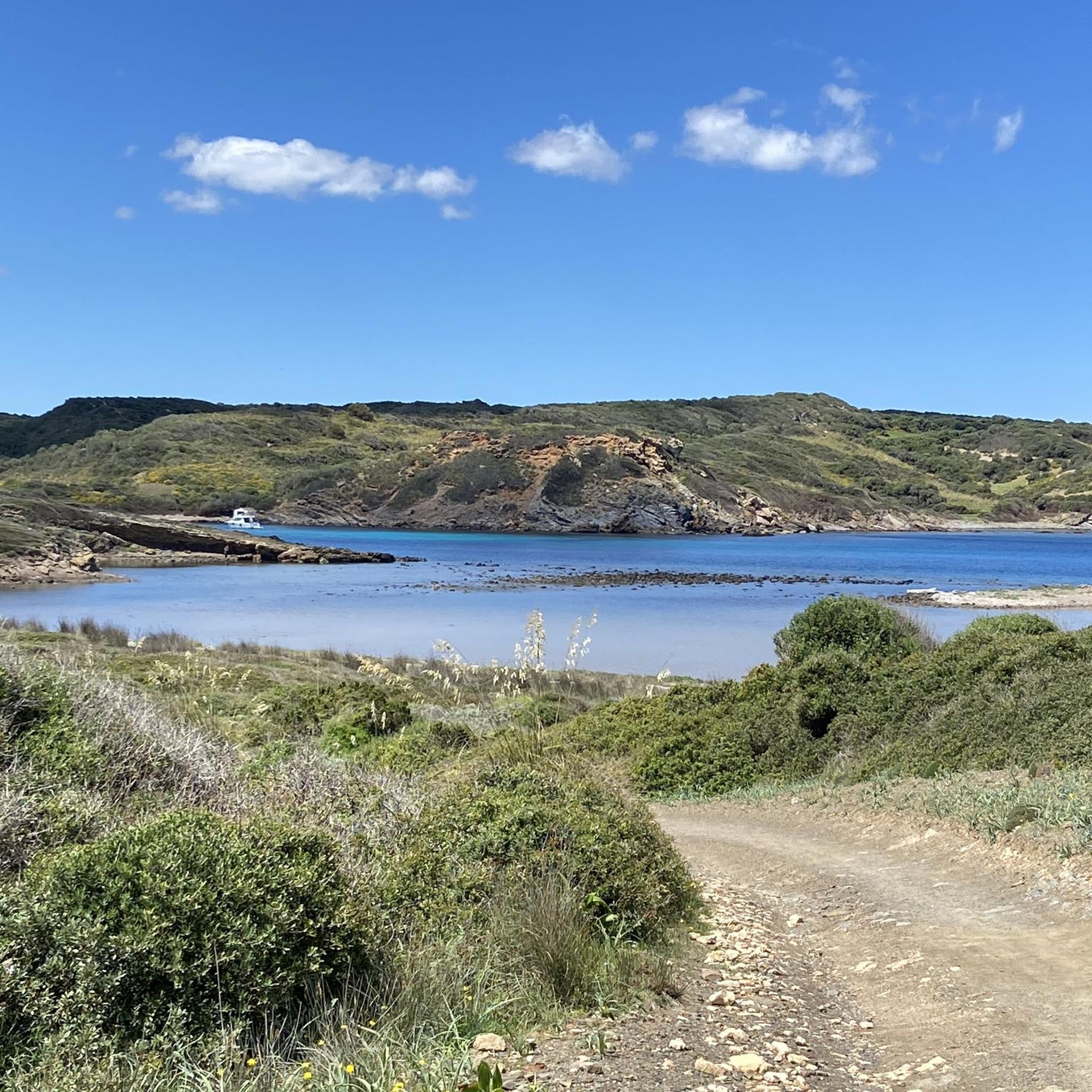
- Another must-see spot is s'Albufera des Grau Natural Park, a forest and natural monument. This UNESCO Biosphere Reserve features wetlands and olive groves, serving as a significant bird sanctuary. Visitors can find rewarding hikes and scenic viewpoints within the reserve.
- Visitors also love Church of Our Lady of Carmen (Església del Carme), Mahón, a religious building. This neoclassical-style monument is the largest religious building in the Menorcan capital, with construction beginning in 1750. It features a notable dome vault and a market in its cloister.
- Maó is known for its historical sites, natural parks, and religious buildings. The area offers a variety of attractions to see and explore, from ancient defensive structures to significant natural reserves and architectural landmarks.
- The attractions around Maó are appreciated by the komoot community, with over 120 upvotes and more than 120 photos shared by visitors.
Last updated: June 22, 2026
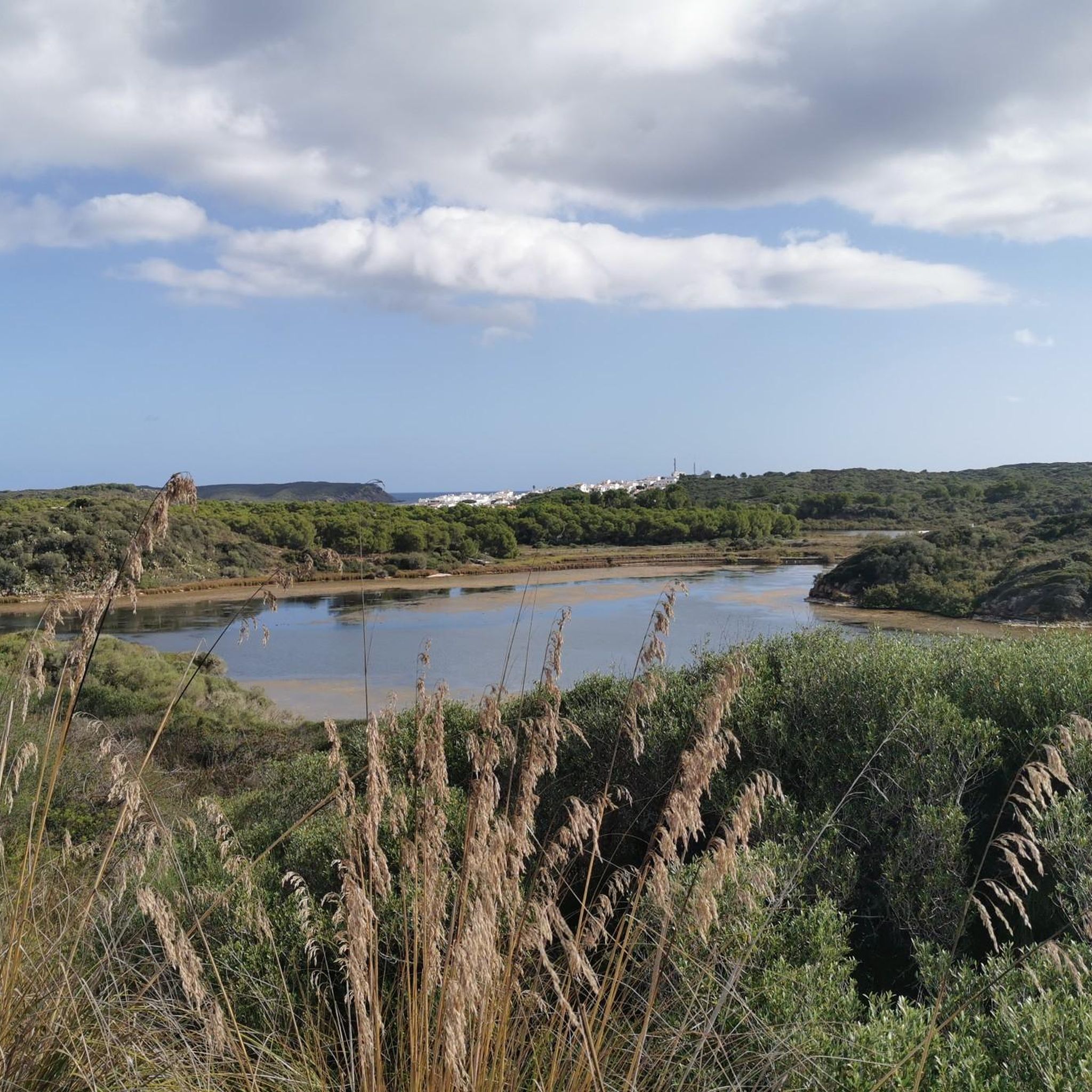
s'Albufera des Grau Natural Park
Highlight • Forest
Translated by Google •
Tip by

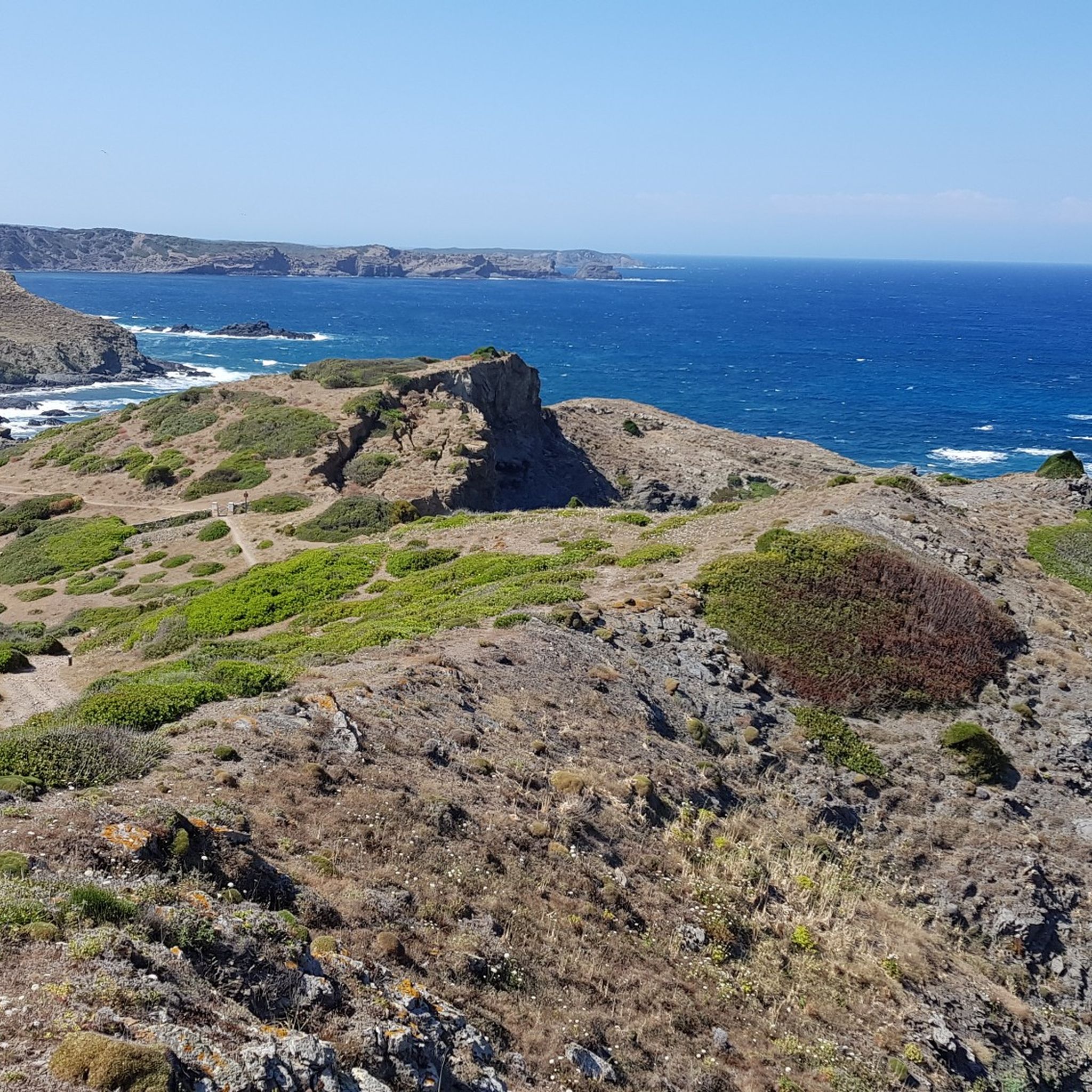
Torre de Fornells
Highlight • Monument
Translated by Google •
Tip by

Sign up now to discover places like this
Get recommendations on the best single tracks, peaks, & plenty of other exciting outdoor places.
Sign up for free
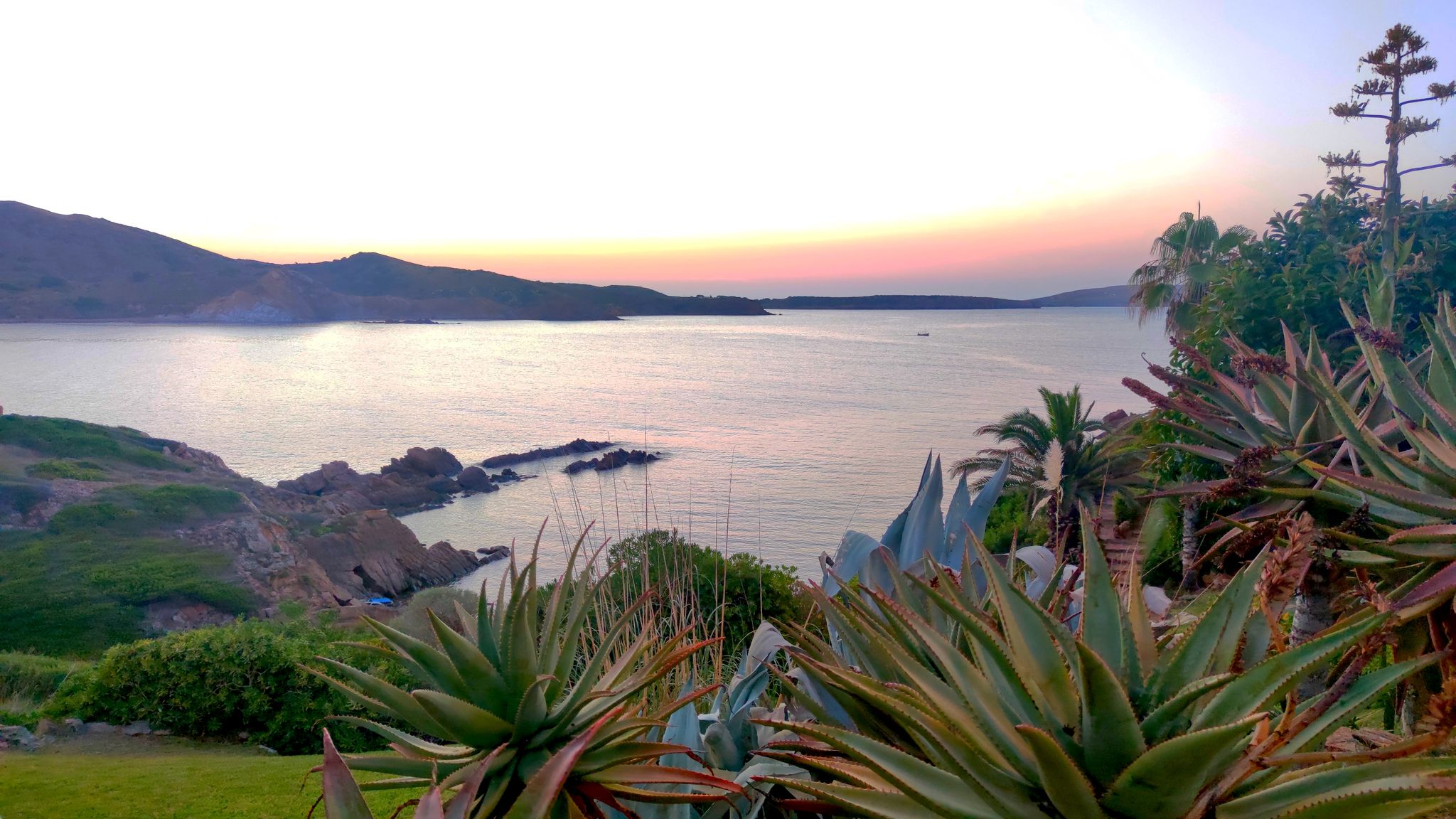
Maó (Mahón) Old Town and Harbor
Highlight • Settlement
Translated by Google •
Tip by

Church of Our Lady of Carmen (Església del Carme), Mahón
Highlight • Religious Site
Translated by Google •
Tip by

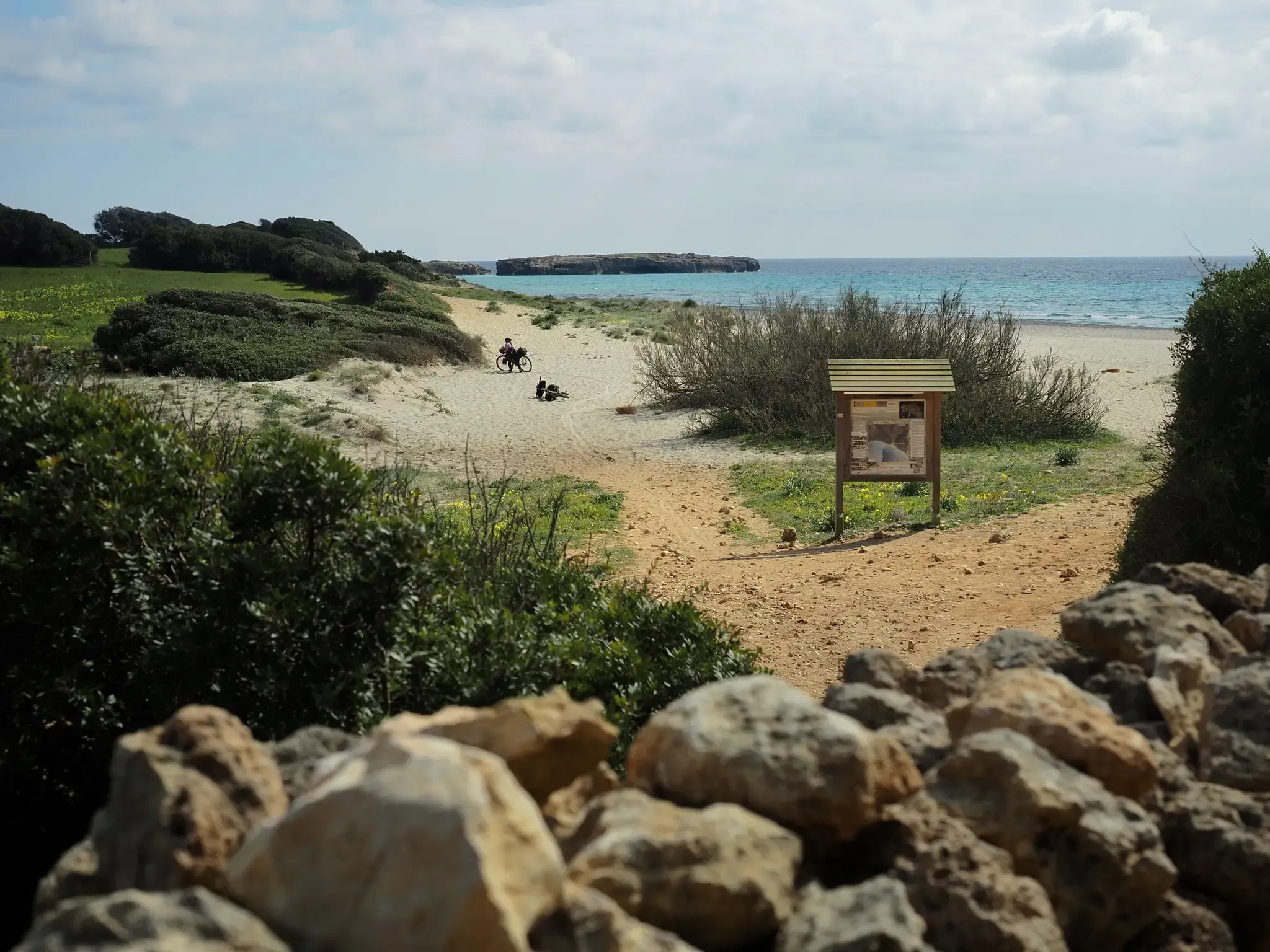
Prat de Son Bou Coastal Path
Highlight • Trail
Translated by Google •
Tip by

Sign up for free to discover even more attractions around Maó.
Sign up for free
Already have an account?
Start today with a free account
Your next adventure awaits.
Login or Signup


Tips from the Community


An English coastal defense tower, built between 1801 and 1802. It is one of the largest English towers in Menorca and differs from other towers of the same period by its reinforced or sloping ground floor and the cylindrical parapet of the upper floor, a molded cantilever that protrudes entirely from the exterior of the tower and rests on corbels. It was restored in 2000 and opened to the public with a simple and meticulous museum system. Visitors can view this defense tower against dangers from the sea, a constant feature of Menorca's history. At the same time, there are many small hiking trails along the rugged coastline, which can be lapped by the crashing surf.
0
0

Definitely worth a visit
3
0
Very nice view towards the harbor
3
0

A wonderful nature reserve that is worth a visit!
2
0
An impressive and very pretty church that can also be visited from the inside.
3
1

The majestic and enigmatic defense and watchtower is striking. Over the years he has presided over the raging symphonies that the north wind, the tramontana and the sea have composed to the delight and suffering of the brave fishermen who have sailed the waters of the impressive north coast of Menorca. The Torre de Fornells was one of the eleven coastal defense towers built during the last English domination of Menorca (1798-1802). Although it was for some time in the hands of individuals, a few years ago it was acquired by the City Council, which has restored it and turned it into a museum. The Tower is the authentic visual point of reference for all those who approach Fornells from land or sea and has now become the symbol of pride for the town, which it has always protected.
0
0

The art nouveau house can be reached directly from the harbor via the large, white staircase. It is best lit in the morning sun.
3
1
Frequently Asked Questions
What are some family-friendly attractions to visit around Maó?
Maó offers several attractions suitable for families. You can explore the historic Torre de Fornells, a defensive tower with a small museum. The s'Albufera des Grau Natural Park is perfect for nature walks, birdwatching, and even kayaking or snorkeling. Strolling through the Maó (Mahón) Old Town and Harbor offers a pleasant experience with its charming streets and waterfront views. Additionally, the Church of Our Lady of Carmen, with its market in the cloister, can be an interesting stop.
Where can I find historical sites and learn about Maó's past?
Maó is rich in history. The Torre de Fornells is a significant 19th-century defensive tower with a museum. You can also explore the Maó (Mahón) Old Town and Harbor, which reflects centuries of diverse influences. Other notable historical sites include the impressive Fortress of Isabel II (La Mola), the Llatzaret Fortress in the harbor, and Fort Marlborough. The Museu de Menorca, housed in a former Franciscan monastery, provides a comprehensive overview of the island's history.
Are there any natural parks or reserves near Maó?
Yes, the most prominent natural area is the s'Albufera des Grau Natural Park, a UNESCO Biosphere Reserve just a 10-minute drive from Maó. It features wetlands, olive groves, and is a vital bird sanctuary. Within the park, you'll find Es Grau Beach, an unspoilt stretch of sand. The park offers opportunities for picnicking, kayaking, and snorkeling.
What kind of outdoor activities can I do near Maó's attractions?
The area around Maó is excellent for outdoor activities. You can find numerous hiking routes, including easy walks and more challenging trails. For example, there are several routes within s'Albufera des Grau Natural Park, such as the 'Itinerary Sa Gola and calas of s'Albufera' or the 'Des Grau Beach – Sandy Beach at Es Grau loop'. Cycling is also popular, with routes like 'Torre de Alcaufar and Mirador de Punta Prima' for touring bicycles, and mountain biking trails such as 'Faro de Favartix — circular from Mahón — Camí de Cavalls'. You can find more details on these and other routes in the hiking around Maó guide, cycling around Maó guide, and MTB trails around Maó guide.
Where can I find the best viewpoints around Maó?
For spectacular views, the Torre de Fornells offers a great location on a rough coast. The Fortress of Isabel II (La Mola) provides panoramic views of Maó harbor. Within s'Albufera des Grau Natural Park, there are lookout hills offering excellent vistas of the nature reserve. Additionally, the Pont d'es Castell Lookout provides stunning views of Port Maó and the Ses Voltes coast.
What cultural experiences can I have in Maó?
Maó offers a rich cultural scene. You can visit the Church of Our Lady of Carmen, a neoclassical monument, and explore the market in its cloister. The Santa María Church, with its ornate 19th-century organ, hosts weekly concerts in high season. The Museu de Menorca provides insights into the island's heritage. For a unique experience, visit the Xoriguer Gin Distillery on the waterfront for tours and tastings, or catch a performance at Teatro Principal, one of Spain's oldest opera houses.
Are there any easy walking trails near Maó?
Yes, there are several easy walking trails. The Prat de Son Bou Coastal Path is part of the well-signposted Camí de Cavalls. Within s'Albufera des Grau Natural Park, you'll find easy routes like the 'Des Grau Beach – Sandy Beach at Es Grau loop'. These trails offer rewarding hikes and scenic views without being overly strenuous.
What is the Port of Maó known for?
The Port of Maó is renowned as the second largest natural harbor in the world and the largest in the Mediterranean. It has been strategically important for millennia. Today, it's a vibrant hub where visitors can enjoy strolls along the waterfront, dine at numerous restaurants and tapas bars, or take a boat trip to explore the harbor and its islands, including Illa del Rei.
Can I see any ancient or prehistoric structures near Maó?
Yes, Menorca is home to UNESCO World Heritage Talaiotic settlements, which are ancient prehistoric structures. These include 'talayots' (tower-like monuments) and 'navetas' (funerary constructions). A notable archaeological site where you can see these structures is Trepucó, offering a glimpse into the island's early inhabitants.
What are some unique local products or experiences I can find in Maó?
Maó offers several unique local experiences. You can visit the Mercat sa Plaça (Mercat des Claustre) in the cloisters of a former convent to find local Menorcan food and crafts, including the famous Mahón cheese. The Xoriguer Gin Distillery on the waterfront offers free tastings and tours of its traditional gin production, a legacy from the British period.
What is the best time to visit Maó for outdoor attractions?
The best time to visit Maó for outdoor attractions is typically during the spring (April to June) and early autumn (September to October). During these months, the weather is pleasantly warm, ideal for hiking, cycling, and exploring natural parks, without the intense heat and larger crowds of the peak summer season.
Are there any beaches close to Maó?
While Maó itself is a harbor town, several beautiful beaches and coves are easily accessible nearby. Within s'Albufera des Grau Natural Park, you'll find Es Grau Beach. Other popular options include Ses Olles, Cala Rafalet, Cala Mongofre, Binibèquer, Sa Mesquida, Punta Prima, and Cala Mesquida, all offering opportunities for swimming and sunbathing.
Most popular attractions around Maó

Get inspired with the komoot mobile app


Explore more
Still not found the Highlight you’re looking for? See guides of the top attractions in other regions:
