Attractions and Places To See around Dijon - Top 20
Best attractions and places to see around Dijon include a rich array of architectural landmarks, cultural sites, and natural spaces. The city, historically the capital of Burgundy, features a pedestrianized center recognized as a UNESCO World Heritage site, showcasing medieval and Renaissance architecture. Surrounding Dijon, limestone valleys and gorges offer opportunities for outdoor activities, while the region is also known for its gastronomy and wine.
Best attractions and places to see around Dijon
- The most popular attractions is Half-timbered houses in Dijon's Old Town, a historical site that features well-preserved or restored 15th-century buildings. The old town center is known for its charming streets and historic architecture.
- Another must-see spot is Clos de Vougeot Castle, a 12th and 16th-century castle set within the vineyards of Burgundy. This historical site serves as a wine museum and promotes traditional Burgundian gastronomy and wines.
- Visitors also love Place de Libération, a settlement and historical site. This grand semicircular square in front of the Palace of the Dukes is a vibrant hub lined with restaurants and shops.
- Dijon is known for its historical sites, natural features, and cultural attractions. Visitors can explore a variety of sites, from ancient castles and churches to gardens and museums.
- The attractions around Dijon are appreciated by the komoot community, with 279 highlights, 385 upvotes, and 98 photos shared by users.
Last updated: October 9, 2026
Clos de Vougeot Castle
Highlight • Castle
Translated by Google •
Tip by

Half-timbered houses in Dijon's Old Town
Highlight • Historical Site
Translated by Google •
Tip by

Sign up now to discover places like this
Get recommendations on the best single tracks, peaks, & plenty of other exciting outdoor places.
Place de Libération
Highlight • Settlement
Square is so named as a reference to the liberation of Dijon in 1944.
Translated by Google •
Tip by

Rue Verrerie — a historic half-timbered street in Dijon
Highlight • Historical Site
Translated by Google •
Tip by
Darcy Garden
Highlight • Natural Monument
Translated by Google •
Tip by

Lake Kir
Highlight • Lake
Translated by Google •
Tip by
Dijon Covered Market
Highlight • Other
Translated by Google •
Tip by

Guillaume Gate
Highlight • Monument
Translated by Google •
Tip by
Palace of the Dukes and States of Burgundy
Highlight • Historical Site
Translated by Google •
Tip by

Climb of the Combe Lavaux
Highlight • Climb
Translated by Google •
Tip by

Sign up for free to discover even more attractions around Dijon.
Already have an account?
Start today with a free account
Your next adventure awaits.
Popular around Dijon
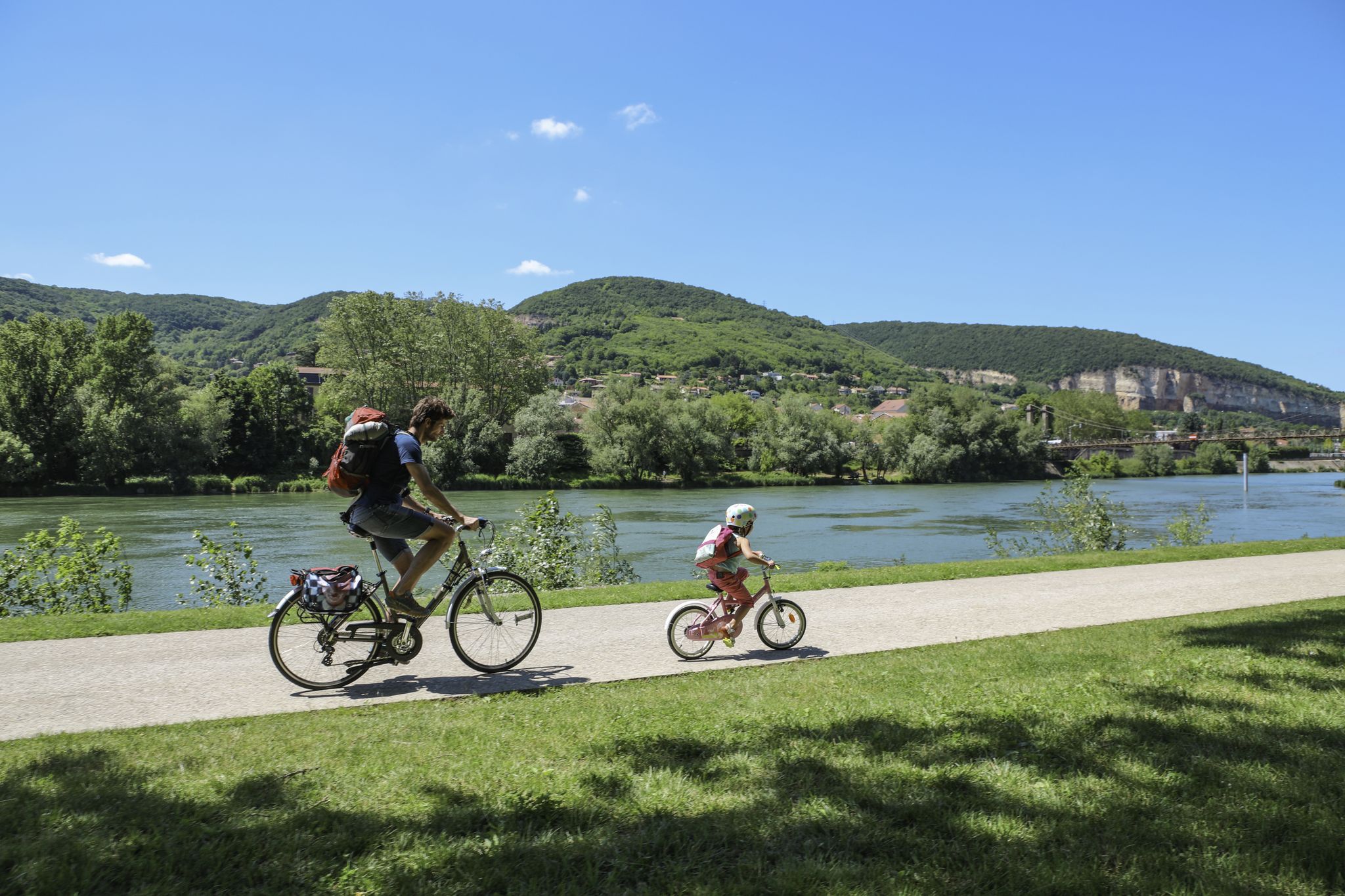
The Voie Bleue – Moselle-Saône by bike
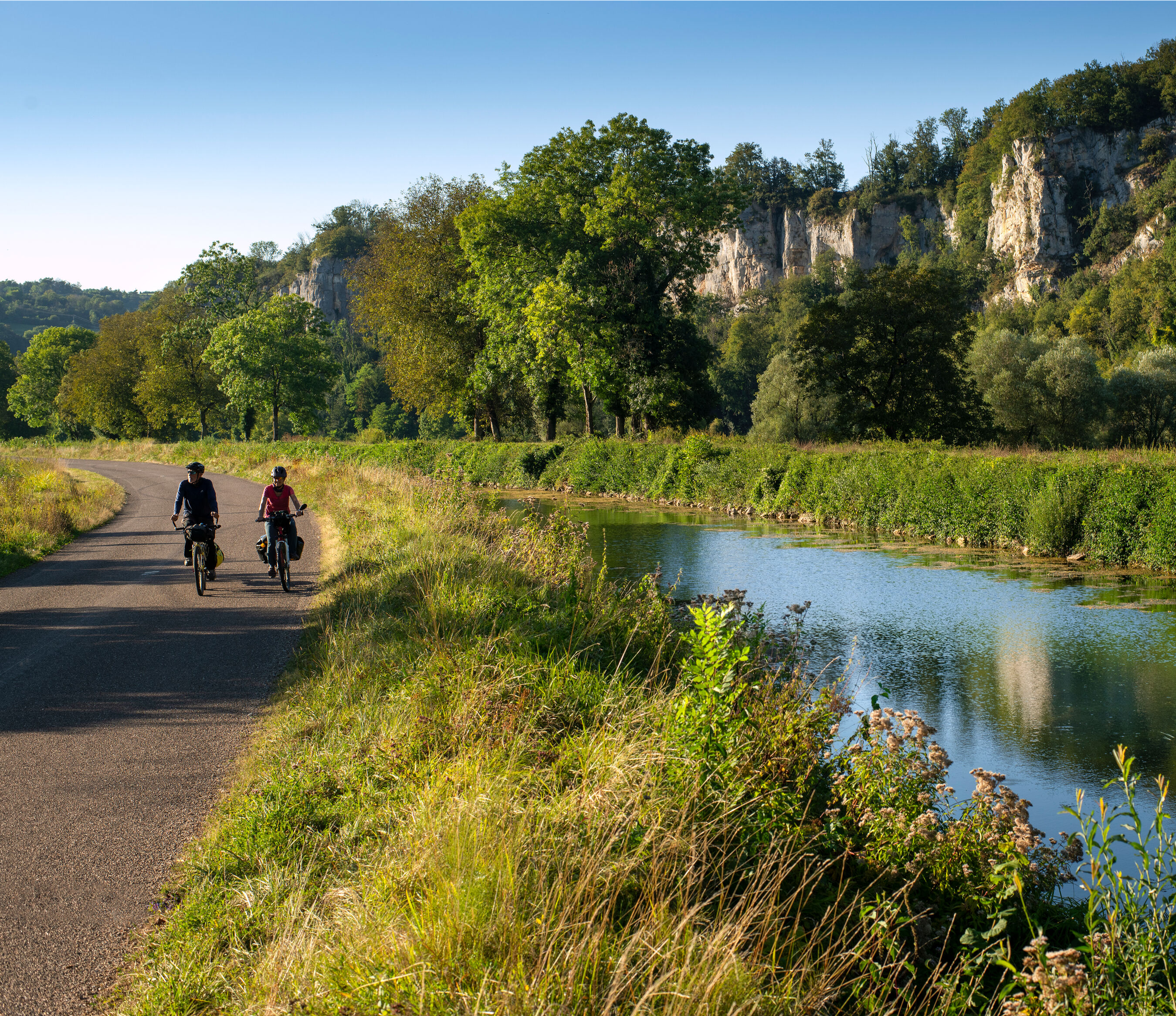
Burgundy-Franche-Comté by bike – between vineyards and peaks
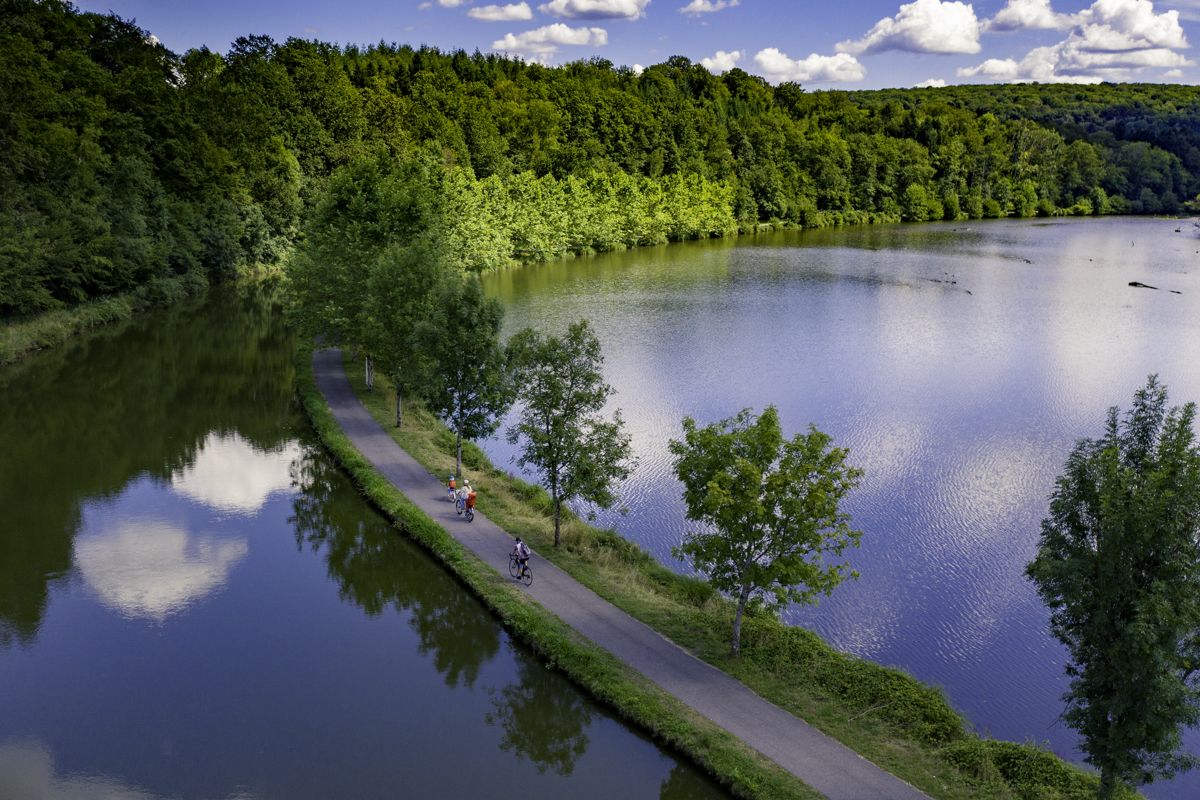
La Voie Bleue — “Cycle Route of the Year 2026”
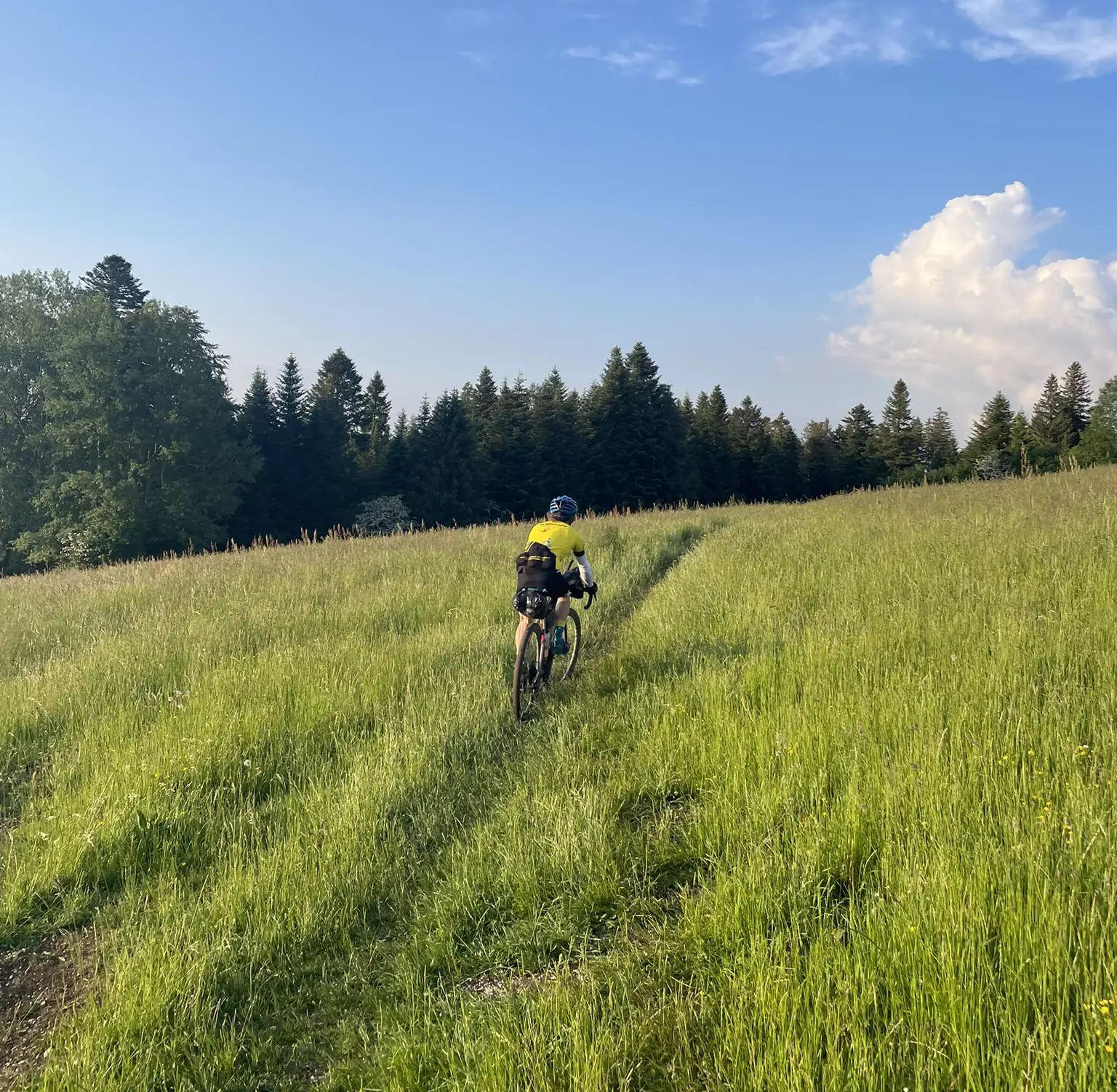
The Jura Mountains and Black Forest – La Poco Loco Dijon-Stuttgart 2023
Seine River Trail — A cycling adventure from Dijon to Le Havre
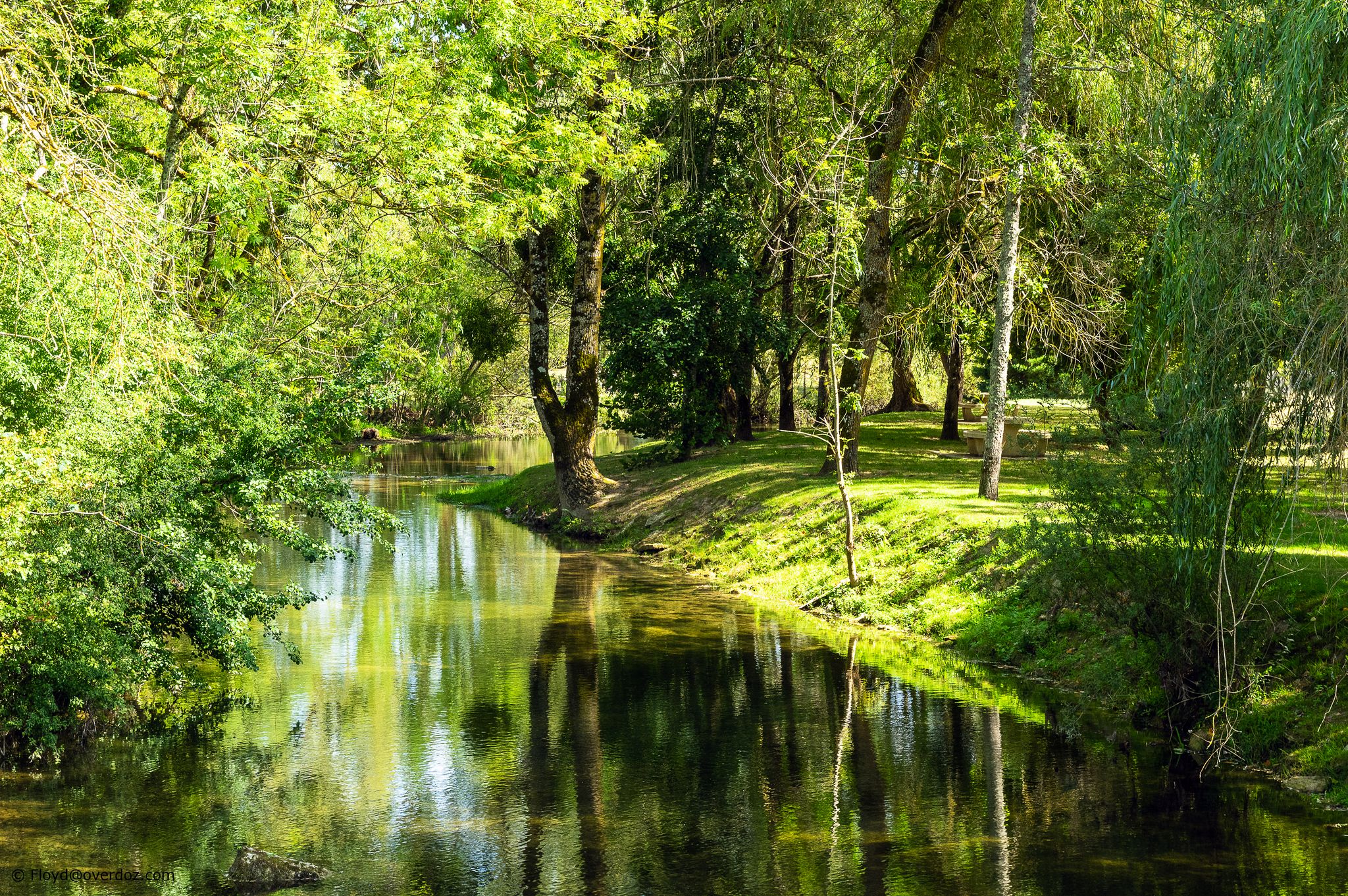
Along the Seine — the GR 2 from Dijon to Le Havre
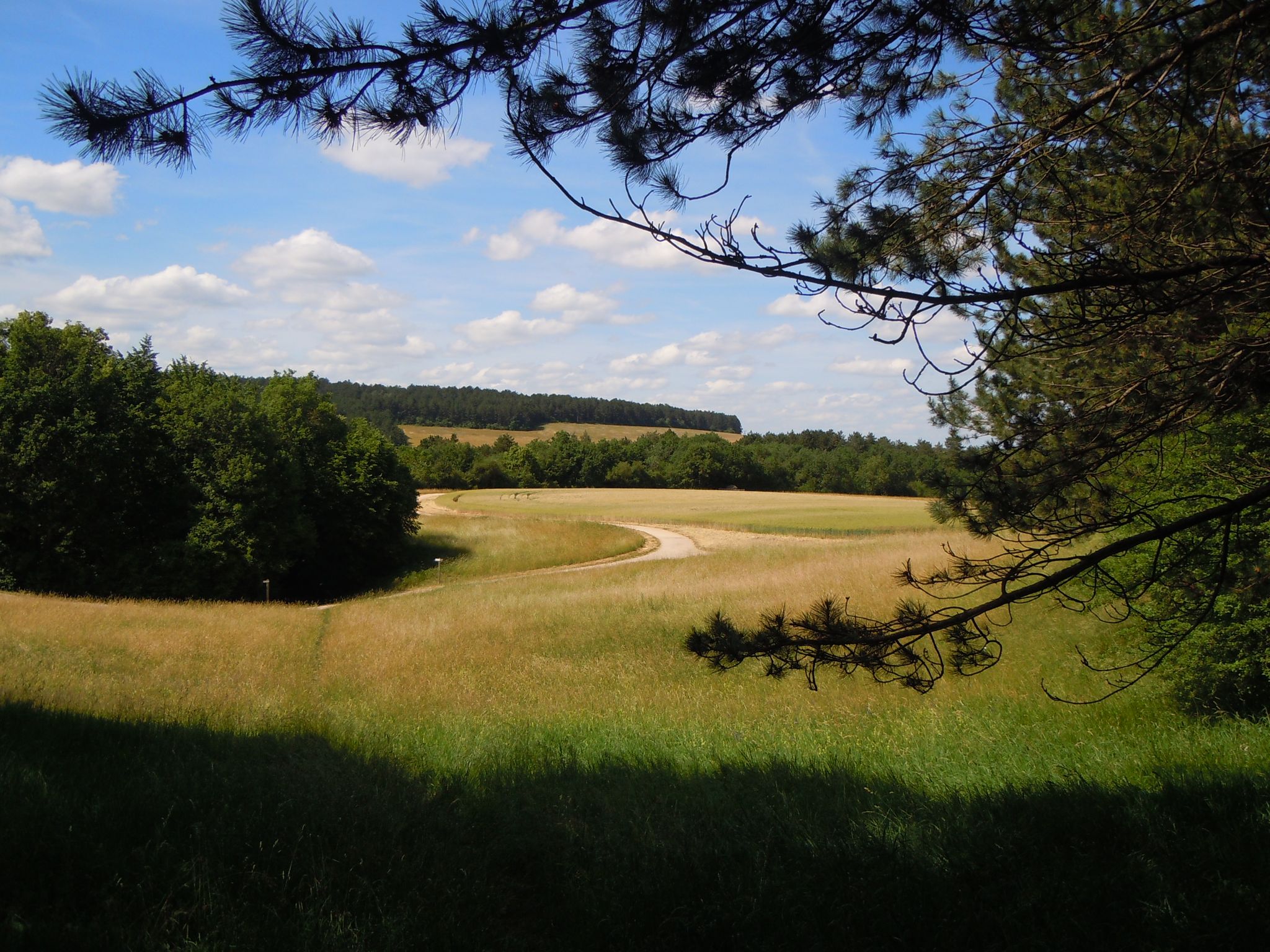
Explore a French wine region on foot — hiking the Félix Batier Trail
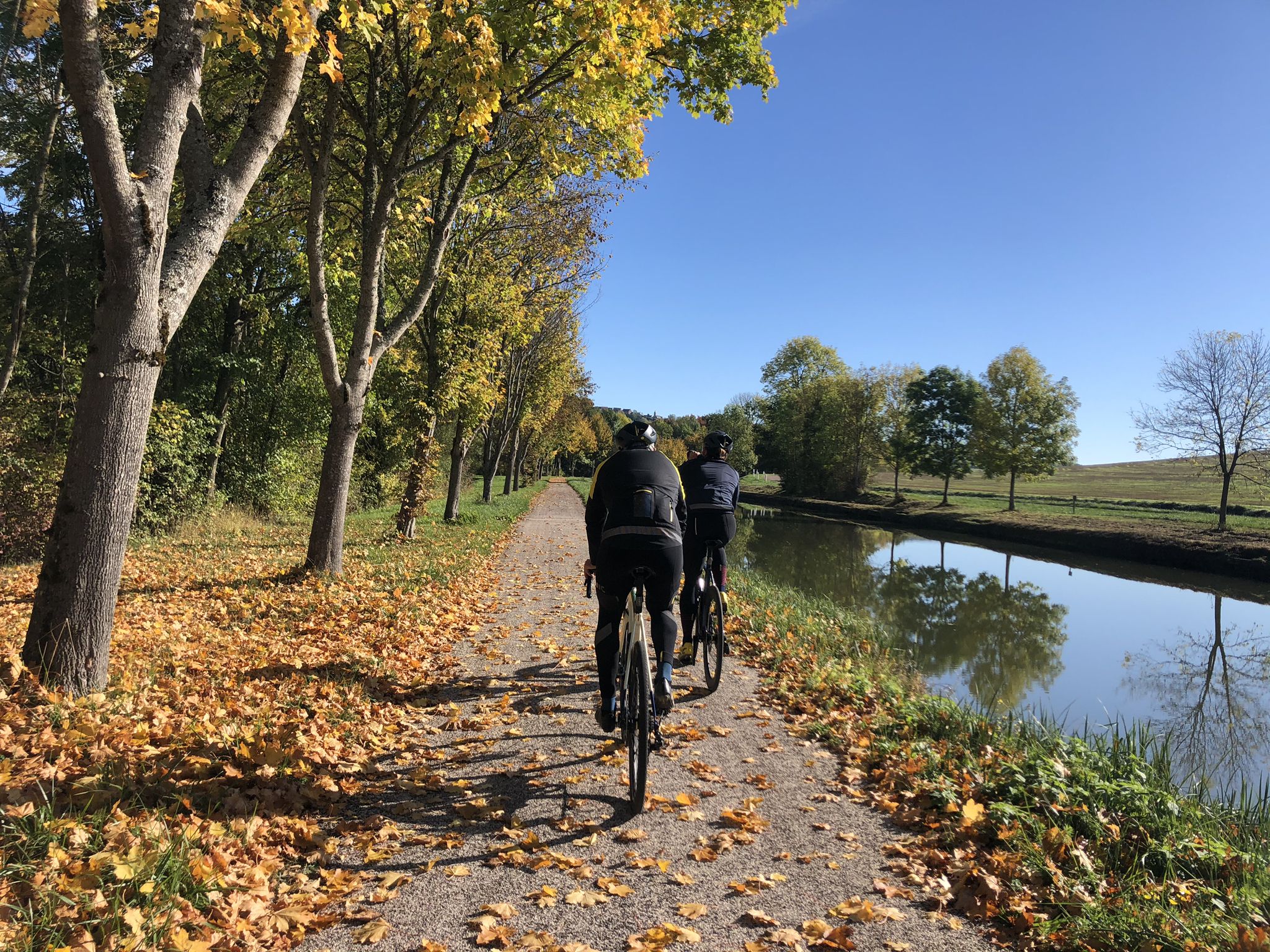
Greenways, vineyards and canals – Le Tour de Bourgogne à vélo
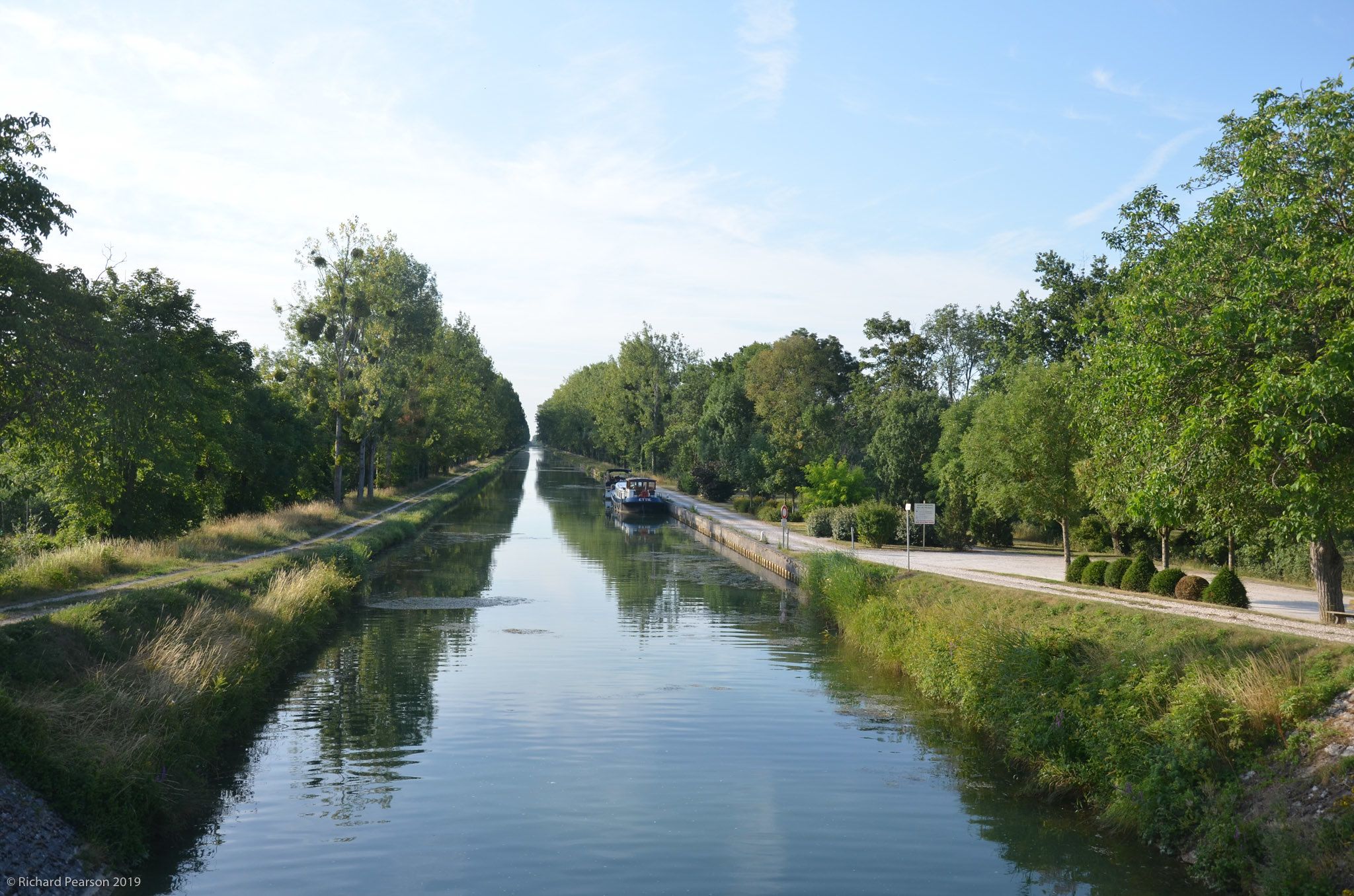
France’s water-rich region — Burgundy's four canals
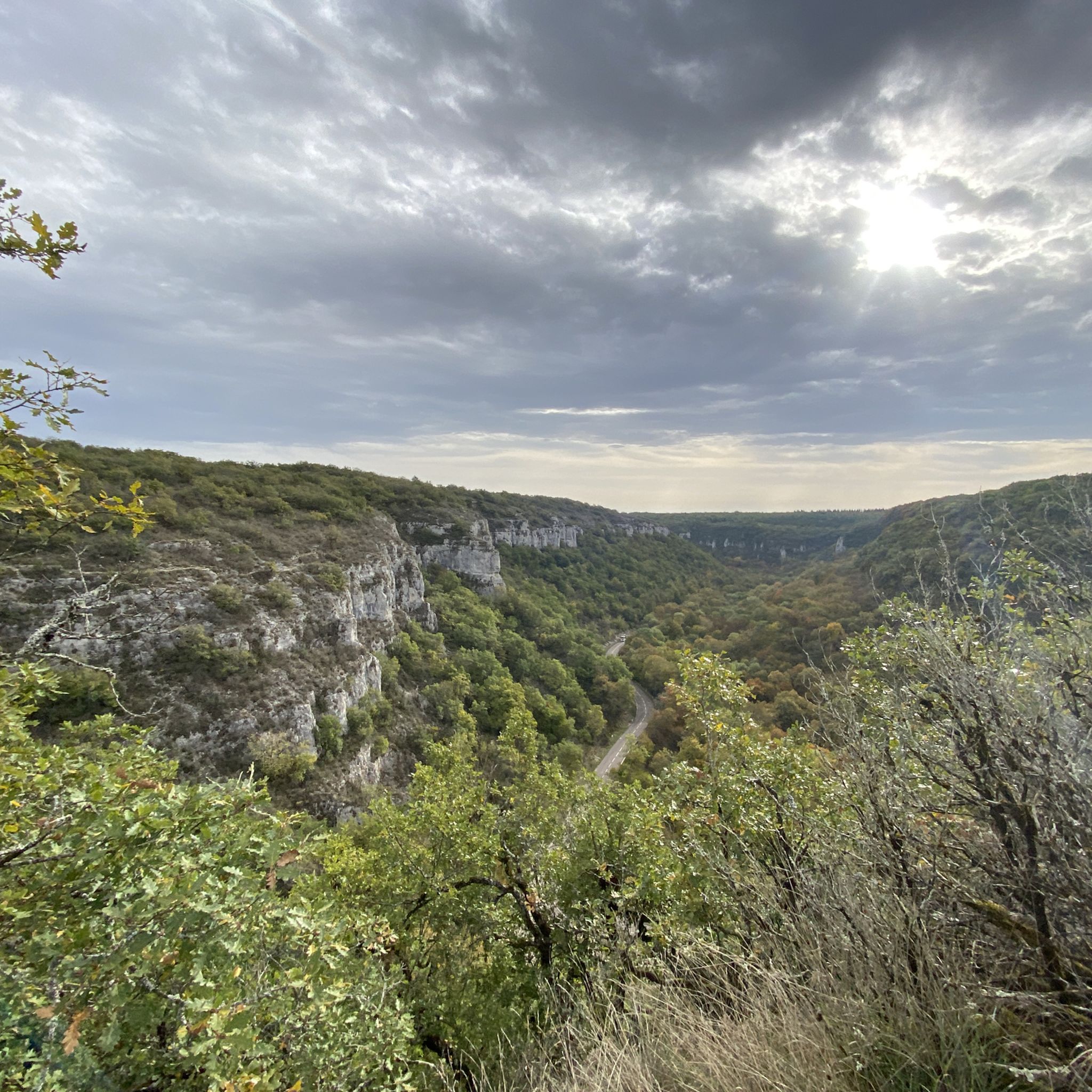
Hiking around Dijon
Other adventures around Dijon


Tips from the Community

The Palais des Ducs et des États de Bourgogne is one of Dijon's most striking buildings and reflects the rich history of the Burgundian Dukes. The complex originated in the Middle Ages and was expanded in later centuries with elements of classical style, including the stately façade with columns and wrought-iron balconies. Strategically located on the Place de la Libération, the palace forms the historical and administrative heart of the city. Inside, you'll find the Musée des Beaux-Arts, with one of the oldest and most important art collections in France. The combination of architecture, culture, and historical significance makes this palace an essential visit when exploring Dijon.
2
0

In place of an old gate in the 12th-century city wall, the architect Jean-Philippe Maret had this monument built between 1786 and 1788 in homage to the Prince of Condé, governor of Burgundy. The building was then named Porte Condé. The monument was connected by walls to the ramparts that still existed, and its gate was closed by a gate, traces of which can still be seen. During the Revolution in 1791, the gate was named the Arc de la Liberté; in the 19th century, it became Porte Guillaume, in reference to Guillaume de Volpiano, abbot of the Abbey of Saint-Bénigne.
1
0

Located north of the old town, this lovely little park offers several shady spots in the summer. Definitely worth a visit.
3
0

Restaurants in central squares often cater to tourists. Here in Dijon, some of the establishments on Place de la Libération are highly recommended, such as Le Pré au Clercs.
4
0
The city center, with its authentic, medieval flair, has often been the backdrop for films such as Cyrano de Bergerac
4
0

An artificial lake commissioned by Canon Félix Kir, former mayor of Dijon. A great place to recharge your batteries not far from the train station, the tour takes about an hour on foot. Ideally, you can reach the city center via the Promenade de l'Ouche, one of the city's green lungs.
4
2
Formerly Place Royale, then Place d'Armes, Place de la Libération is a must-see in the city of Dijon. Located in its heart, just above the town hall stands the Philippe le Bon tower. Beautiful illuminations in the evening, and, in the summer, a few fountains and numerous terraces for dining or enjoying a drink.
4
0

Look up a lot to see the typical enamelled tiled roofs.
3
1
Frequently Asked Questions
What historical sites can I explore in Dijon?
Dijon, the historic capital of Burgundy, offers a wealth of historical sites. You can visit the impressive Palace of the Dukes and States of Burgundy, which houses the Museum of Fine Arts. Explore the charming Half-timbered houses in Dijon's Old Town, particularly along Rue Verrerie. Don't miss the 13th-century Notre-Dame Church with its unique facade, or the grand Guillaume Gate. Further afield, the Clos de Vougeot Castle, a 12th and 16th-century castle set within vineyards, is a must-see.
Where can I learn about Burgundian gastronomy and wine in Dijon?
Dijon is a hub for French gastronomy and wine. You can visit the Cité Internationale de la Gastronomie et du Vin for interactive exhibitions and tasting experiences. The Dijon Covered Market, designed by Gustave Eiffel, is a great place to discover local produce. For wine, the Clos de Vougeot Castle serves as a wine museum, and Dijon is a gateway to the famous Route des Grands Crus, offering numerous vineyard tours and tasting opportunities.
Are there family-friendly attractions around Dijon?
Yes, Dijon offers several family-friendly attractions. The Half-timbered houses in Dijon's Old Town and Rue Verrerie are charming for strolls. Kids often enjoy the fountains at Place de Libération. For outdoor fun, Darcy Garden and Lake Kir offer relaxing spaces. The Owl's Trail, a self-guided walking tour marked by owl symbols, is also a fun way for families to explore the city's main historical sites.
What natural spaces are available for relaxation or activities in Dijon?
Dijon provides several beautiful natural spaces. The Darcy Garden is a tranquil neo-Renaissance park with lush greenery and a famous Polar Bear statue. Lake Kir, an artificial lake, is perfect for relaxation and outdoor activities like walking or cycling. You can also explore the Arquebuse Park, which includes a botanical garden and arboretum, or the larger Parc de la Colombière for peaceful strolls.
What outdoor activities can I do near Dijon's attractions?
Beyond the city center, the region around Dijon offers excellent opportunities for outdoor activities. You can enjoy gravel biking on routes like 'Gravel around Dijon' or 'Guillaume Gate – Saint-Michel de Dijon church loop from Dijon-Ville'. Road cyclists can explore routes such as 'Hilly circuit south of Dijon' or 'Around the hills of the western Dijon area'. For more options, check out the Gravel biking around Dijon, Road Cycling Routes around Dijon, and Cycling around Dijon guides.
Are there good cycling routes around Dijon?
Yes, Dijon is an excellent base for cycling. You can find various routes for different preferences. For gravel biking, consider the 'Gravel around Dijon' route (48 km, moderate) or the 'Vineyards of Chambertin – Clos de Vougeot Castle loop' (75 km, difficult). Road cyclists can enjoy the 'Hilly circuit south of Dijon' (50 km, moderate) or the 'Around the hills of the western Dijon area' (59 km, moderate). Many routes pass by vineyards and historical sites. Explore more options in the Gravel biking around Dijon, Road Cycling Routes around Dijon, and Cycling around Dijon guides.
Where can I find viewpoints with scenic views near Dijon?
For panoramic views of Dijon and the surrounding Burgundian countryside, you can climb the 316 steps of the 15th-century Philippe le Bon Tower, located within the Palace of the Dukes. Access is typically by guided tour and requires advance booking. Another excellent spot is the Climb of the Combe Lavaux, which offers scenic vistas. The area around Lake Kir also provides beautiful views of the lake and its surroundings.
What is the best time to visit Dijon for sightseeing and outdoor activities?
The best time to visit Dijon is generally during the spring (April to June) and autumn (September to October). During these seasons, the weather is pleasant for exploring the city's historical sites and enjoying outdoor activities like cycling and hiking. The vineyards are particularly beautiful in autumn during the harvest season. Summer (July and August) can also be enjoyable, though it can be warmer and more crowded.
Are there any unique cultural experiences in Dijon?
Dijon offers several unique cultural experiences. Follow The Owl's Trail (Parcours de la Chouette), a self-guided walking tour marked by 22 owl symbols on the cobblestones, leading you to the city's main historical sites. Visit the Musée des Beaux-Arts, one of France's oldest museums, located within the Palace of the Dukes. You can also explore the Musée de la Vie Bourguignonne, which showcases traditional Burgundian life, or the Musée Magnin, housed in a 17th-century mansion with an impressive art collection. Both the latter two offer free entry.
What do visitors enjoy most about Dijon's attractions?
Visitors frequently praise Dijon for its unexpectedly beautiful and fun atmosphere, particularly its well-preserved old town center with charming half-timbered houses. The city offers a great mix of old and new. Many appreciate the historical significance of sites like the Clos de Vougeot Castle and the vibrant ambiance of Place de Libération. The relaxing natural spaces like Lake Kir are also highly valued for family outings and peaceful moments.
Are there any accessible attractions for visitors with mobility needs in Dijon?
Yes, some attractions in Dijon are designed to be more accessible. Place de Libération, a grand semicircular square, is generally wheelchair accessible, offering a vibrant hub for people-watching. The Guillaume Gate is also noted for its accessibility. While the historic nature of some sites may present challenges, many public spaces and modern facilities strive to accommodate all visitors.
Can I find hiking trails near Dijon?
While Dijon is known for its urban attractions, the surrounding region offers opportunities for hiking. The Combes de la Côte Dijonnaise, a Natura 2000 site to the west and south of Dijon, features limestone valleys and gorges perfect for exploring diverse flora and fauna. You can find various walking paths and trails suitable for different fitness levels. For specific routes, look for guides on hiking in the Burgundy region.
Most popular routes around Dijon
Most popular attractions around Dijon

Get inspired with the komoot mobile app


Didn’t find what you were looking for?
Are you keen on exploring more awesome places nearby? Browse our guides:
Explore more
Still not found the Highlight you’re looking for? See guides of the top attractions in other regions:
