Attractions and Places To See around Troyes - Top 20
Attractions and places to see around Troyes offer a blend of historical landmarks, cultural sites, and natural beauty in France's Champagne region. The city center, shaped like a champagne cork, features well-preserved medieval and Renaissance architecture, including numerous half-timbered houses. Beyond the city, the area provides access to natural features such as the Orient Forest Regional Park with its large lakes and extensive forests. This region is characterized by its historical significance and diverse landscapes.
Best attractions and places to see around Troyes
- The most popular attractions is Waterfall and arch on the Vélovoie des Lacs d'Orient, a waterfall that is part of a cycle route along the Orient Forest lake. This section of the cycle route offers scenic views along the restitution canal, passing through meadows and orchards.
- Another must-see spot is Cathedral of Saint Peter and Saint Paul in Troyes, a religious site known for its Gothic architecture and extensive stained-glass windows. Construction began in the 13th century and was completed in the 17th century, making it a significant historical landmark.
- Visitors also love Cats' Alley, a narrow medieval alley in Troyes' old town. Its half-timbered houses lean so closely together that a cat could reportedly jump from one roof to another, creating a distinctive atmosphere.
- Troyes is known for its historical architecture, religious sites, and natural areas. The region offers a variety of attractions to see and explore, from urban historical centers to expansive natural parks.
- The attractions around Troyes are appreciated by the komoot community, with more than 100 upvotes and over 90 photos shared by visitors.
Last updated: October 10, 2026
Cathedral of Saint Peter and Saint Paul in Troyes
Highlight • Other
Translated by Google •
Tip by

Cats' Alley
Highlight • Settlement
Translated by Google •
Tip by
Sign up now to discover places like this
Get recommendations on the best single tracks, peaks, & plenty of other exciting outdoor places.
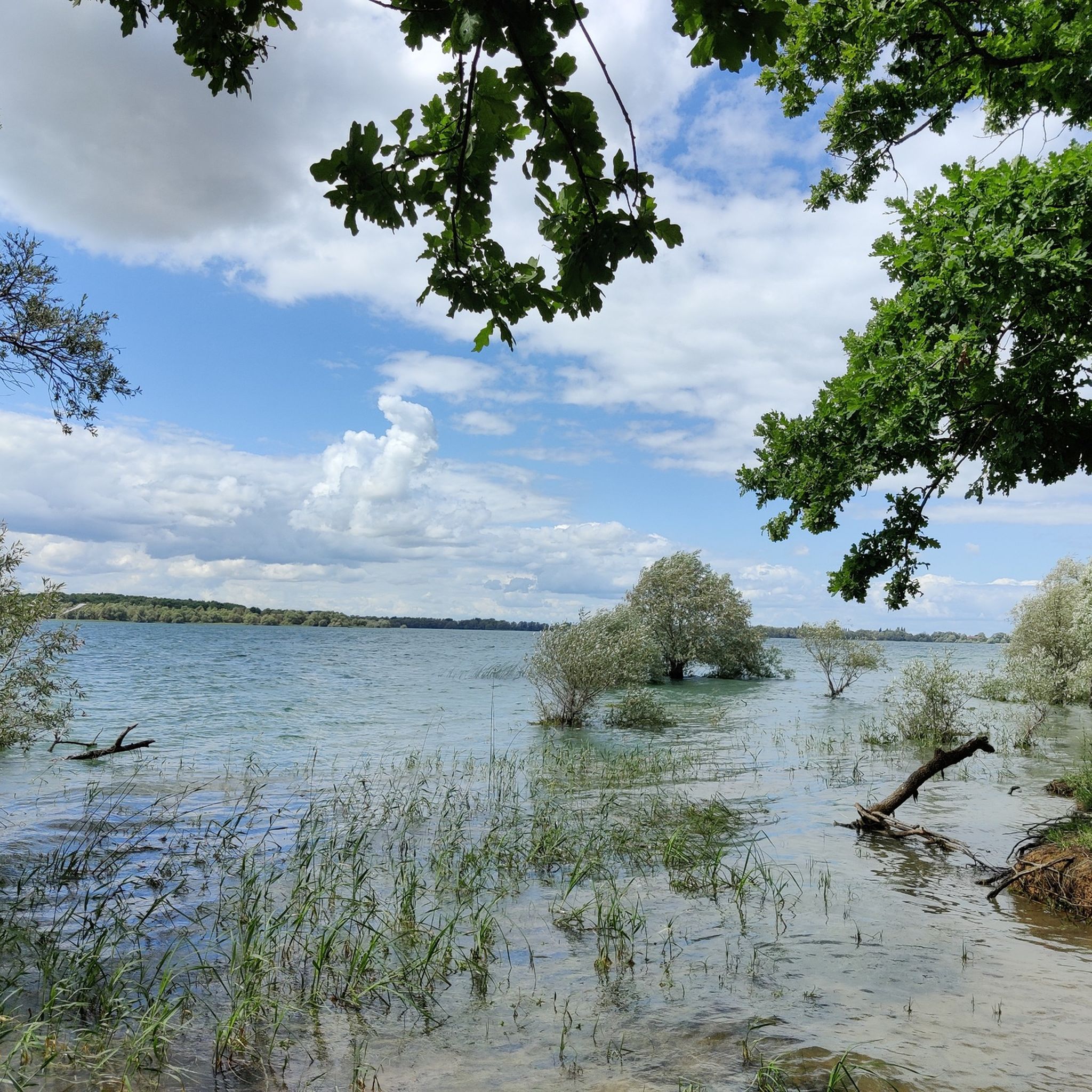
Orient Lake
Highlight • Lake
Translated by Google •
Tip by

Church of Saint Mary Magdalene, Troyes
Highlight • Religious Site
Translated by Google •
Tip by
Montaigu Fountain and Pond
Highlight • Lake
Translated by Google •
Tip by

Saint-Jean-au-Marché Church
Highlight • Other
It is the site of an important historical event, as it was in this church that King Henry V of England married Catherine of Valois, daughter of King Charles VI of France and Isabeau of Bavaria. It was partially destroyed, the south and west, by the fire of 1524 and rebuilt after this event. The clock on the eponymous tower dates from 1789.
It lost the top of its tower during the night of August 23-24, 1911, when it collapsed onto the buildings on Rue Mignard. The Guillemette bell had been cast in 1524, and the other dated from 1902. The church was weakened and had to be supported by wooden and plaster props on the pillar legs.
The building was listed as a historic monument in 1840.[1]
Translated by Google •
Tip by

Troyes Town Hall
Highlight • Other
These functions were carried out by magistrates or merchants, usually on a voluntary basis. The first mayor of Troyes was Edmond Le Boucherat.
Before him, an advisory council sat occasionally in various places in the heart of the city, such as the chapter of Saint-Pierre or the former convent of Cordeliers. In 1479, the council moved out of this aristocratic district to live permanently in the "corps du bouchon" and rented a house near the church of Saint-Urbain, then known as the Chambre de l'Échevinage, which was equipped with a bell to call meetings.
In 1494, the city council bought the Hôtel de Mesgrigny, a large building from the 15th century, and in the 17th century decided to build a new city hall. Louis XIII gave permission to use a small part of the income from the tax on wine and salt. The building was therefore built gradually and was not finished until around 1672. In 1933 and 1937, two wings were added to the back by the architect F. Balley.
The central facade, with its blue Tournai marble columns, has a niche with a helmeted Minerva, replacing a statue of Louis XIV that was destroyed during the French Revolution.
On the monumental mantelpiece in the council chamber, there is still a large wooden medallion with the effigy of this king, sculpted in 1687 by the Trojan François Girardon (1628-1715). Another memorable trace of the Revolution on the facade is the revolutionary motto that was displayed on all French town halls at the time: "Unité, Indivisibilité de la République, Liberté, Égalité, Fraternité ou la Mort" ("Unity, Indivisibility of the Republic, Liberty, Equality, Fraternity or Death").
Translated by Google •
Tip by
Shaded rest area
Highlight • Rest Area
Translated by Google •
Tip by

Inlet canal bridge
Highlight • Cycleway
Translated by Google •
Tip by

Waterfall and arch on the Vélovoie des Lacs d'Orient
Highlight (Segment) • Waterfall
Translated by Google •
Tip by

Sign up for free to discover even more attractions around Troyes.
Already have an account?
Start today with a free account
Your next adventure awaits.
Popular around Troyes
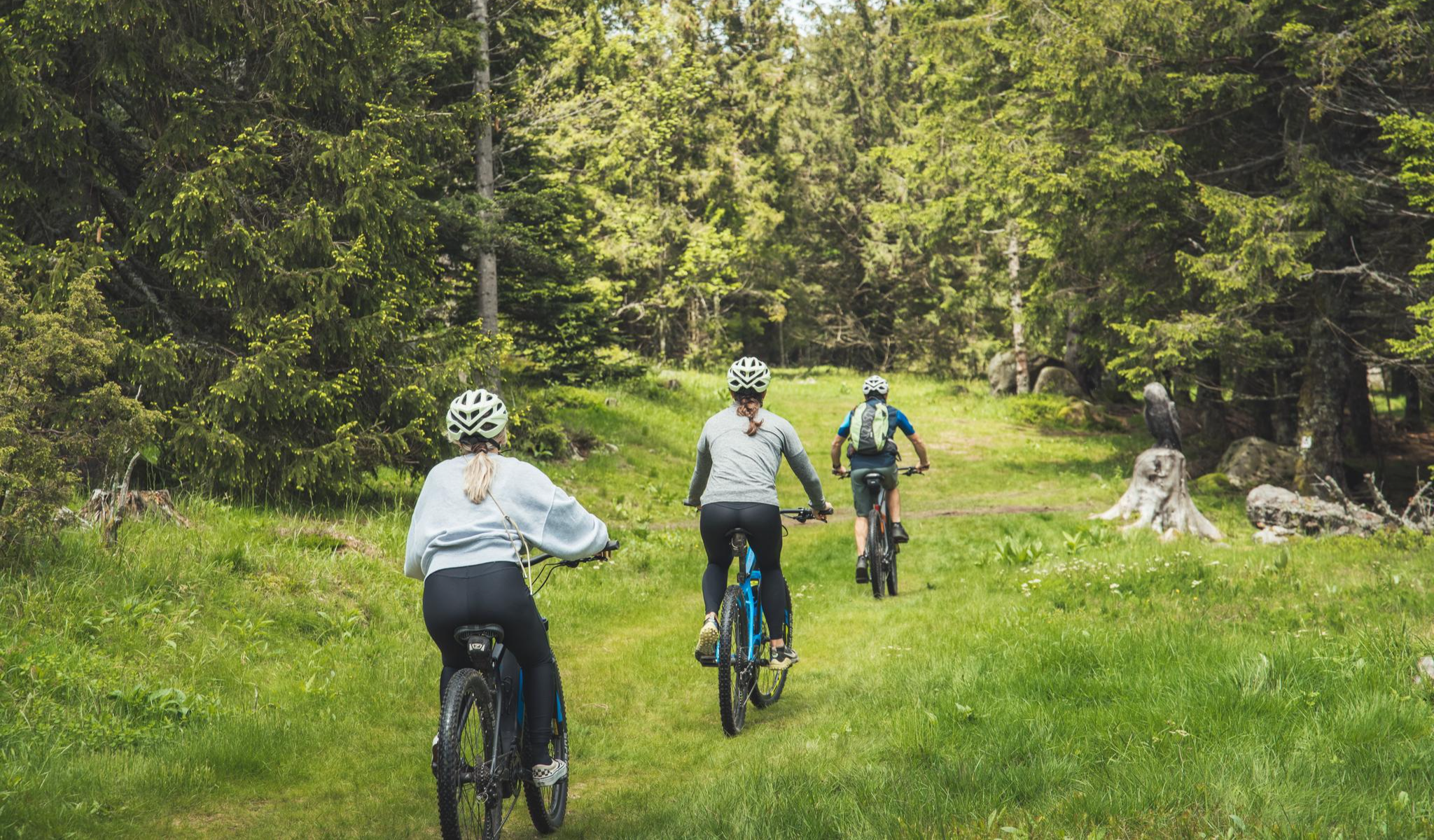
MTB and gravel in the Grand Est – the joy of the low mountains
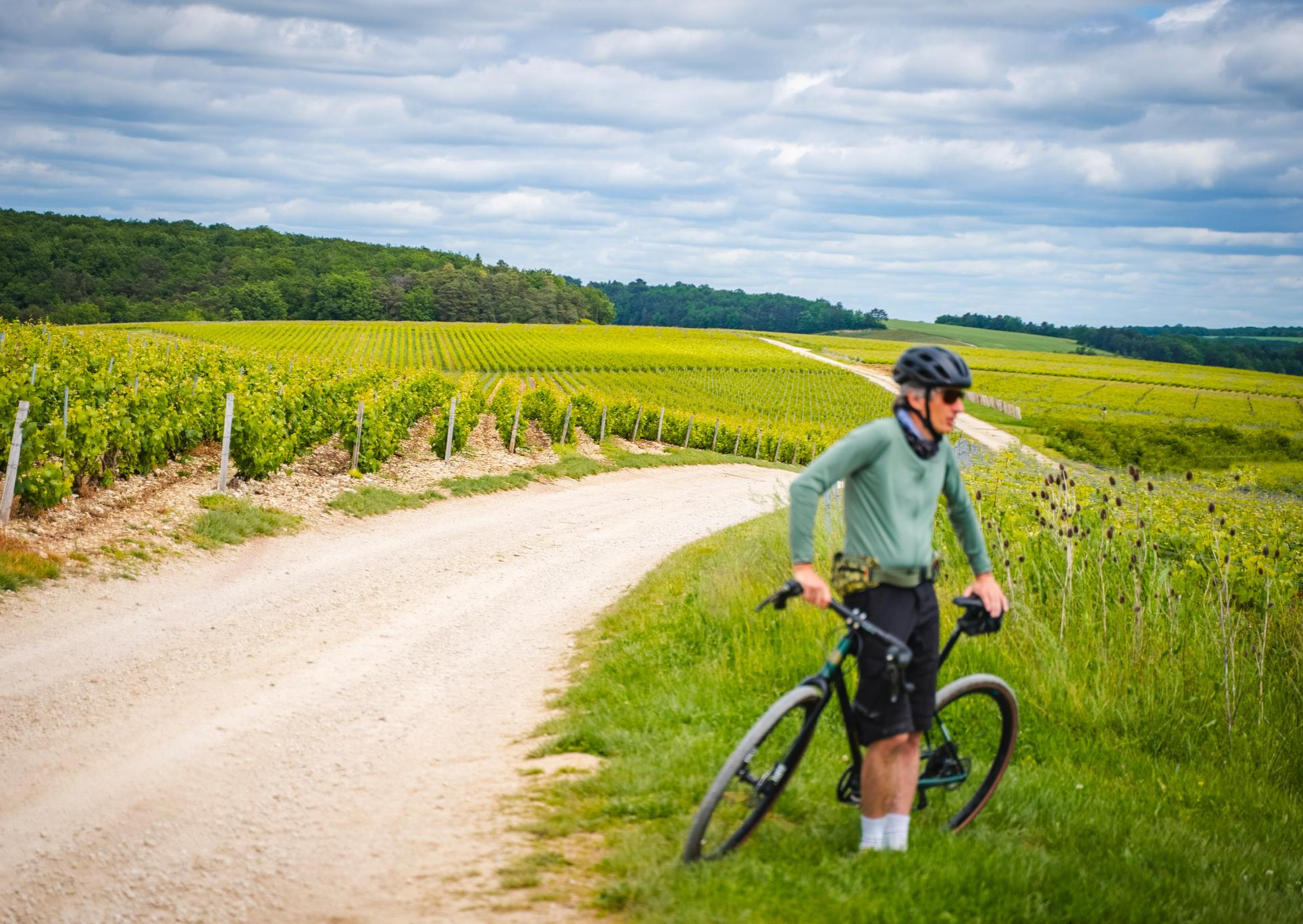
Gravel Routes in l’Aube en Champagne – around the Raid Bulles
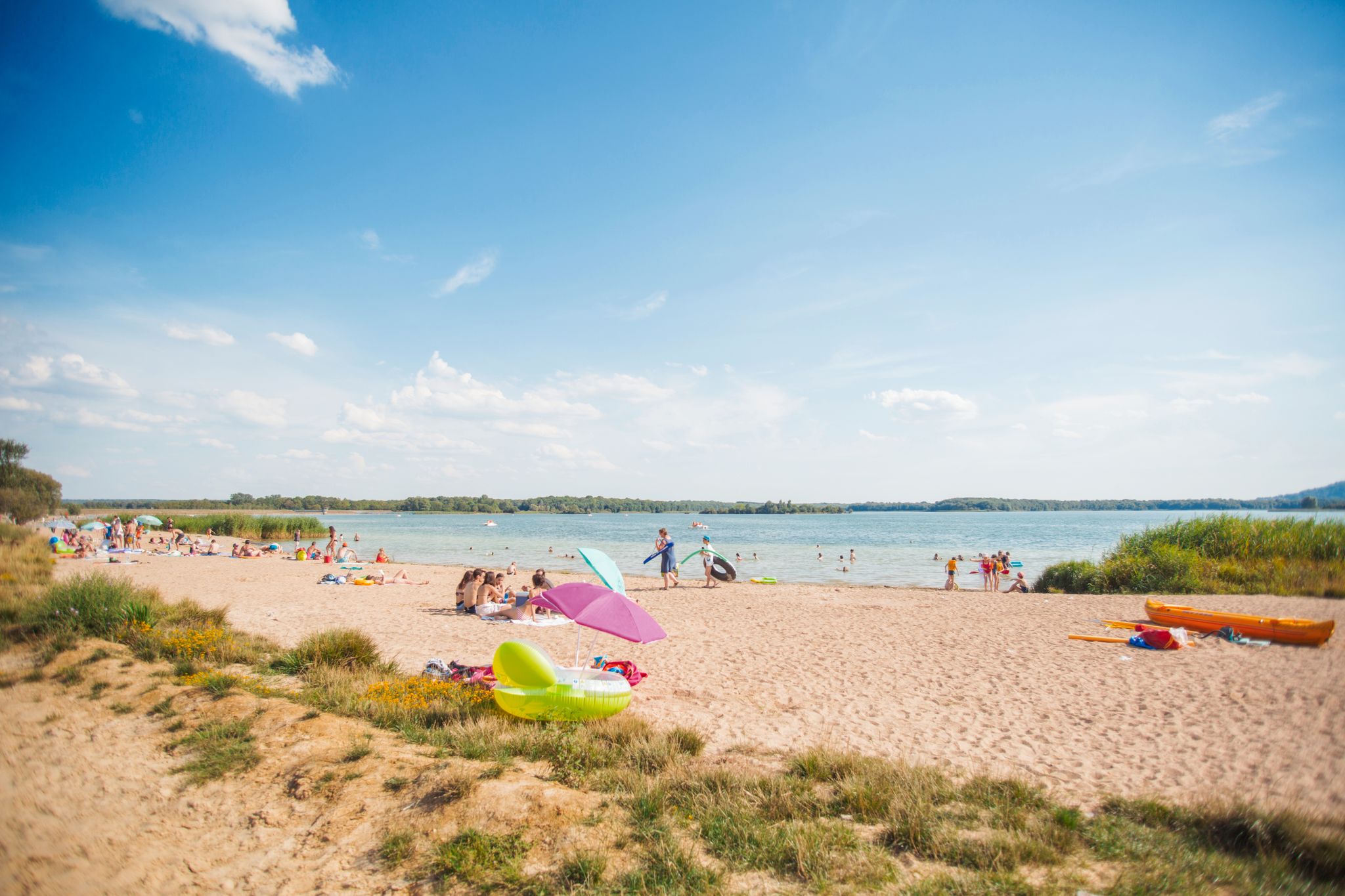
Walking in fresh air or alongside water in the Grand Est
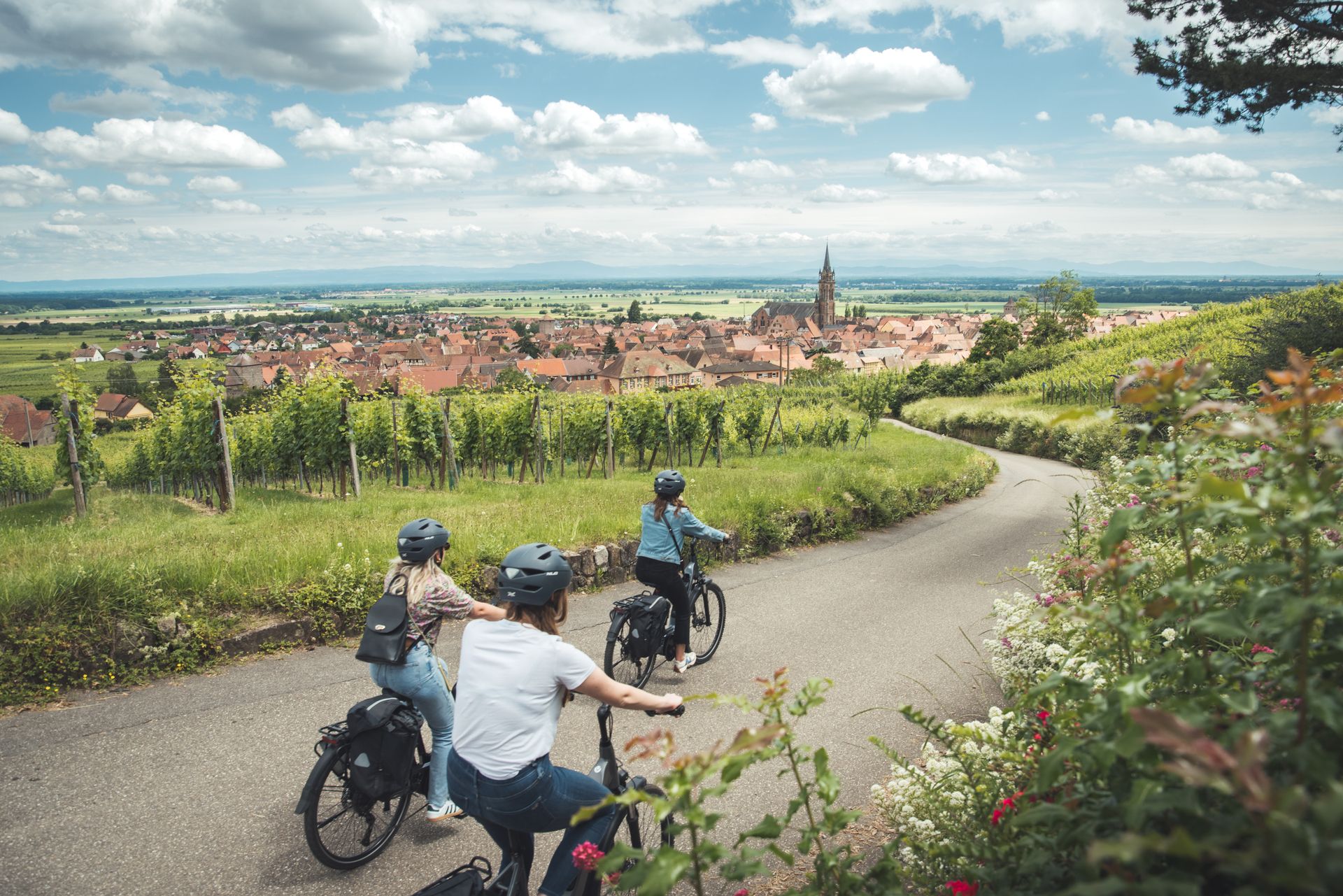
Wine getaways in the Grand Est — cycling between hillsides and traditions
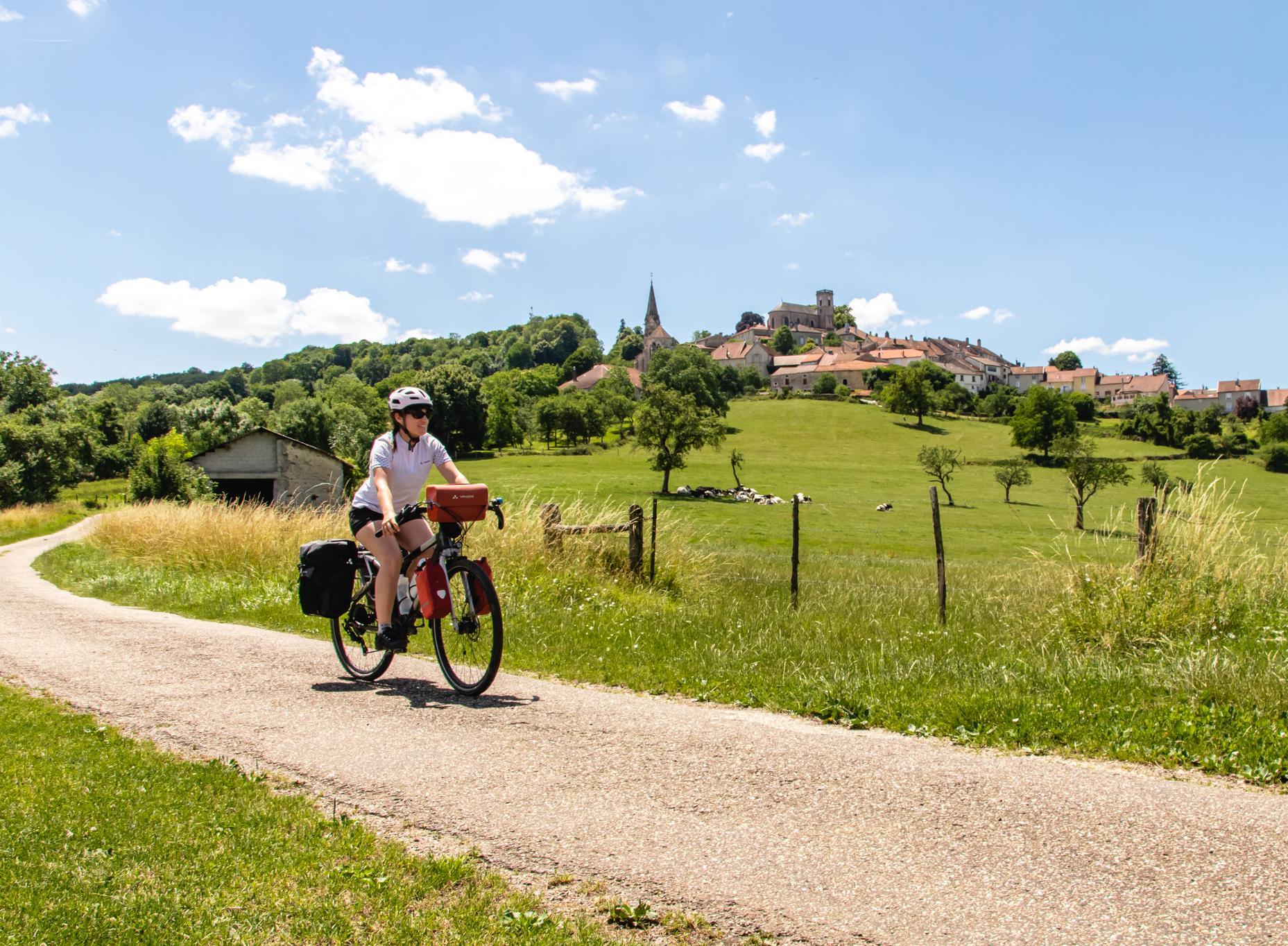
Bikepacking in Grand Est – the must-see routes
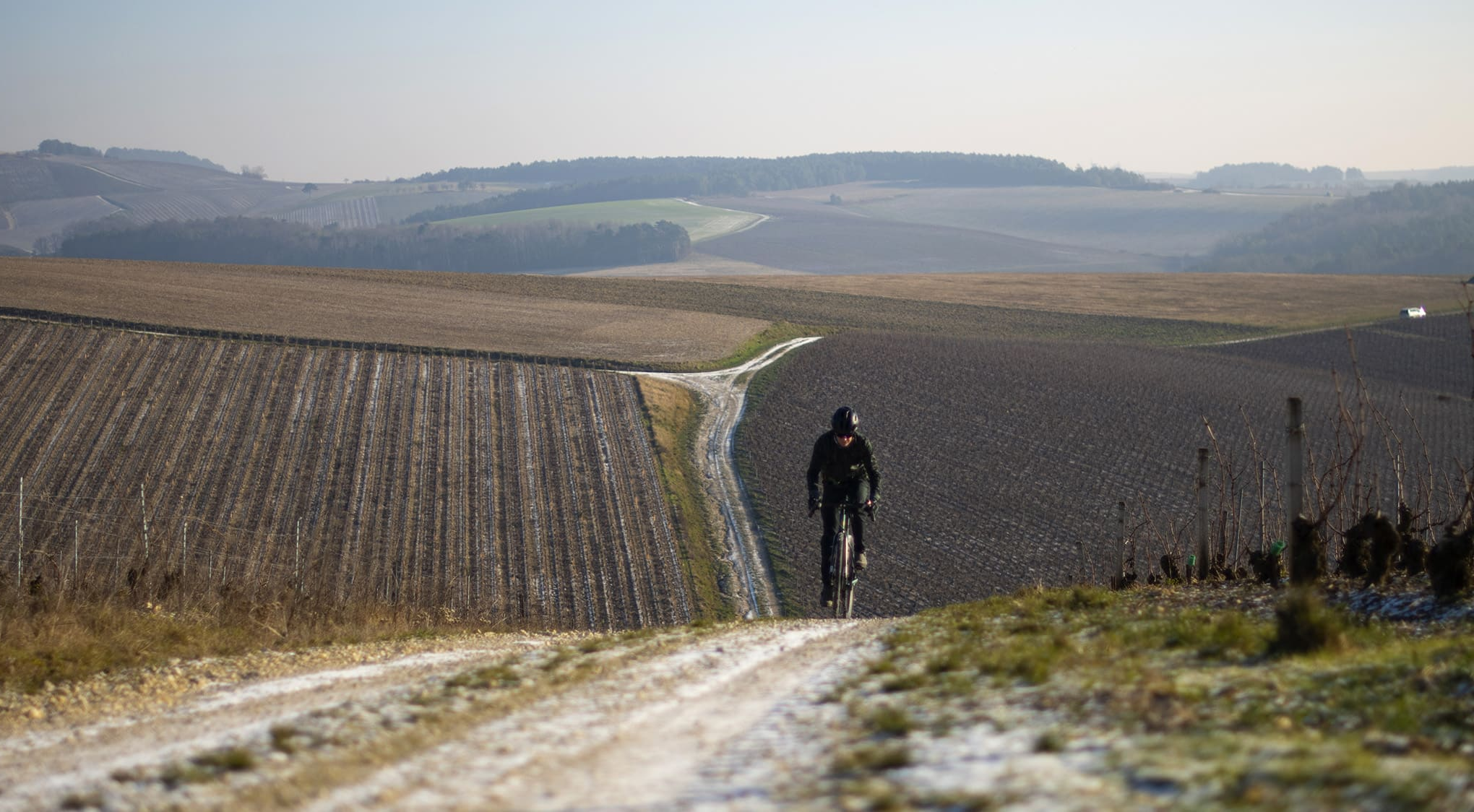
Raid Bulles – a gravel adventure in l'Aube en Champagne
Seine River Trail — A cycling adventure from Dijon to Le Havre
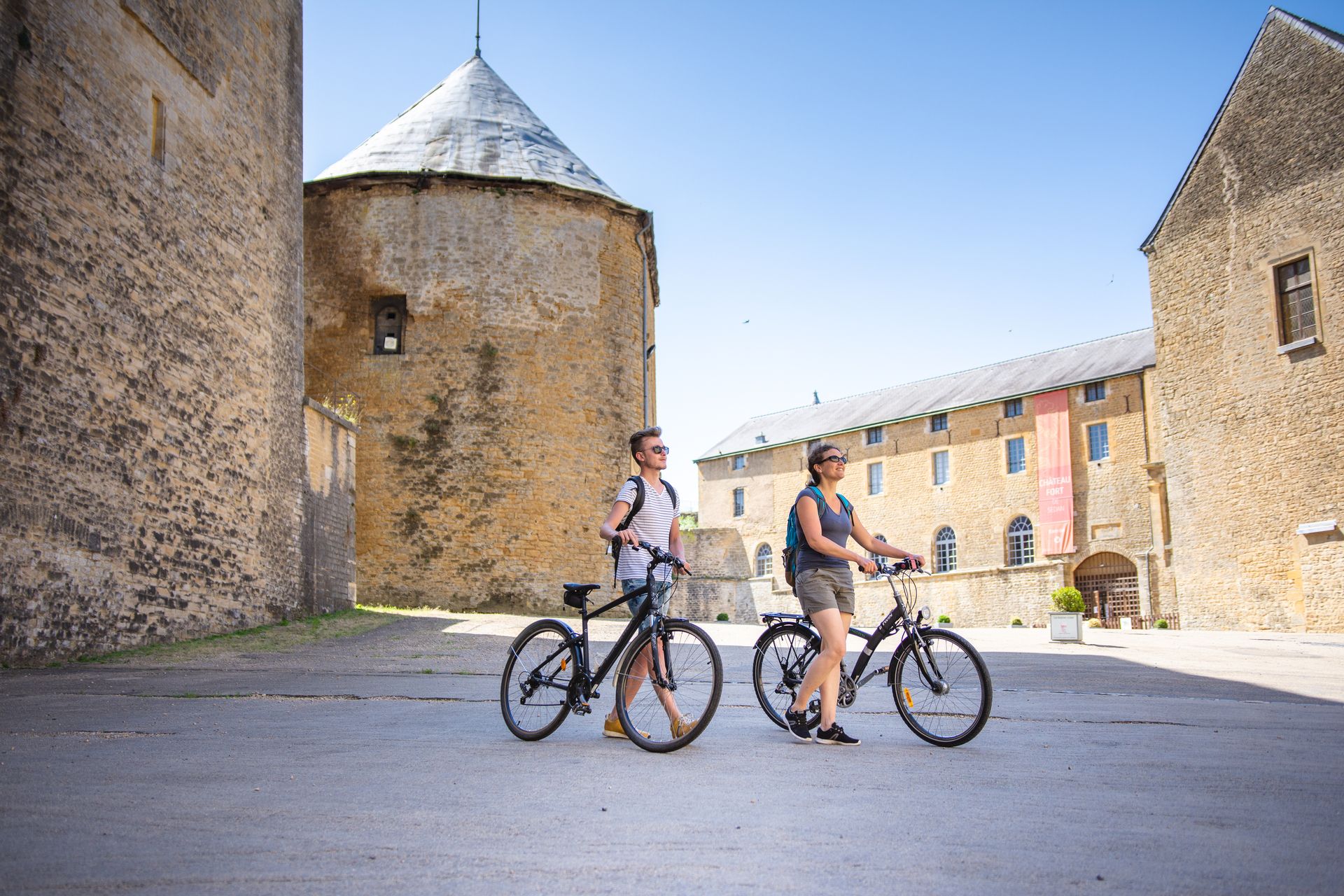
Mémoire, héritage et savoir-faire — Voyages à vélo dans le Grand Est
Hiking around Troyes

Gravel biking around Troyes
Other adventures around Troyes


Tips from the Community


Fun facts & legends • In 1789, the police wanted to put up fences because the alley was notorious as a meeting place for lovers. • A local legend tells of a pregnant woman who was miraculously saved when a wall “moved aside” in front of her belly. • The street is also said to have played a role during epidemics: the many cats helped keep rat populations under control. Why visit? • Very photogenic: One of the most photographed places in Troyes – often featured on postcards. • Historic and romantic: Perfect for those who love medieval towns and hidden gems. • Nearby: You’ll also find cozy cafés and a cat café (“Troyes Petits Chats”), plus a pretty courtyard called Cour du Mortier d’Or and the Jardin Juvénal-des-Ursins.
3
0
The Ruelle des Chats, or Cat Alley, is one of the most charming and famous streets in the old town of Troyes, located in the Champagne region of France. ⸻ 🏛️ History & Architecture • Medieval origins: The alley dates back to the 15th century and was rebuilt after a major fire in 1524. • Why the name “Cat Alley”?: The houses are built so that their upper floors almost lean against each other. It is said that a cat could jump from one roof to the other — hence the name. • Typical half-timbering: The street is paved with a gutter in the middle for rainwater, and the houses are half-timbered with wooden beams that stabilize the whole. ⸻ 🌆 Atmosphere & charm • Romantic appearance: The narrow passage and leaning facades create a mysterious, almost fairytale-like atmosphere. • Reconstruction: In 2014, several half-timbered houses were rebuilt based on old prints and photos. • Preserved thanks to heritage protection: In the 1960s, the street was saved from demolition by the efforts of heritage organisations and Minister André Malraux.
3
0
The 12th century Hôtel de Ville is located in the heart of the historic district of Troyes and was built by Pierre Cottard. The building is built in the style of Louis XIII and the façade with the statue of a "helmeted Minerva" has been listed as a monument historique since 1932.
3
0
In 1482, King Louis XII agreed to entrust the management of the city of Troyes to a mayor, assisted by aldermen. These functions were carried out by magistrates or merchants, usually on a voluntary basis. The first mayor of Troyes was Edmond Le Boucherat. Before him, an advisory council sat occasionally in various places in the heart of the city, such as the chapter of Saint-Pierre or the former convent of Cordeliers. In 1479, the council moved out of this aristocratic district to live permanently in the "corps du bouchon" and rented a house near the church of Saint-Urbain, then known as the Chambre de l'Échevinage, which was equipped with a bell to call meetings. In 1494, the city council bought the Hôtel de Mesgrigny, a large building from the 15th century, and in the 17th century decided to build a new city hall. Louis XIII gave permission to use a small part of the income from the tax on wine and salt. The building was therefore built gradually and was not finished until around 1672. In 1933 and 1937, two wings were added to the back by the architect F. Balley. The central facade, with its blue Tournai marble columns, has a niche with a helmeted Minerva, replacing a statue of Louis XIV that was destroyed during the French Revolution. On the monumental mantelpiece in the council chamber, there is still a large wooden medallion with the effigy of this king, sculpted in 1687 by the Trojan François Girardon (1628-1715). Another memorable trace of the Revolution on the facade is the revolutionary motto that was displayed on all French town halls at the time: "Unité, Indivisibilité de la République, Liberté, Égalité, Fraternité ou la Mort" ("Unity, Indivisibility of the Republic, Liberty, Equality, Fraternity or Death").
3
0
Opening hours: High season (1 April–31 Oct): Mon–Sat 09:30–12:30 & 14:00–18:00, Sun 14:00–18:00. Low season (1 Nov–31 Mar): Mon–Sat 09:30–12:30 & 14:00–17:00, Sun 14:00–17:00 troyeslachampagne.com . Free admission. Audio guides available in several languages (€2) .
3
0
The Église Sainte-Madeleine in Troyes is one of the oldest and most remarkable churches in the city. The Église Sainte-Madeleine combines centuries-old Gothic architecture with magnificent 16th-century stained glass windows and a monumental jubé that is one of the few remaining stone rood screens. Perfect for lovers of art history and medieval splendor – a hidden gem in the heart of Troyes.
3
0
This Gothic church was built in the 13th century and rebuilt in the 16th century. It is 77 m long, with a 17.3 m wide nave and a 9 m high aisle. The choir is 24.7 meters wide and 21 meters high. It has three naves and eight bays, the first three dating from the 16th century and the next five from the 13th century. It is the site of an important historical event, as it was in this church that King Henry V of England married Catherine of Valois, daughter of King Charles VI of France and Isabeau of Bavaria. It was partially destroyed, the south and west, by the fire of 1524 and rebuilt after this event. The clock on the eponymous tower dates from 1789. It lost the top of its tower during the night of August 23-24, 1911, when it collapsed onto the buildings on Rue Mignard. The Guillemette bell had been cast in 1524, and the other dated from 1902. The church was weakened and had to be supported by wooden and plaster props on the pillar legs. The building was listed as a historic monument in 1840.[1]
3
0
Frequently Asked Questions
What historical sites should I visit in Troyes?
Troyes boasts a rich history. Don't miss the magnificent Cathedral of Saint Peter and Saint Paul in Troyes, a Gothic masterpiece with stunning stained-glass windows. The oldest church in Troyes, Church of Saint Mary Magdalene, is celebrated for its exceptional stone carvings and rood-screen. You can also explore the Basilique Saint-Urbain, a prime example of radiant Gothic architecture, and the Renaissance-era Hôtel de Vauluisant.
Where can I experience the natural beauty around Troyes?
Just 15-20 minutes from Troyes, the Orient Forest Regional Park (Parc Naturel Régional de la Forêt d'Orient) offers a diverse ecosystem with three large lakes, including Orient Lake, and ancient trees. Within the city, Parc des Moulins provides a tranquil green space. The Pays d'Othe to the west is known for its vast forests and hiking trails.
Are there any unique architectural features to see in Troyes?
Absolutely. The city center is famous for its well-preserved half-timbered houses, many dating back to the 16th century. A must-see is Cats' Alley, a narrow medieval alley where the leaning buildings are so close at the top that a cat could reportedly jump from one roof to another.
What cultural attractions does Troyes offer beyond historical buildings?
Troyes has several notable museums. The Musée d'Art Moderne, housed in the former bishop's palace, features works by artists like Degas and Picasso. The Maison de l'Outil et de la Pensée Ouvrière (Museum of Tools and Working Methods) is one of the largest tool museums globally. The Cité du Vitrail (City of Stained Glass) showcases the evolution of stained-glass artistry, and the Musée Saint-Loup covers fine arts, archaeology, and natural history.
Are there family-friendly activities available in and around Troyes?
Yes, many attractions are suitable for families. The Orient Forest Regional Park is excellent for swimming, water sports, and cycling along the Vélovoie. Within the city, exploring the historic center and its half-timbered houses, including Cats' Alley, can be an engaging experience for all ages. The Waterfall and arch on the Vélovoie des Lacs d'Orient is also a popular spot for families cycling.
What outdoor activities, like cycling or hiking, can I do near Troyes?
The area around Troyes is excellent for outdoor enthusiasts. The Orient Forest Regional Park offers extensive opportunities for hiking and cycling, particularly along the 'Vélovoie' greenway. You can find various cycling routes, including easy and moderate options around the lakes, by checking the Cycling around Troyes guide. For mountain biking, there are trails like those around Lac d'Orient and Montaigu Hill, detailed in the MTB Trails around Troyes guide.
Where can I find scenic viewpoints near Troyes?
For panoramic views, head to Montaigu Hill near Souligny, which offers wide vistas of the plain. The Montgueux Ridge, often called the 'balcony of Troyes,' provides spectacular views of the city's historic steeples and roofs. Within the Orient Forest Regional Park, various spots around Orient Lake offer beautiful natural scenery.
What is the best time of year to visit Troyes and its attractions?
Troyes is charming year-round, but the spring and summer months (May to September) generally offer the most pleasant weather for exploring the city's historic center on foot and enjoying outdoor activities in the Orient Forest Regional Park. During these months, you can also experience the water jets at Le Coeur de Troyes.
Is it possible to explore the Champagne region from Troyes?
Yes, Troyes serves as an excellent gateway to the Champagne region. You can easily access the 600 km long Champagne Trail from here, offering opportunities to visit local producers and vineyards. The Montgueux Ridge, known for its Chardonnay grapes, is also nearby.
What are some lesser-known or "hidden gem" attractions in Troyes?
Beyond the main highlights, consider exploring the Halles District, a covered market perfect for discovering local specialties like andouillette sausage and Chaource cheese. The Apothicairerie de l'Hôtel-Dieu-le-Comte, located within the Cité du Vitrail, is a historic apothecary museum that offers a unique glimpse into the past.
How can I explore Troyes' historic city center?
The city center of Troyes, distinctively shaped like a champagne cork, is best explored on foot. Wander through its well-preserved streets to discover medieval and Renaissance architecture, including numerous half-timbered houses. Don't miss the famous Cats' Alley and the impressive Cathedral of Saint Peter and Saint Paul.
Are there any attractions in Troyes that are wheelchair accessible?
While many historic sites in Troyes may have limited accessibility due to their age, some areas and newer installations are designed to be accessible. For example, the Inlet canal bridge, part of the cycling network around the lakes, is noted as wheelchair accessible. It's advisable to check specific venue information for detailed accessibility details before your visit.
What do visitors particularly enjoy about the attractions around Troyes?
Visitors frequently praise the historical charm of Troyes, especially the unique half-timbered houses and the atmosphere of Cats' Alley. The grandeur of the Cathedral of Saint Peter and Saint Paul and its stained glass windows also receive high acclaim. For nature lovers, the scenic cycling routes and tranquil environment of the Orient Forest Regional Park, including spots like the Waterfall and arch on the Vélovoie des Lacs d'Orient, are highly appreciated.
Most popular routes around Troyes
Most popular attractions around Troyes

Get inspired with the komoot mobile app


Didn’t find what you were looking for?
Are you keen on exploring more awesome places nearby? Browse our guides:
Explore more
Still not found the Highlight you’re looking for? See guides of the top attractions in other regions:
