The best MTB trails around Le Barcarès
4.3
(133)
646
riders
26
rides
Mountain biking around Le Barcarès offers diverse terrain, situated between the Mediterranean Sea and the Etang de Salses-Leucate. The region features a blend of coastal paths, natural areas like Parc des Dosses, and pine forests. Distant views of the Corbières mountain range and the Canigou massif provide a scenic backdrop. This varied landscape provides mountain bike trails suitable for different skill levels.
Best mountain bike trails around Le Barcarès
- The most popular mountain bike trail is Salses Fortress – Le Grau de Leucate loop from Les jardins du Mas de la tourre, a 37.1 miles (59.7 km) moderate trail that takes 3 hours 43 minutes to complete. This route offers views of the Etang de Salses-Leucate.
- Another top favourite among local mountain bikers is Le Grau de Leucate – StreetArt loop from Coudalère, an easy 19.8 miles (31.9 km) path. This trail features coastal scenery and urban art elements.
- Local mountain bikers also love the Torreilles Beach – Canet-en-Roussillon Promenade loop from Oasis (Le Barcarès), a 27.0 miles (43.5 km) trail leading through coastal paths, often completed in about 2 hours 31 minutes.
- Mountain biking around Le Barcarès is defined by coastal scenery, the Etang de Salses-Leucate, and pine forests. The network offers options for different ability levels, from easy to moderate.
- The routes in Le Barcarès are highly rated by the komoot community with an average score of 4.4 stars from over 140 reviews. More than 500 mountain bikers have used komoot to explore Le Barcarès's varied terrain.
Last updated: August 14, 2026
4.3
(43)
153
riders
Moderate mountain bike ride. Good fitness required. Suitable for all skill levels.
4.8
(21)
70
riders
Moderate mountain bike ride. Good fitness required. Suitable for all skill levels.

Sign up for free
4.4
(9)
67
riders
Easy mountain bike ride. Great for any fitness level. Suitable for all skill levels.
3.8
(12)
16
riders
30.4km
01:47
30m
30m
Easy mountain bike ride. Great for any fitness level. Suitable for all skill levels.
4.8
(5)
11
riders
40.9km
02:29
40m
40m
Moderate mountain bike ride. Good fitness required. Suitable for all skill levels.
Get access to more routes and recommendations from other explorers.
Sign up for free
Already have an account?
Our route recommendations are based on thousands of hikes, rides, and runs completed by other people on komoot.
Start today with a free account
Your next adventure awaits.
Login or Signup

Tips from the Community

It was built between 1497 and 1502 in the Principality of Catalonia by the Catalan King Ferdinand II of Aragon. The fortress guarded the Catalan side of the border with France. France conquered this fortress in 1642. After the Treaty of the Pyrenees, the fortress became part of France.
1
0


great place for a picnic, parking close by but no toilets.
0
0


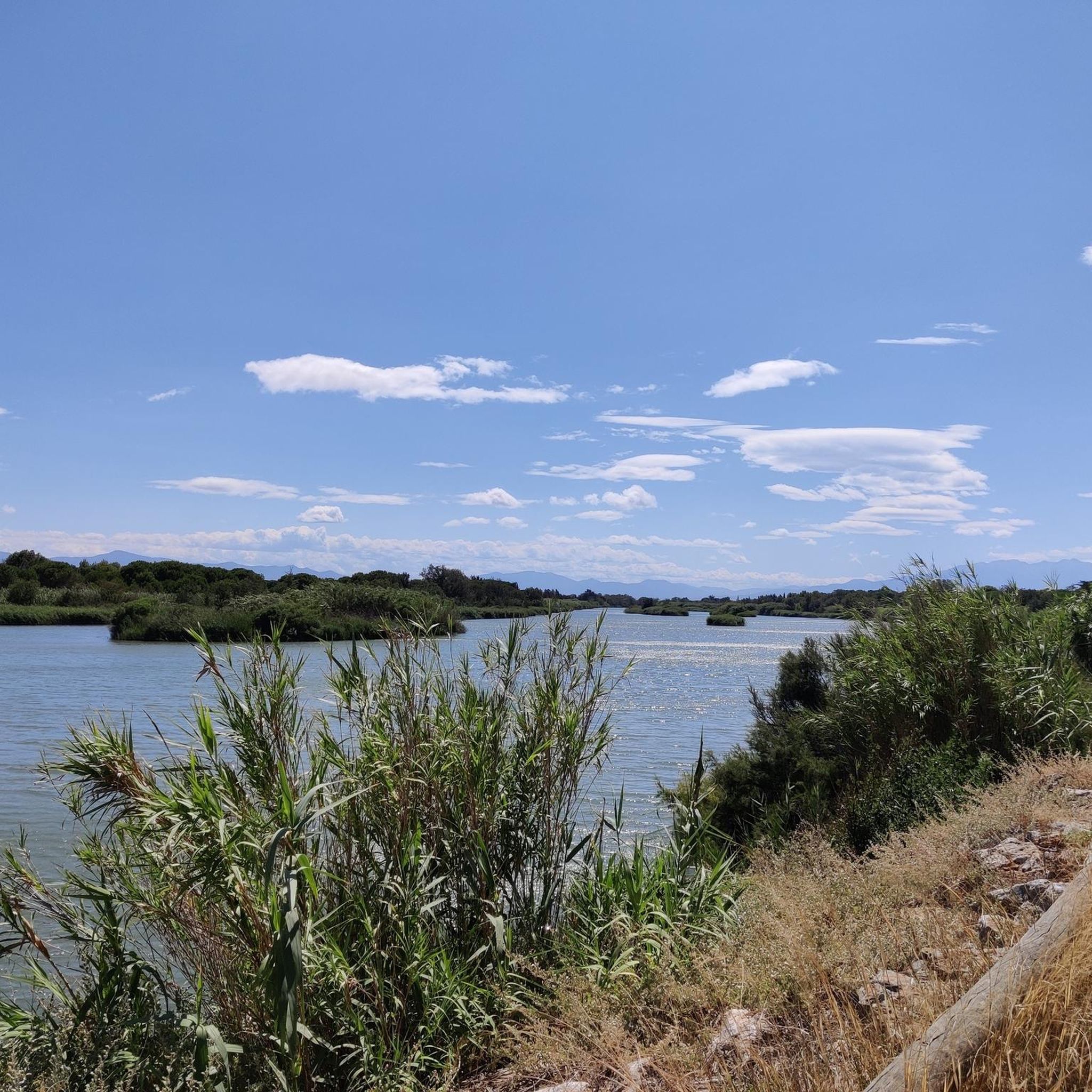
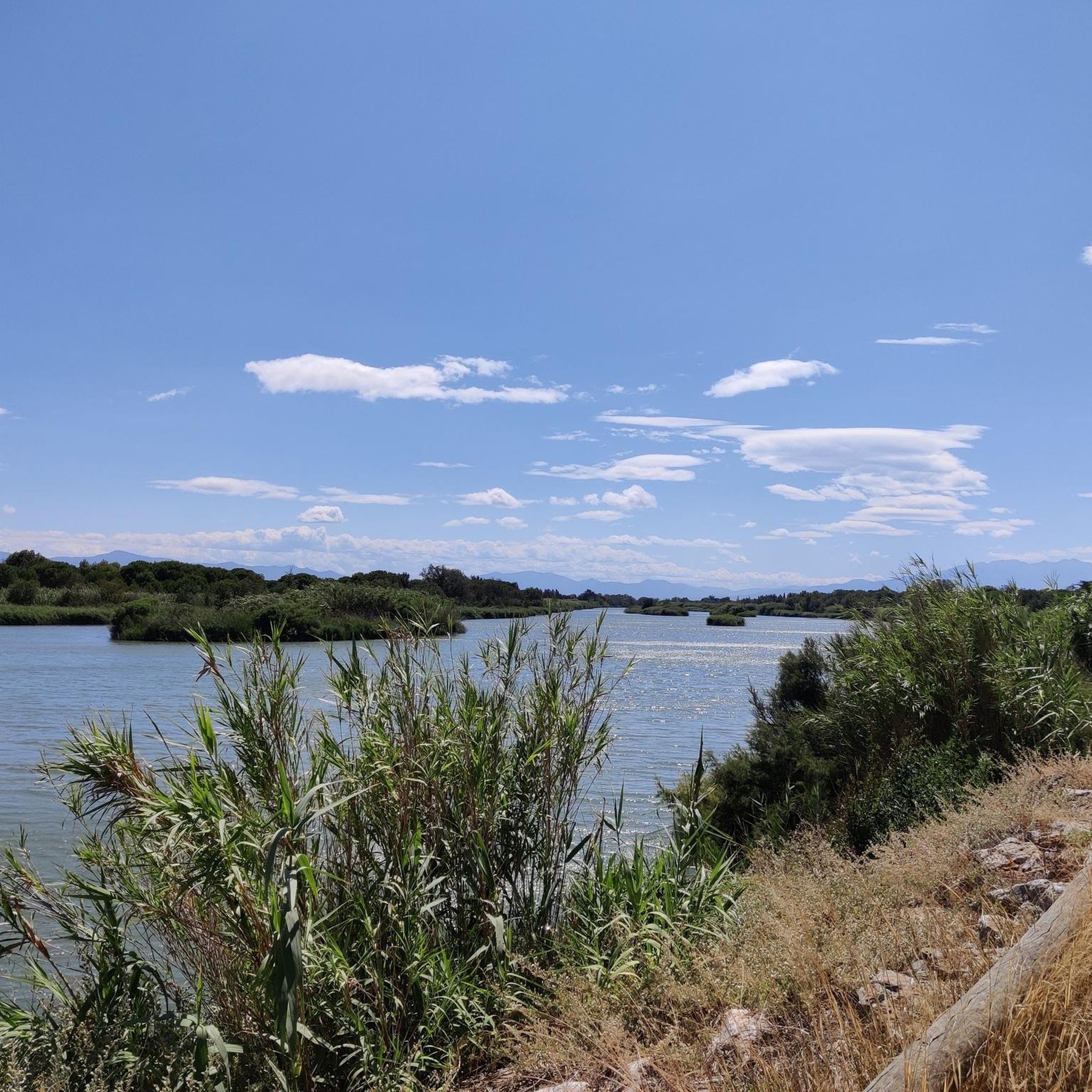
Nice cycle path!
0
0
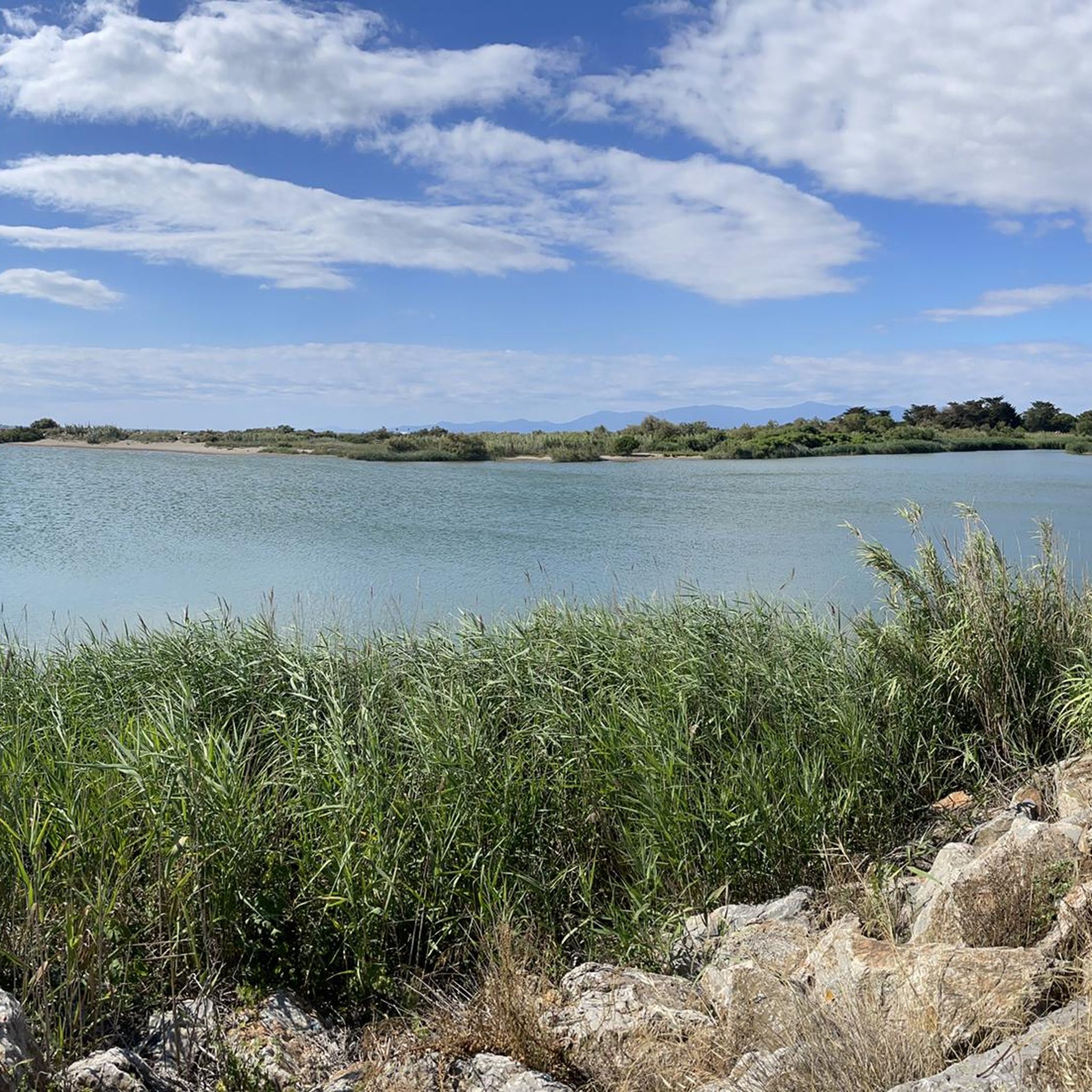
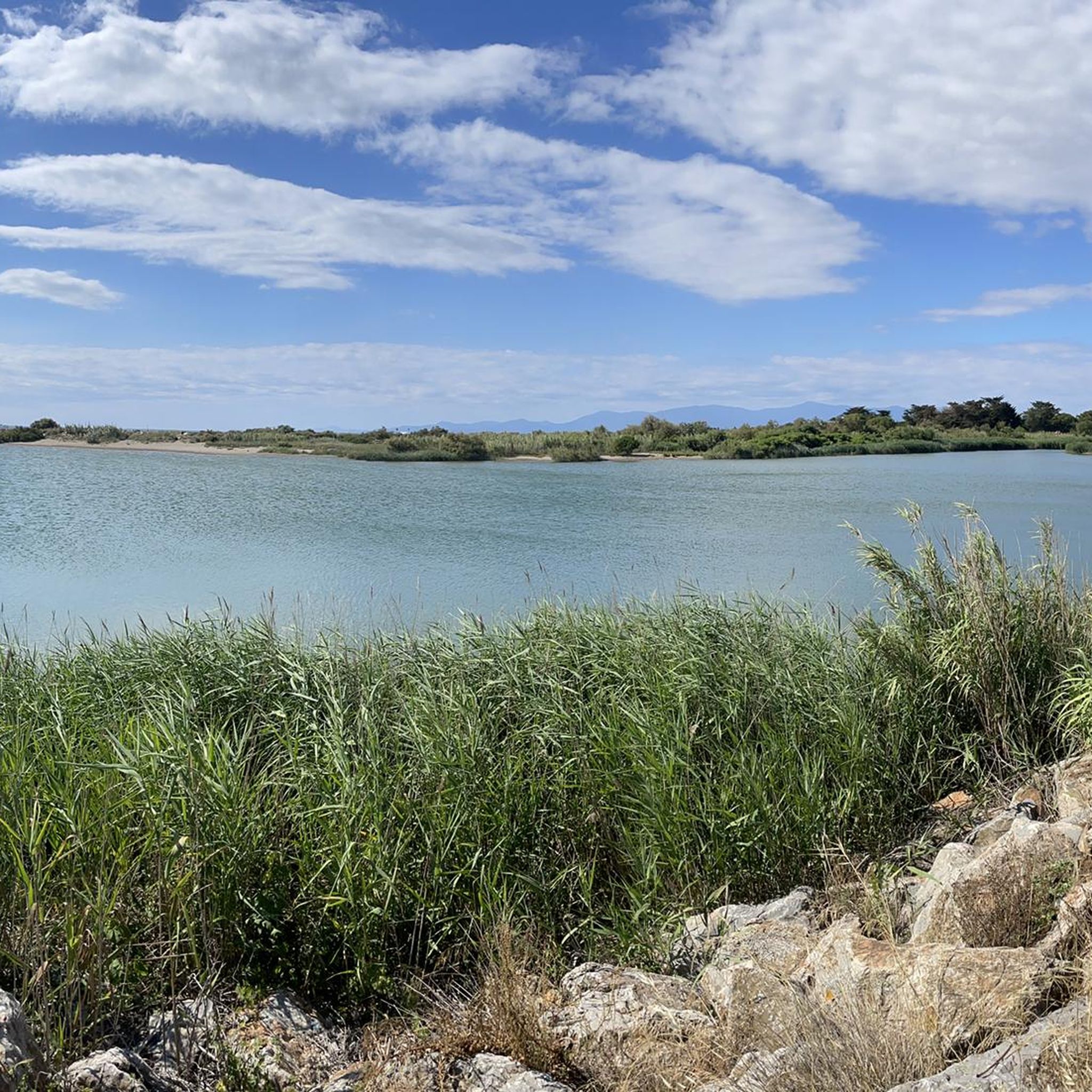
Beautiful expanses of water, it's beautiful!!
1
0
Frequently Asked Questions
How many mountain bike trails are available in Le Barcarès?
There are 24 mountain bike trails around Le Barcarès listed on komoot, offering a variety of experiences. These include 14 easy routes and 10 moderate routes, ensuring options for different skill levels.
What kind of terrain can I expect on mountain bike trails in Le Barcarès?
Mountain biking in Le Barcarès offers a diverse landscape, blending coastal paths, natural areas like Parc des Dosses, and pine forests. You'll find trails along the Mediterranean Sea and the Etang de Salses-Leucate, with distant views of the Corbières mountain range and the Canigou massif providing a scenic backdrop.
Are there any easy mountain bike trails suitable for beginners in Le Barcarès?
Yes, Le Barcarès has 14 easy mountain bike trails. An excellent option for beginners is the Le Grau de Leucate – StreetArt loop from Coudalère, which is 31.9 km long and features coastal scenery and urban art elements. Another easy ride is the Saint-Ange Marina – Mouth of the Agly River loop from Les Jardins du Barcarès, covering 26.9 km.
What are some scenic mountain bike routes in Le Barcarès?
Many routes offer beautiful scenery. The Salses Fortress – Le Grau de Leucate loop from Les jardins du Mas de la tourre provides views of the Etang de Salses-Leucate. The Torreilles Beach – Canet-en-Roussillon Promenade loop from Oasis (Le Barcarès) takes you along coastal paths. The region's blend of sea, pond, and pine forests ensures picturesque rides.
Are there any mountain bike trails that pass by interesting landmarks or viewpoints?
Yes, several trails offer access to notable landmarks. The Salses Fortress – Le Grau de Leucate loop from Les jardins du Mas de la tourre passes near the historic Salses Fortress. You can also find scenic spots like the Cycle Path Along the Agly River, which offers views of orchards and the Canigou massif, and the Grau de Leucate Oyster Village.
What do other mountain bikers say about the trails in Le Barcarès?
The mountain bike routes in Le Barcarès are highly rated by the komoot community, with an average score of 4.4 stars from over 140 reviews. Over 500 mountain bikers have used komoot to explore the varied terrain, often praising the diverse coastal scenery and the well-maintained paths through natural areas.
Are there any circular mountain bike routes in Le Barcarès?
Yes, many of the mountain bike trails in Le Barcarès are designed as loops. Examples include the Salses Fortress – Le Grau de Leucate loop from Les jardins du Mas de la tourre, the Le Grau de Leucate – StreetArt loop from Coudalère, and the Torreilles Beach – Canet-en-Roussillon Promenade loop from Oasis (Le Barcarès).
What is the best time of year for mountain biking in Le Barcarès?
Le Barcarès benefits from a Mediterranean climate, making spring and autumn ideal for mountain biking. The weather is generally milder and more pleasant than the heat of summer, and the trails are less crowded. However, many trails are accessible year-round, especially the easier coastal paths.
Are there family-friendly mountain bike trails in Le Barcarès?
Yes, Le Barcarès offers several easy trails suitable for families. The Agly Greenway, accessible from Le Barcarès, is a smooth, flat path perfect for relaxed family rides. Additionally, the Squirrel Pine Forest provides a natural, safe space for bike rides away from traffic. Many of the 14 easy routes are suitable for families.
Can I bring my dog on the mountain bike trails in Le Barcarès?
While specific regulations for dogs on mountain bike trails can vary, many natural areas and greenways in Le Barcarès are generally dog-friendly, provided dogs are kept on a leash. It's always advisable to check local signage or the specific trail's guidelines before heading out with your dog, especially in protected natural sites like Parc des Dosses.
Where can I find more information about outdoor activities in Le Barcarès?
For more details on various outdoor activities, including cycling, and to discover other natural spaces in the region, you can visit the official Le Barcarès tourism website. They provide information on sports activities, cycling, and natural areas.
Most popular routes around Le Barcarès
Most popular attractions around Le Barcarès

Get inspired with the komoot mobile app


Explore more
Browse the best MTB trails in other regions.
