The best cycling routes around Flaxlanden
4.3
(1189)
8,792
riders
386
rides
Touring cycling routes around Flaxlanden traverse a diverse landscape in the Haut-Rhin department of Alsace, France. The region features flat agricultural lands, extensive forests, and routes that extend into the foothills of the Vosges Mountains. Cyclists can also find paths along scenic waterways such as the Rhône-Rhine canal and the Canal de Huningue. This varied terrain provides options for different cycling preferences.
Best touring cycling routes around Flaxlanden
- The most popular touring cycling route is Eglingen Lock – Port of…
Last updated: October 14, 2026
4.7
(197)
1,073
riders
84.2km
04:46
210m
210m
Moderate bike ride. Good fitness required. Mostly paved surfaces. Suitable for all skill levels.
4.6
(8)
68
riders
11.5km
00:40
20m
20m
Easy bike ride. Great for any fitness level. Mostly paved surfaces. Suitable for all skill levels.

4.6
(7)
22
riders
128km
07:27
300m
300m
Hard bike ride. Very good fitness required. Mostly paved surfaces. Suitable for all skill levels.
4.8
(6)
27
riders
44.5km
02:40
230m
230m
Moderate bike ride. Good fitness required. Mostly paved surfaces. Suitable for all skill levels.
5.0
(2)
21
riders
54.9km
03:14
250m
250m
Moderate bike ride. Good fitness required. Mostly paved surfaces. Suitable for all skill levels.
Get access to more routes and recommendations from other explorers.
Already have an account?
Our route recommendations are based on thousands of hikes, rides, and runs completed by other people on komoot.
Start today with a free account
Your next adventure awaits.
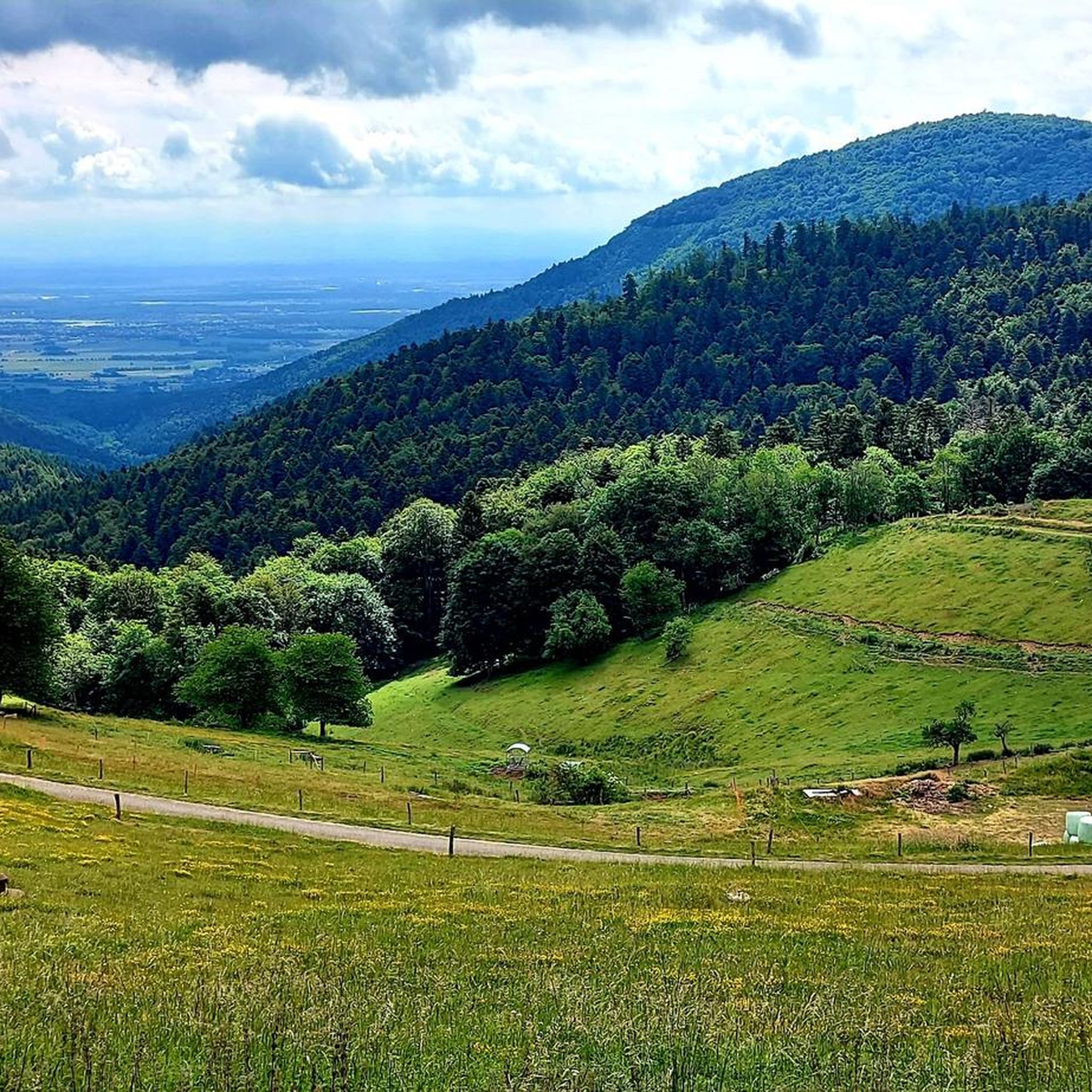
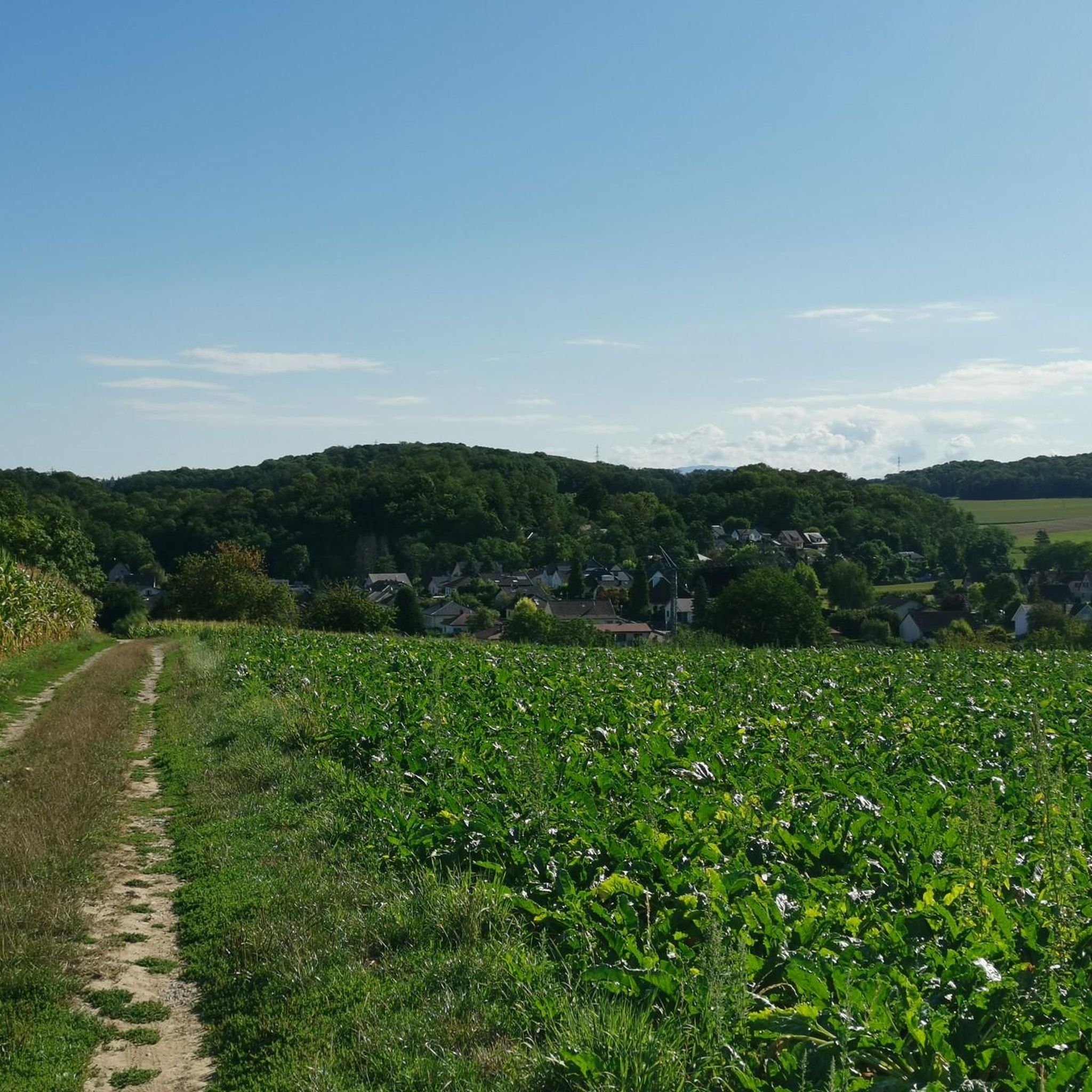
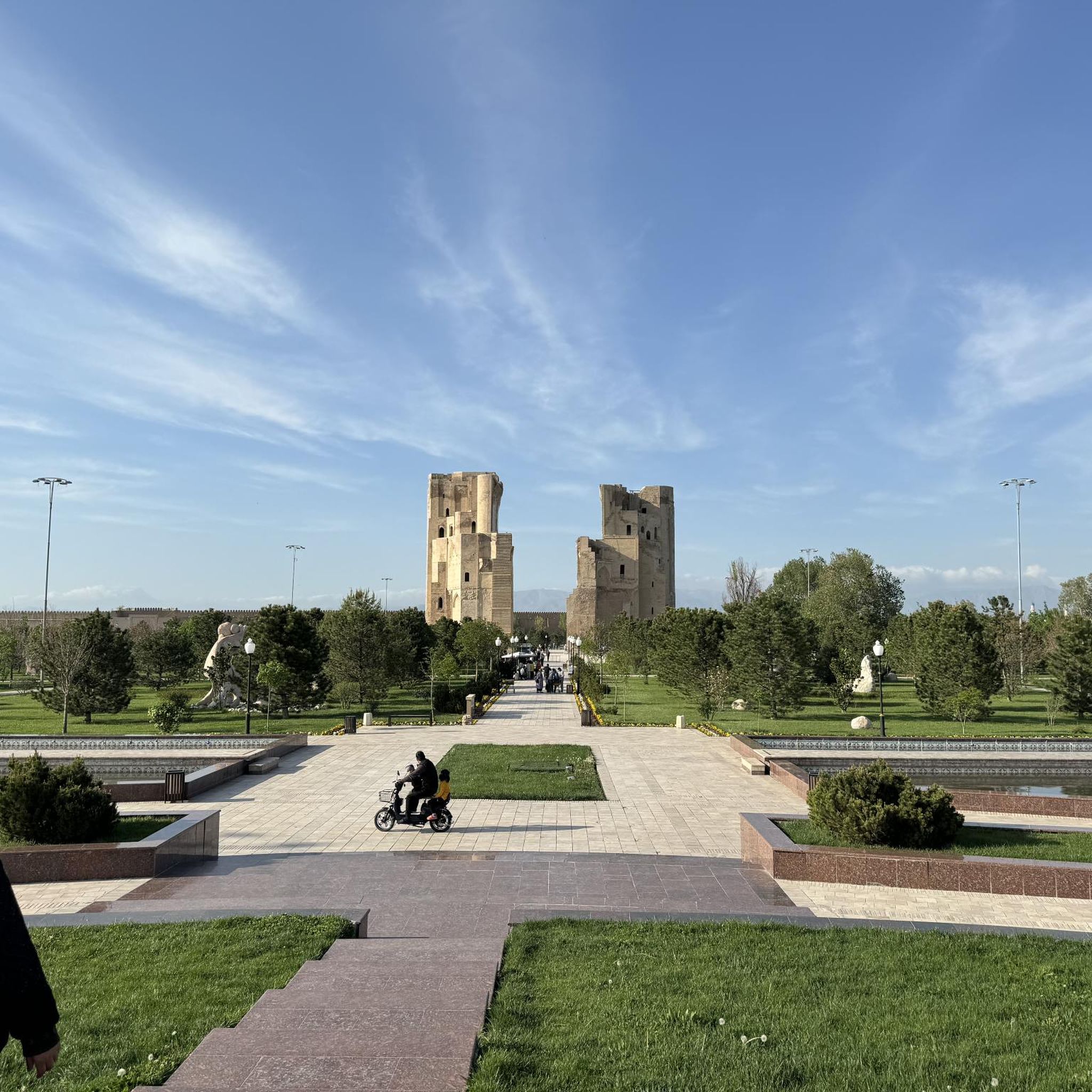
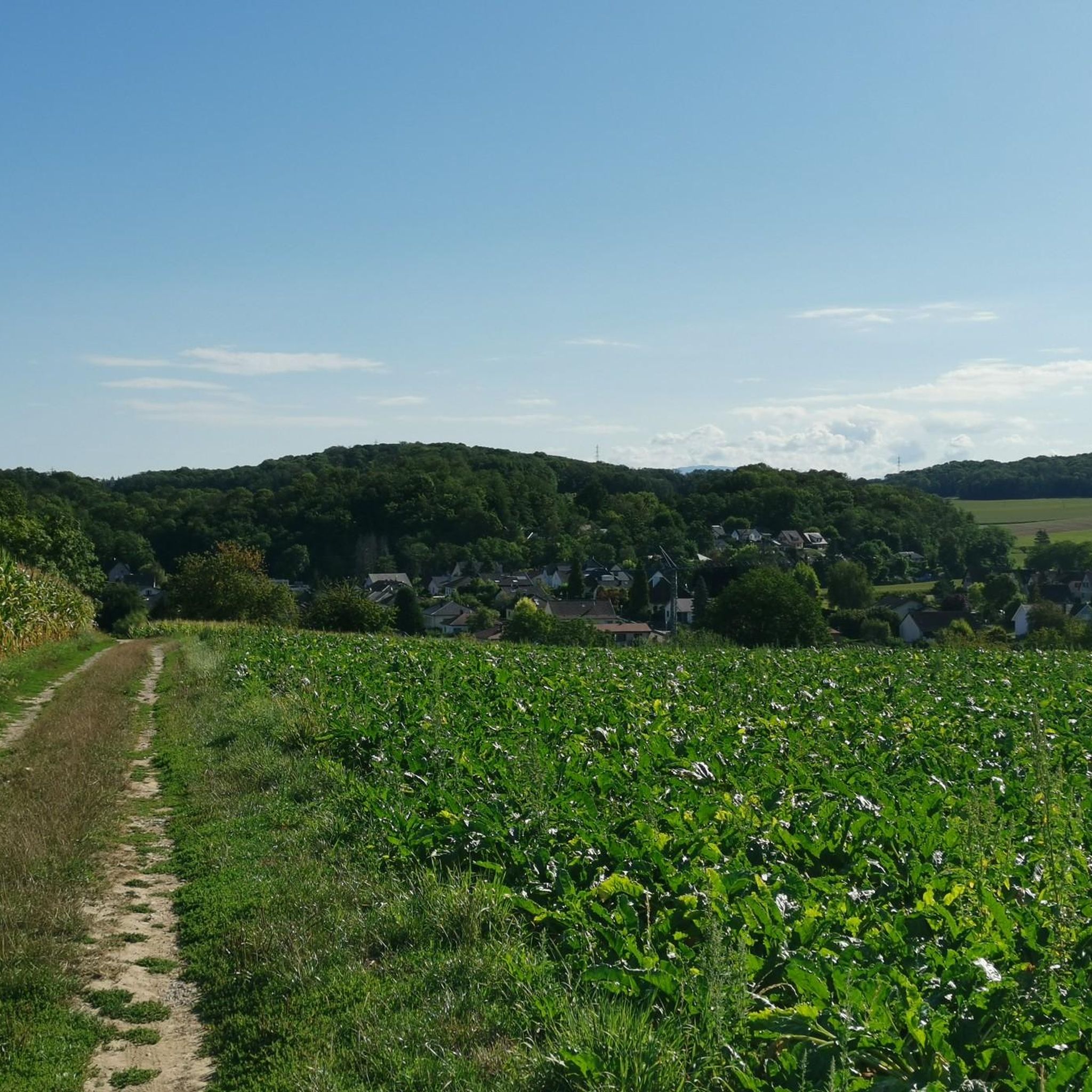

Tips from the Community

Bahnhof Burnhaupt-le-Haut The Bahnhof Burnhaupt-le-Haut is located on the former railway line from Cernay to Sewen, which led through the Dollertal. The line was built in the 19th century and was of great importance for passenger and freight transport in the region. During the First World War, the station gained particular strategic importance. Burnhaupt was located immediately behind or close to the front line between German and French troops. The railway was used to transport soldiers, weapons, ammunition, and other supplies. Due to the fighting, the station was heavily damaged. After the war, the station building was rebuilt between 1921 and 1923. A building typical of the region with elements of Alsatian architecture was created. The station has largely been preserved to this day and serves as a reminder of the importance of the railway for the region's development and the destruction of the First World War. Regular passenger service on the line was discontinued in 1967, and the line was later closed. Part of the former railway line is now operated as a museum railway by Train Thur Doller Alsace. Historic locomotives and wagons run on the line through the Dollertal, making the history of the railway tangible for visitors. The Bahnhof Burnhaupt-le-Haut is therefore not only a former transport hub, but also a historic site where the history of the region, the railway, and the First World War converge. Further information and historical photos: Train Thur Doller Alsace – Bahnhof Burnhaupt
0
0

unfortunately overgrown due to water traffic
0
0

Guuge Konzärt, the special Alemannic carnival, begins on Monday at 4 a.m. with the morning parade and ends on Thursday at 4 a.m., all one week after Rose Monday.
0
0

Short MTB / BMX type track in the woods next to the cannel path.
0
0

The French and European National Cycleway is a great cycleway winding along side of the Rhine Rhone Canal with very little climbing, for those who do not like to climb. However those who are climbing shy, must be aware of the wind in this area. A lot of the locks still have the former lock man’s house which adds a bit of charm to every lock. One is never alone on this route as there is a constant passing of bicycles, both leisure and racing bikes.
0
0

Be sure to allow a cup of coffee
1
0

Rivers and canals crisscross the country, the latter in particular being a crucial part of the transport infrastructure in earlier times. Later, first rail, and later again trucks, took over the task of transporting goods. In the competition between different modes of transport, they were faster and cheaper than barges – and thus more efficient. When building the artificial waterways, however, it had to be taken into account that differences in elevation always had to be overcome, and so locks are often lined up along the canals – at varying intervals, depending on the local situation. Only with their help was shipping possible.
0
0

Beautiful view of Basel's old town with the magnificent Mittlere Brücke (Middle Bridge). Basel's oldest bridge, dating back to the 13th century.
2
0
Frequently Asked Questions
How many touring cycling routes are available around Flaxlanden?
There are over 400 touring cycling routes around Flaxlanden, offering a wide variety of options for different skill levels and preferences. You'll find everything from easy canal paths to more challenging routes in the foothills of the Vosges Mountains.
What kind of terrain can I expect on touring cycling routes in Flaxlanden?
The region offers diverse terrain. You can expect routes that wind through flat agricultural lands and extensive forests, such as those leading towards Bruebach and Waldeck. There are also scenic paths along waterways like the Rhône-Rhine canal and the Canal de Huningue. For those seeking more challenge, routes extend into the foothills of the Vosges Mountains, offering ascents and panoramic views.
Are there any easy touring cycling routes suitable for beginners or families?
Yes, Flaxlanden has many easy routes. For a tranquil experience along canals and through local scenery, consider the Illfurth lock – Heidwiller lock loop from Flaxlanden. This path is 8.5 miles (13.6 km) long with minimal elevation gain, making it ideal for a relaxed ride.
What are some notable landmarks or attractions I can see while cycling around Flaxlanden?
While cycling, you can encounter several interesting points. The Zillisheim Drawbridge and Lock No. 35 is a notable feature along some routes. The wider region also offers cultural sites like the Mulhouse Historical Museum and the Grand Cannon of Zillisheim. Many routes also follow the picturesque Rhône–Rhine Canal.
Are there any circular touring cycling routes in the Flaxlanden area?
Yes, many routes are designed as loops, allowing you to start and end in the same location. A popular moderate option is the Eglingen Lock – Port of Dannemarie loop from Flaxlanden, which is 34.9 miles (56.1 km) and connects various locks and ports. Another is the Blue drawbridge Zillisheim – Beautiful view loop from Flaxlanden, a 27.6 miles (44.5 km) trail through varied terrain.
What is the best season for touring cycling in Flaxlanden?
The spring, summer, and early autumn months generally offer the most pleasant conditions for touring cycling in Flaxlanden. During these seasons, you'll experience milder weather, lush landscapes, and easier access to amenities. The Alsace Wine Route, nearby, is particularly charming in late summer and early autumn during harvest season.
Are there routes with significant elevation gain for more advanced cyclists?
While many routes are relatively flat, the proximity to the Vosges Mountains allows for more varied and challenging cycling. Routes often feature ascents, such as the climb to the Galgen near Flaxlanden, Zillisheim, and Bruebach, appealing to cyclists seeking elevation gains and panoramic views. The Port of Dannemarie – Eglingen Lock loop from Zillisheim, for example, includes nearly 300 meters of elevation gain.
What do other touring cyclists enjoy most about cycling in Flaxlanden?
The area is highly rated by the komoot community, with an average score of 4.4 stars from over 1000 reviews. Reviewers often praise the diverse landscapes, from tranquil canal paths to forest trails and agricultural lands, as well as the well-maintained routes that cater to various skill levels.
Are there any touring cycling routes that pass through charming villages or towns?
Yes, many routes around Flaxlanden connect to or pass near charming villages and towns. While cycling, you can integrate stops in nearby Mulhouse, which offers botanical gardens and parks. The wider Alsace region, accessible by bike, is known for its picturesque villages along the Wine Route, such as Bergheim, Ribeauvillé, Riquewihr, and Colmar, which make for excellent cycling destinations.
Is public transport available to access touring cycling routes in Flaxlanden?
Flaxlanden is situated in a region with good infrastructure. While specific public transport links directly to every trailhead may vary, major towns like Mulhouse, which is close to Flaxlanden, are well-connected. It's advisable to check local bus or train schedules for connections to specific starting points for your chosen route.
Are there opportunities to combine cycling with other outdoor activities?
Absolutely. The region supports a range of outdoor activities. Beyond touring cycling, you can find opportunities for mountain biking and hiking. The natural reserves along the Canal de Huningue, such as the Petite Camargue Alsacienne, offer chances to explore aquatic flora and fauna, making it easy to combine a bike ride with nature observation.
Where can I find more information about the wider region's attractions?
For more information on attractions and activities in the broader Mulhouse region, which is very close to Flaxlanden, you can visit the official tourism website: tourisme-mulhouse.com. This can help you plan your cycling trips to include cultural or natural points of interest.
Most popular routes around Flaxlanden
Most popular attractions around Flaxlanden

Get inspired with the komoot mobile app


Explore more
Browse the best Cycling routes in other regions.
