Attractions and Places To See around Vallière - Top 20
Attractions and places to see around Vallière are concentrated in the Creuse department, offering a blend of historical sites and natural landscapes. The area features a rich history, evidenced by its medieval bridges and churches, alongside cultural landmarks. Natural surroundings include extensive woods and plains, providing opportunities for outdoor exploration. The region is also home to significant waterways and artificial lakes, contributing to its diverse appeal.
Best attractions and places to see around Vallière
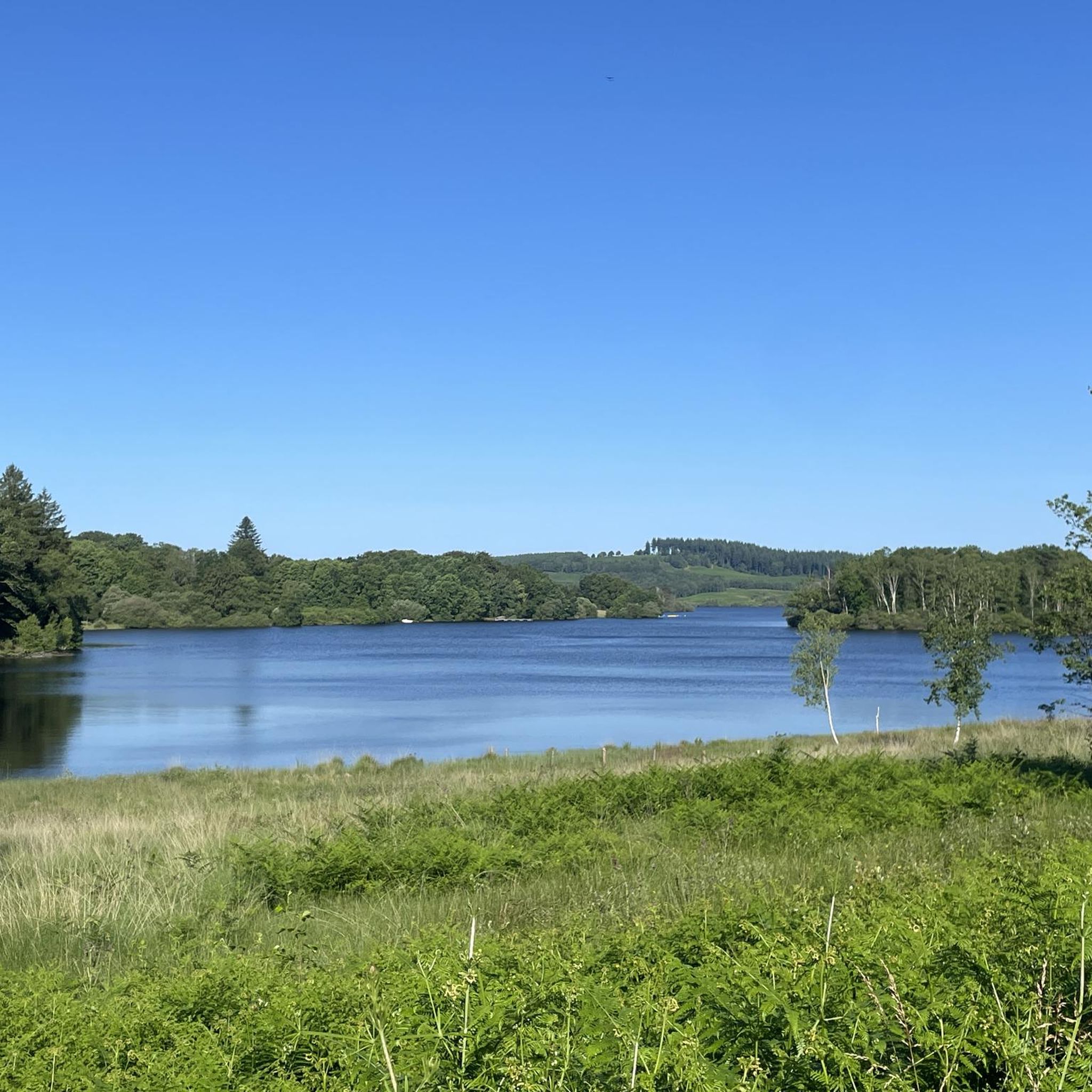
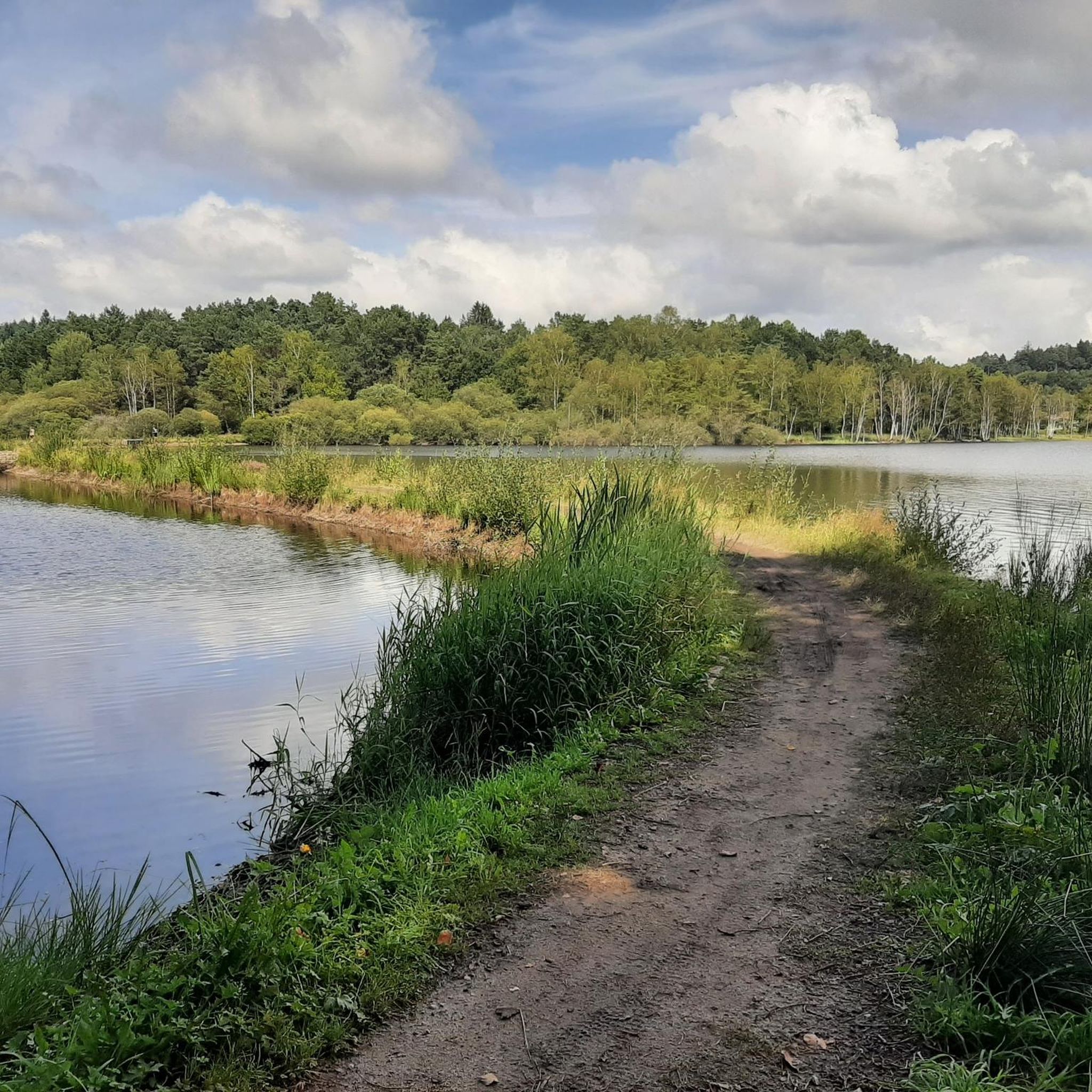
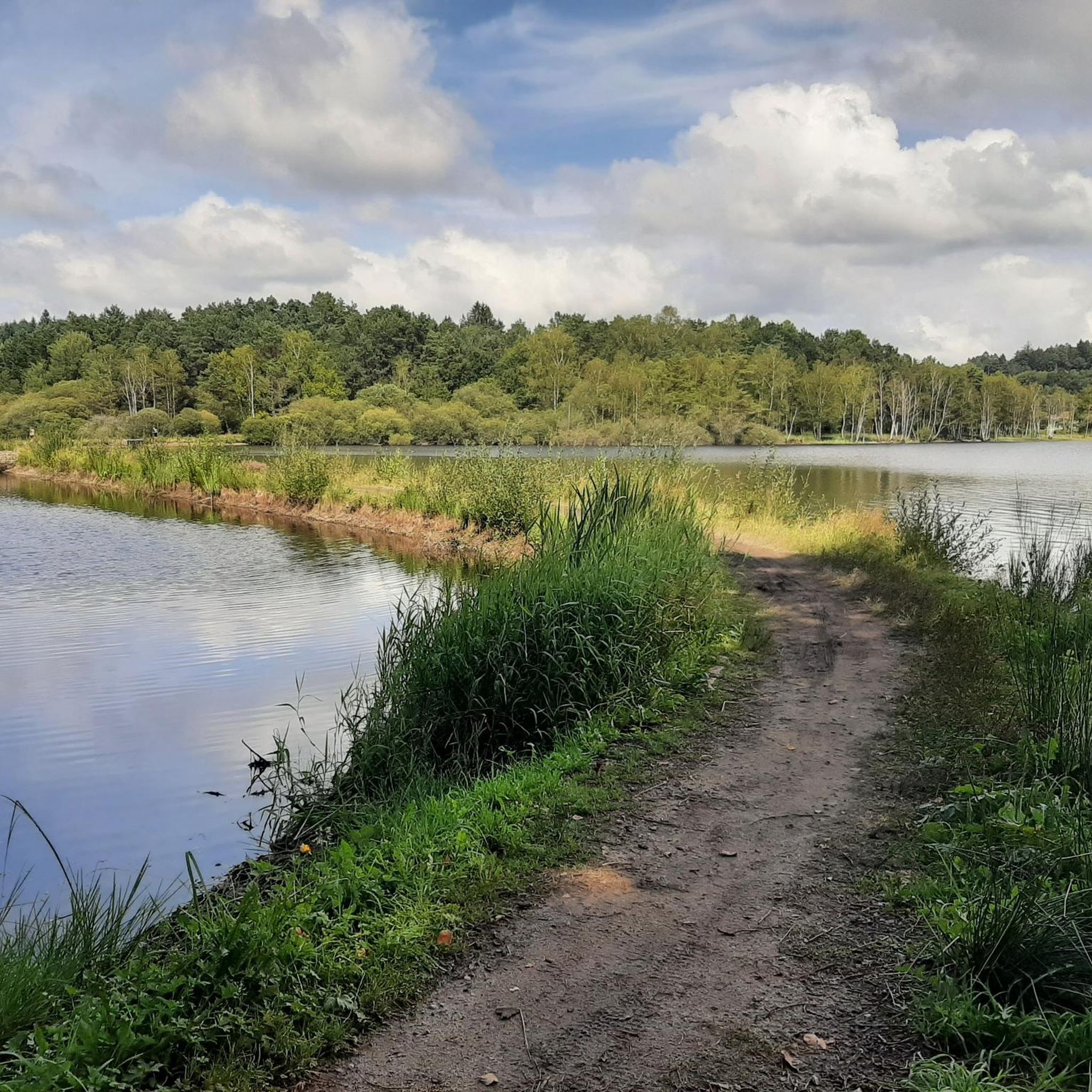
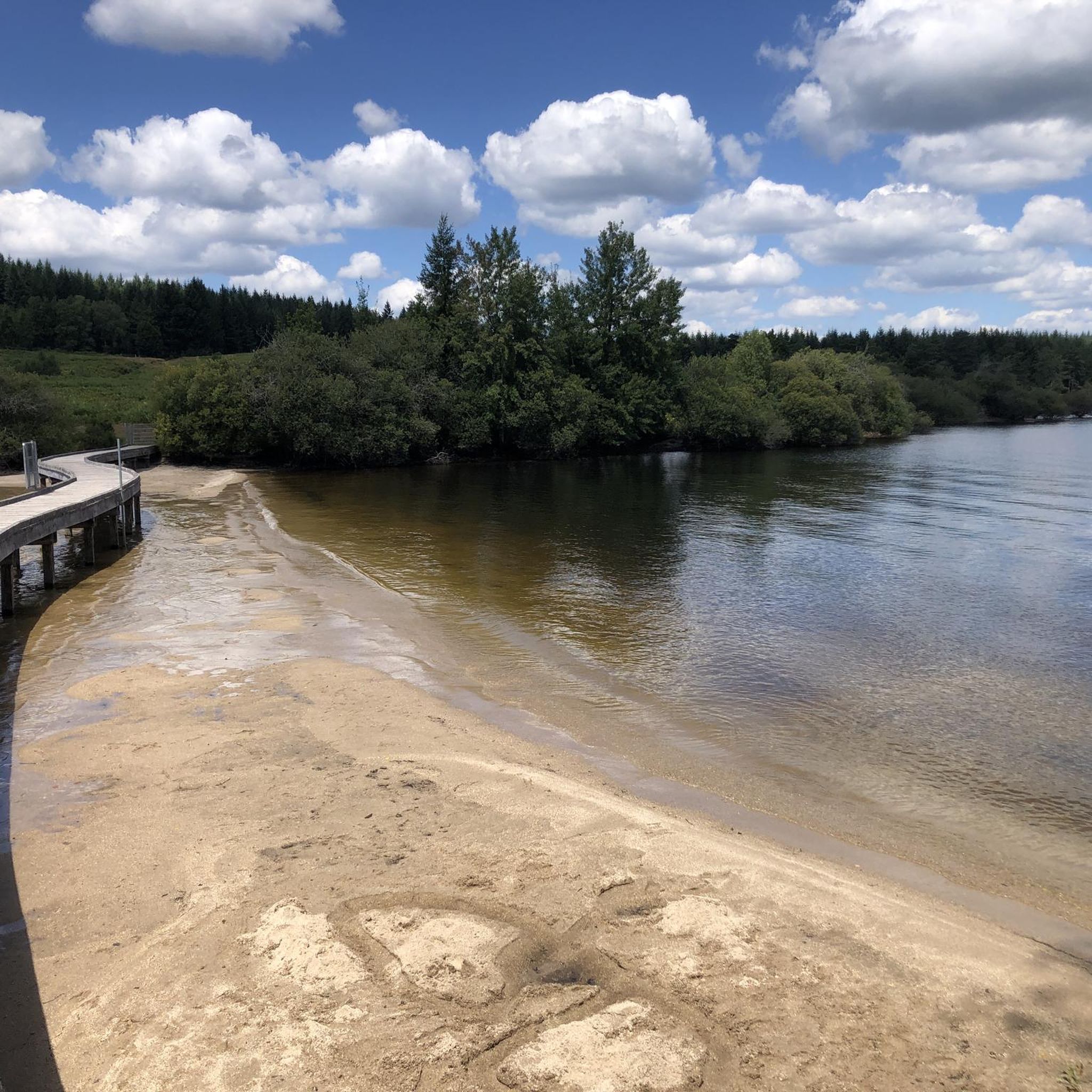
- The most popular attractions is Lake Vassivière, a lake that is the largest in the Limousin region and a significant artificial lake in France. This expansive lake is designed for tourism, featuring an island and several peninsulas with numerous hiking trails.
- Another must-see spot is Aubusson — Tapestry Capital, a settlement renowned for its historical know-how in tapestries. Visitors can explore this commune of around 3,500 inhabitants, recognized as an International Tapestry City.
- Visitors also love Terrade Bridge, a bridge emblematic of Aubusson. Originally made of wood, it was rebuilt with stones from a dismantled castle and remains in a remarkable state of conservation.
- Vallière is known for its historical sites, natural lakes, and cultural heritage. The area offers a variety of attractions to see and explore, from medieval architecture to expansive natural landscapes.
- The attractions around Vallière are appreciated by the komoot community, with more than 30 upvotes and 7 photos shared by visitors.
Last updated: October 19, 2026
Terrade Bridge
Highlight • Bridge
Translated by Google •
Tip by

Church of La Nouaille
Highlight • Religious Site
Source: tourisme-creuse.com
Translated by Google •
Tip by

Sign up now to discover places like this
Get recommendations on the best single tracks, peaks, & plenty of other exciting outdoor places.
Lake Vassivière
Highlight • Lake
On the developed banks there are several campsites and restaurants. The whole thing remains quite intimate.
Translated by Google •
Tip by

Roby bridge
Highlight • Other
Translated by Google •
Tip by
Aubusson — Tapestry Capital
Highlight • Settlement
Recognized for its historical know-how in tapestries, Aubusson is named International Tapestry City and a museum is dedicated to it. More information: cite-tapisserie.fr
Translated by Google •
Tip by

Sign up for free to discover even more attractions around Vallière.
Already have an account?
Start today with a free account
Your next adventure awaits.

Tips from the Community

Overcrowded tourist village
0
0

after 90km on the Tour de la Creuse a swim in the lake in the evening at the campsite is a plus
0
0

Superb site, one of the largest artificial lakes in France
0
0

This bridge is emblematic of Aubusson. Originally made of wood, it was essential for commercial exchanges on the road from Limoges to Clermont-Ferrand. It was rebuilt with stones from the castle (itself dismantled on the orders of Rochelieu). There remains a castle (from the 15th century) on the left bank, which formerly housed the archers in charge of the defense of the building.
1
0

Be careful if you have to go visit the museum, call before, they can close to the public without warning on the site.
0
0

The Pont de la Terrade in Aubusson was until the 18th century, the only crossing point of the Creuse on the main road leading to Limoges. This passage was gradually abandoned in favor of the later, larger Récollets bridge. Thus the Terrade bridge remains today in a remarkable state of conservation. It has undergone very few modifications related to the development of modern transport. Originally made of wood, it is deployed across the river from a stone pile. Natural rot, bad weather and the importance of the Creuse wines, the bridge became dangerous due to its dilapidated state despite various repairs from the middle of the 16th century. The need for reconstruction is felt. It was replaced by a stone bridge built between 1638 and 1641 with materials from the ruins of the old medieval castle of the first Viscounts of Aubusson, the Chapter. This Huguenot defensive stronghold was destroyed on the orders of Richelieu in 1632. The Pont de la Terrade, property of the town, was listed in the inventory of historical monuments on June 15, 1926. Carefully restored in 2009, this building preserved charm illustrates the typicality of the architecture of Aubusson.
0
0
This medieval bridge, known as the 'Soubre Bridge' and made up of four arches, those at the ends in a semi-circular arch, the other two in a pointed arch, bears the name of a tapestry manufacturer whose workshops were located nearby. In the 16th century, Felletin was a prosperous town which saw the development of a significant number of industries: flour milling, tanning, paper milling, dyeing, etc. The river provided the energy necessary for the operation of the numerous mills. Next to the bridge, we notice the toll terminal symbolizing the duty that had to be paid to bring certain goods and foodstuffs into the city. Listed as a Historic Monument in 1926. Source: https://www.tourisme-creuse.com/
0
0
The building from the end of the 12th century is composed of a nave with three bays, a transept and a choir with a flat apse. In the nave, the barrel vault with beams rests on broken arch arcades supported by capitals with crossettes and fluted bases. Four half-columns with capitals with foliage and heads decorate the transept and receive the arches of the pointed vault as well as that of the choir. The molding dates from the 14th century. The bedside window is decorated with a trefoil tracery. The chapel created between two buttresses to the north, vaulted in broken cradle, dates from the 14th century. 14th century door with tympanum carved with oak leaves. The door on the east facade dates from the 18th century. The isolated bell tower dates from the end of the 12th century. The four buttresses placed in the middle of the faces do not appear to have been added afterwards. The old arrow presents a regional type. Source: https://www.tourisme-creuse.com
0
0
Frequently Asked Questions
What historical sites can I explore around Vallière?
The region around Vallière is rich in history. You can visit the medieval Terrade Bridge in Aubusson, which was rebuilt with stones from a dismantled castle. Another significant historical landmark is the Church of La Nouaille, dating back to the end of the 12th century. Don't miss the medieval Roby bridge, a listed Historic Monument near Felletin. Additionally, the Church of St-Martin-de-Tours, originally from the 13th century, and the Gallo-Roman Cemetery of St Bonnet offer further glimpses into the area's past.
Are there any family-friendly attractions near Vallière?
Yes, Lake Vassivière is an excellent destination for families. As the largest lake in the Limousin region, it offers a variety of activities such as boat trips, water skiing, and buoy rides. Its developed banks feature campsites and restaurants, making it a great spot for a day out or a longer stay. The lake also has numerous hiking trails suitable for various ages.
What natural features can I see around Vallière?
The area boasts beautiful natural landscapes, including extensive woods and plains rich in wildlife and flora, perfect for outdoor exploration. The most prominent natural feature is Lake Vassivière, a large artificial lake designed for tourism, featuring an island and several peninsulas. It's a true inland sea within the Millevaches regional natural park.
What outdoor activities can I do near these attractions?
The region around Vallière is ideal for various outdoor activities. You can find numerous trails for mountain biking, cycling, and running. For mountain biking, explore routes like the 'View of Lake Vassivière – Vassivière Dam loop' or the 'Beautiful view from the dam – Lake Lavaud Gelade loop'. Cyclists can enjoy longer routes such as 'By the Sources of the Creuse' or 'Lake Vassivière – Terrade Bridge loop'. Runners have options like the 'Dolmen dit Pierre-la-Fade loop' or the 'Felletin Historic Center loop'. You can find more details and specific routes on the MTB Trails around Vallière, Cycling around Vallière, and Running Trails around Vallière guide pages.
Where can I learn about the local culture and heritage?
To delve into the local culture, visit Aubusson — Tapestry Capital. This commune is internationally recognized for its historical expertise in tapestries, with a dedicated museum showcasing this unique craft. The area's historical bridges and churches also contribute to its rich cultural heritage.
Are there opportunities for swimming near Vallière?
Yes, Lake Vassivière is a designated swim spot and offers opportunities for swimming during warmer months. Its developed banks provide access to the water, making it a popular choice for locals and visitors looking to cool off.
What do visitors enjoy most about the attractions around Vallière?
Visitors particularly appreciate the blend of historical sites and natural beauty. The well-preserved medieval structures like the Terrade Bridge and Roby bridge are highly regarded for their charm and historical significance. Lake Vassivière is consistently praised as a superb site, offering a tranquil yet activity-rich environment, often described as a 'true inland sea'.
Is there a specific time of year that is best to visit Vallière?
While Vallière can be visited year-round, the warmer months, typically from late spring to early autumn, are ideal for enjoying the outdoor activities at Lake Vassivière, such as swimming, boat trips, and hiking. These seasons also offer pleasant conditions for exploring the historical sites and natural landscapes.
Are there any unique historical artifacts or structures to see?
Beyond the well-known sites, you can find unique historical elements such as the granite sculpture of a lion slaying a man at the Church of St-Martin-de-Tours. The entrance to the castle of the family of Pierre d'Aubusson and a bust of Aubusson Stone also provide unique historical insights into the region's past.
Can I find places for hiking near Vallière?
Absolutely. The region around Vallière, particularly near Lake Vassivière, is crisscrossed with numerous hiking trails. The lake itself has an island and several peninsulas with many paths to explore. The surrounding woods and plains also offer great opportunities for hikes, allowing you to discover the local wildlife and flora. You can find detailed hiking routes on the Running Trails around Vallière guide page, which includes trails suitable for walking.
What is the significance of Aubusson in the region?
Aubusson — Tapestry Capital is a commune renowned worldwide for its historical know-how in tapestries. It holds the prestigious title of International Tapestry City, making it a significant cultural hub where visitors can explore the art and history of tapestry weaving.

Get inspired with the komoot mobile app


Explore more
Still not found the Highlight you’re looking for? See guides of the top attractions in other regions:
