The best road cycling routes around Arvert
4.2
(209)
5,379
riders
176
rides
Road cycling around Arvert offers diverse and largely flat landscapes, making it accessible for various skill levels. The region is characterized by its position between the Atlantic Ocean and the Seudre and Gironde estuaries, featuring coastal areas, extensive marshes, and agricultural plains. Cyclists can explore the dense La Coubre Forest, picturesque oyster ports, and the Côte Sauvage with its sandy beaches and dunes. The low elevation changes across the peninsula contribute to an enjoyable cycling experience.
Best road cycling routes…
Last updated: October 9, 2026
4.2
(5)
207
riders
Moderate road ride. Great for any fitness level. Some segments of this route may be unpaved and difficult to ride.
3.5
(2)
35
riders
Moderate road ride. Good fitness required. Some segments of this route may be unpaved and difficult to ride.

4.8
(4)
84
riders
Easy road ride. Great for any fitness level. Mostly well-paved surfaces and easy to ride.
5.0
(1)
36
riders
Moderate road ride. Good fitness required. Some segments of this route may be unpaved and difficult to ride.
3.0
(1)
22
riders
Moderate road ride. Good fitness required. Mostly well-paved surfaces and easy to ride.
Get access to more routes and recommendations from other explorers.
Already have an account?
Our route recommendations are based on thousands of hikes, rides, and runs completed by other people on komoot.
Start today with a free account
Your next adventure awaits.
Tips from the Community

The Halles of Mornac first appeared in the Middle Ages. It was only in 1664 that the first written proof attested to their existence. They are likely older and could date back to the 1550s. The Halles are generally timber-framed shelters supported by stone pillars and covered with tiles. It can be assumed that, like those of Cozes and Pisany, they suffered the vicissitudes of the Wars of Religion and were damaged, or even destroyed, then rebuilt when peace returned. The site of the Halles of Mornac was a renowned fairground and allowed the inhabitants to sell their products in exchange for a fee paid to the Lord. It was an important source of income for him, which also obliged him to maintain these Halles in perfect condition. An act engaging the Lord and the seller sealed a contract signifying the rights to sell unpacked goods and the maintenance of the said Halles.
0
0

This section of the cycle path is highly recommended. The asphalt is excellent and the route is very scenic.
0
0
Beautiful road with slight small ascents and descents.
0
0

Magnificent lighthouse built in the 19th century. I recommend this place
2
0

Also a nice alternative for the faster ones on road bikes or gravel bikes when the sun is blazing on the road. However, in the northern part without comparable climbs. But be careful! Between light and shadow, there are partly very high root passages that can knock the handlebars out of your hand at high speed.
0
0
Located on the commune of St-Palais-sur-Mer, at the tip of Terre-Nègre, it is intended to mark the southern passage of the Gironde estuary and to signal the presence of a dangerous sandbank, the la barre à l'Anglais.
0
0

The carrelets of Saint-Palais-sur-Mer are among the most emblematic elements of the Charente coastline. Their history blends traditional fishing, tourist development, and local heritage. 🐟 Origin of the carrelets Originally, the word "carrelet" referred to a square fishing net used since the 17th century. A precise description can be found as early as 1769, in the writings of the scholar Henri-Louis Duhamel du Monceau, who mentioned this type of fishing on the Saintonge coast. 👉 At that time, these were not yet the current huts, but simply a net operated from rudimentary structures. ⚓ Artisanal fishing structures The first local carrelets were simple wooden platforms, built by the fishermen themselves to stand above the water. They were mainly used to catch shrimp, fish, and crabs near the shore, without going out to sea. 👉 It was a family and coastal fishery, less dangerous than sea fishing. 🏖️ 19th – early 20th century: transition to a leisure activity At the turn of the 20th century, with the rise of seaside resorts like Saint-Palais, the carrelets evolved. Holidaymakers and notable figures adopted this practice: construction of fixed jetties, appearance of huts on stilts. The carrelets then became places for relaxation as much as for fishing. 👉 They already contributed to the postcard image of the coast. 🪵 After 1945: democratization and multiplication After the Second World War, the number of carrelets increased sharply. They became a symbol of popular leisure and conviviality. The transition was gradually made from a means of subsistence to a recreational activity. 🌊 Storms and reconstruction The carrelets are fragile in the face of storms: 1999: massive destruction (up to 90% in some areas) 2010 (Xynthia storm): new damage Many have been rebuilt identically, respecting tradition. 🏛️ Today: protected heritage In Charente-Maritime, there are about 400 carrelets. They are: integrated into the public maritime domain allocated by administrative authorization (often renewed every 5 years) Since 2018, they have been recognized as cultural heritage of the department. 👉 In Saint-Palais, they can be observed in particular: at Pont du Diable at the conche du Concié at the Puits de l’Auture
0
0

Here you'll find a romantic little lighthouse, and behind it lies a garden with a bench overlooking the sea, a lovely place to stop for a break. Afterwards, you can continue along the cliff to the right until you reach Euro Velo 1 again.
0
0
Frequently Asked Questions
How many road cycling routes are available in Arvert?
Arvert offers a wide selection of road cycling routes, with over 160 tours available. These routes cater to various preferences, from easy rides to more challenging excursions across the peninsula.
What is the typical terrain like for road cycling in Arvert?
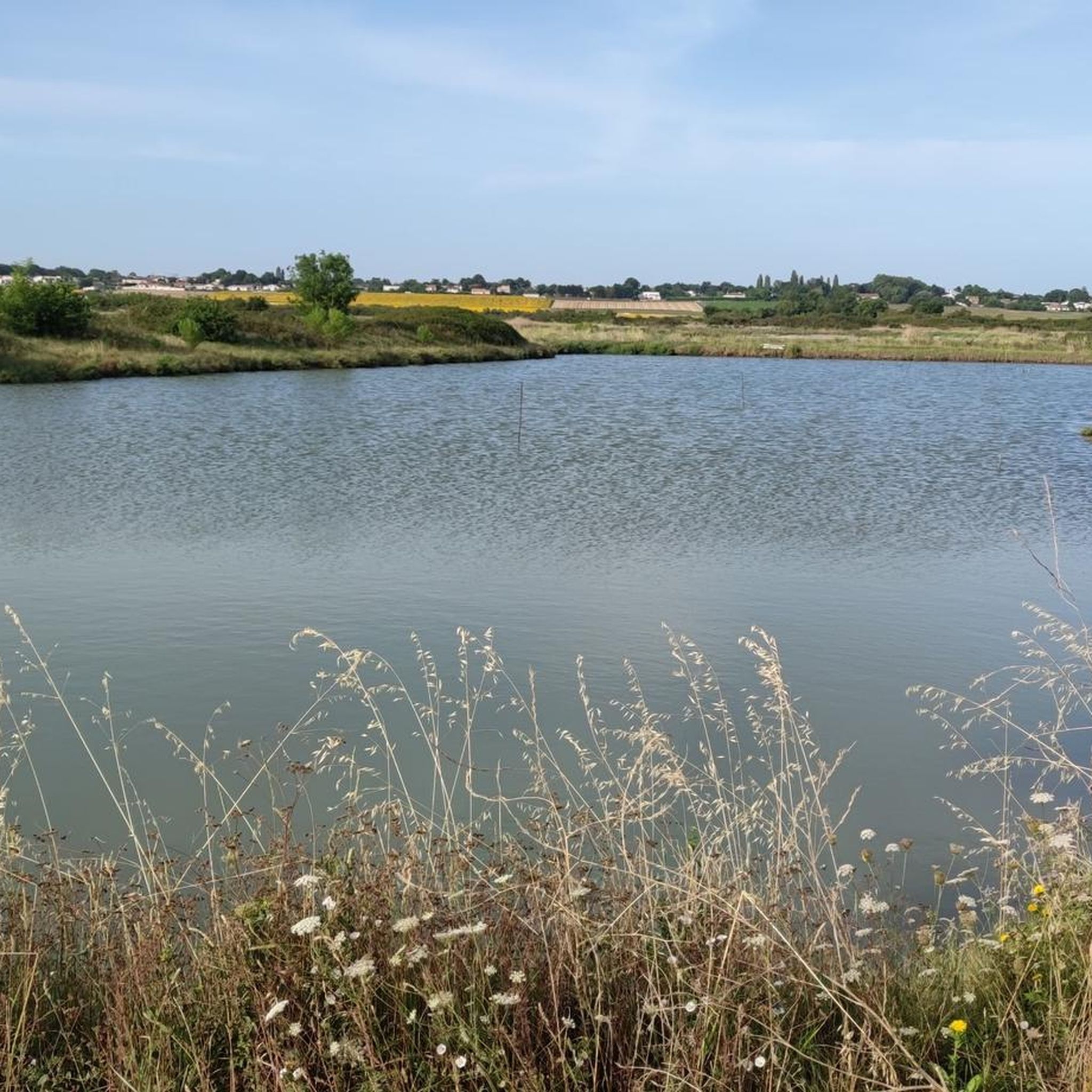
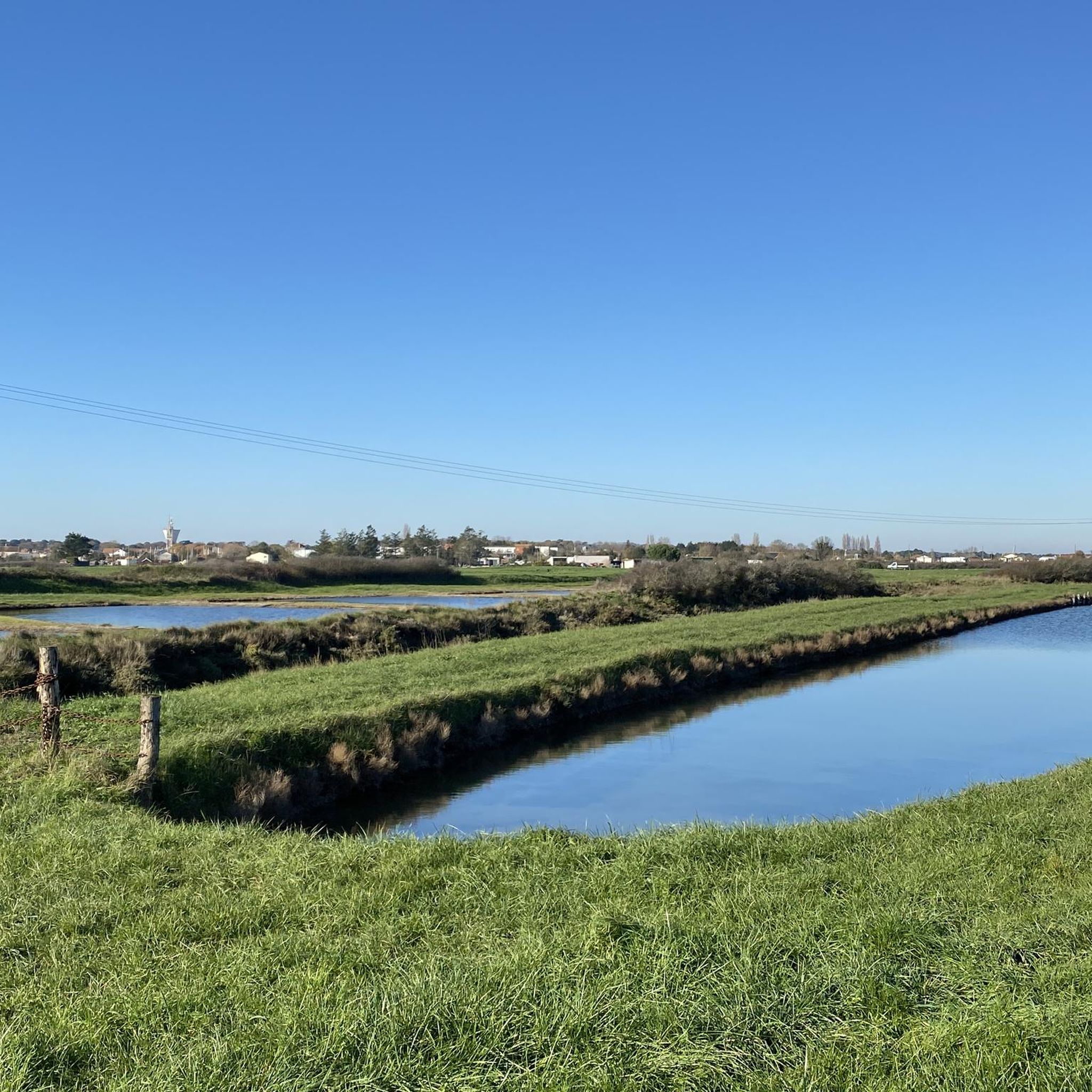
The terrain in Arvert is predominantly flat, making it highly accessible for all skill levels. You'll encounter diverse landscapes, including coastal paths along the Atlantic Ocean and the Côte Sauvage, routes through extensive marshes, and agricultural plains dotted with vineyards. The La Coubre Forest also provides shaded sections and a different cycling experience.
What are the difficulty levels of road cycling routes in Arvert?
Road cycling in Arvert is suitable for a range of abilities. There are 38 easy routes, 123 moderate routes, and 3 more difficult routes. The generally flat relief of the peninsula ensures that many routes are enjoyable for beginners, while longer, moderate options provide a good challenge for more experienced cyclists.
What natural features can I explore while road cycling in Arvert?
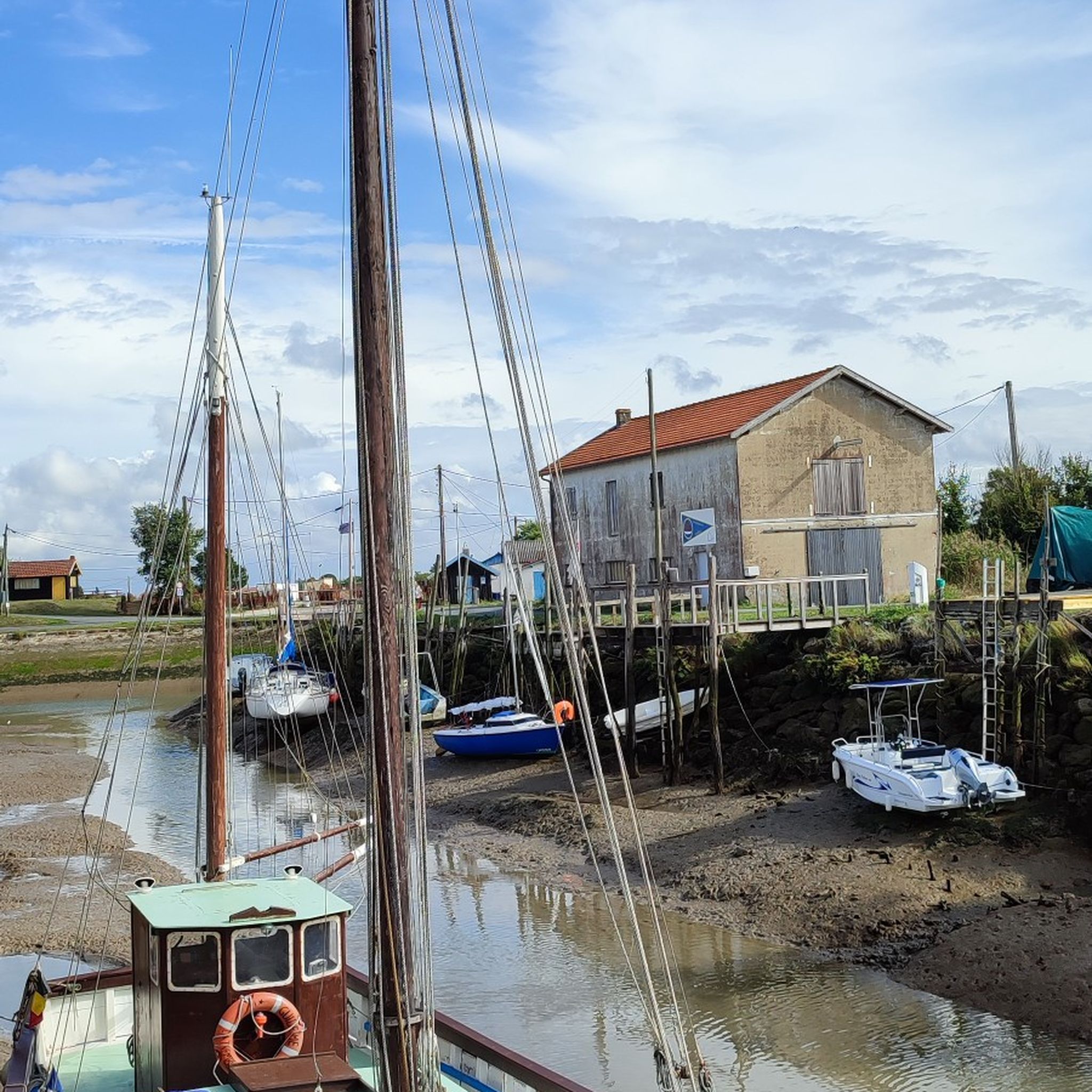
Arvert's road cycling routes allow you to discover a wealth of natural beauty. You can cycle along the wild dunes of the Côte Sauvage, explore the serene Mornac-sur-Seudre Marshes, or ride through the dense La Coubre Forest. The region is also known for its picturesque oyster ports, such as Coux and La Grève à Duret, which are central to the Marennes-Oléron oyster basin.
Are there any historical or cultural landmarks to see along the road cycling routes?
Yes, several routes pass by interesting landmarks. You might encounter the Our Lady of the Aviators Chapel in Saint-Palais, the German Bunkers of La Grande Côte, or the Saint Palais sur mer lighthouse. The region also features the 11th-century Saint-Etienne church and the 12th-century temple, offering glimpses into local heritage.
Where can I find scenic viewpoints during my road cycling tour?
For panoramic views, consider routes that pass by the Coubre lighthouse, which stands 64 meters tall and offers expansive vistas of the peninsula, the wild coast, and the Gironde estuary. Coastal routes, such as Promenade des Deux Phares – Côte sauvage loop from Les Mathes, also provide stunning views of the Atlantic Ocean and its dramatic coastline.
What is the best time of year for road cycling in Arvert?
Arvert benefits from approximately 2600 hours of sunshine per year, making it a pleasant destination for cycling for much of the year. Spring and autumn generally offer ideal conditions with comfortable temperatures and less crowded routes. Summer is also popular, especially for those who enjoy combining cycling with beach activities.
Are there any circular road cycling routes in Arvert?
Many of the road cycling routes in Arvert are designed as loops, allowing you to start and end at the same point. An example is the La Cèpe Beach & Bar – Coubre Lighthouse loop from Le Train des Mouettes - La Tremblade, which offers a comprehensive tour of coastal features and the lighthouse.
Are there family-friendly road cycling options in Arvert?
Yes, Arvert's generally flat terrain makes it very suitable for family cycling. Many routes combine paved roads and dedicated cycle paths, providing safe and enjoyable experiences for all ages. The 'Hybrid bike loop - Around the Arvert peninsula' is specifically noted as a flat route suitable for beginners and families.
Is parking available near road cycling routes in Arvert?
Parking is generally available in towns and villages that serve as starting points for many routes, such as Le Train des Mouettes - La Tremblade or Les Mathes. Look for designated parking areas in these locations to begin your cycling adventure.
Can I reach road cycling routes in Arvert using public transport?
While specific public transport options directly to every trailhead may vary, major towns in the Arvert region are connected by local bus services. It's advisable to check local transport schedules for routes that accommodate bicycles or provide access to key cycling hubs.
Are there cafes or places to stop for refreshments along the road cycling routes?
Yes, many routes pass through or near charming villages and oyster ports where you can find cafes, restaurants, and local shops. The oyster ports themselves offer unique opportunities to taste local produce. For example, the Boyardville fishing harbor – Baudissière Huts loop from Le Train des Mouettes - La Tremblade will take you past such spots.
What do other road cyclists say about their experience in Arvert?
The road cycling routes in Arvert are highly regarded by the komoot community, with an average rating of 4.2 stars from over 150 reviews. More than 3,500 road cyclists have explored the area using komoot, often praising the diverse and accessible terrain, from coastal paths to tranquil marshlands.
Most popular attractions around Arvert

Get inspired with the komoot mobile app


Explore more
Browse the best Road cycling routes in other regions.
