The best road cycling routes around Pisany
4.2
(14)
606
riders
95
rides
Road cycling routes around Pisany typically traverse the gentle, rolling terrain characteristic of the Charente-Maritime region in France. The landscape features a mix of open agricultural fields, quiet country lanes, and small villages. Elevation changes are generally moderate, offering accessible riding for various fitness levels. The area provides opportunities for longer rides through a network of well-maintained roads, connecting local landmarks and natural features.
Best road cycling routes around Pisany
- The most popular road cycling route is Pisany Market Halls…
Last updated: July 3, 2026
16
riders
Moderate road ride. Good fitness required. Mostly well-paved surfaces and easy to ride.
12
riders
Moderate road ride. Good fitness required. Mostly well-paved surfaces and easy to ride.

Sign up for free
9
riders
31.7km
01:14
120m
120m
Easy road ride. Great for any fitness level. Mostly well-paved surfaces and easy to ride.
5.0
(1)
5
riders
51.2km
02:07
210m
210m
Moderate road ride. Good fitness required. Mostly well-paved surfaces and easy to ride.
6
riders
Moderate road ride. Good fitness required. Some segments of this route may be unpaved and difficult to ride.
Get access to more routes and recommendations from other explorers.
Sign up for free
Already have an account?
Our route recommendations are based on thousands of hikes, rides, and runs completed by other people on komoot.
Start today with a free account
Your next adventure awaits.
Login or Signup
Tips from the Community

Here you'll find a romantic little lighthouse, and behind it lies a garden with a bench overlooking the sea, a lovely place to stop for a break. Afterwards, you can continue along the cliff to the right until you reach Euro Velo 1 again.
0
0

The Terre-Nègre lighthouse is a landmark forming a cylindrical tower a little over 26 meters high. Located on the tip of Terre-Nègre, in the commune of Saint-Palais-sur-Mer, in Charente-Maritime, it is intended to mark the southern pass of the Gironde estuary and to signal the presence of a dangerous sandbank, the "Anglais bar". This building forms a tower-column 3.16 meters in diameter and 26.60 meters high. A spiral staircase with a central core of 143 steps leads to a summit platform equipped with a directional light. The tower is painted in two different colors to make it more visible: the upper part is red, the lower part is white. The base of the lighthouse is hidden by a building that once served as the keeper's accommodation. The installation of a beacon at this location was considered as early as 1763. De Kearney took over the beaconing plan four years later. Construction work on the tower began in 1770 and was completed in 1773, probably under the supervision of the Bordeaux engineer Claude Tardy. In 1807, the tower was raised. However, this work was considered insufficient by some of the estuary's navigators. In 1834, sailors from the nearby port of Royan sent a request to the Ministry of the Navy to study the possibility of equipping the tower with a light. However, this request was postponed the following year due to lack of sufficient funds. A new request from sailors prompted the lighthouse commission to experiment with a first light in 1836. Finally, on October 15, 1838, a fixed white 4th order light was permanently installed. The latter was replaced in 1856 by a fixed white light of the 4th order of a small dioptric model with a reinforced sector of the 5th order catoptric. It was equipped with new lights in 1899 and 1904. In 1939, it was electrified. During the German occupation, the lighthouse served as an observatory for the soldiers of the Wehrmacht. Damaged during the fighting of 1945 (presence of breaches at the top of the tower), it was restored in the immediate post-war period. In March 1947, the lighthouse was operational again. A light with 3 occultations — changing every 12 seconds — was installed. Its colors are white, red and green. Its current range is 18 miles. Listed as a Historic Monument since 2011, the lighthouse is not open to visitors. However, it can be admired from the outside and a pretty passage provides direct access to the coastal path.
0
0

It is an absolutely beautiful village.
0
0

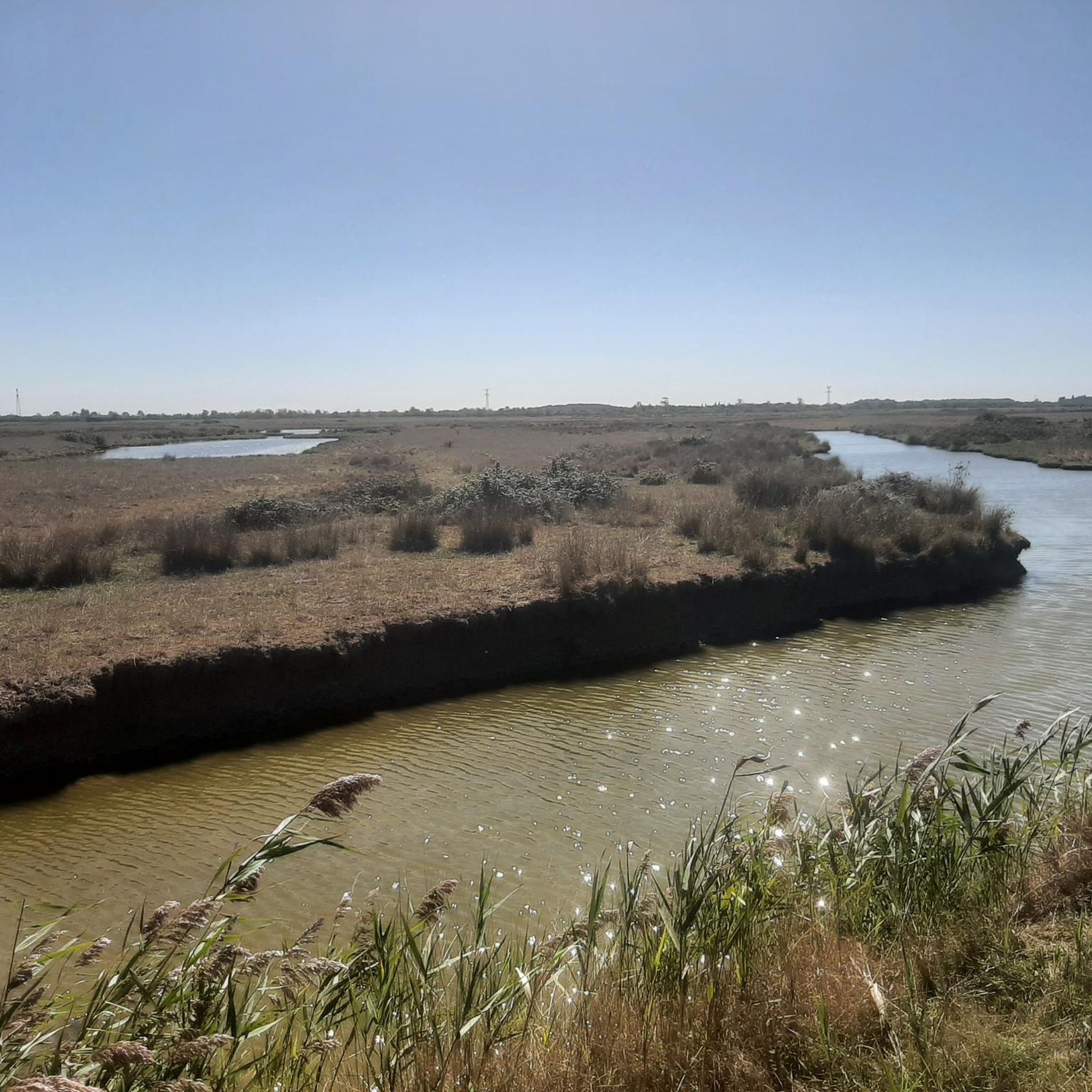
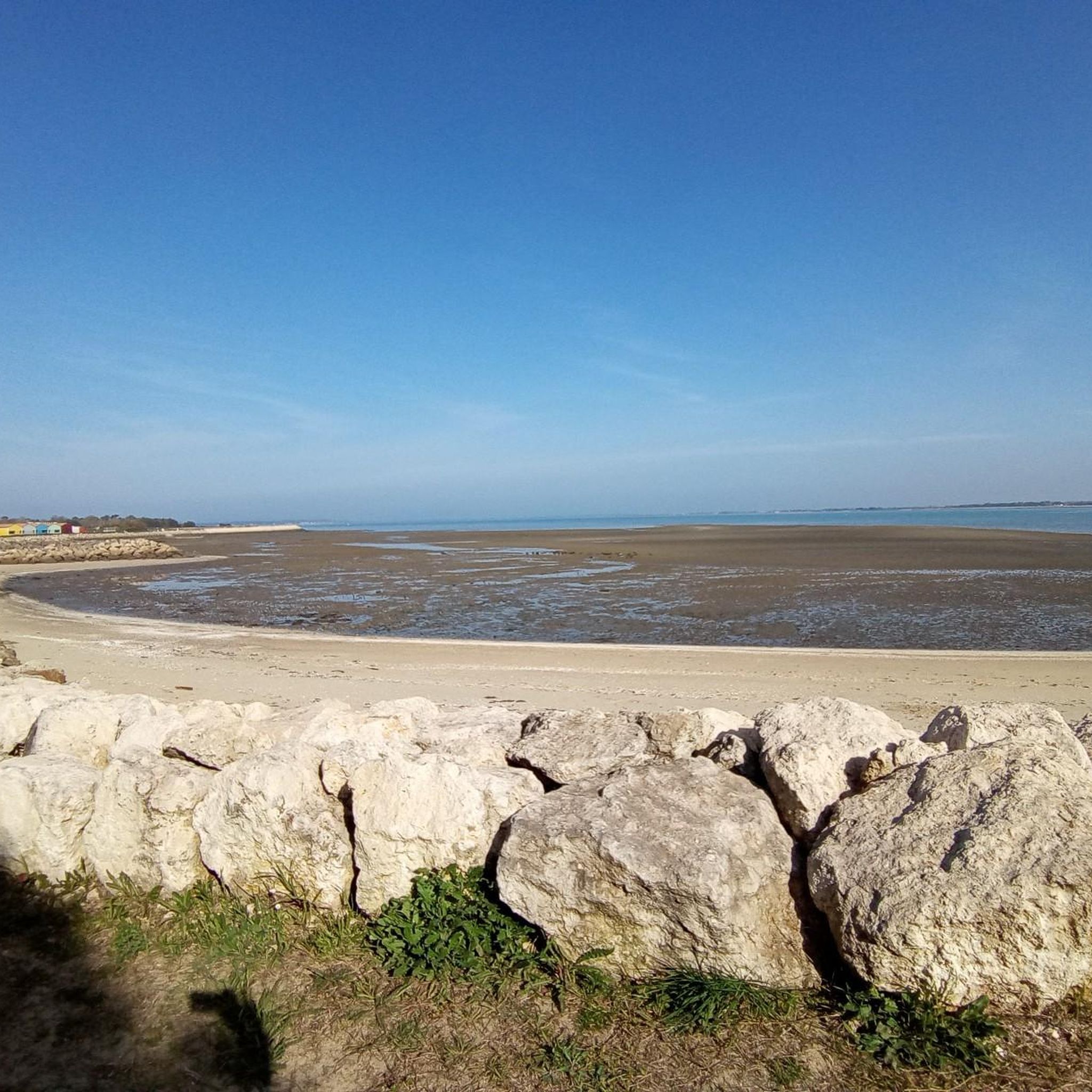
Along the Oysterfields, This is France at its best (when the sun shines!)
0
0


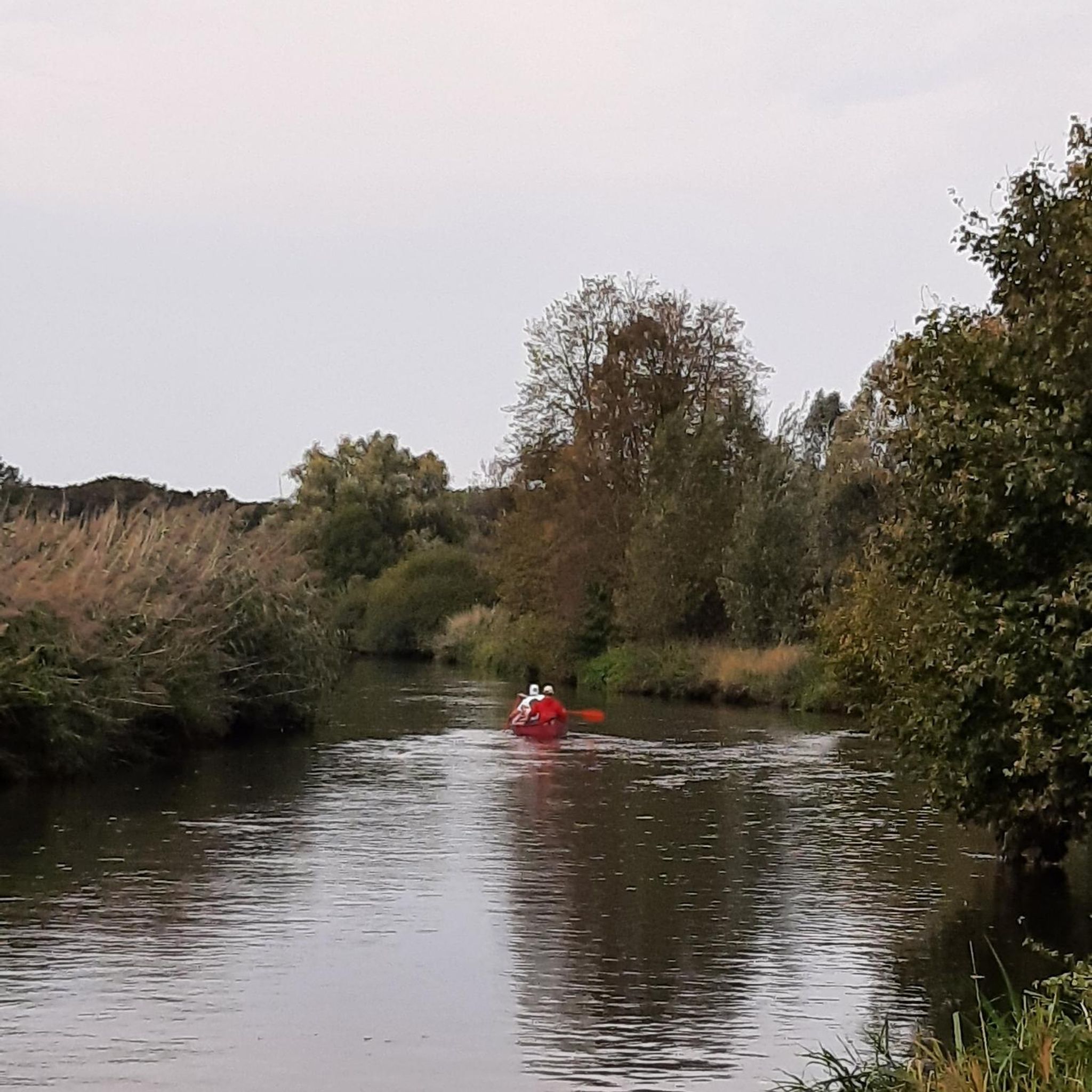
Small town with a special charm along the Charente.
0
0

The Abbaye-aux-Dames is built around the church of Sainte-Marie, built in the twelfth century. Famous for its facade and its characteristic "pinecone" bell tower, it is one of the emblematic monuments of Saintonge's Romanesque art. After several wars and fires, the place was restored in the 1970s and 1980s and is now a hotel. When you walk through the long corridors you feel like you have been transported back to the time when the abbey was still alive.
4
0
The market hall on the Place des Halles, which was probably built in the 16th century, consists of three naves that are divided by pillars made of quarry stone masonry. The open hall is closed by an octagonal tiled roof, which was renewed in the 20th century.
2
0
Frequently Asked Questions
How many road cycling routes are available around Pisany?
There are over 85 road cycling routes around Pisany, offering a diverse range of options for cyclists. These routes are primarily easy to moderate, with 42 easy and 43 moderate trails, making the area accessible for various fitness levels.
What kind of terrain can I expect when road cycling near Pisany?
Road cycling around Pisany features the gentle, rolling terrain characteristic of the Charente-Maritime region. You'll find a mix of open agricultural fields, quiet country lanes, and small villages. Elevation changes are generally moderate, providing accessible riding for various fitness levels, from leisurely rides to more extended moderate challenges.
Are there any challenging road bike climbs around Pisany?
While the region is known for its gentle, rolling terrain, some routes offer more significant elevation gains for experienced cyclists. For example, the Saint-Savinien-sur-Charente – Abbaye aux Dames de Saintes loop from Saint-Romain-de-Benet includes over 435 meters of elevation gain, providing a good workout.
What are some popular loop road cycling routes starting near Pisany?
A popular loop is the Pisany Market Halls – Coubre Lighthouse loop from Pisany, which is 91.4 km long and connects local market halls with a coastal lighthouse. Another favorite is the St Romain de Benet Church – Fisherman's cottages loop from Saint-Romain-de-Benet, a 68.6 km path passing by historical churches and traditional fisherman's cottages.
What can I see along the road cycling routes around Pisany?
Many routes pass through charming villages and offer views of the region's agricultural landscapes. You can also discover historical sites and natural features. Notable attractions include the Riberou Port, the Saint-Romain Church of Saint-Romain-de-Benet, and the Notre-Dame Church of Corme-Écluse.
Are there family-friendly road cycling routes in Pisany?
Yes, the gentle, rolling terrain and quiet country lanes around Pisany make it suitable for family-friendly cycling. Many of the 42 easy routes are ideal for a relaxed pace, allowing families to enjoy the scenic countryside together. Look for routes with minimal elevation changes for the most comfortable experience.
What is the best time of year for road cycling in Pisany?
The Charente-Maritime region generally offers pleasant cycling conditions for much of the year. Spring and early autumn typically provide comfortable temperatures and beautiful scenery. Summer can be warm, but the coastal influence often brings refreshing breezes. Winter cycling is possible, though cooler temperatures and potential for rain should be considered.
What do other road cyclists enjoy most about road cycling in Pisany?
The area is highly rated by the komoot community, with an average score of 4.2 stars from over 9 reviews. Cyclists often praise the quiet country lanes, the scenic agricultural landscapes, and the gentle rolling hills that make for enjoyable rides. The variety of routes catering to different ability levels is also a frequently appreciated aspect.
Are there any long-distance road cycling routes connecting Pisany to other towns?
Yes, the network of well-maintained roads allows for longer rides connecting Pisany to nearby towns. While specific named routes linking directly to major cities like Saintes, Royan, or Cognac are not detailed, the extensive road system in Charente-Maritime makes it possible to plan such journeys, often passing through charming villages and past historical sites.
Where can I find parking for road cycling routes in Pisany?
Parking is generally available in and around the villages that serve as starting points for many routes. For example, routes often begin from Pisany itself or nearby Saint-Romain-de-Benet and La Clisse, where local parking options can be found. It's advisable to check local signage for specific parking regulations.
Can I find cafes or restaurants along the road cycling routes in Pisany?
Many routes pass through small villages and towns where you can find local cafes, pubs, and restaurants. These establishments offer opportunities to refuel and experience local cuisine. Planning your route to include stops in places like Pisany, Saint-Romain-de-Benet, or other villages along the way will ensure you have access to refreshments.
Are there any specific natural features to look out for while cycling around Pisany?
The region is characterized by its open agricultural landscapes and gentle rolling hills. While dramatic mountain ranges or waterfalls are not typical, you'll enjoy picturesque views of the countryside, often dotted with vineyards and fields. The proximity to the coast, as seen in routes like the Pisany Market Halls – Coubre Lighthouse loop from Pisany, also offers glimpses of coastal scenery.
Most popular attractions around Pisany

Get inspired with the komoot mobile app


Explore more
Browse the best Road cycling routes in other regions.
