The best walks and hikes around Pisany
4.5
(33)
186
hikers
21
hikes
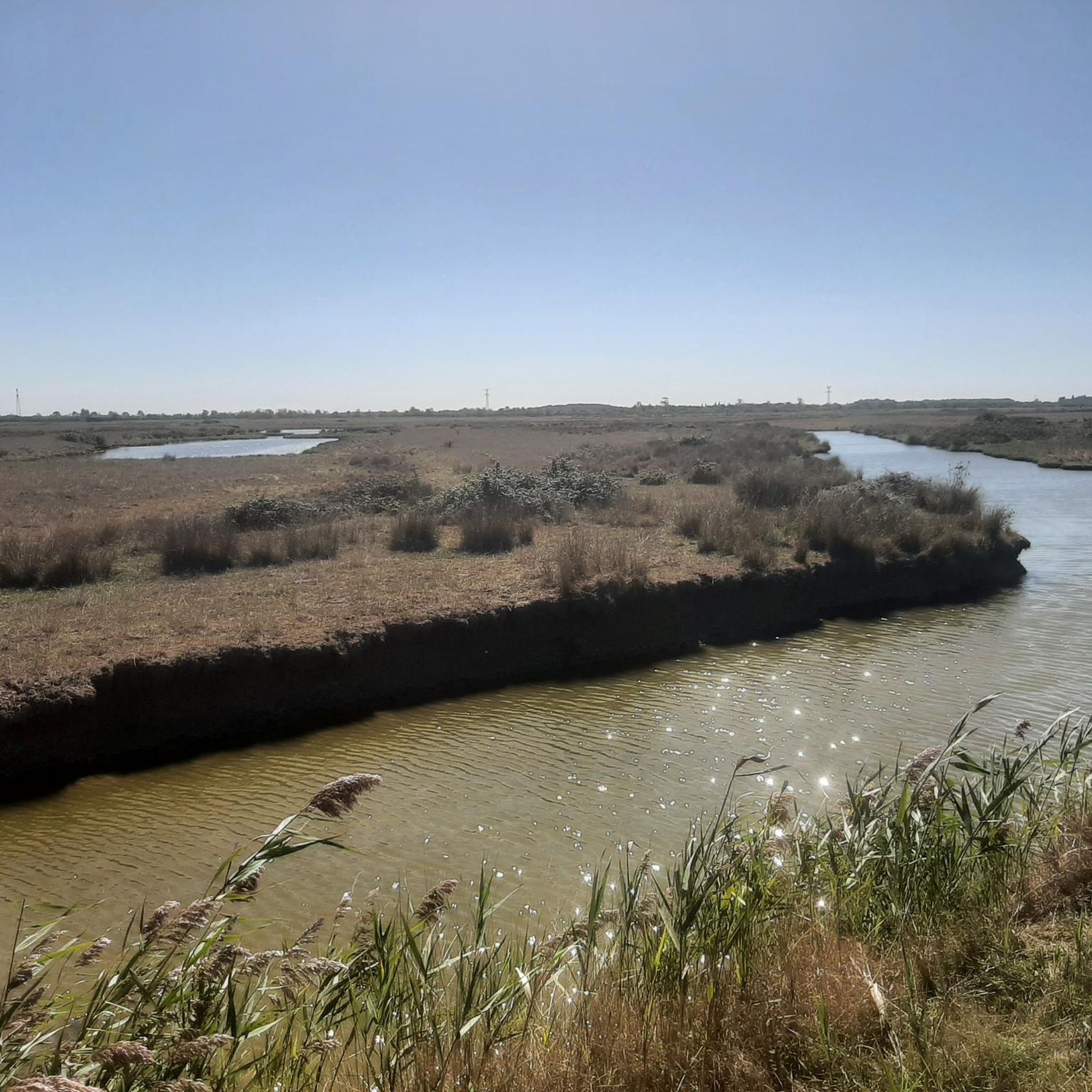
Hiking around Pisany offers a network of trails through a landscape characterized by woodlands and gentle, rolling terrain. The region features low elevation changes, making it accessible for various hiking abilities. Many routes traverse forested areas, connecting small villages and agricultural lands. This provides a serene outdoor experience with a focus on natural and rural scenery.
Best hiking trails around Pisany
- The most popular hiking route is Remarkable Oak Tree loop from Charente-Maritime, a 5.7 miles (9.2 km) trail…
Last updated: October 18, 2026
5.0
(5)
19
hikers
11.5km
02:58
60m
60m
Moderate hike. Good fitness required. Easily-accessible paths. Suitable for all skill levels.
5.0
(3)
17
hikers
9.20km
02:23
50m
50m
Moderate hike. Good fitness required. Easily-accessible paths. Suitable for all skill levels.

4.0
(3)
8
hikers
Moderate hike. Good fitness required. Easily-accessible paths. Suitable for all skill levels.
4.0
(3)
8
hikers
14.7km
03:48
80m
80m
Moderate hike. Good fitness required. Easily-accessible paths. Suitable for all skill levels.
4
hikers
Moderate hike. Good fitness required. Easily-accessible paths. Suitable for all skill levels.
Get access to more routes and recommendations from other explorers.
Already have an account?
Our route recommendations are based on thousands of hikes, rides, and runs completed by other people on komoot.
Start today with a free account
Your next adventure awaits.

Tips from the Community

Leckeres Land Restaurant and Hotel, good regional cuisine. Hikers welcome. The lunch menu is a real recommendation, but you should reserve - especially with groups.
0
0

The interest aroused by this church is concentrated on its façade. It has on the ground floor a semicircular portal framed by two false doors of the same height, with pointed arches. On the large arcade of the vast central window which intersects the cornice develops the allegory of the Wise Virgins and the Foolish Virgins. Groups of columns separate the windows, others furnish the extremities of the facade. Above, a cornice decorated with scrolls and foliage rests on highly ornate corbels. Founded in the 2nd half of the 12th century, the current church was built in 2 stages: first the transept, surmounted by a bell tower, and then the choir. Then, towards the end of the 2nd ½ of the 12th century, the nave was barrel-vaulted and the western facade built. The primitive chevet was ½ circular. It was rebuilt in the 17th century, a flat Gothic wall, pierced by an ogival window, replacing the original apse. From the entrance, there is a massive wall pierced by a high and narrow door which, by 5 steps, reaches the nave. This narthex is lit by 2 semicircular windows. It is covered at great height with a starry ribbed vault. The nave comprises six bays, the first 3 vaulted in warhead with sculpted keys; the following 3, less high, in a broken cradle. In the 2nd half of the 15th century, following the Hundred Years War, a large part of the building was taken over. The left wall has been replaced by a series of 5 large smooth columns, without capitals Lit by 5 pointed arch windows, this 2nd nave also has its own entrance door to the west and on a landing preceded by several steps. Defensive elements were added to the south wall of the nave (walkway, crenellations, loopholes...), and a new bell tower was built above the 1st bay of the nave. This work was completed in the 17th century, for the completion of the vaults of the 1st spans of the nave, and for that of the bell tower, covered with a hull roof. Inside, the south wall of the nave is still pierced with semicircular bays framed by small columns with carved capitals. As for the western facade, it presents the usual structure of the Romanesque facades of the region. Made up of 3 arcades on each of the 2 levels, like a Roman triumphal arch.
1
0
Frequently Asked Questions
How many hiking trails are available around Pisany?
There are 19 hiking routes available around Pisany, offering a variety of experiences through woodlands and rural landscapes. These include 7 easy trails and 12 moderate trails, ensuring options for different skill levels.
Are there any easy hiking trails suitable for beginners in Pisany?
Yes, Pisany offers 7 easy hiking trails perfect for beginners or those looking for a relaxed stroll. An example is the Boulodrome of the pétanque club – Hunting lock loop from Saujon, which is just under 5 km long with minimal elevation gain.
What kind of landscapes can I expect to see while hiking in Pisany?
Hiking in Pisany primarily features serene woodlands, gentle, rolling terrain, and agricultural lands. Many routes traverse dense forests and connect small villages, offering a peaceful outdoor experience focused on natural and rural scenery.
Are there any circular walks in Pisany?
Yes, many of the trails in Pisany are circular, allowing you to start and end at the same point. For instance, the Remarkable Oak Tree loop from Charente-Maritime and the Tour de Pirelonge loop from Saint-Romain-de-Benet are popular circular options.
What are some notable natural landmarks or attractions to see on the trails?
One prominent natural landmark is the Remarkable Oak Tree, featured on the Remarkable Oak Tree loop from Charente-Maritime. Beyond the trails, you can explore local points of interest such as Riberou Port or the historic Saint-Romain Church of Saint-Romain-de-Benet.
How long do hikes in Pisany typically take?
Hikes in Pisany vary in duration. Shorter, easy routes like the Boulodrome of the pétanque club – Hunting lock loop from Saujon can be completed in about 1 hour 15 minutes. Moderate trails, such as the Bois de Leuzois – Bois de Chez Chaillou loop from Nieul-lès-Saintes, might take around 3 hours 45 minutes.
What do other hikers enjoy most about the trails in Pisany?
The trails in Pisany are highly regarded by the komoot community, with an average rating of 4.4 stars from over 27 reviews. Hikers often praise the peaceful atmosphere, the immersive forest experiences, and the well-maintained paths that wind through dense woodlands and rural settings.
Are there any trails that go through extensive woodlands?
Yes, Pisany is known for its dense woodlands. The Bois de Leuzois – Bois de Chez Chaillou loop from Nieul-lès-Saintes is a prime example, offering an immersive forest experience as it winds through extensive wooded areas.
Can I find trails that connect different villages or agricultural areas?
Absolutely. Many routes in Pisany are designed to traverse forested areas while connecting small villages and agricultural lands. This allows hikers to experience both the natural beauty and the rural charm of the region.
What is the elevation gain like on Pisany's hiking trails?
Pisany's hiking trails are characterized by low elevation changes, making them generally accessible. Even moderate routes typically have less than 100 meters of elevation gain, providing a comfortable hiking experience without strenuous climbs.
Are there any historical sites or churches to see near the hiking routes?
Yes, the region has several historical and religious sites. You can find highlights like the Saint-Romain Church of Saint-Romain-de-Benet and the Notre-Dame Church of Corme-Écluse, which are often accessible from or near various hiking paths.
Most popular attractions around Pisany

Get inspired with the komoot mobile app


Explore more
Browse the best Hikes in other regions.
