Top 17 Mountain Passes around Albiez-Le-Jeune
Mountain passes around Albiez-Le-Jeune, located in the Maurienne valley, provide access to several mountain passes. These passes are known for their challenging climbs, scenic routes, and historical significance. The region offers diverse terrain for cyclists, hikers, and scenic drivers.
Best mountain passes around Albiez-Le-Jeune
- The most popular mountain pass is Col du Télégraphe, a mountain pass that reaches an altitude of 1,565 meters and is named after a fort built there between 1885 and 1893. It serves as a…
Last updated: July 10, 2026
Col du Télégraphe
Highlight • Mountain Pass
Translated by Google •
Tip by

Ascent to the Col du Télégraphe from Saint-Michel-de-Maurienne
Highlight (Segment) • Climb
Translated by Google •
Tip by

Sign up now to discover places like this
Get recommendations on the best single tracks, peaks, & plenty of other exciting outdoor places.
Sign up for free
Col de la Croix de Fer
Highlight • Mountain Pass
Translated by Google •
Tip by

Mollard Pass
Highlight • Mountain Pass
Translated by Google •
Tip by

Col de Chaussy
Highlight • Mountain Pass
If you ride the shoelace, you'll also get over the pass; it's a nice ride.
Translated by Google •
Tip by

Sign up for free to discover even more mountain passes around Albiez-Le-Jeune.
Sign up for free
Already have an account?
Start today with a free account
Your next adventure awaits.
Login or Signup
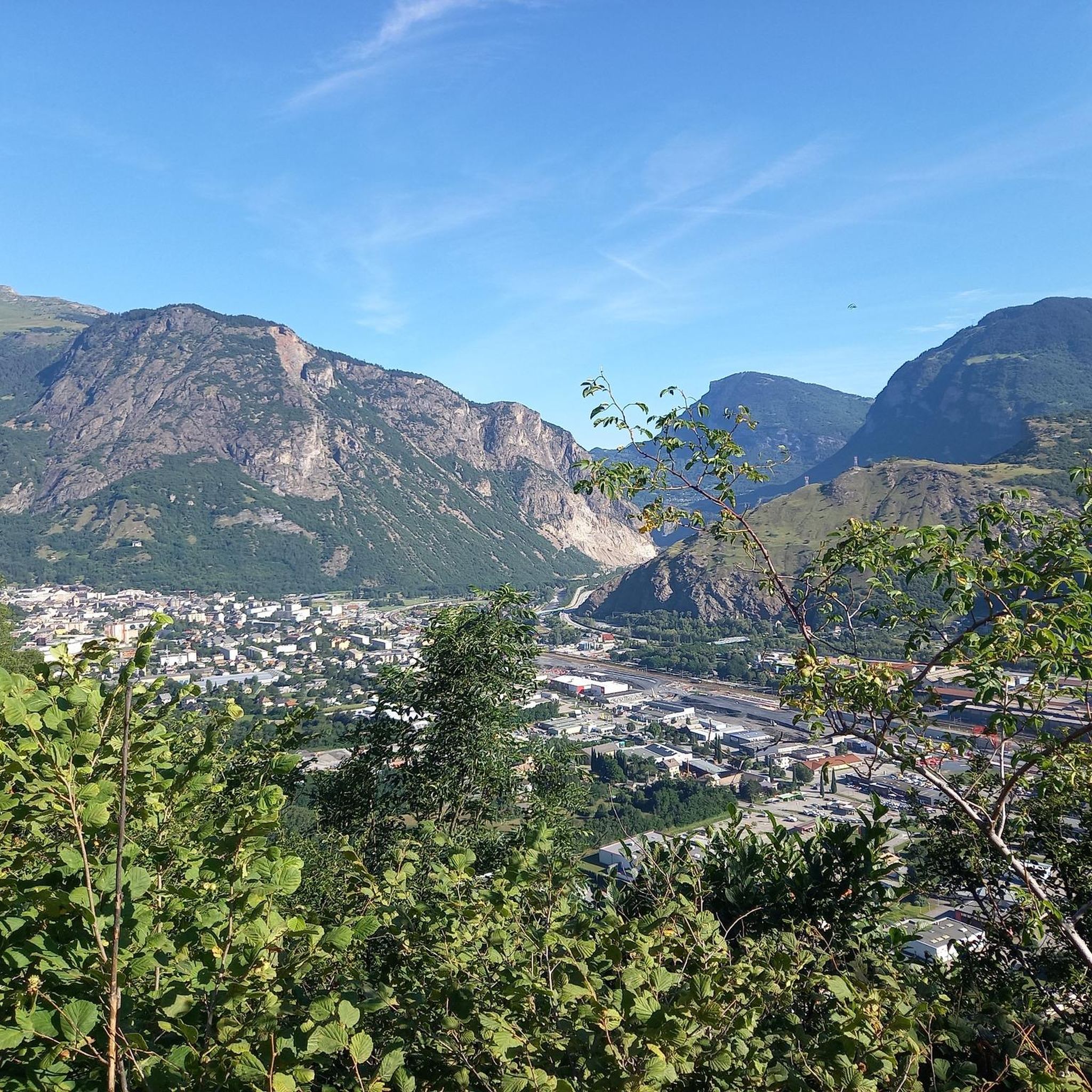
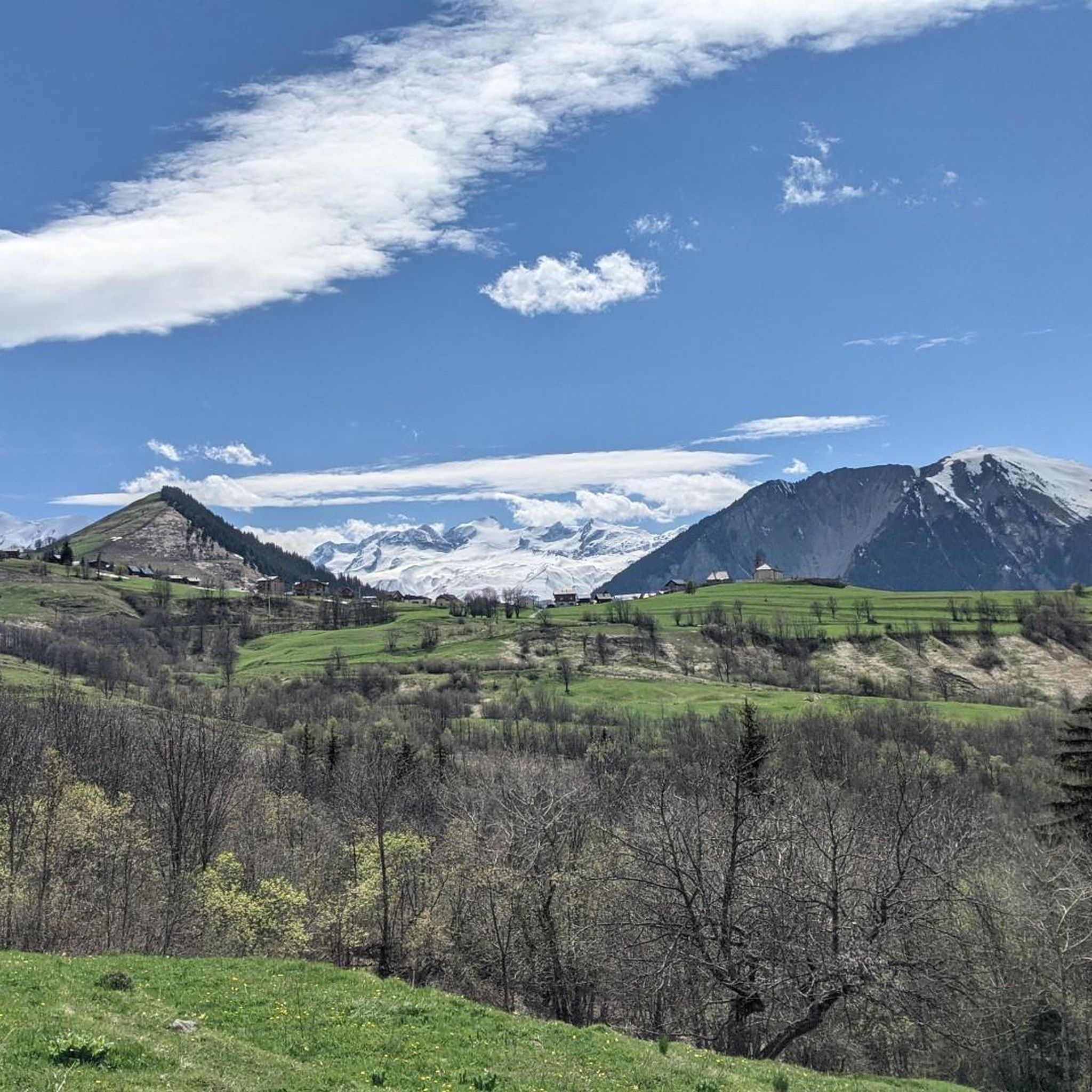
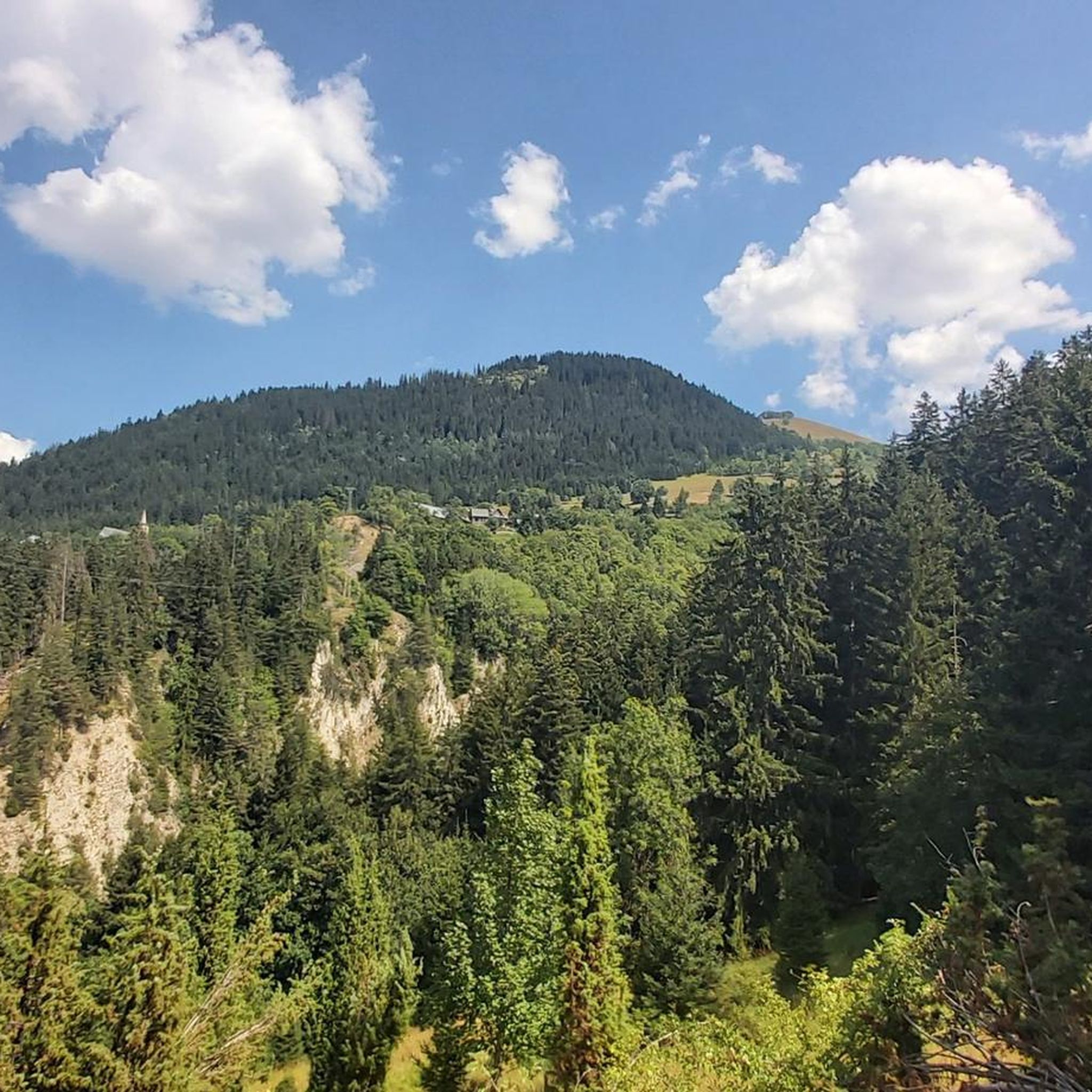
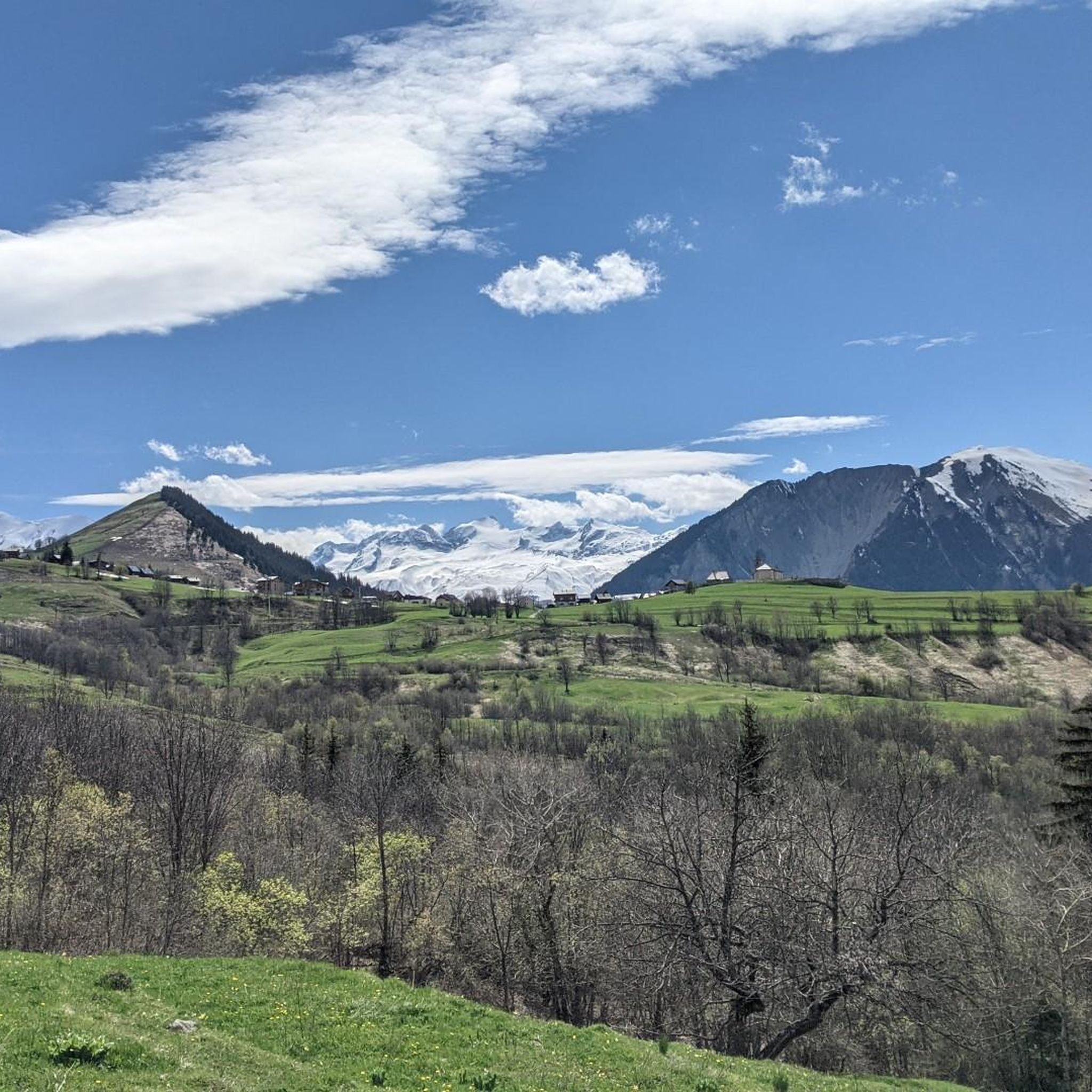
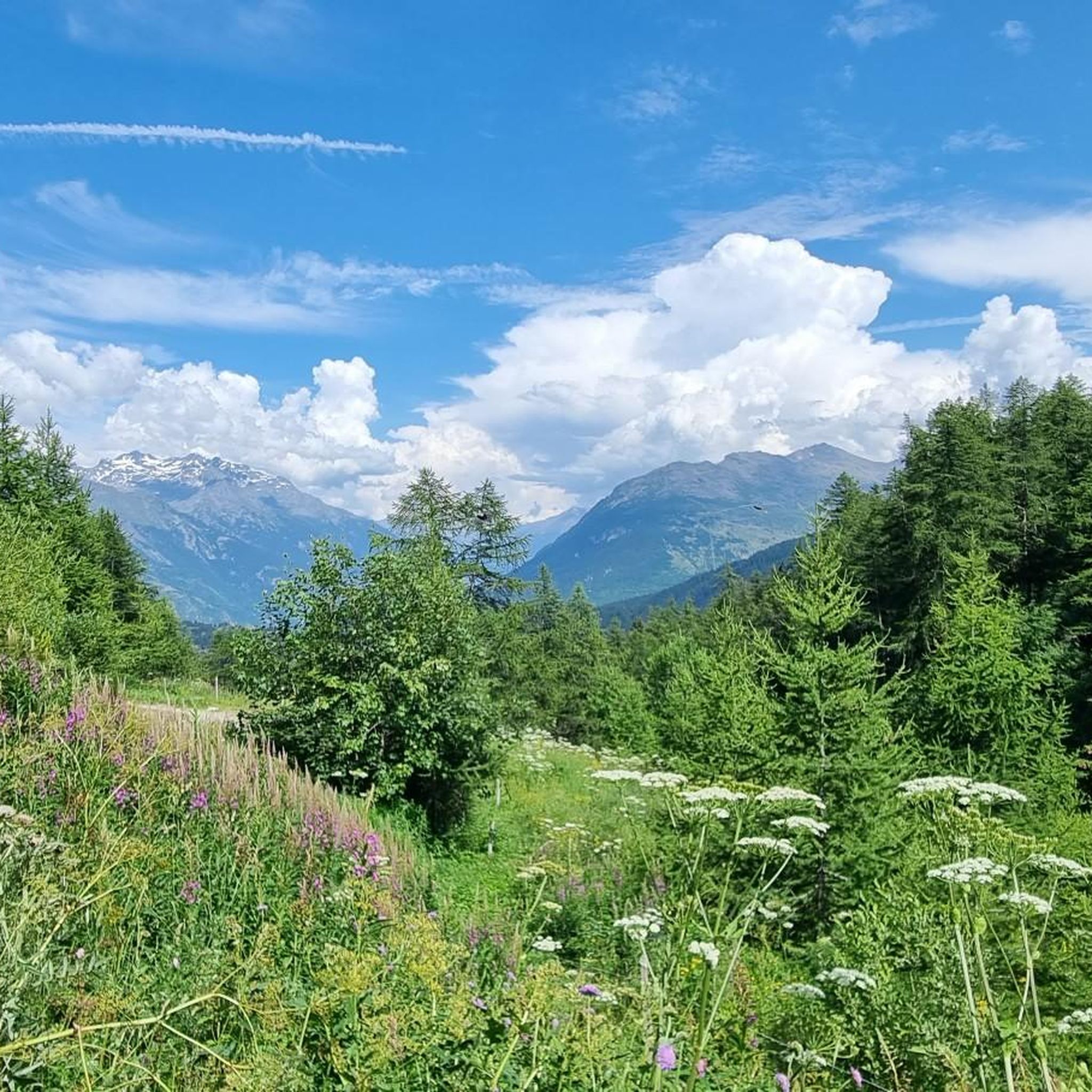
Tips from the Community

Orderly ascent, nice pass with chapel and bar/restaurant. Some water points, but not many.
1
0
Grandiose ascent on the D110, great view at the pass.
2
0

Even more beautiful downhill
3
0


I must say that this climb is no joke with its gradients, very beautiful.
20
0
After the Galibier, if that's not enough for you, you can also get the Tèlègraphe.
21
1

The views at the top of this pass are definitely worth the detour 👍
0
0

Frequently Asked Questions
Which mountain passes near Albiez-Le-Jeune are particularly famous for cycling?
The region around Albiez-Le-Jeune is renowned for its challenging cycling passes. The Col du Télégraphe is a crucial preliminary climb before tackling the legendary Col du Galibier, both frequently featured in the Tour de France. Another significant climb is the Col de la Croix de Fer, known for its demanding ascent and spectacular alpine scenery, also a regular in the Tour de France.
What kind of views can I expect from the mountain passes in this area?
Many passes offer breathtaking panoramic views. From Mollard Pass, you can enjoy 'awesome' views of the jagged peaks of the Aiguilles d'Arves. The Col du Galibier provides majestic vistas of the surrounding mountains, including the Aiguilles d'Arves. The Col de la Croix de Fer also offers magnificent views, including the Arves needles and the Etendard peak.
Are there any historical points of interest on these mountain passes?
Yes, the Col du Télégraphe is named after a fort built there between 1885 and 1893, though the fort no longer exists today. This historical connection adds an interesting dimension to the pass, which also serves as a vital link to the Col du Galibier.
What are the best outdoor activities to do near the mountain passes around Albiez-Le-Jeune?
Beyond cycling, the area offers a variety of outdoor activities. You can find numerous running trails, such as the 'Mollard Pass – Col du Mollard loop from Albiez-le-Vieux', or explore MTB trails like the 'Col du Télégraphe – Col du Galibier loop'. For general cycling, routes like the 'Col du Glandon and Col de la Croix de Fer from Saint-Jean-de-Maurienne' are popular. You can find more details on these activities in the Running Trails, MTB Trails, and Cycling guides for the region.
Are there any less-trafficked or 'secret' mountain passes worth exploring?
The Col du Mollard is considered by some to be 'off the main routes' and 'more of a secret'. Especially when approached from Villargondran, it offers a particularly beautiful climb with numerous hairpin bends through the forest on a very quiet street, making it a rewarding experience with less traffic.
What is the typical difficulty level for cycling these mountain passes?
Many of the mountain passes in this region are known for their challenging climbs. For instance, the Ascent to the Col du Télégraphe from Saint-Michel-de-Maurienne is described as a 'challenging climb' with a steady gradient. The Col de la Croix de Fer also features demanding ascents with average slopes of 4.7% and maximum gradients of 11.1%.
What amenities are available at or near the mountain passes?
At the Col du Télégraphe, the Relais du Télégraphe offers refreshments, supplies, and meals. At the summit of the Col de la Croix de Fer, there is a warm welcoming hostel where you can rehydrate and regain strength with regional food. Public toilets are also available halfway up the Croix de Fer from Bourg d’Oisans.
What do visitors appreciate most about the mountain passes around Albiez-Le-Jeune?
Visitors frequently praise the stunning scenery, the challenge of the climbs, and the rich history of the passes. The 'awesome' views of the Aiguilles d'Arves from Mollard Pass are a highlight, as are the exhilarating challenges and panoramic views from the legendary Col du Galibier. The smooth road surfaces are also appreciated by cyclists.
Can I find routes that combine multiple mountain passes?
Yes, many routes in the region are designed to link multiple passes. For example, the Col du Télégraphe serves as a preliminary climb before the Col du Galibier. Similarly, the final ascent to the Col de la Croix de Fer is often made via the Col du Glandon, with only about 2 kilometers remaining after reaching the Glandon summit.
What is the best time of year to visit the mountain passes near Albiez-Le-Jeune?
The mountain passes are typically best visited during the warmer months, from late spring to early autumn, when the roads are clear of snow and the weather is most favorable for cycling, hiking, and scenic drives. This period allows for full access to the higher altitudes and offers the best conditions for enjoying the panoramic views.
Are there specific viewpoints to see the Aiguilles d'Arves?
Yes, the Col du Mollard is highly recommended for its 'awesome' views of the jagged peaks of the Aiguilles d'Arves. You can also catch glimpses of the Aiguilles d'Arves from the summit of the Col de la Croix de Fer, weather permitting.
Are there any family-friendly options for exploring the mountain passes?
While many passes offer challenging climbs, the region also provides opportunities for scenic drives and shorter walks around the passes. For specific family-friendly routes, it's advisable to check local tourist information or komoot's guides for easier trails around Albiez-Le-Jeune, as the main passes themselves are often geared towards more experienced cyclists and hikers.
Most popular routes around Albiez-Le-Jeune
Most popular attractions around Albiez-Le-Jeune

Get inspired with the komoot mobile app


Explore more
See even more epic mountain passes by checking out these guides around Albiez-Le-Jeune:
