Attractions and Places To See around Colombiers - Top 16
Attractions and places to see around Colombiers, a village in the Occitanie region of France, offer a blend of historical sites, natural landscapes, and cultural experiences. The area is characterized by its proximity to the Canal du Midi, a UNESCO World Heritage site, and its rich agricultural heritage. Visitors can explore ancient landmarks, engage in outdoor activities, and discover local traditions.
Best attractions and places to see around Colombiers
- The most popular attractions is Château de Dissay, a castle…
Last updated: October 16, 2026
Château de Dissay
Highlight • Castle
The Château de …
Translated by Google •
Tip by

Châtellerault
Highlight • Settlement
Translated by Google •
Tip by

Sign up now to discover places like this
Get recommendations on the best single tracks, peaks, & plenty of other exciting outdoor places.
Gallo-Roman Theatre of Old Poitiers
Highlight • Other
Translated by Google •
Tip by
Le Grand Atelier
Highlight • Museum
Translated by Google •
Tip by

The troglodytes
Highlight (Segment) • Other
Translated by Google •
Tip by

Sign up for free to discover even more attractions around Colombiers.
Already have an account?
Start today with a free account
Your next adventure awaits.
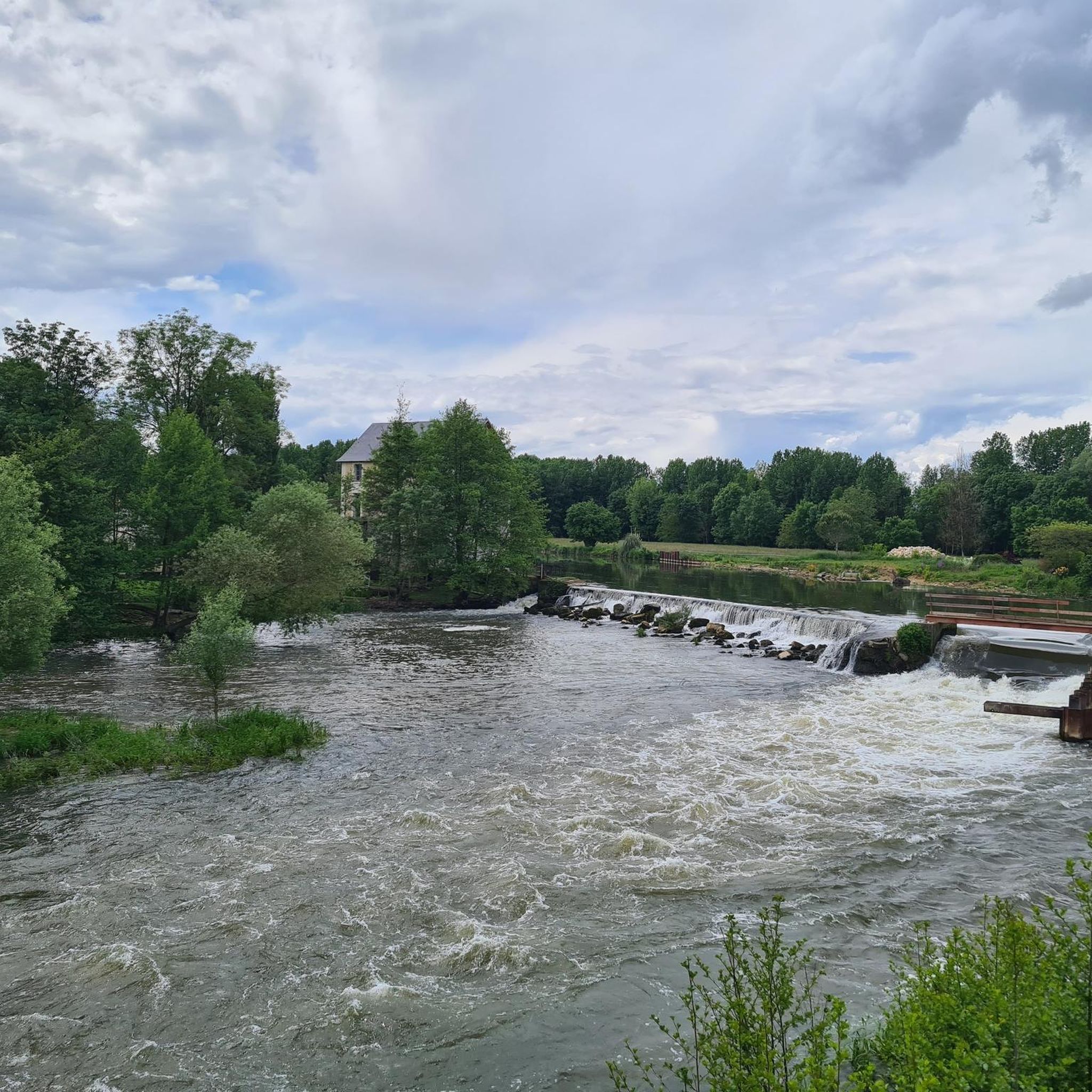
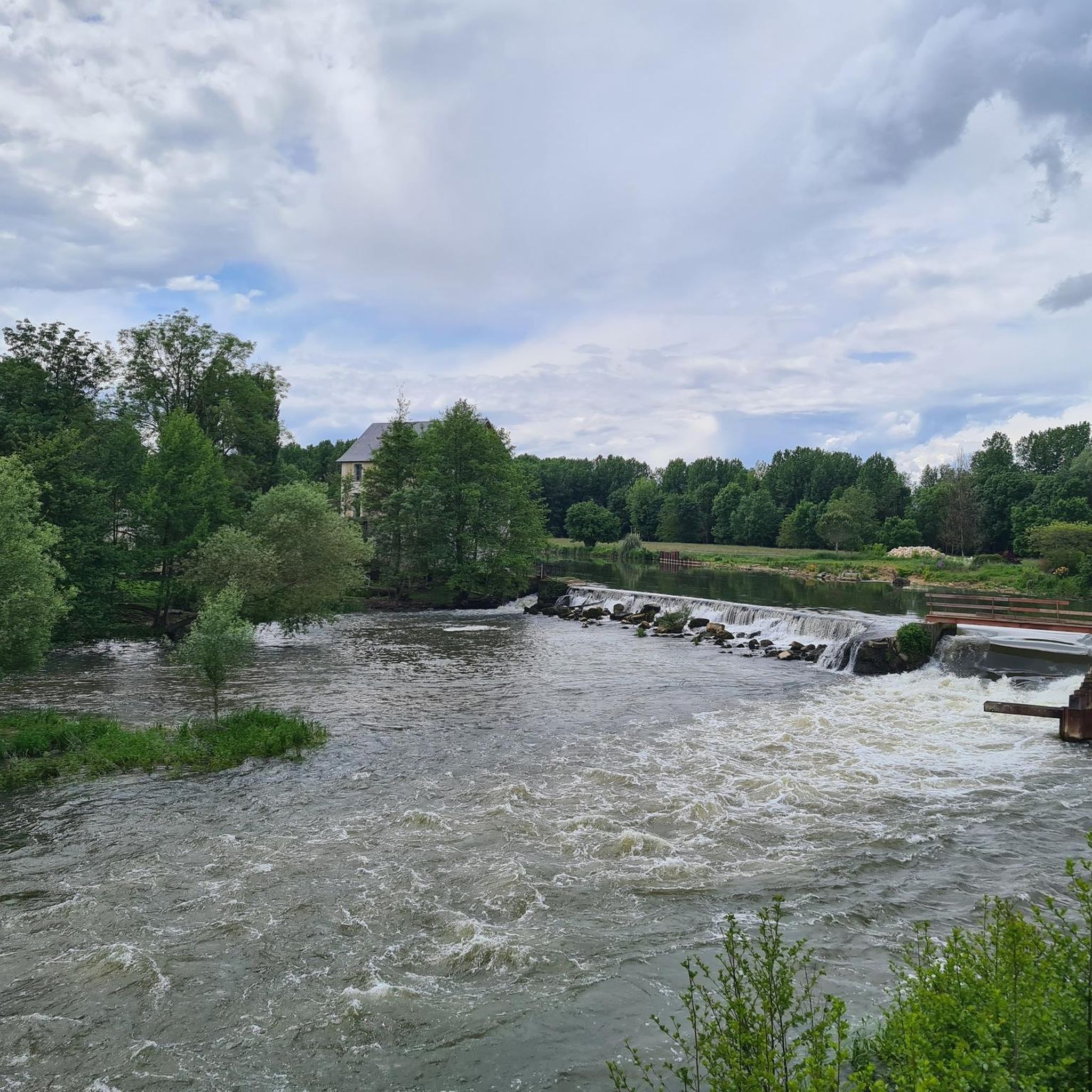


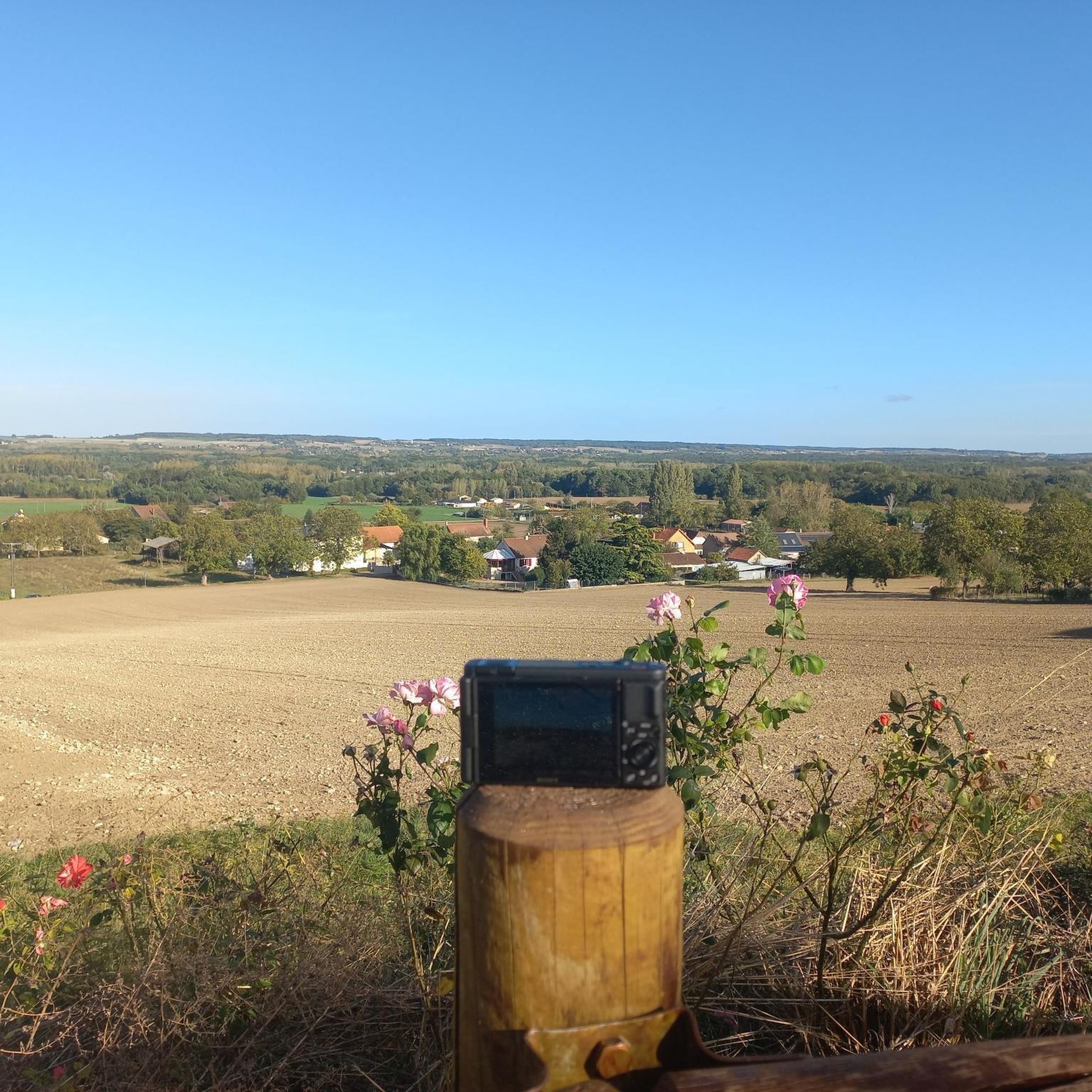

Tips from the Community

On 30/08/2026, the Francois Mitterand space, right in front of the kiosk, welcomed almost 1400 clarinettists to break the world record held by Hong Kong and entered in the Guinness Book. This has been done and recorded by an official member of the organization who came specifically for this purpose. The objective announced for months by the Poitiers conductor Emmanuel Boulanger has been largely achieved. The old record, set in Hong Kong with 448 clarinettists, has been smashed. Amateurs, music school students and professionals played together, in front of a large audience. The performance should now feature in the Guinness Book of Records. Below is the press article and video published locally. https://share.google/KJQ2WCRdVkkB0aF61
0
0
🏭 1. A museum set up in the former “Manu” Le Grand Atelier - Museum of Art and Industry is located on the site of the former Châtellerault Arms Factory ("Manufacture d’armes"). The Manufacture was created by royal ordinance on July 14, 1819, under Louis XVIII. Construction began in 1820. Its location in Châtellerault was notably due to the presence of the Vienne river, which allowed for the use of hydraulic energy, and the existence of a significant local tradition of cutlery and metallurgy. Initially, it mainly produced edged weapons: sabers, swords, lances, and cuirasses. From the 1830s onwards, production also turned to firearms. The Manufacture gradually became a huge industrial complex, employing several thousand people. It played a considerable role in the economic and social history of Châtellerault. 🔧 2. The museum building The building now occupied by the Grand Atelier is particularly interesting. It is part of the former assembly and finishing workshop, built between 1886 and 1887, notably in the context of the production of the Lebel rifle. It is a characteristic industrial building from the late 19th century, with vast spaces, large glass bays, and saw-tooth roofs allowing for significant natural light. It is now protected as heritage. The Manufacture closed permanently in 1968. 🚗 3. The birth of the automobile museum After the closure of the Manufacture, part of the buildings was reused for cultural purposes. As early as 1969, the site hosted a museum, notably stemming from Bernard de Lassée's vehicle collection. It was first named Musée de la Technique et de l’Automobile, then became Musée Auto-Moto-Vélo. The town of Châtellerault acquired part of Bernard de Lassée's collection and gradually developed the museum. The collections include, in particular, vintage cars, motorcycles, bicycles, engines, posters, and accessories, featuring prestigious brands such as Panhard-Levassor, Delahaye, Talbot, Darracq, or Bugatti. 🏛️ 4. The merger with the former Sully museum This is an important step in understanding why the museum today bears the name “museum of art and industry”. Châtellerault also had another museum, located in the Hôtel Sully, dedicated to the history and heritage of the town: archaeology, fine arts, weapons, cutlery, ethnology, local artists, etc. Gradually, the collections of the two institutions were brought together on the site of the former Manufacture. The Ministry of Culture thus indicates that the collections were regrouped on the Manufacture site, first under the name Musée de la technique et de l’automobile, then Musée Auto-Moto-Vélo, and finally Grand Atelier. 🎭 5. The transformation into “Grand Atelier” After significant renovations, the museum was reorganized and took its current name in 2019: Le Grand Atelier – Musée d’art et d’industrie. It is therefore no longer just a museum dedicated to automobiles. It now offers three main tours: 🚗 Auto-Moto-Vélo: the evolution of transport from the 19th century to the 2000s; 🔫 Manufacture d’armes: the industrial and social history of the “Manu” and its workers; 🎭 Cabaret du Chat Noir: dedicated to Rodolphe Salis, born in Châtellerault and founder of the famous Montmartre cabaret. The museum now covers over 3,000 m² of exhibition space. An important clarification It is therefore necessary to distinguish: - The Arms Factory (“La Manufacture d’armes”) → the large industrial site created in 1819, closed in 1968. - The Grand Atelier building → a former workshop of the Manufacture, built in 1886-1887. - Le Grand Atelier – Museum of Art and Industry → the museum gradually created on this site, whose current name dates from 2019. - And the former Sully museum → a historic museum institution in Châtellerault, part of whose collections have been integrated into the Grand Atelier.
0
0

Luxury hotel and restaurant project. From the outside, the castle is interesting to see. It reminds me of the Château de Pierrefonds, in a miniature version. It is classified as a historic monument,
0
0

A few houses bear witness to a rich past on the troglodytes. Sometimes mushroom farms, sometimes natural wine cellars, some have become habitable dwellings. It's a shame they aren't more developed. Pleasant hiking trails.
0
0

Very beautiful hike, with varied paths and discoveries
1
0

Frequently Asked Questions
What historical sites can I explore in Colombiers?
Colombiers is rich in history. You can visit the Church of Saint-Sylvestre and Sainte-Colombe, with foundations dating back to the fifth century, or explore the ancient Via Domitia, a Roman road still visible today. The Château de Colombiers, with its origins in the 12th century, is uniquely situated on the banks of the Canal du Midi. Don't miss the nearby Gallo-Roman Theatre of Old Poitiers, a significant archaeological site offering insights into ancient theatrical practices.
Are there any family-friendly activities or attractions in Colombiers?
Yes, Colombiers offers several family-friendly options. The Canal du Midi is perfect for leisurely strolls, cycling, or even boat rentals and cruises. Families can also enjoy the lush landscapes of Les Jardins de la Noria for a picnic or a relaxing walk. The Colombiers River Port is a lively hub with dining and festivities, suitable for all ages. Additionally, the settlement of Châtellerault, a short drive away, offers historical sites and riverside guinguettes that are enjoyable for families.
What natural features can I discover around Colombiers?
Nature enthusiasts will appreciate the diverse landscapes around Colombiers. The Canal du Midi, a UNESCO World Heritage site, provides scenic paths for walking and cycling. You can also explore the unique radial drainage system of the Dry Pond of Montady or the remarkable flora, including wild orchids, at the Ensérune Lawns. For more adventurous outings, the Gorges de Colombières in the Parc Naturel Régional du Haut-Languedoc offer stunning natural pools for swimming.
Where can I go hiking or cycling near Colombiers?
The area around Colombiers is excellent for outdoor activities. You can hike or cycle along the banks of the Canal du Midi or explore the ancient Via Domitia. For more structured routes, consider exploring the trails mentioned in our Hiking around Colombiers guide, which includes routes like 'The troglodyte circuit Jaunay-Marigny'. Cyclists can find options in our Cycling around Colombiers guide, featuring routes such as 'Châtellerault – View of the Wild Vienne River loop'.
Are there any unique cultural experiences in Colombiers?
Colombiers offers several unique cultural experiences. Visit the Old Wine Cellar of the Colombiers Castle, a 19th-century architectural marvel now hosting cultural events and the Tourist Office. The nearby Oppidum d'Ensérune is an important Gallo-Roman archaeological site with a museum. You can also visit the Musée des Emaux et de la Mosaïque for contemporary art, or experience local life at the Farmer's Market held on Wednesday mornings.
What is the best time to visit Colombiers for outdoor activities?
The best time to visit Colombiers for outdoor activities is generally during the spring (April to June) and autumn (September to October) when the weather is mild and pleasant for walking, cycling, and exploring. Summer can be warm, but activities along the Canal du Midi or in shaded areas are still enjoyable. Winter offers a quieter experience, though some facilities might have reduced hours.
Can I go boating on the Canal du Midi in Colombiers?
Absolutely! The Canal du Midi is a central feature of Colombiers. You can rent electric boats for self-guided exploration or enjoy commented cruises that highlight the canal's engineering feats, such as the Malpas Tunnel. The Colombiers River Port is the ideal starting point for these activities, offering berths and rental services.
What are some hidden gems or less-known spots around Colombiers?
Beyond the main attractions, consider exploring the Dry Pond of Montady, a 13th-century marvel of radial drainage, or the serene Ensérune Lawns, known for their wild orchids. The Gorges de Colombières, though less frequented, offer stunning natural pools. For a unique historical perspective, seek out the visible sections of the ancient Via Domitia as it traverses the village.
What kind of wildlife can I spot while hiking near Colombiers?
The natural areas around Colombiers, especially the Parc Naturel Régional du Haut-Languedoc and the banks of the Canal du Midi, are home to various wildlife. Birdwatching is popular, and you might spot aquatic birds along the canal. The Ensérune Lawns are known for their diverse flora, which in turn supports various insects and small animals. Keep an eye out for local fauna while exploring the trails.
Are there opportunities for wine tasting in the Colombiers region?
Yes, the region surrounding Colombiers is known for its vineyards. Visitors can enjoy wine tastings and tours at local establishments, such as Domaine d'Ensérune. This is a great way to experience the local agricultural heritage and sample regional products.
What events or festivals take place in Colombiers?
Colombiers hosts various events throughout the year. A notable event is the village festival in June, which features fairground attractions and musical entertainment. Additionally, fireworks are often held on July 13th, offering a festive atmosphere for residents and visitors alike. Check local listings for current event schedules during your visit.
What is the significance of the Malpas Tunnel near Colombiers?
The Malpas Tunnel is a significant engineering feat on the Canal du Midi, dug in 1679. It is remarkable as the first canal tunnel ever built, passing under the hill of Ensérune. It's a testament to 17th-century ingenuity and a popular point of interest for those exploring the canal by boat or on foot.
Most popular routes around Colombiers
Most popular attractions around Colombiers

Get inspired with the komoot mobile app


Explore more
Still not found the Highlight you’re looking for? See guides of the top attractions in other regions:
