The best cycling routes around Noirmoutier-En-L'Île
4.4
(1107)
9,233
riders
72
rides
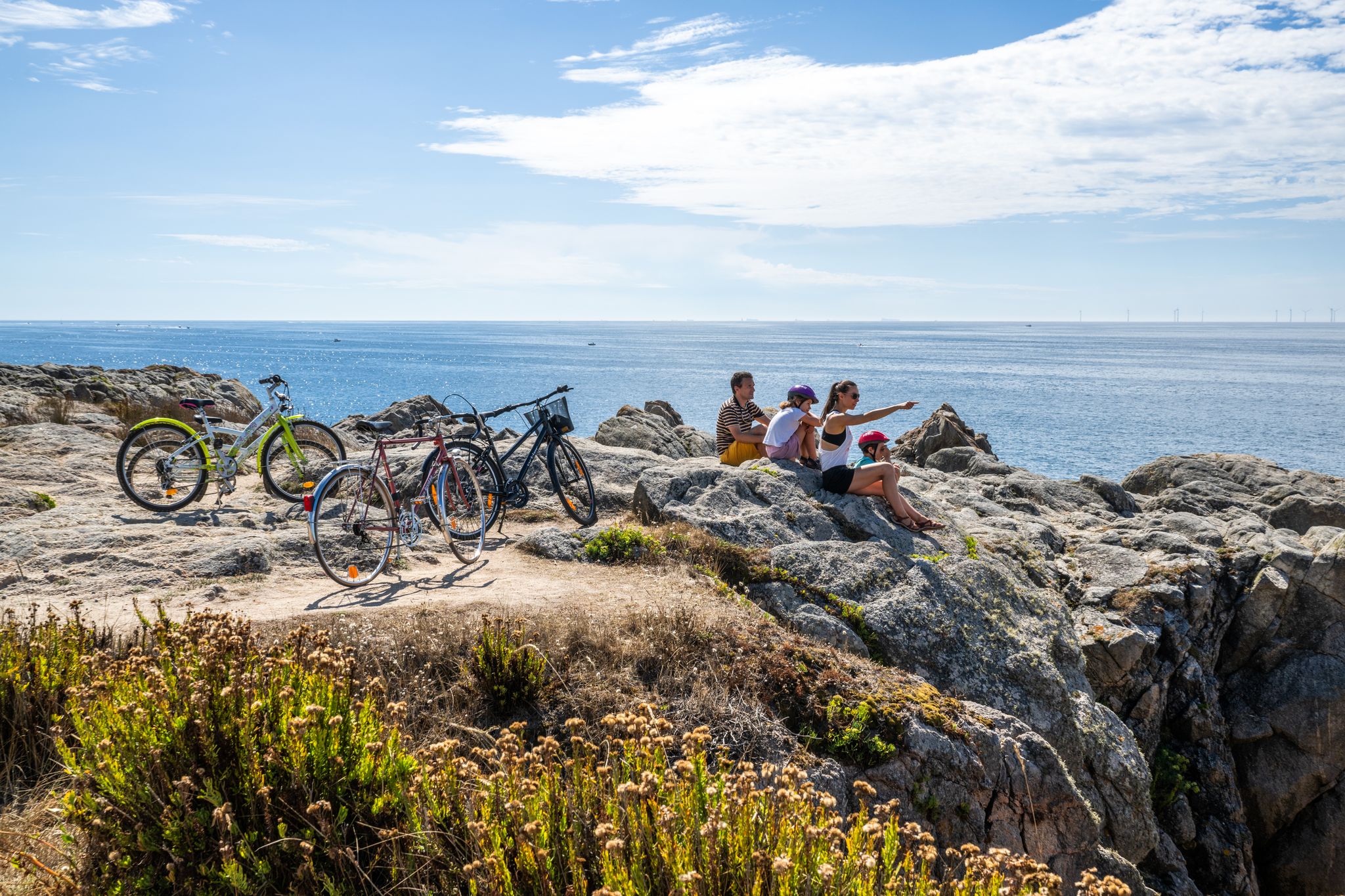
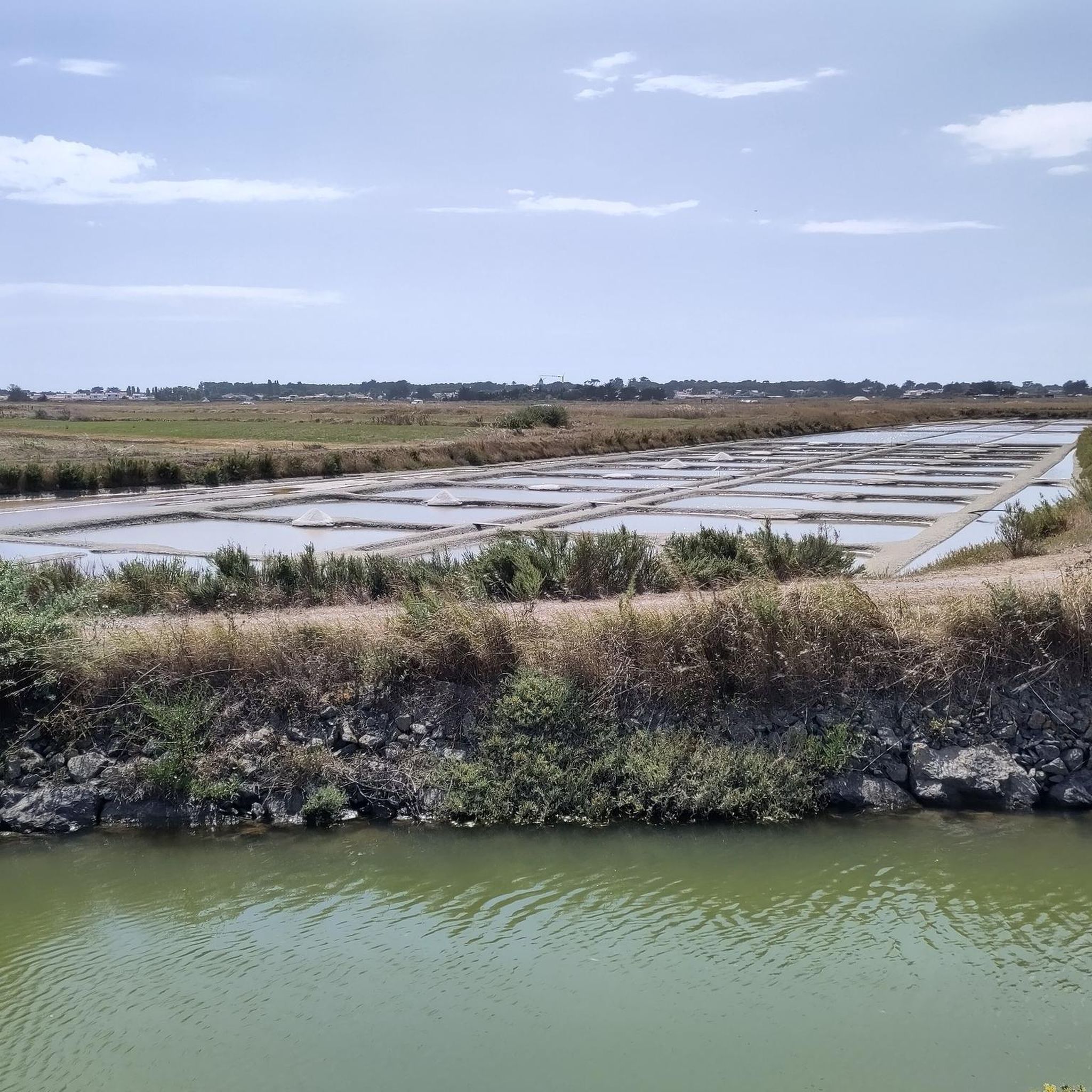
Touring cycling routes around Noirmoutier-En-L'Île are characterized by a remarkably flat topography, making them accessible for various skill levels. The island features an extensive network of cycling paths, including dedicated routes away from car traffic. Key physical features include expansive salt marshes, diverse coastal landscapes with sandy beaches, and maritime pine forests like the Bois de la Chaise. The highest elevation on the island is only 23 meters above sea level.
Best touring cycling routes around Noirmoutier-En-L'Île
- The most popular touring cycling route is Loop between beach and ports on the island of Noirmoutier, a 12.4 miles (19.9 km) trail that takes 1 hour 24 minutes to complete. This easy route guides cyclists through the island's maritime heritage, passing the historic center and L'Herbaudière Harbour.
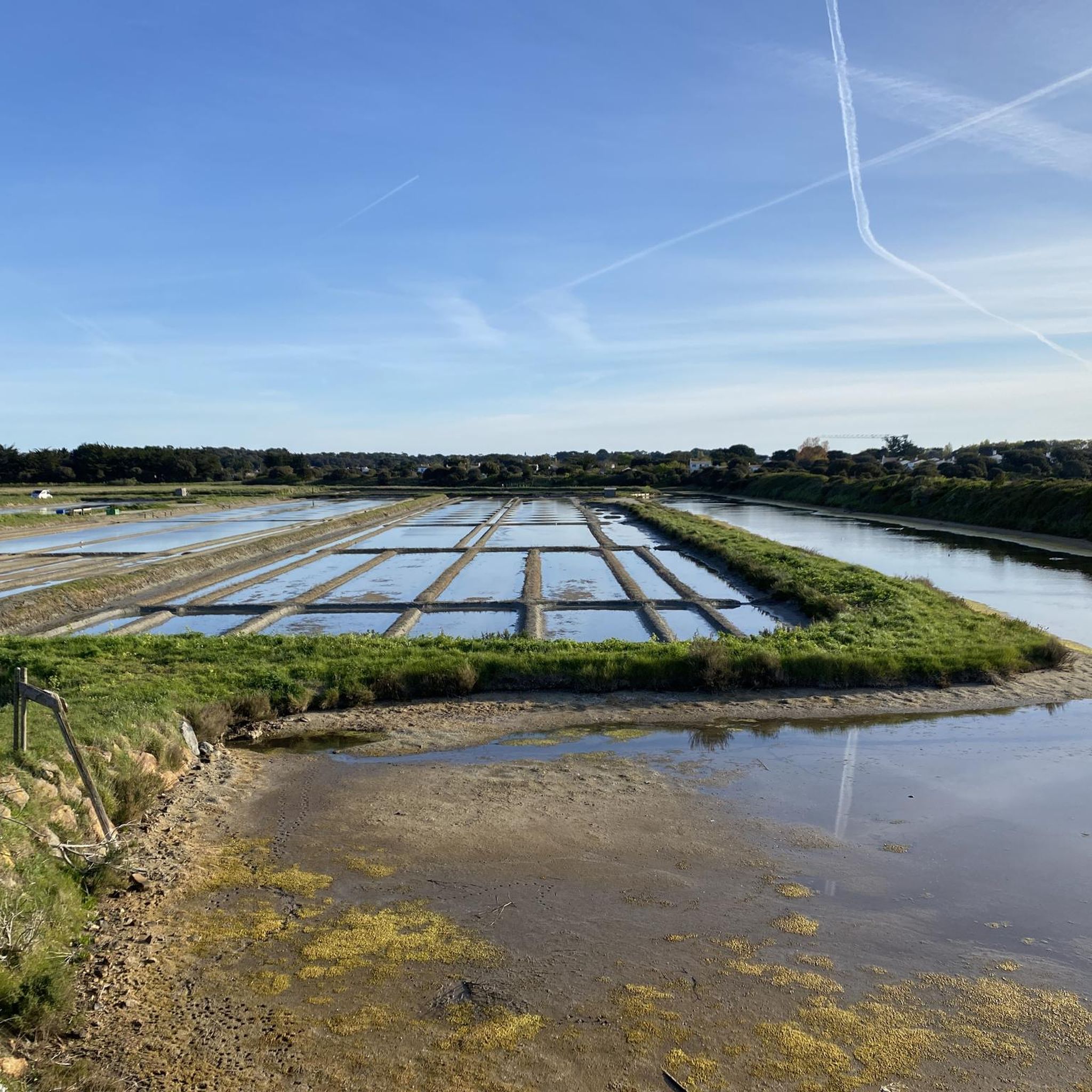
- Another top favourite among local touring cyclists is Salines on the Île de Noirmoutier – Noirmoutier Castle loop from Noirmoutier-en-l'Île, an easy 15.9 miles (25.6 km) path. This route offers a journey through the island's salt marshes and past the Noirmoutier Castle.
- Local touring cyclists also love the Noirmoutier Castle – Plage des Dames loop from Noirmoutier-en-l'Île, a 12.2 miles (19.7 km) trail leading through the historic center and past Plage des Dames beach, often completed in about 1 hour 7 minutes.
- Touring cycling around Noirmoutier-En-L'Île is defined by extensive salt marshes, coastal paths, and maritime pine forests. The network offers options for different ability levels, from easy family-friendly rides to longer routes.
- The routes in Noirmoutier-En-L'Île are highly rated by the komoot community with an average score of 4.4 stars from over 1000 reviews. More than 9000 touring cyclists have used komoot to explore Noirmoutier-En-L'Île's varied terrain.
Last updated: October 14, 2026
4.7
(373)
2,320
riders
19.9km
01:24
30m
30m
Easy bike ride. Great for any fitness level. Mostly paved surfaces. Suitable for all skill levels.
4.5
(51)
435
riders
Easy bike ride. Great for any fitness level. Mostly paved surfaces. Suitable for all skill levels.

4.7
(250)
1,361
riders
49.6km
02:52
70m
70m
Moderate bike ride. Good fitness required. Mostly paved surfaces. Suitable for all skill levels.
4.7
(26)
234
riders
25.1km
01:36
40m
40m
Easy bike ride. Great for any fitness level. Mostly paved surfaces. Suitable for all skill levels.
4.7
(26)
207
riders
16.8km
01:00
30m
30m
Easy bike ride. Great for any fitness level. Mostly paved surfaces. Suitable for all skill levels.
Get access to more routes and recommendations from other explorers.
Already have an account?
Our route recommendations are based on thousands of hikes, rides, and runs completed by other people on komoot.
Start today with a free account
Your next adventure awaits.
Popular around Noirmoutier-En-L'Île

Other adventures around Noirmoutier-En-L'Île

Tips from the Community


Beautiful beach and good restaurant.
0
0

Superb beach with a magnificent pier 😉 unfortunately the place is incredibly crowded in high season 😓 I recommend going around Easter or All Saints' Day
0
0

a spectacle not to be missed when it's the season, an incredible metamorphosis of nature
0
0
a must-see during a walk
0
0
Magnificent port 🤩🤩 I recommend
0
0

The Abbey of Notre-Dame de la Blanche was founded by Cistercian monks in 1172 and relocated to the north coast of Noirmoutier in 1205. The name "La Blanche" refers to the monks' white robes. In the Middle Ages, the abbey was economically active, particularly in salt production. During the French Revolution, it was dissolved and largely destroyed. Parts of the convent buildings, the Baroque abbot's house, and the "Porte des Lions" portal have been preserved. Today, the complex is protected as a monument historique but is not open to the public. It is considered an important testimony to Cistercian history in the Vendée.
0
0
Open to traffic 1.5 hours before low tide and until 1.5 hours after low tide. https://www.horaire-maree.fr/maree/Passage%20du%20gois/
1
0
Frequently Asked Questions
How many touring cycling routes are available in Noirmoutier-En-L'Île?
Noirmoutier-En-L'Île offers a wide selection of touring cycling routes, with over 80 options available on komoot. The vast majority, around 73, are rated as easy, making the island very accessible for cyclists of all abilities.
What is the terrain like for cycling in Noirmoutier-En-L'Île?
The island is exceptionally flat, with its highest point only 23 meters above sea level. This makes it an ideal destination for touring cyclists seeking easy, enjoyable rides without significant climbs. You'll find a mix of dedicated cycling paths, bike lanes, and low-traffic agricultural roads.
Are there family-friendly cycling routes in Noirmoutier-En-L'Île?
Yes, Noirmoutier-En-L'Île is very family-friendly for cycling. Its flat topography and extensive network of dedicated cycling paths, often away from car traffic, ensure a safe and pleasant experience for all ages. Many routes are between 18.5 km and 23.3 km, perfect for a family outing.
What kind of natural features and landscapes can I expect to see while cycling?
You'll encounter diverse and picturesque landscapes. Expect to cycle through extensive salt marshes, along beautiful sandy beaches like Plage des Dames, and through maritime pine forests such as the Bois de la Chaise. The island also features unique sights like the Passage du Gois, a submersible causeway.
Are there any circular cycling routes available?
Yes, many of the touring cycling routes on Noirmoutier-En-L'Île are circular, allowing you to start and end at the same point. For example, the Loop between beach and ports on the island of Noirmoutier is a popular circular option that explores the island's maritime heritage.
What historical landmarks or points of interest can I visit by bike?
Noirmoutier-En-L'Île is rich in history and culture. You can cycle past the historic center of Noirmoutier-en-l'Île, visit the impressive Noirmoutier Castle, or explore the charming village of Le Vieil. The Salines on the Île de Noirmoutier – Noirmoutier Castle loop from Noirmoutier-en-l'Île is a great route to combine natural beauty with historical sights.
Can I observe wildlife while cycling in Noirmoutier-En-L'Île?
Absolutely. The island's salt marshes and natural reserves, such as the Müllembourg Nature Reserve, are excellent for birdwatching. Cyclists can ride along embankments bordering these areas and observe hundreds of bird species in their natural habitat.
What do other touring cyclists say about the routes in Noirmoutier-En-L'Île?
The touring cycling routes in Noirmoutier-En-L'Île are highly regarded by the komoot community, with an average rating of 4.4 stars from over 1000 reviews. Cyclists often praise the island's flat, accessible terrain, the well-maintained dedicated paths, and the diverse scenery ranging from coastal views to salt marshes and forests.
Are there any challenging cycling routes for experienced riders?
While the majority of routes are easy, there are a few options for those seeking a greater challenge. For example, the Salt marshes – Entrance to the Passage du Gois loop from Le Grand Vieil is rated as difficult, covering a longer distance and offering a more demanding experience.
Where can I find bike rentals on the island?
Noirmoutier-En-L'Île is well-equipped for cyclists, and you'll find several bike rental shops across the island. Tourist offices are also a great resource for maps and information on where to rent bikes and plan your routes.
What is the best time of year for touring cycling in Noirmoutier-En-L'Île?
The island is enjoyable for cycling for much of the year, but spring and early autumn generally offer the most pleasant conditions with mild temperatures and fewer crowds. Summer is also popular, though it can be busier, especially on coastal routes.
Are there specific routes that showcase the island's salt production?
Yes, you can explore the island's unique salt-making heritage. The 'From Marshes to Mills' thematic route, for instance, guides you through the salterns to the Bonhomme oyster port, where you can learn about and even sample local oysters, and continues towards the Both Mill.
Can I cycle to the famous Passage du Gois?
Yes, cycling to the Passage du Gois is a unique experience. This submersible causeway is only accessible at low tide, so careful planning is essential to ensure your safety and enjoy this natural wonder.
Most popular routes around Noirmoutier-En-L'Île
Most popular attractions around Noirmoutier-En-L'Île

Get inspired with the komoot mobile app


Explore more
Browse the best Cycling routes in other regions.
