The best road cycling routes around Noirmoutier-En-L'Île
3.9
(114)
3,068
riders
23
rides
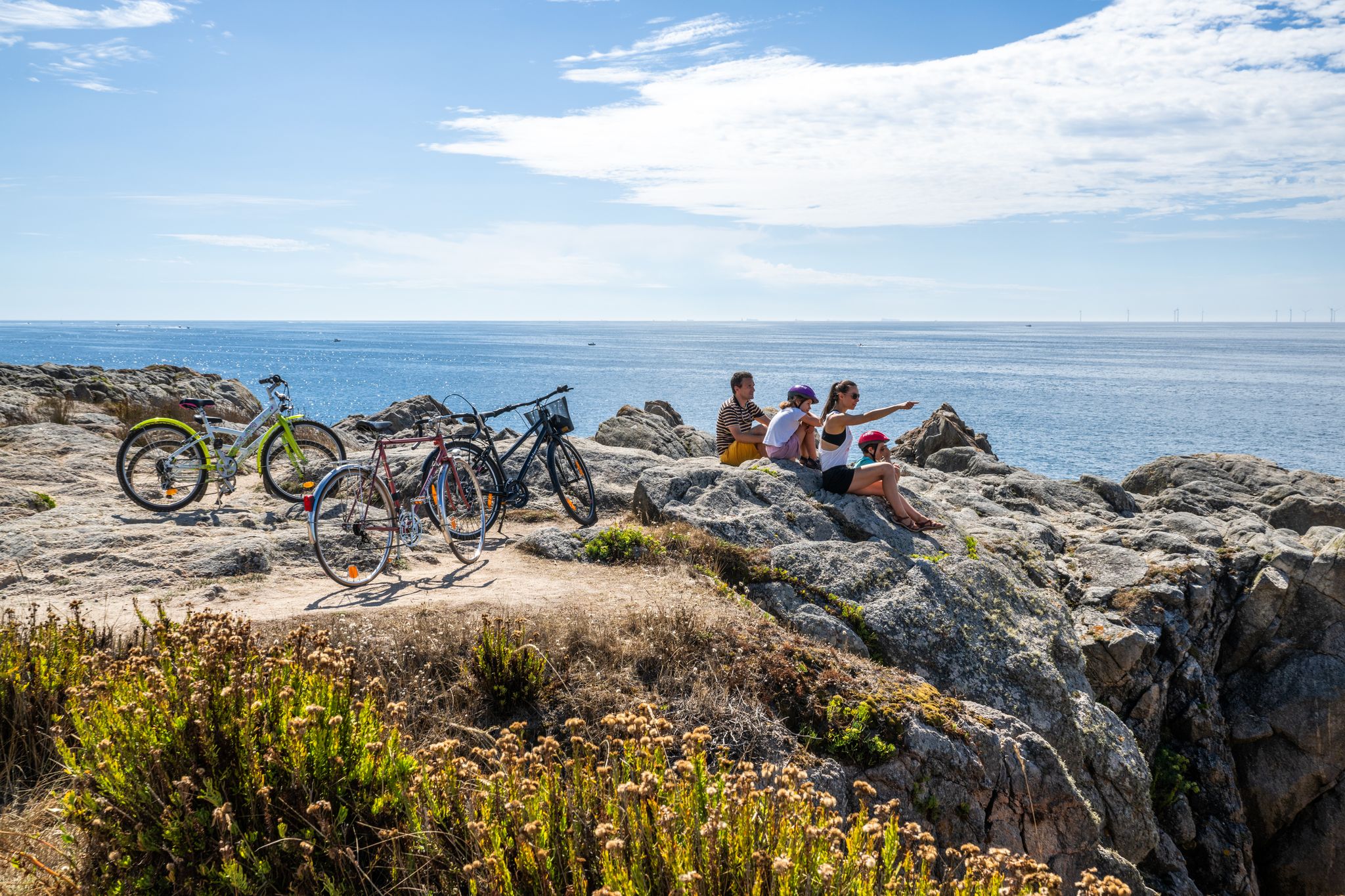
Road cycling around Noirmoutier-En-L'Île is characterized by its largely flat terrain and extensive network of cycle paths, making it accessible for various fitness levels. The island's landscape features long sandy beaches, vast salt marshes, and maritime pine forests. With the highest point at only 23 meters, the region offers gentle gradients for road cyclists. These routes often provide immersion in nature, away from vehicular traffic.
Best road cycling routes around Noirmoutier-En-L'Île
- The most popular road cycling route is Port de l'Herbaudière – Noirmoutier Castle loop from Noirmoutier-en-l'Île, a 25.8 miles (41.5 km) trail that takes 1 hour 43 minutes to complete. This route connects the lively Port de l'Herbaudière with the historic Noirmoutier Castle.
- Another top favourite among local road cyclists is Lobster Beach – Port of Bonhomme loop from Noirmoutier-en-l'Île, a moderate 36.4 miles (58.6 km) path. This route explores coastal areas and the Port of Bonhomme, offering diverse scenery.
- Local road cyclists also love the Port of Bonhomme – Passage du Gois loop from Le Grand Vieil, a 37.0 miles (59.6 km) trail leading through coastal landscapes and including the unique Passage du Gois, often completed in about 2 hours 27 minutes.
- Road cycling around Noirmoutier-En-L'Île is defined by coastal paths, salt marshes, and maritime pine forests. The network offers options for different ability levels, from easy loops to longer moderate routes.
- The routes in Noirmoutier-En-L'Île are highly rated by the komoot community with an average score of 4.3 stars from over 70 reviews. More than 2000 road cyclists have used komoot to explore Noirmoutier-En-L'Île's varied terrain.
Last updated: October 22, 2026
4.5
(31)
829
riders
58.7km
02:17
100m
100m
Moderate road ride. Good fitness required. Mostly well-paved surfaces and easy to ride.
4.5
(8)
193
riders
61.7km
02:36
70m
70m
Moderate road ride. Good fitness required. Some segments of this route may be unpaved and difficult to ride.

4.9
(7)
65
riders
88.5km
03:28
120m
120m
Moderate road ride. Good fitness required. Mostly well-paved surfaces and easy to ride.
4.0
(2)
68
riders
Easy road ride. Great for any fitness level. Mostly well-paved surfaces and easy to ride.
28
riders
82.5km
03:23
130m
130m
Moderate road ride. Good fitness required. Mostly well-paved surfaces and easy to ride.
Get access to more routes and recommendations from other explorers.
Already have an account?
Our route recommendations are based on thousands of hikes, rides, and runs completed by other people on komoot.
Start today with a free account
Your next adventure awaits.
Popular around Noirmoutier-En-L'Île


Other adventures around Noirmoutier-En-L'Île

Tips from the Community


Small village worth a detour, especially for its beautiful, perfectly preserved medieval church and the Rairé mill.
0
0

The Saint-Martin church is an 11th and 12th century church located in Sallertaine, France[1]. It belongs to the diocese of Luçon. It is dedicated to Saint Martin. This church is the remainder of an old priory founded at the beginning of the 11th century, dependent on the abbey of Marmoutier. Some masonry from the primitive church remains in the walls. The current state of the building is the result of a major reconstruction carried out at the end of the 12th century. The church was consecrated in 1173 by the bishop of Poitiers. The vaulting of the crossing of the transept presents a unique curiosity in Western France. Clearly seeking to imitate the so-called Plantagenet Gothic style, the master mason, who does not seem familiar with this new technique, created a Romanesque dome, sufficient in itself, which he adorned with ribs, without structural necessity, but which gives it an appearance evoking the Angevin vaults. Some elements of frescoes remain in the nave, which was once entirely covered, particularly an exceptional crucifixion because Christ still has his eyes open. Part of the nave has been demolished. The church suffered damage in 1568 during the Wars of Religion. Major restorations took place from 1617. The narrow Romanesque windows were enlarged, the crossing is surmounted by a timber spire. Three altarpieces adorn the apse and the transepts, leading to the destruction of the south absidiole and the installation of the sacristy in the southern one, separated from the transept by a wall supporting the new altar. Damaged during the revolution, becoming too narrow in the 19th century, it was replaced by a new parish church in 1906. It should then have been destroyed, but Abbot Grelier, passionate about archaeology, managed to have it classified as a historical monument in 1910 and 1912. However, the classification only included the western end of the nave, which the municipality had demolished in 1915. https://fr.wikipedia.org/wiki/Ancienne_%C3%A9glise_Saint-Martin_de_Sallertaine
0
0

Beautiful ride but the track is really bumpy. Worth a visit if you're not afraid of getting tossed around.
0
0

a spectacle not to be missed when it's the season, an incredible metamorphosis of nature
0
0
magnificent island, a real joy for cycling
0
0

The Abbey of Notre-Dame de la Blanche was founded by Cistercian monks in 1172 and relocated to the north coast of Noirmoutier in 1205. The name "La Blanche" refers to the monks' white robes. In the Middle Ages, the abbey was economically active, particularly in salt production. During the French Revolution, it was dissolved and largely destroyed. Parts of the convent buildings, the Baroque abbot's house, and the "Porte des Lions" portal have been preserved. Today, the complex is protected as a monument historique but is not open to the public. It is considered an important testimony to Cistercian history in the Vendée.
0
0
Open to traffic 1.5 hours before low tide and until 1.5 hours after low tide. https://www.horaire-maree.fr/maree/Passage%20du%20gois/
1
0
Frequently Asked Questions
What is the terrain like for road cycling in Noirmoutier-En-L'Île?
Noirmoutier-En-L'Île is renowned for its largely flat terrain, with the highest point reaching only 23 meters. This makes it an ideal destination for road cyclists of all fitness levels, offering gentle gradients and an extensive network of cycle paths that often run away from vehicular traffic.
Are there road cycling routes suitable for beginners or advanced cyclists?
Yes, the island offers a variety of road cycling routes catering to different skill levels. You'll find 7 easy routes for those new to road cycling or looking for a relaxed ride, alongside 20 moderate routes and 2 more challenging options for experienced cyclists. The flat landscape ensures accessibility for everyone.
What unique natural features or landmarks can I explore while road cycling on Noirmoutier-En-L'Île?
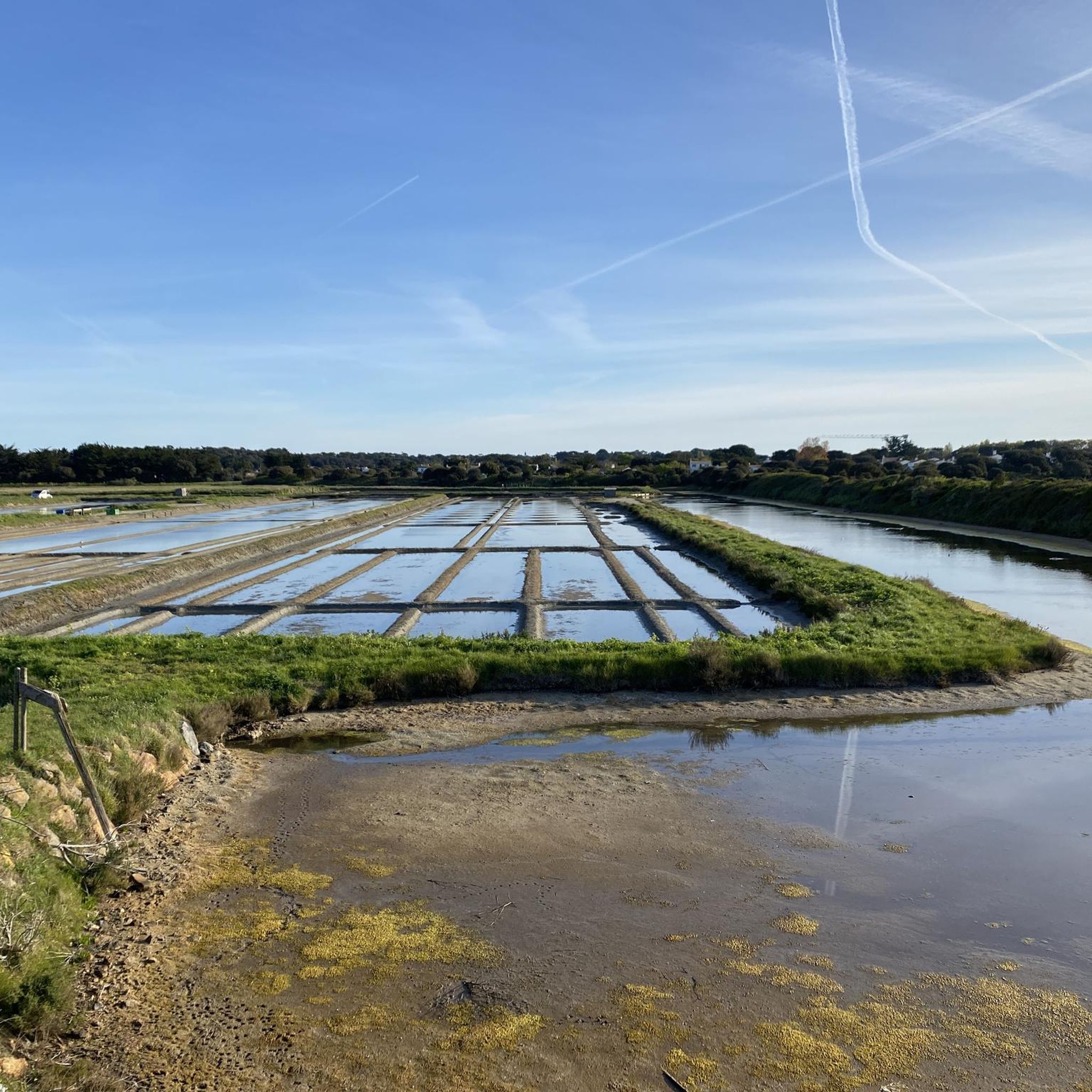
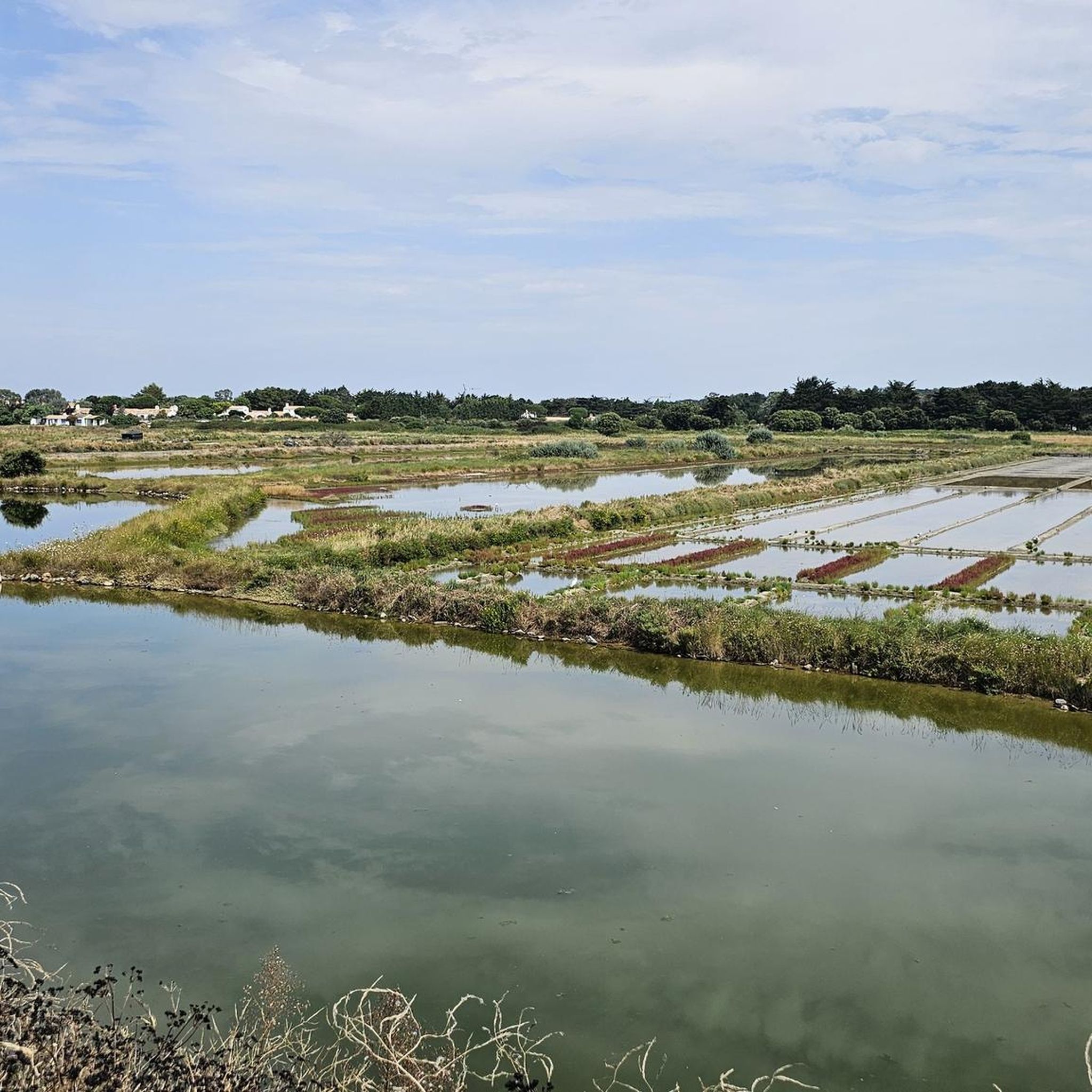
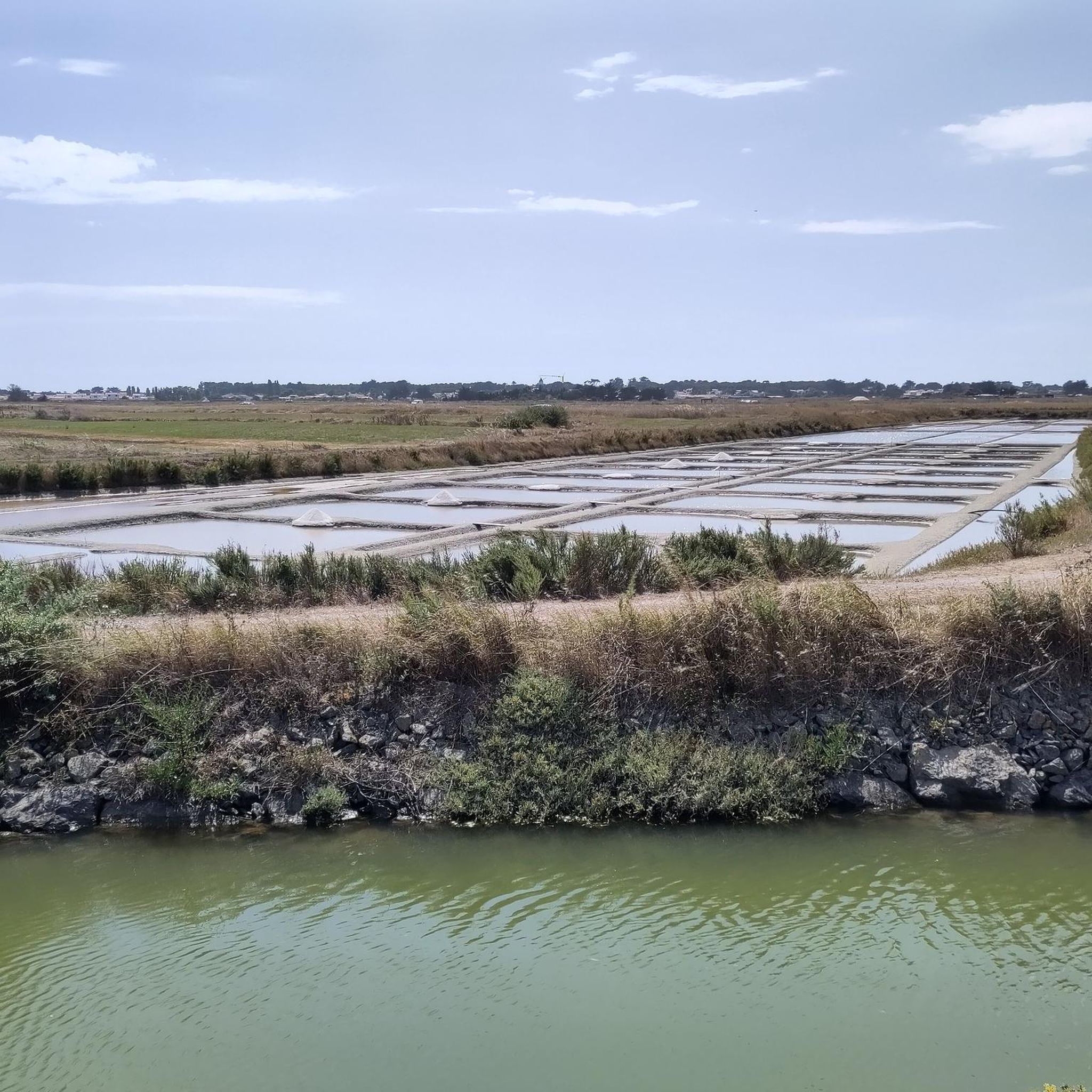
Road cycling routes on Noirmoutier-En-L'Île offer diverse scenery. You can cycle through vast salt marshes, explore maritime pine forests, and enjoy long, fine sandy beaches. A truly unique experience is cycling across the Passage du Gois, a submersible causeway connecting the island to the mainland, though caution and checking tide times are essential. Other notable sights include the Salines, where you can observe traditional sea-salt harvesting.
Are there any historical sites or points of interest along the road cycling routes?
Absolutely. Many routes will take you past historical and cultural points of interest. For instance, the Port de l'Herbaudière – Noirmoutier Castle loop from Noirmoutier-en-l'Île connects the lively Port de l'Herbaudière with the historic Noirmoutier Castle, a 12th-century medieval fortress offering panoramic views. You might also encounter the Saint-Philbert Church.
What do other road cyclists enjoy most about cycling in Noirmoutier-En-L'Île?
The road cycling experience in Noirmoutier-En-L'Île is highly rated by the komoot community, with an average score of 4.3 stars from over 70 reviews. Cyclists frequently praise the extensive network of dedicated cycle paths, the flat and accessible terrain, and the beautiful, varied landscapes that include coastal views, salt marshes, and forests.
Can I find circular road cycling routes on the island?
Yes, many of the road cycling routes on Noirmoutier-En-L'Île are designed as loops, allowing you to start and finish in the same location. Examples include the Lobster Beach – Port of Bonhomme loop from Noirmoutier-en-l'Île and the Port of Bonhomme – Passage du Gois loop from Le Grand Vieil, offering convenient exploration of the island's diverse scenery.
Are there any road cycling routes that offer coastal views or beach access?
Noirmoutier-En-L'Île is an island, so coastal views are a prominent feature of many road cycling routes. You'll find paths that run alongside long, fine sandy beaches like Plage des Dames. Routes like the Noirmoutier Castle – Lobster Beach loop from Noirmoutier-en-l'Île specifically explore coastal areas, providing refreshing sea breezes and scenic vistas.
What is the best time of year to go road cycling in Noirmoutier-En-L'Île?
Noirmoutier-En-L'Île benefits from a mild micro-climate, making it pleasant for road cycling for much of the year. Spring and autumn generally offer comfortable temperatures and fewer crowds, while summer provides warm weather ideal for combining cycling with beach activities. Always check the local weather forecast before heading out.
How many road cycling routes are available in Noirmoutier-En-L'Île?
There are nearly 30 road cycling routes available around Noirmoutier-En-L'Île, offering a wide range of options for exploring the island's unique landscapes. These routes vary in length and difficulty, ensuring there's something for every road cyclist.
Are there any routes that pass through the Bois de la Chaise?
While specific komoot routes are not listed for the Bois de la Chaise, this area in the north of the island is known for its maritime pine forest and intimate coves, making it a beautiful spot for cycling. Many local paths and loops will likely incorporate or pass near this picturesque woodland, offering a different natural environment to explore.
Can I find routes that showcase the island's salt marshes?
Yes, the salt marshes cover nearly a third of the island and are a significant part of its heritage. Many road cycling routes are designed to pass through or alongside these areas, allowing you to witness the traditional sea-salt harvesting and the vibrant hues of the salt ponds. Look for routes that traverse the central and southern parts of the island for the best views of the Salines.
What is the typical distance and duration for road cycling routes in Noirmoutier-En-L'Île?
Road cycling routes on Noirmoutier-En-L'Île vary in length and duration. For example, the Jacobsen Pier – Jacobsen Pier loop from Noirmoutier-en-l'Île is about 44.8 km (27.8 miles) and takes around 1 hour 50 minutes. Shorter options are available, as are longer routes like the Port of Bonhomme – Passage du Gois loop from Le Grand Vieil, which is nearly 60 km (37 miles) and takes about 2 hours 27 minutes.
Most popular routes around Noirmoutier-En-L'Île
Most popular attractions around Noirmoutier-En-L'Île

Get inspired with the komoot mobile app


Explore more
Browse the best Road cycling routes in other regions.
