The best cycling routes around Autignac
4.5
(219)
1,845
riders
145
rides
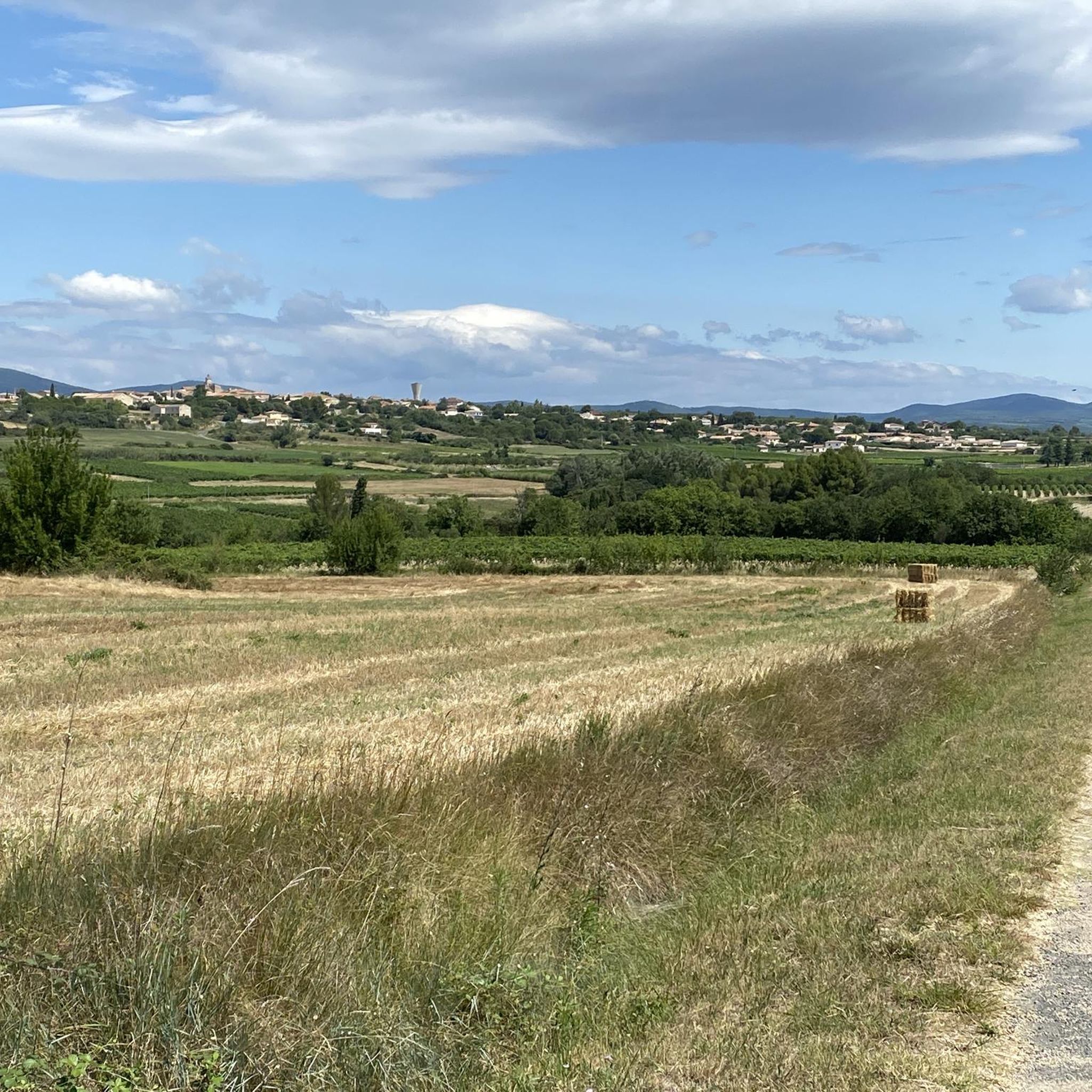
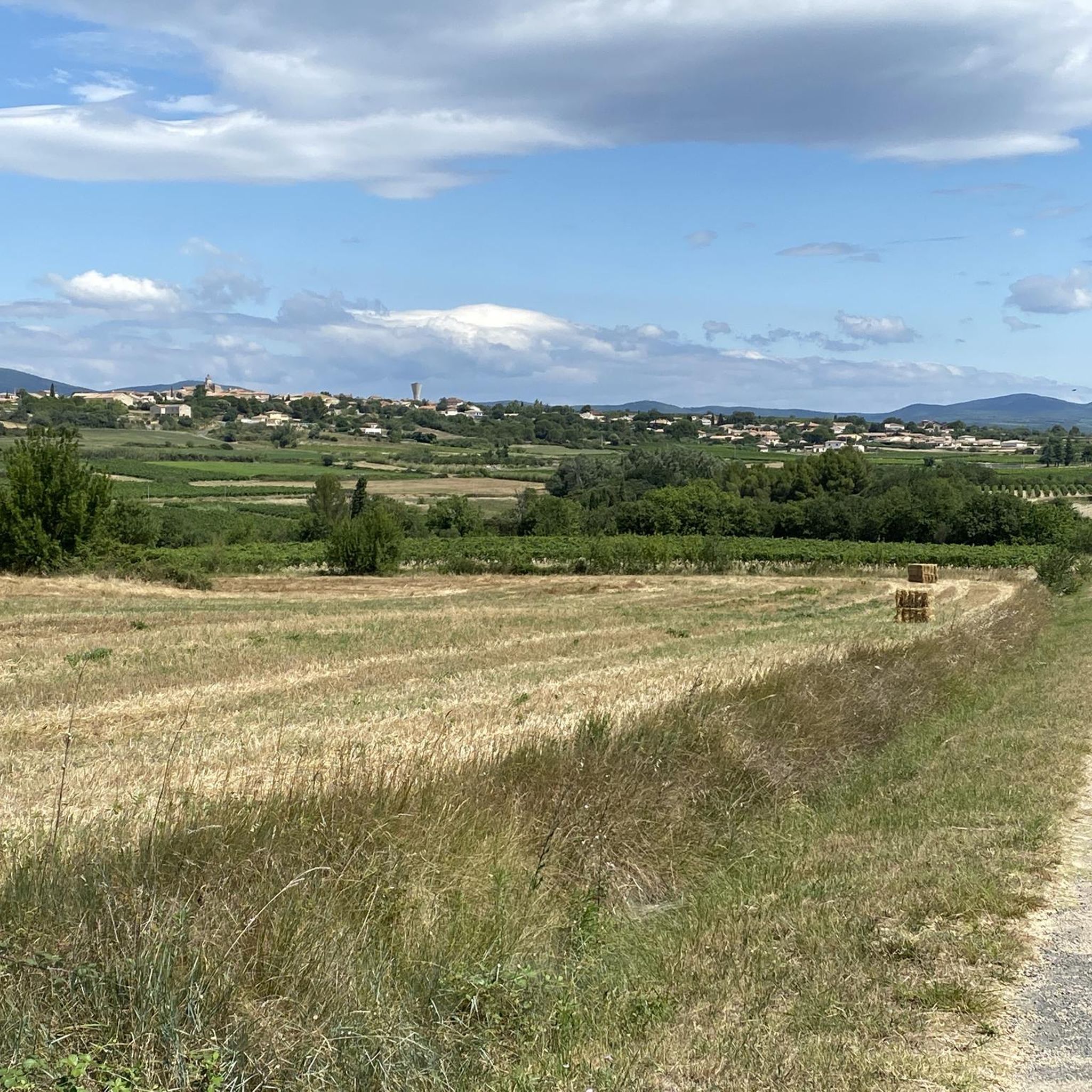
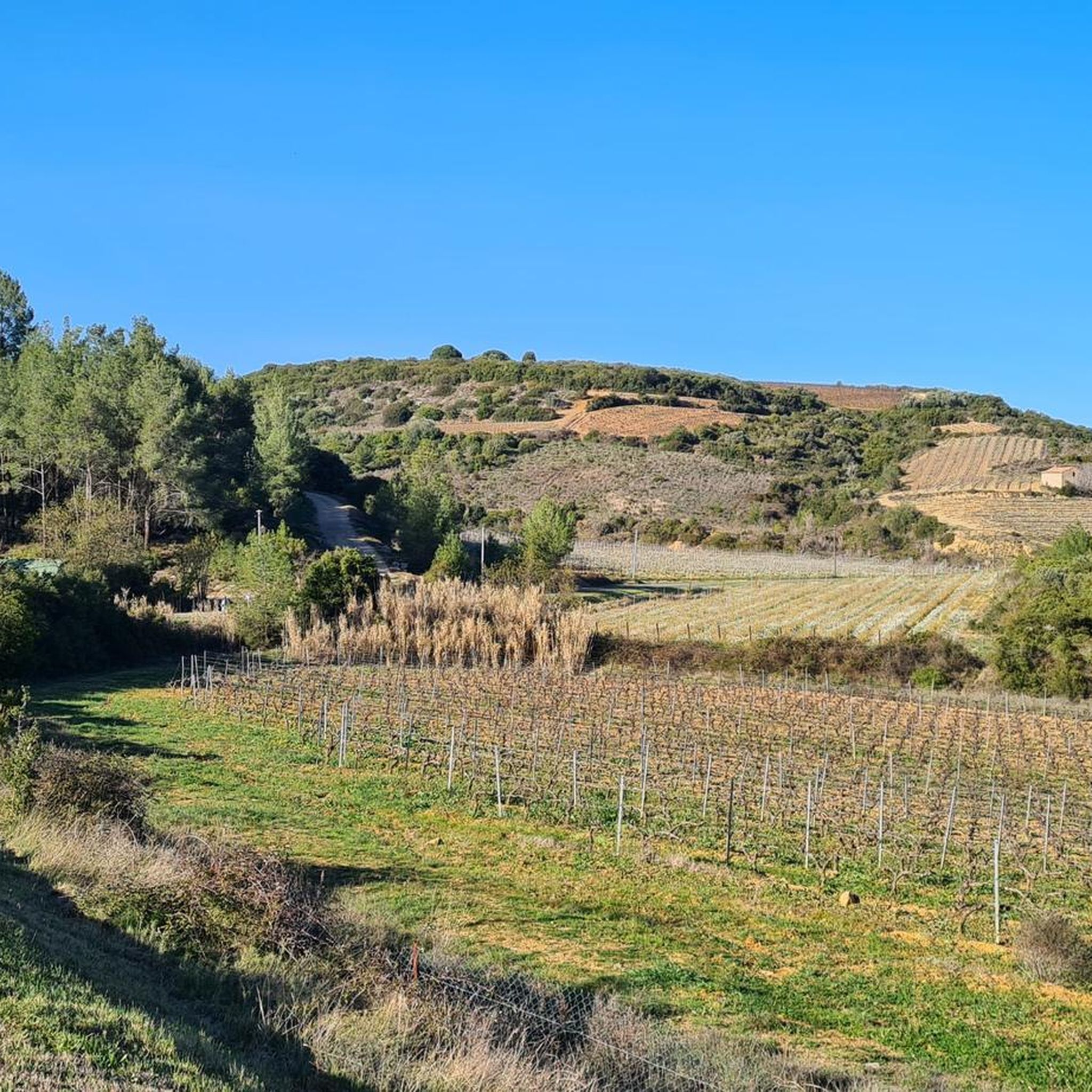
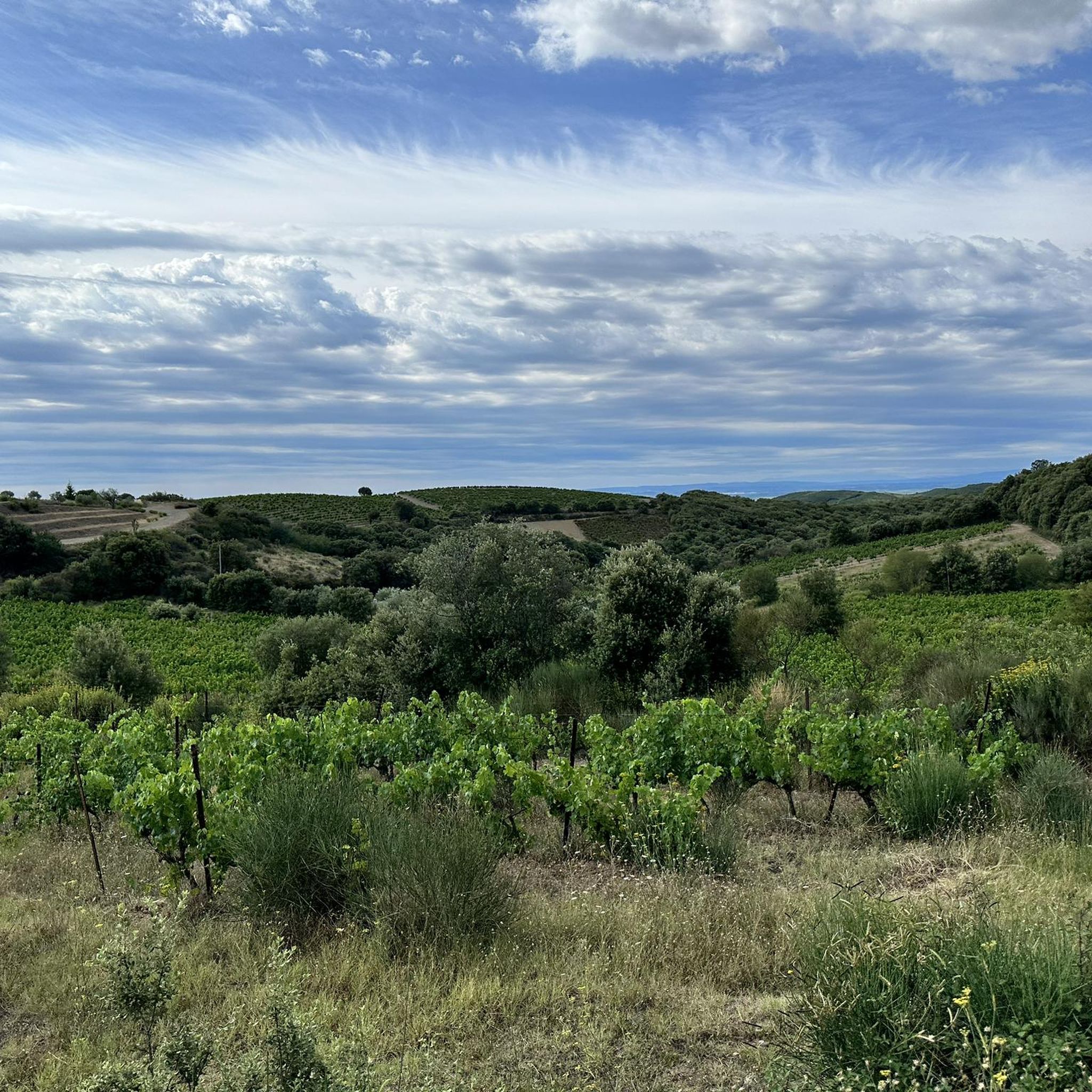
Touring cycling routes around Autignac traverse a diverse landscape, ranging from flat coastal plains to the foothills of the Cévennes. The region is characterized by extensive vineyards and aromatic Mediterranean scrubland, known as Garrigue. Cyclists can explore scenic river valleys, such as the Hérault River, and find routes leading to historic villages. This varied topography provides a range of experiences for touring cyclists.
Best touring cycling routes around Autignac
- The most popular touring cycling route is Béziers and Faugères Loop…
Last updated: October 10, 2026
5.0
(1)
3
riders
69.1km
04:22
670m
670m
Hard bike ride. Very good fitness required. Some segments of this route may be unpaved and difficult to ride.
24
riders
67.1km
04:32
1,080m
1,080m
Hard bike ride. Very good fitness required. Mostly paved surfaces. Suitable for all skill levels.

4.0
(1)
9
riders
31.6km
01:57
320m
320m
Moderate bike ride. Good fitness required. Mostly paved surfaces. Suitable for all skill levels.
4.5
(2)
12
riders
49.8km
03:13
680m
680m
Hard bike ride. Very good fitness required. Mostly paved surfaces. Suitable for all skill levels.
22
riders
87.0km
06:13
1,800m
1,800m
Hard bike ride. Very good fitness required. Mostly paved surfaces. Suitable for all skill levels.
Get access to more routes and recommendations from other explorers.
Already have an account?
Our route recommendations are based on thousands of hikes, rides, and runs completed by other people on komoot.
Start today with a free account
Your next adventure awaits.

Tips from the Community

The castle overlooks Pézènes-les-Mines from the upper part of the village. This castle is private, but its facades, roofs, and enclosure have been protected as historical monuments since 1981. Its history is ancient, but the ensemble we see today is the result of several construction and transformation campaigns. The Romanesque chapel, integrated into the castle, dates back to the 12th century. Its apse was later raised in the 14th century to take on a defensive function. The castle itself underwent significant alterations in the 14th, 16th, and 17th centuries. Two gates were notably built into the enclosure in the 17th century. The defensive elements are still very legible: two gates with arrow slits controlled access to the courtyard and were once protected by a drawbridge. Two towers flank the ensemble, while the enclosure follows the natural irregularities of the terrain. The chapel also retains a rather remarkable detail: its door and some of its bays are decorated with basalt inlays, giving the building a discreet but original polychromy. Pézènes-les-Mines was not always the small village one might imagine today. Pézènes was the capital of a marquisate that grouped the communities of Pézènes, Montesquieu, and Valmascle. The castle was therefore at the heart of a larger seigneurial territory. Little-known information: A plan from 1800 shows that behind the castle stretched a long terrace of about 270 meters, arranged as a garden, promenade, and belvedere overlooking the Peyne valley.
2
0
The landscape opens onto the hamlet of Ceps, nestled on the banks of the Orb river. This village boasts a Romanesque church from the 12th century, a testament to ancient human presence in this enclosed area. Behind it, the wooded reliefs of the Haut-Languedoc form a natural backdrop that seems to protect the village.
2
0
From this developed viewpoint, the Orb valley reveals all its richness. Below, the river draws large meanders between the wooded reliefs of the Haut-Languedoc. In the heart of the valley appears the domain of Graïs, while in the distance the villages of Boissezon and Vieussan integrate into this mountain landscape. This view offers a true reading of the territory: water, rock, and forest have shaped a valley where humans have established their villages by adapting to the terrain.
2
0
At first glance, three towers standing against the wind are particularly noticeable. However, this site is much more than a viewpoint. The windmills of Faugères were built in the 16th century, at a time when cereals still occupied an essential place in the local economy. Their location is probably no accident: according to tradition and local heritage studies, they were established on older towers, probably of Gallo-Roman origin, which already occupied this strategic position. Already noted in ruins on the Cassini map of 1777, the mills briefly regained their activity thanks to the Rivière brothers from 1829, before being abandoned again. It was not until the 1990s that an ambitious restoration brought the site back to life. Since 1998, one of the mills has been operating again with a traditional mechanism and 19th-century millstones. From the orientation table, the view extends 360° over the Faugères vineyards, the Mediterranean, the Cévennes, the Lozère, and, on a clear day, as far as the Pyrenees.
2
0
Roquebrun is much more than a pretty village on the banks of the Orb. Occupied since the Neolithic period, it is dominated by a Carolingian tower built around 900 to watch over the valley. But what makes it truly unique is its microclimate: sheltered from the north winds, it hosts orange, lemon, palm, and cactus trees in the open ground, a very rare phenomenon in the Hérault hinterland. This mildness has earned it the nickname of the "Nice of the Hérault" and has allowed the creation of a remarkable Mediterranean Garden on the terraces overlooking the village. An essential detour, as much for its history as for its atmosphere.
1
0
Le Château de Grézan is a fascinating historical trompe-l'œil. Behind its medieval fortress appearance hides a 19th-century creation, built on a site occupied since Roman times and which became a commandery of the Hospitallers in the 12th century. Destroyed during the Revolution, the estate is reborn under the impetus of Gabriel de Mirepoix and the architect Louis Garros, in a style inspired by Viollet-le-Duc. With its ramparts, towers, and enclosure, it fully deserves its nickname of “Little Carcassonne” and is one of the most surprising wine castles in Languedoc.
2
0
The cliffs of Orque (or Olque, depending on local toponyms) form a real rocky front overlooking the Haut-Languedoc: a limestone wall about 200 meters high, leaning against a plateau perched around 800 meters, north of the Caroux and Espinouse massifs.
2
0
From Saint-Gervais-sur-Mare, the Col des Treize Vents offers a pleasant and gradual climb. You can stop at one of the hairpin bends to take a moment and admire the magnificent panorama over the valley. The descent towards Hérépian is fast and exhilarating.
2
0
Frequently Asked Questions
How many touring cycling routes are available around Autignac?
There are over 140 touring cycling routes around Autignac, catering to various skill levels. This includes 7 easy routes, 55 moderate routes, and 79 difficult routes, offering a wide range of experiences from gentle rides through vineyards to challenging ascents in the Cévennes foothills.
What kind of landscapes can I expect to see while cycling near Autignac?
Cycling around Autignac offers a diverse range of landscapes. You'll traverse extensive vineyards, aromatic Mediterranean scrubland known as Garrigue, and scenic river valleys like the Hérault River. The region also provides access to coastal plains and the foothills of the Cévennes, with routes near natural features such as the Étang de Thau lagoon and the unique red landscape around Lac du Salagou.
Are there any family-friendly cycling options in the Autignac area?
Yes, the region offers routes suitable for families. While specific family-friendly routes are not detailed, the extensive cycling network includes greenways and dedicated cycle paths, such as sections along the historic Canal du Midi. These flat, scenic journeys are ideal for a relaxed family outing. Look for routes categorized as 'easy' for the most suitable options.
What are some notable landmarks or villages I can visit on a touring cycling route?
Many touring cycling routes pass through or near charming historic villages and natural attractions. You could cycle towards Roquebrun, known for its picturesque setting, or explore the area around Cessenon-sur-Orb. The region also features historic villages like Saint-Guilhem-le-Désert with its Roman abbey, and Pézenas, known for its 15th and 16th-century buildings.
What is the best time of year for touring cycling in Autignac?
The Hérault region, including Autignac, generally offers pleasant cycling conditions for much of the year. Spring and autumn are often ideal, with milder temperatures perfect for exploring the vineyards and scrubland. Summers can be warm, but early morning rides are still enjoyable. The extensive cycling network and varied terrain mean you can find suitable routes across different seasons.
Are there any circular touring cycling routes around Autignac?
Yes, many routes around Autignac are designed as loops. For example, the Grézan Castle loop from Laurens is a moderate 31.6 km trail that takes about 1 hour 57 minutes. Another option is the challenging Béziers and Faugères Loop, covering 69.1 km with varied terrain.
What is the difficulty level of touring cycling routes in Autignac?
The routes around Autignac cater to a wide range of abilities. You'll find 7 easy routes for a relaxed ride, 55 moderate routes for those seeking a bit more challenge, and 79 difficult routes for experienced cyclists looking for significant elevation gains, such as the Espinouse Massif – 13 winds pass loop from Laurens.
Can I find cafes or restaurants along the cycling routes?
Cycling routes in the Autignac area often pass through or near charming villages where you can find local cafes and restaurants. The region is known for its wine production, so you might also encounter local 'Cave Cooperative' establishments offering wine tasting. Planning your route to include stops in villages like Saint-Guilhem-le-Désert or Pézenas will provide opportunities for refreshments.
What do other touring cyclists say about the routes in Autignac?
The touring cycling routes in Autignac are highly regarded by the komoot community, with an average score of 4.6 stars from 159 reviews. Cyclists often praise the varied terrain, from scenic vineyards to challenging hills, and the well-maintained paths that allow for diverse experiences. Over 1600 touring cyclists have used komoot to explore the area.
Are there any routes that offer views of the Orb Gorges?
Yes, some routes provide stunning views of the Orb Gorges. The challenging View of Roquebrun – Roquebrun loop from Laurens, for instance, features significant elevation gain and offers scenic vistas of this dramatic natural formation.
Is it possible to rent bikes in or near Autignac?
While specific rental shops in Autignac are not detailed, the Hérault region is well-equipped for cyclists. Larger towns nearby or along popular cycling routes often have bike rental services. It's advisable to check with local tourist information centers or search online for bike rental options in the vicinity of Autignac before your visit.
Are there any routes that connect to the Canal du Midi?
Yes, the broader Hérault region, which encompasses Autignac, offers routes that connect to the historic Canal du Midi, a UNESCO World Heritage site. Routes like the 'Béziers to Sète – Canal des Deux Mers by bike' provide a smooth cycling experience along the canal's tree-lined towpaths, offering tranquil scenery and picturesque villages.
Most popular attractions around Autignac

Get inspired with the komoot mobile app


Explore more
Browse the best Cycling routes in other regions.
